


265 Results
Form:
books
books
Actions:
Price:
$50.00
(available to order)
Summary:
This book assess the present trajectory of arts institutions by explicating various issues, each of which is associated with an imaginary room. Readers journey from the reception to the roof terrace via rooms dedicated to temporary exhibitions, site-specific commissions and collections displays, taking in the bookshop, café, auditorium and education spaces along the way.(...)
$50.00
(available to order)
Summary:
This book assess the present trajectory of arts institutions by explicating various issues, each of which is associated with an imaginary room. Readers journey from the reception to the roof terrace via rooms dedicated to temporary exhibitions, site-specific commissions and collections displays, taking in the bookshop, café, auditorium and education spaces along the way.(...)
Title:
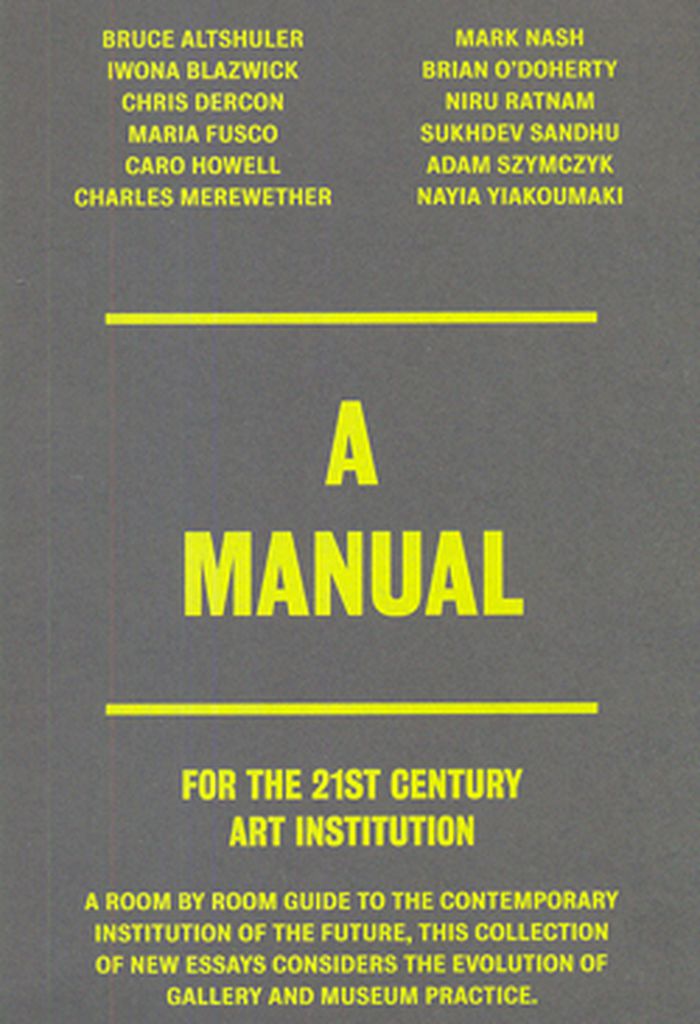
A manual for the 21st century art institution
Actions:
Price:
$50.00
(available to order)
Summary:
This book assess the present trajectory of arts institutions by explicating various issues, each of which is associated with an imaginary room. Readers journey from the reception to the roof terrace via rooms dedicated to temporary exhibitions, site-specific commissions and collections displays, taking in the bookshop, café, auditorium and education spaces along the way. Bruce Altshuler,Chris Dercon, Maria Fusco, Caro Howell, Charles Merewether, Mark Nash, Niru Ratnam, Sukhdev Sandhu, Adam Szymczyk and Nayia Yiakoumaki are our guides to this inviting theater. The result is an indispensable handbook for art professionals, students and anyone curious about today's art world.
A manual for the 21st century art institution
Actions:
Price:
$50.00
(available to order)
Summary:
This book assess the present trajectory of arts institutions by explicating various issues, each of which is associated with an imaginary room. Readers journey from the reception to the roof terrace via rooms dedicated to temporary exhibitions, site-specific commissions and collections displays, taking in the bookshop, café, auditorium and education spaces along the way. Bruce Altshuler,Chris Dercon, Maria Fusco, Caro Howell, Charles Merewether, Mark Nash, Niru Ratnam, Sukhdev Sandhu, Adam Szymczyk and Nayia Yiakoumaki are our guides to this inviting theater. The result is an indispensable handbook for art professionals, students and anyone curious about today's art world.
Form:
books
books
Publication:
February 2010
February 2010
Subject:
Museology
Museology
Form:
books
books
Actions:
Price:
$25.95
(available to order)
Summary:
Pur produit de l'Occident qui s'exporte aujourd'hui avec fracas, le musée est en réalité une institution coupée de la vie, qui s'est constituée en mythologie, voire en uchronie (monde privé d'histoire). S'il témoigne de notre besoin d'une référence identitaire stable, il n'en est pas moins en porte-à-faux avec les réalités sociales contemporaines. Doit-il fermer ses(...)
$25.95
(available to order)
Summary:
Pur produit de l'Occident qui s'exporte aujourd'hui avec fracas, le musée est en réalité une institution coupée de la vie, qui s'est constituée en mythologie, voire en uchronie (monde privé d'histoire). S'il témoigne de notre besoin d'une référence identitaire stable, il n'en est pas moins en porte-à-faux avec les réalités sociales contemporaines. Doit-il fermer ses(...)
Title:
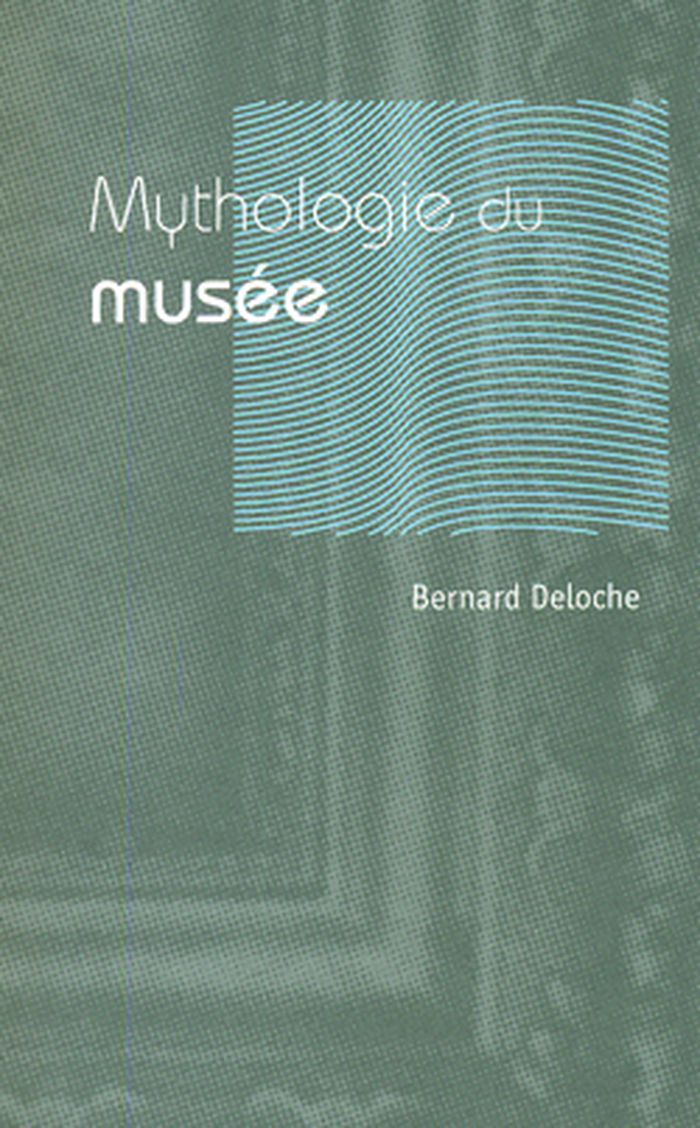
Mythologie du musée : de l'uchronie à l'utopie
Actions:
Price:
$25.95
(available to order)
Summary:
Pur produit de l'Occident qui s'exporte aujourd'hui avec fracas, le musée est en réalité une institution coupée de la vie, qui s'est constituée en mythologie, voire en uchronie (monde privé d'histoire). S'il témoigne de notre besoin d'une référence identitaire stable, il n'en est pas moins en porte-à-faux avec les réalités sociales contemporaines. Doit-il fermer ses portes ou peut-il se rénover ? Dans le sillage des différentes utopies proposées à la fin du XXe siècle, les récents musées de société tentent d'échapper à toute forme de dogmatisme en pratiquant l'ouverture et la mise en question délibérée.
Mythologie du musée : de l'uchronie à l'utopie
Actions:
Price:
$25.95
(available to order)
Summary:
Pur produit de l'Occident qui s'exporte aujourd'hui avec fracas, le musée est en réalité une institution coupée de la vie, qui s'est constituée en mythologie, voire en uchronie (monde privé d'histoire). S'il témoigne de notre besoin d'une référence identitaire stable, il n'en est pas moins en porte-à-faux avec les réalités sociales contemporaines. Doit-il fermer ses portes ou peut-il se rénover ? Dans le sillage des différentes utopies proposées à la fin du XXe siècle, les récents musées de société tentent d'échapper à toute forme de dogmatisme en pratiquant l'ouverture et la mise en question délibérée.
Form:
books
books
Publication:
April 2010
April 2010
Subject:
Museology
Museology
Form:
books
books
Actions:
Price:
$24.95
(available to order)
Summary:
This publication offers a reappraisal of archives and a look at the challenges they face in a time when issues of freedom of information, privacy, technology, and digitization are increasingly important. The contributors argue that archives are essential to contemporary debates about public policy and make a case for more status, funding, and influence within public(...)
$24.95
(available to order)
Summary:
This publication offers a reappraisal of archives and a look at the challenges they face in a time when issues of freedom of information, privacy, technology, and digitization are increasingly important. The contributors argue that archives are essential to contemporary debates about public policy and make a case for more status, funding, and influence within public(...)
Title:
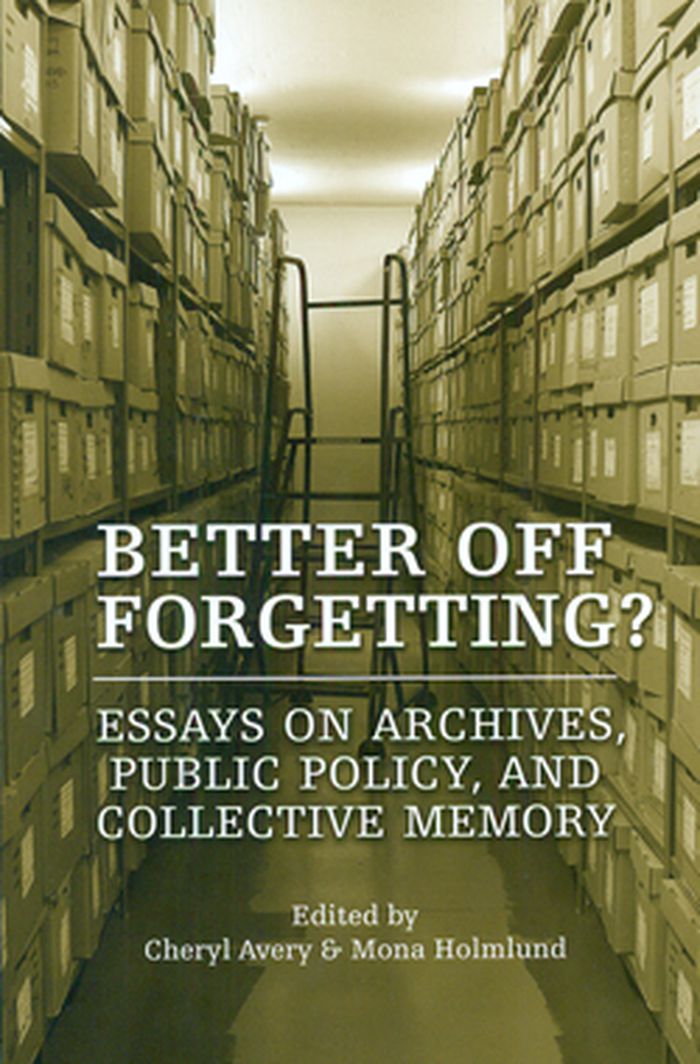
Better off forgetting? Essays on archives, public policy, and collective memory
Actions:
Price:
$24.95
(available to order)
Summary:
This publication offers a reappraisal of archives and a look at the challenges they face in a time when issues of freedom of information, privacy, technology, and digitization are increasingly important. The contributors argue that archives are essential to contemporary debates about public policy and make a case for more status, funding, and influence within public bureaucracies. While stimulating debate about our rapidly changing information environment, this book focus on the continuing role of archives in gathering and preserving our collective memory.
Better off forgetting? Essays on archives, public policy, and collective memory
Actions:
Price:
$24.95
(available to order)
Summary:
This publication offers a reappraisal of archives and a look at the challenges they face in a time when issues of freedom of information, privacy, technology, and digitization are increasingly important. The contributors argue that archives are essential to contemporary debates about public policy and make a case for more status, funding, and influence within public bureaucracies. While stimulating debate about our rapidly changing information environment, this book focus on the continuing role of archives in gathering and preserving our collective memory.
Form:
books
books
Publication:
September 2010
September 2010
Subject:
Museology
Museology
Form:
books
books
Title:
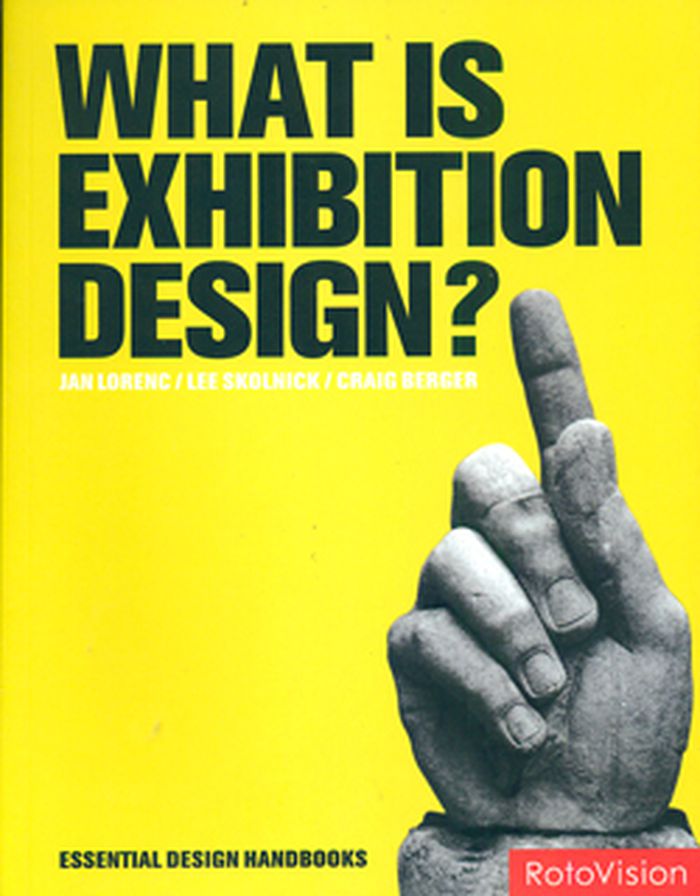
What is exhibition design?
What is exhibition design?
Actions:
Price:
$28.00
(available to order)
Summary:
What is Exhibition Design? provides a diverse portfolio of cutting-edge work from designers and studios around the world.
$28.00
(available to order)
Summary:
What is Exhibition Design? provides a diverse portfolio of cutting-edge work from designers and studios around the world.
Title:
What is exhibition design?
Actions:
Price:
$28.00
(available to order)
Summary:
What is Exhibition Design? provides a diverse portfolio of cutting-edge work from designers and studios around the world.
What is exhibition design?
Actions:
Price:
$28.00
(available to order)
Summary:
What is Exhibition Design? provides a diverse portfolio of cutting-edge work from designers and studios around the world.
Form:
books
books
Publication:
August 2010
August 2010
Subject:
Museology
Museology
Form:
books
books
Title:
The Biennial reader
The Biennial reader
Actions:
Price:
$61.00
(available to order)
Summary:
Born as a vehicle for national propaganda, the art biennial today has become an outsize phenomenon mobilizing not only artists, curators and gallerists but sponsors, celebrities and politicians, commanding huge press attention and deciding the careers of artists worldwide. For a city to host a biennial today has colossal ramifications. This anthology on the art biennial(...)
$61.00
(available to order)
Summary:
Born as a vehicle for national propaganda, the art biennial today has become an outsize phenomenon mobilizing not only artists, curators and gallerists but sponsors, celebrities and politicians, commanding huge press attention and deciding the careers of artists worldwide. For a city to host a biennial today has colossal ramifications. This anthology on the art biennial(...)
Title:
The Biennial reader
Actions:
Price:
$61.00
(available to order)
Summary:
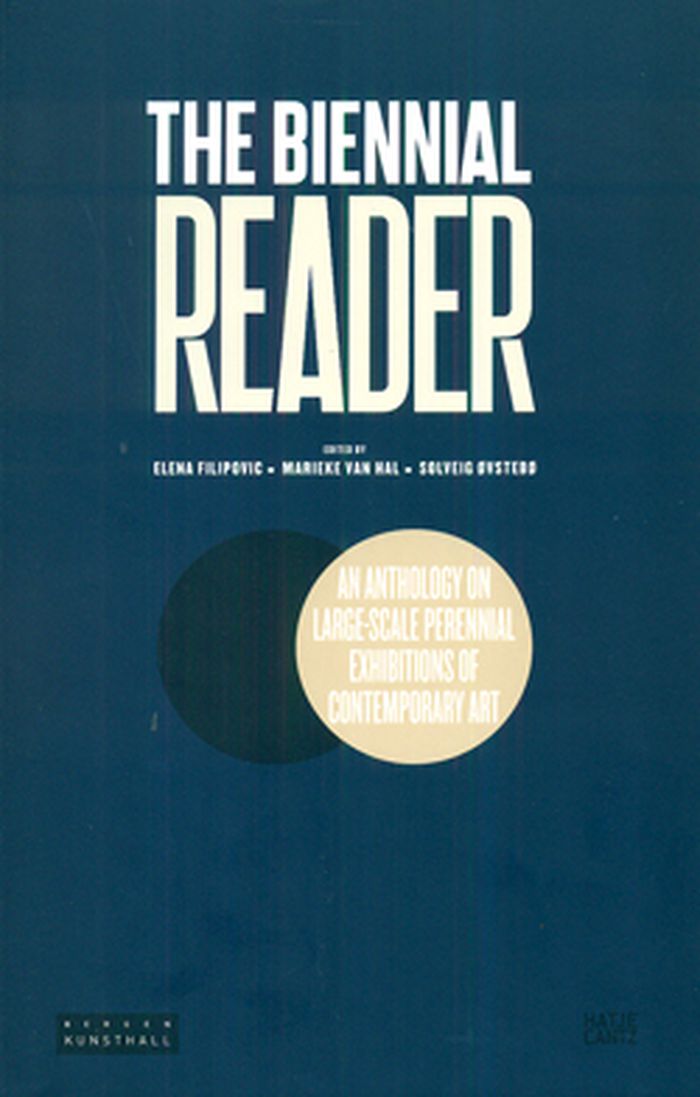
Born as a vehicle for national propaganda, the art biennial today has become an outsize phenomenon mobilizing not only artists, curators and gallerists but sponsors, celebrities and politicians, commanding huge press attention and deciding the careers of artists worldwide. For a city to host a biennial today has colossal ramifications. This anthology on the art biennial gathers previously published seminal texts from around the world alongside commissioned contributions from the leading scholars, curators, critics and thinkers today--among them Carlos Basualdo, Daniel Buren, John Clark, Okwui Enwezor, Bruce Ferguson, Milena Hoegsberg, Ranjit Hoskote, Caroline A. Jones, Jakouba Konaté, Gerardo Mosquera and Rafal Niemojewski. Tracing the genealogy of the standard exhibition format and examining some of the most famous examples of the twentieth and twenty-first century this reader explores the artistic, theoretical, and political ambitions of such large-scale exhibition projects.
The Biennial reader
Actions:
Price:
$61.00
(available to order)
Summary:
Born as a vehicle for national propaganda, the art biennial today has become an outsize phenomenon mobilizing not only artists, curators and gallerists but sponsors, celebrities and politicians, commanding huge press attention and deciding the careers of artists worldwide. For a city to host a biennial today has colossal ramifications. This anthology on the art biennial gathers previously published seminal texts from around the world alongside commissioned contributions from the leading scholars, curators, critics and thinkers today--among them Carlos Basualdo, Daniel Buren, John Clark, Okwui Enwezor, Bruce Ferguson, Milena Hoegsberg, Ranjit Hoskote, Caroline A. Jones, Jakouba Konaté, Gerardo Mosquera and Rafal Niemojewski. Tracing the genealogy of the standard exhibition format and examining some of the most famous examples of the twentieth and twenty-first century this reader explores the artistic, theoretical, and political ambitions of such large-scale exhibition projects.
Form:
books
books
Publication:
December 2010
December 2010
Subject:
Museology
Museology
Form:
books
books
Actions:
Price:
$19.95
(available to order)
Summary:
Architecture on Display is a research initiative that consists of interviews with each of the living directors of the Venice Biennale for Architecture. The origins of the architecture biennale are generally traced to the 1970s, when it emerged from under the umbrella of the larger Venice Biennale, which was itself established in 1895. Since then it has become one of the(...)
$19.95
(available to order)
Summary:
Architecture on Display is a research initiative that consists of interviews with each of the living directors of the Venice Biennale for Architecture. The origins of the architecture biennale are generally traced to the 1970s, when it emerged from under the umbrella of the larger Venice Biennale, which was itself established in 1895. Since then it has become one of the(...)
Title:
Architecture on display: On the history of the Venice Biennale of Architecture
Actions:
Price:
$19.95
(available to order)
Summary:
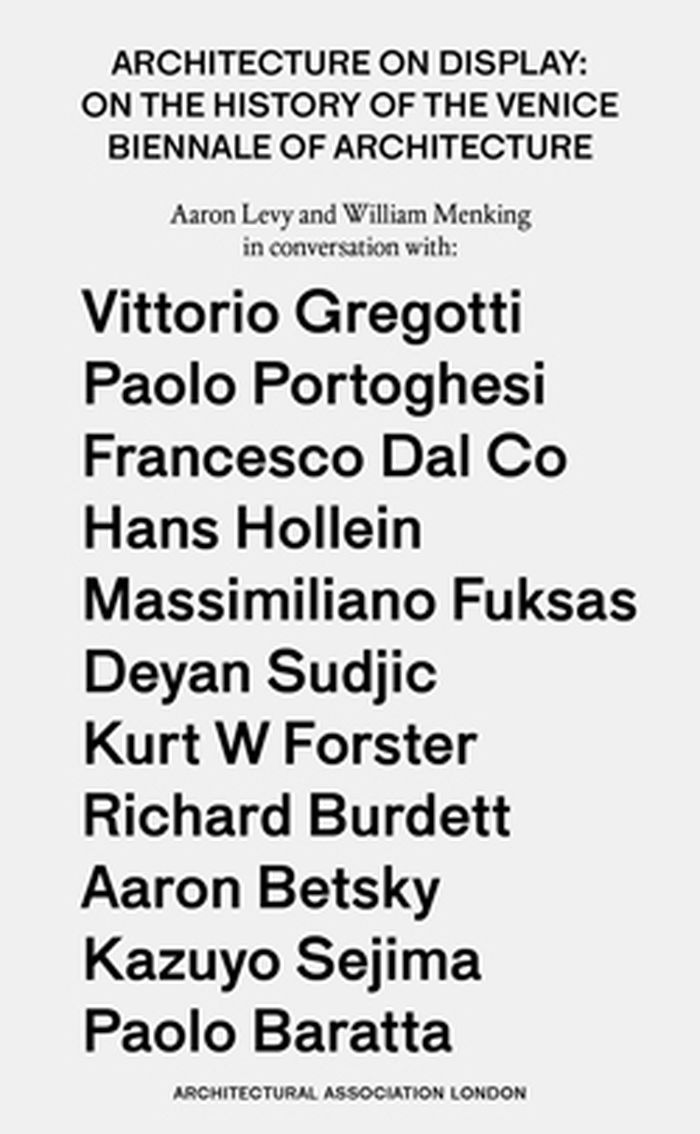
Architecture on Display is a research initiative that consists of interviews with each of the living directors of the Venice Biennale for Architecture. The origins of the architecture biennale are generally traced to the 1970s, when it emerged from under the umbrella of the larger Venice Biennale, which was itself established in 1895. Since then it has become one of the most prestigious forums for architectural discourse today, and has served as a model for a range of international exhibitions. The book explores the biennale through the directors who established its particular discourse, including Vittorio Gregotti, Paolo Portoghesi, Francesco Dal Co, Kurt W Forster, Massimiliano Fuksas, Hans Hollein, Richard Burdett, Deyan Sudjic, Aaron Betsky and Kazuyo Sejima, as well as the current president of the Venice Biennale, Paolo Barrata. These conversations do not seek to recapitulate the exhibitions themselves but rather explore the questions that these exhibitions raise, with the hope of offering a model for future curatorial endeavours.
Architecture on display: On the history of the Venice Biennale of Architecture
Actions:
Price:
$19.95
(available to order)
Summary:
Architecture on Display is a research initiative that consists of interviews with each of the living directors of the Venice Biennale for Architecture. The origins of the architecture biennale are generally traced to the 1970s, when it emerged from under the umbrella of the larger Venice Biennale, which was itself established in 1895. Since then it has become one of the most prestigious forums for architectural discourse today, and has served as a model for a range of international exhibitions. The book explores the biennale through the directors who established its particular discourse, including Vittorio Gregotti, Paolo Portoghesi, Francesco Dal Co, Kurt W Forster, Massimiliano Fuksas, Hans Hollein, Richard Burdett, Deyan Sudjic, Aaron Betsky and Kazuyo Sejima, as well as the current president of the Venice Biennale, Paolo Barrata. These conversations do not seek to recapitulate the exhibitions themselves but rather explore the questions that these exhibitions raise, with the hope of offering a model for future curatorial endeavours.
Form:
books
books
Publication:
November 2010
November 2010
Subject:
Museology
Museology
Form:
books
books
Price:
$27.00
(available to order)
Summary:
The postwar ascent of the curator as both cultural broker and creative participant in the work of art has seen the discipline acquire a brief but rich history of its own. Raising Frankenstein: Curatorial Education and Its Discontents unites curatorial studies with the increasingly debated subject of "the educational turn." Edited by Kitty Scott, whose own career as a(...)
$27.00
(available to order)
Summary:
The postwar ascent of the curator as both cultural broker and creative participant in the work of art has seen the discipline acquire a brief but rich history of its own. Raising Frankenstein: Curatorial Education and Its Discontents unites curatorial studies with the increasingly debated subject of "the educational turn." Edited by Kitty Scott, whose own career as a(...)
Title:
Raising Frankenstein: Curatorial education and its discontents
Actions:
Price:
$27.00
(available to order)
Summary:
The postwar ascent of the curator as both cultural broker and creative participant in the work of art has seen the discipline acquire a brief but rich history of its own. Raising Frankenstein: Curatorial Education and Its Discontents unites curatorial studies with the increasingly debated subject of "the educational turn." Edited by Kitty Scott, whose own career as a curator of contemporary art has taken her from the National Gallery in Ottawa to the Serpentine Gallery in London and the Banff Centre in Alberta, it presents a collection of essays that explores the education and formation of curators. Writings on curatorial pedagogy by Barbara Fischer, Teresa Gleadowe, Francesco Manacorda, Cuauhtémoc Medina and Lourdes Morales offer an overview of recent thought on curatorial pedagogy, elucidating, defining and building on current debates surrounding this subject.
Raising Frankenstein: Curatorial education and its discontents
Actions:
Price:
$27.00
(available to order)
Summary:
The postwar ascent of the curator as both cultural broker and creative participant in the work of art has seen the discipline acquire a brief but rich history of its own. Raising Frankenstein: Curatorial Education and Its Discontents unites curatorial studies with the increasingly debated subject of "the educational turn." Edited by Kitty Scott, whose own career as a curator of contemporary art has taken her from the National Gallery in Ottawa to the Serpentine Gallery in London and the Banff Centre in Alberta, it presents a collection of essays that explores the education and formation of curators. Writings on curatorial pedagogy by Barbara Fischer, Teresa Gleadowe, Francesco Manacorda, Cuauhtémoc Medina and Lourdes Morales offer an overview of recent thought on curatorial pedagogy, elucidating, defining and building on current debates surrounding this subject.
Form:
books
books
Publication:
February 2011
February 2011
Subject:
Museology
Museology
Form:
books
books
Actions:
Price:
$44.00
(available to order)
Summary:
A provocative two-year research project by the Galerie für Zeitgenössische Kunst in Leipzig, Carte Blanche offered an exhibition space for a fee. Collectors, businesses or commercial galleries that rented the space were allowed to do whatever they wanted, provided they not only took on the costs of the exhibition, but also a share in the overall project budget for(...)
$44.00
(available to order)
Summary:
A provocative two-year research project by the Galerie für Zeitgenössische Kunst in Leipzig, Carte Blanche offered an exhibition space for a fee. Collectors, businesses or commercial galleries that rented the space were allowed to do whatever they wanted, provided they not only took on the costs of the exhibition, but also a share in the overall project budget for(...)
Title:
The captured museum : on Carte blanche, a research project by the Museum of contemporary art in Leipzig
Actions:
Price:
$44.00
(available to order)
Summary:
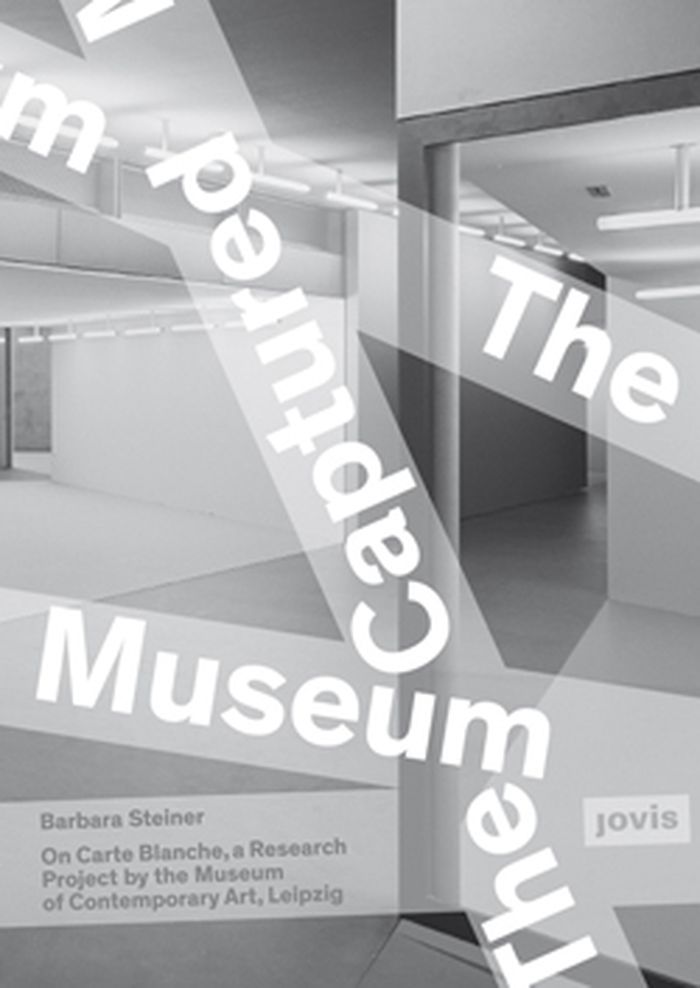
A provocative two-year research project by the Galerie für Zeitgenössische Kunst in Leipzig, Carte Blanche offered an exhibition space for a fee. Collectors, businesses or commercial galleries that rented the space were allowed to do whatever they wanted, provided they not only took on the costs of the exhibition, but also a share in the overall project budget for operating costs, attendants and publicity. A creative approach to the current economic climate, Carte Blanche was primarily an investigation into the changing relationship between art and commerce, public and private.
The captured museum : on Carte blanche, a research project by the Museum of contemporary art in Leipzig
Actions:
Price:
$44.00
(available to order)
Summary:
A provocative two-year research project by the Galerie für Zeitgenössische Kunst in Leipzig, Carte Blanche offered an exhibition space for a fee. Collectors, businesses or commercial galleries that rented the space were allowed to do whatever they wanted, provided they not only took on the costs of the exhibition, but also a share in the overall project budget for operating costs, attendants and publicity. A creative approach to the current economic climate, Carte Blanche was primarily an investigation into the changing relationship between art and commerce, public and private.
Form:
books
books
Publication:
May 2011
May 2011
Subject:
Museology
Museology
Form:
books
books
Title:
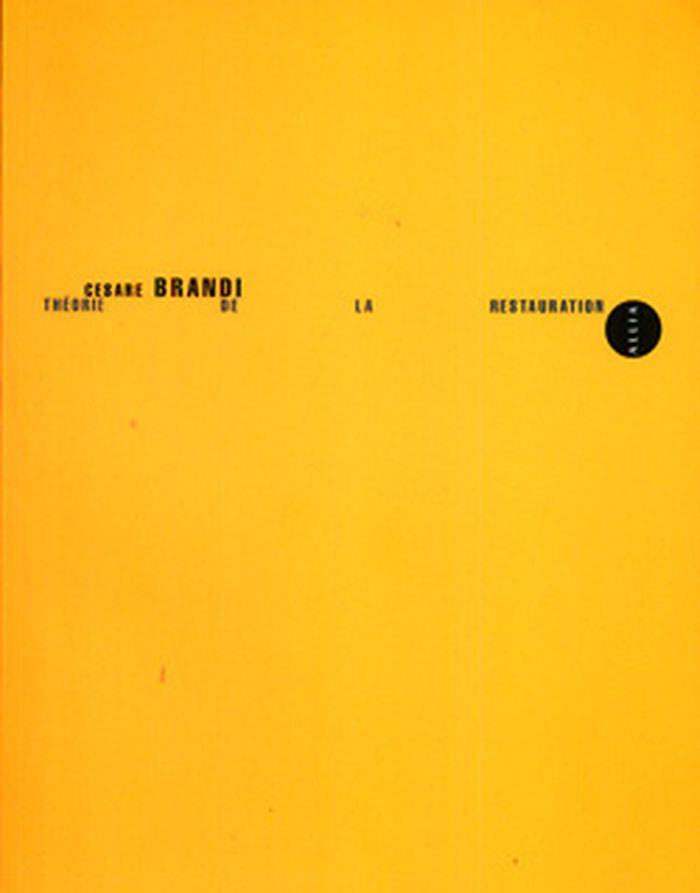
Théorie de la restauration
Théorie de la restauration
Actions:
Price:
$15.95
(available to order)
Summary:
La restauration doit viser à rétablir l'unité potentielle de l'oeuvre d'art, à condition que cela soit possible sans commettre un faux artistique ou un faux historique, et sans effacer la moindre trace du passage de l'oeuvre d'art dans le temps.
$15.95
(available to order)
Summary:
La restauration doit viser à rétablir l'unité potentielle de l'oeuvre d'art, à condition que cela soit possible sans commettre un faux artistique ou un faux historique, et sans effacer la moindre trace du passage de l'oeuvre d'art dans le temps.
Publication:
December 2010
December 2010
Title:
Théorie de la restauration
Actions:
Price:
$15.95
(available to order)
Summary:
La restauration doit viser à rétablir l'unité potentielle de l'oeuvre d'art, à condition que cela soit possible sans commettre un faux artistique ou un faux historique, et sans effacer la moindre trace du passage de l'oeuvre d'art dans le temps.
Théorie de la restauration
Actions:
Price:
$15.95
(available to order)
Summary:
La restauration doit viser à rétablir l'unité potentielle de l'oeuvre d'art, à condition que cela soit possible sans commettre un faux artistique ou un faux historique, et sans effacer la moindre trace du passage de l'oeuvre d'art dans le temps.
Form:
books
books
Publication:
December 2010
December 2010
Form:
books
books
Actions:
Price:
$54.95
(available to order)
Summary:
Each second year, those interested in the fine arts from all over the world feel attracted to the Biennale di Venezia . In modern times the leading format for internationalization, the number of new foundations has once more rapidly increased in the course of globalization since the eigthies. Biennials are in fact the only exhibition format in which the impact of(...)
$54.95
(available to order)
Summary:
Each second year, those interested in the fine arts from all over the world feel attracted to the Biennale di Venezia . In modern times the leading format for internationalization, the number of new foundations has once more rapidly increased in the course of globalization since the eigthies. Biennials are in fact the only exhibition format in which the impact of(...)
Publication:
May 2011
May 2011
Title:
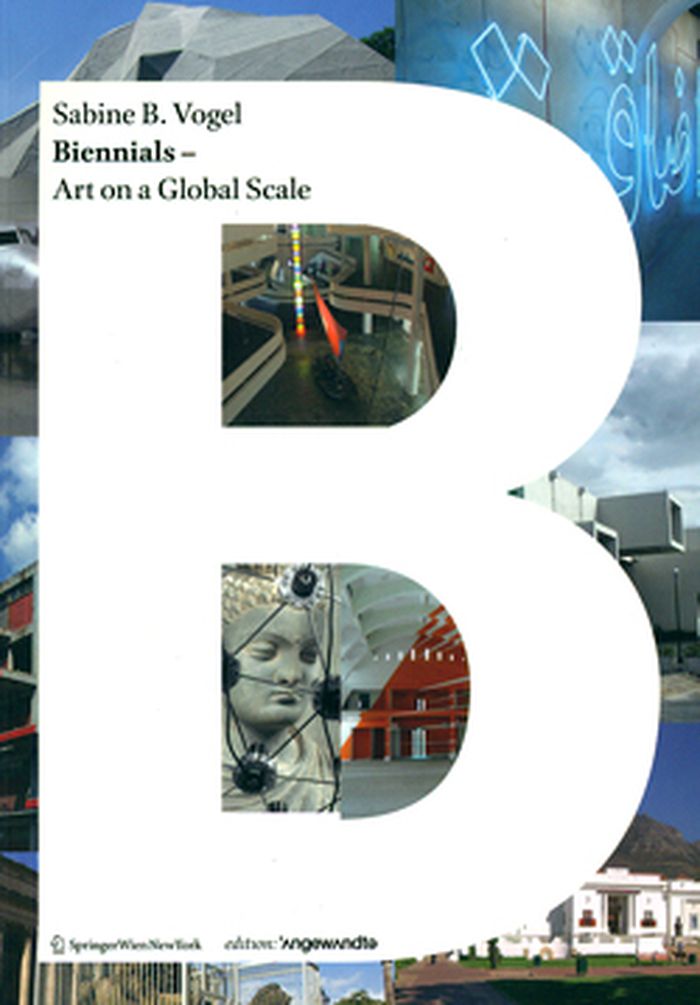
Biennials: Art of a global scale
Actions:
Price:
$54.95
(available to order)
Summary:
Each second year, those interested in the fine arts from all over the world feel attracted to the Biennale di Venezia . In modern times the leading format for internationalization, the number of new foundations has once more rapidly increased in the course of globalization since the eigthies. Biennials are in fact the only exhibition format in which the impact of globalization expresses itself in terms of arts. There is, though, little published information on the biennials of Sao Paulo, Habana, Istanbul, Sidney, or New Delhi, to name but the oldest. To which tradition do biennials belong and what s the importance of this format today? Which developments do they reflect, which ones do they initiate? Through the portraits of 22 selected biennials, the book seeks answers for these questions. Thanks to numerous illustrations and a list of the most important biennials founded, this book gives the first compact overview of this complex topic.
Biennials: Art of a global scale
Actions:
Price:
$54.95
(available to order)
Summary:
Each second year, those interested in the fine arts from all over the world feel attracted to the Biennale di Venezia . In modern times the leading format for internationalization, the number of new foundations has once more rapidly increased in the course of globalization since the eigthies. Biennials are in fact the only exhibition format in which the impact of globalization expresses itself in terms of arts. There is, though, little published information on the biennials of Sao Paulo, Habana, Istanbul, Sidney, or New Delhi, to name but the oldest. To which tradition do biennials belong and what s the importance of this format today? Which developments do they reflect, which ones do they initiate? Through the portraits of 22 selected biennials, the book seeks answers for these questions. Thanks to numerous illustrations and a list of the most important biennials founded, this book gives the first compact overview of this complex topic.
Form:
books
books
Publication:
May 2011
May 2011


