


226 Results
Form:
books
books
Title:
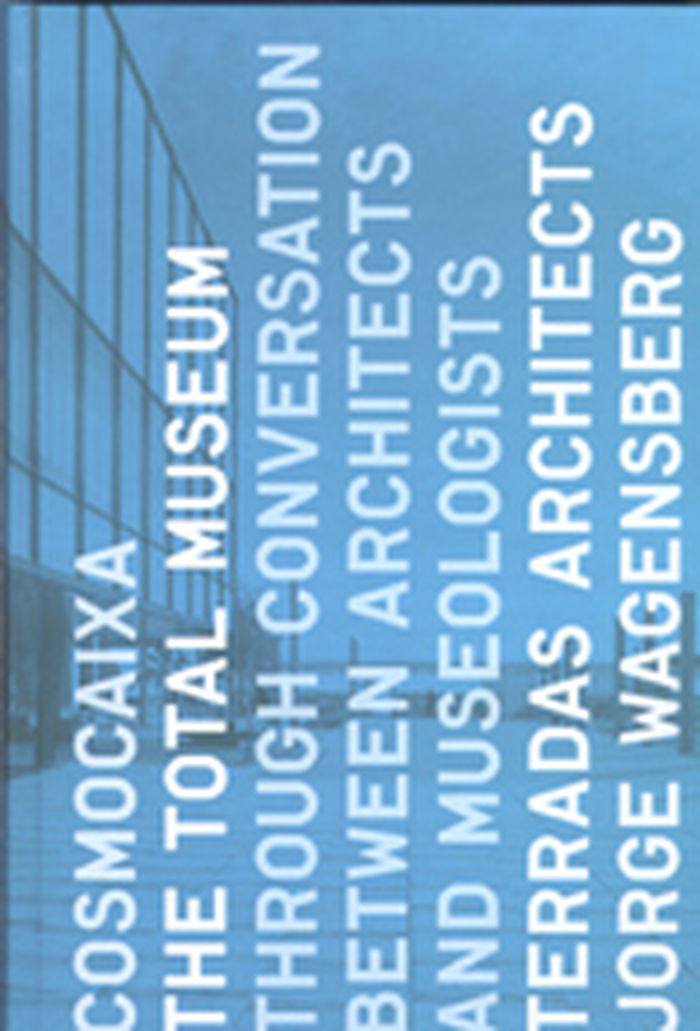
Cosmocaixa: the total museum
Cosmocaixa: the total museum
Actions:
Price:
$79.80
(available to order)
Summary:
Through an ongoing dialogue between museology and architecture, the director of CosmoCaixa, Jorge Wagensberg, and architects Robert and Esteve Terradas examine the conception and construction of the new Barcelona Science Museum, the CosmoCaixa. By designing a series of built elements, the architects negotiated the complex program demands of the museum and the topographic(...)
$79.80
(available to order)
Summary:
Through an ongoing dialogue between museology and architecture, the director of CosmoCaixa, Jorge Wagensberg, and architects Robert and Esteve Terradas examine the conception and construction of the new Barcelona Science Museum, the CosmoCaixa. By designing a series of built elements, the architects negotiated the complex program demands of the museum and the topographic(...)
Subject:
Museums and Universal Exhibitions
Museums and Universal Exhibitions
Publication:
October 2007, Barcelona
October 2007, Barcelona
Title:
Cosmocaixa: the total museum
Actions:
Price:
$79.80
(available to order)
Summary:
Through an ongoing dialogue between museology and architecture, the director of CosmoCaixa, Jorge Wagensberg, and architects Robert and Esteve Terradas examine the conception and construction of the new Barcelona Science Museum, the CosmoCaixa. By designing a series of built elements, the architects negotiated the complex program demands of the museum and the topographic difficulties of the site. Through an ongoing dialogue between museology and architecture, the director of CosmoCaixa, Jorge Wagensberg, and architects Robert and Esteve Terradas examine the conception and construction of the new Barcelona Science Museum, the CosmoCaixa. By designing a series of built elements, the architects negotiated the complex program demands of the museum and the topographic difficulties of the site.
Cosmocaixa: the total museum
Actions:
Price:
$79.80
(available to order)
Summary:
Through an ongoing dialogue between museology and architecture, the director of CosmoCaixa, Jorge Wagensberg, and architects Robert and Esteve Terradas examine the conception and construction of the new Barcelona Science Museum, the CosmoCaixa. By designing a series of built elements, the architects negotiated the complex program demands of the museum and the topographic difficulties of the site. Through an ongoing dialogue between museology and architecture, the director of CosmoCaixa, Jorge Wagensberg, and architects Robert and Esteve Terradas examine the conception and construction of the new Barcelona Science Museum, the CosmoCaixa. By designing a series of built elements, the architects negotiated the complex program demands of the museum and the topographic difficulties of the site.
Form:
books
books
Publication:
October 2007, Barcelona
October 2007, Barcelona
Subject:
Museums and Universal Exhibitions
Museums and Universal Exhibitions
Form:
books
books
Actions:
Price:
$100.95
(available in store)
Summary:
Master builders have been granted membership of the Akademie der Künste since 1696, the year of its foundation. The earliest materials within the Archive documenting the art of architecture date back to the end of the 18th century and give testimony to the pursuits of tutors and pupils at the Akademie. It was not until the end of the 1950s under the post-war president of(...)
$100.95
(available in store)
Summary:
Master builders have been granted membership of the Akademie der Künste since 1696, the year of its foundation. The earliest materials within the Archive documenting the art of architecture date back to the end of the 18th century and give testimony to the pursuits of tutors and pupils at the Akademie. It was not until the end of the 1950s under the post-war president of(...)
Subject:
Museums and Universal Exhibitions
Museums and Universal Exhibitions
Publication:
January 2017
January 2017
Title:
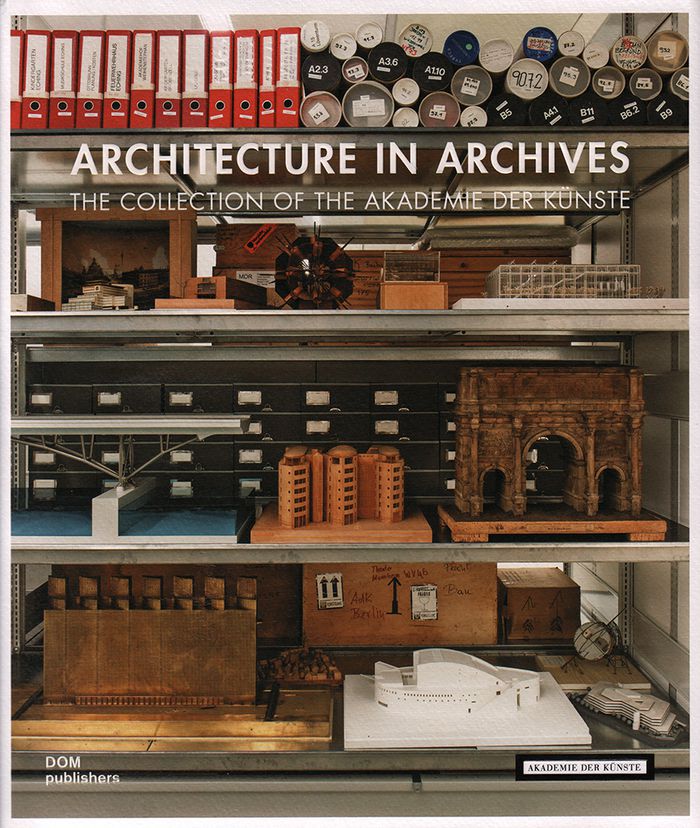
Architecture in archives: the collection of the Akademie der Künste, Berlin
Actions:
Price:
$100.95
(available in store)
Summary:
Master builders have been granted membership of the Akademie der Künste since 1696, the year of its foundation. The earliest materials within the Archive documenting the art of architecture date back to the end of the 18th century and give testimony to the pursuits of tutors and pupils at the Akademie. It was not until the end of the 1950s under the post-war president of the Akademie in West Berlin, the architect Hans Scharoun, that bequests from architects began to be received into the Archive. This publication offers for the first time a comprehensive overview of the archives of architects, engineers, landscape architects, architectural photographers and critics, all of which have been bequeathed to the Architectural Archive of the Akademie der Künste. All 71 archives and 80 collections are introduced with brief biographies of the original authors and descriptions denoting the nature and scope of the holdings. Friedrich Gilly from the Preußische Akademie der Künste is, among others, represented with drawings. A particular abundance of documentation reflects the era of Expressionism following the First World War with the works of Hugo Häring, Hans Scharoun, Bruno Taut, Hans and Wassili Luckhardt, Alfons Anker, Paul Goesch, Adolf Behne and Heinrich Lauterbach. The archives of Richard Ermisch, Paul Baumgarten and Thilo Schoder date back as far as the 1920s. Particular emphasis is laid upon those architects forced to emigrate after 1933, among their number Gabriel Epstein, Julius Posener, Konrad Wachsmann, Adolf Rading and Harry Rosenthal. The post-war period and the 1960s are represented by the archives of Max Taut, Walter Rossow, Dieter Oesterlen, Bernhard Pfau, Ludwig Leo, Bernhard Hermkes, Helmut Hentrich, Werner Hebebrand, Hermann Henselmann, Werner Düttmann, Friedrich Spengelin and Heinz Graffunder. Archives and collections extending into the 21st century emanate from Kurt Ackermann, Hans-Busso von Busse, Peter von Seidlein, Manfred Sack, Jörg Schlaich, Szyszkowitz + Kowalski, Haus-Rucker-Co, Valentien + Valentien and Arno Brandlhuber.
Architecture in archives: the collection of the Akademie der Künste, Berlin
Actions:
Price:
$100.95
(available in store)
Summary:
Master builders have been granted membership of the Akademie der Künste since 1696, the year of its foundation. The earliest materials within the Archive documenting the art of architecture date back to the end of the 18th century and give testimony to the pursuits of tutors and pupils at the Akademie. It was not until the end of the 1950s under the post-war president of the Akademie in West Berlin, the architect Hans Scharoun, that bequests from architects began to be received into the Archive. This publication offers for the first time a comprehensive overview of the archives of architects, engineers, landscape architects, architectural photographers and critics, all of which have been bequeathed to the Architectural Archive of the Akademie der Künste. All 71 archives and 80 collections are introduced with brief biographies of the original authors and descriptions denoting the nature and scope of the holdings. Friedrich Gilly from the Preußische Akademie der Künste is, among others, represented with drawings. A particular abundance of documentation reflects the era of Expressionism following the First World War with the works of Hugo Häring, Hans Scharoun, Bruno Taut, Hans and Wassili Luckhardt, Alfons Anker, Paul Goesch, Adolf Behne and Heinrich Lauterbach. The archives of Richard Ermisch, Paul Baumgarten and Thilo Schoder date back as far as the 1920s. Particular emphasis is laid upon those architects forced to emigrate after 1933, among their number Gabriel Epstein, Julius Posener, Konrad Wachsmann, Adolf Rading and Harry Rosenthal. The post-war period and the 1960s are represented by the archives of Max Taut, Walter Rossow, Dieter Oesterlen, Bernhard Pfau, Ludwig Leo, Bernhard Hermkes, Helmut Hentrich, Werner Hebebrand, Hermann Henselmann, Werner Düttmann, Friedrich Spengelin and Heinz Graffunder. Archives and collections extending into the 21st century emanate from Kurt Ackermann, Hans-Busso von Busse, Peter von Seidlein, Manfred Sack, Jörg Schlaich, Szyszkowitz + Kowalski, Haus-Rucker-Co, Valentien + Valentien and Arno Brandlhuber.
Form:
books
books
Publication:
January 2017
January 2017
Subject:
Museums and Universal Exhibitions
Museums and Universal Exhibitions
Form:
books
books
Price:
$45.00
(available in store)
Summary:
The first Venice Biennale of Architecture in 1980 was one of those events whose later reputation far exceeds the amount of attention it attracted at the time. Although attended by a relatively modest number of people, the Biennale has come to be seen as a defining moment and a turning point in relation to the history of architectural postmodernism. Routinely referred to,(...)
$45.00
(available in store)
Summary:
The first Venice Biennale of Architecture in 1980 was one of those events whose later reputation far exceeds the amount of attention it attracted at the time. Although attended by a relatively modest number of people, the Biennale has come to be seen as a defining moment and a turning point in relation to the history of architectural postmodernism. Routinely referred to,(...)
Title:
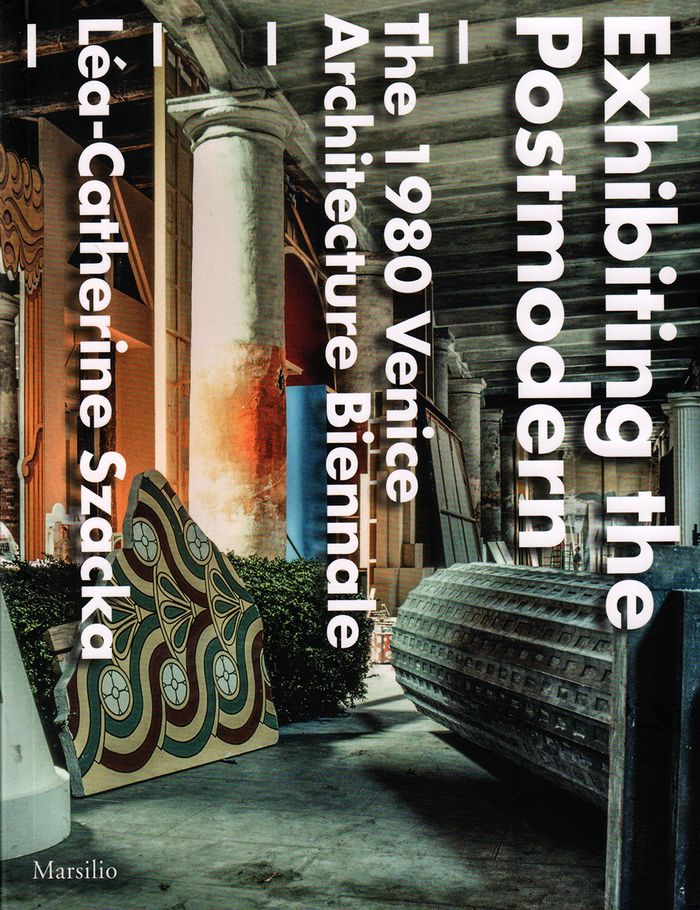
Exhibiting the postmodern: the 1980 Venice Architecture Biennale
Actions:
Price:
$45.00
(available in store)
Summary:
The first Venice Biennale of Architecture in 1980 was one of those events whose later reputation far exceeds the amount of attention it attracted at the time. Although attended by a relatively modest number of people, the Biennale has come to be seen as a defining moment and a turning point in relation to the history of architectural postmodernism. Routinely referred to, often with an assumed familiarity, by people who forget that they never actually saw it themselves, the exhibition has acquired a formidable “afterlife,” as Léa-Catherine Szacka calls it. It has been in this afterlife that the exhibition came into its own.
Exhibiting the postmodern: the 1980 Venice Architecture Biennale
Actions:
Price:
$45.00
(available in store)
Summary:
The first Venice Biennale of Architecture in 1980 was one of those events whose later reputation far exceeds the amount of attention it attracted at the time. Although attended by a relatively modest number of people, the Biennale has come to be seen as a defining moment and a turning point in relation to the history of architectural postmodernism. Routinely referred to, often with an assumed familiarity, by people who forget that they never actually saw it themselves, the exhibition has acquired a formidable “afterlife,” as Léa-Catherine Szacka calls it. It has been in this afterlife that the exhibition came into its own.
Form:
books
books
Publication:
September 2017
September 2017
Subject:
Museums and Universal Exhibitions
Museums and Universal Exhibitions
Form:
books
books
Price:
$105.00
(available to order)
Summary:
What began in 1986 as a small circle of fans of constructive-concrete art has today grown into the Museum Haus Konstruktiv in Zurich, boasting a collection of 900 works.
$105.00
(available to order)
Summary:
What began in 1986 as a small circle of fans of constructive-concrete art has today grown into the Museum Haus Konstruktiv in Zurich, boasting a collection of 900 works.
Title:
Thinking outside the box: the Museum Haus Konstruktiv collection
Actions:
Price:
$105.00
(available to order)
Summary:
What began in 1986 as a small circle of fans of constructive-concrete art has today grown into the Museum Haus Konstruktiv in Zurich, boasting a collection of 900 works.
Thinking outside the box: the Museum Haus Konstruktiv collection
Actions:
Price:
$105.00
(available to order)
Summary:
What began in 1986 as a small circle of fans of constructive-concrete art has today grown into the Museum Haus Konstruktiv in Zurich, boasting a collection of 900 works.
Form:
books
books
Publication:
February 2017
February 2017
Subject:
Museums and Universal Exhibitions
Museums and Universal Exhibitions
Form:
books
books
Actions:
Price:
$93.99
(available to order)
Summary:
The building of the Victoria and Albert Museum, begun in 1857, is the most elaborately designed and decorated museum in Britain. This book is the first to consider the V as a work of art in itself, presenting drawings, watercolours and historic photographs relating to the museum’s 19th-century exteriors and interiors. Much of this visual material is previously unpublished(...)
$93.99
(available to order)
Summary:
The building of the Victoria and Albert Museum, begun in 1857, is the most elaborately designed and decorated museum in Britain. This book is the first to consider the V as a work of art in itself, presenting drawings, watercolours and historic photographs relating to the museum’s 19th-century exteriors and interiors. Much of this visual material is previously unpublished(...)
Title:
Designing the V: the museum as a work of art (1857-1909)
Actions:
Price:
$93.99
(available to order)
Summary:
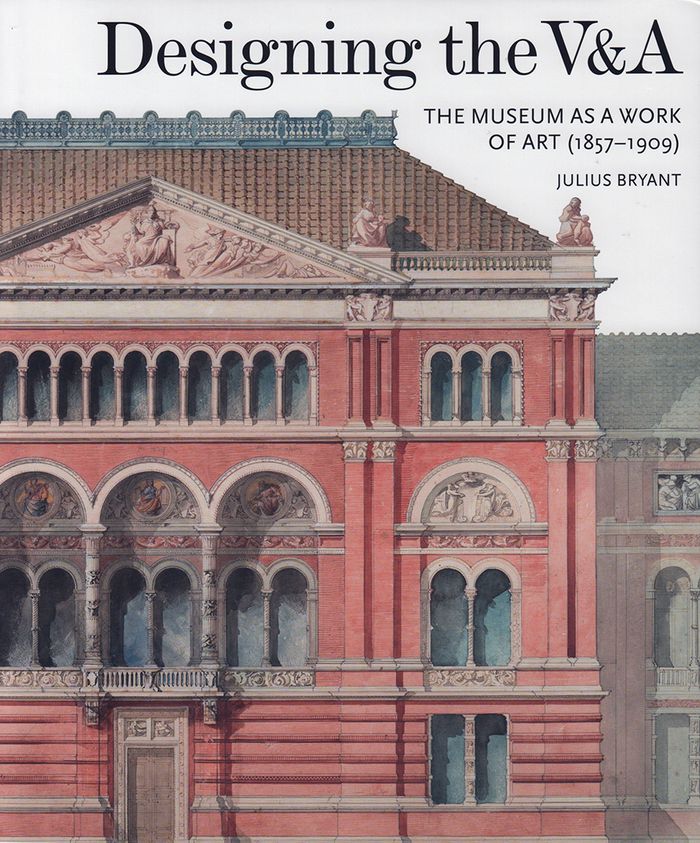
The building of the Victoria and Albert Museum, begun in 1857, is the most elaborately designed and decorated museum in Britain. This book is the first to consider the V as a work of art in itself, presenting drawings, watercolours and historic photographs relating to the museum’s 19th-century exteriors and interiors. Much of this visual material is previously unpublished and is outside the canon of Victorian art and design. The V’s first Director, Henry Cole, conceived the museum’s building as a showcase for leading Victorian artists to design and decorate. This book reveals for the first time the ways in which Cole’s expressed policy to ‘assemble a splendid collection of objects representing the application of Fine Arts to manufacture’ was applied to the fabric of the building, as he engaged leading painters such as Frederic Leighton, G.F. Watts and Edward Burne-Jones, as well as specialists in decoration such as Owen Jones and Morris and Company, to decorate and design for a building raised by engineers using innovatory materials and techniques. This book represents a fascinating, untold chapter in the history of British 19th-century art, design, architecture and museums, and provides an essential key to understanding the evolution of the museum’s early collections and identity.
Designing the V: the museum as a work of art (1857-1909)
Actions:
Price:
$93.99
(available to order)
Summary:
The building of the Victoria and Albert Museum, begun in 1857, is the most elaborately designed and decorated museum in Britain. This book is the first to consider the V as a work of art in itself, presenting drawings, watercolours and historic photographs relating to the museum’s 19th-century exteriors and interiors. Much of this visual material is previously unpublished and is outside the canon of Victorian art and design. The V’s first Director, Henry Cole, conceived the museum’s building as a showcase for leading Victorian artists to design and decorate. This book reveals for the first time the ways in which Cole’s expressed policy to ‘assemble a splendid collection of objects representing the application of Fine Arts to manufacture’ was applied to the fabric of the building, as he engaged leading painters such as Frederic Leighton, G.F. Watts and Edward Burne-Jones, as well as specialists in decoration such as Owen Jones and Morris and Company, to decorate and design for a building raised by engineers using innovatory materials and techniques. This book represents a fascinating, untold chapter in the history of British 19th-century art, design, architecture and museums, and provides an essential key to understanding the evolution of the museum’s early collections and identity.
Form:
books
books
Publication:
March 2017
March 2017
Subject:
Museums and Universal Exhibitions
Museums and Universal Exhibitions
Form:
books
books
Actions:
Price:
$78.00
(available to order)
Summary:
The focus of this large book is an 18th century Dutch cabinet from the Rijksmuseum’s furniture collection. This cabinet houses a collection of curiosities including a mini-apothecary’s shop filled with over 300 jars, pots, and bottles containing medicines. Concealed behind the rear wall of the cabinet, 55 secret drawers reveal a varied collection of over 2,000 naturalia(...)
$78.00
(available to order)
Summary:
The focus of this large book is an 18th century Dutch cabinet from the Rijksmuseum’s furniture collection. This cabinet houses a collection of curiosities including a mini-apothecary’s shop filled with over 300 jars, pots, and bottles containing medicines. Concealed behind the rear wall of the cabinet, 55 secret drawers reveal a varied collection of over 2,000 naturalia(...)
Title:
The collector's cabinet and miniature pharmacy
Actions:
Price:
$78.00
(available to order)
Summary:
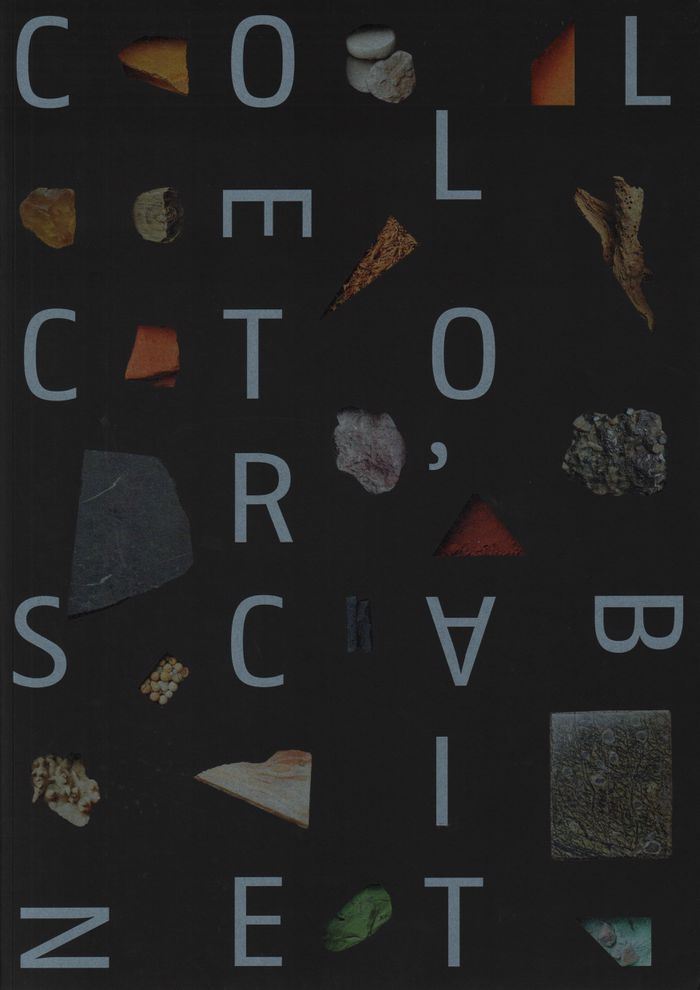
The focus of this large book is an 18th century Dutch cabinet from the Rijksmuseum’s furniture collection. This cabinet houses a collection of curiosities including a mini-apothecary’s shop filled with over 300 jars, pots, and bottles containing medicines. Concealed behind the rear wall of the cabinet, 55 secret drawers reveal a varied collection of over 2,000 naturalia specimens – including seeds, flowers, roots, resins, ores, and a great deal more. The cabinet was probably owned by a wealthy doctor or pharmacist and its contents were intended as a curiosity, for the amusement of a select group of friends. 21st century readers will be equally impressed by this exceptional Dutch collector’s cabinet.
The collector's cabinet and miniature pharmacy
Actions:
Price:
$78.00
(available to order)
Summary:
The focus of this large book is an 18th century Dutch cabinet from the Rijksmuseum’s furniture collection. This cabinet houses a collection of curiosities including a mini-apothecary’s shop filled with over 300 jars, pots, and bottles containing medicines. Concealed behind the rear wall of the cabinet, 55 secret drawers reveal a varied collection of over 2,000 naturalia specimens – including seeds, flowers, roots, resins, ores, and a great deal more. The cabinet was probably owned by a wealthy doctor or pharmacist and its contents were intended as a curiosity, for the amusement of a select group of friends. 21st century readers will be equally impressed by this exceptional Dutch collector’s cabinet.
Form:
books
books
Publication:
October 2017
October 2017
Subject:
Museums and Universal Exhibitions
Museums and Universal Exhibitions
Form:
books
books
Actions:
Price:
$39.95
(available to order)
Summary:
La revue annuelle du Musée des Arts Contemporains au Grand-Hornu (MAC's) fait peau neuve avec un nouveau numéro consacré au thème du musée et de sa critique par les artistes. Dits n° 22 offre un panorama de projets artistiques contemporains et internationaux proposant une réflexion sur la notion muséale, avec Yto Barrada, Christoph Büchel, Jacques Charlier, LaToya Ruby(...)
$39.95
(available to order)
Summary:
La revue annuelle du Musée des Arts Contemporains au Grand-Hornu (MAC's) fait peau neuve avec un nouveau numéro consacré au thème du musée et de sa critique par les artistes. Dits n° 22 offre un panorama de projets artistiques contemporains et internationaux proposant une réflexion sur la notion muséale, avec Yto Barrada, Christoph Büchel, Jacques Charlier, LaToya Ruby(...)
Title:
Dits n° 22 : musées pour cible
Actions:
Price:
$39.95
(available to order)
Summary:
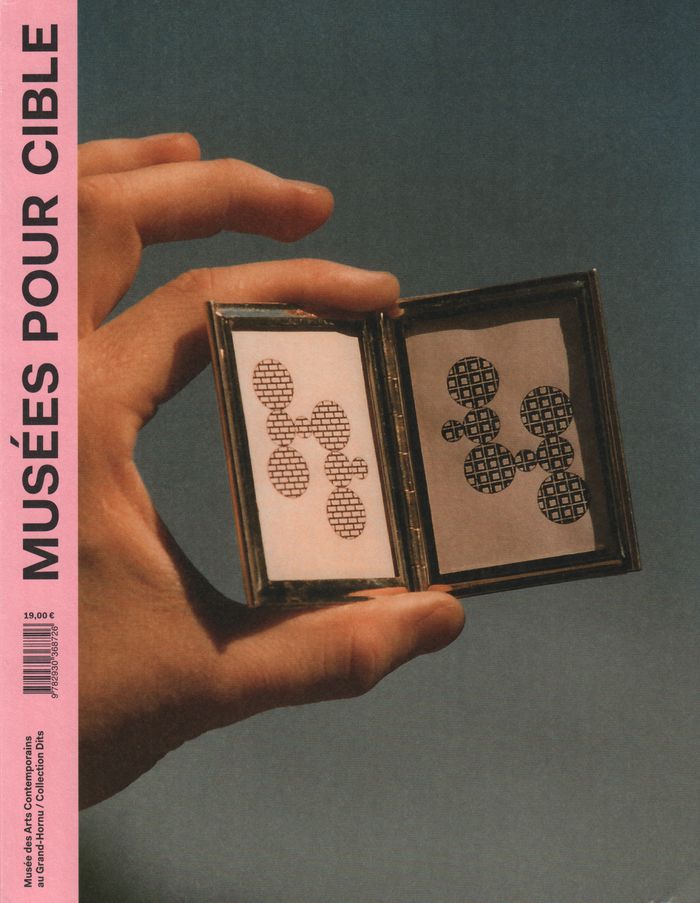
La revue annuelle du Musée des Arts Contemporains au Grand-Hornu (MAC's) fait peau neuve avec un nouveau numéro consacré au thème du musée et de sa critique par les artistes. Dits n° 22 offre un panorama de projets artistiques contemporains et internationaux proposant une réflexion sur la notion muséale, avec Yto Barrada, Christoph Büchel, Jacques Charlier, LaToya Ruby Frazier, Tamar Guimarães, Jompet Kuswidananto, Wesley Meuris, Rei Naito, Ryue Nishizawa, Noah Purifoy, Dayanita Singh, Fiona Tan et Fred Wilson.
Dits n° 22 : musées pour cible
Actions:
Price:
$39.95
(available to order)
Summary:
La revue annuelle du Musée des Arts Contemporains au Grand-Hornu (MAC's) fait peau neuve avec un nouveau numéro consacré au thème du musée et de sa critique par les artistes. Dits n° 22 offre un panorama de projets artistiques contemporains et internationaux proposant une réflexion sur la notion muséale, avec Yto Barrada, Christoph Büchel, Jacques Charlier, LaToya Ruby Frazier, Tamar Guimarães, Jompet Kuswidananto, Wesley Meuris, Rei Naito, Ryue Nishizawa, Noah Purifoy, Dayanita Singh, Fiona Tan et Fred Wilson.
Form:
books
books
Publication:
February 2018
February 2018
Subject:
Museums and Universal Exhibitions
Museums and Universal Exhibitions
Form:
books
books
Actions:
Price:
$49.95
(available to order)
Summary:
Avec la naissance du ministère des Affaires culturelles en 1959, les Maisons de la culture deviennent le programme phare de la politique de décentralisation culturelle menée en France sous les auspices d’André Malraux. Hauts lieux de la scène théâtrale, ces Maisons ont été des instruments de diffusion des arts plastiques, de la musique ou du cinéma et dans certains cas de(...)
$49.95
(available to order)
Summary:
Avec la naissance du ministère des Affaires culturelles en 1959, les Maisons de la culture deviennent le programme phare de la politique de décentralisation culturelle menée en France sous les auspices d’André Malraux. Hauts lieux de la scène théâtrale, ces Maisons ont été des instruments de diffusion des arts plastiques, de la musique ou du cinéma et dans certains cas de(...)
Title:
Les maisons de la culture en France
Actions:
Price:
$49.95
(available to order)
Summary:
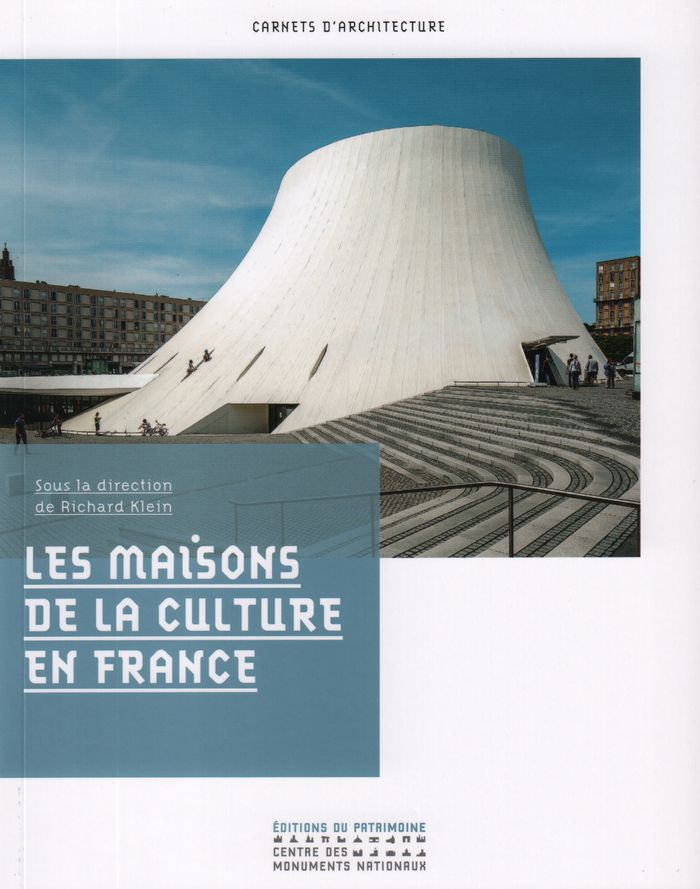
Avec la naissance du ministère des Affaires culturelles en 1959, les Maisons de la culture deviennent le programme phare de la politique de décentralisation culturelle menée en France sous les auspices d’André Malraux. Hauts lieux de la scène théâtrale, ces Maisons ont été des instruments de diffusion des arts plastiques, de la musique ou du cinéma et dans certains cas de la culture architecturale. Les plus grands architectes ont été sollicités : Oscar Niemeyer, André Wogenscky ou encore Le Corbusier.
Les maisons de la culture en France
Actions:
Price:
$49.95
(available to order)
Summary:
Avec la naissance du ministère des Affaires culturelles en 1959, les Maisons de la culture deviennent le programme phare de la politique de décentralisation culturelle menée en France sous les auspices d’André Malraux. Hauts lieux de la scène théâtrale, ces Maisons ont été des instruments de diffusion des arts plastiques, de la musique ou du cinéma et dans certains cas de la culture architecturale. Les plus grands architectes ont été sollicités : Oscar Niemeyer, André Wogenscky ou encore Le Corbusier.
Form:
books
books
Publication:
February 2018
February 2018
Subject:
Museums and Universal Exhibitions
Museums and Universal Exhibitions
Form:
books
books
Actions:
Price:
$24.95
(available to order)
Summary:
The guide describes and illutrates all 107 RIBA, RIBA National, RIBA European and RIBA International Award-winning schemes, including the winners of the international Lubetkin Prize and a series of further prizes for conservation, public space, client of the year, sustainability, schools, houses and small projects. The guide is introduced with an essay on the purpose of(...)
$24.95
(available to order)
Summary:
The guide describes and illutrates all 107 RIBA, RIBA National, RIBA European and RIBA International Award-winning schemes, including the winners of the international Lubetkin Prize and a series of further prizes for conservation, public space, client of the year, sustainability, schools, houses and small projects. The guide is introduced with an essay on the purpose of(...)
Title:
Architecture 2008 the guide to the RIBA awards
Actions:
Price:
$24.95
(available to order)
Summary:
The guide describes and illutrates all 107 RIBA, RIBA National, RIBA European and RIBA International Award-winning schemes, including the winners of the international Lubetkin Prize and a series of further prizes for conservation, public space, client of the year, sustainability, schools, houses and small projects. The guide is introduced with an essay on the purpose of awards by Tony Chapman, who heads the RIBA's award programme.
Architecture 2008 the guide to the RIBA awards
Actions:
Price:
$24.95
(available to order)
Summary:
The guide describes and illutrates all 107 RIBA, RIBA National, RIBA European and RIBA International Award-winning schemes, including the winners of the international Lubetkin Prize and a series of further prizes for conservation, public space, client of the year, sustainability, schools, houses and small projects. The guide is introduced with an essay on the purpose of awards by Tony Chapman, who heads the RIBA's award programme.
Form:
books
books
Publication:
December 2008
December 2008
Subject:
Museums and Universal Exhibitions
Museums and Universal Exhibitions
Form:
books
books
Actions:
Price:
$46.00
(available to order)
Summary:
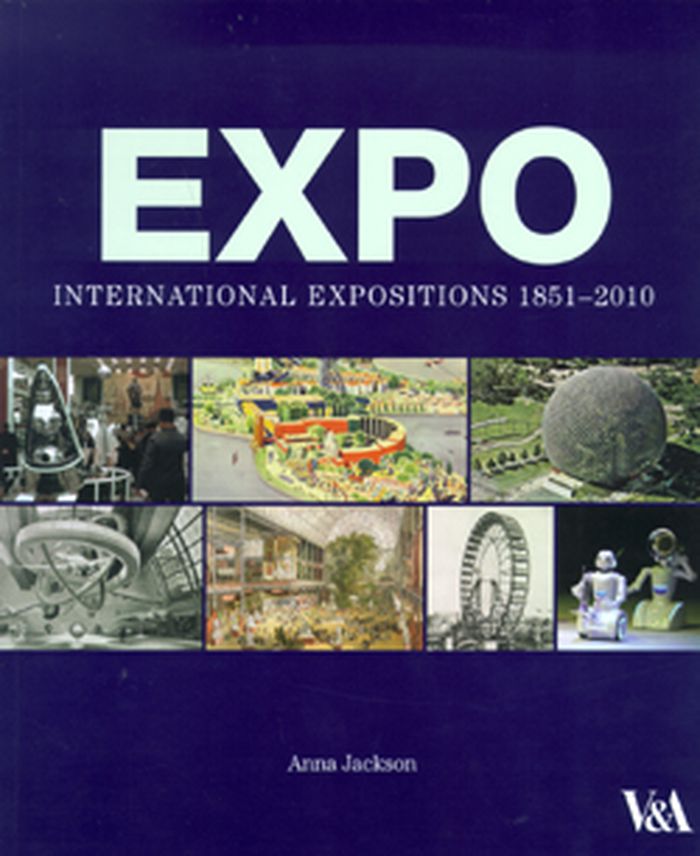
This book traces the history and significance of expositions and is fully illustrated with posters, ephemera, photographs, books and catalogue plates.
$46.00
(available to order)
Summary:
This book traces the history and significance of expositions and is fully illustrated with posters, ephemera, photographs, books and catalogue plates.
Title:
Expo : international expositions, 1851-2010
Actions:
Price:
$46.00
(available to order)
Summary:
This book traces the history and significance of expositions and is fully illustrated with posters, ephemera, photographs, books and catalogue plates.
Expo : international expositions, 1851-2010
Actions:
Price:
$46.00
(available to order)
Summary:
This book traces the history and significance of expositions and is fully illustrated with posters, ephemera, photographs, books and catalogue plates.
Form:
books
books
Publication:
August 2008, London
August 2008, London
Subject:
Museums and Universal Exhibitions
Museums and Universal Exhibitions


