


2959 Results
Form:
books
books
Actions:
Price:
$15.00
(available to order)
Summary:
current issue in store / nouveau numéro en librairie
$15.00
(available to order)
Summary:
current issue in store / nouveau numéro en librairie
Title:
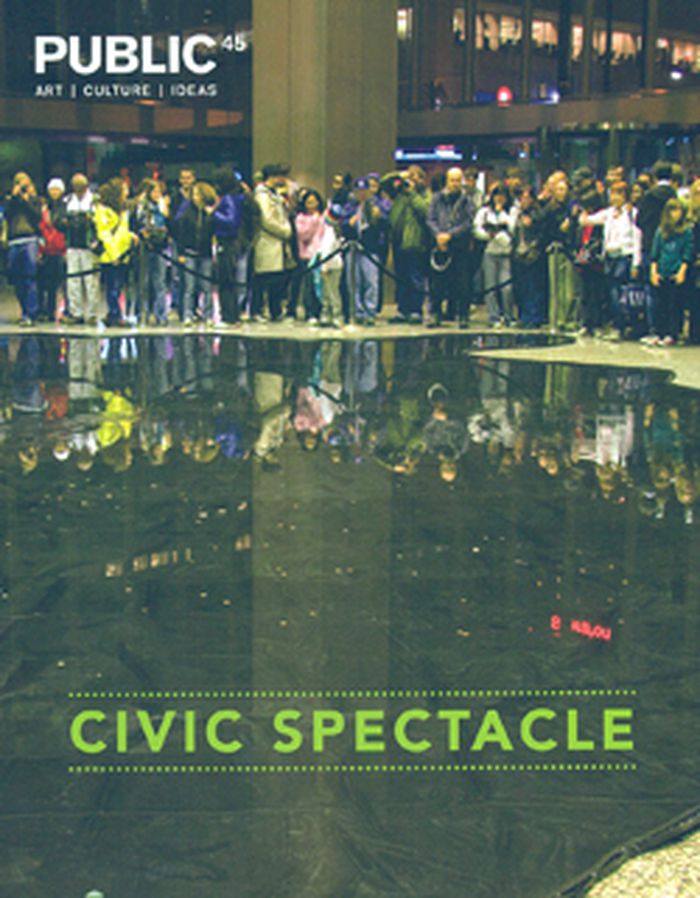
Public magazine 45 : civic spectacle
Actions:
Price:
$15.00
(available to order)
Summary:
current issue in store / nouveau numéro en librairie
Public magazine 45 : civic spectacle
Actions:
Price:
$15.00
(available to order)
Summary:
current issue in store / nouveau numéro en librairie
Form:
books
books
Publication:
July 2012
July 2012
Subject:
Magazines
Magazines
Form:
journals and magazines
journals and magazines
Actions:
Price:
$16.95
(available to order)
Summary:
Numéro en magasin.
$16.95
(available to order)
Summary:
Numéro en magasin.
Title:
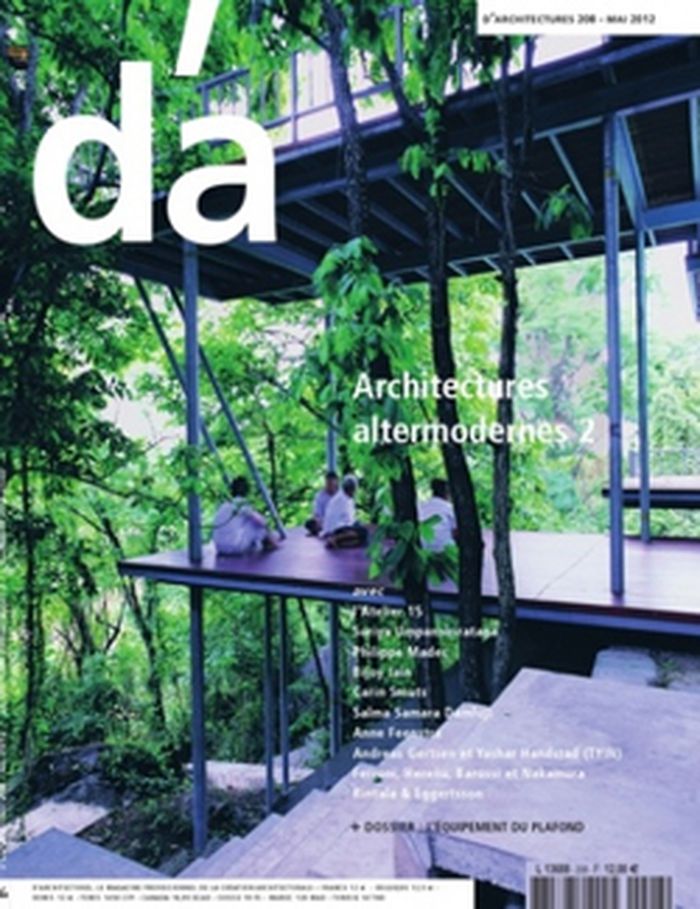
D'a (d'architectures) 208 mai 2012
Actions:
Price:
$16.95
(available to order)
Summary:
Numéro en magasin.
D'a (d'architectures) 208 mai 2012
Actions:
Price:
$16.95
(available to order)
Summary:
Numéro en magasin.
Form:
journals and magazines
journals and magazines
Publication:
July 2012
July 2012
Subject:
Magazines
Magazines
Form:
journals and magazines
journals and magazines
Title:
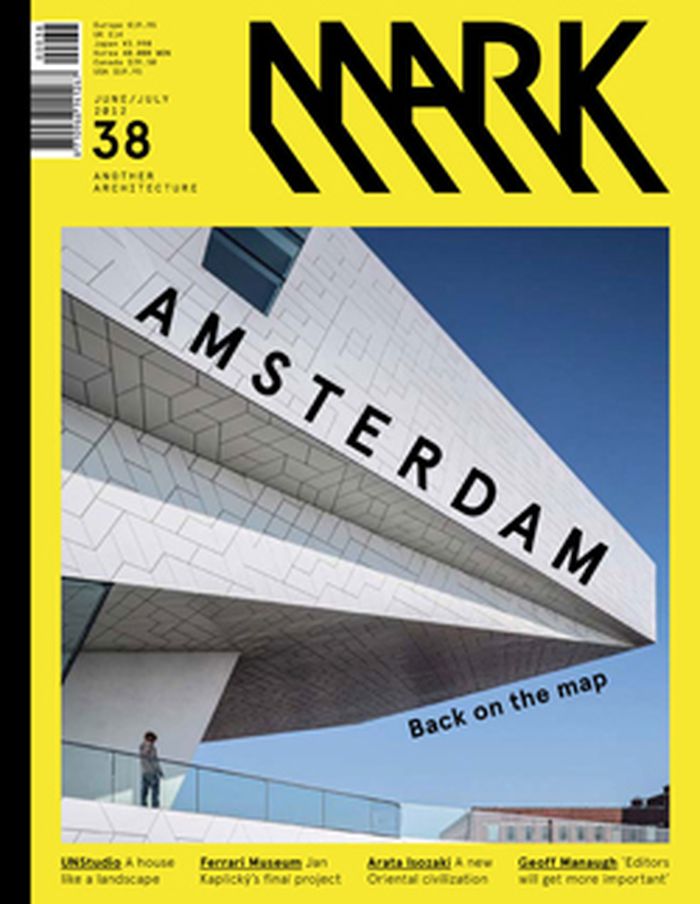
Mark 38 June/July 2012
Mark 38 June/July 2012
Actions:
Price:
$29.50
(available to order)
Summary:
This issue’s main theme is “Amsterdam, Back on the Map “. In this edition you can find previously projects featured by AD such us: EYE-New Dutch Film Institute by Delugan Meissl Associated Architects, Playhouse by Anna & Eugeni Bach, Lamego Multi Purpose Pavillion by Barbosa & Guimarães, House G-S by Graux & Baeyens.
$29.50
(available to order)
Summary:
This issue’s main theme is “Amsterdam, Back on the Map “. In this edition you can find previously projects featured by AD such us: EYE-New Dutch Film Institute by Delugan Meissl Associated Architects, Playhouse by Anna & Eugeni Bach, Lamego Multi Purpose Pavillion by Barbosa & Guimarães, House G-S by Graux & Baeyens.
Title:
Mark 38 June/July 2012
Actions:
Price:
$29.50
(available to order)
Summary:
This issue’s main theme is “Amsterdam, Back on the Map “. In this edition you can find previously projects featured by AD such us: EYE-New Dutch Film Institute by Delugan Meissl Associated Architects, Playhouse by Anna & Eugeni Bach, Lamego Multi Purpose Pavillion by Barbosa & Guimarães, House G-S by Graux & Baeyens.
Mark 38 June/July 2012
Actions:
Price:
$29.50
(available to order)
Summary:
This issue’s main theme is “Amsterdam, Back on the Map “. In this edition you can find previously projects featured by AD such us: EYE-New Dutch Film Institute by Delugan Meissl Associated Architects, Playhouse by Anna & Eugeni Bach, Lamego Multi Purpose Pavillion by Barbosa & Guimarães, House G-S by Graux & Baeyens.
Form:
journals and magazines
journals and magazines
Publication:
July 2012
July 2012
Subject:
Magazines
Magazines
Form:
journals and magazines
journals and magazines
Title:
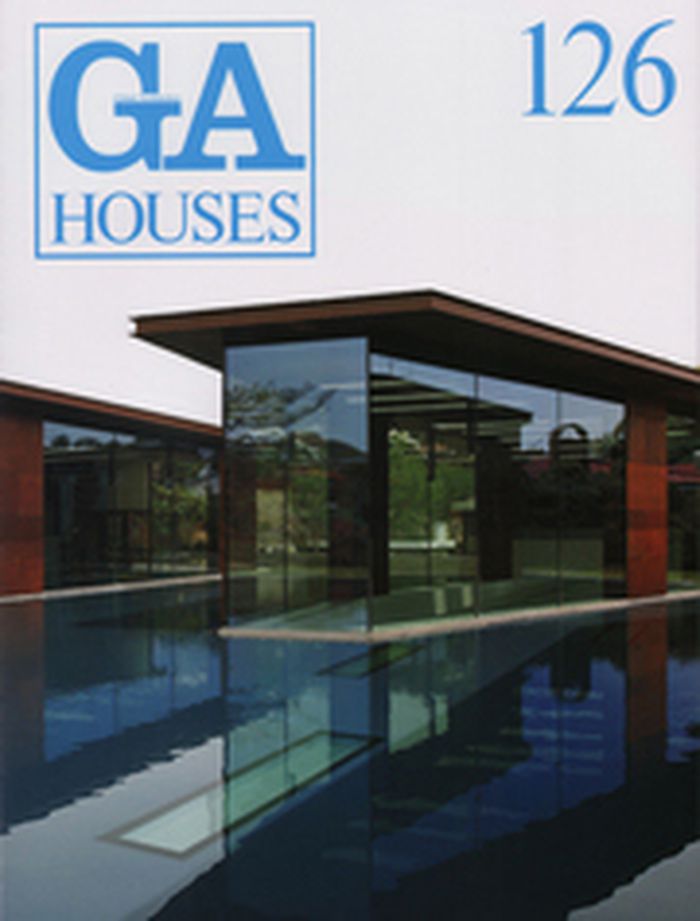
GA Houses 126
GA Houses 126
Actions:
Price:
$56.95
(available in store)
Summary:
This issue of ‘Global Architecture’ pays special attention to contemporary houses in all their variety, elegance and simplicity. Includes private homes located in Seoul, Sydney, São Paulo, Tokyo and elsewhere around the globe, with detailed profiles on works by Kazuyo Sejima, Steven Holl, Peter Stutchbury, Tadao Ando, Grupo SP and others, plus a brief overview of new(...)
$56.95
(available in store)
Summary:
This issue of ‘Global Architecture’ pays special attention to contemporary houses in all their variety, elegance and simplicity. Includes private homes located in Seoul, Sydney, São Paulo, Tokyo and elsewhere around the globe, with detailed profiles on works by Kazuyo Sejima, Steven Holl, Peter Stutchbury, Tadao Ando, Grupo SP and others, plus a brief overview of new(...)
Title:
GA Houses 126
Actions:
Price:
$56.95
(available in store)
Summary:
This issue of ‘Global Architecture’ pays special attention to contemporary houses in all their variety, elegance and simplicity. Includes private homes located in Seoul, Sydney, São Paulo, Tokyo and elsewhere around the globe, with detailed profiles on works by Kazuyo Sejima, Steven Holl, Peter Stutchbury, Tadao Ando, Grupo SP and others, plus a brief overview of new furnishings shown at the 2012 Salone Internazionale del Mobile in Milan.
GA Houses 126
Actions:
Price:
$56.95
(available in store)
Summary:
This issue of ‘Global Architecture’ pays special attention to contemporary houses in all their variety, elegance and simplicity. Includes private homes located in Seoul, Sydney, São Paulo, Tokyo and elsewhere around the globe, with detailed profiles on works by Kazuyo Sejima, Steven Holl, Peter Stutchbury, Tadao Ando, Grupo SP and others, plus a brief overview of new furnishings shown at the 2012 Salone Internazionale del Mobile in Milan.
Form:
journals and magazines
journals and magazines
Publication:
July 2012
July 2012
Subject:
Magazines
Magazines
Form:
journals and magazines
journals and magazines
Price:
$34.95
(available to order)
Summary:
Here C3 highlights architecture’s response to the landscape with ‘Land in Tune’, presenting a variety of projects, from a private house in the Cyclades (GR) by Deca Architecture to the Exhibition Grounds of the Estonian Road Museum by Salto AB. Additionally, ‘Bargains to Valuables’ illuminates the possibilities for delivering quality architecture within a limited budget.(...)
$34.95
(available to order)
Summary:
Here C3 highlights architecture’s response to the landscape with ‘Land in Tune’, presenting a variety of projects, from a private house in the Cyclades (GR) by Deca Architecture to the Exhibition Grounds of the Estonian Road Museum by Salto AB. Additionally, ‘Bargains to Valuables’ illuminates the possibilities for delivering quality architecture within a limited budget.(...)
Title:
C3 332
Actions:
Price:
$34.95
(available to order)
Summary:
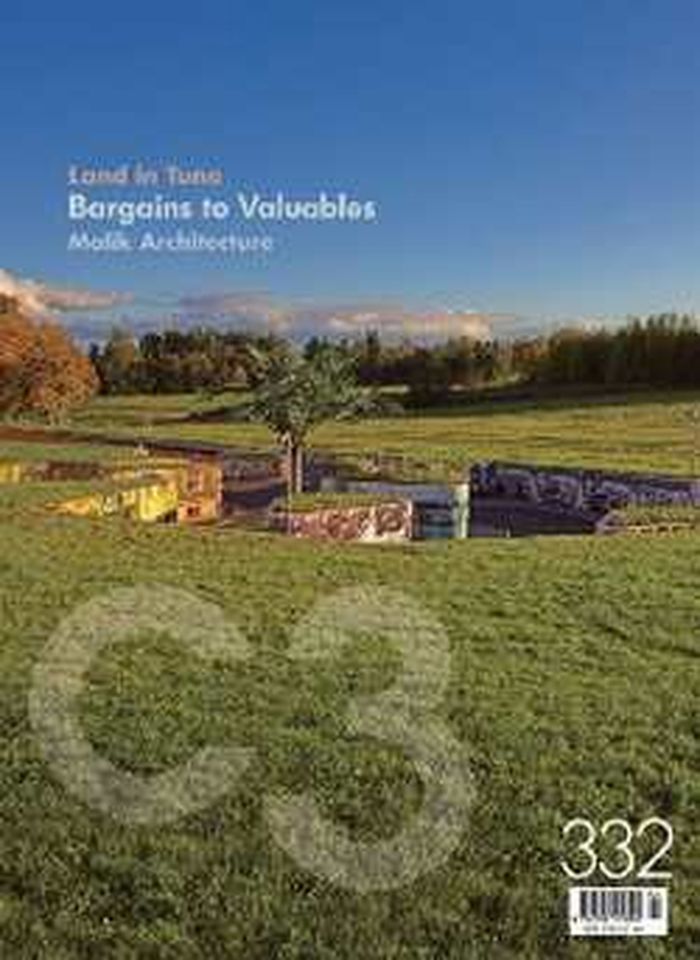
Here C3 highlights architecture’s response to the landscape with ‘Land in Tune’, presenting a variety of projects, from a private house in the Cyclades (GR) by Deca Architecture to the Exhibition Grounds of the Estonian Road Museum by Salto AB. Additionally, ‘Bargains to Valuables’ illuminates the possibilities for delivering quality architecture within a limited budget. Included are several low-cost ‘crisis’ projects like Casa Never Never Land in Ibiza (ES) by Andrés Jaque Architects and the prefab Mima House, designed to be fast-produced, light and flexible. Rounding out this issue is an interview with Mumbai-based Malik Architecture, plus an overview of their work.
C3 332
Actions:
Price:
$34.95
(available to order)
Summary:
Here C3 highlights architecture’s response to the landscape with ‘Land in Tune’, presenting a variety of projects, from a private house in the Cyclades (GR) by Deca Architecture to the Exhibition Grounds of the Estonian Road Museum by Salto AB. Additionally, ‘Bargains to Valuables’ illuminates the possibilities for delivering quality architecture within a limited budget. Included are several low-cost ‘crisis’ projects like Casa Never Never Land in Ibiza (ES) by Andrés Jaque Architects and the prefab Mima House, designed to be fast-produced, light and flexible. Rounding out this issue is an interview with Mumbai-based Malik Architecture, plus an overview of their work.
Form:
journals and magazines
journals and magazines
Publication:
July 2012
July 2012
Subject:
Magazines
Magazines
Form:
journals and magazines
journals and magazines
Price:
$54.95
(available to order)
Summary:
This issue of a+u features projects of a small and sustainable nature. From the passive house in Bessancourt, France, by Karawitz Architecture and a solar house in the Aosta Valley, Italy, by Studio ALBORI, to TYIN tegnestue Architects’ Safe Haven Library and Bathhouse in Thailand and Virginia Tech Center’s ‘Lumenhaus’ in Blacksburg, Virginia, USA, the global range of(...)
$54.95
(available to order)
Summary:
This issue of a+u features projects of a small and sustainable nature. From the passive house in Bessancourt, France, by Karawitz Architecture and a solar house in the Aosta Valley, Italy, by Studio ALBORI, to TYIN tegnestue Architects’ Safe Haven Library and Bathhouse in Thailand and Virginia Tech Center’s ‘Lumenhaus’ in Blacksburg, Virginia, USA, the global range of(...)
Title:
A+U 499
Actions:
Price:
$54.95
(available to order)
Summary:
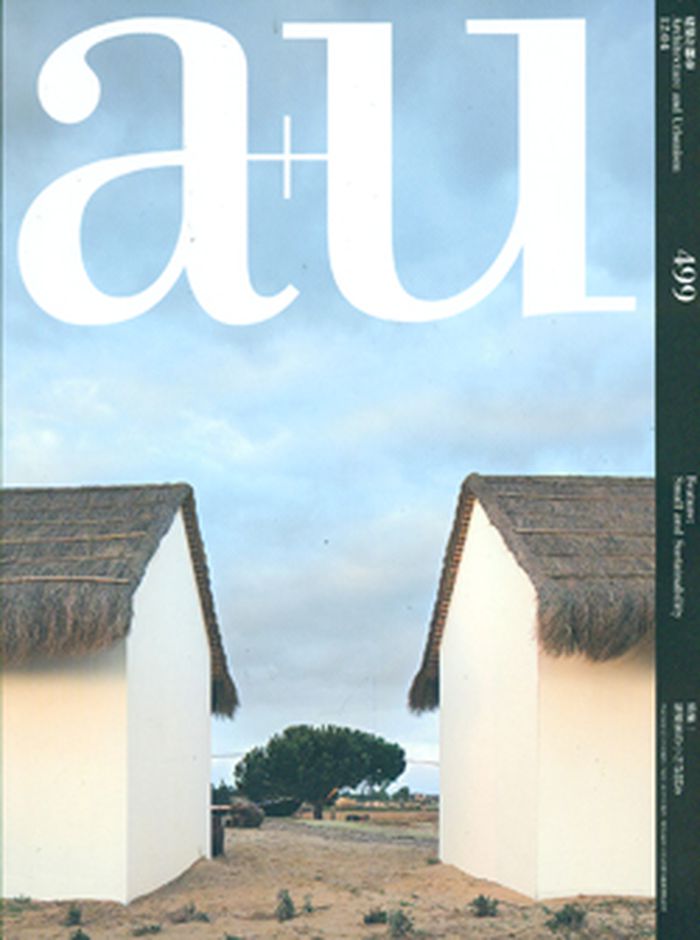
This issue of a+u features projects of a small and sustainable nature. From the passive house in Bessancourt, France, by Karawitz Architecture and a solar house in the Aosta Valley, Italy, by Studio ALBORI, to TYIN tegnestue Architects’ Safe Haven Library and Bathhouse in Thailand and Virginia Tech Center’s ‘Lumenhaus’ in Blacksburg, Virginia, USA, the global range of projects herein are all examples of how architecture can contribute to realizing a sustainable society in the future. Also included is an essay on the C2C (‘cradle to cradle’) concept, as investigated by the Belgian research collective Rotor.
A+U 499
Actions:
Price:
$54.95
(available to order)
Summary:
This issue of a+u features projects of a small and sustainable nature. From the passive house in Bessancourt, France, by Karawitz Architecture and a solar house in the Aosta Valley, Italy, by Studio ALBORI, to TYIN tegnestue Architects’ Safe Haven Library and Bathhouse in Thailand and Virginia Tech Center’s ‘Lumenhaus’ in Blacksburg, Virginia, USA, the global range of projects herein are all examples of how architecture can contribute to realizing a sustainable society in the future. Also included is an essay on the C2C (‘cradle to cradle’) concept, as investigated by the Belgian research collective Rotor.
Form:
journals and magazines
journals and magazines
Publication:
July 2012
July 2012
Subject:
Magazines
Magazines
Form:
journals and magazines
journals and magazines
Price:
$54.95
(available to order)
Summary:
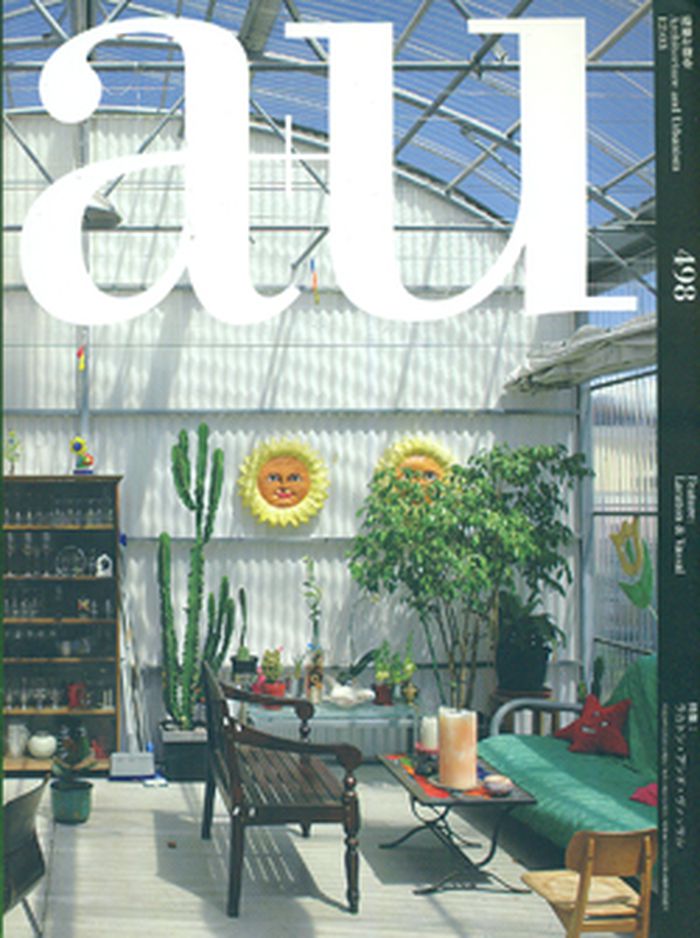
This issue of the esteemed Japanese magazine features Lacaton & Vassal, documenting a number of the French architects’ projects from 1992-2011 in their home country and beyond.
$54.95
(available to order)
Summary:
This issue of the esteemed Japanese magazine features Lacaton & Vassal, documenting a number of the French architects’ projects from 1992-2011 in their home country and beyond.
Form:
books
books
Title:
GA Recent project : OMA
GA Recent project : OMA
Actions:
Price:
$70.00
(available to order)
Summary:
A comprehensive and detailed overview of recent work from the Office for Metropolitan Architecture, complete with photos, concepts, plans and sections. Includes high-profile buildings such as the CCTV headquarters in Beijing, Taipei Performing Arts Centre, Musée National des Beaux-Arts du Québec and the Broad Art Foundation in Los Angeles, as well as smaller projects like(...)
$70.00
(available to order)
Summary:
A comprehensive and detailed overview of recent work from the Office for Metropolitan Architecture, complete with photos, concepts, plans and sections. Includes high-profile buildings such as the CCTV headquarters in Beijing, Taipei Performing Arts Centre, Musée National des Beaux-Arts du Québec and the Broad Art Foundation in Los Angeles, as well as smaller projects like(...)
Title:
GA Recent project : OMA
Actions:
Price:
$70.00
(available to order)
Summary:
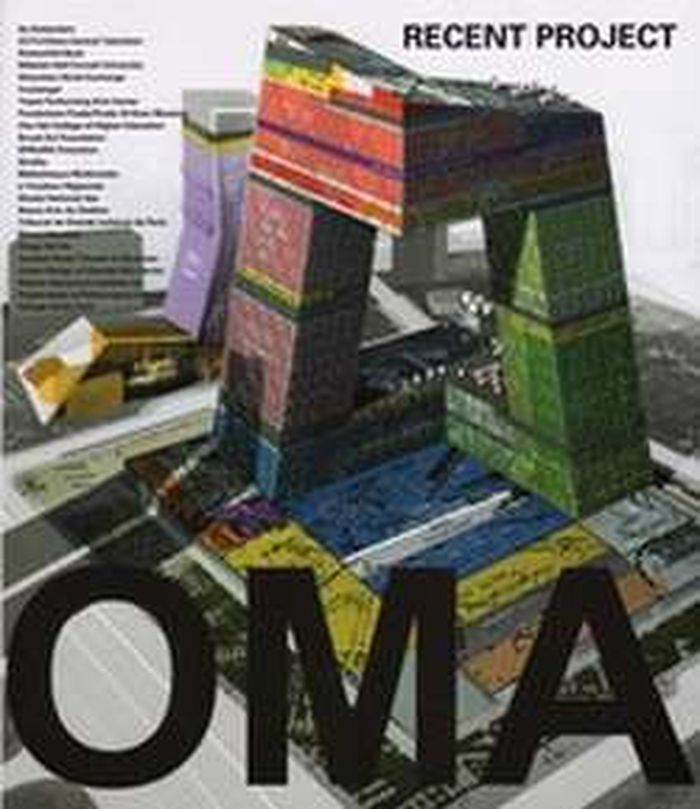
A comprehensive and detailed overview of recent work from the Office for Metropolitan Architecture, complete with photos, concepts, plans and sections. Includes high-profile buildings such as the CCTV headquarters in Beijing, Taipei Performing Arts Centre, Musée National des Beaux-Arts du Québec and the Broad Art Foundation in Los Angeles, as well as smaller projects like Milstein Hall at Cornell University, a stage set for the Ancient Greek Theatre in Syracuse and the Coolsingel in Rotterdam.
GA Recent project : OMA
Actions:
Price:
$70.00
(available to order)
Summary:
A comprehensive and detailed overview of recent work from the Office for Metropolitan Architecture, complete with photos, concepts, plans and sections. Includes high-profile buildings such as the CCTV headquarters in Beijing, Taipei Performing Arts Centre, Musée National des Beaux-Arts du Québec and the Broad Art Foundation in Los Angeles, as well as smaller projects like Milstein Hall at Cornell University, a stage set for the Ancient Greek Theatre in Syracuse and the Coolsingel in Rotterdam.
Form:
books
books
Publication:
July 2012
July 2012
Subject:
Magazines
Magazines
Form:
journals and magazines
journals and magazines

Title:
Conditions 10: why gossip?
Conditions 10: why gossip?
Actions:
Price:
$29.99
(available to order)
Summary:
The current issue of Conditions investigates the function of gossip in architecture. Gossip has always been around in architecture as one of the oldest ways of sharing, maneuvering and convincing. But how does it manifest itself today within the instant culture of internet and social media? What is the role of gossip in contemporary networking? Has the logic of gossip and(...)
$29.99
(available to order)
Summary:
The current issue of Conditions investigates the function of gossip in architecture. Gossip has always been around in architecture as one of the oldest ways of sharing, maneuvering and convincing. But how does it manifest itself today within the instant culture of internet and social media? What is the role of gossip in contemporary networking? Has the logic of gossip and(...)
Publication:
July 2012
July 2012
Title:
Conditions 10: why gossip?
Actions:
Price:
$29.99
(available to order)
Summary:
The current issue of Conditions investigates the function of gossip in architecture. Gossip has always been around in architecture as one of the oldest ways of sharing, maneuvering and convincing. But how does it manifest itself today within the instant culture of internet and social media? What is the role of gossip in contemporary networking? Has the logic of gossip and instant gratification also penetrated what we used to call architectural critique?
Conditions 10: why gossip?
Actions:
Price:
$29.99
(available to order)
Summary:
The current issue of Conditions investigates the function of gossip in architecture. Gossip has always been around in architecture as one of the oldest ways of sharing, maneuvering and convincing. But how does it manifest itself today within the instant culture of internet and social media? What is the role of gossip in contemporary networking? Has the logic of gossip and instant gratification also penetrated what we used to call architectural critique?
Form:
journals and magazines
journals and magazines
Publication:
July 2012
July 2012
Form:
journals and magazines
journals and magazines
Actions:
Price:
$6.95
(available to order)
Summary:
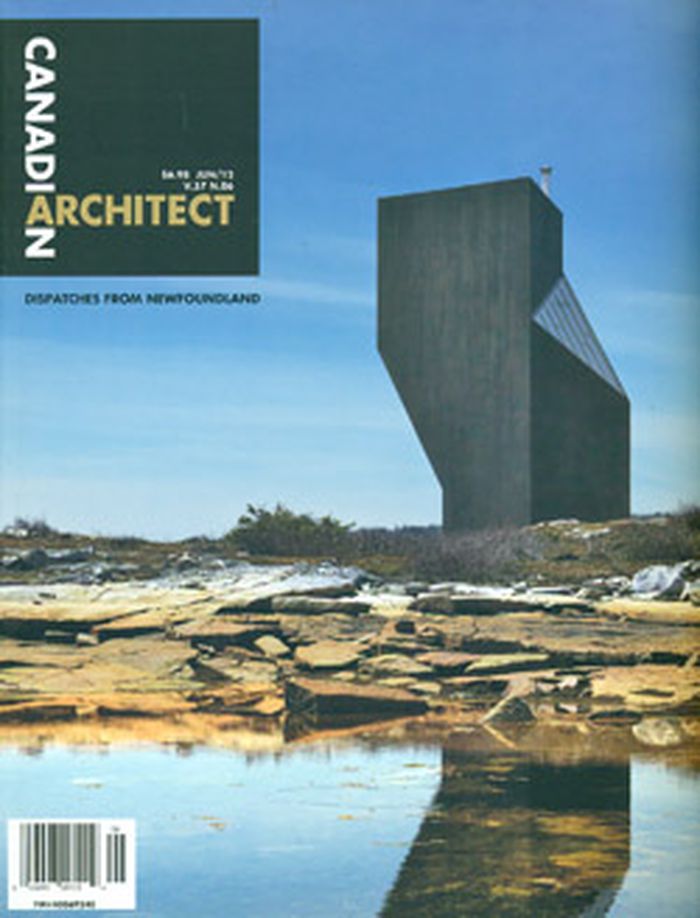
Current issue in store : Dispatches from Newfoundland. Maintenant en librairie.
$6.95
(available to order)
Summary:
Current issue in store : Dispatches from Newfoundland. Maintenant en librairie.
Title:
Canadian architect, June 2012, v.57 n.06
Actions:
Price:
$6.95
(available to order)
Summary:
Current issue in store : Dispatches from Newfoundland. Maintenant en librairie.
Canadian architect, June 2012, v.57 n.06
Actions:
Price:
$6.95
(available to order)
Summary:
Current issue in store : Dispatches from Newfoundland. Maintenant en librairie.
Form:
journals and magazines
journals and magazines
Publication:
July 2012
July 2012
Subject:
Magazines
Magazines


