


884 Results
Form:
books
books
Title:
Saving beauty
Saving beauty
Actions:
Price:
$15.95
(available in store)
Summary:
Beauty today is a paradox. The cult of beauty is ubiquitous but it has lost its transcendence and become little more than an aspect of consumerism, the aesthetic dimension of capitalism. The sublime and unsettling aspects of beauty have given way to corporeal pleasures and 'likes', resulting in a kind of 'pornography' of beauty. In this book, cultural theorist Byung-Chul(...)
$15.95
(available in store)
Summary:
Beauty today is a paradox. The cult of beauty is ubiquitous but it has lost its transcendence and become little more than an aspect of consumerism, the aesthetic dimension of capitalism. The sublime and unsettling aspects of beauty have given way to corporeal pleasures and 'likes', resulting in a kind of 'pornography' of beauty. In this book, cultural theorist Byung-Chul(...)
Title:
Saving beauty
Actions:
Price:
$15.95
(available in store)
Summary:
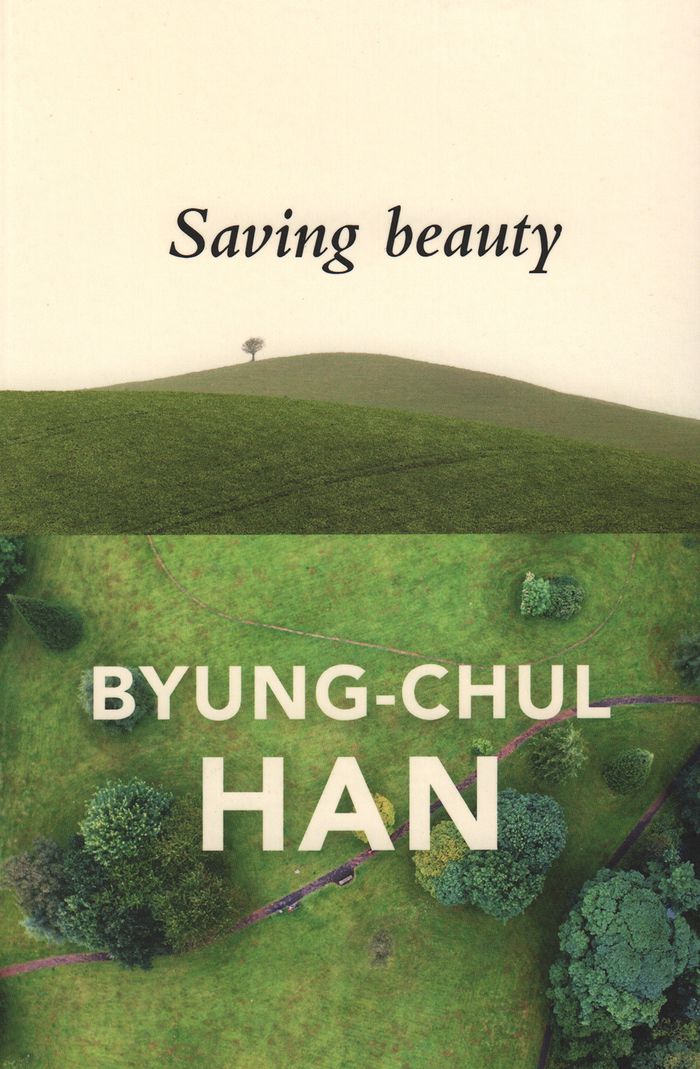
Beauty today is a paradox. The cult of beauty is ubiquitous but it has lost its transcendence and become little more than an aspect of consumerism, the aesthetic dimension of capitalism. The sublime and unsettling aspects of beauty have given way to corporeal pleasures and 'likes', resulting in a kind of 'pornography' of beauty. In this book, cultural theorist Byung-Chul Han reinvigorates aesthetic theory for our digital age. He interrogates our preoccupation with all things slick and smooth, from Jeff Koon's sculptures and the iPhone to Brazilian waxing. Reaching far deeper than our superficial reactions to viral videos and memes, Han reclaims beauty, showing how it manifests itself as truth, temptation and even disaster.
Saving beauty
Actions:
Price:
$15.95
(available in store)
Summary:
Beauty today is a paradox. The cult of beauty is ubiquitous but it has lost its transcendence and become little more than an aspect of consumerism, the aesthetic dimension of capitalism. The sublime and unsettling aspects of beauty have given way to corporeal pleasures and 'likes', resulting in a kind of 'pornography' of beauty. In this book, cultural theorist Byung-Chul Han reinvigorates aesthetic theory for our digital age. He interrogates our preoccupation with all things slick and smooth, from Jeff Koon's sculptures and the iPhone to Brazilian waxing. Reaching far deeper than our superficial reactions to viral videos and memes, Han reclaims beauty, showing how it manifests itself as truth, temptation and even disaster.
Form:
books
books
Publication:
November 2017
November 2017
Subject:
Critical Theory
Critical Theory
Form:
books
books
Actions:
Price:
$21.95
(available to order)
Summary:
Questioning everything from the way we work to the ever-expanding definition of depression, and the commercializattion of our most private feelings, William Davies shows how well-being influences all aspects of our lives: business, finance, marketing and smart technology.
$21.95
(available to order)
Summary:
Questioning everything from the way we work to the ever-expanding definition of depression, and the commercializattion of our most private feelings, William Davies shows how well-being influences all aspects of our lives: business, finance, marketing and smart technology.
Title:
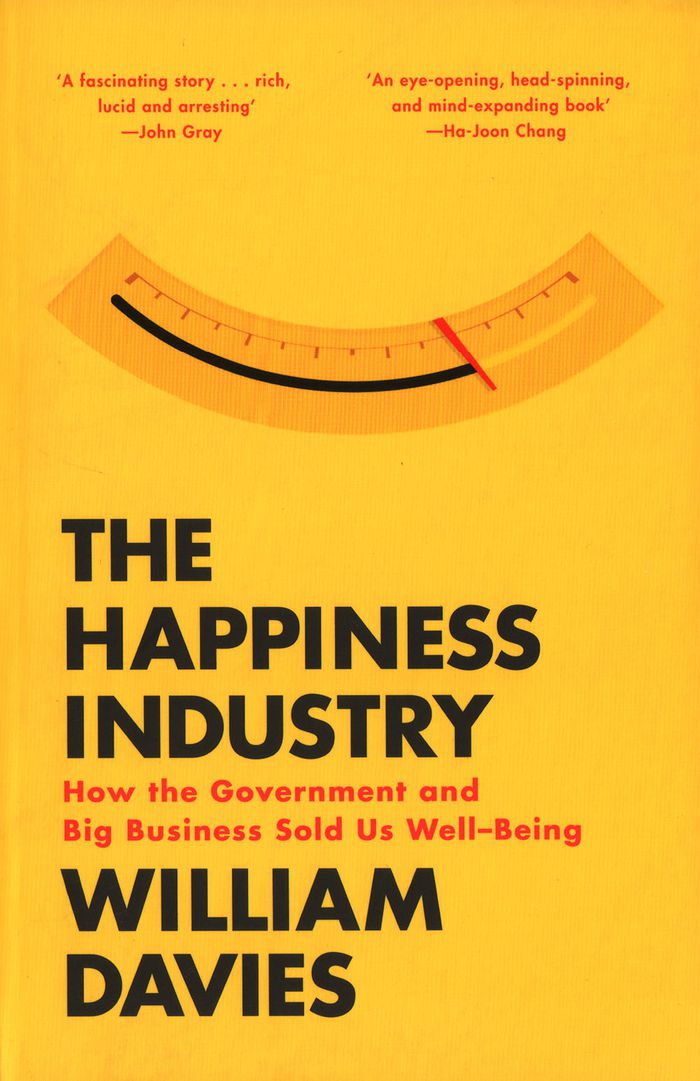
The happiness industry: how the government and big business sold us well-being
Actions:
Price:
$21.95
(available to order)
Summary:
Questioning everything from the way we work to the ever-expanding definition of depression, and the commercializattion of our most private feelings, William Davies shows how well-being influences all aspects of our lives: business, finance, marketing and smart technology.
The happiness industry: how the government and big business sold us well-being
Actions:
Price:
$21.95
(available to order)
Summary:
Questioning everything from the way we work to the ever-expanding definition of depression, and the commercializattion of our most private feelings, William Davies shows how well-being influences all aspects of our lives: business, finance, marketing and smart technology.
Form:
books
books
Publication:
November 2016
November 2016
Subject:
Critical Theory
Critical Theory
Form:
books
books
Title:
Révolution électronique
Révolution électronique
Actions:
Price:
$12.95
(available to order)
Summary:
Mine de propositions subversives, ce manifeste dans le plus beau style des avant-gardes fait de son titre l’étendard d’un projet d’envergure : la destruction en règle des mass media au moyen de leurs possibilités mêmes. Entre répandre de fausses nouvelles à l’aide d’enregistrements diffusés aux heures de pointe, procéder par contagion sonore – les bruits d’une émeute(...)
$12.95
(available to order)
Summary:
Mine de propositions subversives, ce manifeste dans le plus beau style des avant-gardes fait de son titre l’étendard d’un projet d’envergure : la destruction en règle des mass media au moyen de leurs possibilités mêmes. Entre répandre de fausses nouvelles à l’aide d’enregistrements diffusés aux heures de pointe, procéder par contagion sonore – les bruits d’une émeute(...)
Title:
Révolution électronique
Actions:
Price:
$12.95
(available to order)
Summary:
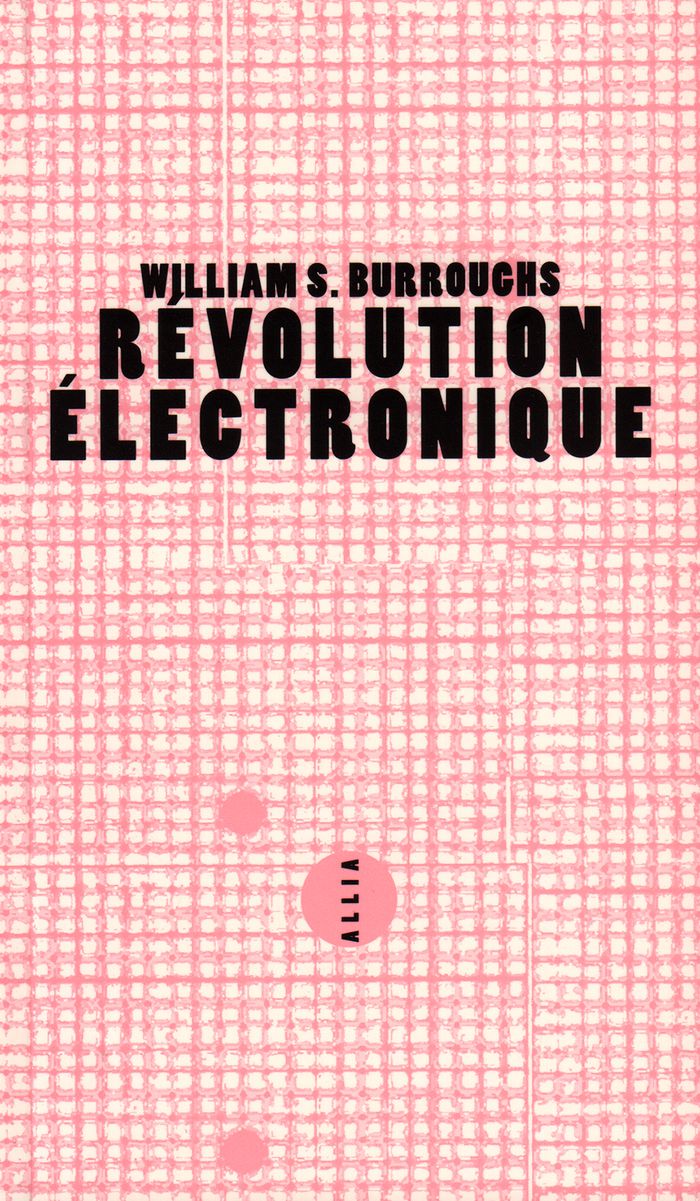
Mine de propositions subversives, ce manifeste dans le plus beau style des avant-gardes fait de son titre l’étendard d’un projet d’envergure : la destruction en règle des mass media au moyen de leurs possibilités mêmes. Entre répandre de fausses nouvelles à l’aide d’enregistrements diffusés aux heures de pointe, procéder par contagion sonore – les bruits d’une émeute peuvent la stimuler dans la réalité – ou encore introduire dans le discours d’un politicien bredouillements et autres incongruités, Burroughs applique la technique du cut-up au monde sonore, arme à même de contrer cette autre arme de destruction massive, la médiatisation à outrance, moyen féroce de manipulation des consciences. Brouillons les pistes, aux sens propre et figuré.
Révolution électronique
Actions:
Price:
$12.95
(available to order)
Summary:
Mine de propositions subversives, ce manifeste dans le plus beau style des avant-gardes fait de son titre l’étendard d’un projet d’envergure : la destruction en règle des mass media au moyen de leurs possibilités mêmes. Entre répandre de fausses nouvelles à l’aide d’enregistrements diffusés aux heures de pointe, procéder par contagion sonore – les bruits d’une émeute peuvent la stimuler dans la réalité – ou encore introduire dans le discours d’un politicien bredouillements et autres incongruités, Burroughs applique la technique du cut-up au monde sonore, arme à même de contrer cette autre arme de destruction massive, la médiatisation à outrance, moyen féroce de manipulation des consciences. Brouillons les pistes, aux sens propre et figuré.
Form:
books
books
Publication:
October 2017
October 2017
Subject:
Critical Theory
Critical Theory
Form:
books
books
Title:
I love Dick, v.f.
I love Dick, v.f.
Actions:
Price:
$36.95
(available to order)
Summary:
C'est l'histoire d'une femme qui devient folle, folle amoureuse d'un homme prénommé Dick qu'elle n'a rencontré qu'une seule fois en compagnie de son mari. Pour tenter de composer avec cette obsession elle choisit d'écrire à cet homme. Par jeu ou par défi, son mari décide de lui écrire à son tour. De cette situation triangulaire insolite, Chris Kraus tire une méditation(...)
$36.95
(available to order)
Summary:
C'est l'histoire d'une femme qui devient folle, folle amoureuse d'un homme prénommé Dick qu'elle n'a rencontré qu'une seule fois en compagnie de son mari. Pour tenter de composer avec cette obsession elle choisit d'écrire à cet homme. Par jeu ou par défi, son mari décide de lui écrire à son tour. De cette situation triangulaire insolite, Chris Kraus tire une méditation(...)
Title:
I love Dick, v.f.
Actions:
Price:
$36.95
(available to order)
Summary:
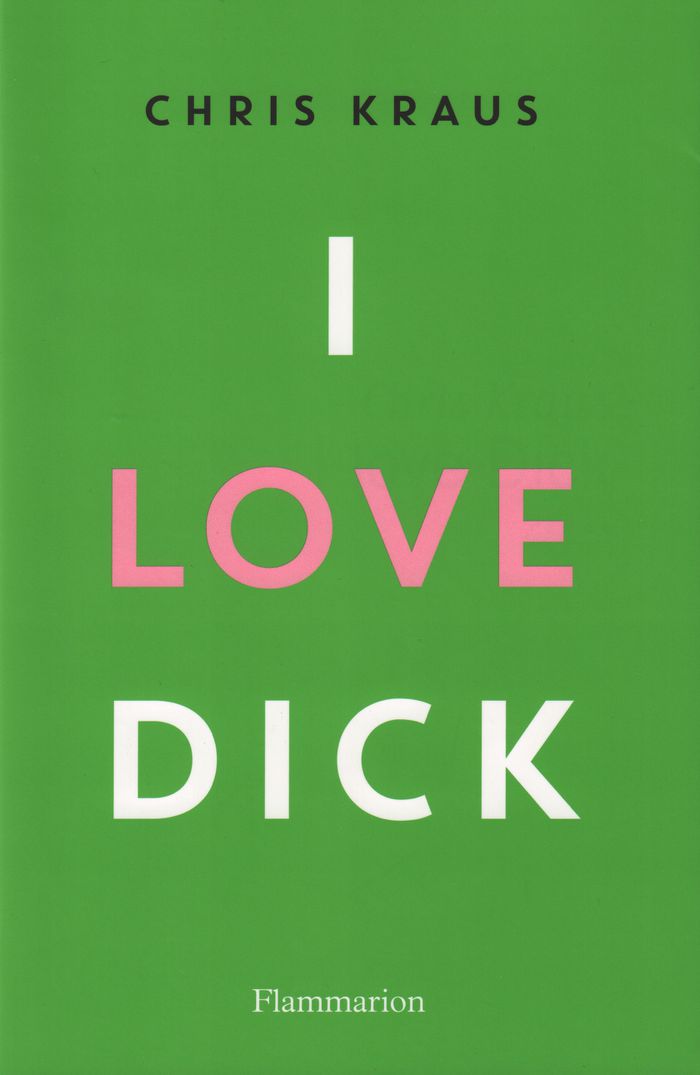
C'est l'histoire d'une femme qui devient folle, folle amoureuse d'un homme prénommé Dick qu'elle n'a rencontré qu'une seule fois en compagnie de son mari. Pour tenter de composer avec cette obsession elle choisit d'écrire à cet homme. Par jeu ou par défi, son mari décide de lui écrire à son tour. De cette situation triangulaire insolite, Chris Kraus tire une méditation subversive sur la place des femmes dans le couple et dans le monde d'aujourd'hui. Elle pousse l'exploration du désir féminin à son comble, nous entraîne dans les tréfonds d'une quête acharnée qui la conduit à traverser l'Amérique et à faire chemin seule, dans l'espoir d'une possible renaissance. C'est donc moins à une relecture des Liaisons dangereuses que de Madame Bovarg à laquelle nous invite Chris Kraus dans ce livre culte qui efface les limites entre fiction, essai et récit autobiographique pour mieux sonder les multiples visages du discours amoureux.
I love Dick, v.f.
Actions:
Price:
$36.95
(available to order)
Summary:
C'est l'histoire d'une femme qui devient folle, folle amoureuse d'un homme prénommé Dick qu'elle n'a rencontré qu'une seule fois en compagnie de son mari. Pour tenter de composer avec cette obsession elle choisit d'écrire à cet homme. Par jeu ou par défi, son mari décide de lui écrire à son tour. De cette situation triangulaire insolite, Chris Kraus tire une méditation subversive sur la place des femmes dans le couple et dans le monde d'aujourd'hui. Elle pousse l'exploration du désir féminin à son comble, nous entraîne dans les tréfonds d'une quête acharnée qui la conduit à traverser l'Amérique et à faire chemin seule, dans l'espoir d'une possible renaissance. C'est donc moins à une relecture des Liaisons dangereuses que de Madame Bovarg à laquelle nous invite Chris Kraus dans ce livre culte qui efface les limites entre fiction, essai et récit autobiographique pour mieux sonder les multiples visages du discours amoureux.
Form:
books
books
Publication:
August 2017
August 2017
Subject:
Critical Theory
Critical Theory
Form:
books
books
Actions:
Price:
$35.95
(available to order)
Summary:
Rethinking Density: Art, Culture, and Urban Practices considers new perspectives and discussions related to the category of density, which for a long time has been part of urban-planning discourses and is now regaining the attention of artists and practitioners from a number of different disciplines. In an interplay of models, coping strategies, and experimental(...)
$35.95
(available to order)
Summary:
Rethinking Density: Art, Culture, and Urban Practices considers new perspectives and discussions related to the category of density, which for a long time has been part of urban-planning discourses and is now regaining the attention of artists and practitioners from a number of different disciplines. In an interplay of models, coping strategies, and experimental(...)
Subject:
Critical Theory
Critical Theory
Publication:
December 2017
December 2017
Title:
Rethinking density: art, culture, and urban practices
Actions:
Price:
$35.95
(available to order)
Summary:
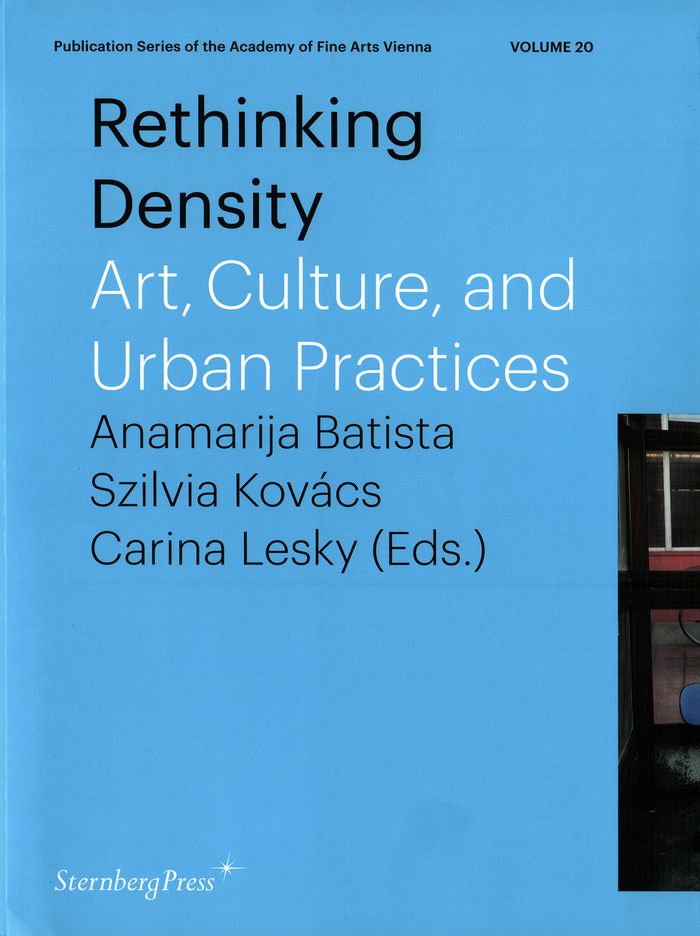
Rethinking Density: Art, Culture, and Urban Practices considers new perspectives and discussions related to the category of density, which for a long time has been part of urban-planning discourses and is now regaining the attention of artists and practitioners from a number of different disciplines. In an interplay of models, coping strategies, and experimental approaches, this publication combines research from cultural studies, artistic research, sound studiess as well as architectural and urban theory. The issues discussed include the consideration of retroactive architectural design as a means to retrace the historical layers of a city, a proposal for spacesharing concepts as instruments for urban revitalization processes, and a case study on the potential for new sonic social spaces as subversive modes to undermine prevailing power structures.
Rethinking density: art, culture, and urban practices
Actions:
Price:
$35.95
(available to order)
Summary:
Rethinking Density: Art, Culture, and Urban Practices considers new perspectives and discussions related to the category of density, which for a long time has been part of urban-planning discourses and is now regaining the attention of artists and practitioners from a number of different disciplines. In an interplay of models, coping strategies, and experimental approaches, this publication combines research from cultural studies, artistic research, sound studiess as well as architectural and urban theory. The issues discussed include the consideration of retroactive architectural design as a means to retrace the historical layers of a city, a proposal for spacesharing concepts as instruments for urban revitalization processes, and a case study on the potential for new sonic social spaces as subversive modes to undermine prevailing power structures.
Form:
books
books
Publication:
December 2017
December 2017
Subject:
Critical Theory
Critical Theory
Form:
books
books
Actions:
Price:
$26.95
(available to order)
Summary:
Pierre Montebello met en lumière les positions esthétiques de Gilles Deleuze et les rapports entre philosophie, arts visuels, musique, cinéma et littérature dans la pensée deleuzienne. Professeur de philosophie moderne et contemporaine à l'Université de Toulouse le Mirail, Pierre Montebello a publié de nombreux ouvrages sur Maine de Biran, Friedrich Nietzsche, Félix(...)
$26.95
(available to order)
Summary:
Pierre Montebello met en lumière les positions esthétiques de Gilles Deleuze et les rapports entre philosophie, arts visuels, musique, cinéma et littérature dans la pensée deleuzienne. Professeur de philosophie moderne et contemporaine à l'Université de Toulouse le Mirail, Pierre Montebello a publié de nombreux ouvrages sur Maine de Biran, Friedrich Nietzsche, Félix(...)
Title:
Deleuze, esthétiques : la honte d’être un homme
Actions:
Price:
$26.95
(available to order)
Summary:
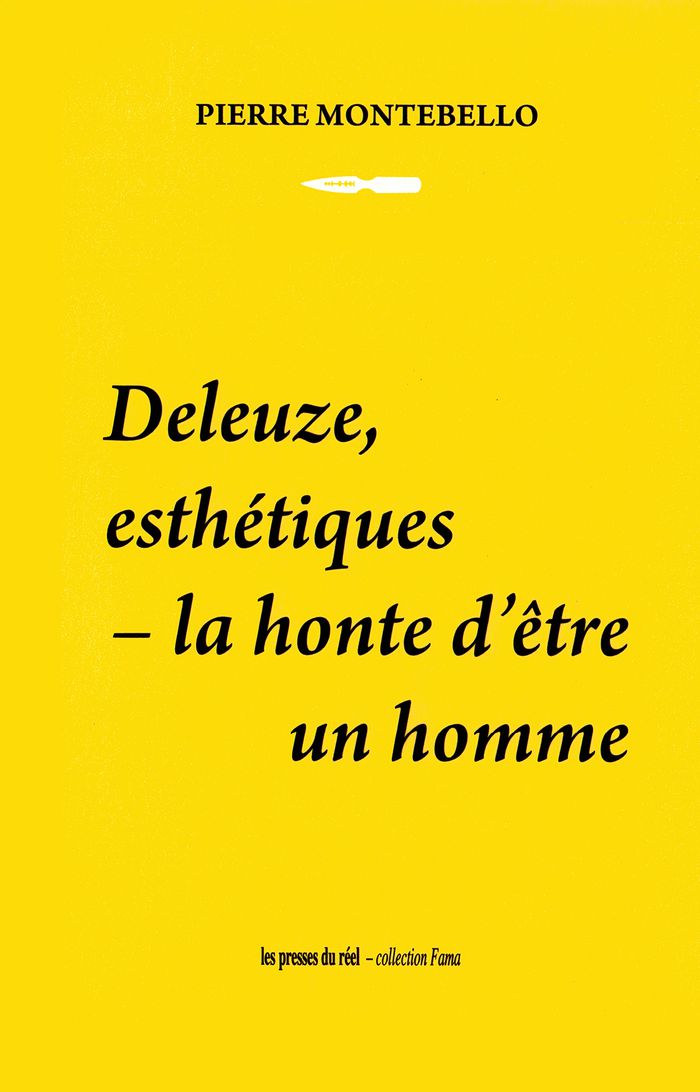
Pierre Montebello met en lumière les positions esthétiques de Gilles Deleuze et les rapports entre philosophie, arts visuels, musique, cinéma et littérature dans la pensée deleuzienne. Professeur de philosophie moderne et contemporaine à l'Université de Toulouse le Mirail, Pierre Montebello a publié de nombreux ouvrages sur Maine de Biran, Friedrich Nietzsche, Félix Ravaisson, Gabriel Tarde, Henri Bergson et Gilles Deleuze.
Deleuze, esthétiques : la honte d’être un homme
Actions:
Price:
$26.95
(available to order)
Summary:
Pierre Montebello met en lumière les positions esthétiques de Gilles Deleuze et les rapports entre philosophie, arts visuels, musique, cinéma et littérature dans la pensée deleuzienne. Professeur de philosophie moderne et contemporaine à l'Université de Toulouse le Mirail, Pierre Montebello a publié de nombreux ouvrages sur Maine de Biran, Friedrich Nietzsche, Félix Ravaisson, Gabriel Tarde, Henri Bergson et Gilles Deleuze.
Form:
books
books
Publication:
September 2017
September 2017
Subject:
Critical Theory
Critical Theory
Form:
books
books

Price:
$15.95
(available to order)
Summary:
In his philosophical reflections on the art of lingering, acclaimed cultural theorist Byung-Chul Han argues that the value we attach today to the vita activa is producing a crisis in our sense of time. Our attachment to the vita activa creates an imperative to work which degrades the human being into a labouring animal, an animal laborans. At the same time, the(...)
$15.95
(available to order)
Summary:
In his philosophical reflections on the art of lingering, acclaimed cultural theorist Byung-Chul Han argues that the value we attach today to the vita activa is producing a crisis in our sense of time. Our attachment to the vita activa creates an imperative to work which degrades the human being into a labouring animal, an animal laborans. At the same time, the(...)
Title:
The scent of time: a philosophical essay on the art of lingering
Actions:
Price:
$15.95
(available to order)
Summary:
In his philosophical reflections on the art of lingering, acclaimed cultural theorist Byung-Chul Han argues that the value we attach today to the vita activa is producing a crisis in our sense of time. Our attachment to the vita activa creates an imperative to work which degrades the human being into a labouring animal, an animal laborans. At the same time, the hyperactivity which characterizes our daily routines robs human beings of the capacity to linger and the faculty of contemplation. It therefore becomes impossible to experience time as fulfilling. Drawing on a range of thinkers including Heidegger, Nietzsche and Arendt, Han argues that we can overcome this temporal crisis only by revitalizing the vita contemplativa and relearning the art of lingering.
The scent of time: a philosophical essay on the art of lingering
Actions:
Price:
$15.95
(available to order)
Summary:
In his philosophical reflections on the art of lingering, acclaimed cultural theorist Byung-Chul Han argues that the value we attach today to the vita activa is producing a crisis in our sense of time. Our attachment to the vita activa creates an imperative to work which degrades the human being into a labouring animal, an animal laborans. At the same time, the hyperactivity which characterizes our daily routines robs human beings of the capacity to linger and the faculty of contemplation. It therefore becomes impossible to experience time as fulfilling. Drawing on a range of thinkers including Heidegger, Nietzsche and Arendt, Han argues that we can overcome this temporal crisis only by revitalizing the vita contemplativa and relearning the art of lingering.
Form:
books
books
Publication:
October 2017
October 2017
Subject:
Critical Theory
Critical Theory
Form:
books
books
Price:
$34.95
(available to order)
Summary:
Dans Le Pouvoir des mots, Judith Butler analyse les récents débats, souvent passionnés, sur la violence verbale dirigée contre les minorités, sur la pornographie et sur l’interdiction faite aux homosexuels membres de l’armée américaine de se déclarer tels. Il s’agit pour elle de montrer le danger qu’il y a à confier à l’État le soin de définir le champ du dicible et de(...)
$34.95
(available to order)
Summary:
Dans Le Pouvoir des mots, Judith Butler analyse les récents débats, souvent passionnés, sur la violence verbale dirigée contre les minorités, sur la pornographie et sur l’interdiction faite aux homosexuels membres de l’armée américaine de se déclarer tels. Il s’agit pour elle de montrer le danger qu’il y a à confier à l’État le soin de définir le champ du dicible et de(...)
Title:
Le pouvoir des mots : discours de haine et politique du performatif
Actions:
Price:
$34.95
(available to order)
Summary:
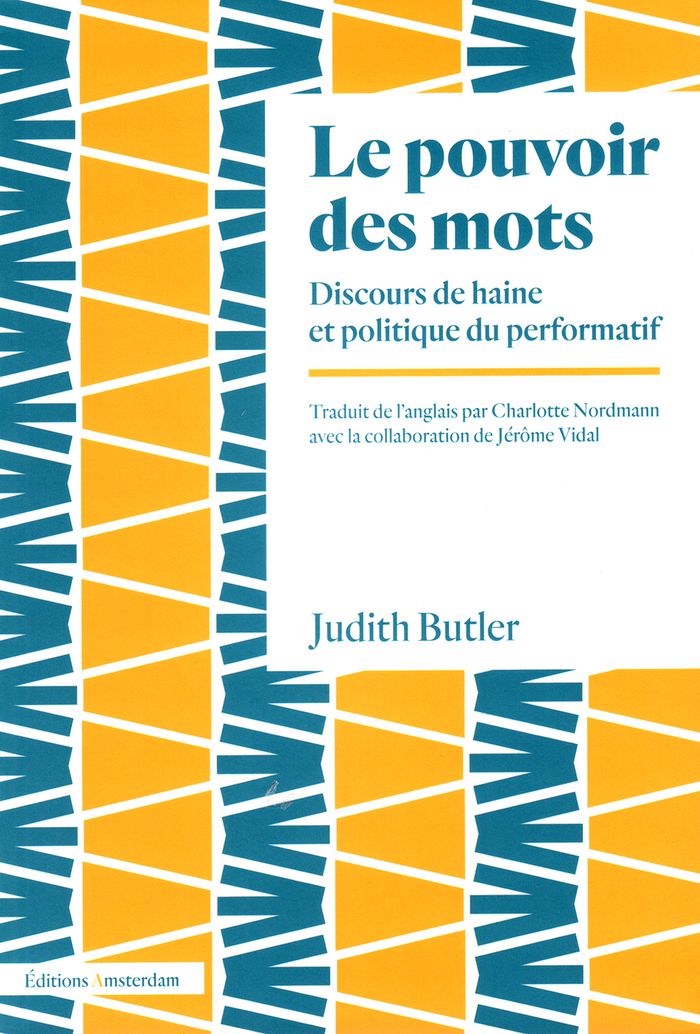
Dans Le Pouvoir des mots, Judith Butler analyse les récents débats, souvent passionnés, sur la violence verbale dirigée contre les minorités, sur la pornographie et sur l’interdiction faite aux homosexuels membres de l’armée américaine de se déclarer tels. Il s’agit pour elle de montrer le danger qu’il y a à confier à l’État le soin de définir le champ du dicible et de l’indicible. Dans un dialogue critique avec J. L. Austin, le fondateur de la théorie du discours performatif, mais aussi avec Sigmund Freud, Michel Foucault, Pierre Bourdieu, Jacques Derrida et Catharine MacKinnon, elle s’efforce d’établir l’ambivalence de la violence verbale (du hate speech) et des discours homophobes, sexistes ou racistes : s’ils peuvent briser les personnes auxquelles ils sont adressés, ils peuvent aussi être retournés et ouvrir l’espace d’une lutte politique et d’une subversion des identités.
Le pouvoir des mots : discours de haine et politique du performatif
Actions:
Price:
$34.95
(available to order)
Summary:
Dans Le Pouvoir des mots, Judith Butler analyse les récents débats, souvent passionnés, sur la violence verbale dirigée contre les minorités, sur la pornographie et sur l’interdiction faite aux homosexuels membres de l’armée américaine de se déclarer tels. Il s’agit pour elle de montrer le danger qu’il y a à confier à l’État le soin de définir le champ du dicible et de l’indicible. Dans un dialogue critique avec J. L. Austin, le fondateur de la théorie du discours performatif, mais aussi avec Sigmund Freud, Michel Foucault, Pierre Bourdieu, Jacques Derrida et Catharine MacKinnon, elle s’efforce d’établir l’ambivalence de la violence verbale (du hate speech) et des discours homophobes, sexistes ou racistes : s’ils peuvent briser les personnes auxquelles ils sont adressés, ils peuvent aussi être retournés et ouvrir l’espace d’une lutte politique et d’une subversion des identités.
Form:
books
books
Publication:
November 2017
November 2017
Subject:
Critical Theory
Critical Theory
Form:
books
books

Price:
$25.95
(available to order)
Summary:
One hundred years ago, French troops fired tear gas grenades into German trenches. Designed to force people out from behind barricades and trenches, tear gas causes burning of the eyes and skin, tearing, and gagging. Chemical weapons are now banned from war zones. But today, tear gas has become the most commonly used form of “less-lethal” police force. In 2011, the year(...)
$25.95
(available to order)
Summary:
One hundred years ago, French troops fired tear gas grenades into German trenches. Designed to force people out from behind barricades and trenches, tear gas causes burning of the eyes and skin, tearing, and gagging. Chemical weapons are now banned from war zones. But today, tear gas has become the most commonly used form of “less-lethal” police force. In 2011, the year(...)
Title:
Tear gas: from the battlefields of WWI to the streets of today
Actions:
Price:
$25.95
(available to order)
Summary:
One hundred years ago, French troops fired tear gas grenades into German trenches. Designed to force people out from behind barricades and trenches, tear gas causes burning of the eyes and skin, tearing, and gagging. Chemical weapons are now banned from war zones. But today, tear gas has become the most commonly used form of “less-lethal” police force. In 2011, the year that protests exploded from the Arab Spring to Occupy Wall Street, tear gas sales tripled. Most tear gas is produced in the United States, and many images of protestors in Tahrir Square showed tear gas canisters with “Made in USA” printed on them, while Britain continues to sell tear gas to countries on its own human rights blacklist.
Tear gas: from the battlefields of WWI to the streets of today
Actions:
Price:
$25.95
(available to order)
Summary:
One hundred years ago, French troops fired tear gas grenades into German trenches. Designed to force people out from behind barricades and trenches, tear gas causes burning of the eyes and skin, tearing, and gagging. Chemical weapons are now banned from war zones. But today, tear gas has become the most commonly used form of “less-lethal” police force. In 2011, the year that protests exploded from the Arab Spring to Occupy Wall Street, tear gas sales tripled. Most tear gas is produced in the United States, and many images of protestors in Tahrir Square showed tear gas canisters with “Made in USA” printed on them, while Britain continues to sell tear gas to countries on its own human rights blacklist.
Form:
books
books
Publication:
November 2017
November 2017
Subject:
Critical Theory
Critical Theory
Form:
books
books

Actions:
Price:
$35.95
(available to order)
Summary:
This book offers a vision of the London Underground written in the form of a ficto-historical narrative, which combines history and fiction in the creation of a set of theoretical propositions for London's subterranean transportation network. Its amateur-scholar protagonist takes the reader on a labyrinthine journey into the world of research, with sources personified and(...)
$35.95
(available to order)
Summary:
This book offers a vision of the London Underground written in the form of a ficto-historical narrative, which combines history and fiction in the creation of a set of theoretical propositions for London's subterranean transportation network. Its amateur-scholar protagonist takes the reader on a labyrinthine journey into the world of research, with sources personified and(...)
Title:
A ficto-historical theory of the London Underground
Actions:
Price:
$35.95
(available to order)
Summary:
This book offers a vision of the London Underground written in the form of a ficto-historical narrative, which combines history and fiction in the creation of a set of theoretical propositions for London's subterranean transportation network. Its amateur-scholar protagonist takes the reader on a labyrinthine journey into the world of research, with sources personified and their works appropriated and subverted. The book offers a model for practising writing and research in the context of architectural history and theory.
A ficto-historical theory of the London Underground
Actions:
Price:
$35.95
(available to order)
Summary:
This book offers a vision of the London Underground written in the form of a ficto-historical narrative, which combines history and fiction in the creation of a set of theoretical propositions for London's subterranean transportation network. Its amateur-scholar protagonist takes the reader on a labyrinthine journey into the world of research, with sources personified and their works appropriated and subverted. The book offers a model for practising writing and research in the context of architectural history and theory.
Form:
books
books
Publication:
January 2018
January 2018
Subject:
Critical Theory
Critical Theory


