


884 Results
Form:
books
books
Title:
The stairway to the sun & dance of the comets: four fairy tales of home and one of astral pantomime
The stairway to the sun & dance of the comets: four fairy tales of home and one of astral pantomime
Actions:
Price:
$17.95
(available to order)
Summary:
"The Stairway to the Sun & Dance of the Comets" brings together two short books, originally published in 1903, by the anti-erotic godfather of German science fiction, Paul Scheerbart. "The Stairway to the Sun" consists of four fairy tales of sun, sea, animals, and storm, each set in a different, fantastical locale: from the giant fever-dream palace of an astral star to a(...)
$17.95
(available to order)
Summary:
"The Stairway to the Sun & Dance of the Comets" brings together two short books, originally published in 1903, by the anti-erotic godfather of German science fiction, Paul Scheerbart. "The Stairway to the Sun" consists of four fairy tales of sun, sea, animals, and storm, each set in a different, fantastical locale: from the giant fever-dream palace of an astral star to a(...)
Title:
The stairway to the sun & dance of the comets: four fairy tales of home and one of astral pantomime
Actions:
Price:
$17.95
(available to order)
Summary:
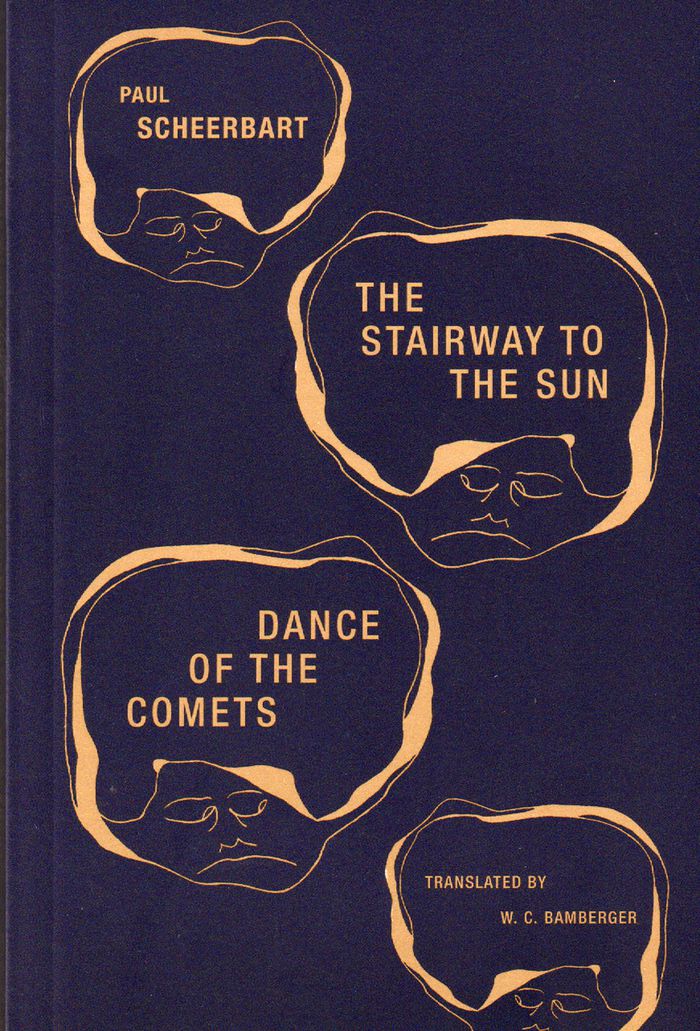
"The Stairway to the Sun & Dance of the Comets" brings together two short books, originally published in 1903, by the anti-erotic godfather of German science fiction, Paul Scheerbart. "The Stairway to the Sun" consists of four fairy tales of sun, sea, animals, and storm, each set in a different, fantastical locale: from the giant fever-dream palace of an astral star to a dwarf’s glass underwater lair in the jellyfish kingdom. Scheerbart’s sad, whimsical tales provide gentle, simple, though unexpected morals that outline his work as a whole: treat animals as one would treat oneself, mutual admiration will never lead to harm, and if one is able to remember that the world is grand, one will never be sad in one’s own life. "Dance of the Comets", though published as an “Astral Pantomime,” was originally conceived as a scenario for a ballet, and one that Richard Strauss had planned to score in 1900 (and which Gustav Mahler even accepted for the Vienna Opera). Though the project was never realized, Scheerbart’s written choreography of dance, gesture, costume, feather dusters, violet moon hair, and a variety of stars and planets outlines a symbolic sequence of events in which everyone—enthusiastic maid, temperamental king, indifferent executioner, foolish poet—seeks, joins, and in some cases, becomes a celestial body: a “dance” toward higher aspirations and a staging of Scheerbart’s lifelong yearning for a home in the universe.
The stairway to the sun & dance of the comets: four fairy tales of home and one of astral pantomime
Actions:
Price:
$17.95
(available to order)
Summary:
"The Stairway to the Sun & Dance of the Comets" brings together two short books, originally published in 1903, by the anti-erotic godfather of German science fiction, Paul Scheerbart. "The Stairway to the Sun" consists of four fairy tales of sun, sea, animals, and storm, each set in a different, fantastical locale: from the giant fever-dream palace of an astral star to a dwarf’s glass underwater lair in the jellyfish kingdom. Scheerbart’s sad, whimsical tales provide gentle, simple, though unexpected morals that outline his work as a whole: treat animals as one would treat oneself, mutual admiration will never lead to harm, and if one is able to remember that the world is grand, one will never be sad in one’s own life. "Dance of the Comets", though published as an “Astral Pantomime,” was originally conceived as a scenario for a ballet, and one that Richard Strauss had planned to score in 1900 (and which Gustav Mahler even accepted for the Vienna Opera). Though the project was never realized, Scheerbart’s written choreography of dance, gesture, costume, feather dusters, violet moon hair, and a variety of stars and planets outlines a symbolic sequence of events in which everyone—enthusiastic maid, temperamental king, indifferent executioner, foolish poet—seeks, joins, and in some cases, becomes a celestial body: a “dance” toward higher aspirations and a staging of Scheerbart’s lifelong yearning for a home in the universe.
Form:
books
books
Publication:
October 2016
October 2016
Subject:
Critical Theory
Critical Theory
Form:
books
books
Actions:
Price:
$23.95
(available to order)
Summary:
Philosophe de l'urbain, bachelardien et soucieux de la question environnementale, l'auteur examine la place de l'eau dans la vie des sociétés et des individus : très inégalement répartie, surutilisée par l'agriculture, l'industrie et les besoins quotidiens, elle tient aussi une très importante place philosophique et culturelle dans l'imaginaire de chacun.
$23.95
(available to order)
Summary:
Philosophe de l'urbain, bachelardien et soucieux de la question environnementale, l'auteur examine la place de l'eau dans la vie des sociétés et des individus : très inégalement répartie, surutilisée par l'agriculture, l'industrie et les besoins quotidiens, elle tient aussi une très importante place philosophique et culturelle dans l'imaginaire de chacun.
Title:
Géopoétique de l'eau : Hommage à Gaston Bachelard
Actions:
Price:
$23.95
(available to order)
Summary:
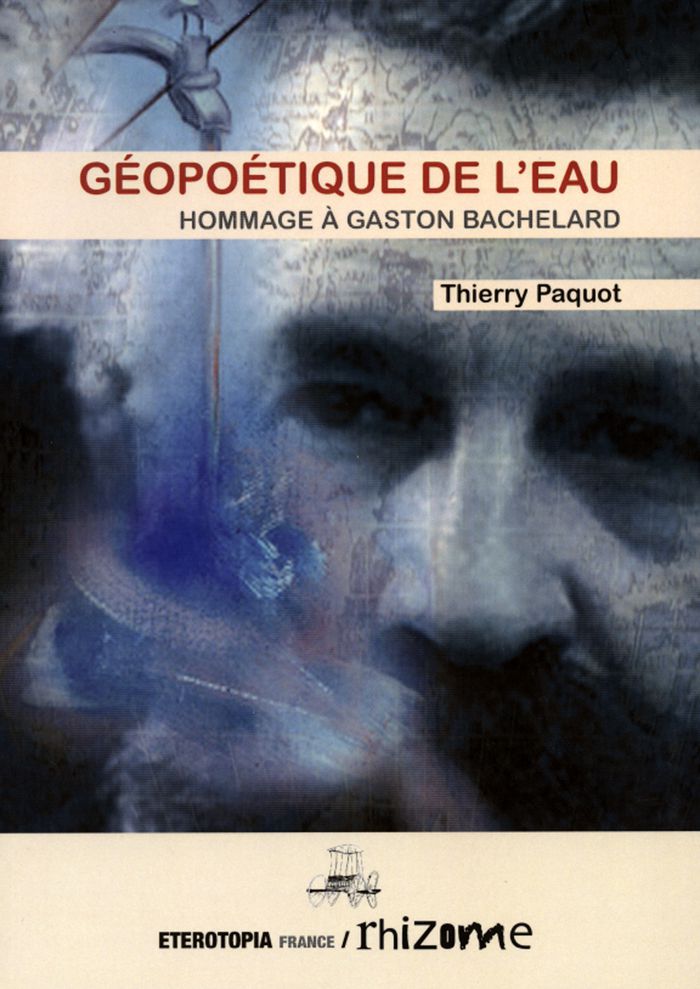
Philosophe de l'urbain, bachelardien et soucieux de la question environnementale, l'auteur examine la place de l'eau dans la vie des sociétés et des individus : très inégalement répartie, surutilisée par l'agriculture, l'industrie et les besoins quotidiens, elle tient aussi une très importante place philosophique et culturelle dans l'imaginaire de chacun.
Géopoétique de l'eau : Hommage à Gaston Bachelard
Actions:
Price:
$23.95
(available to order)
Summary:
Philosophe de l'urbain, bachelardien et soucieux de la question environnementale, l'auteur examine la place de l'eau dans la vie des sociétés et des individus : très inégalement répartie, surutilisée par l'agriculture, l'industrie et les besoins quotidiens, elle tient aussi une très importante place philosophique et culturelle dans l'imaginaire de chacun.
Form:
books
books
Publication:
May 2016
May 2016
Subject:
Critical Theory
Critical Theory
Form:
books
books
Actions:
Price:
$15.00
(available to order)
Summary:
Dans ce petit livre en forme de testament politique, Roméo Bouchard nous invite à agir rapidement pour survivre aux nombreux périls (environnemental, économique, politique, social...) qui guettent la planète. Écrit avec un vif sentiment d’urgence, ce « guide de survie » essaie de faire le point sur la situation et sur ce que nous pouvons faire pour nous en sortir.
$15.00
(available to order)
Summary:
Dans ce petit livre en forme de testament politique, Roméo Bouchard nous invite à agir rapidement pour survivre aux nombreux périls (environnemental, économique, politique, social...) qui guettent la planète. Écrit avec un vif sentiment d’urgence, ce « guide de survie » essaie de faire le point sur la situation et sur ce que nous pouvons faire pour nous en sortir.
Title:
Survivre à l'offensive des riches
Actions:
Price:
$15.00
(available to order)
Summary:
Dans ce petit livre en forme de testament politique, Roméo Bouchard nous invite à agir rapidement pour survivre aux nombreux périls (environnemental, économique, politique, social...) qui guettent la planète. Écrit avec un vif sentiment d’urgence, ce « guide de survie » essaie de faire le point sur la situation et sur ce que nous pouvons faire pour nous en sortir.
Survivre à l'offensive des riches
Actions:
Price:
$15.00
(available to order)
Summary:
Dans ce petit livre en forme de testament politique, Roméo Bouchard nous invite à agir rapidement pour survivre aux nombreux périls (environnemental, économique, politique, social...) qui guettent la planète. Écrit avec un vif sentiment d’urgence, ce « guide de survie » essaie de faire le point sur la situation et sur ce que nous pouvons faire pour nous en sortir.
Form:
books
books
Publication:
April 2016
April 2016
Subject:
Critical Theory
Critical Theory
Form:
books
books

Actions:
Price:
$30.00
(available to order)
Summary:
Publié en 1993, L’an 501 marque à l’époque le 501e anniversaire de l’arrivée de Christophe Colomb en Amérique. Retraçant la colonisation européenne aux quatre coins du monde, notamment à travers le cas de l’empire britannique, puis la conquête du territoire nord-américain, Noam Chomsky montre comment le pouvoir centralisé de l’État se consacre à l’établissement de(...)
$30.00
(available to order)
Summary:
Publié en 1993, L’an 501 marque à l’époque le 501e anniversaire de l’arrivée de Christophe Colomb en Amérique. Retraçant la colonisation européenne aux quatre coins du monde, notamment à travers le cas de l’empire britannique, puis la conquête du territoire nord-américain, Noam Chomsky montre comment le pouvoir centralisé de l’État se consacre à l’établissement de(...)
Title:
Lan 501 : la conquête continue, nouvelle édition
Actions:
Price:
$30.00
(available to order)
Summary:
Publié en 1993, L’an 501 marque à l’époque le 501e anniversaire de l’arrivée de Christophe Colomb en Amérique. Retraçant la colonisation européenne aux quatre coins du monde, notamment à travers le cas de l’empire britannique, puis la conquête du territoire nord-américain, Noam Chomsky montre comment le pouvoir centralisé de l’État se consacre à l’établissement de privilèges et de l’autorité privés et à l’usage d’une violence féroce à l’égard des populations colonisés. À ses caractérisitiques de la conquête s’ajoutent un mépris de la démocratie et de la liberté qui préfigure le nouvel ordre mondial que les États-Unis mettront en place à travers leur hégémonie mondiale tout au long du XXème siècle.
Lan 501 : la conquête continue, nouvelle édition
Actions:
Price:
$30.00
(available to order)
Summary:
Publié en 1993, L’an 501 marque à l’époque le 501e anniversaire de l’arrivée de Christophe Colomb en Amérique. Retraçant la colonisation européenne aux quatre coins du monde, notamment à travers le cas de l’empire britannique, puis la conquête du territoire nord-américain, Noam Chomsky montre comment le pouvoir centralisé de l’État se consacre à l’établissement de privilèges et de l’autorité privés et à l’usage d’une violence féroce à l’égard des populations colonisés. À ses caractérisitiques de la conquête s’ajoutent un mépris de la démocratie et de la liberté qui préfigure le nouvel ordre mondial que les États-Unis mettront en place à travers leur hégémonie mondiale tout au long du XXème siècle.
Form:
books
books
Publication:
September 2016
September 2016
Subject:
Critical Theory
Critical Theory
Form:
books
books
Title:
L'ergonomie
L'ergonomie
Actions:
Price:
$16.95
(available to order)
Summary:
Les mutations que connaît le monde du travail depuis plusieurs décennies ont modifié non seulement notre façon de travailler mais aussi notre rapport au travail. Les conditions de travail ont ainsi été fortement remodelées. L’ergonomie contemporaine, véritable science du travail et des travailleurs, porte sur les situations de travail un regard analytique, étayé par des(...)
$16.95
(available to order)
Summary:
Les mutations que connaît le monde du travail depuis plusieurs décennies ont modifié non seulement notre façon de travailler mais aussi notre rapport au travail. Les conditions de travail ont ainsi été fortement remodelées. L’ergonomie contemporaine, véritable science du travail et des travailleurs, porte sur les situations de travail un regard analytique, étayé par des(...)
Title:
L'ergonomie
Actions:
Price:
$16.95
(available to order)
Summary:
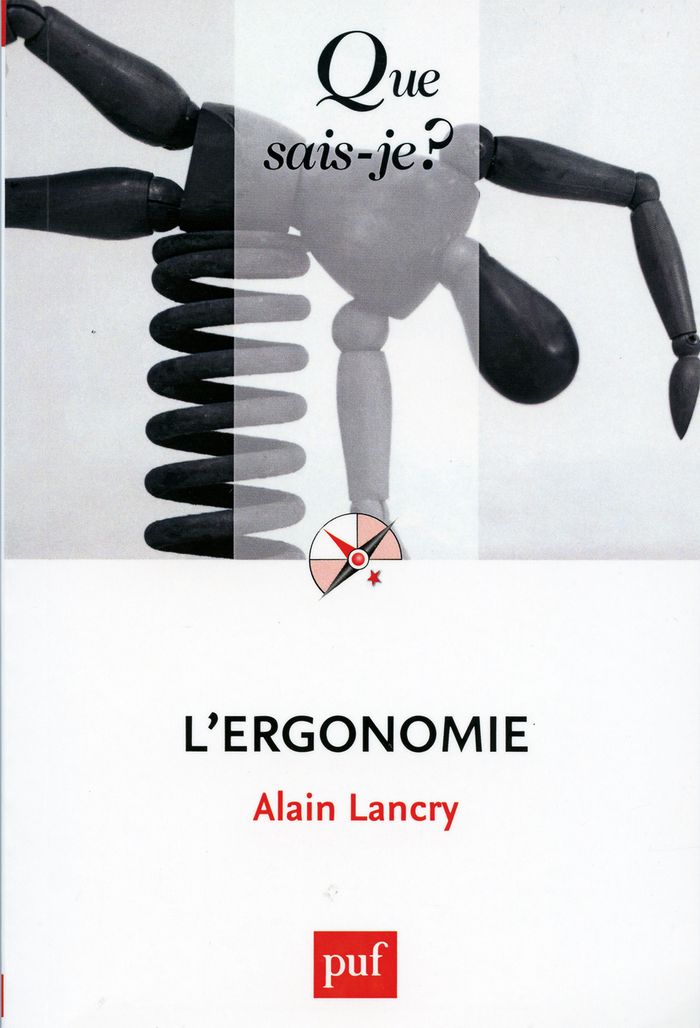
Les mutations que connaît le monde du travail depuis plusieurs décennies ont modifié non seulement notre façon de travailler mais aussi notre rapport au travail. Les conditions de travail ont ainsi été fortement remodelées. L’ergonomie contemporaine, véritable science du travail et des travailleurs, porte sur les situations de travail un regard analytique, étayé par des théories et des méthodologies éprouvées. Alliant souci de l’efficacité et du bien-être, elle propose ainsi les aménagements nécessaires et de nouvelles formes de travail pour réduire les conséquences négatives de ses évolutions (souffrance au travail, santé, vieillissement, etc.) sur l’homme comme sur les organisations.
L'ergonomie
Actions:
Price:
$16.95
(available to order)
Summary:
Les mutations que connaît le monde du travail depuis plusieurs décennies ont modifié non seulement notre façon de travailler mais aussi notre rapport au travail. Les conditions de travail ont ainsi été fortement remodelées. L’ergonomie contemporaine, véritable science du travail et des travailleurs, porte sur les situations de travail un regard analytique, étayé par des théories et des méthodologies éprouvées. Alliant souci de l’efficacité et du bien-être, elle propose ainsi les aménagements nécessaires et de nouvelles formes de travail pour réduire les conséquences négatives de ses évolutions (souffrance au travail, santé, vieillissement, etc.) sur l’homme comme sur les organisations.
Form:
books
books
Publication:
September 2016
September 2016
Subject:
Critical Theory
Critical Theory
Form:
books
books

Actions:
Price:
$29.95
(available to order)
Summary:
Sur fond de questionnement écologique avec Homo Labyrinthus, Frédéric Neyrat traverse l’histoire de la philosophie classique et contemporaine pour penser les conceptions occidentales de l’humain et ses origines. S’appuyant sur Darwin et les données de la paléoanthropologie de Picq, ce livre part à la recherche des origines de l’humanité. Elles s’avèrent multiples,(...)
$29.95
(available to order)
Summary:
Sur fond de questionnement écologique avec Homo Labyrinthus, Frédéric Neyrat traverse l’histoire de la philosophie classique et contemporaine pour penser les conceptions occidentales de l’humain et ses origines. S’appuyant sur Darwin et les données de la paléoanthropologie de Picq, ce livre part à la recherche des origines de l’humanité. Elles s’avèrent multiples,(...)
Title:
Homo labyrinthus : humanisme, antihumanisme, posthumanisme
Actions:
Price:
$29.95
(available to order)
Summary:
Sur fond de questionnement écologique avec Homo Labyrinthus, Frédéric Neyrat traverse l’histoire de la philosophie classique et contemporaine pour penser les conceptions occidentales de l’humain et ses origines. S’appuyant sur Darwin et les données de la paléoanthropologie de Picq, ce livre part à la recherche des origines de l’humanité. Elles s’avèrent multiples, labyrinthiques, mettant originairement en contact les humains avec les animaux et les médiations techniques. Pour l’humanisme que l’auteur qualifie d’« intégral », et qui commence bien avant le XVIee siècle, l’être humain est un être d’exception : seul être sans définition, sans « nature », il peut devenir ce qu’il veut.
Homo labyrinthus : humanisme, antihumanisme, posthumanisme
Actions:
Price:
$29.95
(available to order)
Summary:
Sur fond de questionnement écologique avec Homo Labyrinthus, Frédéric Neyrat traverse l’histoire de la philosophie classique et contemporaine pour penser les conceptions occidentales de l’humain et ses origines. S’appuyant sur Darwin et les données de la paléoanthropologie de Picq, ce livre part à la recherche des origines de l’humanité. Elles s’avèrent multiples, labyrinthiques, mettant originairement en contact les humains avec les animaux et les médiations techniques. Pour l’humanisme que l’auteur qualifie d’« intégral », et qui commence bien avant le XVIee siècle, l’être humain est un être d’exception : seul être sans définition, sans « nature », il peut devenir ce qu’il veut.
Form:
books
books
Publication:
October 2015
October 2015
Subject:
Critical Theory
Critical Theory
Form:
books
books
Title:
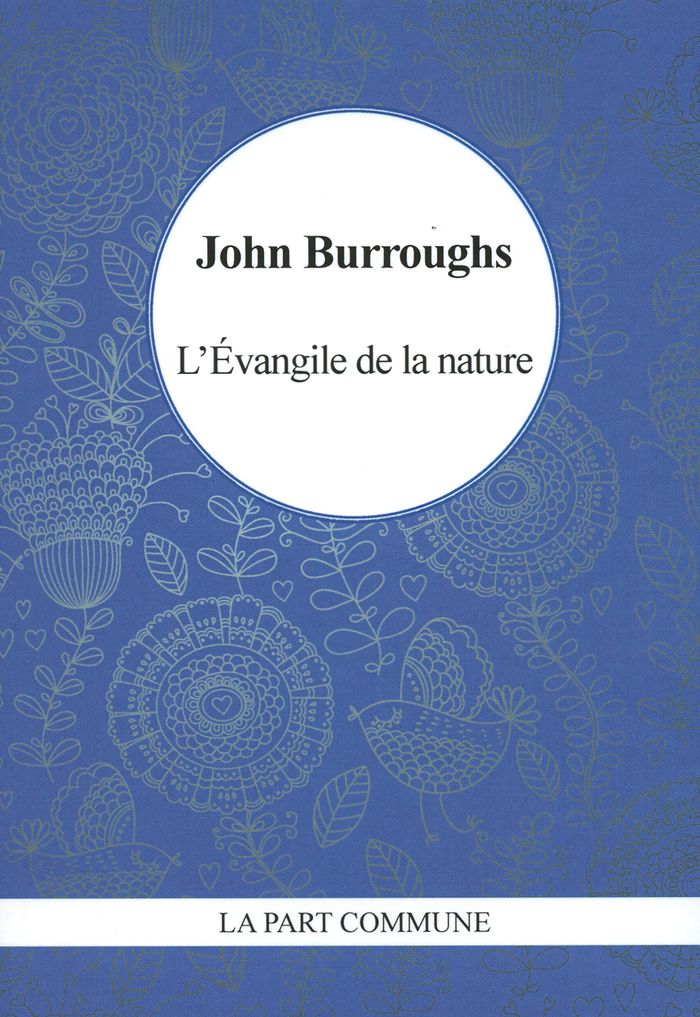
L'Évangile de la nature
L'Évangile de la nature
Actions:
Price:
$11.95
(available to order)
Summary:
Disciple et héritier de Henry David Thoreau, l'auteur de Walden ou la vie dans les bois, chantre d'un retour à la vie simple et d'une écoute de la nature, John Burroughs est passé maître dans l'art de voir les choses. Sollicité par un pasteur, il propose un Evangile de la nature aux accents très contemporains. Ni religieux, ni panthéiste, ni naturaliste, cet " évangile "(...)
$11.95
(available to order)
Summary:
Disciple et héritier de Henry David Thoreau, l'auteur de Walden ou la vie dans les bois, chantre d'un retour à la vie simple et d'une écoute de la nature, John Burroughs est passé maître dans l'art de voir les choses. Sollicité par un pasteur, il propose un Evangile de la nature aux accents très contemporains. Ni religieux, ni panthéiste, ni naturaliste, cet " évangile "(...)
Title:
L'Évangile de la nature
Actions:
Price:
$11.95
(available to order)
Summary:
Disciple et héritier de Henry David Thoreau, l'auteur de Walden ou la vie dans les bois, chantre d'un retour à la vie simple et d'une écoute de la nature, John Burroughs est passé maître dans l'art de voir les choses. Sollicité par un pasteur, il propose un Evangile de la nature aux accents très contemporains. Ni religieux, ni panthéiste, ni naturaliste, cet " évangile " est une réflexion sur la place de l'homme dans l'Univers, la fragilité et la pérennité de la vie, l'immuabilité et l'évolution de ses cycles, l'inscription de l'infiniment petit dans l'infiniment grand. Il y développe une façon d'être au monde dépouillé de toute croyance, religieuse ou scientifique, mais uniquement fondée sur l'observation de ce qui nous entoure pour mieux s'y fondre à nouveau et y retrouver notre place.
L'Évangile de la nature
Actions:
Price:
$11.95
(available to order)
Summary:
Disciple et héritier de Henry David Thoreau, l'auteur de Walden ou la vie dans les bois, chantre d'un retour à la vie simple et d'une écoute de la nature, John Burroughs est passé maître dans l'art de voir les choses. Sollicité par un pasteur, il propose un Evangile de la nature aux accents très contemporains. Ni religieux, ni panthéiste, ni naturaliste, cet " évangile " est une réflexion sur la place de l'homme dans l'Univers, la fragilité et la pérennité de la vie, l'immuabilité et l'évolution de ses cycles, l'inscription de l'infiniment petit dans l'infiniment grand. Il y développe une façon d'être au monde dépouillé de toute croyance, religieuse ou scientifique, mais uniquement fondée sur l'observation de ce qui nous entoure pour mieux s'y fondre à nouveau et y retrouver notre place.
Form:
books
books
Publication:
January 2016
January 2016
Subject:
Critical Theory
Critical Theory
Form:
books
books

Title:
Homo sapiens technologicus: philosophie de la technologie contemporaine, philosophie de la sagesse
Homo sapiens technologicus: philosophie de la technologie contemporaine, philosophie de la sagesse
Actions:
Price:
$23.95
(available to order)
Summary:
Au départ de cette étude philosophique, un constat sans appel : nous voici écartelés entre les promesses vertigineuses d’un monde nouveau, et les désuétudes, les fonctionnements anciens du vieux monde, qui nous engluent dans un univers aux références dépassées. Les institutions, culturelles et médiatiques, politiques et économiques, nous en offrent chaque jour de(...)
$23.95
(available to order)
Summary:
Au départ de cette étude philosophique, un constat sans appel : nous voici écartelés entre les promesses vertigineuses d’un monde nouveau, et les désuétudes, les fonctionnements anciens du vieux monde, qui nous engluent dans un univers aux références dépassées. Les institutions, culturelles et médiatiques, politiques et économiques, nous en offrent chaque jour de(...)
Title:
Homo sapiens technologicus: philosophie de la technologie contemporaine, philosophie de la sagesse
Actions:
Price:
$23.95
(available to order)
Summary:
Au départ de cette étude philosophique, un constat sans appel : nous voici écartelés entre les promesses vertigineuses d’un monde nouveau, et les désuétudes, les fonctionnements anciens du vieux monde, qui nous engluent dans un univers aux références dépassées. Les institutions, culturelles et médiatiques, politiques et économiques, nous en offrent chaque jour de désolantes illustrations… Pourtant, le monde n’a jamais changé aussi vite. Quant à l’espèce homo, ne s’est-elle pas transformée au point de devenir fondamentalement autre que ce qu’elle n’était il y a peu de temps encore, technologicus ? Mais pour habiter le monde de demain, il ne suffira pas à Homo de coévoluer avec ses techniques…Le philosophe nous enjoint ici de repenser notre avenir commun, en intégrant dans notre réflexion l’abondance, le confort, la puissance qui sont nôtres aujourd’hui. Car cette nouvelle espèce que nous sommes devenus, nous devons encore l’accomplir, en prendre la mesure : si nous sommes technologicus, il nous faut maintenant devenir sapiens. Le monde que nous avons fabriqué nous met au défi d’être à la hauteur de nos exploits techniques.
Homo sapiens technologicus: philosophie de la technologie contemporaine, philosophie de la sagesse
Actions:
Price:
$23.95
(available to order)
Summary:
Au départ de cette étude philosophique, un constat sans appel : nous voici écartelés entre les promesses vertigineuses d’un monde nouveau, et les désuétudes, les fonctionnements anciens du vieux monde, qui nous engluent dans un univers aux références dépassées. Les institutions, culturelles et médiatiques, politiques et économiques, nous en offrent chaque jour de désolantes illustrations… Pourtant, le monde n’a jamais changé aussi vite. Quant à l’espèce homo, ne s’est-elle pas transformée au point de devenir fondamentalement autre que ce qu’elle n’était il y a peu de temps encore, technologicus ? Mais pour habiter le monde de demain, il ne suffira pas à Homo de coévoluer avec ses techniques…Le philosophe nous enjoint ici de repenser notre avenir commun, en intégrant dans notre réflexion l’abondance, le confort, la puissance qui sont nôtres aujourd’hui. Car cette nouvelle espèce que nous sommes devenus, nous devons encore l’accomplir, en prendre la mesure : si nous sommes technologicus, il nous faut maintenant devenir sapiens. Le monde que nous avons fabriqué nous met au défi d’être à la hauteur de nos exploits techniques.
Form:
books
books
Publication:
September 2016
September 2016
Subject:
Critical Theory
Critical Theory
Form:
books
books
Actions:
Price:
$21.95
(available to order)
Summary:
“Behind every image, something has disappeared. And that is the source of its fascination,” writes French theorist Jean Baudrillard in Why Hasn’t Everything Already Disappeared? In this, one of the last texts written before his death in March 2007, Baudrillard meditates poignantly on the question of disappearance. Throughout, he weaves an intricate set of variations on(...)
$21.95
(available to order)
Summary:
“Behind every image, something has disappeared. And that is the source of its fascination,” writes French theorist Jean Baudrillard in Why Hasn’t Everything Already Disappeared? In this, one of the last texts written before his death in March 2007, Baudrillard meditates poignantly on the question of disappearance. Throughout, he weaves an intricate set of variations on(...)
Title:
Why hasn't everything already disappeared?
Actions:
Price:
$21.95
(available to order)
Summary:
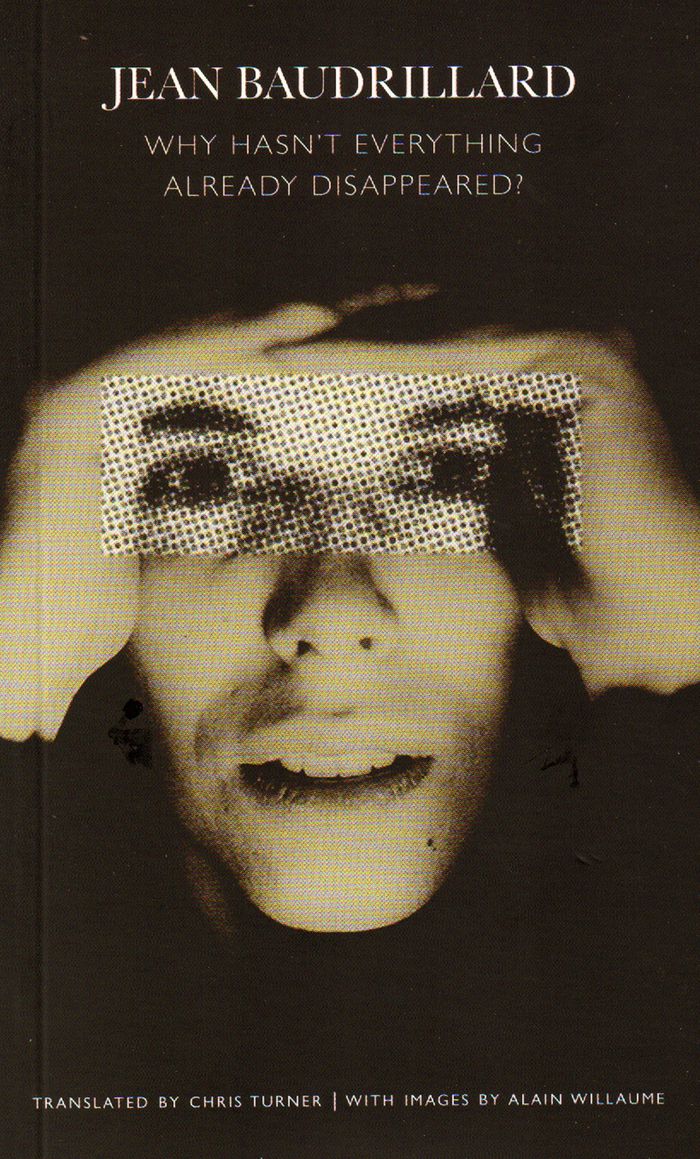
“Behind every image, something has disappeared. And that is the source of its fascination,” writes French theorist Jean Baudrillard in Why Hasn’t Everything Already Disappeared? In this, one of the last texts written before his death in March 2007, Baudrillard meditates poignantly on the question of disappearance. Throughout, he weaves an intricate set of variations on his theme, ranging from the potential disappearance of humanity as a result of the fulfillment of its goal of world mastery to the vanishing of reality due to the continual transmutation of the real into the virtual. Along the way, he takes in the more conventional question of the philosophical “subject,” whose disappearance has, in his view, been caused by a “pulverization of consciousness into all the interstices of reality.”
Why hasn't everything already disappeared?
Actions:
Price:
$21.95
(available to order)
Summary:
“Behind every image, something has disappeared. And that is the source of its fascination,” writes French theorist Jean Baudrillard in Why Hasn’t Everything Already Disappeared? In this, one of the last texts written before his death in March 2007, Baudrillard meditates poignantly on the question of disappearance. Throughout, he weaves an intricate set of variations on his theme, ranging from the potential disappearance of humanity as a result of the fulfillment of its goal of world mastery to the vanishing of reality due to the continual transmutation of the real into the virtual. Along the way, he takes in the more conventional question of the philosophical “subject,” whose disappearance has, in his view, been caused by a “pulverization of consciousness into all the interstices of reality.”
Form:
books
books
Publication:
October 2016
October 2016
Subject:
Critical Theory
Critical Theory
Form:
books
books
Title:
Crawling doubles : colonial collecting and affect. Collecte coloniale et affect : ramper, dédoubler.
Crawling doubles : colonial collecting and affect. Collecte coloniale et affect : ramper, dédoubler.
Actions:
Price:
$45.95
(available to order)
Summary:
La collecte d’objets fut une pratique fréquente dans les territoires occupés par les États européens colonisateurs. À partir de la seconde moitié du XIXe siècle, les pouvoirs coloniaux encourageaient leurs citoyens implantés dans les colonies à rassembler des objets pour enrichir les collections ethnographiques de la métropole et pour documenter la culture matérielle des(...)
$45.95
(available to order)
Summary:
La collecte d’objets fut une pratique fréquente dans les territoires occupés par les États européens colonisateurs. À partir de la seconde moitié du XIXe siècle, les pouvoirs coloniaux encourageaient leurs citoyens implantés dans les colonies à rassembler des objets pour enrichir les collections ethnographiques de la métropole et pour documenter la culture matérielle des(...)
Subject:
Critical Theory
Critical Theory
Publication:
October 2016
October 2016
Title:
Crawling doubles : colonial collecting and affect. Collecte coloniale et affect : ramper, dédoubler.
Actions:
Price:
$45.95
(available to order)
Summary:
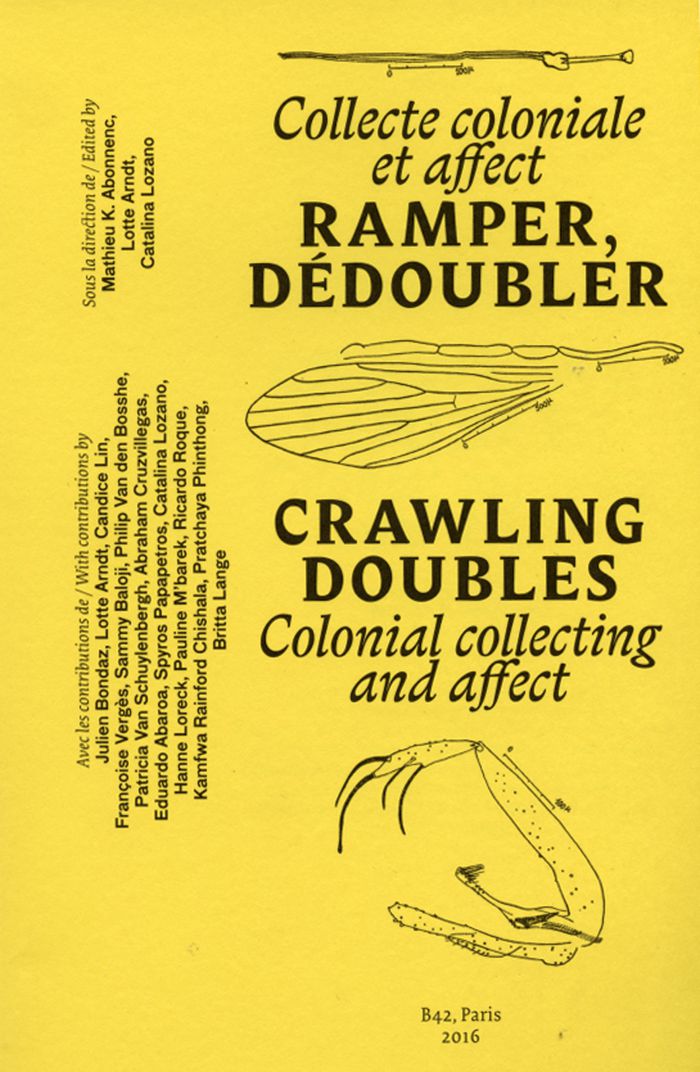
La collecte d’objets fut une pratique fréquente dans les territoires occupés par les États européens colonisateurs. À partir de la seconde moitié du XIXe siècle, les pouvoirs coloniaux encourageaient leurs citoyens implantés dans les colonies à rassembler des objets pour enrichir les collections ethnographiques de la métropole et pour documenter la culture matérielle des sociétés qui – sous l’emprise de la colonisation – se transformaient rapidement. Les objets rassemblés lors de ces collectes se trouvent désormais dans de nombreux musées européens ou entre les mains de collectionneurs privés. Leur présence dans ces collections pose des questions épistémologiques, muséographiques et éthiques qu’il est urgent de soulever. Ce livre, qui trouve son origine dans une série de tables rondes qui se déroulèrent dans le cadre de la 8e Biennale de Berlin pour l’art contemporain en 2014, engage donc ces problématiques grâce à des contributions de chercheuses et chercheurs, d’artistes ainsi que de commissaires d’expositions internationaux.
Crawling doubles : colonial collecting and affect. Collecte coloniale et affect : ramper, dédoubler.
Actions:
Price:
$45.95
(available to order)
Summary:
La collecte d’objets fut une pratique fréquente dans les territoires occupés par les États européens colonisateurs. À partir de la seconde moitié du XIXe siècle, les pouvoirs coloniaux encourageaient leurs citoyens implantés dans les colonies à rassembler des objets pour enrichir les collections ethnographiques de la métropole et pour documenter la culture matérielle des sociétés qui – sous l’emprise de la colonisation – se transformaient rapidement. Les objets rassemblés lors de ces collectes se trouvent désormais dans de nombreux musées européens ou entre les mains de collectionneurs privés. Leur présence dans ces collections pose des questions épistémologiques, muséographiques et éthiques qu’il est urgent de soulever. Ce livre, qui trouve son origine dans une série de tables rondes qui se déroulèrent dans le cadre de la 8e Biennale de Berlin pour l’art contemporain en 2014, engage donc ces problématiques grâce à des contributions de chercheuses et chercheurs, d’artistes ainsi que de commissaires d’expositions internationaux.
Form:
books
books
Publication:
October 2016
October 2016
Subject:
Critical Theory
Critical Theory


