


2221 Results
Form:
books
books
Actions:
Price:
$60.00
(available to order)
Summary:
Many people are not familiar with Kumbh Mela, and yet it is the largest celebration on earth: depending on the positions of Jupiter, the sun and the moon, Hindus travel to certain places along holy rivers, the Ganges for example, to bathe and cleanse themselves of sin. With a 2013 attendance of approximately 34 million, the triennial pilgrimage requires that the(...)
$60.00
(available to order)
Summary:
Many people are not familiar with Kumbh Mela, and yet it is the largest celebration on earth: depending on the positions of Jupiter, the sun and the moon, Hindus travel to certain places along holy rivers, the Ganges for example, to bathe and cleanse themselves of sin. With a 2013 attendance of approximately 34 million, the triennial pilgrimage requires that the(...)
Title:
Kumbh Mela: mapping the ephemeral Megacity
Actions:
Price:
$60.00
(available to order)
Summary:
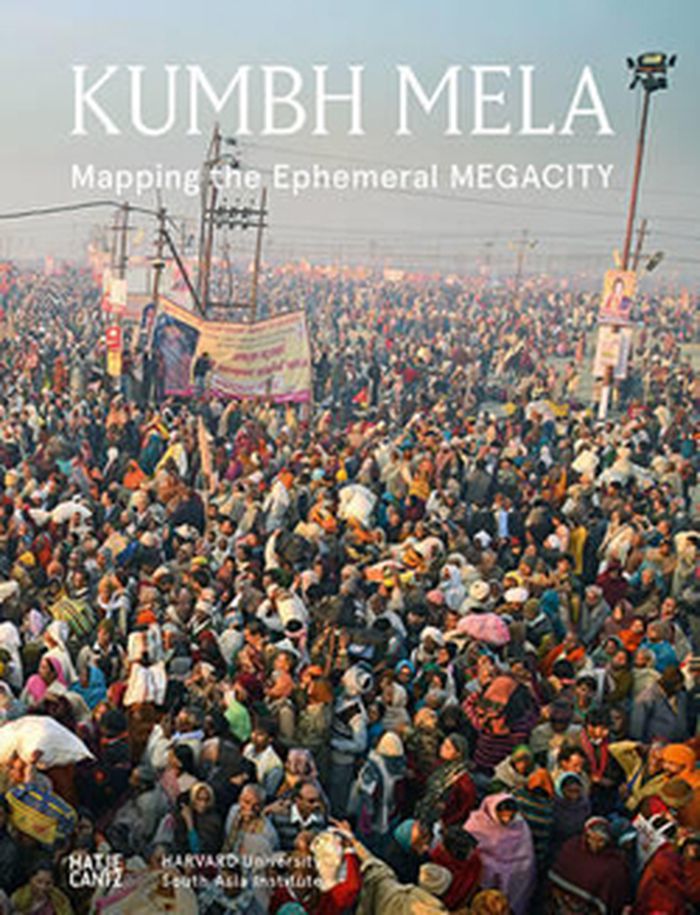
Many people are not familiar with Kumbh Mela, and yet it is the largest celebration on earth: depending on the positions of Jupiter, the sun and the moon, Hindus travel to certain places along holy rivers, the Ganges for example, to bathe and cleanse themselves of sin. With a 2013 attendance of approximately 34 million, the triennial pilgrimage requires that the communities hosting the gatherings create functioning temporary structures to transport, house and feed enormous crowds of people. In 2013, a team from Harvard University monitored the large-scale event from its preparation through to the actual celebration, investigating and documenting the prototypes for flexible urban planning and offering organizers advice on issues around environmental protection. This substantial hardcover presents their comprehensive research findings along with city maps, aerial images and photographs of this most fascinating feat of urban planning.
Kumbh Mela: mapping the ephemeral Megacity
Actions:
Price:
$60.00
(available to order)
Summary:
Many people are not familiar with Kumbh Mela, and yet it is the largest celebration on earth: depending on the positions of Jupiter, the sun and the moon, Hindus travel to certain places along holy rivers, the Ganges for example, to bathe and cleanse themselves of sin. With a 2013 attendance of approximately 34 million, the triennial pilgrimage requires that the communities hosting the gatherings create functioning temporary structures to transport, house and feed enormous crowds of people. In 2013, a team from Harvard University monitored the large-scale event from its preparation through to the actual celebration, investigating and documenting the prototypes for flexible urban planning and offering organizers advice on issues around environmental protection. This substantial hardcover presents their comprehensive research findings along with city maps, aerial images and photographs of this most fascinating feat of urban planning.
Form:
books
books
Publication:
August 2015
August 2015
Subject:
Architectural Theory
Architectural Theory
Form:
books
books
Title:
Haus ideal: the making of
Haus ideal: the making of
Actions:
Price:
$25.00
(available to order)
Summary:
Haus Ideal, by German architect Oda Pälmke, serves as an instruction manual for nonlinear processes of generating new solutions to architectural problems and discovering ideal architectural forms. Images of architectural models demonstrate different stages of these unconventional design processes.
$25.00
(available to order)
Summary:
Haus Ideal, by German architect Oda Pälmke, serves as an instruction manual for nonlinear processes of generating new solutions to architectural problems and discovering ideal architectural forms. Images of architectural models demonstrate different stages of these unconventional design processes.
Title:
Haus ideal: the making of
Actions:
Price:
$25.00
(available to order)
Summary:
Haus Ideal, by German architect Oda Pälmke, serves as an instruction manual for nonlinear processes of generating new solutions to architectural problems and discovering ideal architectural forms. Images of architectural models demonstrate different stages of these unconventional design processes.
Haus ideal: the making of
Actions:
Price:
$25.00
(available to order)
Summary:
Haus Ideal, by German architect Oda Pälmke, serves as an instruction manual for nonlinear processes of generating new solutions to architectural problems and discovering ideal architectural forms. Images of architectural models demonstrate different stages of these unconventional design processes.
Form:
books
books
Publication:
November 2015
November 2015
Subject:
Architectural Theory
Architectural Theory
Form:
books
books
Price:
$45.50
(available to order)
Summary:
This volume presents focused case studies of modern architecture in three realms—political, religious, and domestic—that address our very essence as human beings. Several essays explore developments in Czechoslovakia, Romania, and Yugoslavia and document a modernist design culture that crossed political barriers, such as the Iron Curtain, more readily than previously(...)
$45.50
(available to order)
Summary:
This volume presents focused case studies of modern architecture in three realms—political, religious, and domestic—that address our very essence as human beings. Several essays explore developments in Czechoslovakia, Romania, and Yugoslavia and document a modernist design culture that crossed political barriers, such as the Iron Curtain, more readily than previously(...)
Title:
Sanctioning modernism : architecture and the makin of postwar identities
Actions:
Price:
$45.50
(available to order)
Summary:
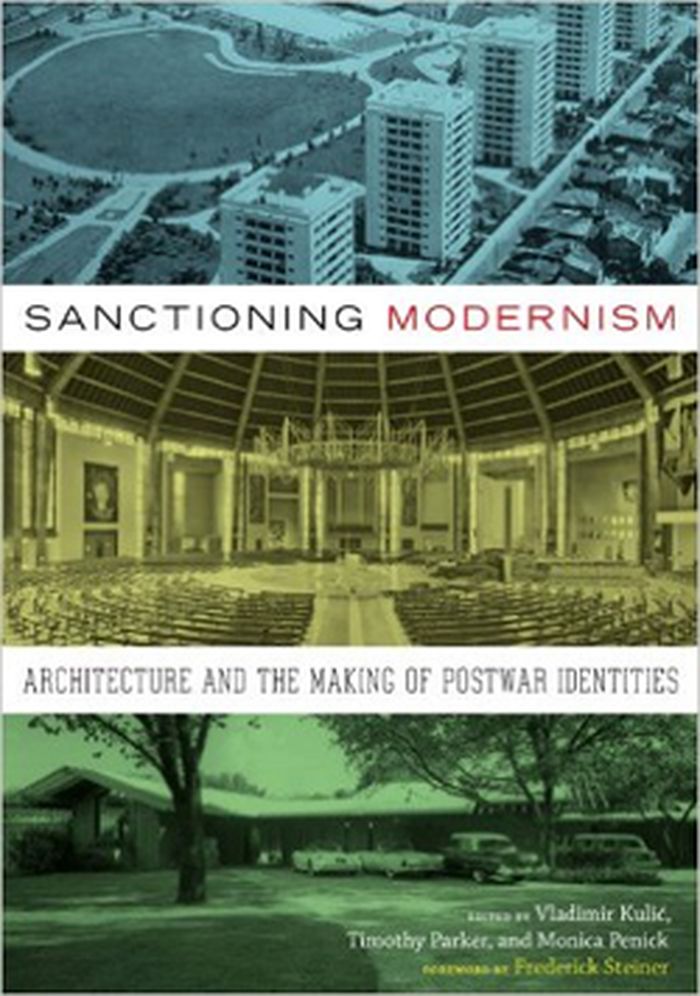
This volume presents focused case studies of modern architecture in three realms—political, religious, and domestic—that address our very essence as human beings. Several essays explore developments in Czechoslovakia, Romania, and Yugoslavia and document a modernist design culture that crossed political barriers, such as the Iron Curtain, more readily than previously imagined. Other essays investigate various efforts to reconcile the concerns of modernist architects with the traditions of the Roman Catholic Church and other Christian institutions. And a final group of essays looks at postwar homebuilding in the United States and demonstrates how malleable and contested the image of the American home was in the mid-twentieth century. These inquiries show the limits of canonical views of modern architecture and reveal instead how civic institutions, ecclesiastical traditions, individual consumers, and others sought to sanction the forms and ideas of modern architecture in the service of their respective claims or desires to be modern.
Sanctioning modernism : architecture and the makin of postwar identities
Actions:
Price:
$45.50
(available to order)
Summary:
This volume presents focused case studies of modern architecture in three realms—political, religious, and domestic—that address our very essence as human beings. Several essays explore developments in Czechoslovakia, Romania, and Yugoslavia and document a modernist design culture that crossed political barriers, such as the Iron Curtain, more readily than previously imagined. Other essays investigate various efforts to reconcile the concerns of modernist architects with the traditions of the Roman Catholic Church and other Christian institutions. And a final group of essays looks at postwar homebuilding in the United States and demonstrates how malleable and contested the image of the American home was in the mid-twentieth century. These inquiries show the limits of canonical views of modern architecture and reveal instead how civic institutions, ecclesiastical traditions, individual consumers, and others sought to sanction the forms and ideas of modern architecture in the service of their respective claims or desires to be modern.
Form:
books
books
Publication:
July 2015
July 2015
Subject:
Architectural Theory
Architectural Theory
Form:
books
books
Title:
The storm of creativty
The storm of creativty
Actions:
Price:
$32.95
(available to order)
Summary:
Leski sees the creative process as being like a storm; it slowly begins to gather and take form until it overtakes us, if we are willing to let it. It is dynamic, continually in motion; it starts, stops, rages and abates, ebbs and flows. In illustrations that accompany each chapter, she maps the arc of the creative process by tracing the path of water droplets traveling(...)
$32.95
(available to order)
Summary:
Leski sees the creative process as being like a storm; it slowly begins to gather and take form until it overtakes us, if we are willing to let it. It is dynamic, continually in motion; it starts, stops, rages and abates, ebbs and flows. In illustrations that accompany each chapter, she maps the arc of the creative process by tracing the path of water droplets traveling(...)
Title:
The storm of creativty
Actions:
Price:
$32.95
(available to order)
Summary:
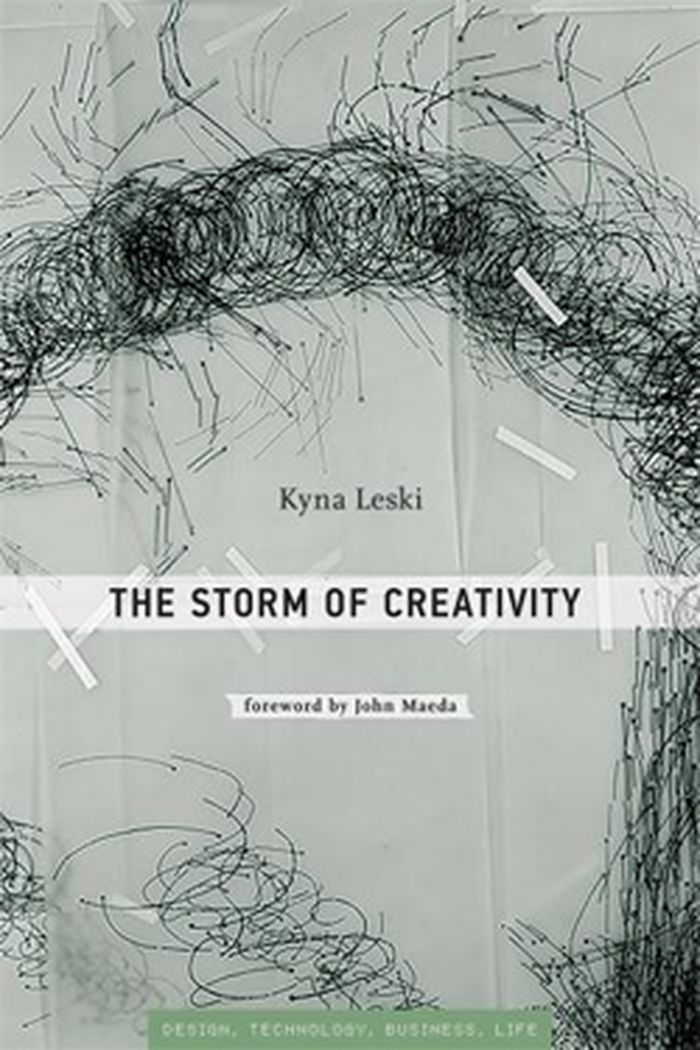
Leski sees the creative process as being like a storm; it slowly begins to gather and take form until it overtakes us, if we are willing to let it. It is dynamic, continually in motion; it starts, stops, rages and abates, ebbs and flows. In illustrations that accompany each chapter, she maps the arc of the creative process by tracing the path of water droplets traveling the stages of a storm. Leski describes unlearning, ridding ourselves of preconceptions; only when we realize what we don’t know can we pose the problem that we need to solve. We gather evidence—with notebook jottings, research, the collection of objects—propelling the process. We perceive and conceive; we look ahead without knowing where we are going; we make connections. We pause, retreat, and stop, only to start again. To illustrate these stages of the process, Leski draws on examples of creative practice that range from Paul Klee to Steve Jobs, from the discovery of continental drift to the design of Antoni Gaudí’s Sagrada Familia. Creativity, Leski tells us, is a path with no beginning or end; it is ongoing. This revelatory view of the creative process will be an essential guide for anyone engaged in creative discovery.
The storm of creativty
Actions:
Price:
$32.95
(available to order)
Summary:
Leski sees the creative process as being like a storm; it slowly begins to gather and take form until it overtakes us, if we are willing to let it. It is dynamic, continually in motion; it starts, stops, rages and abates, ebbs and flows. In illustrations that accompany each chapter, she maps the arc of the creative process by tracing the path of water droplets traveling the stages of a storm. Leski describes unlearning, ridding ourselves of preconceptions; only when we realize what we don’t know can we pose the problem that we need to solve. We gather evidence—with notebook jottings, research, the collection of objects—propelling the process. We perceive and conceive; we look ahead without knowing where we are going; we make connections. We pause, retreat, and stop, only to start again. To illustrate these stages of the process, Leski draws on examples of creative practice that range from Paul Klee to Steve Jobs, from the discovery of continental drift to the design of Antoni Gaudí’s Sagrada Familia. Creativity, Leski tells us, is a path with no beginning or end; it is ongoing. This revelatory view of the creative process will be an essential guide for anyone engaged in creative discovery.
Form:
books
books
Publication:
August 2015
August 2015
Subject:
Architectural Theory
Architectural Theory
Form:
books
books
Actions:
Price:
$43.95
(available to order)
Summary:
The Architect as Worker presents a range of essays exploring the issues central to architectural labor. These include questions about the nature of design work; immaterial and creative labor and how it gets categorized, spatialized, and monetized within architecture; the connection between parametrics and BIM and labor; theories of architectural work; architectural design(...)
$43.95
(available to order)
Summary:
The Architect as Worker presents a range of essays exploring the issues central to architectural labor. These include questions about the nature of design work; immaterial and creative labor and how it gets categorized, spatialized, and monetized within architecture; the connection between parametrics and BIM and labor; theories of architectural work; architectural design(...)
Title:
The architect as worker: immaterial labor, the creative class, and the politics of design
Actions:
Price:
$43.95
(available to order)
Summary:
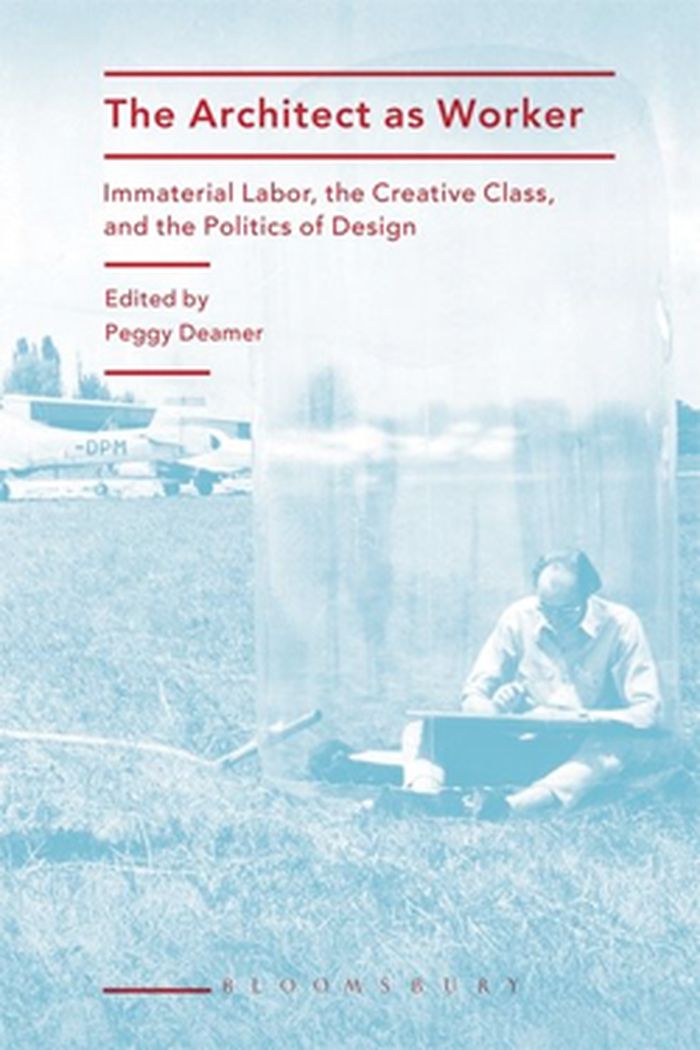
The Architect as Worker presents a range of essays exploring the issues central to architectural labor. These include questions about the nature of design work; immaterial and creative labor and how it gets categorized, spatialized, and monetized within architecture; the connection between parametrics and BIM and labor; theories of architectural work; architectural design as a cultural and economic condition; entrepreneurialism; and the possibility of ethical and rewarding architectural practice.
The architect as worker: immaterial labor, the creative class, and the politics of design
Actions:
Price:
$43.95
(available to order)
Summary:
The Architect as Worker presents a range of essays exploring the issues central to architectural labor. These include questions about the nature of design work; immaterial and creative labor and how it gets categorized, spatialized, and monetized within architecture; the connection between parametrics and BIM and labor; theories of architectural work; architectural design as a cultural and economic condition; entrepreneurialism; and the possibility of ethical and rewarding architectural practice.
Form:
books
books
Publication:
August 2015
August 2015
Subject:
Architectural Theory
Architectural Theory
Form:
books
books
Price:
$70.00
(available to order)
Summary:
The human body has a fundamental impact on the organization and interpretation of the world, and the built environment has accordingly been conceptualized in terms of the human body since ancient times, in theory and in practice. From Leonardo da Vinci's Vitruvian Man to Le Corbusier's "Modulor" (Corbusier's attempt to unite the imperial and metric measuring systems(...)
$70.00
(available to order)
Summary:
The human body has a fundamental impact on the organization and interpretation of the world, and the built environment has accordingly been conceptualized in terms of the human body since ancient times, in theory and in practice. From Leonardo da Vinci's Vitruvian Man to Le Corbusier's "Modulor" (Corbusier's attempt to unite the imperial and metric measuring systems(...)
Title:
Images of the body in architecture: anthropology and built space
Actions:
Price:
$70.00
(available to order)
Summary:
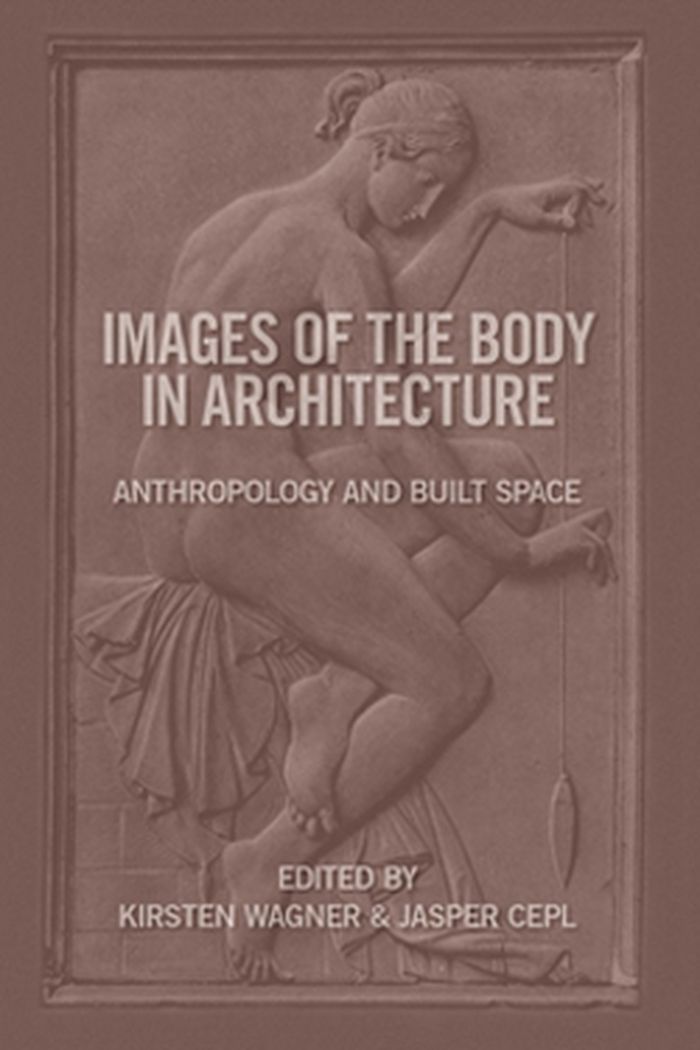
The human body has a fundamental impact on the organization and interpretation of the world, and the built environment has accordingly been conceptualized in terms of the human body since ancient times, in theory and in practice. From Leonardo da Vinci's Vitruvian Man to Le Corbusier's "Modulor" (Corbusier's attempt to unite the imperial and metric measuring systems through a scale based on the figure of a man with his arm raised), the human body has inspired and confounded attempts to rationally construct the world. Since the 19th century, the findings of the human sciences, like physiology and psychology, have produced new understandings of the body and its relationship to the environment. The contributors to this volume aim to stimulate research in the anthropology of architecture by contributing to a critical history of the body and its cultural constructions.
Images of the body in architecture: anthropology and built space
Actions:
Price:
$70.00
(available to order)
Summary:
The human body has a fundamental impact on the organization and interpretation of the world, and the built environment has accordingly been conceptualized in terms of the human body since ancient times, in theory and in practice. From Leonardo da Vinci's Vitruvian Man to Le Corbusier's "Modulor" (Corbusier's attempt to unite the imperial and metric measuring systems through a scale based on the figure of a man with his arm raised), the human body has inspired and confounded attempts to rationally construct the world. Since the 19th century, the findings of the human sciences, like physiology and psychology, have produced new understandings of the body and its relationship to the environment. The contributors to this volume aim to stimulate research in the anthropology of architecture by contributing to a critical history of the body and its cultural constructions.
Form:
books
books
Publication:
August 2015
August 2015
Subject:
Architectural Theory
Architectural Theory
Form:
books
books
Title:
Hitler at home
Hitler at home
Actions:
Price:
$54.00
(available in store)
Summary:
Adolf Hitler’s makeover from rabble-rouser to statesman coincided with a series of dramatic home renovations he undertook during the mid-1930s. This provocative book exposes the dictator’s preoccupation with his private persona, which was shaped by the aesthetic and ideological management of his domestic architecture. Hitler’s bachelor life stirred rumors, and the Nazi(...)
$54.00
(available in store)
Summary:
Adolf Hitler’s makeover from rabble-rouser to statesman coincided with a series of dramatic home renovations he undertook during the mid-1930s. This provocative book exposes the dictator’s preoccupation with his private persona, which was shaped by the aesthetic and ideological management of his domestic architecture. Hitler’s bachelor life stirred rumors, and the Nazi(...)
Title:
Hitler at home
Actions:
Price:
$54.00
(available in store)
Summary:
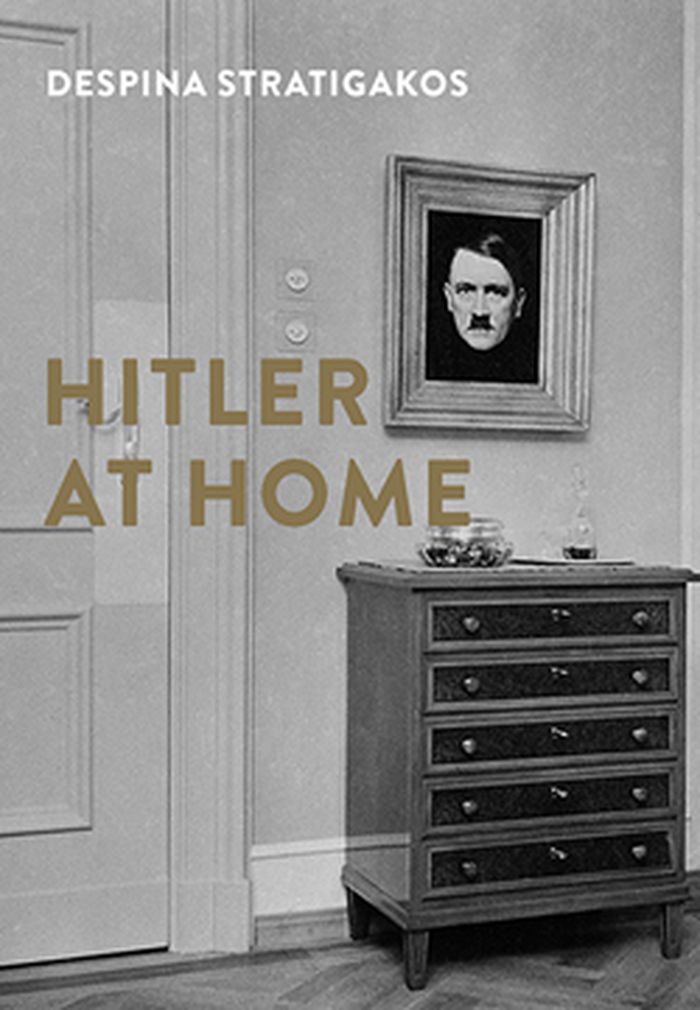
Adolf Hitler’s makeover from rabble-rouser to statesman coincided with a series of dramatic home renovations he undertook during the mid-1930s. This provocative book exposes the dictator’s preoccupation with his private persona, which was shaped by the aesthetic and ideological management of his domestic architecture. Hitler’s bachelor life stirred rumors, and the Nazi regime relied on the dictator’s three dwellings — the Old Chancellery in Berlin, his apartment in Munich, and the Berghof, his mountain home on the Obersalzberg—to foster the myth of the Führer as a morally upstanding and refined man. Author Despina Stratigakos also reveals the previously untold story of Hitler’s interior designer, Gerdy Troost, through newly discovered archival sources.
Hitler at home
Actions:
Price:
$54.00
(available in store)
Summary:
Adolf Hitler’s makeover from rabble-rouser to statesman coincided with a series of dramatic home renovations he undertook during the mid-1930s. This provocative book exposes the dictator’s preoccupation with his private persona, which was shaped by the aesthetic and ideological management of his domestic architecture. Hitler’s bachelor life stirred rumors, and the Nazi regime relied on the dictator’s three dwellings — the Old Chancellery in Berlin, his apartment in Munich, and the Berghof, his mountain home on the Obersalzberg—to foster the myth of the Führer as a morally upstanding and refined man. Author Despina Stratigakos also reveals the previously untold story of Hitler’s interior designer, Gerdy Troost, through newly discovered archival sources.
Form:
books
books
Publication:
August 2015
August 2015
Subject:
Architectural Theory
Architectural Theory
Form:
books
books
Title:
Industries of architecture
Industries of architecture
Actions:
Price:
$81.50
(available to order)
Summary:
At a time when the technologies and techniques of producing the built environment are undergoing significant change, this book makes central architecture's relationship to industry. Contributors turn to historical and theoretical questions, as well as to key contemporary developments, taking a humanities approach to the Industries of Architecture that will be of interest(...)
$81.50
(available to order)
Summary:
At a time when the technologies and techniques of producing the built environment are undergoing significant change, this book makes central architecture's relationship to industry. Contributors turn to historical and theoretical questions, as well as to key contemporary developments, taking a humanities approach to the Industries of Architecture that will be of interest(...)
Subject:
Architectural Theory
Architectural Theory
Publication:
December 2015
December 2015
Title:
Industries of architecture
Actions:
Price:
$81.50
(available to order)
Summary:
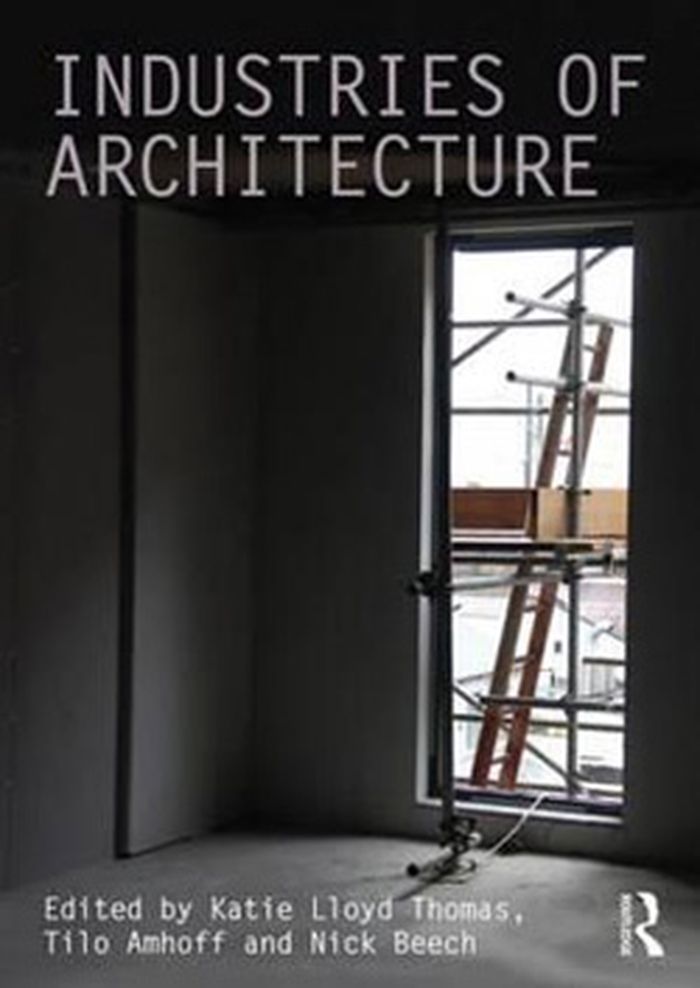
At a time when the technologies and techniques of producing the built environment are undergoing significant change, this book makes central architecture's relationship to industry. Contributors turn to historical and theoretical questions, as well as to key contemporary developments, taking a humanities approach to the Industries of Architecture that will be of interest to practitioners and industry professionals, as much as to academic researchers, teachers and students
Industries of architecture
Actions:
Price:
$81.50
(available to order)
Summary:
At a time when the technologies and techniques of producing the built environment are undergoing significant change, this book makes central architecture's relationship to industry. Contributors turn to historical and theoretical questions, as well as to key contemporary developments, taking a humanities approach to the Industries of Architecture that will be of interest to practitioners and industry professionals, as much as to academic researchers, teachers and students
Form:
books
books
Publication:
December 2015
December 2015
Subject:
Architectural Theory
Architectural Theory
Form:
books
books
Actions:
Price:
$49.95
(available to order)
Summary:
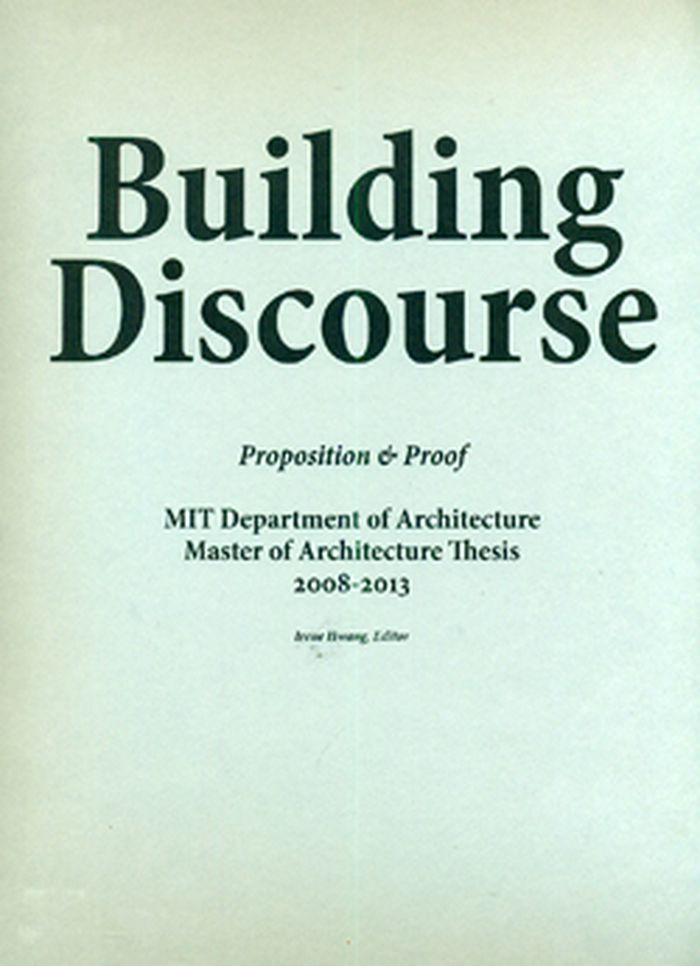
Building Discourse examines the origins and consequences of the thesis project. Featuring twenty-four projects completed between 2008-2013, this volume of Building Discourse draws from the M.Arch degree program at MIT Architecture. "The theses included herein are [...] a collective discursive space framed by the idea that the work may be able to bridge those disciplinary(...)
$49.95
(available to order)
Summary:
Building Discourse examines the origins and consequences of the thesis project. Featuring twenty-four projects completed between 2008-2013, this volume of Building Discourse draws from the M.Arch degree program at MIT Architecture. "The theses included herein are [...] a collective discursive space framed by the idea that the work may be able to bridge those disciplinary(...)
Title:
Building discourse: proposition & proof
Actions:
Price:
$49.95
(available to order)
Summary:
Building Discourse examines the origins and consequences of the thesis project. Featuring twenty-four projects completed between 2008-2013, this volume of Building Discourse draws from the M.Arch degree program at MIT Architecture. "The theses included herein are [...] a collective discursive space framed by the idea that the work may be able to bridge those disciplinary traits that are deemed autonomous with the social, political and economic phenomena that is impacting the world today. [...] What [the students] demonstrate through their projects is the urgency and seriousness with which they consider world transformations-in viewing the environment, the speed of urbanization, protocols of manufacturing,
Building discourse: proposition & proof
Actions:
Price:
$49.95
(available to order)
Summary:
Building Discourse examines the origins and consequences of the thesis project. Featuring twenty-four projects completed between 2008-2013, this volume of Building Discourse draws from the M.Arch degree program at MIT Architecture. "The theses included herein are [...] a collective discursive space framed by the idea that the work may be able to bridge those disciplinary traits that are deemed autonomous with the social, political and economic phenomena that is impacting the world today. [...] What [the students] demonstrate through their projects is the urgency and seriousness with which they consider world transformations-in viewing the environment, the speed of urbanization, protocols of manufacturing,
Form:
books
books
Publication:
September 2015
September 2015
Subject:
Architectural Theory
Architectural Theory
Form:
books
books
Actions:
Price:
$128.95
(available to order)
Summary:
If participation has been an ideal in politics since ancient democracy, in art it became central only with the avant-gardes emerging from WWI and the Russian Revolution. Politics and aesthetics are still catching up with each other. In the 21st Century, since the revolutionary unrest of the 1960s, participation in art and architecture has lost its utopian glow and become(...)
$128.95
(available to order)
Summary:
If participation has been an ideal in politics since ancient democracy, in art it became central only with the avant-gardes emerging from WWI and the Russian Revolution. Politics and aesthetics are still catching up with each other. In the 21st Century, since the revolutionary unrest of the 1960s, participation in art and architecture has lost its utopian glow and become(...)
Title:
Participation in art and architecture: spaces of interaction and occupation
Actions:
Price:
$128.95
(available to order)
Summary:
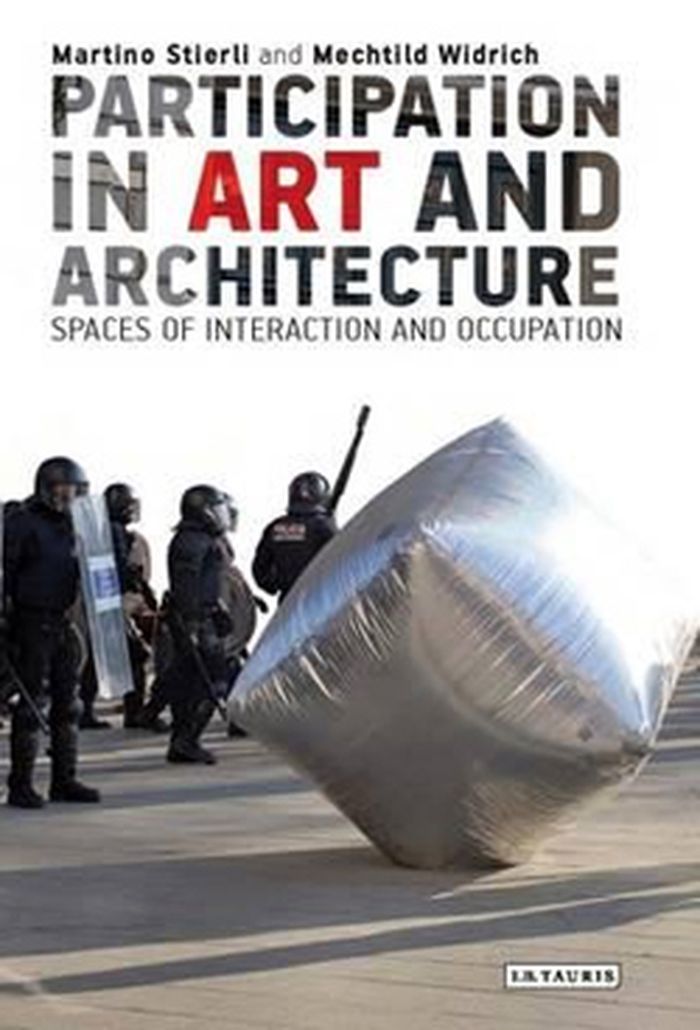
If participation has been an ideal in politics since ancient democracy, in art it became central only with the avant-gardes emerging from WWI and the Russian Revolution. Politics and aesthetics are still catching up with each other. In the 21st Century, since the revolutionary unrest of the 1960s, participation in art and architecture has lost its utopian glow and become the focus of a fierce debate: does ‘participatory’ art and architecture shape social reality, or is it shaped by it?Contemporary critics see in participation only technocratic control, while others embrace it as a viable politics in an era of global capitalism. This volume breaks the impasse by looking at how participants themselves exert power, rather than being victimized or liberated from it. From artists hijacking Google Earth to protesters setting up a museum of the revolution in Cairo, art, architecture, and daily life are explored in their participatory dimension.
Participation in art and architecture: spaces of interaction and occupation
Actions:
Price:
$128.95
(available to order)
Summary:
If participation has been an ideal in politics since ancient democracy, in art it became central only with the avant-gardes emerging from WWI and the Russian Revolution. Politics and aesthetics are still catching up with each other. In the 21st Century, since the revolutionary unrest of the 1960s, participation in art and architecture has lost its utopian glow and become the focus of a fierce debate: does ‘participatory’ art and architecture shape social reality, or is it shaped by it?Contemporary critics see in participation only technocratic control, while others embrace it as a viable politics in an era of global capitalism. This volume breaks the impasse by looking at how participants themselves exert power, rather than being victimized or liberated from it. From artists hijacking Google Earth to protesters setting up a museum of the revolution in Cairo, art, architecture, and daily life are explored in their participatory dimension.
Form:
books
books
Publication:
October 2015
October 2015
Subject:
Architectural Theory
Architectural Theory


