


2221 Results
Form:
books
books
Title:
La fiction constructive
La fiction constructive
Actions:
Price:
$34.95
(available in store)
Summary:
L'architecte allemand Friedrich Schinkel appréciait d'une architecture qu'elle ait "l'apparence de sa construction". Creusons cette idée simple : on touche immédiatement l'une des problématiques fondamentales de l'architecture. Art non mimétique, elle n'a effectivement qu'elle-même pour modèle. Comment donc l'architecture s'imite-t-elle, telle est la question à laquelle,(...)
$34.95
(available in store)
Summary:
L'architecte allemand Friedrich Schinkel appréciait d'une architecture qu'elle ait "l'apparence de sa construction". Creusons cette idée simple : on touche immédiatement l'une des problématiques fondamentales de l'architecture. Art non mimétique, elle n'a effectivement qu'elle-même pour modèle. Comment donc l'architecture s'imite-t-elle, telle est la question à laquelle,(...)
Title:
La fiction constructive
Actions:
Price:
$34.95
(available in store)
Summary:
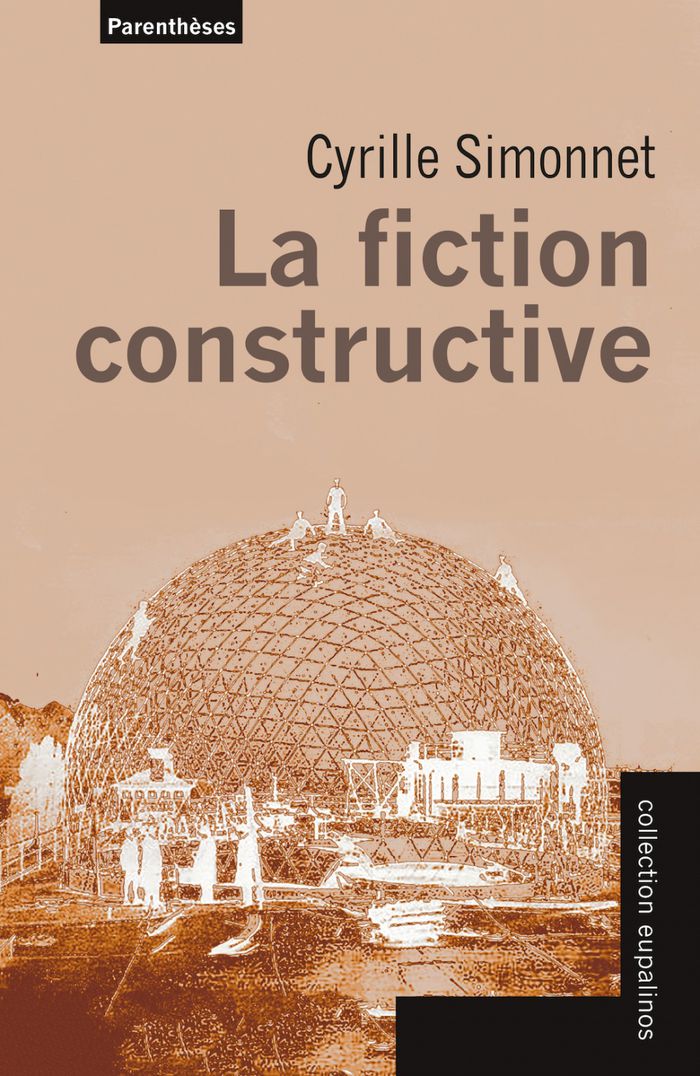
L'architecte allemand Friedrich Schinkel appréciait d'une architecture qu'elle ait "l'apparence de sa construction". Creusons cette idée simple : on touche immédiatement l'une des problématiques fondamentales de l'architecture. Art non mimétique, elle n'a effectivement qu'elle-même pour modèle. Comment donc l'architecture s'imite-t-elle, telle est la question à laquelle, à travers la notion de style notamment, de nombreux théoriciens ont essayé de répondre. L'hypothèse de ce livre prolonge très directement ce questionnement. Elle consiste à dire que l'architecture entretient avec son substrat matériel une relation singulière, qui procède à la fois de la connivence et de la défiance, et qui définit selon les périodes, selon les créateurs, autant de stratégies particulières en matière de projet. En dix chapitres thématiques, l'auteur circonscrit le sens de cette spécularité énigmatique entre architecture et construction. Le matériau, le chantier, l'ornement, le projet, le détail, l'histoire... autant d'éclairages qui permettent de distinguer dans cette superposition à la fois évidente et complexe des modes particuliers d'apparaître, et qui révèlent le caractère spécifique de l'esthétique architecturale. Pour autant, le style ou la beauté ne constituent pas des données positives. C'est toute l'ambiguïté de cet art : exprimer, voire afficher l'artifice par lequel l'architecture, au sens propre, se dresse, tout en masquant cette dépendance par trop triviale.
La fiction constructive
Actions:
Price:
$34.95
(available in store)
Summary:
L'architecte allemand Friedrich Schinkel appréciait d'une architecture qu'elle ait "l'apparence de sa construction". Creusons cette idée simple : on touche immédiatement l'une des problématiques fondamentales de l'architecture. Art non mimétique, elle n'a effectivement qu'elle-même pour modèle. Comment donc l'architecture s'imite-t-elle, telle est la question à laquelle, à travers la notion de style notamment, de nombreux théoriciens ont essayé de répondre. L'hypothèse de ce livre prolonge très directement ce questionnement. Elle consiste à dire que l'architecture entretient avec son substrat matériel une relation singulière, qui procède à la fois de la connivence et de la défiance, et qui définit selon les périodes, selon les créateurs, autant de stratégies particulières en matière de projet. En dix chapitres thématiques, l'auteur circonscrit le sens de cette spécularité énigmatique entre architecture et construction. Le matériau, le chantier, l'ornement, le projet, le détail, l'histoire... autant d'éclairages qui permettent de distinguer dans cette superposition à la fois évidente et complexe des modes particuliers d'apparaître, et qui révèlent le caractère spécifique de l'esthétique architecturale. Pour autant, le style ou la beauté ne constituent pas des données positives. C'est toute l'ambiguïté de cet art : exprimer, voire afficher l'artifice par lequel l'architecture, au sens propre, se dresse, tout en masquant cette dépendance par trop triviale.
Form:
books
books
Publication:
October 2023
October 2023
Subject:
Architectural Theory
Architectural Theory
Form:
books
books
Title:
Obsolescence des ruines
Obsolescence des ruines
Actions:
Price:
$46.95
(available to order)
Summary:
Il serait difficile de nier que les ruines occupent une place de plus en plus grande dans l'imaginaire de notre temps. Nous ne parlons pas ici des ruines antiques et gothiques, mais de l'espace délabré des villes contemporaines, comprenant les usines désaffectées, les gares abandonnées, tous les lieux oubliés de la modernité. L'aura noire d'une ville comme Detroit, Pompéi(...)
$46.95
(available to order)
Summary:
Il serait difficile de nier que les ruines occupent une place de plus en plus grande dans l'imaginaire de notre temps. Nous ne parlons pas ici des ruines antiques et gothiques, mais de l'espace délabré des villes contemporaines, comprenant les usines désaffectées, les gares abandonnées, tous les lieux oubliés de la modernité. L'aura noire d'une ville comme Detroit, Pompéi(...)
Title:
Obsolescence des ruines
Actions:
Price:
$46.95
(available to order)
Summary:
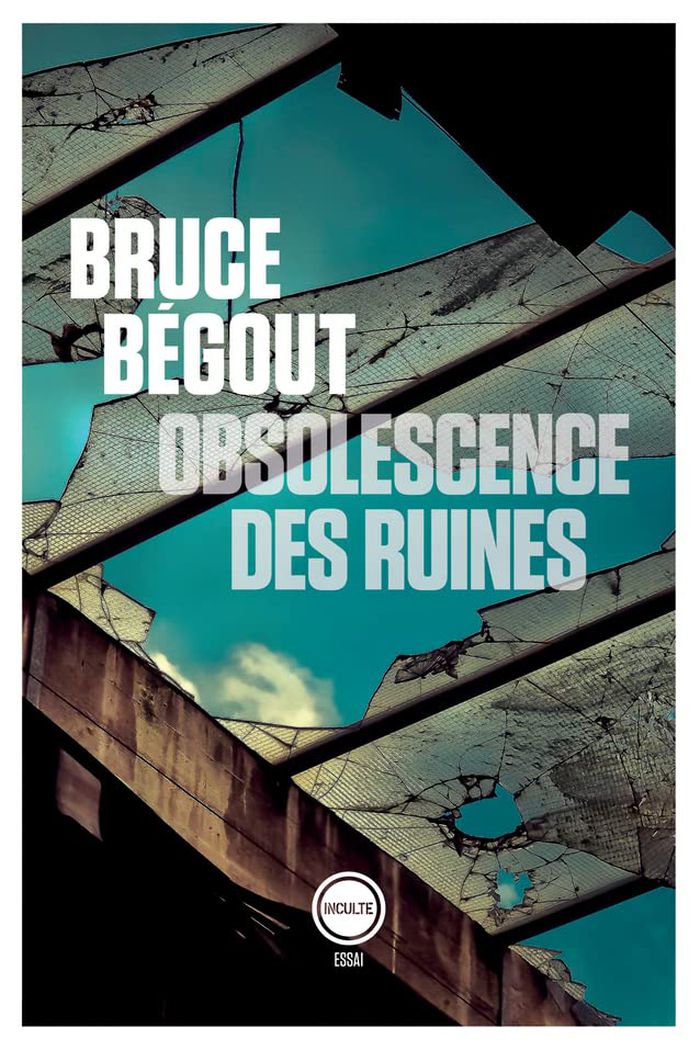
Il serait difficile de nier que les ruines occupent une place de plus en plus grande dans l'imaginaire de notre temps. Nous ne parlons pas ici des ruines antiques et gothiques, mais de l'espace délabré des villes contemporaines, comprenant les usines désaffectées, les gares abandonnées, tous les lieux oubliés de la modernité. L'aura noire d'une ville comme Detroit, Pompéi actuelle de la désindustrialisation, nimbe chaque bâtiment délaissé du monde. Elle est devenue en quelque temps la Mecque de l'exploration urbaine, dont le Detroit's Michigan Theater transformé en parking représente le cube de la Kaaba autour duquel tournoient les nouveaux pèlerins du Hajj de la dévastation urbaine. La ruine industrielle appartient encore pour une grande part au culte classique du monument effondré. Elle en rejoue la grandeur passée, l'évocation nostalgique de la civilisation fragile et mortelle. Dans les colonnes d'un temple ruiné ou dans les usines en friche, ce sont encore les beaux restes d'un Empire que l'on loue. Nous sommes entrés dans le troisième âge de la ruine. Après le temps des ruines antiques, puis celui ces ruines modernes, voici l'ère de la ruine instantanée, de la ruine du présent lui-même qui, née de l'urgence et vaincue par elle, ne dure plus, mais s'efface au moment même de son édification.
Obsolescence des ruines
Actions:
Price:
$46.95
(available to order)
Summary:
Il serait difficile de nier que les ruines occupent une place de plus en plus grande dans l'imaginaire de notre temps. Nous ne parlons pas ici des ruines antiques et gothiques, mais de l'espace délabré des villes contemporaines, comprenant les usines désaffectées, les gares abandonnées, tous les lieux oubliés de la modernité. L'aura noire d'une ville comme Detroit, Pompéi actuelle de la désindustrialisation, nimbe chaque bâtiment délaissé du monde. Elle est devenue en quelque temps la Mecque de l'exploration urbaine, dont le Detroit's Michigan Theater transformé en parking représente le cube de la Kaaba autour duquel tournoient les nouveaux pèlerins du Hajj de la dévastation urbaine. La ruine industrielle appartient encore pour une grande part au culte classique du monument effondré. Elle en rejoue la grandeur passée, l'évocation nostalgique de la civilisation fragile et mortelle. Dans les colonnes d'un temple ruiné ou dans les usines en friche, ce sont encore les beaux restes d'un Empire que l'on loue. Nous sommes entrés dans le troisième âge de la ruine. Après le temps des ruines antiques, puis celui ces ruines modernes, voici l'ère de la ruine instantanée, de la ruine du présent lui-même qui, née de l'urgence et vaincue par elle, ne dure plus, mais s'efface au moment même de son édification.
Form:
books
books
Publication:
March 2022
March 2022
Subject:
Architectural Theory
Architectural Theory
Form:
books
books
Actions:
Price:
$56.95
(available in store)
Summary:
''Bedtime stories for architects'' is a compendium of texts, built works and graphic work by Peter Wilson. It offers glimpses of buildings by the German based office of BOLLES+WILSON, but it is not a monograph, it presents a cloud of discursive subjects and narratives, evidencing Wilson’s take on a wide range of academic, technical, cultural, and architectural issues. It(...)
$56.95
(available in store)
Summary:
''Bedtime stories for architects'' is a compendium of texts, built works and graphic work by Peter Wilson. It offers glimpses of buildings by the German based office of BOLLES+WILSON, but it is not a monograph, it presents a cloud of discursive subjects and narratives, evidencing Wilson’s take on a wide range of academic, technical, cultural, and architectural issues. It(...)
Title:
Bedtime stories for Architects
Actions:
Price:
$56.95
(available in store)
Summary:
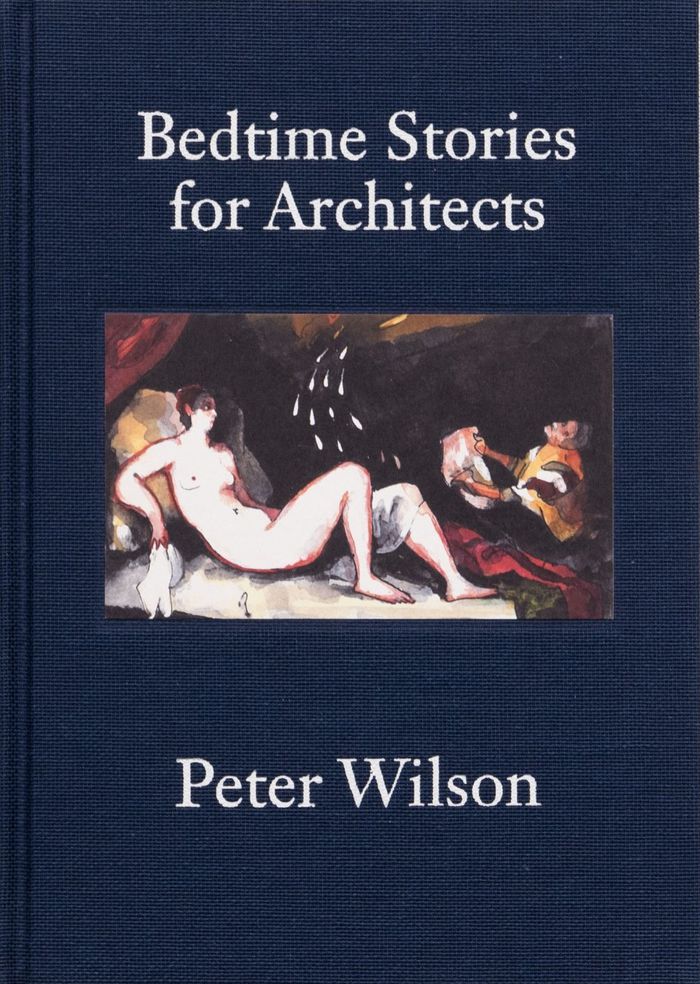
''Bedtime stories for architects'' is a compendium of texts, built works and graphic work by Peter Wilson. It offers glimpses of buildings by the German based office of BOLLES+WILSON, but it is not a monograph, it presents a cloud of discursive subjects and narratives, evidencing Wilson’s take on a wide range of academic, technical, cultural, and architectural issues. It has been called ‘tremendously cutting-edge’, perhaps because of the wry humor of the stories and Wilson’s witty and intelligent drawings – these extend to satirical portraits of – bankers, estate agents, property developers and a few OK people. Much of the book is organized alphabetically like a children’s book – A is for Albania, C is for Counterfactual Histories, G is for Guggenheim, M is for Malevich, O is for Olgiati, R is for Ritual. Counterfactual Histories (a concept from Borges) are paint-shop illustrated as surprising, poetic and enigmatic landscapes. ‘A Blue Review’ deconstructs a book on colour in architecture. Between the enigmatic graphic works are longer texts including Wilson’s extensive analysis of Studio Mumbai (first published in El Croquis), a longer investigation of the Swiss architect Valerio Olgiati and a history of Modernism in Wilson’s home country Australia.
Bedtime stories for Architects
Actions:
Price:
$56.95
(available in store)
Summary:
''Bedtime stories for architects'' is a compendium of texts, built works and graphic work by Peter Wilson. It offers glimpses of buildings by the German based office of BOLLES+WILSON, but it is not a monograph, it presents a cloud of discursive subjects and narratives, evidencing Wilson’s take on a wide range of academic, technical, cultural, and architectural issues. It has been called ‘tremendously cutting-edge’, perhaps because of the wry humor of the stories and Wilson’s witty and intelligent drawings – these extend to satirical portraits of – bankers, estate agents, property developers and a few OK people. Much of the book is organized alphabetically like a children’s book – A is for Albania, C is for Counterfactual Histories, G is for Guggenheim, M is for Malevich, O is for Olgiati, R is for Ritual. Counterfactual Histories (a concept from Borges) are paint-shop illustrated as surprising, poetic and enigmatic landscapes. ‘A Blue Review’ deconstructs a book on colour in architecture. Between the enigmatic graphic works are longer texts including Wilson’s extensive analysis of Studio Mumbai (first published in El Croquis), a longer investigation of the Swiss architect Valerio Olgiati and a history of Modernism in Wilson’s home country Australia.
Form:
books
books
Publication:
June 2023
June 2023
Subject:
Architectural Theory
Architectural Theory
Form:
books
books
Actions:
Price:
$54.00
(available to order)
Summary:
The 1912 recognition of Albania as an entity on the international horizon is paralleled by our own initial encounter with this Balkan enigma (some fifteen years after the collapse of Albanian Communism). In both cases there were pre-histories to be taken on board and post-histories to be orchestrated. These are the parallel subjects of this book. Bolles+Wilson were one(...)
$54.00
(available to order)
Summary:
The 1912 recognition of Albania as an entity on the international horizon is paralleled by our own initial encounter with this Balkan enigma (some fifteen years after the collapse of Albanian Communism). In both cases there were pre-histories to be taken on board and post-histories to be orchestrated. These are the parallel subjects of this book. Bolles+Wilson were one(...)
Title:
Some reasons for traveling to Albania
Actions:
Price:
$54.00
(available to order)
Summary:
The 1912 recognition of Albania as an entity on the international horizon is paralleled by our own initial encounter with this Balkan enigma (some fifteen years after the collapse of Albanian Communism). In both cases there were pre-histories to be taken on board and post-histories to be orchestrated. These are the parallel subjects of this book. Bolles+Wilson were one of three architectural offices invited to the international competition for a Masterplan to re-script the central axis of Tirana. They designed two rooms within the Rationalist edifice, one the office of Deputy Prime Minister Nico Paleshi, and nearby a room called ‚''Prime Minister’s Think Tank''.
Some reasons for traveling to Albania
Actions:
Price:
$54.00
(available to order)
Summary:
The 1912 recognition of Albania as an entity on the international horizon is paralleled by our own initial encounter with this Balkan enigma (some fifteen years after the collapse of Albanian Communism). In both cases there were pre-histories to be taken on board and post-histories to be orchestrated. These are the parallel subjects of this book. Bolles+Wilson were one of three architectural offices invited to the international competition for a Masterplan to re-script the central axis of Tirana. They designed two rooms within the Rationalist edifice, one the office of Deputy Prime Minister Nico Paleshi, and nearby a room called ‚''Prime Minister’s Think Tank''.
Form:
books
books
Publication:
October 2019
October 2019
Subject:
Architectural Theory
Architectural Theory
Form:
journals and magazines
journals and magazines
Actions:
Price:
$50.00
(available to order)
Summary:
For centuries, architectural theory, discourse and agency have been based on diurnal and solar paradigms. References to night in Vitruvius’s De architectura are few, and the same absence is notable in Renaissance treatises by Alberti or Palladio. It was not until the 19th and 20th centuries that the invention and institutionalization of artificial light in private and(...)
$50.00
(available to order)
Summary:
For centuries, architectural theory, discourse and agency have been based on diurnal and solar paradigms. References to night in Vitruvius’s De architectura are few, and the same absence is notable in Renaissance treatises by Alberti or Palladio. It was not until the 19th and 20th centuries that the invention and institutionalization of artificial light in private and(...)
Publication:
July 2024
July 2024
Title:
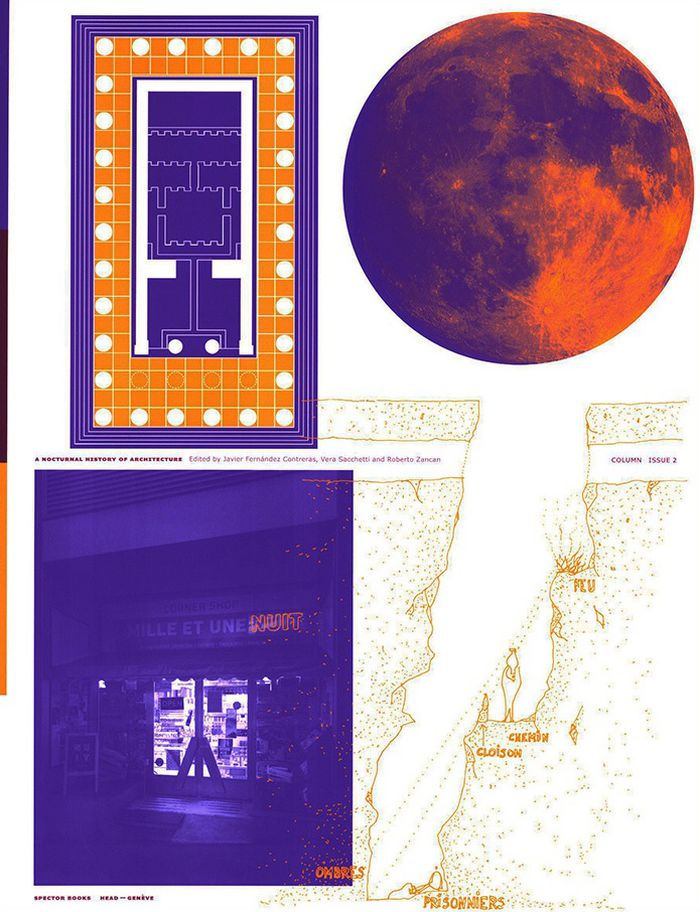
Nocturnal history of architecture. Column issue 2
Actions:
Price:
$50.00
(available to order)
Summary:
For centuries, architectural theory, discourse and agency have been based on diurnal and solar paradigms. References to night in Vitruvius’s De architectura are few, and the same absence is notable in Renaissance treatises by Alberti or Palladio. It was not until the 19th and 20th centuries that the invention and institutionalization of artificial light in private and public spaces gradually transformed conceptions of night in the architectural discipline. This volume offers the first attempt at a nocturnal history of architecture. What emerges from the studies is the thesis that the identity of human beings—across time and their domestic, professional and cultural spaces—is powerfully determined by the parameters of nighttime. By analyzing and studying "night scenes," this book reveals how the night is a laboratory for the development of new forms of conceptualizing space and, ultimately, of living.
Nocturnal history of architecture. Column issue 2
Actions:
Price:
$50.00
(available to order)
Summary:
For centuries, architectural theory, discourse and agency have been based on diurnal and solar paradigms. References to night in Vitruvius’s De architectura are few, and the same absence is notable in Renaissance treatises by Alberti or Palladio. It was not until the 19th and 20th centuries that the invention and institutionalization of artificial light in private and public spaces gradually transformed conceptions of night in the architectural discipline. This volume offers the first attempt at a nocturnal history of architecture. What emerges from the studies is the thesis that the identity of human beings—across time and their domestic, professional and cultural spaces—is powerfully determined by the parameters of nighttime. By analyzing and studying "night scenes," this book reveals how the night is a laboratory for the development of new forms of conceptualizing space and, ultimately, of living.
Form:
journals and magazines
journals and magazines
Publication:
July 2024
July 2024
Form:
books
books
Actions:
Price:
$43.95
(available to order)
Summary:
Moyen d’accessibilité inéluctable au train, la marche est inhérente à la pratique de la gare. Cet espace-seuil entre la ville et le moyen de transport est donc censé la faciliter, voire la considérer comme mode de référence. Pourtant il n’en est rien et s’y joue encore quotidiennement pour les concepteurs, les gestionnaires, et pour les usagers les mêmes enjeux qu’au XIXe(...)
$43.95
(available to order)
Summary:
Moyen d’accessibilité inéluctable au train, la marche est inhérente à la pratique de la gare. Cet espace-seuil entre la ville et le moyen de transport est donc censé la faciliter, voire la considérer comme mode de référence. Pourtant il n’en est rien et s’y joue encore quotidiennement pour les concepteurs, les gestionnaires, et pour les usagers les mêmes enjeux qu’au XIXe(...)
Title:
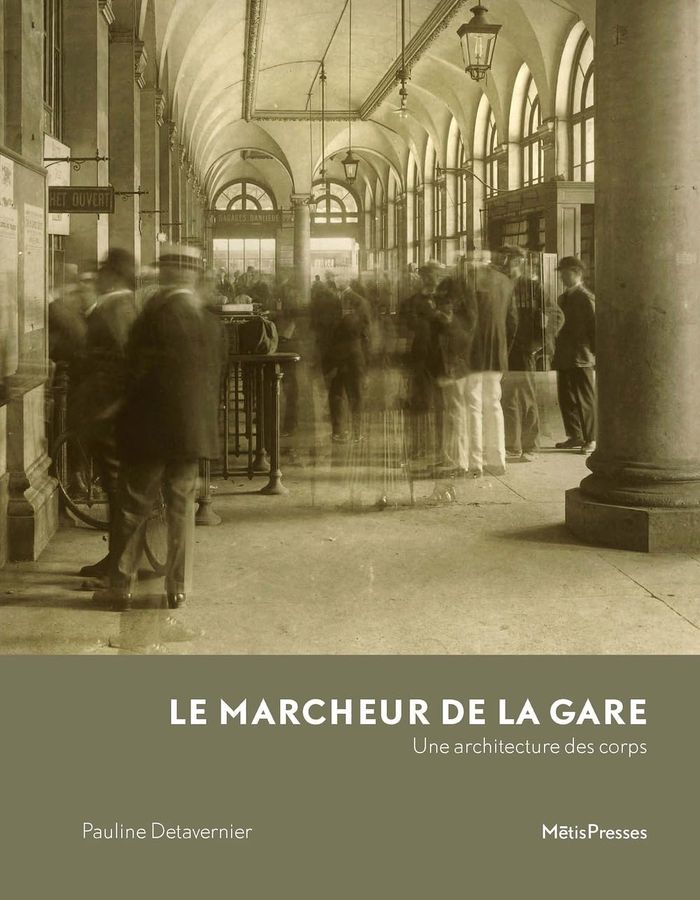
Le marcheur de la gare : Une architecture des corps
Actions:
Price:
$43.95
(available to order)
Summary:
Moyen d’accessibilité inéluctable au train, la marche est inhérente à la pratique de la gare. Cet espace-seuil entre la ville et le moyen de transport est donc censé la faciliter, voire la considérer comme mode de référence. Pourtant il n’en est rien et s’y joue encore quotidiennement pour les concepteurs, les gestionnaires, et pour les usagers les mêmes enjeux qu’au XIXe siècle : compter ses pas à travers la gare, guidés par la conception experte d’un parcours que l’on sait défini par un nombre incalculable de contraintes techniques, et les traduire en temps passé, en effort engagé, en expérience sensible dont il est attendu une certaine qualité. Le piéton en tant qu’individu n’est que très peu présent dans les réflexions sur les gares ferroviaires : on parle de marche en ville et de flux en gare, mais la question de la marche en gare demeure une réalité aussi plurielle qu’inexploitée. Cet ouvrage propose alors un pas de côté. Il s’attache à comprendre, au fil de l’Histoire, quels sont les enjeux de la marche pour les Compagnies Ferroviaires et quelles sont les réponses spatiales apportées par les concepteurs. À travers l’analyse d’un certain nombre de dispositifs spatiotemporels (salles d’attente, salle des pas perdus, signalétique, escalator, atriums, dispositifs de captation, nudge...), l’ouvrage montre que l’espace-gare que nous connaissons est un lieu de sédimentation des enjeux liés à l’individu en mouvement.
Le marcheur de la gare : Une architecture des corps
Actions:
Price:
$43.95
(available to order)
Summary:
Moyen d’accessibilité inéluctable au train, la marche est inhérente à la pratique de la gare. Cet espace-seuil entre la ville et le moyen de transport est donc censé la faciliter, voire la considérer comme mode de référence. Pourtant il n’en est rien et s’y joue encore quotidiennement pour les concepteurs, les gestionnaires, et pour les usagers les mêmes enjeux qu’au XIXe siècle : compter ses pas à travers la gare, guidés par la conception experte d’un parcours que l’on sait défini par un nombre incalculable de contraintes techniques, et les traduire en temps passé, en effort engagé, en expérience sensible dont il est attendu une certaine qualité. Le piéton en tant qu’individu n’est que très peu présent dans les réflexions sur les gares ferroviaires : on parle de marche en ville et de flux en gare, mais la question de la marche en gare demeure une réalité aussi plurielle qu’inexploitée. Cet ouvrage propose alors un pas de côté. Il s’attache à comprendre, au fil de l’Histoire, quels sont les enjeux de la marche pour les Compagnies Ferroviaires et quelles sont les réponses spatiales apportées par les concepteurs. À travers l’analyse d’un certain nombre de dispositifs spatiotemporels (salles d’attente, salle des pas perdus, signalétique, escalator, atriums, dispositifs de captation, nudge...), l’ouvrage montre que l’espace-gare que nous connaissons est un lieu de sédimentation des enjeux liés à l’individu en mouvement.
Form:
books
books
Publication:
November 2023
November 2023
Subject:
Architectural Theory
Architectural Theory
Form:
books
books
Actions:
Price:
$24.95
(available in store)
Summary:
En quoi la nécessité pour l'être humain de maintenir la température du corps à 37 °C engendre-t-elle l'apparition de l'architecture ? Comment un simple grenier à blé devient-il la ville ? Pourquoi l'iode a-t-il provoqué l'urbanisation du littoral ?. Dans cet ouvrage, l'architecte Philippe Rahm met en lumière les causes physiques, biologiques, climatiques ou sanitaires qui(...)
$24.95
(available in store)
Summary:
En quoi la nécessité pour l'être humain de maintenir la température du corps à 37 °C engendre-t-elle l'apparition de l'architecture ? Comment un simple grenier à blé devient-il la ville ? Pourquoi l'iode a-t-il provoqué l'urbanisation du littoral ?. Dans cet ouvrage, l'architecte Philippe Rahm met en lumière les causes physiques, biologiques, climatiques ou sanitaires qui(...)
Title:
Histoire naturelle de l'architecture : Comment le climat, les épidémies et l'énergie ont façonné la ville et les bâtiments
Actions:
Price:
$24.95
(available in store)
Summary:
En quoi la nécessité pour l'être humain de maintenir la température du corps à 37 °C engendre-t-elle l'apparition de l'architecture ? Comment un simple grenier à blé devient-il la ville ? Pourquoi l'iode a-t-il provoqué l'urbanisation du littoral ?. Dans cet ouvrage, l'architecte Philippe Rahm met en lumière les causes physiques, biologiques, climatiques ou sanitaires qui ont influencé l'histoire architecturale et provoqué le surgissement de ses diverses formes, de la préhistoire à nos jours. Relire l'histoire de l'architecture à partir de ces données naturelles longtemps ignorées par l'historiographie du XXe siècle permet d'affronter les défis environnementaux majeurs de notre siècle et de mieux construire dorénavant face à l'urgence climatique.
Histoire naturelle de l'architecture : Comment le climat, les épidémies et l'énergie ont façonné la ville et les bâtiments
Actions:
Price:
$24.95
(available in store)
Summary:
En quoi la nécessité pour l'être humain de maintenir la température du corps à 37 °C engendre-t-elle l'apparition de l'architecture ? Comment un simple grenier à blé devient-il la ville ? Pourquoi l'iode a-t-il provoqué l'urbanisation du littoral ?. Dans cet ouvrage, l'architecte Philippe Rahm met en lumière les causes physiques, biologiques, climatiques ou sanitaires qui ont influencé l'histoire architecturale et provoqué le surgissement de ses diverses formes, de la préhistoire à nos jours. Relire l'histoire de l'architecture à partir de ces données naturelles longtemps ignorées par l'historiographie du XXe siècle permet d'affronter les défis environnementaux majeurs de notre siècle et de mieux construire dorénavant face à l'urgence climatique.
Form:
books
books
Publication:
January 2024
January 2024
Subject:
Architectural Theory
Architectural Theory
Form:
books
books

Title:
De l'eau jusqu'au nombril
De l'eau jusqu'au nombril
Actions:
Price:
$14.95
(available in store)
Summary:
De 1973 à 1978, le groupe d’architectes, artistes et designers Ant Farm, composé d’une dizaine de membres, a travaillé à la conception d’une plateforme marine destinée à communiquer avec les dauphins. Il ne s’agissait pas seulement de les observer mais bien de parler et d’échanger des informations avec les cétacés. Cette structure flottante, la Dolphin Embassy, concentre(...)
$14.95
(available in store)
Summary:
De 1973 à 1978, le groupe d’architectes, artistes et designers Ant Farm, composé d’une dizaine de membres, a travaillé à la conception d’une plateforme marine destinée à communiquer avec les dauphins. Il ne s’agissait pas seulement de les observer mais bien de parler et d’échanger des informations avec les cétacés. Cette structure flottante, la Dolphin Embassy, concentre(...)
Title:
De l'eau jusqu'au nombril
Actions:
Price:
$14.95
(available in store)
Summary:
De 1973 à 1978, le groupe d’architectes, artistes et designers Ant Farm, composé d’une dizaine de membres, a travaillé à la conception d’une plateforme marine destinée à communiquer avec les dauphins. Il ne s’agissait pas seulement de les observer mais bien de parler et d’échanger des informations avec les cétacés. Cette structure flottante, la Dolphin Embassy, concentre bon nombre des réflexions qui ont animées les mouvements radicaux et contre-culturels de l’époque : l’ouverture à la nature et aux espèces non humaines, la constitution de communautés élargies, la recherche de nouveaux espaces perceptifs et communicationnels. Ce texte s’appuie notamment sur les documents présents dans les archives d’Ant Farm, rassemblées dans le sous-sol du Berkeley Art Museum and Pacific Film Archive. Parmi la centaine de documents relatifs à ce projet, sont notamment conservés quelques dessins préparatoires, des « rushes » de film, des diapositives, de la littérature scientifique sur les dauphins et de la correspondance échangée entre les membres du groupe. De leur consultation est né ce récit ; un récit qui dérive à mesure que les pages défilent.
De l'eau jusqu'au nombril
Actions:
Price:
$14.95
(available in store)
Summary:
De 1973 à 1978, le groupe d’architectes, artistes et designers Ant Farm, composé d’une dizaine de membres, a travaillé à la conception d’une plateforme marine destinée à communiquer avec les dauphins. Il ne s’agissait pas seulement de les observer mais bien de parler et d’échanger des informations avec les cétacés. Cette structure flottante, la Dolphin Embassy, concentre bon nombre des réflexions qui ont animées les mouvements radicaux et contre-culturels de l’époque : l’ouverture à la nature et aux espèces non humaines, la constitution de communautés élargies, la recherche de nouveaux espaces perceptifs et communicationnels. Ce texte s’appuie notamment sur les documents présents dans les archives d’Ant Farm, rassemblées dans le sous-sol du Berkeley Art Museum and Pacific Film Archive. Parmi la centaine de documents relatifs à ce projet, sont notamment conservés quelques dessins préparatoires, des « rushes » de film, des diapositives, de la littérature scientifique sur les dauphins et de la correspondance échangée entre les membres du groupe. De leur consultation est né ce récit ; un récit qui dérive à mesure que les pages défilent.
Form:
books
books
Publication:
November 2023
November 2023
Subject:
Architectural Theory
Architectural Theory
Form:
books
books
Actions:
Price:
$37.95
(available to order)
Summary:
« Les dix livres d'architecture » du plus célèbre des architectes latins, Vitruve, sont un classique incontournable depuis des siècles. Vitruve vécut au Ier siècle avant notre ère, dédia son livre à Auguste. Il semble avoir servi comme ingénieur militaire en Espagne et en Gaule, et serait mort en 26 av. J.-C. « De architectura » constitue l'unique témoignage théorique qui(...)
$37.95
(available to order)
Summary:
« Les dix livres d'architecture » du plus célèbre des architectes latins, Vitruve, sont un classique incontournable depuis des siècles. Vitruve vécut au Ier siècle avant notre ère, dédia son livre à Auguste. Il semble avoir servi comme ingénieur militaire en Espagne et en Gaule, et serait mort en 26 av. J.-C. « De architectura » constitue l'unique témoignage théorique qui(...)
Title:
Les dix livres d'architecture
Actions:
Price:
$37.95
(available to order)
Summary:
« Les dix livres d'architecture » du plus célèbre des architectes latins, Vitruve, sont un classique incontournable depuis des siècles. Vitruve vécut au Ier siècle avant notre ère, dédia son livre à Auguste. Il semble avoir servi comme ingénieur militaire en Espagne et en Gaule, et serait mort en 26 av. J.-C. « De architectura » constitue l'unique témoignage théorique qui nous soit parvenu de l'Antiquité sur l'art de composer et de bâtir les édifices.
Les dix livres d'architecture
Actions:
Price:
$37.95
(available to order)
Summary:
« Les dix livres d'architecture » du plus célèbre des architectes latins, Vitruve, sont un classique incontournable depuis des siècles. Vitruve vécut au Ier siècle avant notre ère, dédia son livre à Auguste. Il semble avoir servi comme ingénieur militaire en Espagne et en Gaule, et serait mort en 26 av. J.-C. « De architectura » constitue l'unique témoignage théorique qui nous soit parvenu de l'Antiquité sur l'art de composer et de bâtir les édifices.
Form:
books
books
Publication:
December 2023
December 2023
Subject:
Architectural Theory
Architectural Theory
Form:
books
books
Price:
$35.00
(available in store)
Summary:
"Ideas, faces and places" is a record of an exhibition and symposium that took place in Dublin at The Irish Architectural Archive in the autumn of 2022, "Sweet Disorder and the Carefully Careless: Ideas, Faces and Places", which transferred to RIBA headquarters in London in the Spring of 2023. The book is a repository for some of the observations that arose at these(...)
$35.00
(available in store)
Summary:
"Ideas, faces and places" is a record of an exhibition and symposium that took place in Dublin at The Irish Architectural Archive in the autumn of 2022, "Sweet Disorder and the Carefully Careless: Ideas, Faces and Places", which transferred to RIBA headquarters in London in the Spring of 2023. The book is a repository for some of the observations that arose at these(...)
Subject:
Architectural Theory
Architectural Theory
Publication:
January 2023
January 2023
Title:
Ideas, faces and places : Sweet disorder and carefully careless
Actions:
Price:
$35.00
(available in store)
Summary:
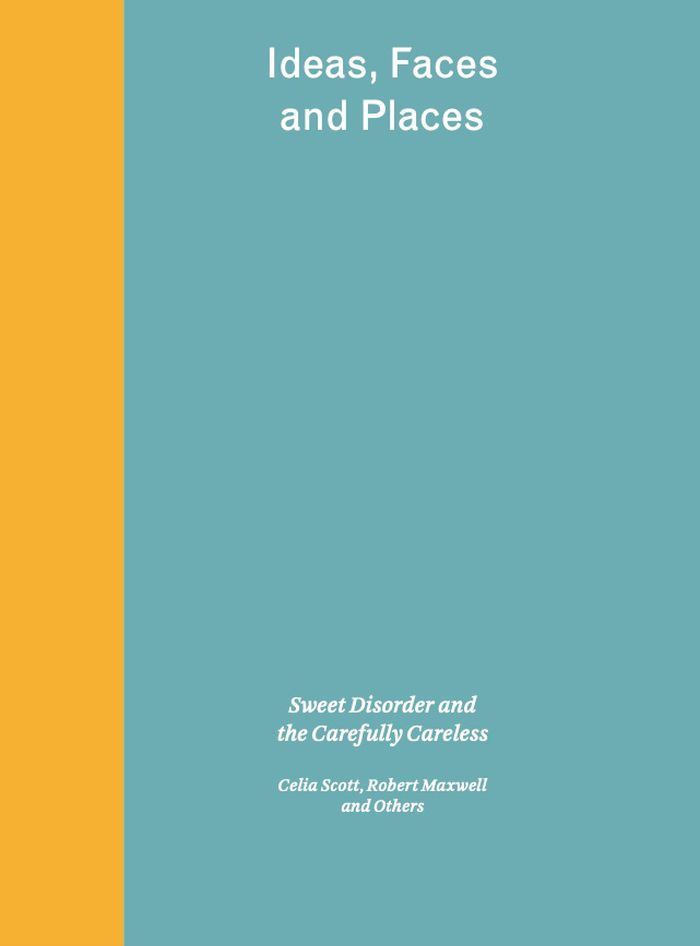
"Ideas, faces and places" is a record of an exhibition and symposium that took place in Dublin at The Irish Architectural Archive in the autumn of 2022, "Sweet Disorder and the Carefully Careless: Ideas, Faces and Places", which transferred to RIBA headquarters in London in the Spring of 2023. The book is a repository for some of the observations that arose at these events made by architects and critics including John Tuomey, Ed Jones, Irina Davidovici, Kenneth Frampton and others. The exhibition juxtaposed Celia Scott’s busts of the architects James Stirling, Leon Krier, Alan Colquhoun, Ed Jones and others, with a pictorial biography of her husband, the eminent architect and academic Robert Maxwell (1922-2020). The view that this book offers of the exhibition and of the work of Scott and Maxwell is provisional and partial, offering the reader the chance to meander and to relish unexpected juxtapositions and oblique views of its subjects - almost exactly like the rooms that Celia Scott created in Dublin and in London. Robert Maxwell was one of the most important architectural theorists and teachers of the second half of the 20th century - this book is an essential addition to his oeuvre.
Ideas, faces and places : Sweet disorder and carefully careless
Actions:
Price:
$35.00
(available in store)
Summary:
"Ideas, faces and places" is a record of an exhibition and symposium that took place in Dublin at The Irish Architectural Archive in the autumn of 2022, "Sweet Disorder and the Carefully Careless: Ideas, Faces and Places", which transferred to RIBA headquarters in London in the Spring of 2023. The book is a repository for some of the observations that arose at these events made by architects and critics including John Tuomey, Ed Jones, Irina Davidovici, Kenneth Frampton and others. The exhibition juxtaposed Celia Scott’s busts of the architects James Stirling, Leon Krier, Alan Colquhoun, Ed Jones and others, with a pictorial biography of her husband, the eminent architect and academic Robert Maxwell (1922-2020). The view that this book offers of the exhibition and of the work of Scott and Maxwell is provisional and partial, offering the reader the chance to meander and to relish unexpected juxtapositions and oblique views of its subjects - almost exactly like the rooms that Celia Scott created in Dublin and in London. Robert Maxwell was one of the most important architectural theorists and teachers of the second half of the 20th century - this book is an essential addition to his oeuvre.
Form:
books
books
Publication:
January 2023
January 2023
Subject:
Architectural Theory
Architectural Theory


