


2221 Results
Form:
books
books
Actions:
Price:
$19.95
(available in store)
Summary:
1966 est une année importante dans l’histoire des théories architecturales. L’émulation intellectuelle à Milan est alors à son comble : philosophes, écrivains, artistes et architectes croisent leurs savoirs et produisent une œuvre collective parmi les plus influentes de la seconde moitié du XXe siècle. C’est au contact de cette génération talentueuse, dont il fait partie,(...)
$19.95
(available in store)
Summary:
1966 est une année importante dans l’histoire des théories architecturales. L’émulation intellectuelle à Milan est alors à son comble : philosophes, écrivains, artistes et architectes croisent leurs savoirs et produisent une œuvre collective parmi les plus influentes de la seconde moitié du XXe siècle. C’est au contact de cette génération talentueuse, dont il fait partie,(...)
Title:
L'extase de la modification : Vittorio Gregotti, Le territoire de l'architecture
Actions:
Price:
$19.95
(available in store)
Summary:
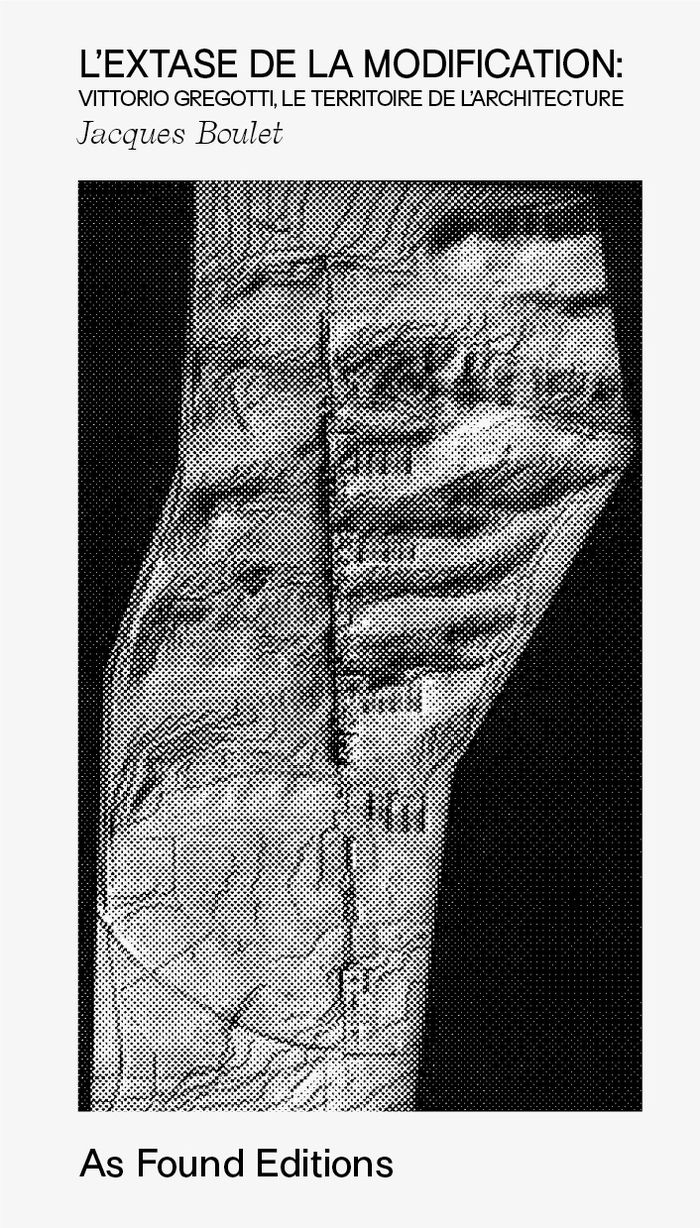
1966 est une année importante dans l’histoire des théories architecturales. L’émulation intellectuelle à Milan est alors à son comble : philosophes, écrivains, artistes et architectes croisent leurs savoirs et produisent une œuvre collective parmi les plus influentes de la seconde moitié du XXe siècle. C’est au contact de cette génération talentueuse, dont il fait partie, que Vittorio Gregotti écrira son livre le plus connu : Le territoire de l’architecture. Un texte important, savant, mais aussi difficile, fragmenté, et rendu presque inaccessible au lecteur français par l’insuffisance de sa seule traduction. Jacques Boulet, transposant en architecture un statut du texte que l’historien de l’art Julius von Schlosser définissait par Kunstlitteratur, nous en livre ici, en hommage à Vittorio Gregotti, une lecture utile en “opera aperta”, écrite en 2000 et non publiée, qui pose l’hypothèse, chez l’architecte italien, d’une écriture analogue à la projetation.
L'extase de la modification : Vittorio Gregotti, Le territoire de l'architecture
Actions:
Price:
$19.95
(available in store)
Summary:
1966 est une année importante dans l’histoire des théories architecturales. L’émulation intellectuelle à Milan est alors à son comble : philosophes, écrivains, artistes et architectes croisent leurs savoirs et produisent une œuvre collective parmi les plus influentes de la seconde moitié du XXe siècle. C’est au contact de cette génération talentueuse, dont il fait partie, que Vittorio Gregotti écrira son livre le plus connu : Le territoire de l’architecture. Un texte important, savant, mais aussi difficile, fragmenté, et rendu presque inaccessible au lecteur français par l’insuffisance de sa seule traduction. Jacques Boulet, transposant en architecture un statut du texte que l’historien de l’art Julius von Schlosser définissait par Kunstlitteratur, nous en livre ici, en hommage à Vittorio Gregotti, une lecture utile en “opera aperta”, écrite en 2000 et non publiée, qui pose l’hypothèse, chez l’architecte italien, d’une écriture analogue à la projetation.
Form:
books
books
Publication:
March 2023
March 2023
Subject:
Architectural Theory
Architectural Theory
Form:
books
books
Actions:
Price:
$35.00
(available in store)
Summary:
"Translating: Architecture / Traduire : Architecture" explores the diversity of contemporary notions of architecture through the tool of translation. As a mediator between cultural differences and an instrument of resistance to dominant narratives, translation invites us to renew architectural discourse by opening up to multiple frames of reference. To this end,(...)
$35.00
(available in store)
Summary:
"Translating: Architecture / Traduire : Architecture" explores the diversity of contemporary notions of architecture through the tool of translation. As a mediator between cultural differences and an instrument of resistance to dominant narratives, translation invites us to renew architectural discourse by opening up to multiple frames of reference. To this end,(...)
Title:
Traduire : Architecture / Translating: Architecture
Actions:
Price:
$35.00
(available in store)
Summary:
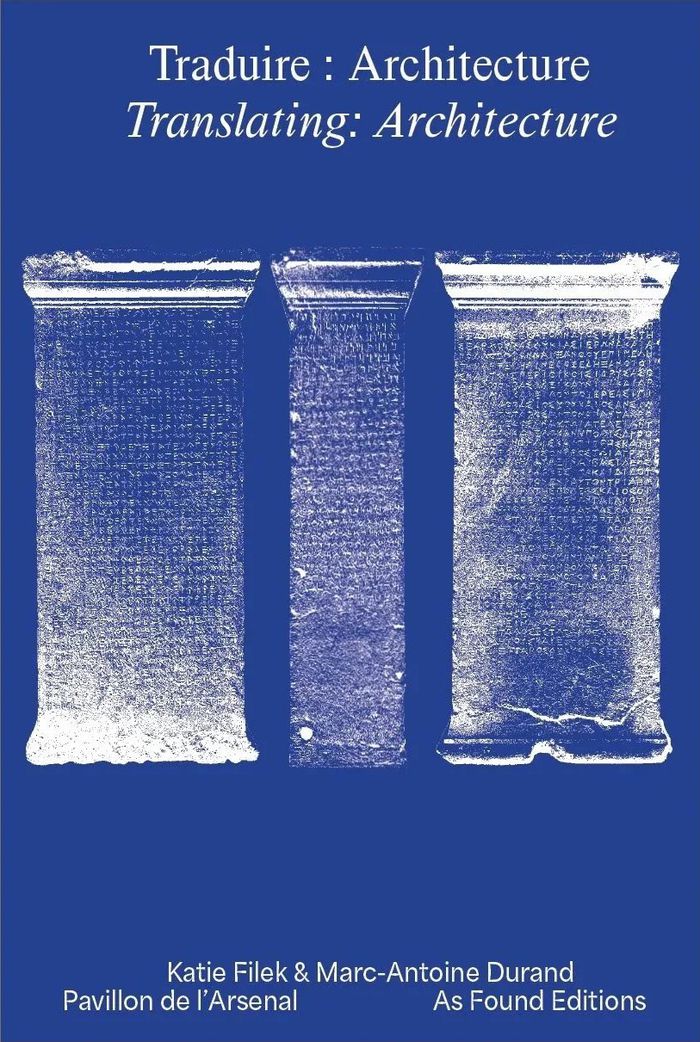
"Translating: Architecture / Traduire : Architecture" explores the diversity of contemporary notions of architecture through the tool of translation. As a mediator between cultural differences and an instrument of resistance to dominant narratives, translation invites us to renew architectural discourse by opening up to multiple frames of reference. To this end, twenty-five architects from around the world were invited to write, in their own language, a short essay on their view of architecture. Translated into French and English, these contributions are accompanied by commentaries from the translators, together revealing frictions, gaps, and discoveries inherent to the act of translation.
Traduire : Architecture / Translating: Architecture
Actions:
Price:
$35.00
(available in store)
Summary:
"Translating: Architecture / Traduire : Architecture" explores the diversity of contemporary notions of architecture through the tool of translation. As a mediator between cultural differences and an instrument of resistance to dominant narratives, translation invites us to renew architectural discourse by opening up to multiple frames of reference. To this end, twenty-five architects from around the world were invited to write, in their own language, a short essay on their view of architecture. Translated into French and English, these contributions are accompanied by commentaries from the translators, together revealing frictions, gaps, and discoveries inherent to the act of translation.
Form:
books
books
Publication:
April 2026
April 2026
Subject:
Architectural Theory
Architectural Theory
Form:
books
books
Title:
The Architect and the Citizen / L'architecte et le citoyen : Essais by / Essays par Hans Kollhoff
The Architect and the Citizen / L'architecte et le citoyen : Essais by / Essays par Hans Kollhoff
Actions:
Price:
$39.00
(available in store)
Summary:
This book draws together texts by the architect Hans Kollhoff, from the essay collection originally published in 2014 under the title Architektur: Schein und Wirklichkeit [Architecture: Appearance and Reality] by Zu Klampen Verlag. Four essays have been selected for a first translation into English and French. In each, the architect takes a definitive stance and asserts(...)
$39.00
(available in store)
Summary:
This book draws together texts by the architect Hans Kollhoff, from the essay collection originally published in 2014 under the title Architektur: Schein und Wirklichkeit [Architecture: Appearance and Reality] by Zu Klampen Verlag. Four essays have been selected for a first translation into English and French. In each, the architect takes a definitive stance and asserts(...)
Title:
The Architect and the Citizen / L'architecte et le citoyen : Essais by / Essays par Hans Kollhoff
Actions:
Price:
$39.00
(available in store)
Summary:
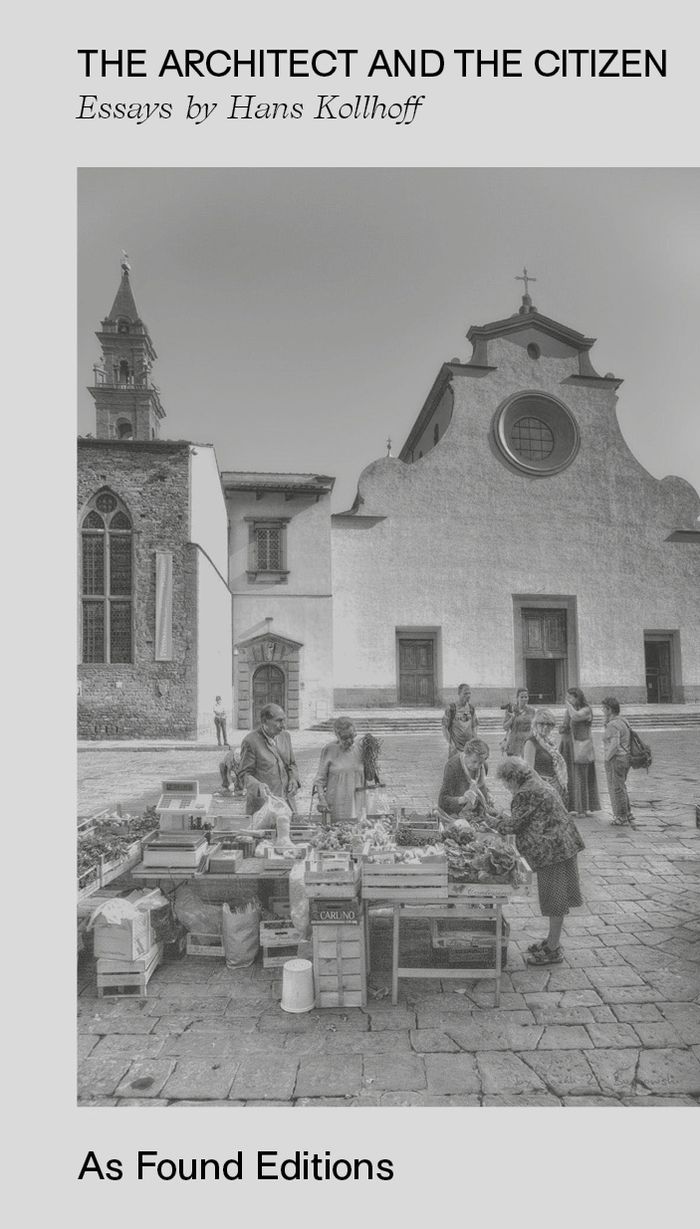
This book draws together texts by the architect Hans Kollhoff, from the essay collection originally published in 2014 under the title Architektur: Schein und Wirklichkeit [Architecture: Appearance and Reality] by Zu Klampen Verlag. Four essays have been selected for a first translation into English and French. In each, the architect takes a definitive stance and asserts the voice of the citizen, focusing on the life of the city and the common good. In addition to the essays, the book includes an extended interview with Hans Kollhoff on his own trajectory, his influences, and his understanding of architecture as a sphere of political engagement.
The Architect and the Citizen / L'architecte et le citoyen : Essais by / Essays par Hans Kollhoff
Actions:
Price:
$39.00
(available in store)
Summary:
This book draws together texts by the architect Hans Kollhoff, from the essay collection originally published in 2014 under the title Architektur: Schein und Wirklichkeit [Architecture: Appearance and Reality] by Zu Klampen Verlag. Four essays have been selected for a first translation into English and French. In each, the architect takes a definitive stance and asserts the voice of the citizen, focusing on the life of the city and the common good. In addition to the essays, the book includes an extended interview with Hans Kollhoff on his own trajectory, his influences, and his understanding of architecture as a sphere of political engagement.
Form:
books
books
Publication:
June 2025
June 2025
Subject:
Architectural Theory
Architectural Theory
Form:
books
books
Title:
Schindler Manifesto
Schindler Manifesto
Actions:
Price:
$27.00
(available to order)
Summary:
The distribution of the Schindler’s manifesto remains uncertain. This was an obligatory step in the life of a young European avant-gardist, and it probably passed from hand to hand. The interest paid to this text today is retrospective. It is an opportunity to go back over the training and early working life of an important architect who is still little-known. What(...)
$27.00
(available to order)
Summary:
The distribution of the Schindler’s manifesto remains uncertain. This was an obligatory step in the life of a young European avant-gardist, and it probably passed from hand to hand. The interest paid to this text today is retrospective. It is an opportunity to go back over the training and early working life of an important architect who is still little-known. What(...)
Subject:
Architectural Theory
Architectural Theory
Publication:
July 2023
July 2023
Title:
Schindler Manifesto
Actions:
Price:
$27.00
(available to order)
Summary:
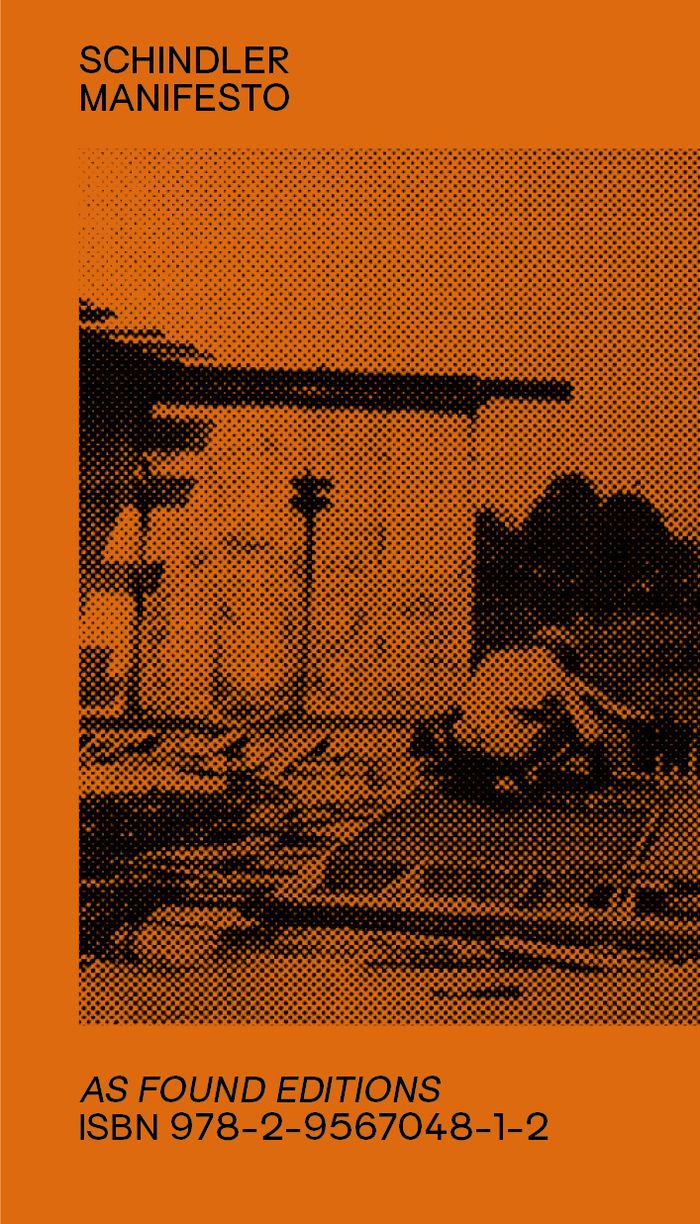
The distribution of the Schindler’s manifesto remains uncertain. This was an obligatory step in the life of a young European avant-gardist, and it probably passed from hand to hand. The interest paid to this text today is retrospective. It is an opportunity to go back over the training and early working life of an important architect who is still little-known. What conception of architecture did the young Schindler stand up for in this his first text? Would the beginning of his career follow this doctrinal commitment? How did such Viennese convictions travel to the USA?
Schindler Manifesto
Actions:
Price:
$27.00
(available to order)
Summary:
The distribution of the Schindler’s manifesto remains uncertain. This was an obligatory step in the life of a young European avant-gardist, and it probably passed from hand to hand. The interest paid to this text today is retrospective. It is an opportunity to go back over the training and early working life of an important architect who is still little-known. What conception of architecture did the young Schindler stand up for in this his first text? Would the beginning of his career follow this doctrinal commitment? How did such Viennese convictions travel to the USA?
Form:
books
books
Publication:
July 2023
July 2023
Subject:
Architectural Theory
Architectural Theory
Form:
books
books
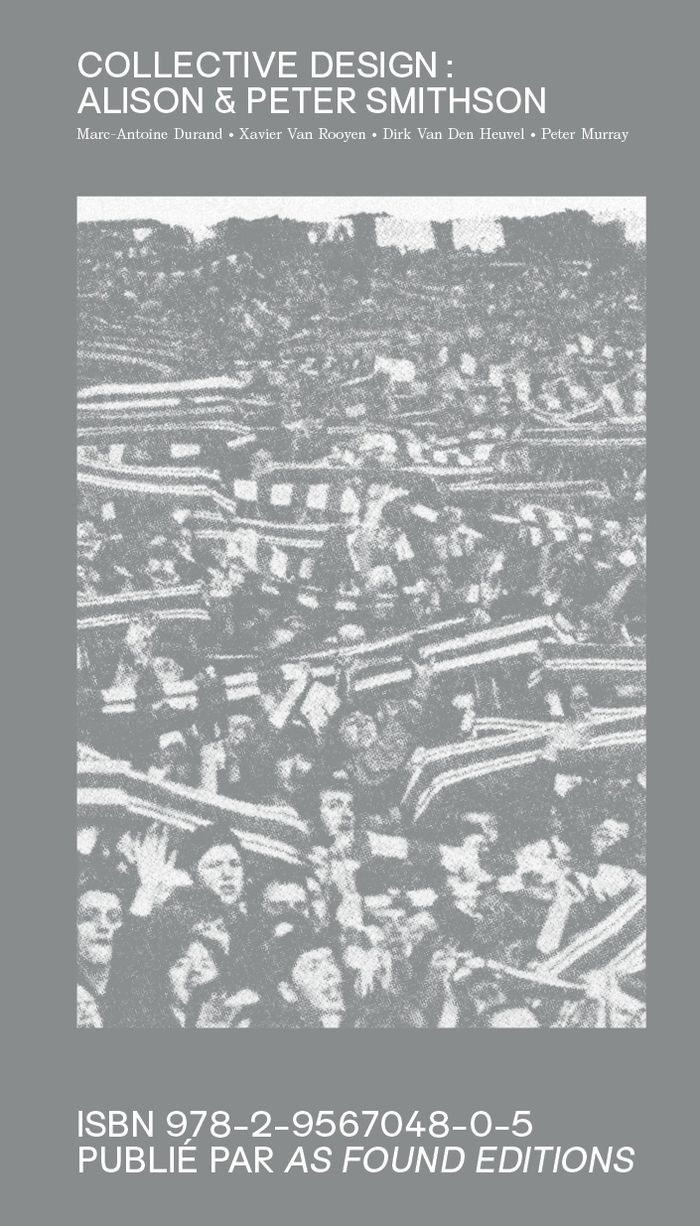
Actions:
Price:
$49.95
(available to order)
Summary:
Publiés initialement dans Architectural Design entre 1973 et 1975, la série des sept articles intitulée Collective Design rappelle l’essence collective de l’architecture. Au constat d’une fragmentation culturelle de la société jugée inéluctable, les Smithson interrogent la dimension politique de leur travail à un moment charnière de leur carrière. | Between 1973 and 1975,(...)
$49.95
(available to order)
Summary:
Publiés initialement dans Architectural Design entre 1973 et 1975, la série des sept articles intitulée Collective Design rappelle l’essence collective de l’architecture. Au constat d’une fragmentation culturelle de la société jugée inéluctable, les Smithson interrogent la dimension politique de leur travail à un moment charnière de leur carrière. | Between 1973 and 1975,(...)
Title:
Collective Design : Alison & Peter Smithson
Actions:
Price:
$49.95
(available to order)
Summary:
Publiés initialement dans Architectural Design entre 1973 et 1975, la série des sept articles intitulée Collective Design rappelle l’essence collective de l’architecture. Au constat d’une fragmentation culturelle de la société jugée inéluctable, les Smithson interrogent la dimension politique de leur travail à un moment charnière de leur carrière. | Between 1973 and 1975, Alison and Peter Smithson, published a series of seven articles in Architectural Design questioning the unity of the architectural form, as well as their commitment as architects. In recognition of the inevitable cultural fragmentation of society, they question the collective dimension of their work and their relationship with the community.
Collective Design : Alison & Peter Smithson
Actions:
Price:
$49.95
(available to order)
Summary:
Publiés initialement dans Architectural Design entre 1973 et 1975, la série des sept articles intitulée Collective Design rappelle l’essence collective de l’architecture. Au constat d’une fragmentation culturelle de la société jugée inéluctable, les Smithson interrogent la dimension politique de leur travail à un moment charnière de leur carrière. | Between 1973 and 1975, Alison and Peter Smithson, published a series of seven articles in Architectural Design questioning the unity of the architectural form, as well as their commitment as architects. In recognition of the inevitable cultural fragmentation of society, they question the collective dimension of their work and their relationship with the community.
Form:
books
books
Publication:
January 2026
January 2026
Subject:
Architectural Theory
Architectural Theory
Form:
books
books
Price:
$59.95
(available to order)
Summary:
"Suspensions of Perception" is a major historical study of human attention and its volatile role in modern Western culture. It argues that the ways in which we intently look at or listen to anything result from crucial changes in the nature of perception that can be traced back to(...)
$59.95
(available to order)
Summary:
"Suspensions of Perception" is a major historical study of human attention and its volatile role in modern Western culture. It argues that the ways in which we intently look at or listen to anything result from crucial changes in the nature of perception that can be traced back to(...)
Title:
Suspensions of perception : attention, spectacle, and modern culture
Actions:
Price:
$59.95
(available to order)
Summary:
"Suspensions of Perception" is a major historical study of human attention and its volatile role in modern Western culture. It argues that the ways in which we intently look at or listen to anything result from crucial changes in the nature of perception that can be traced back to the second half of the nineteenth century. Focusing on the period from about 1880 to 1905, Jonathan Crary examines the connections between the modernization of subjectivity and the dramatic expansion and industrialization of visual/auditory culture. At the core of his project is the paradoxical nature of modern attention, which was both a fundamental condition of individual freedom, creativity, and experience and a central element in the efficient functioning of economic and disciplinary institutions as well as the emerging spaces of mass consumption and spectacle. Crary approaches these issues through multiple analyses of single works by three key modernist painters--Manet, Seurat, and Cézanne--who each engaged in a singular confrontation with the disruptions, vacancies, and rifts within a perceptual field. Each in his own way discovered that sustained attentiveness, rather than fixing or securing the world, led to perceptual disintegration and loss of presence, and each used this discovery as the basis for a reinvention of representational practices. Suspensions of Perception decisively relocates the problem of aesthetic contemplation within a broader collective encounter with the unstable nature of perception--in psychology, philosophy, neurology, early cinema, and photography. In doing so, it provides a historical framework for understanding the current social crisis of attention amid the accelerating metamorphoses of our contemporary technological culture.
Suspensions of perception : attention, spectacle, and modern culture
Actions:
Price:
$59.95
(available to order)
Summary:
"Suspensions of Perception" is a major historical study of human attention and its volatile role in modern Western culture. It argues that the ways in which we intently look at or listen to anything result from crucial changes in the nature of perception that can be traced back to the second half of the nineteenth century. Focusing on the period from about 1880 to 1905, Jonathan Crary examines the connections between the modernization of subjectivity and the dramatic expansion and industrialization of visual/auditory culture. At the core of his project is the paradoxical nature of modern attention, which was both a fundamental condition of individual freedom, creativity, and experience and a central element in the efficient functioning of economic and disciplinary institutions as well as the emerging spaces of mass consumption and spectacle. Crary approaches these issues through multiple analyses of single works by three key modernist painters--Manet, Seurat, and Cézanne--who each engaged in a singular confrontation with the disruptions, vacancies, and rifts within a perceptual field. Each in his own way discovered that sustained attentiveness, rather than fixing or securing the world, led to perceptual disintegration and loss of presence, and each used this discovery as the basis for a reinvention of representational practices. Suspensions of Perception decisively relocates the problem of aesthetic contemplation within a broader collective encounter with the unstable nature of perception--in psychology, philosophy, neurology, early cinema, and photography. In doing so, it provides a historical framework for understanding the current social crisis of attention amid the accelerating metamorphoses of our contemporary technological culture.
Form:
books
books
Publication:
October 1999, Cambridge
October 1999, Cambridge
Subject:
Architectural Theory
Architectural Theory
Form:
books
books
Price:
$52.50
(available to order)
Summary:
The dominant architectures in our culture of development consist of generic protocols for building offices, airports, houses, and highways. For Keller Easterling these organizational formats are not merely the context of design efforts. They are the design. Bridging the gap between architecture and infrastructure, Easterling views architecture as part of an ecology of(...)
$52.50
(available to order)
Summary:
The dominant architectures in our culture of development consist of generic protocols for building offices, airports, houses, and highways. For Keller Easterling these organizational formats are not merely the context of design efforts. They are the design. Bridging the gap between architecture and infrastructure, Easterling views architecture as part of an ecology of(...)
Title:
Organization space : landscapes, highways, and houses in America
Actions:
Price:
$52.50
(available to order)
Summary:
The dominant architectures in our culture of development consist of generic protocols for building offices, airports, houses, and highways. For Keller Easterling these organizational formats are not merely the context of design efforts. They are the design. Bridging the gap between architecture and infrastructure, Easterling views architecture as part of an ecology of interrelationships and linkages, and she treats the expression of organizational character as part of the architectural endeavor. Easterling also makes the case that these organizational formats are improvisational and responsive to circumstantial change, to mistakes, anomalies, and seemingly illogical market forces. By treating these irregularities opportunistically, she offers architects working within the customary development protocols new sites for making and altering space. By showing the reciprocal relations between systems of thinking and modes of designing, Easterling establishes unexpected congruencies between natural and built environments, virtual and physical systems, highway and communication networks, and corporate and spatial organizations. She frames her unconventional notion of site not in terms of singular entities, but in terms of relationships between multiple sites that are both individually and collectively adjustable.
Organization space : landscapes, highways, and houses in America
Actions:
Price:
$52.50
(available to order)
Summary:
The dominant architectures in our culture of development consist of generic protocols for building offices, airports, houses, and highways. For Keller Easterling these organizational formats are not merely the context of design efforts. They are the design. Bridging the gap between architecture and infrastructure, Easterling views architecture as part of an ecology of interrelationships and linkages, and she treats the expression of organizational character as part of the architectural endeavor. Easterling also makes the case that these organizational formats are improvisational and responsive to circumstantial change, to mistakes, anomalies, and seemingly illogical market forces. By treating these irregularities opportunistically, she offers architects working within the customary development protocols new sites for making and altering space. By showing the reciprocal relations between systems of thinking and modes of designing, Easterling establishes unexpected congruencies between natural and built environments, virtual and physical systems, highway and communication networks, and corporate and spatial organizations. She frames her unconventional notion of site not in terms of singular entities, but in terms of relationships between multiple sites that are both individually and collectively adjustable.
Form:
books
books
Publication:
November 1999, Cambridge
November 1999, Cambridge
Subject:
Architectural Theory
Architectural Theory
Form:
books
books
Actions:
Price:
$45.00
(available to order)
Summary:
In this book, Richard Hill examines the many-faceted relationship between aesthetic theory and architecture. Grounding his arguments in the practical issues related to building - the demands of site, materials, labor force, the nature of the commission - Hill expands our understanding and enjoyment of architecture. The book opens with an analysis of the relationship(...)
$45.00
(available to order)
Summary:
In this book, Richard Hill examines the many-faceted relationship between aesthetic theory and architecture. Grounding his arguments in the practical issues related to building - the demands of site, materials, labor force, the nature of the commission - Hill expands our understanding and enjoyment of architecture. The book opens with an analysis of the relationship(...)
Title:
Designs and their consequences
Actions:
Price:
$45.00
(available to order)
Summary:
In this book, Richard Hill examines the many-faceted relationship between aesthetic theory and architecture. Grounding his arguments in the practical issues related to building - the demands of site, materials, labor force, the nature of the commission - Hill expands our understanding and enjoyment of architecture. The book opens with an analysis of the relationship between buildings, drawings, and designs. Hill suggests that architectural drawings are essentially pictures of physical objects, although initially they may be imagined ones, and he considers the implications of this for architects and builders. He discusses the notion of "architectural experience" that has been important in the development of modern architecture, and the notion of "seeing as" that has been developed for other visual arts and that illuminates a range of architectural meaning. Asking how architecture can be expressive of a range of human states and qualities, Hill tests the idea that our ability to see the expressive aspects of buildings relates to our ability to see meaning in the faces and demeanor of other people. In the final section of the book, the author focuses on modern architecture's central aim to deepen the connection between usefulness and design, explores recent intense criticism of this outlook, and assesses the strengths and weaknesses of this body of criticism.
Designs and their consequences
Actions:
Price:
$45.00
(available to order)
Summary:
In this book, Richard Hill examines the many-faceted relationship between aesthetic theory and architecture. Grounding his arguments in the practical issues related to building - the demands of site, materials, labor force, the nature of the commission - Hill expands our understanding and enjoyment of architecture. The book opens with an analysis of the relationship between buildings, drawings, and designs. Hill suggests that architectural drawings are essentially pictures of physical objects, although initially they may be imagined ones, and he considers the implications of this for architects and builders. He discusses the notion of "architectural experience" that has been important in the development of modern architecture, and the notion of "seeing as" that has been developed for other visual arts and that illuminates a range of architectural meaning. Asking how architecture can be expressive of a range of human states and qualities, Hill tests the idea that our ability to see the expressive aspects of buildings relates to our ability to see meaning in the faces and demeanor of other people. In the final section of the book, the author focuses on modern architecture's central aim to deepen the connection between usefulness and design, explores recent intense criticism of this outlook, and assesses the strengths and weaknesses of this body of criticism.
Form:
books
books
Publication:
August 1999, New Haven
August 1999, New Haven
Subject:
Architectural Theory
Architectural Theory
Form:
books
books
Price:
$39.95
(available to order)
Summary:
Edited and presented by Sanford Kwinter and Bruce Mau.
$39.95
(available to order)
Summary:
Edited and presented by Sanford Kwinter and Bruce Mau.
Title:
Pandemonium : the rise of predatory locales in the postwar world
Actions:
Price:
$39.95
(available to order)
Summary:
Edited and presented by Sanford Kwinter and Bruce Mau.
Pandemonium : the rise of predatory locales in the postwar world
Actions:
Price:
$39.95
(available to order)
Summary:
Edited and presented by Sanford Kwinter and Bruce Mau.
Form:
books
books
Publication:
December 1999, New York
December 1999, New York
Subject:
Architectural Theory
Architectural Theory
Form:
books
books
Title:
The arcades project
The arcades project
Actions:
Price:
$59.95
(available to order)
Summary:
Conceived in Paris in 1927 and still in progress when Benjamin fled the Occupation in 1940, "The Arcades Project" (in German, "Das Passagen-Werk") is a monumental ruin, meticulously constructed over the course of thirteen years--"the theater," as Benjamin(...)
$59.95
(available to order)
Summary:
Conceived in Paris in 1927 and still in progress when Benjamin fled the Occupation in 1940, "The Arcades Project" (in German, "Das Passagen-Werk") is a monumental ruin, meticulously constructed over the course of thirteen years--"the theater," as Benjamin(...)
Title:
The arcades project
Actions:
Price:
$59.95
(available to order)
Summary:
Conceived in Paris in 1927 and still in progress when Benjamin fled the Occupation in 1940, "The Arcades Project" (in German, "Das Passagen-Werk") is a monumental ruin, meticulously constructed over the course of thirteen years--"the theater," as Benjamin called it, "of all my struggles and all my ideas." Focusing on the arcades of nineteenth-century Paris, glass-roofed rows of shops that were early centers of consumerism, Benjamin presents a montage of quotations from, and reflections on, hundreds of published sources, arranging them in thirty-six categories with descriptive rubrics such as "Fashion," "Boredom," "Dream City," "Photography," "Catacombs," "Advertising," "Prostitution," "Baudelaire," and "Theory of Progress." His central preoccupation is what he calls the commodification of things, a process in which he locates the decisive shift to the modern age. "The Arcades Project" is Benjamin's effort to represent and to critique the bourgeois experience of nineteenth-century history, and, in so doing, to liberate the suppressed "true history" that underlay the ideological mask.
The arcades project
Actions:
Price:
$59.95
(available to order)
Summary:
Conceived in Paris in 1927 and still in progress when Benjamin fled the Occupation in 1940, "The Arcades Project" (in German, "Das Passagen-Werk") is a monumental ruin, meticulously constructed over the course of thirteen years--"the theater," as Benjamin called it, "of all my struggles and all my ideas." Focusing on the arcades of nineteenth-century Paris, glass-roofed rows of shops that were early centers of consumerism, Benjamin presents a montage of quotations from, and reflections on, hundreds of published sources, arranging them in thirty-six categories with descriptive rubrics such as "Fashion," "Boredom," "Dream City," "Photography," "Catacombs," "Advertising," "Prostitution," "Baudelaire," and "Theory of Progress." His central preoccupation is what he calls the commodification of things, a process in which he locates the decisive shift to the modern age. "The Arcades Project" is Benjamin's effort to represent and to critique the bourgeois experience of nineteenth-century history, and, in so doing, to liberate the suppressed "true history" that underlay the ideological mask.
Form:
books
books
Publication:
November 1999, Cambridge, Mass.
November 1999, Cambridge, Mass.
Subject:
Architectural Theory
Architectural Theory


