


2221 Results
Form:
books
books
Title:
Peirce for Architects
Peirce for Architects
Actions:
Price:
$48.95
(available to order)
Summary:
Ideas gain legitimacy as they are put to some practical use. A study of Charles Sanders Peirce (1839-1914) supports this pragmatism as a way of thinking about truth and meaning. Architecture has a strong pragmatic strand, not least as we think of building users, architecture as a practice, the practical demands of building, and utility. Peirce's commitment to logic led(...)
$48.95
(available to order)
Summary:
Ideas gain legitimacy as they are put to some practical use. A study of Charles Sanders Peirce (1839-1914) supports this pragmatism as a way of thinking about truth and meaning. Architecture has a strong pragmatic strand, not least as we think of building users, architecture as a practice, the practical demands of building, and utility. Peirce's commitment to logic led(...)
Title:
Peirce for Architects
Actions:
Price:
$48.95
(available to order)
Summary:
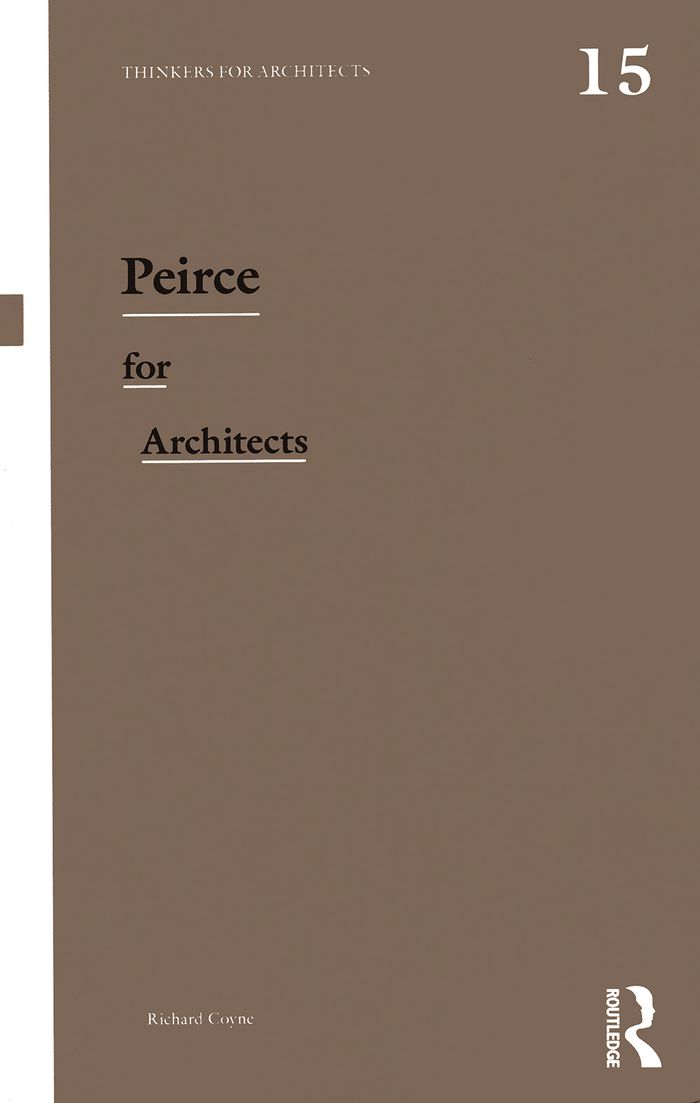
Ideas gain legitimacy as they are put to some practical use. A study of Charles Sanders Peirce (1839-1914) supports this pragmatism as a way of thinking about truth and meaning. Architecture has a strong pragmatic strand, not least as we think of building users, architecture as a practice, the practical demands of building, and utility. Peirce's commitment to logic led him to investigate the basic elements of logical statements, notably the element of the sign. His best-known contribution to design revolves around his intricate theory of semiotics, the science of signs. The study of semiotics divided around the 1980s between advocates of Peirce's semiotics, and the broader, more politically charged field of structuralism. The latter has held sway in architectural discourse since the 1980s. Why this happened and what we gain by reviving a Peircean semiotics is the task of this book.
Peirce for Architects
Actions:
Price:
$48.95
(available to order)
Summary:
Ideas gain legitimacy as they are put to some practical use. A study of Charles Sanders Peirce (1839-1914) supports this pragmatism as a way of thinking about truth and meaning. Architecture has a strong pragmatic strand, not least as we think of building users, architecture as a practice, the practical demands of building, and utility. Peirce's commitment to logic led him to investigate the basic elements of logical statements, notably the element of the sign. His best-known contribution to design revolves around his intricate theory of semiotics, the science of signs. The study of semiotics divided around the 1980s between advocates of Peirce's semiotics, and the broader, more politically charged field of structuralism. The latter has held sway in architectural discourse since the 1980s. Why this happened and what we gain by reviving a Peircean semiotics is the task of this book.
Form:
books
books
Publication:
March 2019
March 2019
Subject:
Architectural Theory
Architectural Theory
Form:
books
books
Actions:
Price:
$45.00
(available to order)
Summary:
Since the mid-19th century, the idea of California has lured many waves of migrants. Here, writer and editor Lyra Kilston explores a less examined attraction: the region’s promise of better health. From ailing families seeking a miracle climate cure to iconoclasts and dropouts pursuing a remedy to societal corruption, the abundance of sunshine and untamed nature around(...)
$45.00
(available to order)
Summary:
Since the mid-19th century, the idea of California has lured many waves of migrants. Here, writer and editor Lyra Kilston explores a less examined attraction: the region’s promise of better health. From ailing families seeking a miracle climate cure to iconoclasts and dropouts pursuing a remedy to societal corruption, the abundance of sunshine and untamed nature around(...)
Title:
Sun seekers: the cure of California
Actions:
Price:
$45.00
(available to order)
Summary:
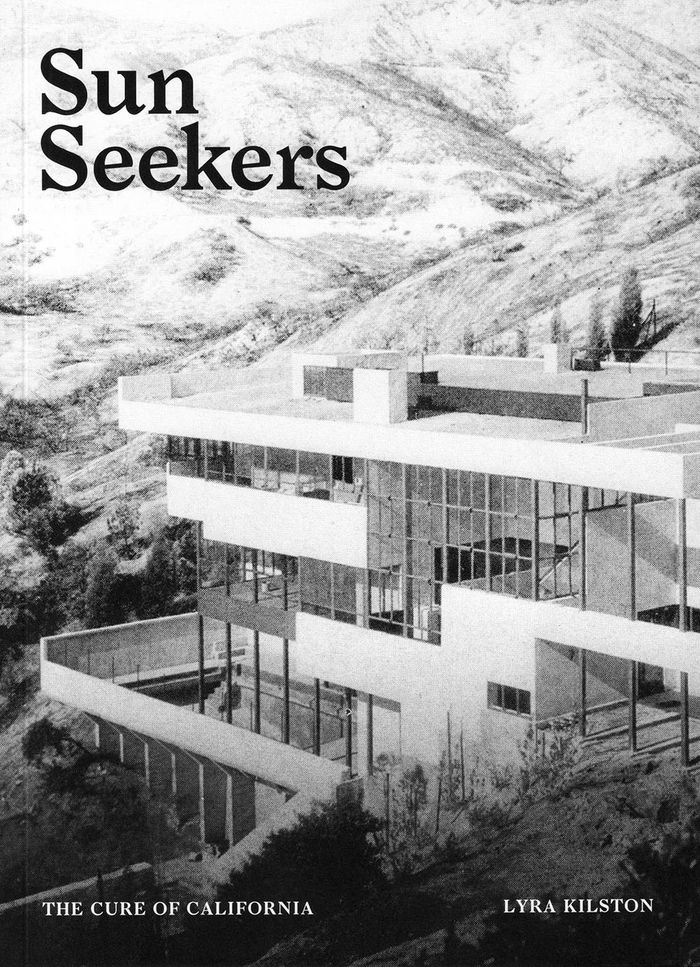
Since the mid-19th century, the idea of California has lured many waves of migrants. Here, writer and editor Lyra Kilston explores a less examined attraction: the region’s promise of better health. From ailing families seeking a miracle climate cure to iconoclasts and dropouts pursuing a remedy to societal corruption, the abundance of sunshine and untamed nature around the small but growing Los Angeles area offered them refuge and inspiration. In the wild west of medical practice, eclectic nature-cure treatments gained popularity. The source for this trend can be traced to the mountains and cold-water springs of Europe, where early sanatoriums were built to offer the natural cures of sun, air, water and diet; this sanatorium architecture was exported to the West Coast from Central Europe, and began to impact other types of building.
Sun seekers: the cure of California
Actions:
Price:
$45.00
(available to order)
Summary:
Since the mid-19th century, the idea of California has lured many waves of migrants. Here, writer and editor Lyra Kilston explores a less examined attraction: the region’s promise of better health. From ailing families seeking a miracle climate cure to iconoclasts and dropouts pursuing a remedy to societal corruption, the abundance of sunshine and untamed nature around the small but growing Los Angeles area offered them refuge and inspiration. In the wild west of medical practice, eclectic nature-cure treatments gained popularity. The source for this trend can be traced to the mountains and cold-water springs of Europe, where early sanatoriums were built to offer the natural cures of sun, air, water and diet; this sanatorium architecture was exported to the West Coast from Central Europe, and began to impact other types of building.
Form:
books
books
Publication:
April 2019
April 2019
Subject:
Architectural Theory
Architectural Theory
Form:
books
books
Price:
$62.00
(available to order)
Summary:
First published in 1966, Robert Venturi’s 'Complexity and Contradiction in Architecture', widely considered the foundational text of postmodernism, has become an essential document in architectural theory and criticism. This new two-volume boxed set presents a facsimile of the original edition paired with a compendium of new scholarship on and around Venturi’s seminal treatise.
$62.00
(available to order)
Summary:
First published in 1966, Robert Venturi’s 'Complexity and Contradiction in Architecture', widely considered the foundational text of postmodernism, has become an essential document in architectural theory and criticism. This new two-volume boxed set presents a facsimile of the original edition paired with a compendium of new scholarship on and around Venturi’s seminal treatise.
Title:
Complexity and Contradiction at fifty: Robert Venturi's "Gentle Manifesto"
Actions:
Price:
$62.00
(available to order)
Summary:
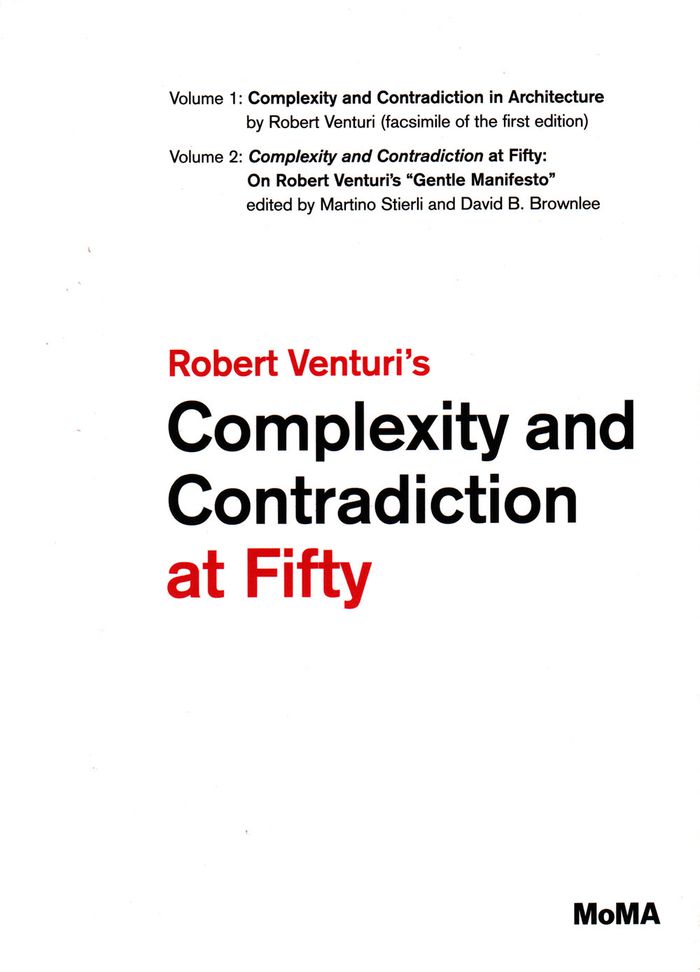
First published in 1966, Robert Venturi’s 'Complexity and Contradiction in Architecture', widely considered the foundational text of postmodernism, has become an essential document in architectural theory and criticism. This new two-volume boxed set presents a facsimile of the original edition paired with a compendium of new scholarship on and around Venturi’s seminal treatise.
Complexity and Contradiction at fifty: Robert Venturi's "Gentle Manifesto"
Actions:
Price:
$62.00
(available to order)
Summary:
First published in 1966, Robert Venturi’s 'Complexity and Contradiction in Architecture', widely considered the foundational text of postmodernism, has become an essential document in architectural theory and criticism. This new two-volume boxed set presents a facsimile of the original edition paired with a compendium of new scholarship on and around Venturi’s seminal treatise.
Form:
books
books
Publication:
July 2019
July 2019
Subject:
Architectural Theory
Architectural Theory
Form:
books
books
Actions:
Price:
$26.95
(available to order)
Summary:
A conversation that seeks to apply the prefix "Xeno-" in philosophical discourse to the discourse of architecture.This book aims to unpack the prefix, probing what it entails--not merely rhetorically but also as a means of practice, in an attempt to bring the ideas it contains more concretely into the domain of architecture. It proposes to link the more philosophical(...)
$26.95
(available to order)
Summary:
A conversation that seeks to apply the prefix "Xeno-" in philosophical discourse to the discourse of architecture.This book aims to unpack the prefix, probing what it entails--not merely rhetorically but also as a means of practice, in an attempt to bring the ideas it contains more concretely into the domain of architecture. It proposes to link the more philosophical(...)
Subject:
Architectural Theory
Architectural Theory
Publication:
March 2019
March 2019
Title:
Perhaps it is high time for a xeno-architecture to match
Actions:
Price:
$26.95
(available to order)
Summary:
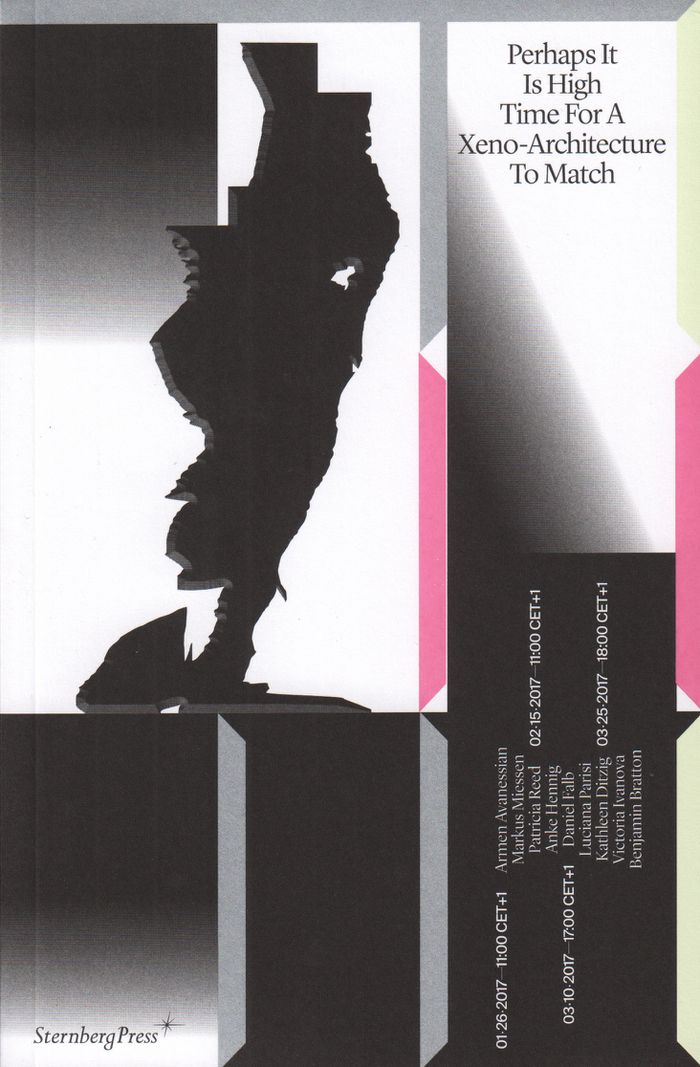
A conversation that seeks to apply the prefix "Xeno-" in philosophical discourse to the discourse of architecture.This book aims to unpack the prefix, probing what it entails--not merely rhetorically but also as a means of practice, in an attempt to bring the ideas it contains more concretely into the domain of architecture. It proposes to link the more philosophical discussions on the notion of xeno with questions of instrumentalization and governance that are necessarily involved in the praxis of architecture. And it relates the significance of legal architecture and technologically driven transformation in the metaphysics of law back to the agenda of xeno-architecture. By researching how architects, artists, thinkers, and activists operating in the spatial field might endorse a process of "alienation" to confront global issues, this project attempts to re-radicalize spatial practice.
Perhaps it is high time for a xeno-architecture to match
Actions:
Price:
$26.95
(available to order)
Summary:
A conversation that seeks to apply the prefix "Xeno-" in philosophical discourse to the discourse of architecture.This book aims to unpack the prefix, probing what it entails--not merely rhetorically but also as a means of practice, in an attempt to bring the ideas it contains more concretely into the domain of architecture. It proposes to link the more philosophical discussions on the notion of xeno with questions of instrumentalization and governance that are necessarily involved in the praxis of architecture. And it relates the significance of legal architecture and technologically driven transformation in the metaphysics of law back to the agenda of xeno-architecture. By researching how architects, artists, thinkers, and activists operating in the spatial field might endorse a process of "alienation" to confront global issues, this project attempts to re-radicalize spatial practice.
Form:
books
books
Publication:
March 2019
March 2019
Subject:
Architectural Theory
Architectural Theory
Form:
books
books
Title:
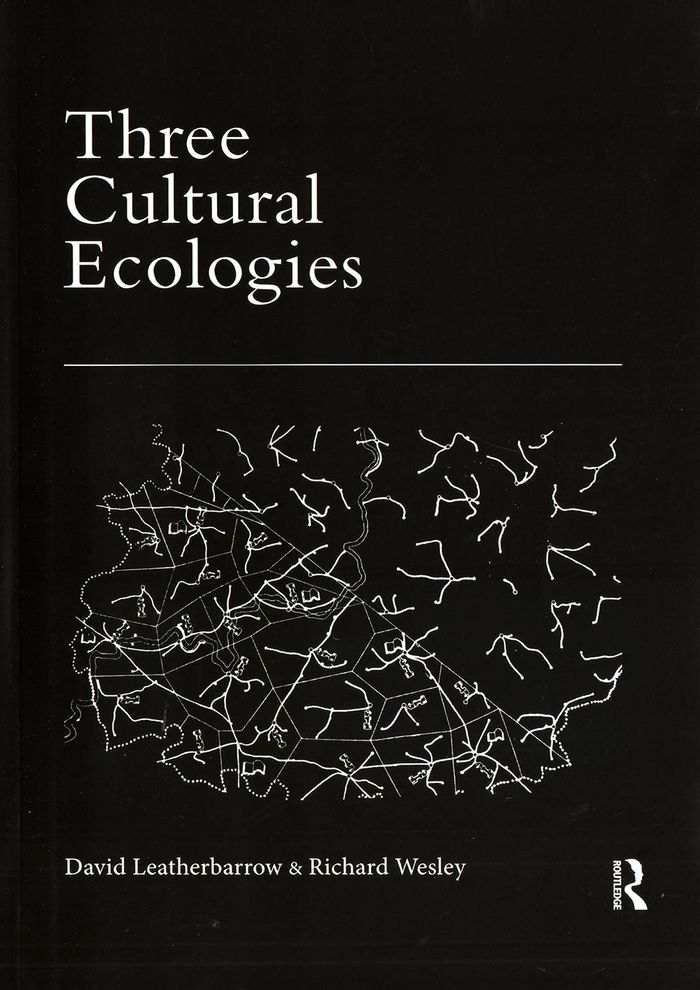
Three cultural ecologies
Three cultural ecologies
Actions:
Price:
$71.95
(available to order)
Summary:
"Three Cultural Ecologies" reverses common conceptions of modern architecture. It reveals how selected works of two modern architects, Le Corbusier and Frank Lloyd Wright, embraced environmental and cultural conditions as reciprocal and complementary.
$71.95
(available to order)
Summary:
"Three Cultural Ecologies" reverses common conceptions of modern architecture. It reveals how selected works of two modern architects, Le Corbusier and Frank Lloyd Wright, embraced environmental and cultural conditions as reciprocal and complementary.
Title:
Three cultural ecologies
Actions:
Price:
$71.95
(available to order)
Summary:
"Three Cultural Ecologies" reverses common conceptions of modern architecture. It reveals how selected works of two modern architects, Le Corbusier and Frank Lloyd Wright, embraced environmental and cultural conditions as reciprocal and complementary.
Three cultural ecologies
Actions:
Price:
$71.95
(available to order)
Summary:
"Three Cultural Ecologies" reverses common conceptions of modern architecture. It reveals how selected works of two modern architects, Le Corbusier and Frank Lloyd Wright, embraced environmental and cultural conditions as reciprocal and complementary.
Form:
books
books
Publication:
June 2019
June 2019
Subject:
Architectural Theory
Architectural Theory
Form:
books
books
Price:
$67.95
(available to order)
Summary:
"The Architecture of Ruins: Designs on the Past, Present and Future" identifies an alternative and significant history of architecture from the sixteenth century to the twenty-first century, in which a building is designed, occupied and imagined as a ruin. This design practice conceives a monument and a ruin as creative, interdependent and simultaneous themes within a(...)
$67.95
(available to order)
Summary:
"The Architecture of Ruins: Designs on the Past, Present and Future" identifies an alternative and significant history of architecture from the sixteenth century to the twenty-first century, in which a building is designed, occupied and imagined as a ruin. This design practice conceives a monument and a ruin as creative, interdependent and simultaneous themes within a(...)
Title:
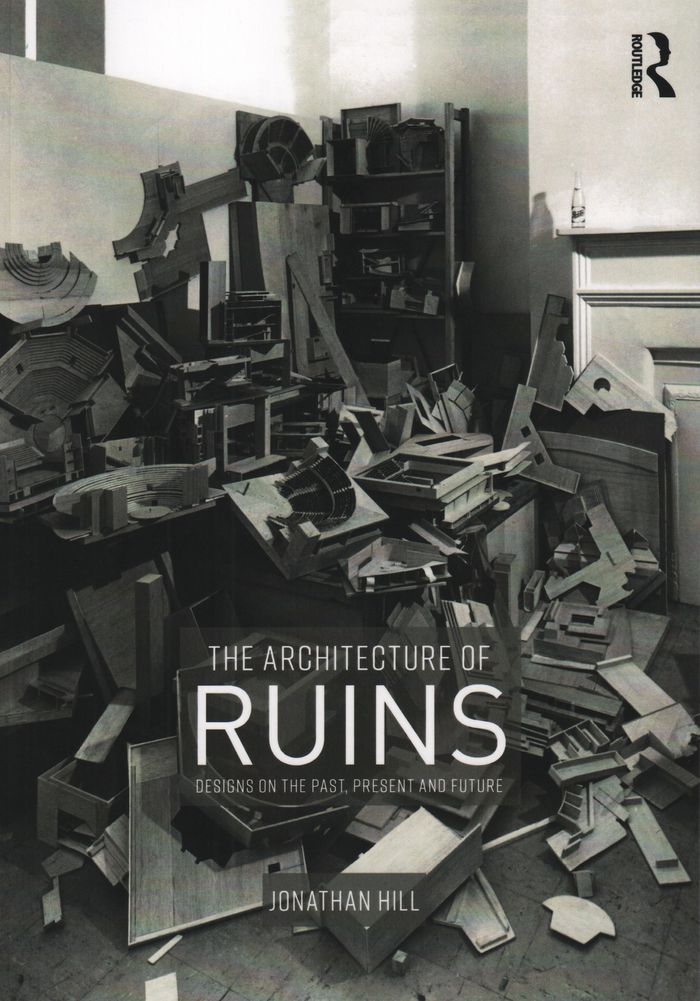
The architecture of ruins: designs on past, present and future
Actions:
Price:
$67.95
(available to order)
Summary:
"The Architecture of Ruins: Designs on the Past, Present and Future" identifies an alternative and significant history of architecture from the sixteenth century to the twenty-first century, in which a building is designed, occupied and imagined as a ruin. This design practice conceives a monument and a ruin as creative, interdependent and simultaneous themes within a single building dialectic, addressing temporal and environmental questions in poetic, psychological and practical terms, and stimulating questions of personal and national identity, nature and culture, weather and climate, permanence and impermanence and life and death. Conceiving a building as a dialogue between a monument and a ruin intensifies the already blurred relations between the unfinished and the ruined and envisages the past, the present and the future in a single architecture.
The architecture of ruins: designs on past, present and future
Actions:
Price:
$67.95
(available to order)
Summary:
"The Architecture of Ruins: Designs on the Past, Present and Future" identifies an alternative and significant history of architecture from the sixteenth century to the twenty-first century, in which a building is designed, occupied and imagined as a ruin. This design practice conceives a monument and a ruin as creative, interdependent and simultaneous themes within a single building dialectic, addressing temporal and environmental questions in poetic, psychological and practical terms, and stimulating questions of personal and national identity, nature and culture, weather and climate, permanence and impermanence and life and death. Conceiving a building as a dialogue between a monument and a ruin intensifies the already blurred relations between the unfinished and the ruined and envisages the past, the present and the future in a single architecture.
Form:
books
books
Publication:
April 2019
April 2019
Subject:
Architectural Theory
Architectural Theory
Form:
books
books
Actions:
Price:
$55.90
(available to order)
Summary:
In this manifesto, Nadir Lahiji asserts that today, architectonic reason has fallen into ruins. As soon as architecture leaves the limits set to it by architectonic reason, no other path is open to it but the path to aestheticism. In its reduction to a pure aesthetic object, architecture negatively affects the human sensorium. Capitalist consumer society creates desires(...)
$55.90
(available to order)
Summary:
In this manifesto, Nadir Lahiji asserts that today, architectonic reason has fallen into ruins. As soon as architecture leaves the limits set to it by architectonic reason, no other path is open to it but the path to aestheticism. In its reduction to a pure aesthetic object, architecture negatively affects the human sensorium. Capitalist consumer society creates desires(...)
Title:
An architecture manifesto: critical reason and theories of a failed practice
Actions:
Price:
$55.90
(available to order)
Summary:
In this manifesto, Nadir Lahiji asserts that today, architectonic reason has fallen into ruins. As soon as architecture leaves the limits set to it by architectonic reason, no other path is open to it but the path to aestheticism. In its reduction to a pure aesthetic object, architecture negatively affects the human sensorium. Capitalist consumer society creates desires by generating ‘surplus-enjoyment’ for capitalist profit and contemporary architecture has become an instrument in generating this ‘surplus-enjoyment’, with fatal consequences. This manifesto is thus both a critique and a work of theory. It is a siren, alarm, klaxon to the current status quo within architectural discourse and a timely response to the conditions of architecture today.
An architecture manifesto: critical reason and theories of a failed practice
Actions:
Price:
$55.90
(available to order)
Summary:
In this manifesto, Nadir Lahiji asserts that today, architectonic reason has fallen into ruins. As soon as architecture leaves the limits set to it by architectonic reason, no other path is open to it but the path to aestheticism. In its reduction to a pure aesthetic object, architecture negatively affects the human sensorium. Capitalist consumer society creates desires by generating ‘surplus-enjoyment’ for capitalist profit and contemporary architecture has become an instrument in generating this ‘surplus-enjoyment’, with fatal consequences. This manifesto is thus both a critique and a work of theory. It is a siren, alarm, klaxon to the current status quo within architectural discourse and a timely response to the conditions of architecture today.
Form:
books
books
Publication:
March 2019
March 2019
Subject:
Architectural Theory
Architectural Theory
Form:
books
books
Title:
Architecture of defeat
Architecture of defeat
Actions:
Price:
$57.95
(available to order)
Summary:
Kengo Kuma's ''Architecture of defeat,'' now available in English for the first time, explores events and architectural trends in the twentieth and twenty-first centuries in both Japan and beyond. It brings together a collection of essays which Kuma wrote after disasters such as the destruction of the World Trade Center in New York City on 9/11 and the earthquake and(...)
$57.95
(available to order)
Summary:
Kengo Kuma's ''Architecture of defeat,'' now available in English for the first time, explores events and architectural trends in the twentieth and twenty-first centuries in both Japan and beyond. It brings together a collection of essays which Kuma wrote after disasters such as the destruction of the World Trade Center in New York City on 9/11 and the earthquake and(...)
Title:
Architecture of defeat
Actions:
Price:
$57.95
(available to order)
Summary:
Kengo Kuma's ''Architecture of defeat,'' now available in English for the first time, explores events and architectural trends in the twentieth and twenty-first centuries in both Japan and beyond. It brings together a collection of essays which Kuma wrote after disasters such as the destruction of the World Trade Center in New York City on 9/11 and the earthquake and tsunami that obliterated much of the built landscape on Japan’s northern shore in a matter of minutes in 2011. Asking if we have been building in a manner that is too self-confident or arrogant, he examines architecture’s intrinsic- and often problematic- relationship to the powerful forces of contemporary politics, economics, consumerism, and technology, as well as its vital ties to society.
Architecture of defeat
Actions:
Price:
$57.95
(available to order)
Summary:
Kengo Kuma's ''Architecture of defeat,'' now available in English for the first time, explores events and architectural trends in the twentieth and twenty-first centuries in both Japan and beyond. It brings together a collection of essays which Kuma wrote after disasters such as the destruction of the World Trade Center in New York City on 9/11 and the earthquake and tsunami that obliterated much of the built landscape on Japan’s northern shore in a matter of minutes in 2011. Asking if we have been building in a manner that is too self-confident or arrogant, he examines architecture’s intrinsic- and often problematic- relationship to the powerful forces of contemporary politics, economics, consumerism, and technology, as well as its vital ties to society.
Form:
books
books
Publication:
June 2019
June 2019
Subject:
Architectural Theory
Architectural Theory
Form:
books
books
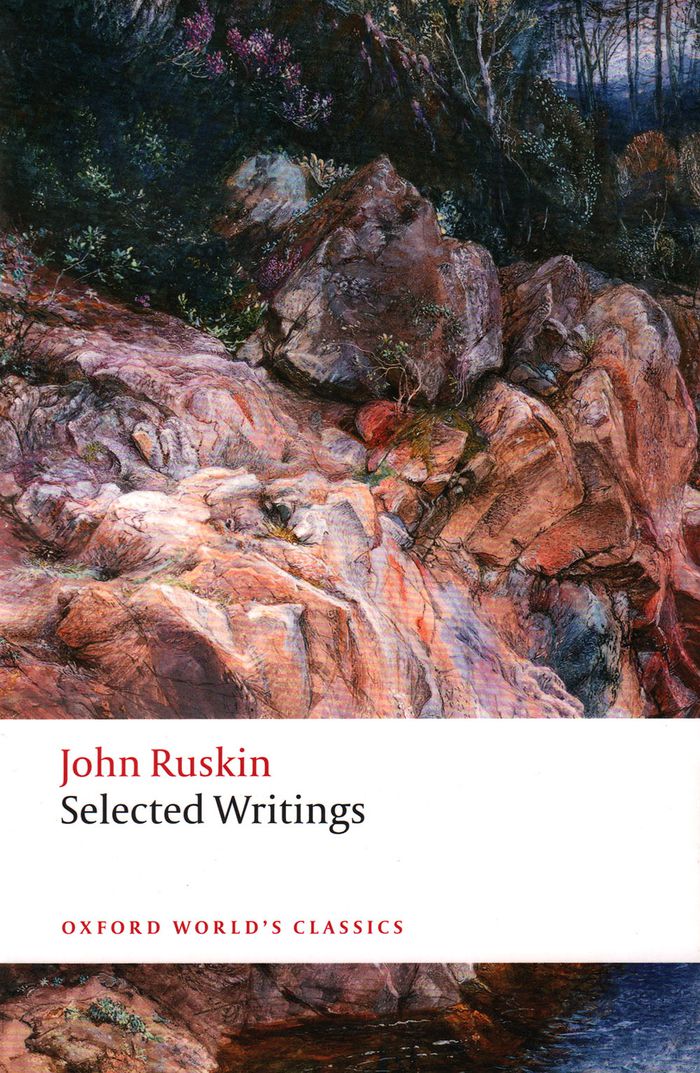
Title:
Selected writings
Selected writings
Actions:
Price:
$16.50
(available to order)
Summary:
John Ruskin was the most powerful and influential art critic and social commentator of the Victorian nineteenth century. A true polymath, he wrote about nature, art, architecture, politics, history, myth and much more. All of his work is characterized by a clarity of vision as unsettling and intense now as it was for his first readers. This new selection includes(...)
$16.50
(available to order)
Summary:
John Ruskin was the most powerful and influential art critic and social commentator of the Victorian nineteenth century. A true polymath, he wrote about nature, art, architecture, politics, history, myth and much more. All of his work is characterized by a clarity of vision as unsettling and intense now as it was for his first readers. This new selection includes(...)
Title:
Selected writings
Actions:
Price:
$16.50
(available to order)
Summary:
John Ruskin was the most powerful and influential art critic and social commentator of the Victorian nineteenth century. A true polymath, he wrote about nature, art, architecture, politics, history, myth and much more. All of his work is characterized by a clarity of vision as unsettling and intense now as it was for his first readers. This new selection includes wide-ranging extracts of Ruskin's texts, from the early 1840s to the late 1880s, as well as representative material from each of his major works.
Selected writings
Actions:
Price:
$16.50
(available to order)
Summary:
John Ruskin was the most powerful and influential art critic and social commentator of the Victorian nineteenth century. A true polymath, he wrote about nature, art, architecture, politics, history, myth and much more. All of his work is characterized by a clarity of vision as unsettling and intense now as it was for his first readers. This new selection includes wide-ranging extracts of Ruskin's texts, from the early 1840s to the late 1880s, as well as representative material from each of his major works.
Form:
books
books
Publication:
February 2009
February 2009
Subject:
Architectural Theory
Architectural Theory
Form:
books
books
Price:
$140.00
(available to order)
Summary:
Sigfried Giedion (1888–1968) and Carola Giedion-Welcker (1893–1979) were among the most influential scholars of art and architectural history during the early twentieth century. Of particular impact was their role in connecting leading protagonists of modernism in architecture, art, and literature, such as Alvar Aalto, Hans Arp, Constantin Brancusi, Marcel Breuer, Max(...)
$140.00
(available to order)
Summary:
Sigfried Giedion (1888–1968) and Carola Giedion-Welcker (1893–1979) were among the most influential scholars of art and architectural history during the early twentieth century. Of particular impact was their role in connecting leading protagonists of modernism in architecture, art, and literature, such as Alvar Aalto, Hans Arp, Constantin Brancusi, Marcel Breuer, Max(...)
Title:
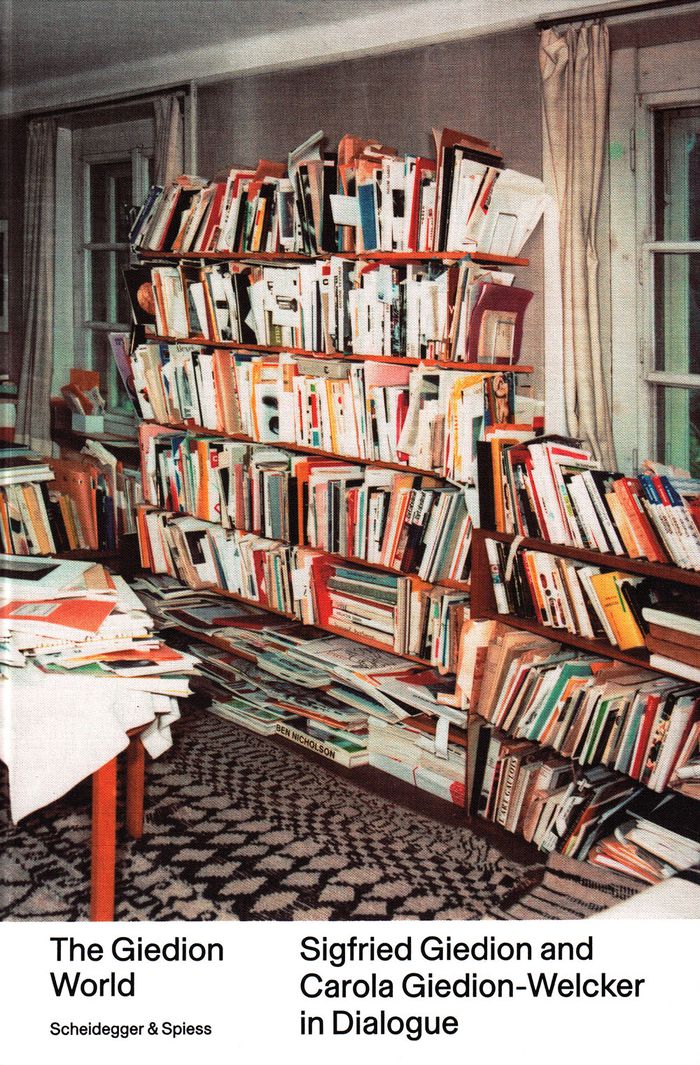
The Giedion world: Sigfried Giedion and Carola Giedion-Welcker in dialogue
Actions:
Price:
$140.00
(available to order)
Summary:
Sigfried Giedion (1888–1968) and Carola Giedion-Welcker (1893–1979) were among the most influential scholars of art and architectural history during the early twentieth century. Of particular impact was their role in connecting leading protagonists of modernism in architecture, art, and literature, such as Alvar Aalto, Hans Arp, Constantin Brancusi, Marcel Breuer, Max Ernst, Walter Gropius, Barbara Hepworth, Le Corbusier, László Moholy-Nagy, Piet Mondrian, and Sophie Taeuber-Arp. The interactions they initiated, for example, on the new vision in photography or the synthesis of arts continue to be highly relevant to the present day. "The Giedion World" offers a long-awaited reevaluation of Sigfried and Carola Giedion-Welcker’s work and lasting significance.
The Giedion world: Sigfried Giedion and Carola Giedion-Welcker in dialogue
Actions:
Price:
$140.00
(available to order)
Summary:
Sigfried Giedion (1888–1968) and Carola Giedion-Welcker (1893–1979) were among the most influential scholars of art and architectural history during the early twentieth century. Of particular impact was their role in connecting leading protagonists of modernism in architecture, art, and literature, such as Alvar Aalto, Hans Arp, Constantin Brancusi, Marcel Breuer, Max Ernst, Walter Gropius, Barbara Hepworth, Le Corbusier, László Moholy-Nagy, Piet Mondrian, and Sophie Taeuber-Arp. The interactions they initiated, for example, on the new vision in photography or the synthesis of arts continue to be highly relevant to the present day. "The Giedion World" offers a long-awaited reevaluation of Sigfried and Carola Giedion-Welcker’s work and lasting significance.
Form:
books
books
Publication:
June 2019
June 2019
Subject:
Architectural Theory
Architectural Theory


