


2221 Results
Form:
books
books
Actions:
Price:
$28.95
(available to order)
Summary:
In this volume of the Critical Spatial Practice series, Dennis Pohl locates the origin of Europe's dependency on carbon and nuclear power in the postwar architectural designs and energy policies of the European Community. Since the 1950s, architects have proposed territorial, regional, and urban development plans that served the European political project. They(...)
$28.95
(available to order)
Summary:
In this volume of the Critical Spatial Practice series, Dennis Pohl locates the origin of Europe's dependency on carbon and nuclear power in the postwar architectural designs and energy policies of the European Community. Since the 1950s, architects have proposed territorial, regional, and urban development plans that served the European political project. They(...)
Title:
Building carbon europe: Coal, steel and nuclear power. Critical spatial practice
Actions:
Price:
$28.95
(available to order)
Summary:
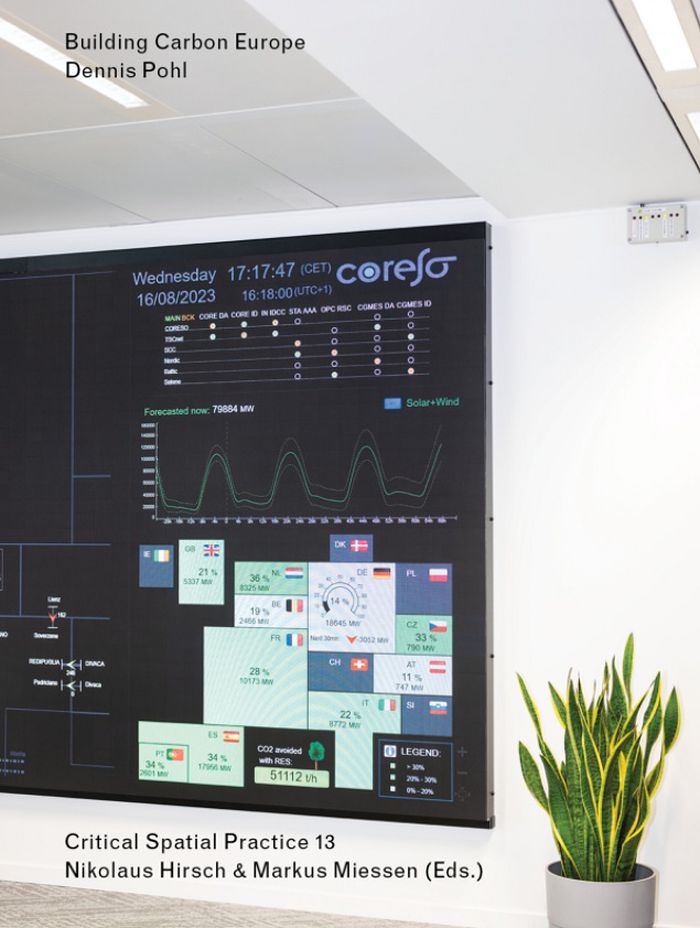
In this volume of the Critical Spatial Practice series, Dennis Pohl locates the origin of Europe's dependency on carbon and nuclear power in the postwar architectural designs and energy policies of the European Community. Since the 1950s, architects have proposed territorial, regional, and urban development plans that served the European political project. They collaborated with the European Coal and Steel Community in an effort to render the steel building industry as efficient as the car industry; they incorporated the ideas of infinite nuclear energy, as promoted by the European Atomic Energy Community, into their designs. This book demonstrates how architecture served the political economy of postwar Europe as a means of turning coal, steel, and radioactivity into tools of European governance. Architectural design enabled EU institutions to support social policies and worker housing within the coal and steel industry as well as to promote a new pan-European lifestyle based on nuclear energy. In other words, architecture powered Europe's larger infrastructural, economic, and cultural network. Pohl's work not only sheds light on how architecture has contributed to the carbonization of Europe, it also highlights the environmental issue, which challenges both architectural criticism and historiography in the era of the Anthropocene.
Building carbon europe: Coal, steel and nuclear power. Critical spatial practice
Actions:
Price:
$28.95
(available to order)
Summary:
In this volume of the Critical Spatial Practice series, Dennis Pohl locates the origin of Europe's dependency on carbon and nuclear power in the postwar architectural designs and energy policies of the European Community. Since the 1950s, architects have proposed territorial, regional, and urban development plans that served the European political project. They collaborated with the European Coal and Steel Community in an effort to render the steel building industry as efficient as the car industry; they incorporated the ideas of infinite nuclear energy, as promoted by the European Atomic Energy Community, into their designs. This book demonstrates how architecture served the political economy of postwar Europe as a means of turning coal, steel, and radioactivity into tools of European governance. Architectural design enabled EU institutions to support social policies and worker housing within the coal and steel industry as well as to promote a new pan-European lifestyle based on nuclear energy. In other words, architecture powered Europe's larger infrastructural, economic, and cultural network. Pohl's work not only sheds light on how architecture has contributed to the carbonization of Europe, it also highlights the environmental issue, which challenges both architectural criticism and historiography in the era of the Anthropocene.
Form:
books
books
Publication:
April 2024
April 2024
Subject:
Architectural Theory
Architectural Theory
Form:
books
books
Price:
$38.95
(available in store)
Summary:
This anthology presents work on cultures of assembly. It stresses the relevance of small-scale and decentralized spatial formats of local knowledge production to community building and embedded political decision-making in the context of the socio-ecological transition. It reinforces the role of both individual and collective action while proposing distributed assembly(...)
$38.95
(available in store)
Summary:
This anthology presents work on cultures of assembly. It stresses the relevance of small-scale and decentralized spatial formats of local knowledge production to community building and embedded political decision-making in the context of the socio-ecological transition. It reinforces the role of both individual and collective action while proposing distributed assembly(...)
Title:
Agonistic assemblies: On the spatial politics of horizontality
Actions:
Price:
$38.95
(available in store)
Summary:
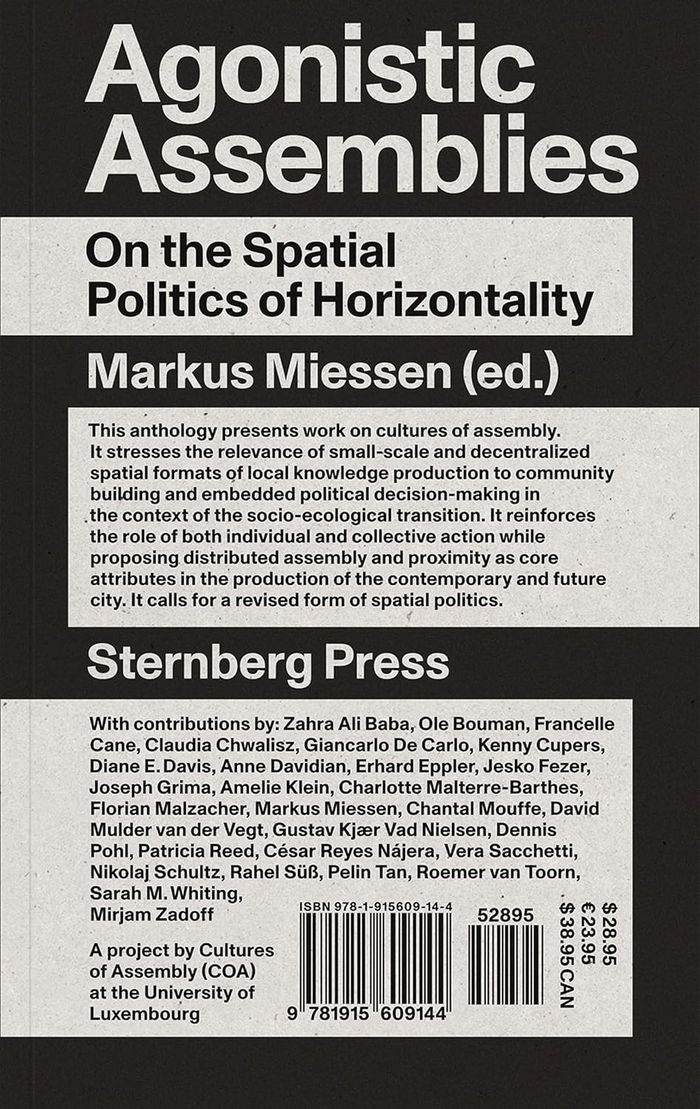
This anthology presents work on cultures of assembly. It stresses the relevance of small-scale and decentralized spatial formats of local knowledge production to community building and embedded political decision-making in the context of the socio-ecological transition. It reinforces the role of both individual and collective action while proposing distributed assembly and proximity as core attributes in the production of the contemporary and future city. It calls for a revised form of spatial politics. "Agonistic assemblies" asks: how can spaces—both physical and virtual—be envisaged to create publics? How is collectivity and society being generated spatially and in terms of policy? How do we “practice” society as a bodily, spatial form, and how does this practice contribute to spatial justice? Are there specific spatial settings that can intensify these practices? What kind of spatial design can we imagine as platforms for change?
Agonistic assemblies: On the spatial politics of horizontality
Actions:
Price:
$38.95
(available in store)
Summary:
This anthology presents work on cultures of assembly. It stresses the relevance of small-scale and decentralized spatial formats of local knowledge production to community building and embedded political decision-making in the context of the socio-ecological transition. It reinforces the role of both individual and collective action while proposing distributed assembly and proximity as core attributes in the production of the contemporary and future city. It calls for a revised form of spatial politics. "Agonistic assemblies" asks: how can spaces—both physical and virtual—be envisaged to create publics? How is collectivity and society being generated spatially and in terms of policy? How do we “practice” society as a bodily, spatial form, and how does this practice contribute to spatial justice? Are there specific spatial settings that can intensify these practices? What kind of spatial design can we imagine as platforms for change?
Form:
books
books
Publication:
June 2024
June 2024
Subject:
Architectural Theory
Architectural Theory
Form:
books
books
Actions:
Price:
$25.95
(available in store)
Summary:
An ever-increasing proportion of our lives is spent in supermarkets, airports and hotels, on motorways or in front of TVs, computer and cash machines. This invasion of the world by what Marc Auge calls 'non-space' results in a profound alteration of awareness: something we perceive, but only in a partial and incoherent manner. Auge uses the concept of 'supermodernity' to(...)
$25.95
(available in store)
Summary:
An ever-increasing proportion of our lives is spent in supermarkets, airports and hotels, on motorways or in front of TVs, computer and cash machines. This invasion of the world by what Marc Auge calls 'non-space' results in a profound alteration of awareness: something we perceive, but only in a partial and incoherent manner. Auge uses the concept of 'supermodernity' to(...)
Title:
Non-places: An introduction to supermodernity
Actions:
Price:
$25.95
(available in store)
Summary:
An ever-increasing proportion of our lives is spent in supermarkets, airports and hotels, on motorways or in front of TVs, computer and cash machines. This invasion of the world by what Marc Auge calls 'non-space' results in a profound alteration of awareness: something we perceive, but only in a partial and incoherent manner. Auge uses the concept of 'supermodernity' to describe the logic of these late-capitalist phenomena - a logic of excessive information and excessive space. In this fascinating and lucid essay he seeks to establish and intellectual armature for an anthropology of supermodernity. Starting with an attempt to disentangle anthropology from history, Auge goes on to map the distinction between place, encrusted with historical monuments and creative social life, and non-place, to which individuals are connected in a uniform manner and where no organic social life is possible.
Non-places: An introduction to supermodernity
Actions:
Price:
$25.95
(available in store)
Summary:
An ever-increasing proportion of our lives is spent in supermarkets, airports and hotels, on motorways or in front of TVs, computer and cash machines. This invasion of the world by what Marc Auge calls 'non-space' results in a profound alteration of awareness: something we perceive, but only in a partial and incoherent manner. Auge uses the concept of 'supermodernity' to describe the logic of these late-capitalist phenomena - a logic of excessive information and excessive space. In this fascinating and lucid essay he seeks to establish and intellectual armature for an anthropology of supermodernity. Starting with an attempt to disentangle anthropology from history, Auge goes on to map the distinction between place, encrusted with historical monuments and creative social life, and non-place, to which individuals are connected in a uniform manner and where no organic social life is possible.
Form:
books
books
Publication:
November 2023
November 2023
Subject:
Architectural Theory
Architectural Theory
Form:
books
books
Actions:
Price:
$34.99
(available to order)
Summary:
"Horror in architecture" presents an unflinching look at how horror genre tropes manifest in the built environment. Spanning the realms of art, design, literature, and film, this newly revised and expanded edition compiles examples from all areas of popular culture to form a visual anthology of the architectural uncanny. Rooted in the Romantic and Gothic treatment of(...)
$34.99
(available to order)
Summary:
"Horror in architecture" presents an unflinching look at how horror genre tropes manifest in the built environment. Spanning the realms of art, design, literature, and film, this newly revised and expanded edition compiles examples from all areas of popular culture to form a visual anthology of the architectural uncanny. Rooted in the Romantic and Gothic treatment of(...)
Title:
Horror in architecture: The reanimated edition
Actions:
Price:
$34.99
(available to order)
Summary:
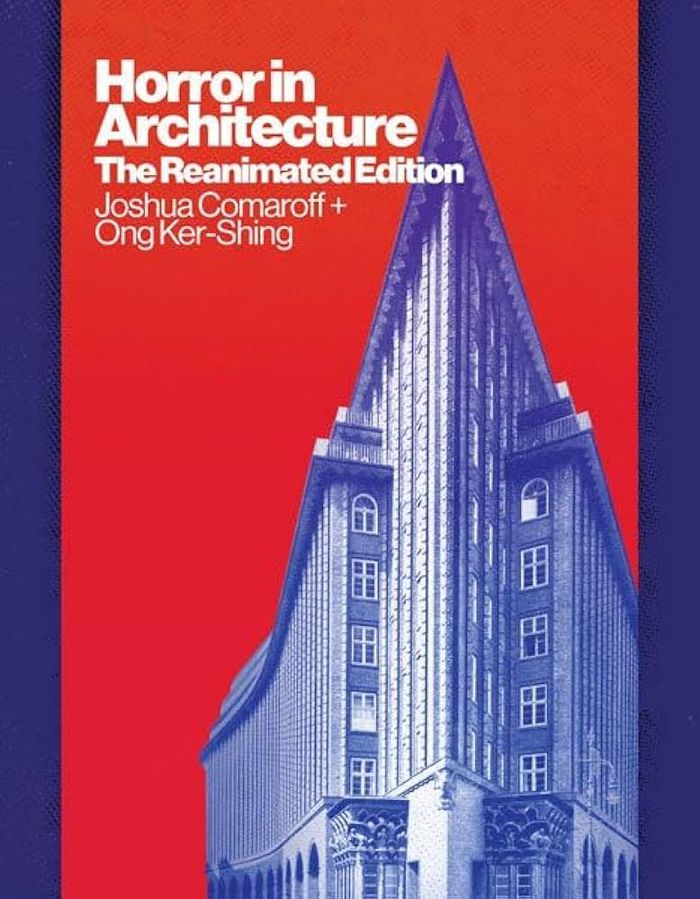
"Horror in architecture" presents an unflinching look at how horror genre tropes manifest in the built environment. Spanning the realms of art, design, literature, and film, this newly revised and expanded edition compiles examples from all areas of popular culture to form a visual anthology of the architectural uncanny. Rooted in the Romantic and Gothic treatment of horror as a serious aesthetic category, "Horror in architecture" establishes incisive links between contemporary horror media and its parallel traits found in various architectural designs. Through chapters dedicated to distorted and monstrous buildings, abandoned spaces, extremes of scale, and other structural peculiarities, and featuring new essays on insurgent natures, blobs, and architectural puppets, this volume brings together diverse architectural anomalies and shows how their unsettling effects deepen our fascination with the unreal. Intended for both horror fans and students of visual culture, Horror in Architecture turns a unique lens on the relationship between the human body and the artificial landscapes it inhabits. Extensively illustrated with photographs, film stills, and diagrams, this book retrieves horror from the cultural fringes and demonstrates how its attributes permeate the modern condition and the material world.
Horror in architecture: The reanimated edition
Actions:
Price:
$34.99
(available to order)
Summary:
"Horror in architecture" presents an unflinching look at how horror genre tropes manifest in the built environment. Spanning the realms of art, design, literature, and film, this newly revised and expanded edition compiles examples from all areas of popular culture to form a visual anthology of the architectural uncanny. Rooted in the Romantic and Gothic treatment of horror as a serious aesthetic category, "Horror in architecture" establishes incisive links between contemporary horror media and its parallel traits found in various architectural designs. Through chapters dedicated to distorted and monstrous buildings, abandoned spaces, extremes of scale, and other structural peculiarities, and featuring new essays on insurgent natures, blobs, and architectural puppets, this volume brings together diverse architectural anomalies and shows how their unsettling effects deepen our fascination with the unreal. Intended for both horror fans and students of visual culture, Horror in Architecture turns a unique lens on the relationship between the human body and the artificial landscapes it inhabits. Extensively illustrated with photographs, film stills, and diagrams, this book retrieves horror from the cultural fringes and demonstrates how its attributes permeate the modern condition and the material world.
Form:
books
books
Publication:
January 2024
January 2024
Subject:
Architectural Theory
Architectural Theory
Form:
books
books
Actions:
Price:
$48.99
(available to order)
Summary:
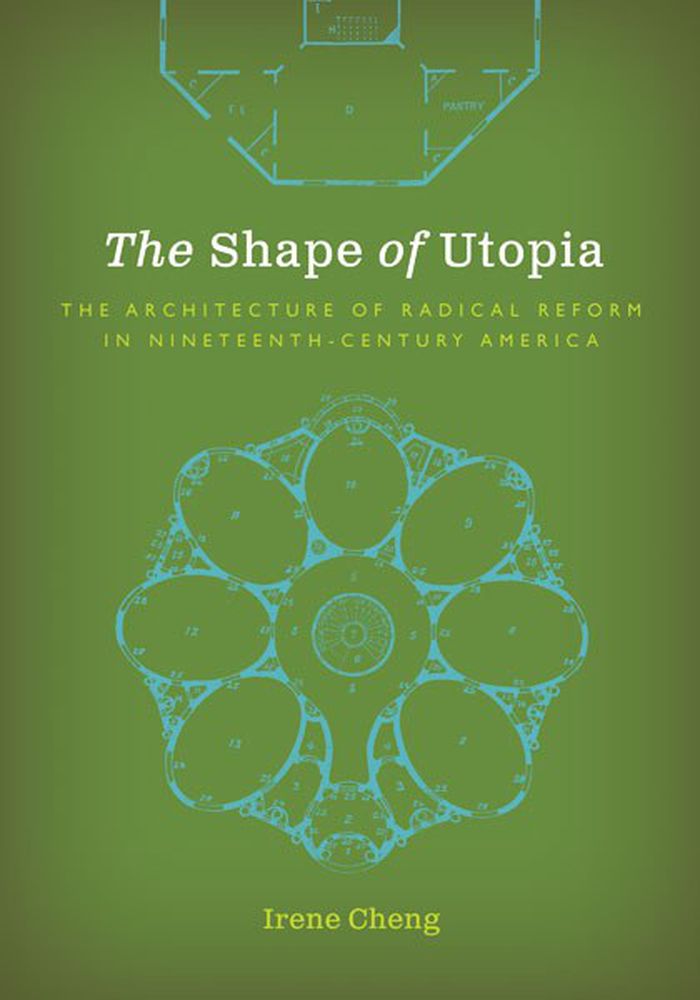
''The shape of utopia'' documents a pivotal moment in American history when ordinary people ardently believed in the potential to reshape society. Highlighting the inherent political capacity of architecture, Irene Cheng showcases how visionary utopian planners in the mid-nineteenth century used their blueprints as persuasive visual rhetoric that could mobilize others to(...)
$48.99
(available to order)
Summary:
''The shape of utopia'' documents a pivotal moment in American history when ordinary people ardently believed in the potential to reshape society. Highlighting the inherent political capacity of architecture, Irene Cheng showcases how visionary utopian planners in the mid-nineteenth century used their blueprints as persuasive visual rhetoric that could mobilize others to(...)
Title:
The shape of utopia: The architecture of radical reform in nineteenth-century America
Actions:
Price:
$48.99
(available to order)
Summary:
''The shape of utopia'' documents a pivotal moment in American history when ordinary people ardently believed in the potential to reshape society. Highlighting the inherent political capacity of architecture, Irene Cheng showcases how visionary utopian planners in the mid-nineteenth century used their blueprints as persuasive visual rhetoric that could mobilize others to share in their aspirations for a better world.
The shape of utopia: The architecture of radical reform in nineteenth-century America
Actions:
Price:
$48.99
(available to order)
Summary:
''The shape of utopia'' documents a pivotal moment in American history when ordinary people ardently believed in the potential to reshape society. Highlighting the inherent political capacity of architecture, Irene Cheng showcases how visionary utopian planners in the mid-nineteenth century used their blueprints as persuasive visual rhetoric that could mobilize others to share in their aspirations for a better world.
Form:
books
books
Publication:
August 2023
August 2023
Subject:
Architectural Theory
Architectural Theory
Form:
books
books
Actions:
Price:
$29.95
(available in store)
Summary:
Ce manifeste, à la croisée de l’architecture, de l’esthétique et de l’ingénierie, appelle à réactiver le sens pratique de la décoration d'intérieur, tel qu’il existait avant le XXe siècle. Les fonctions climatiques des tapis, tapisseries, rideaux, miroirs ou paravents ont été oubliées avec la modernité. Ces objets ont été réduits à leur seule dimension symbolique par(...)
$29.95
(available in store)
Summary:
Ce manifeste, à la croisée de l’architecture, de l’esthétique et de l’ingénierie, appelle à réactiver le sens pratique de la décoration d'intérieur, tel qu’il existait avant le XXe siècle. Les fonctions climatiques des tapis, tapisseries, rideaux, miroirs ou paravents ont été oubliées avec la modernité. Ces objets ont été réduits à leur seule dimension symbolique par(...)
Title:
Manifestes 6 : Le style anthropocene
Actions:
Price:
$29.95
(available in store)
Summary:
Ce manifeste, à la croisée de l’architecture, de l’esthétique et de l’ingénierie, appelle à réactiver le sens pratique de la décoration d'intérieur, tel qu’il existait avant le XXe siècle. Les fonctions climatiques des tapis, tapisseries, rideaux, miroirs ou paravents ont été oubliées avec la modernité. Ces objets ont été réduits à leur seule dimension symbolique par l’efficacité des dispositifs énergivores de chauffage ou de climatisation. La nécessité de réduire aujourd’hui les émissions de CO2 et l’énergie consommée, ainsi que la lutte contre les canicules appellent à reprendre en compte la valeur thermique de l’art décoratif du passé, à repenser les modes d’aménagement intérieur, leurs configurations spatiales, formelles et matérielles dans une nouvelle optique de performance climatique : une esthétique décorative propre au XXIe siècle que nous proposons de nommer le « style anthropocène ».
Manifestes 6 : Le style anthropocene
Actions:
Price:
$29.95
(available in store)
Summary:
Ce manifeste, à la croisée de l’architecture, de l’esthétique et de l’ingénierie, appelle à réactiver le sens pratique de la décoration d'intérieur, tel qu’il existait avant le XXe siècle. Les fonctions climatiques des tapis, tapisseries, rideaux, miroirs ou paravents ont été oubliées avec la modernité. Ces objets ont été réduits à leur seule dimension symbolique par l’efficacité des dispositifs énergivores de chauffage ou de climatisation. La nécessité de réduire aujourd’hui les émissions de CO2 et l’énergie consommée, ainsi que la lutte contre les canicules appellent à reprendre en compte la valeur thermique de l’art décoratif du passé, à repenser les modes d’aménagement intérieur, leurs configurations spatiales, formelles et matérielles dans une nouvelle optique de performance climatique : une esthétique décorative propre au XXIe siècle que nous proposons de nommer le « style anthropocène ».
Form:
books
books
Publication:
March 2023
March 2023
Subject:
Architectural Theory
Architectural Theory
Form:
books
books
Actions:
Price:
$39.95
(available in store)
Summary:
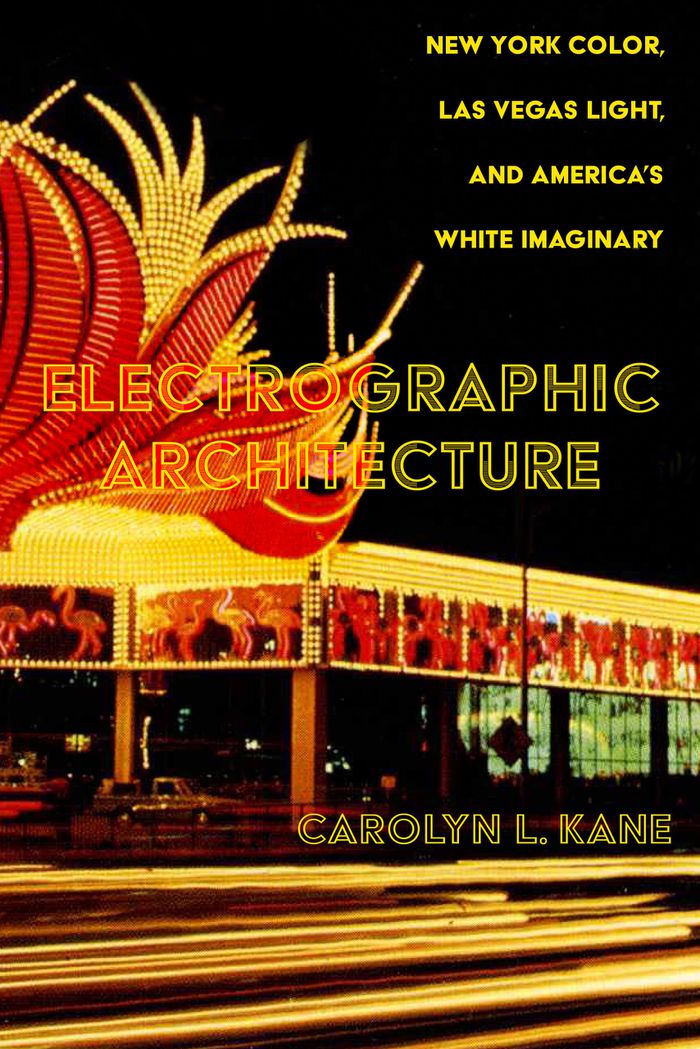
Bridging histories of technology, media studies, and aesthetics, ''Electrographic architecture'' forges a critical narrative of the ways in which illuminated light and color have played key roles in the formation of America's white imaginary. Carolyn L. Kane charts the rise of the country's urban advertisements, light empires, and neoclassical buildings in the early(...)
$39.95
(available in store)
Summary:
Bridging histories of technology, media studies, and aesthetics, ''Electrographic architecture'' forges a critical narrative of the ways in which illuminated light and color have played key roles in the formation of America's white imaginary. Carolyn L. Kane charts the rise of the country's urban advertisements, light empires, and neoclassical buildings in the early(...)
Title:
Electrographic architecture: New York color, Las Vegas light, and America's white imaginary
Actions:
Price:
$39.95
(available in store)
Summary:
Bridging histories of technology, media studies, and aesthetics, ''Electrographic architecture'' forges a critical narrative of the ways in which illuminated light and color have played key roles in the formation of America's white imaginary. Carolyn L. Kane charts the rise of the country's urban advertisements, light empires, and neoclassical buildings in the early twentieth century; the midcentury construction of polychromatic electrographic spectacles; and their eclipse by informatically intense, invisible algorithms at the dawn of the new millennium. Drawing on archival research, interviews, and visual analysis, Electrographic Architecture shows how the development of America's electrographic surround runs parallel to a new paradigm of power, property, and possession.
Electrographic architecture: New York color, Las Vegas light, and America's white imaginary
Actions:
Price:
$39.95
(available in store)
Summary:
Bridging histories of technology, media studies, and aesthetics, ''Electrographic architecture'' forges a critical narrative of the ways in which illuminated light and color have played key roles in the formation of America's white imaginary. Carolyn L. Kane charts the rise of the country's urban advertisements, light empires, and neoclassical buildings in the early twentieth century; the midcentury construction of polychromatic electrographic spectacles; and their eclipse by informatically intense, invisible algorithms at the dawn of the new millennium. Drawing on archival research, interviews, and visual analysis, Electrographic Architecture shows how the development of America's electrographic surround runs parallel to a new paradigm of power, property, and possession.
Form:
books
books
Publication:
August 2023
August 2023
Subject:
Architectural Theory
Architectural Theory
Form:
books
books
Actions:
Price:
$55.00
(available to order)
Summary:
In ''The Villa'', James Ackerman explores villa building in the West from ancient Rome to twentieth-century France and America. In this wide-ranging book, he illuminates such topics as the early villas of the Medici, the rise of the Palladian villa in England, and the modern villas of Frank Lloyd Wright and Le Corbusier. Ackerman uses the phenomenon of the 'country place'(...)
$55.00
(available to order)
Summary:
In ''The Villa'', James Ackerman explores villa building in the West from ancient Rome to twentieth-century France and America. In this wide-ranging book, he illuminates such topics as the early villas of the Medici, the rise of the Palladian villa in England, and the modern villas of Frank Lloyd Wright and Le Corbusier. Ackerman uses the phenomenon of the 'country place'(...)
Title:
The Villa: Form and ideology of country houses
Actions:
Price:
$55.00
(available to order)
Summary:
In ''The Villa'', James Ackerman explores villa building in the West from ancient Rome to twentieth-century France and America. In this wide-ranging book, he illuminates such topics as the early villas of the Medici, the rise of the Palladian villa in England, and the modern villas of Frank Lloyd Wright and Le Corbusier. Ackerman uses the phenomenon of the 'country place' as a focus for examining the relationships between urban and rural life, between building and the natural environment, and between architectural design and social, cultural, economic, and political forces. ''The villa,'' he reminds us, ''accommodates a fantasy which is impervious to reality.'' As city dwellers idealized country life, the villa, unlike the farmhouse, became associated with pleasure and asserted its modernity and status as a product of the architect’s imagination.
The Villa: Form and ideology of country houses
Actions:
Price:
$55.00
(available to order)
Summary:
In ''The Villa'', James Ackerman explores villa building in the West from ancient Rome to twentieth-century France and America. In this wide-ranging book, he illuminates such topics as the early villas of the Medici, the rise of the Palladian villa in England, and the modern villas of Frank Lloyd Wright and Le Corbusier. Ackerman uses the phenomenon of the 'country place' as a focus for examining the relationships between urban and rural life, between building and the natural environment, and between architectural design and social, cultural, economic, and political forces. ''The villa,'' he reminds us, ''accommodates a fantasy which is impervious to reality.'' As city dwellers idealized country life, the villa, unlike the farmhouse, became associated with pleasure and asserted its modernity and status as a product of the architect’s imagination.
Form:
books
books
Publication:
August 2023
August 2023
Subject:
Architectural Theory
Architectural Theory
Form:
books
books
Price:
$87.95
(available to order)
Summary:
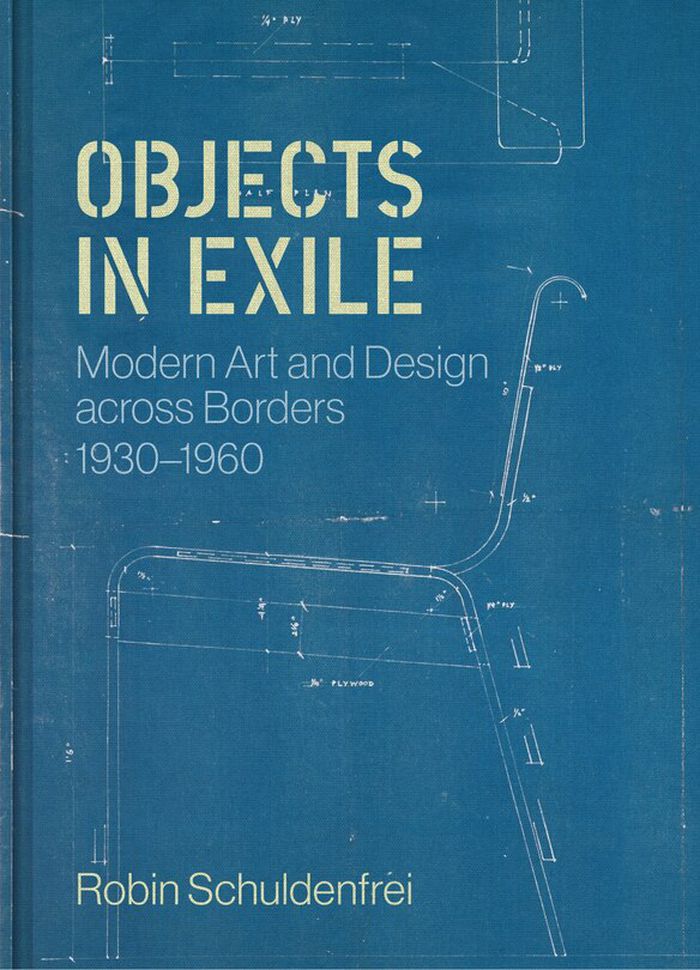
Shedding critical light on how the pressures of dislocation irrevocably altered the course of modernism, "Objects in exile" shows how artists and designers, forced into exile by circumstances beyond their control, changed in unexpected ways to meet the needs and contexts of an uncertain world.
$87.95
(available to order)
Summary:
Shedding critical light on how the pressures of dislocation irrevocably altered the course of modernism, "Objects in exile" shows how artists and designers, forced into exile by circumstances beyond their control, changed in unexpected ways to meet the needs and contexts of an uncertain world.
Title:
Objects in exile: modern art and design across borders 1930-1960
Actions:
Price:
$87.95
(available to order)
Summary:
Shedding critical light on how the pressures of dislocation irrevocably altered the course of modernism, "Objects in exile" shows how artists and designers, forced into exile by circumstances beyond their control, changed in unexpected ways to meet the needs and contexts of an uncertain world.
Objects in exile: modern art and design across borders 1930-1960
Actions:
Price:
$87.95
(available to order)
Summary:
Shedding critical light on how the pressures of dislocation irrevocably altered the course of modernism, "Objects in exile" shows how artists and designers, forced into exile by circumstances beyond their control, changed in unexpected ways to meet the needs and contexts of an uncertain world.
Form:
books
books
Publication:
January 2024
January 2024
Subject:
Architectural Theory
Architectural Theory
Form:
books
books
Title:
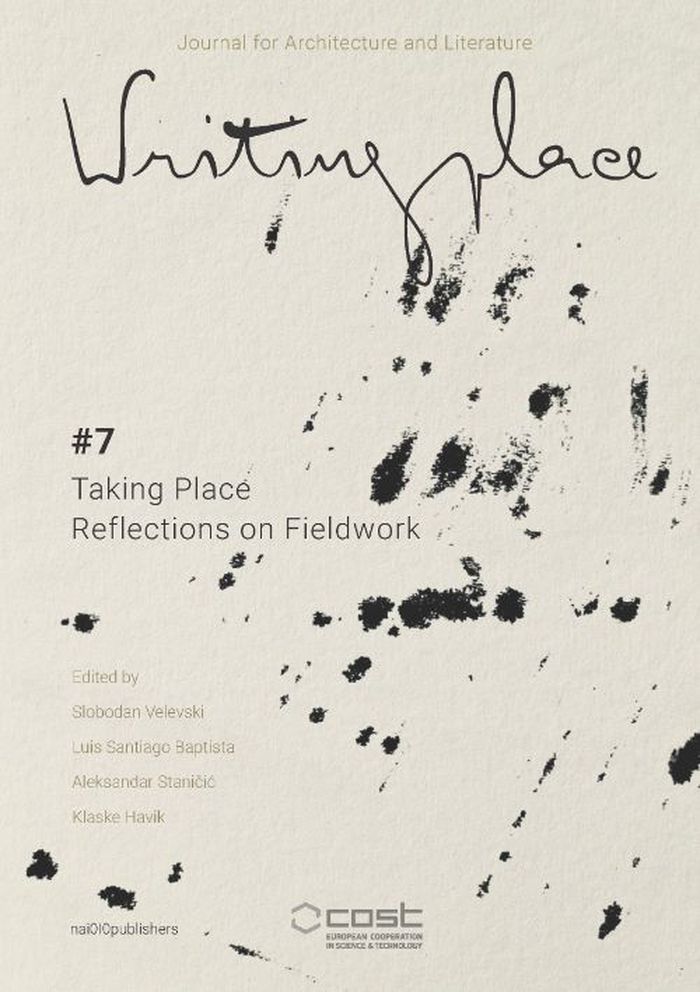
Writingplace journal for architecture and literature 7: Taking place, reflections on fieldwork
Writingplace journal for architecture and literature 7: Taking place, reflections on fieldwork
Actions:
Price:
$58.00
(available to order)
Summary:
The magazine 'Writingplace Journal for Architecture and Literature'' is an international, open-access, peer-reviewed journal on architecture and literature. This journal is a vehicle for the Writingplace platform to continue its exploration of the productive relationship between architecture and literature. This issue ''Taking Place'', brings to the fore a number of(...)
$58.00
(available to order)
Summary:
The magazine 'Writingplace Journal for Architecture and Literature'' is an international, open-access, peer-reviewed journal on architecture and literature. This journal is a vehicle for the Writingplace platform to continue its exploration of the productive relationship between architecture and literature. This issue ''Taking Place'', brings to the fore a number of(...)
Subject:
Architectural Theory
Architectural Theory
Publication:
March 2024
March 2024
Title:
Writingplace journal for architecture and literature 7: Taking place, reflections on fieldwork
Actions:
Price:
$58.00
(available to order)
Summary:
The magazine 'Writingplace Journal for Architecture and Literature'' is an international, open-access, peer-reviewed journal on architecture and literature. This journal is a vehicle for the Writingplace platform to continue its exploration of the productive relationship between architecture and literature. This issue ''Taking Place'', brings to the fore a number of reflections on fieldwork that recently took place in urban environments, exploring the moment when reflection turns into action.
Writingplace journal for architecture and literature 7: Taking place, reflections on fieldwork
Actions:
Price:
$58.00
(available to order)
Summary:
The magazine 'Writingplace Journal for Architecture and Literature'' is an international, open-access, peer-reviewed journal on architecture and literature. This journal is a vehicle for the Writingplace platform to continue its exploration of the productive relationship between architecture and literature. This issue ''Taking Place'', brings to the fore a number of reflections on fieldwork that recently took place in urban environments, exploring the moment when reflection turns into action.
Form:
books
books
Publication:
March 2024
March 2024
Subject:
Architectural Theory
Architectural Theory


