


1200 Results
Form:
books
books
Price:
$50.00
(available to order)
Summary:
This collection of never-before-published talks at one of the leading art schools in the United States, documents an exciting decade in the development of contemporary art and arts education, featuring interviews with renowned artists, curators, and writers. Introduced in 1986 as an initiative by Richard Hertz (Chair, Academic Studies, 1979–2003), the Graduate Art(...)
$50.00
(available to order)
Summary:
This collection of never-before-published talks at one of the leading art schools in the United States, documents an exciting decade in the development of contemporary art and arts education, featuring interviews with renowned artists, curators, and writers. Introduced in 1986 as an initiative by Richard Hertz (Chair, Academic Studies, 1979–2003), the Graduate Art(...)
Title:
Artcenter Talks: graduate seminar, the first decade, 1986-1995
Actions:
Price:
$50.00
(available to order)
Summary:
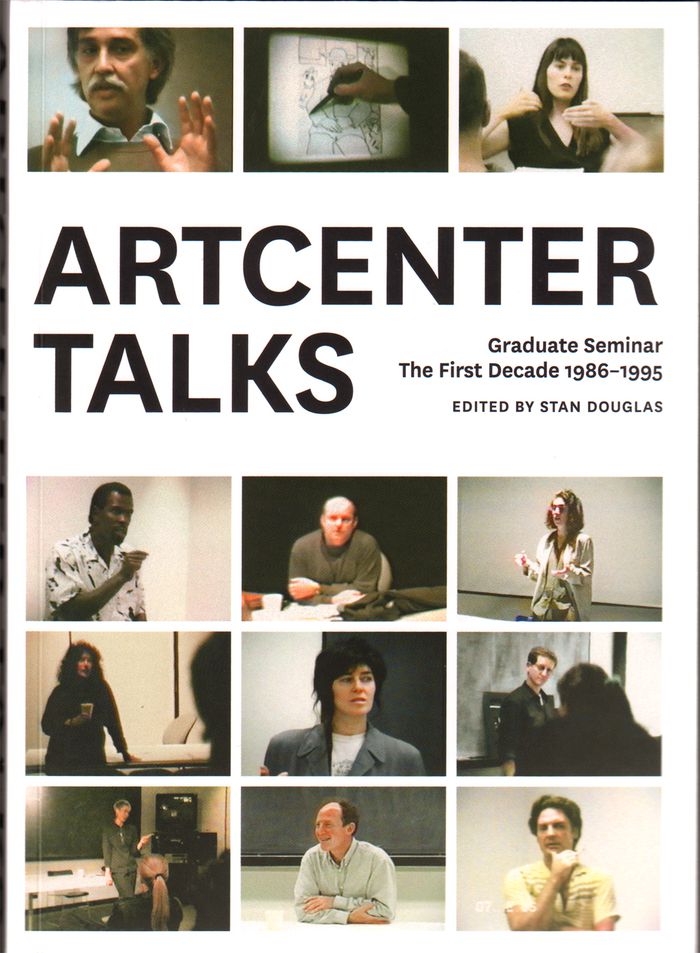
This collection of never-before-published talks at one of the leading art schools in the United States, documents an exciting decade in the development of contemporary art and arts education, featuring interviews with renowned artists, curators, and writers. Introduced in 1986 as an initiative by Richard Hertz (Chair, Academic Studies, 1979–2003), the Graduate Art Department of the ArtCenter College of Design, located in Pasadena, California, celebrates its thirtieth anniversary in 2016. This book documents the first decade of the department’s existence by presenting a selection from over three hundred talks, including a 1990 symposium conducted by renowned curator and art historian Robert Storr, as well as twelve talks from its artists and critics lecture series known as the Graduate Seminar. Discussions between students and faculty members range from what it means to be an artist and the changing role of art in society, to how artists function within an academic setting.
Artcenter Talks: graduate seminar, the first decade, 1986-1995
Actions:
Price:
$50.00
(available to order)
Summary:
This collection of never-before-published talks at one of the leading art schools in the United States, documents an exciting decade in the development of contemporary art and arts education, featuring interviews with renowned artists, curators, and writers. Introduced in 1986 as an initiative by Richard Hertz (Chair, Academic Studies, 1979–2003), the Graduate Art Department of the ArtCenter College of Design, located in Pasadena, California, celebrates its thirtieth anniversary in 2016. This book documents the first decade of the department’s existence by presenting a selection from over three hundred talks, including a 1990 symposium conducted by renowned curator and art historian Robert Storr, as well as twelve talks from its artists and critics lecture series known as the Graduate Seminar. Discussions between students and faculty members range from what it means to be an artist and the changing role of art in society, to how artists function within an academic setting.
Form:
books
books
Publication:
February 2017
February 2017
Subject:
Art Theory
Art Theory
Form:
books
books
Title:
F.R David : spring 2017
F.R David : spring 2017
Actions:
Price:
$22.00
(available to order)
Summary:
F.R.DAVID is a typographical journal, edited by Will Holder, dealing with the organisation of reading and writing in contemporary art practises. This 13th issue of F.R.DAVID is edited with Riet Wijnen, and has its origins in her Registry of Pseudonyms, an online database which accounts for who is who and why who is who. ‘Inverted Commas’ follows ‘pseudonym’ through names,(...)
$22.00
(available to order)
Summary:
F.R.DAVID is a typographical journal, edited by Will Holder, dealing with the organisation of reading and writing in contemporary art practises. This 13th issue of F.R.DAVID is edited with Riet Wijnen, and has its origins in her Registry of Pseudonyms, an online database which accounts for who is who and why who is who. ‘Inverted Commas’ follows ‘pseudonym’ through names,(...)
Title:
F.R David : spring 2017
Actions:
Price:
$22.00
(available to order)
Summary:
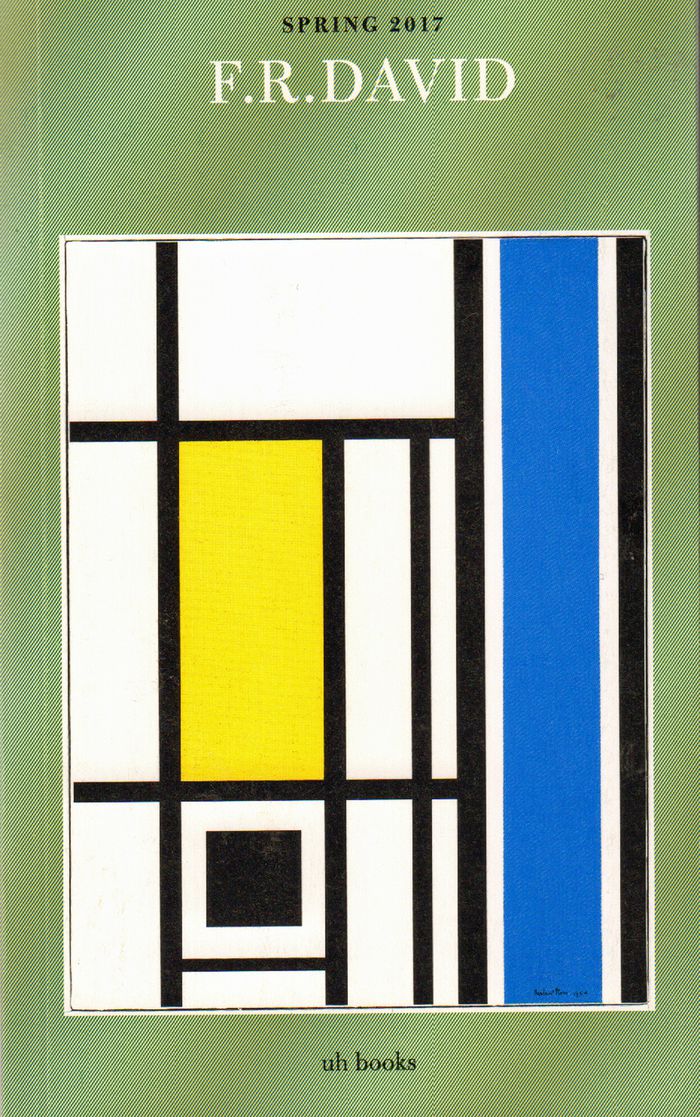
F.R.DAVID is a typographical journal, edited by Will Holder, dealing with the organisation of reading and writing in contemporary art practises. This 13th issue of F.R.DAVID is edited with Riet Wijnen, and has its origins in her Registry of Pseudonyms, an online database which accounts for who is who and why who is who. ‘Inverted Commas’ follows ‘pseudonym’ through names, naming, bodies, brains, self, author, other, reader, labour.
F.R David : spring 2017
Actions:
Price:
$22.00
(available to order)
Summary:
F.R.DAVID is a typographical journal, edited by Will Holder, dealing with the organisation of reading and writing in contemporary art practises. This 13th issue of F.R.DAVID is edited with Riet Wijnen, and has its origins in her Registry of Pseudonyms, an online database which accounts for who is who and why who is who. ‘Inverted Commas’ follows ‘pseudonym’ through names, naming, bodies, brains, self, author, other, reader, labour.
Form:
books
books
Publication:
February 2017
February 2017
Subject:
Art Theory
Art Theory
Form:
books
books
Actions:
Price:
$32.50
(available to order)
Summary:
"Imaginative bodies" contains a series of in-depth conversations with dancers and choreographers, composers, visual artists, Hip Hop artists, dramaturgs, a lighting designer and a puppeteer. The overall theme is defined by the body, both in relation to the place it takes in the artist’s work, and in relation to wider debates on the body in philosophy, science, medicine,(...)
$32.50
(available to order)
Summary:
"Imaginative bodies" contains a series of in-depth conversations with dancers and choreographers, composers, visual artists, Hip Hop artists, dramaturgs, a lighting designer and a puppeteer. The overall theme is defined by the body, both in relation to the place it takes in the artist’s work, and in relation to wider debates on the body in philosophy, science, medicine,(...)
Title:
Imaginative bodies: dialogues in performance practices
Actions:
Price:
$32.50
(available to order)
Summary:
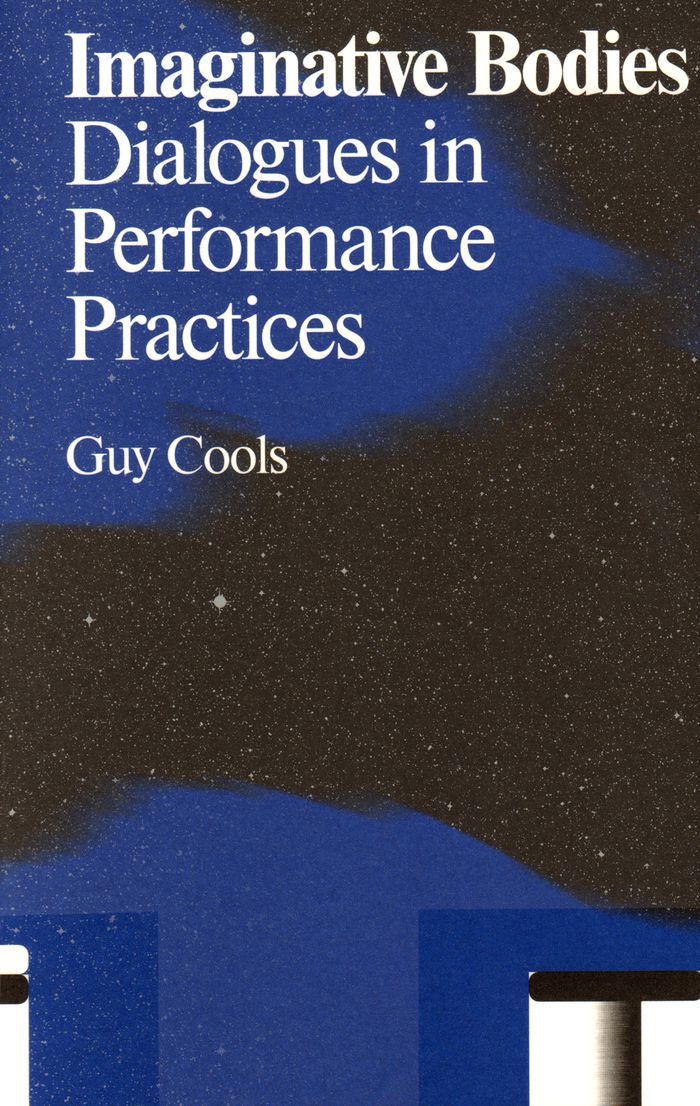
"Imaginative bodies" contains a series of in-depth conversations with dancers and choreographers, composers, visual artists, Hip Hop artists, dramaturgs, a lighting designer and a puppeteer. The overall theme is defined by the body, both in relation to the place it takes in the artist’s work, and in relation to wider debates on the body in philosophy, science, medicine, anthropology, and the arts. Depending on the affinities of the artist, a more specific theme has been defined for each dialogue, ranging from poetics to politics, from mythology to ecology, from intercultural studies to conflict management. The associative chains of thoughts of these talks give an intimate insight into the creative process, inspirations, sources, identity, and ways of collaborating. It is through the sentient body that we experience, know and imagine. "Imaginative bodies" reaffirms the central position of the body in many artistic practices.
Imaginative bodies: dialogues in performance practices
Actions:
Price:
$32.50
(available to order)
Summary:
"Imaginative bodies" contains a series of in-depth conversations with dancers and choreographers, composers, visual artists, Hip Hop artists, dramaturgs, a lighting designer and a puppeteer. The overall theme is defined by the body, both in relation to the place it takes in the artist’s work, and in relation to wider debates on the body in philosophy, science, medicine, anthropology, and the arts. Depending on the affinities of the artist, a more specific theme has been defined for each dialogue, ranging from poetics to politics, from mythology to ecology, from intercultural studies to conflict management. The associative chains of thoughts of these talks give an intimate insight into the creative process, inspirations, sources, identity, and ways of collaborating. It is through the sentient body that we experience, know and imagine. "Imaginative bodies" reaffirms the central position of the body in many artistic practices.
Form:
books
books
Publication:
February 2017
February 2017
Subject:
Art Theory
Art Theory
Form:
books
books
Price:
$32.50
(available to order)
Summary:
"The practice of dramaturgy" addresses dramaturgy as a shared, politicized and catalytic practice that sets actions into motion in a more speculative, rather than an instructive way. The first part of this publication is 'Dramaturgy as working on actions', explores three working principles that lie at the heart of the editors' propositions, and relates these to debates on(...)
$32.50
(available to order)
Summary:
"The practice of dramaturgy" addresses dramaturgy as a shared, politicized and catalytic practice that sets actions into motion in a more speculative, rather than an instructive way. The first part of this publication is 'Dramaturgy as working on actions', explores three working principles that lie at the heart of the editors' propositions, and relates these to debates on(...)
Title:
The practice of dramaturgy: working on actions in performance
Actions:
Price:
$32.50
(available to order)
Summary:
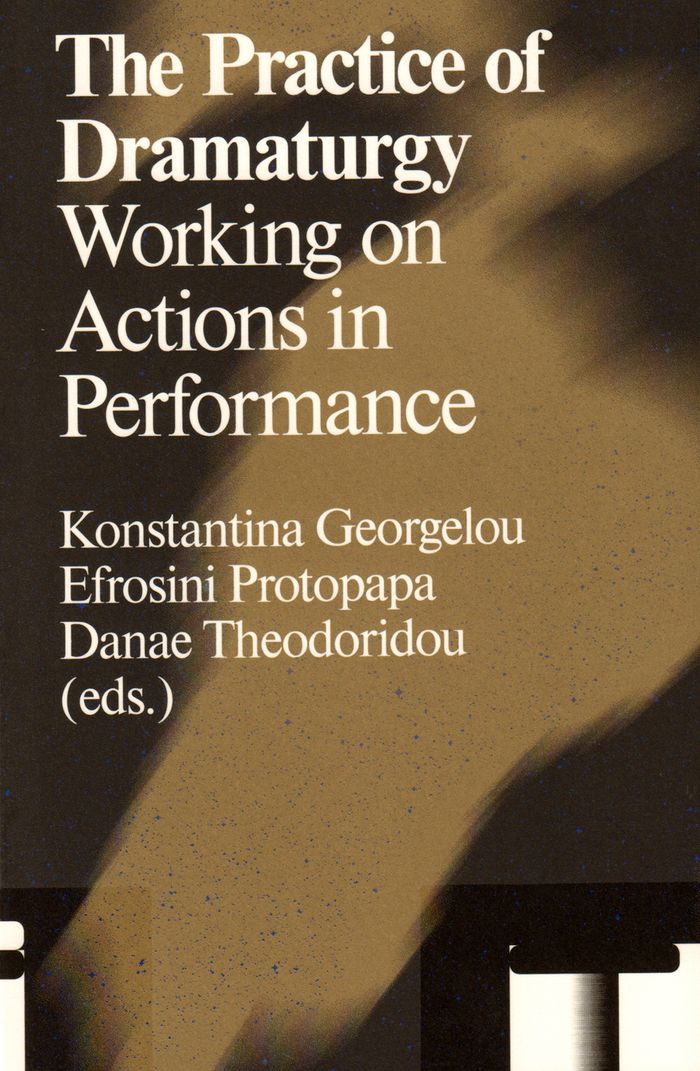
"The practice of dramaturgy" addresses dramaturgy as a shared, politicized and catalytic practice that sets actions into motion in a more speculative, rather than an instructive way. The first part of this publication is 'Dramaturgy as working on actions', explores three working principles that lie at the heart of the editors' propositions, and relates these to debates on action, work and post-Fordist labour. The second part, 'Working on actions and beyond', opens up to different artistic, social and political perspectives that such understanding of dramaturgy may give rise to.
The practice of dramaturgy: working on actions in performance
Actions:
Price:
$32.50
(available to order)
Summary:
"The practice of dramaturgy" addresses dramaturgy as a shared, politicized and catalytic practice that sets actions into motion in a more speculative, rather than an instructive way. The first part of this publication is 'Dramaturgy as working on actions', explores three working principles that lie at the heart of the editors' propositions, and relates these to debates on action, work and post-Fordist labour. The second part, 'Working on actions and beyond', opens up to different artistic, social and political perspectives that such understanding of dramaturgy may give rise to.
Form:
books
books
Publication:
January 2017
January 2017
Subject:
Art Theory
Art Theory
Form:
books
books
Actions:
Price:
$40.00
(available to order)
Summary:
What really happens between a spectator and a work of art at the moment of encounter? How does one experience "meaning" in a work of art? How does an interpretation of an art object come to take hold for a viewer? How can that process of interpretation, which often takes place at a subconscious level beyond language, be understood and articulated? In "The perfect(...)
$40.00
(available to order)
Summary:
What really happens between a spectator and a work of art at the moment of encounter? How does one experience "meaning" in a work of art? How does an interpretation of an art object come to take hold for a viewer? How can that process of interpretation, which often takes place at a subconscious level beyond language, be understood and articulated? In "The perfect(...)
Title:
The perfect spectator: the experience of the artwork and reception aesthetics
Actions:
Price:
$40.00
(available to order)
Summary:
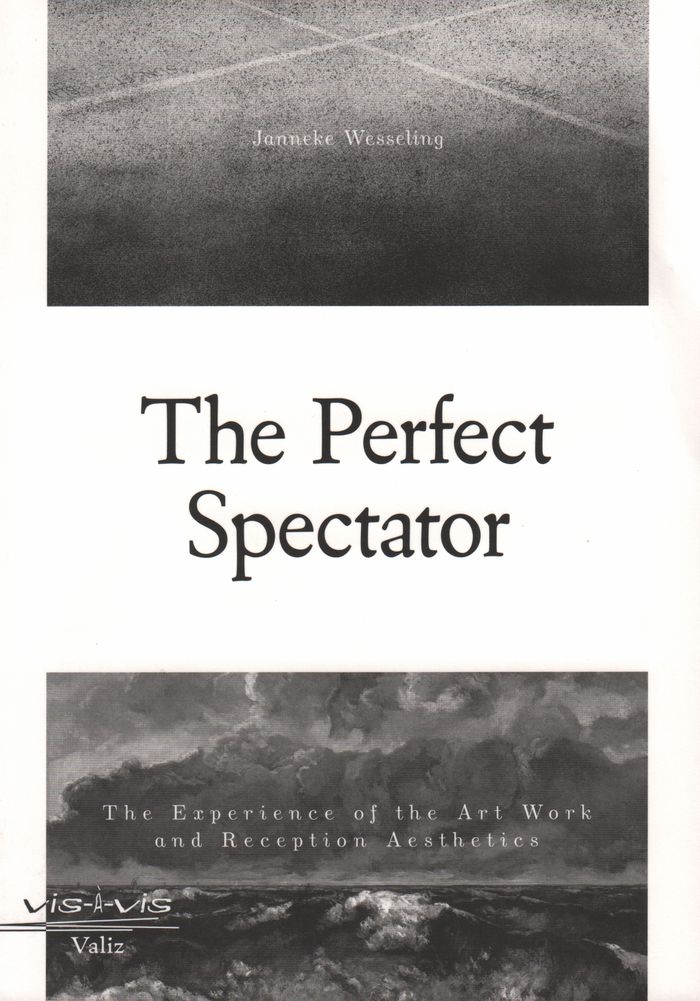
What really happens between a spectator and a work of art at the moment of encounter? How does one experience "meaning" in a work of art? How does an interpretation of an art object come to take hold for a viewer? How can that process of interpretation, which often takes place at a subconscious level beyond language, be understood and articulated? In "The perfect spectator", author Janneke Wesseling addresses these questions by turning to the field of reception aesthetics, with its central premise that the contemplation of art is a matter of interaction between an active artwork and an active observer. Wesseling proceeds from her own intensely personal encounters with art objects, and her professional experience studying and writing about art, in order to arrive at a new theoretical framework for the sight and contemplation of art.
The perfect spectator: the experience of the artwork and reception aesthetics
Actions:
Price:
$40.00
(available to order)
Summary:
What really happens between a spectator and a work of art at the moment of encounter? How does one experience "meaning" in a work of art? How does an interpretation of an art object come to take hold for a viewer? How can that process of interpretation, which often takes place at a subconscious level beyond language, be understood and articulated? In "The perfect spectator", author Janneke Wesseling addresses these questions by turning to the field of reception aesthetics, with its central premise that the contemplation of art is a matter of interaction between an active artwork and an active observer. Wesseling proceeds from her own intensely personal encounters with art objects, and her professional experience studying and writing about art, in order to arrive at a new theoretical framework for the sight and contemplation of art.
Form:
books
books
Publication:
October 2017
October 2017
Subject:
Art Theory
Art Theory
Form:
books
books
Title:
Of sponge, stone and the intertwinements with the here and now: a methodology of artistic research
Of sponge, stone and the intertwinements with the here and now: a methodology of artistic research
Actions:
Price:
$19.95
(available to order)
Summary:
This concise book introduces the notion of "experience" as a key concept in a methodology of artistic research. The author traces a genealogy of "experience" from William James, John Dewey and Alfred North Whitehead to Brian Massumi, placing this concept in a framework of research in visual art. The argument is founded in the practice of artistic research and in the(...)
$19.95
(available to order)
Summary:
This concise book introduces the notion of "experience" as a key concept in a methodology of artistic research. The author traces a genealogy of "experience" from William James, John Dewey and Alfred North Whitehead to Brian Massumi, placing this concept in a framework of research in visual art. The argument is founded in the practice of artistic research and in the(...)
Title:
Of sponge, stone and the intertwinements with the here and now: a methodology of artistic research
Actions:
Price:
$19.95
(available to order)
Summary:
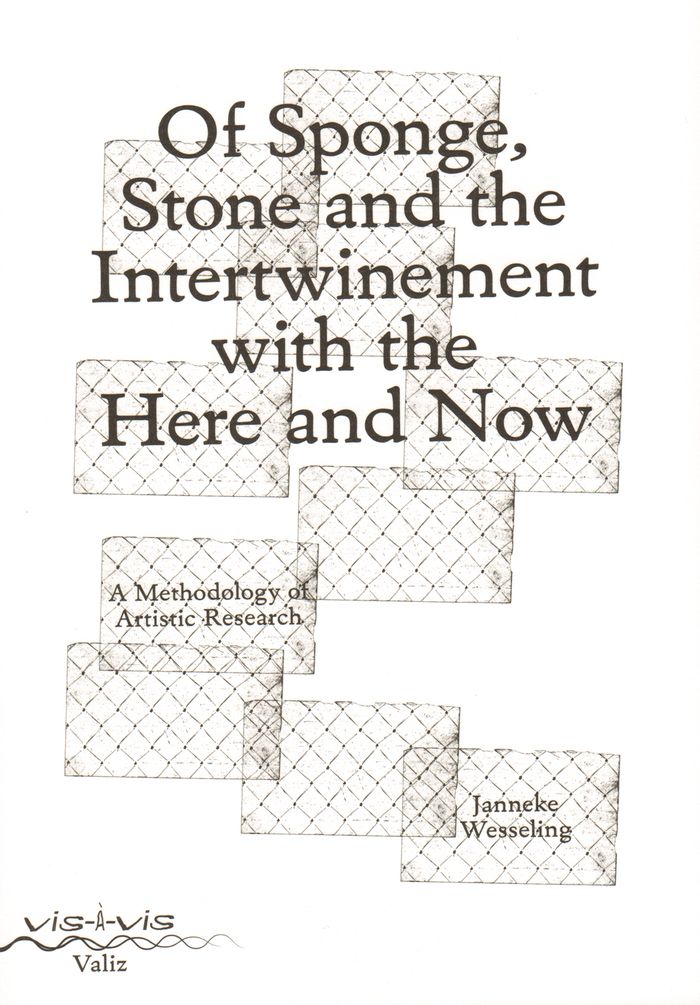
This concise book introduces the notion of "experience" as a key concept in a methodology of artistic research. The author traces a genealogy of "experience" from William James, John Dewey and Alfred North Whitehead to Brian Massumi, placing this concept in a framework of research in visual art. The argument is founded in the practice of artistic research and in the reflection on the interweaving of thinking and making. This publication is a slightly extended version of Wesseling's inaugural lecture at Leiden University in September 2016. Included is a collaboration with the Austrian performance artist and PhD researcher Lilo Nein.
Of sponge, stone and the intertwinements with the here and now: a methodology of artistic research
Actions:
Price:
$19.95
(available to order)
Summary:
This concise book introduces the notion of "experience" as a key concept in a methodology of artistic research. The author traces a genealogy of "experience" from William James, John Dewey and Alfred North Whitehead to Brian Massumi, placing this concept in a framework of research in visual art. The argument is founded in the practice of artistic research and in the reflection on the interweaving of thinking and making. This publication is a slightly extended version of Wesseling's inaugural lecture at Leiden University in September 2016. Included is a collaboration with the Austrian performance artist and PhD researcher Lilo Nein.
Form:
books
books
Publication:
February 2017
February 2017
Subject:
Art Theory
Art Theory
Form:
books
books
Price:
$86.00
(available in store)
Summary:
'The Forces Behind the Forms', titled after a phrase coined by artist Per Kirkeby, who also coined the term “Anthropocene,” takes up the widely conducted debate over how much our environment is influenced by human activity. Comprehensive and fully illustrated, this substantial hardcover catalog documents a variety of compelling projects and installations by 12(...)
$86.00
(available in store)
Summary:
'The Forces Behind the Forms', titled after a phrase coined by artist Per Kirkeby, who also coined the term “Anthropocene,” takes up the widely conducted debate over how much our environment is influenced by human activity. Comprehensive and fully illustrated, this substantial hardcover catalog documents a variety of compelling projects and installations by 12(...)
Publication:
July 2016
July 2016
Title:
The forces behind the forms: geology, matter, process in contemporary art
Actions:
Price:
$86.00
(available in store)
Summary:
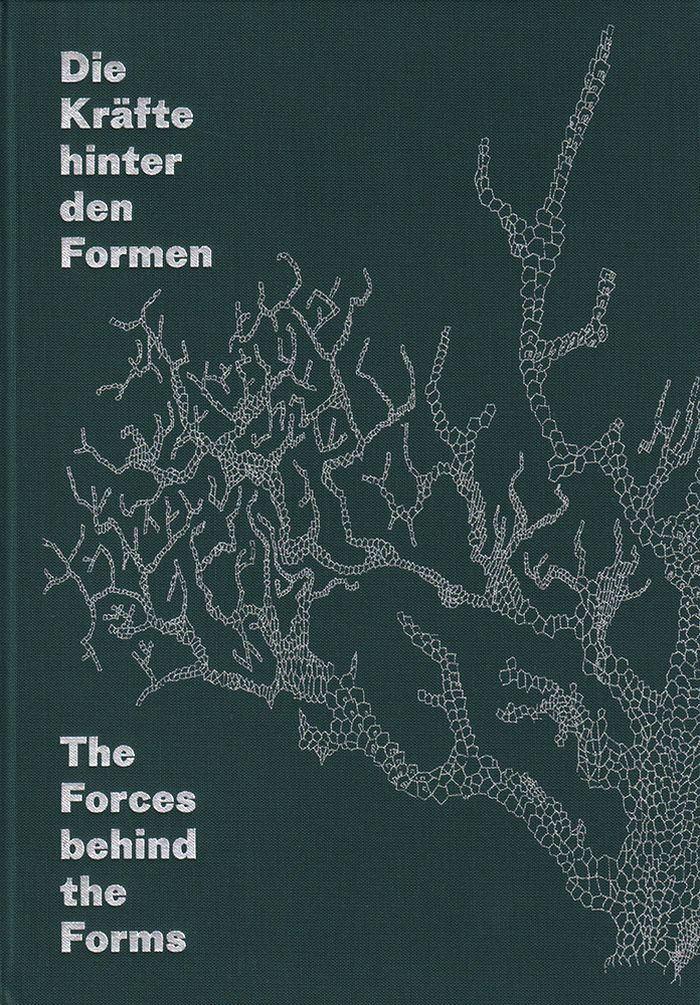
'The Forces Behind the Forms', titled after a phrase coined by artist Per Kirkeby, who also coined the term “Anthropocene,” takes up the widely conducted debate over how much our environment is influenced by human activity. Comprehensive and fully illustrated, this substantial hardcover catalog documents a variety of compelling projects and installations by 12 artists—Olafur Eliasson, Per Kirkeby, Roger Hiorns and Giuseppe Penone, among others—engaging the geo-aesthetics of matter and transformative processes in both nature and art in installations, images and objects.
The forces behind the forms: geology, matter, process in contemporary art
Actions:
Price:
$86.00
(available in store)
Summary:
'The Forces Behind the Forms', titled after a phrase coined by artist Per Kirkeby, who also coined the term “Anthropocene,” takes up the widely conducted debate over how much our environment is influenced by human activity. Comprehensive and fully illustrated, this substantial hardcover catalog documents a variety of compelling projects and installations by 12 artists—Olafur Eliasson, Per Kirkeby, Roger Hiorns and Giuseppe Penone, among others—engaging the geo-aesthetics of matter and transformative processes in both nature and art in installations, images and objects.
Form:
books
books
Publication:
July 2016
July 2016
Form:
books
books
Actions:
Price:
$31.95
(available in store)
Summary:
For Georges Didi-Huberman, artist James Turrell is an inventor of impossible spaces and unthinkable sites, of aporias, of fables. Creator of some of the most fascinating works of the late twentieth and early twenty-first century, Turrell uses as his medium the most elemental material of sight and art: light. One crucial aspect of his work is the fabulation of place and(...)
$31.95
(available in store)
Summary:
For Georges Didi-Huberman, artist James Turrell is an inventor of impossible spaces and unthinkable sites, of aporias, of fables. Creator of some of the most fascinating works of the late twentieth and early twenty-first century, Turrell uses as his medium the most elemental material of sight and art: light. One crucial aspect of his work is the fabulation of place and(...)
Title:
The man who walked in color: James Turrell
Actions:
Price:
$31.95
(available in store)
Summary:
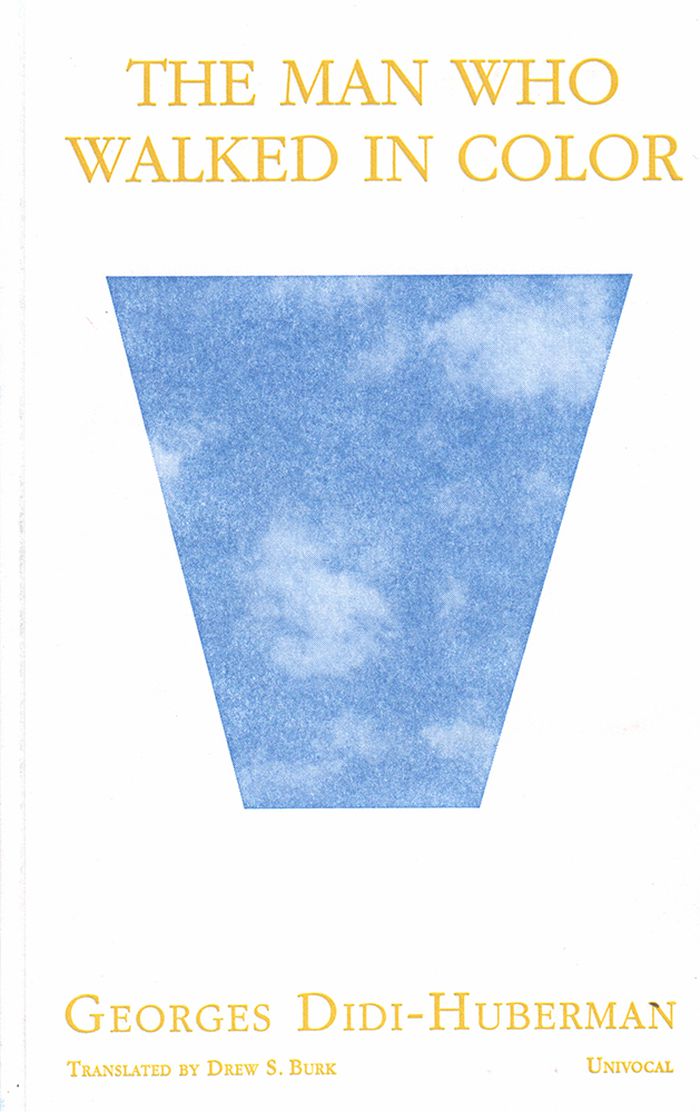
For Georges Didi-Huberman, artist James Turrell is an inventor of impossible spaces and unthinkable sites, of aporias, of fables. Creator of some of the most fascinating works of the late twentieth and early twenty-first century, Turrell uses as his medium the most elemental material of sight and art: light. One crucial aspect of his work is the fabulation of place and vision with its foundation deep in history. Didi-Huberman takes the reader on a journey between the impossible limit of the horizon and the arrival into a site of reverie and light, from the story of Exodus to the Pala d’Oro of San Marco’s Basilica in Venice, through art history and the origins of religious worship, finally plunging into Turrell’s cadmium dust and light, into the Painted Desert of his installation Roden Crater. For the esteemed art historian, Turrell’s artistic practice becomes the equivalent of walking along endless pathways in the desert, in “minuscule cathedrals where man discovers himself walking in color.”
The man who walked in color: James Turrell
Actions:
Price:
$31.95
(available in store)
Summary:
For Georges Didi-Huberman, artist James Turrell is an inventor of impossible spaces and unthinkable sites, of aporias, of fables. Creator of some of the most fascinating works of the late twentieth and early twenty-first century, Turrell uses as his medium the most elemental material of sight and art: light. One crucial aspect of his work is the fabulation of place and vision with its foundation deep in history. Didi-Huberman takes the reader on a journey between the impossible limit of the horizon and the arrival into a site of reverie and light, from the story of Exodus to the Pala d’Oro of San Marco’s Basilica in Venice, through art history and the origins of religious worship, finally plunging into Turrell’s cadmium dust and light, into the Painted Desert of his installation Roden Crater. For the esteemed art historian, Turrell’s artistic practice becomes the equivalent of walking along endless pathways in the desert, in “minuscule cathedrals where man discovers himself walking in color.”
Form:
books
books
Publication:
May 2017
May 2017
Subject:
Art Theory
Art Theory
Form:
books
books

Title:
Tell them I said no
Tell them I said no
Actions:
Price:
$32.00
(available to order)
Summary:
This collection of essays by Martin Herbert considers various artists who have withdrawn from the art world or adopted an antagonistic position toward its mechanisms (essays on Lutz Bacher, Stanley Brouwn, Christopher D'Arcangelo, Trisha Donnelly, David Hammons, Agnes Martin, Cady Noland, Laurie Parsons, Charlotte Posenenske, and Albert York).
$32.00
(available to order)
Summary:
This collection of essays by Martin Herbert considers various artists who have withdrawn from the art world or adopted an antagonistic position toward its mechanisms (essays on Lutz Bacher, Stanley Brouwn, Christopher D'Arcangelo, Trisha Donnelly, David Hammons, Agnes Martin, Cady Noland, Laurie Parsons, Charlotte Posenenske, and Albert York).
Title:
Tell them I said no
Actions:
Price:
$32.00
(available to order)
Summary:
This collection of essays by Martin Herbert considers various artists who have withdrawn from the art world or adopted an antagonistic position toward its mechanisms (essays on Lutz Bacher, Stanley Brouwn, Christopher D'Arcangelo, Trisha Donnelly, David Hammons, Agnes Martin, Cady Noland, Laurie Parsons, Charlotte Posenenske, and Albert York).
Tell them I said no
Actions:
Price:
$32.00
(available to order)
Summary:
This collection of essays by Martin Herbert considers various artists who have withdrawn from the art world or adopted an antagonistic position toward its mechanisms (essays on Lutz Bacher, Stanley Brouwn, Christopher D'Arcangelo, Trisha Donnelly, David Hammons, Agnes Martin, Cady Noland, Laurie Parsons, Charlotte Posenenske, and Albert York).
Form:
books
books
Publication:
January 2017
January 2017
Subject:
Art Theory
Art Theory
Form:
books
books
Price:
$28.50
(available to order)
Summary:
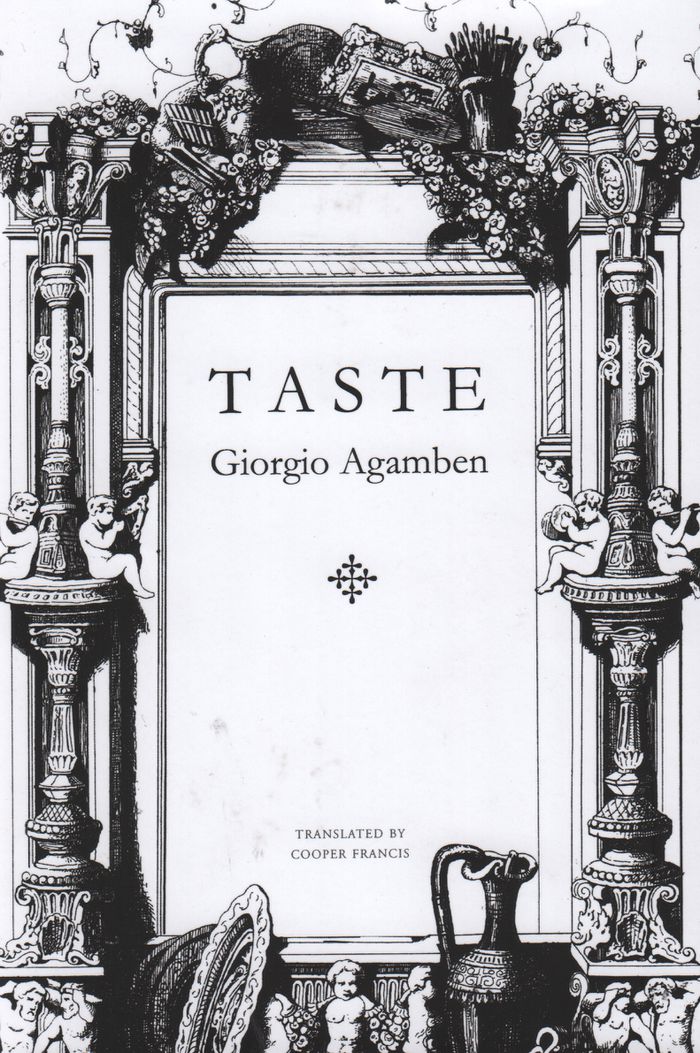
Our taste buds are a powerful way for humans to know beauty and experience beautiful things. In Taste, Italian philosopher Giorgio Agamben takes a close look at why the sense of taste has not historically been appreciated as a means to know and experience pleasure or why it has always been considered inferior to actual theoretical knowledge.
$28.50
(available to order)
Summary:
Our taste buds are a powerful way for humans to know beauty and experience beautiful things. In Taste, Italian philosopher Giorgio Agamben takes a close look at why the sense of taste has not historically been appreciated as a means to know and experience pleasure or why it has always been considered inferior to actual theoretical knowledge.
Title:
Taste
Actions:
Price:
$28.50
(available to order)
Summary:
Our taste buds are a powerful way for humans to know beauty and experience beautiful things. In Taste, Italian philosopher Giorgio Agamben takes a close look at why the sense of taste has not historically been appreciated as a means to know and experience pleasure or why it has always been considered inferior to actual theoretical knowledge.
Taste
Actions:
Price:
$28.50
(available to order)
Summary:
Our taste buds are a powerful way for humans to know beauty and experience beautiful things. In Taste, Italian philosopher Giorgio Agamben takes a close look at why the sense of taste has not historically been appreciated as a means to know and experience pleasure or why it has always been considered inferior to actual theoretical knowledge.
Form:
books
books
Publication:
December 2017
December 2017
Subject:
Art Theory
Art Theory


