


1200 Results
Form:
books
books

Title:
Snow business
Snow business
Actions:
Price:
$23.95
(available to order)
Summary:
A collection of Philippa Snow's most celebrated writings, articulating with majestic precision the thorny, unbreakable bond between mass media, popular culture and art.
$23.95
(available to order)
Summary:
A collection of Philippa Snow's most celebrated writings, articulating with majestic precision the thorny, unbreakable bond between mass media, popular culture and art.
Title:
Snow business
Actions:
Price:
$23.95
(available to order)
Summary:
A collection of Philippa Snow's most celebrated writings, articulating with majestic precision the thorny, unbreakable bond between mass media, popular culture and art.
Snow business
Actions:
Price:
$23.95
(available to order)
Summary:
A collection of Philippa Snow's most celebrated writings, articulating with majestic precision the thorny, unbreakable bond between mass media, popular culture and art.
Form:
books
books
Publication:
June 2025
June 2025
Subject:
Art Theory
Art Theory
Form:
books
books
Actions:
Price:
$37.00
(available in store)
Summary:
Peter Dubé's Desire as ''Praxis: Towards a Queer Surrealism'' dives deeply into the intricate connections between surrealism and the cultures of same-sex attracted queer men, unraveling the complex interplay of the erotic, affect, and the occult. In his groundbreaking first non-fiction work, acclaimed author Dubé-celebrated in *Quill and Quire* as a leading voice in gay(...)
$37.00
(available in store)
Summary:
Peter Dubé's Desire as ''Praxis: Towards a Queer Surrealism'' dives deeply into the intricate connections between surrealism and the cultures of same-sex attracted queer men, unraveling the complex interplay of the erotic, affect, and the occult. In his groundbreaking first non-fiction work, acclaimed author Dubé-celebrated in *Quill and Quire* as a leading voice in gay(...)
Title:
Desire as Praxis: Towards a Queer Surrealism
Actions:
Price:
$37.00
(available in store)
Summary:
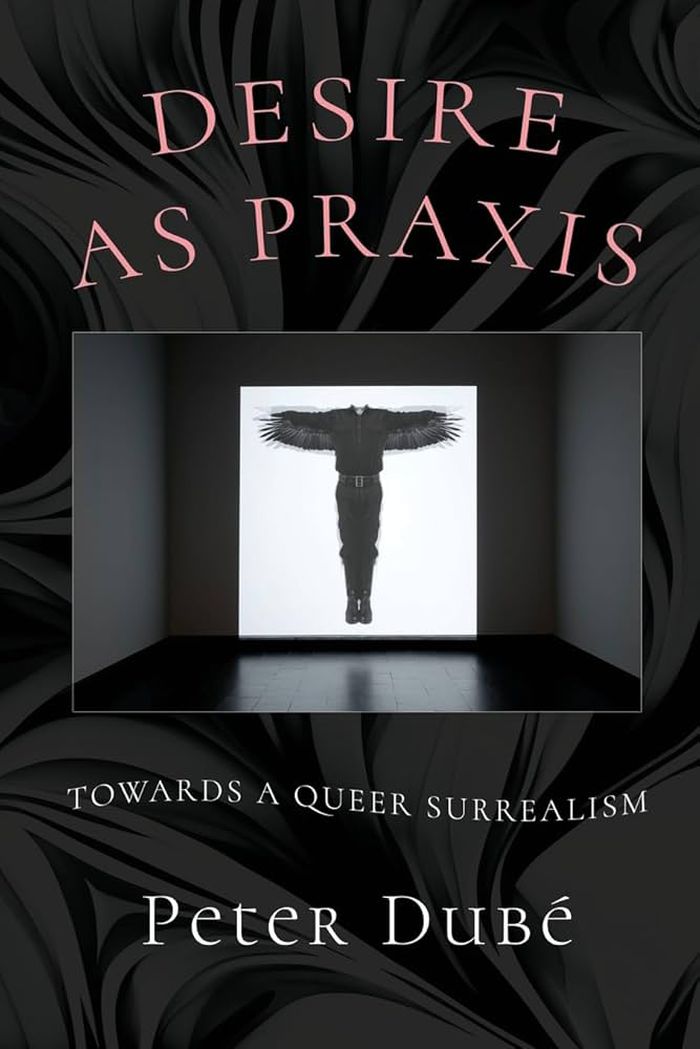
Peter Dubé's Desire as ''Praxis: Towards a Queer Surrealism'' dives deeply into the intricate connections between surrealism and the cultures of same-sex attracted queer men, unraveling the complex interplay of the erotic, affect, and the occult. In his groundbreaking first non-fiction work, acclaimed author Dubé-celebrated in *Quill and Quire* as a leading voice in gay surrealist fiction-invites readers on a journey that transcends traditional boundaries. This bold study illuminates the transformative potential of the subversive in literature, life, and sheer magic(k). Dubé's work offers new possibilities with profound personal, poetic, and political significance. Join him in this captivating exploration of the exciting intersections of desire, creativity, and identity.
Desire as Praxis: Towards a Queer Surrealism
Actions:
Price:
$37.00
(available in store)
Summary:
Peter Dubé's Desire as ''Praxis: Towards a Queer Surrealism'' dives deeply into the intricate connections between surrealism and the cultures of same-sex attracted queer men, unraveling the complex interplay of the erotic, affect, and the occult. In his groundbreaking first non-fiction work, acclaimed author Dubé-celebrated in *Quill and Quire* as a leading voice in gay surrealist fiction-invites readers on a journey that transcends traditional boundaries. This bold study illuminates the transformative potential of the subversive in literature, life, and sheer magic(k). Dubé's work offers new possibilities with profound personal, poetic, and political significance. Join him in this captivating exploration of the exciting intersections of desire, creativity, and identity.
Form:
books
books
Publication:
June 2025
June 2025
Subject:
Art Theory
Art Theory
Form:
books
books
Actions:
Price:
$39.99
(available to order)
Summary:
In 1973, Derek Jarman set off from London to film the stones of Avebury. He was following in the footsteps of Paul Nash, who had photographed the ancient megaliths a generation before. Standing in that muddy field, by those stones, both artists had felt a direct connection to their hero – a man who had died a long, long time ago, yet who remained electrically alive to(...)
$39.99
(available to order)
Summary:
In 1973, Derek Jarman set off from London to film the stones of Avebury. He was following in the footsteps of Paul Nash, who had photographed the ancient megaliths a generation before. Standing in that muddy field, by those stones, both artists had felt a direct connection to their hero – a man who had died a long, long time ago, yet who remained electrically alive to(...)
Title:
William Blake and the sea-monsters of love
Actions:
Price:
$39.99
(available to order)
Summary:
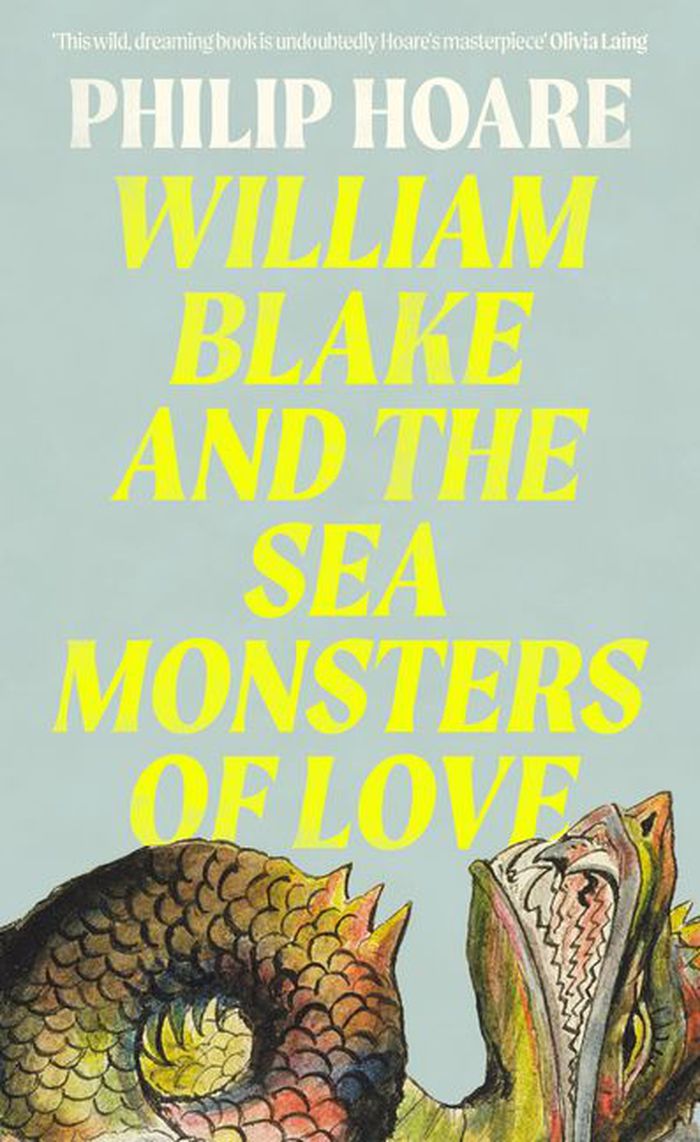
In 1973, Derek Jarman set off from London to film the stones of Avebury. He was following in the footsteps of Paul Nash, who had photographed the ancient megaliths a generation before. Standing in that muddy field, by those stones, both artists had felt a direct connection to their hero – a man who had died a long, long time ago, yet who remained electrically alive to them. In this alluring and poetic odyssey, Philip Hoare traces the enduring legacy of William Blake and how he came to inspire so many creative lives. Reaching out of his past and into our future, Blake draws together the natural world and metaphysical realms, merging the human and the animal and the spiritual, firing up twentieth-century artists, filmmakers, poets, writers and musicians with his radical promise of absolute freedom. This stirring, deeply felt book brings us back to Blake and shows that art still has the power to create positive change.
William Blake and the sea-monsters of love
Actions:
Price:
$39.99
(available to order)
Summary:
In 1973, Derek Jarman set off from London to film the stones of Avebury. He was following in the footsteps of Paul Nash, who had photographed the ancient megaliths a generation before. Standing in that muddy field, by those stones, both artists had felt a direct connection to their hero – a man who had died a long, long time ago, yet who remained electrically alive to them. In this alluring and poetic odyssey, Philip Hoare traces the enduring legacy of William Blake and how he came to inspire so many creative lives. Reaching out of his past and into our future, Blake draws together the natural world and metaphysical realms, merging the human and the animal and the spiritual, firing up twentieth-century artists, filmmakers, poets, writers and musicians with his radical promise of absolute freedom. This stirring, deeply felt book brings us back to Blake and shows that art still has the power to create positive change.
Form:
books
books
Publication:
April 2025
April 2025
Subject:
Art Theory
Art Theory
Form:
books
books
Actions:
Price:
$46.95
(available to order)
Summary:
Featuring a redesigned cover, ''Home Made Russia'' compiles over 220 artefacts of Soviet culture, each accompanied by a photograph of the creator, their story of how the object came about, its function and the materials used to create it.The Vladimir Arkhipov collection includes hundreds of objects created with often idiosyncratic functional qualities, made for use both(...)
$46.95
(available to order)
Summary:
Featuring a redesigned cover, ''Home Made Russia'' compiles over 220 artefacts of Soviet culture, each accompanied by a photograph of the creator, their story of how the object came about, its function and the materials used to create it.The Vladimir Arkhipov collection includes hundreds of objects created with often idiosyncratic functional qualities, made for use both(...)
Title:
Home Made Russia: Post-Soviet Folk Artefacts
Actions:
Price:
$46.95
(available to order)
Summary:
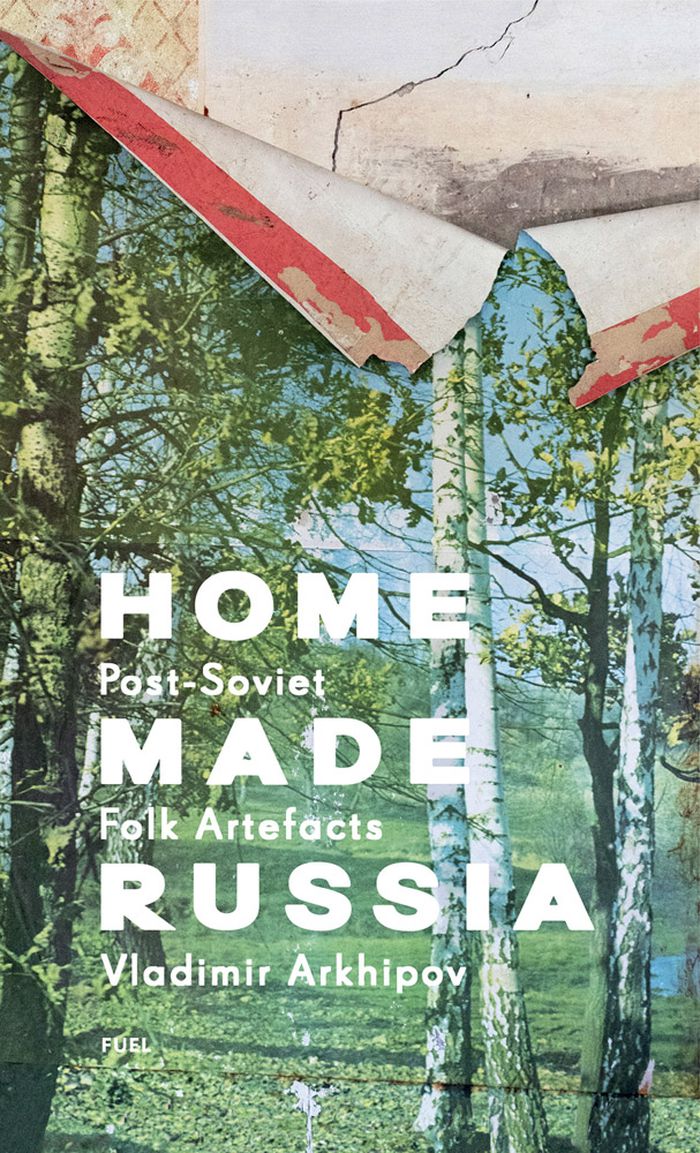
Featuring a redesigned cover, ''Home Made Russia'' compiles over 220 artefacts of Soviet culture, each accompanied by a photograph of the creator, their story of how the object came about, its function and the materials used to create it.The Vladimir Arkhipov collection includes hundreds of objects created with often idiosyncratic functional qualities, made for use both inside and outside the home, such as a tiny bathtub plug carefully fashioned from a boot heel; a back massager made from an old wooden abacus; a road sign used as a street cleaner’s shovel; and a doormat made from beer bottle tops. ''Home Made Russia'' presents a unique picture of a critical period of transition, as the Soviet regime crumbled but was yet to be replaced with a new system. Each of these objects is a window, not only into the life of its creator, but also the situation of the country at this time. Shortages in stores were commonplace, while wages might be paid in goods, or simply not paid at all. These exceptional circumstances lent themselves to a singular type of ingenuity, respectfully documented in intimate detail by Vladimir Arkhipov.
Home Made Russia: Post-Soviet Folk Artefacts
Actions:
Price:
$46.95
(available to order)
Summary:
Featuring a redesigned cover, ''Home Made Russia'' compiles over 220 artefacts of Soviet culture, each accompanied by a photograph of the creator, their story of how the object came about, its function and the materials used to create it.The Vladimir Arkhipov collection includes hundreds of objects created with often idiosyncratic functional qualities, made for use both inside and outside the home, such as a tiny bathtub plug carefully fashioned from a boot heel; a back massager made from an old wooden abacus; a road sign used as a street cleaner’s shovel; and a doormat made from beer bottle tops. ''Home Made Russia'' presents a unique picture of a critical period of transition, as the Soviet regime crumbled but was yet to be replaced with a new system. Each of these objects is a window, not only into the life of its creator, but also the situation of the country at this time. Shortages in stores were commonplace, while wages might be paid in goods, or simply not paid at all. These exceptional circumstances lent themselves to a singular type of ingenuity, respectfully documented in intimate detail by Vladimir Arkhipov.
Form:
books
books
Publication:
August 2025
August 2025
Subject:
Art Theory
Art Theory
Form:
books
books
Title:
Theory of seeing
Theory of seeing
Actions:
Price:
$48.99
(available to order)
Summary:
The first English translation of a radical and influential theory of art by a leader of Poland’s avant-garde After World War II, socialist realism became the official state doctrine of art in Poland, with abstract works deemed counterrevolutionary and forbidden from public view. Wladyslaw Strzeminski, a leader of the Polish constructivist avant-garde, developed a treatise(...)
$48.99
(available to order)
Summary:
The first English translation of a radical and influential theory of art by a leader of Poland’s avant-garde After World War II, socialist realism became the official state doctrine of art in Poland, with abstract works deemed counterrevolutionary and forbidden from public view. Wladyslaw Strzeminski, a leader of the Polish constructivist avant-garde, developed a treatise(...)
Title:
Theory of seeing
Actions:
Price:
$48.99
(available to order)
Summary:
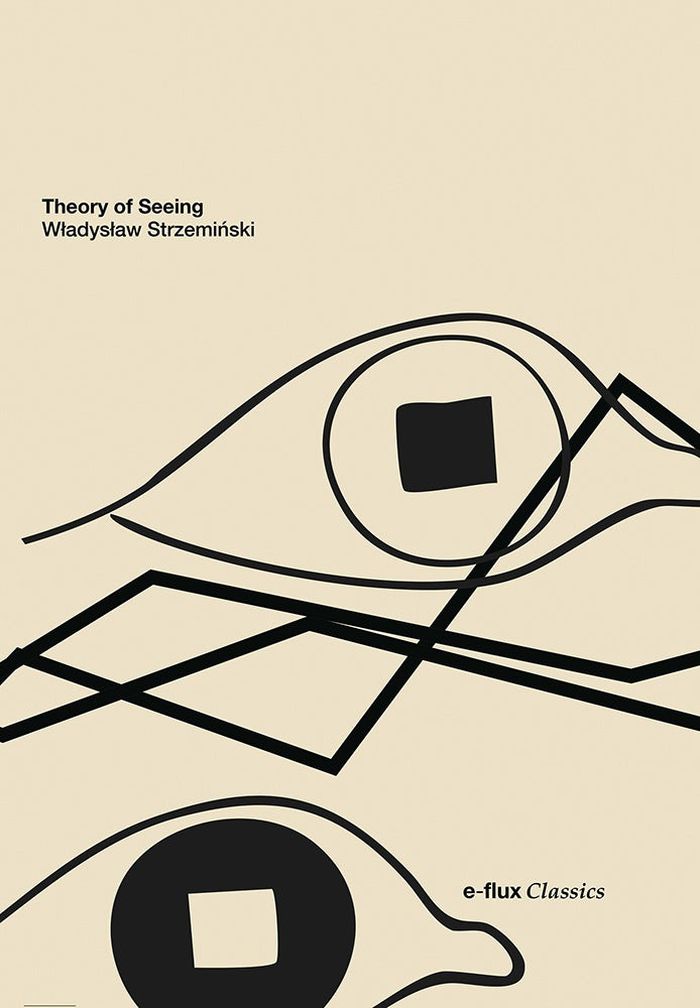
The first English translation of a radical and influential theory of art by a leader of Poland’s avant-garde After World War II, socialist realism became the official state doctrine of art in Poland, with abstract works deemed counterrevolutionary and forbidden from public view. Wladyslaw Strzeminski, a leader of the Polish constructivist avant-garde, developed a treatise of visual consciousness as a foundation for progressive art, emphasizing art’s autonomy. His application of Marxist aesthetics to the physiology of seeing is expressed in Theory of Seeing, which was published posthumously in 1958 by his students from notes collected from his lectures. Preceding the comparable perspectives developed by Jacques Rancière, David Hockney, and John Berger, and even the cinema of Jean-Luc Godard, Strzeminski’s "Theory of seeing" introduces the radical and groundbreaking ideas of one of Poland’s most important artists to English-speaking audiences for the first time.
Theory of seeing
Actions:
Price:
$48.99
(available to order)
Summary:
The first English translation of a radical and influential theory of art by a leader of Poland’s avant-garde After World War II, socialist realism became the official state doctrine of art in Poland, with abstract works deemed counterrevolutionary and forbidden from public view. Wladyslaw Strzeminski, a leader of the Polish constructivist avant-garde, developed a treatise of visual consciousness as a foundation for progressive art, emphasizing art’s autonomy. His application of Marxist aesthetics to the physiology of seeing is expressed in Theory of Seeing, which was published posthumously in 1958 by his students from notes collected from his lectures. Preceding the comparable perspectives developed by Jacques Rancière, David Hockney, and John Berger, and even the cinema of Jean-Luc Godard, Strzeminski’s "Theory of seeing" introduces the radical and groundbreaking ideas of one of Poland’s most important artists to English-speaking audiences for the first time.
Form:
books
books
Publication:
September 2025
September 2025
Subject:
Art Theory
Art Theory
Form:
books
books
Actions:
Price:
$45.95
(available to order)
Summary:
For centuries, monuments have telegraphed the values and origin myths of dominant culture in public space and on massive scale. They have signaled both who is part of a culture and who is not, often overlooking histories that complicate the stories they tell. Yet in the last 50 years in the United States, the role of monuments has changed significantly. Numerous(...)
$45.95
(available to order)
Summary:
For centuries, monuments have telegraphed the values and origin myths of dominant culture in public space and on massive scale. They have signaled both who is part of a culture and who is not, often overlooking histories that complicate the stories they tell. Yet in the last 50 years in the United States, the role of monuments has changed significantly. Numerous(...)
Title:
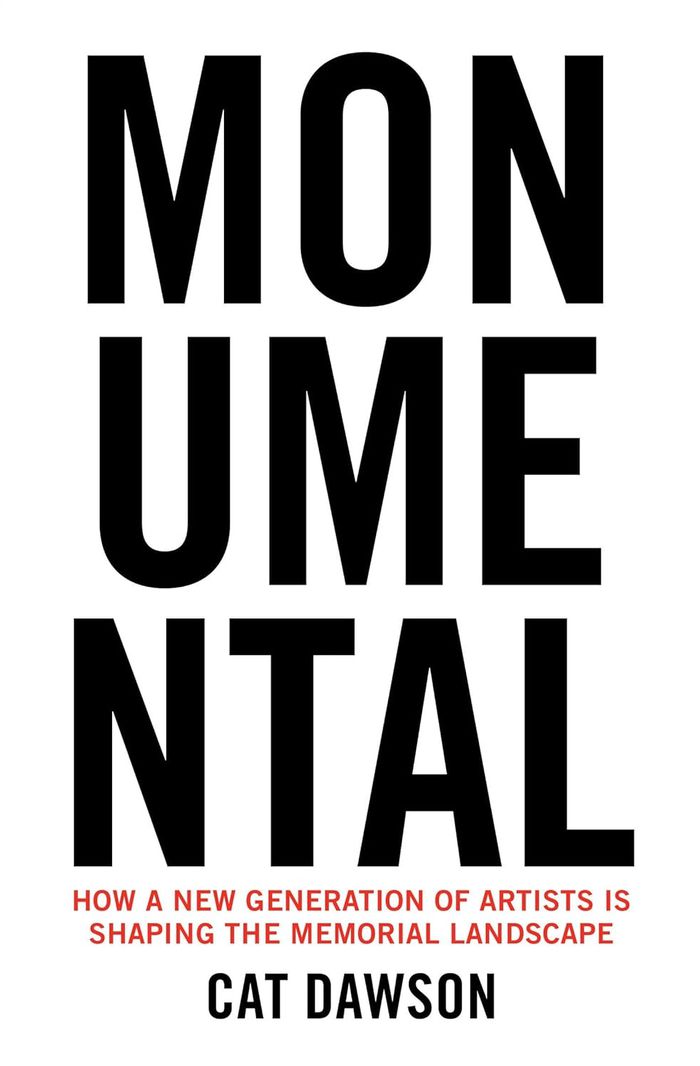
Monumental: How a new generation of artists is shaping the memorial landscape
Actions:
Price:
$45.95
(available to order)
Summary:
For centuries, monuments have telegraphed the values and origin myths of dominant culture in public space and on massive scale. They have signaled both who is part of a culture and who is not, often overlooking histories that complicate the stories they tell. Yet in the last 50 years in the United States, the role of monuments has changed significantly. Numerous historical monuments have been removed or toppled, bringing to the fore a long-repressed conversation about the relationship between the monumental landscape and national identity. In Monumental, Cat Dawson takes up the social, political, and art historical causes and ramifications of this important shift. Examining the conditions that have led to and define this new era, Dawson reveals that these interventions are as indebted to the monumental tradition as they are to representational strategies that grew out of twentieth-century social justice efforts, from the Civil Rights movement to queer organizing during the AIDS crisis.
Monumental: How a new generation of artists is shaping the memorial landscape
Actions:
Price:
$45.95
(available to order)
Summary:
For centuries, monuments have telegraphed the values and origin myths of dominant culture in public space and on massive scale. They have signaled both who is part of a culture and who is not, often overlooking histories that complicate the stories they tell. Yet in the last 50 years in the United States, the role of monuments has changed significantly. Numerous historical monuments have been removed or toppled, bringing to the fore a long-repressed conversation about the relationship between the monumental landscape and national identity. In Monumental, Cat Dawson takes up the social, political, and art historical causes and ramifications of this important shift. Examining the conditions that have led to and define this new era, Dawson reveals that these interventions are as indebted to the monumental tradition as they are to representational strategies that grew out of twentieth-century social justice efforts, from the Civil Rights movement to queer organizing during the AIDS crisis.
Form:
books
books
Publication:
August 2025
August 2025
Subject:
Art Theory
Art Theory
Form:
books
books
Actions:
Price:
$21.99
(available in store)
Summary:
This is the fifth book in the annual series A Series of Open Questions published by CCA Wattis Institute for Contemporary Arts and Sternberg Press. Each book includes newly commissioned writing as well a selection of perspectives, images, and references related to the Wattis’s year-long research seasons dedicated to single artists. This volume is informed by themes found(...)
$21.99
(available in store)
Summary:
This is the fifth book in the annual series A Series of Open Questions published by CCA Wattis Institute for Contemporary Arts and Sternberg Press. Each book includes newly commissioned writing as well a selection of perspectives, images, and references related to the Wattis’s year-long research seasons dedicated to single artists. This volume is informed by themes found(...)
Title:
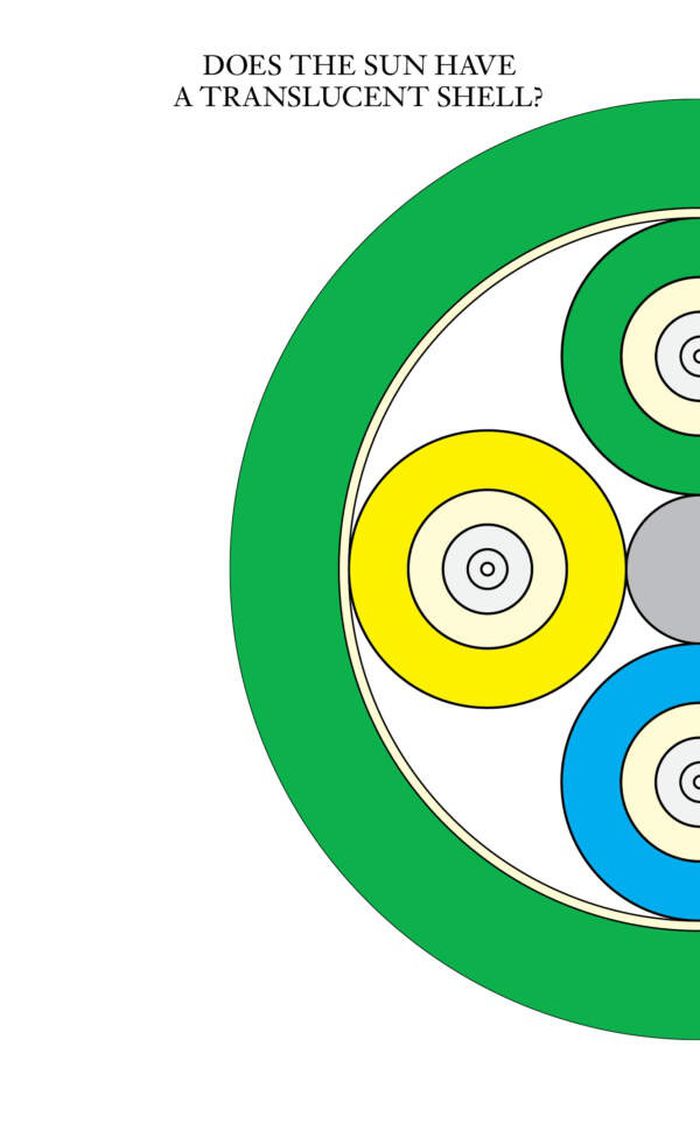
Does the sun have a translucent shell? AnickaYi
Actions:
Price:
$21.99
(available in store)
Summary:
This is the fifth book in the annual series A Series of Open Questions published by CCA Wattis Institute for Contemporary Arts and Sternberg Press. Each book includes newly commissioned writing as well a selection of perspectives, images, and references related to the Wattis’s year-long research seasons dedicated to single artists. This volume is informed by themes found in the work of Anicka Yi, such as AI, umwelt, scent and taste, the anthropocene, decay and rot, the animal world, feminism, and Asian American experiences. Contributions include a cocktail recipe by Pierre Huyghe, an academic essay on psychedelic mushrooms in Native American culture, and a short story by Argentinian author Julio Cortázar, along with photographs and drawings relating to the themes. Through an eclectic range of international voices, the book encompasses many mediums in an attempt to address some of the most pressing issues of our time. Includes a fold out insert with drawings by Anicka Yi.
Does the sun have a translucent shell? AnickaYi
Actions:
Price:
$21.99
(available in store)
Summary:
This is the fifth book in the annual series A Series of Open Questions published by CCA Wattis Institute for Contemporary Arts and Sternberg Press. Each book includes newly commissioned writing as well a selection of perspectives, images, and references related to the Wattis’s year-long research seasons dedicated to single artists. This volume is informed by themes found in the work of Anicka Yi, such as AI, umwelt, scent and taste, the anthropocene, decay and rot, the animal world, feminism, and Asian American experiences. Contributions include a cocktail recipe by Pierre Huyghe, an academic essay on psychedelic mushrooms in Native American culture, and a short story by Argentinian author Julio Cortázar, along with photographs and drawings relating to the themes. Through an eclectic range of international voices, the book encompasses many mediums in an attempt to address some of the most pressing issues of our time. Includes a fold out insert with drawings by Anicka Yi.
Form:
books
books
Publication:
August 2025
August 2025
Subject:
Art Theory
Art Theory
Form:
books
books
Actions:
Price:
$49.95
(available in store)
Summary:
''The Oracle'' names and honors the symbolic place from where all beings wonder about the course of life. Because we care about tomorrow, we should assume we care about staying alive, about a world in peaceful coexistence. Times of increasing insecurity and the experience of living in a world that refuses to acknowledge our needs give rise to various forms of escapism and(...)
$49.95
(available in store)
Summary:
''The Oracle'' names and honors the symbolic place from where all beings wonder about the course of life. Because we care about tomorrow, we should assume we care about staying alive, about a world in peaceful coexistence. Times of increasing insecurity and the experience of living in a world that refuses to acknowledge our needs give rise to various forms of escapism and(...)
Title:
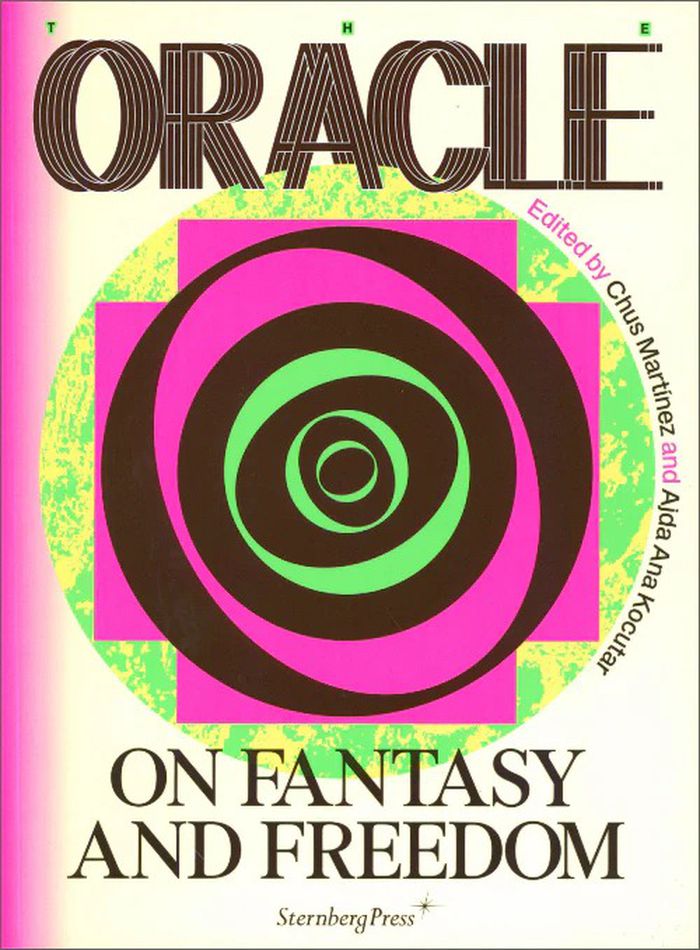
The oracle: On fantasy and freedom
Actions:
Price:
$49.95
(available in store)
Summary:
''The Oracle'' names and honors the symbolic place from where all beings wonder about the course of life. Because we care about tomorrow, we should assume we care about staying alive, about a world in peaceful coexistence. Times of increasing insecurity and the experience of living in a world that refuses to acknowledge our needs give rise to various forms of escapism and misguided decision-making. Searching for big answers and expecting significant movements capable of undoing the damage of wars and dark forces seems unrealistic. Art assumes the existence of a tiny but meaningful spot from which to dream and demand freedom and peace. ''The Oracle'' is about this spot. The Oracle has been published on the occasion of the 36th Ljubljana Biennale of Graphic Arts.
The oracle: On fantasy and freedom
Actions:
Price:
$49.95
(available in store)
Summary:
''The Oracle'' names and honors the symbolic place from where all beings wonder about the course of life. Because we care about tomorrow, we should assume we care about staying alive, about a world in peaceful coexistence. Times of increasing insecurity and the experience of living in a world that refuses to acknowledge our needs give rise to various forms of escapism and misguided decision-making. Searching for big answers and expecting significant movements capable of undoing the damage of wars and dark forces seems unrealistic. Art assumes the existence of a tiny but meaningful spot from which to dream and demand freedom and peace. ''The Oracle'' is about this spot. The Oracle has been published on the occasion of the 36th Ljubljana Biennale of Graphic Arts.
Form:
books
books
Publication:
March 2026
March 2026
Subject:
Art Theory
Art Theory
Form:
books
books
Actions:
Price:
$67.50
(available to order)
Summary:
If ceramics, glass, and metals are inextricably linked to earth and fire, textiles are arguably linked with wind and water. In truth, craft practices are all deeply connected to the elements and to nature. Eight distinguished writers and thinkers living in the Nordic region endeavor to flesh out concepts such as material interaction and material agency, Posthumanism,(...)
$67.50
(available to order)
Summary:
If ceramics, glass, and metals are inextricably linked to earth and fire, textiles are arguably linked with wind and water. In truth, craft practices are all deeply connected to the elements and to nature. Eight distinguished writers and thinkers living in the Nordic region endeavor to flesh out concepts such as material interaction and material agency, Posthumanism,(...)
Title:
Earth, wind, fire, water: Norwegian contemporary crafts
Actions:
Price:
$67.50
(available to order)
Summary:
If ceramics, glass, and metals are inextricably linked to earth and fire, textiles are arguably linked with wind and water. In truth, craft practices are all deeply connected to the elements and to nature. Eight distinguished writers and thinkers living in the Nordic region endeavor to flesh out concepts such as material interaction and material agency, Posthumanism, site-responsiveness, and symbiotic thinking in the field of crafts. How do artists explore the potential of materials and the four natural elements? What does a human-material interaction look like, and how might one approach a material, not from the position of a master but from that of a collaborator?
Earth, wind, fire, water: Norwegian contemporary crafts
Actions:
Price:
$67.50
(available to order)
Summary:
If ceramics, glass, and metals are inextricably linked to earth and fire, textiles are arguably linked with wind and water. In truth, craft practices are all deeply connected to the elements and to nature. Eight distinguished writers and thinkers living in the Nordic region endeavor to flesh out concepts such as material interaction and material agency, Posthumanism, site-responsiveness, and symbiotic thinking in the field of crafts. How do artists explore the potential of materials and the four natural elements? What does a human-material interaction look like, and how might one approach a material, not from the position of a master but from that of a collaborator?
Form:
books
books
Publication:
August 2020
August 2020
Subject:
Art Theory
Art Theory
Form:
books
books
Actions:
Price:
$64.00
(available to order)
Summary:
Native artists are at the vanguard of performance art practices and discourse, using humor as a strategy for cultural critique and reflection, parsing the relationships between objecthood and agency. This reader centers performance and theater as origin points for the development of contemporary art by Native American, First Nations, Métis, Inuit and Alaska Native(...)
$64.00
(available to order)
Summary:
Native artists are at the vanguard of performance art practices and discourse, using humor as a strategy for cultural critique and reflection, parsing the relationships between objecthood and agency. This reader centers performance and theater as origin points for the development of contemporary art by Native American, First Nations, Métis, Inuit and Alaska Native(...)
Title:
Native visual sovereignty: A reader on art and performance
Actions:
Price:
$64.00
(available to order)
Summary:
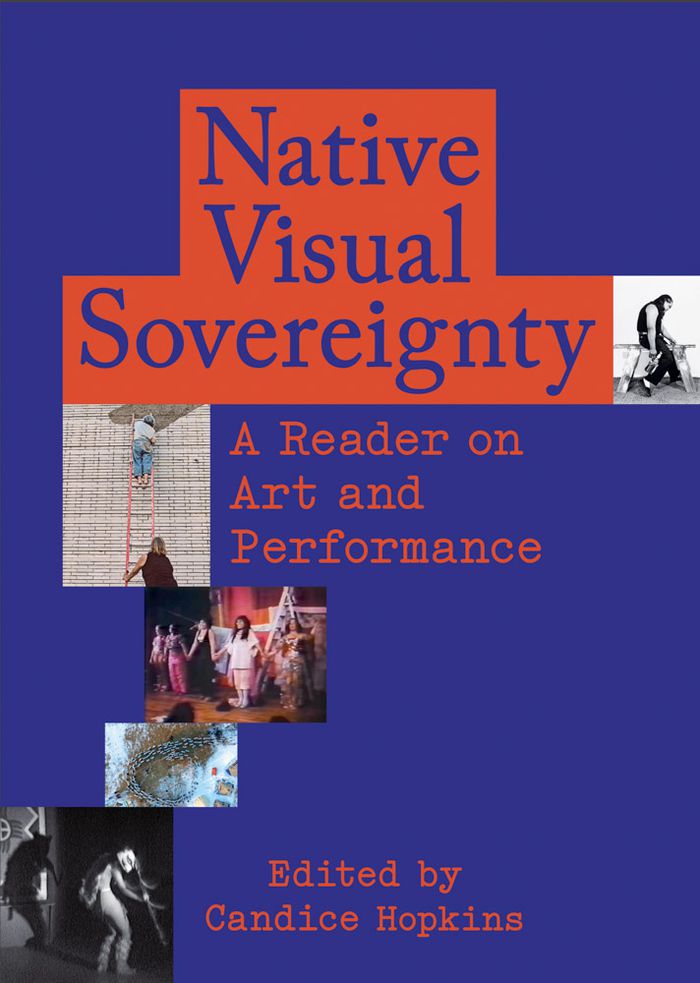
Native artists are at the vanguard of performance art practices and discourse, using humor as a strategy for cultural critique and reflection, parsing the relationships between objecthood and agency. This reader centers performance and theater as origin points for the development of contemporary art by Native American, First Nations, Métis, Inuit and Alaska Native artists. Song, dance and music are also posited as a basis for collectivity and resistance and a means to speak to a time when Native traditional ceremony and public gatherings were illegal in both the United States and Canada. Featuring excerpts from the 1969 document Indian Theatre: An Artistic Experiment in Process, this illustrated reader also includes four long-form essays by leading Indigenous scholars, nine artist contributions, oral history interviews and a selection of key texts from the fields of Native contemporary art, art history and theory.
Native visual sovereignty: A reader on art and performance
Actions:
Price:
$64.00
(available to order)
Summary:
Native artists are at the vanguard of performance art practices and discourse, using humor as a strategy for cultural critique and reflection, parsing the relationships between objecthood and agency. This reader centers performance and theater as origin points for the development of contemporary art by Native American, First Nations, Métis, Inuit and Alaska Native artists. Song, dance and music are also posited as a basis for collectivity and resistance and a means to speak to a time when Native traditional ceremony and public gatherings were illegal in both the United States and Canada. Featuring excerpts from the 1969 document Indian Theatre: An Artistic Experiment in Process, this illustrated reader also includes four long-form essays by leading Indigenous scholars, nine artist contributions, oral history interviews and a selection of key texts from the fields of Native contemporary art, art history and theory.
Form:
books
books
Publication:
December 2025
December 2025
Subject:
Art Theory
Art Theory


