


319 Results
Form:
books
books

Actions:
Price:
$23.00
(available to order)
Summary:
Initialement paru à Tky en 1936 sous le titre Manuel de composition florale japonaise, nous ne nous sommes pourtant intéressés qu'à son édition suivante (1947), la première à faire suite aux deux seules bombes atomiques tombées sur une population civile. Car c'est bien la possibilité même de l'ikebana après Hiroshima qui nous interpellait : un nouveau regard porté sur le(...)
$23.00
(available to order)
Summary:
Initialement paru à Tky en 1936 sous le titre Manuel de composition florale japonaise, nous ne nous sommes pourtant intéressés qu'à son édition suivante (1947), la première à faire suite aux deux seules bombes atomiques tombées sur une population civile. Car c'est bien la possibilité même de l'ikebana après Hiroshima qui nous interpellait : un nouveau regard porté sur le(...)
Title:
L'ikebana après Hiroshima: manuel de composition florale japonaise (éd. 1947)
Actions:
Price:
$23.00
(available to order)
Summary:
Initialement paru à Tky en 1936 sous le titre Manuel de composition florale japonaise, nous ne nous sommes pourtant intéressés qu'à son édition suivante (1947), la première à faire suite aux deux seules bombes atomiques tombées sur une population civile. Car c'est bien la possibilité même de l'ikebana après Hiroshima qui nous interpellait : un nouveau regard porté sur le vivre ensemble. Car n'est-ce pas à Hiroshima que l'on a tout (re)vu : les mots, les choses, les êtres vivants, l'espèce humaine, eux, nous, vous, toi et moi ? À travers un prisme occidental, moderne, vainqueur et historique, quelle disposition tirer aujourd'hui de ce simple et émouvant raffinement que de placer une fleur dans l'espace ? Bref, un livre à lire « à la japonaise »... (Avertissement: mise en page japonaise avec reliure à droite et pagination inversée)
L'ikebana après Hiroshima: manuel de composition florale japonaise (éd. 1947)
Actions:
Price:
$23.00
(available to order)
Summary:
Initialement paru à Tky en 1936 sous le titre Manuel de composition florale japonaise, nous ne nous sommes pourtant intéressés qu'à son édition suivante (1947), la première à faire suite aux deux seules bombes atomiques tombées sur une population civile. Car c'est bien la possibilité même de l'ikebana après Hiroshima qui nous interpellait : un nouveau regard porté sur le vivre ensemble. Car n'est-ce pas à Hiroshima que l'on a tout (re)vu : les mots, les choses, les êtres vivants, l'espèce humaine, eux, nous, vous, toi et moi ? À travers un prisme occidental, moderne, vainqueur et historique, quelle disposition tirer aujourd'hui de ce simple et émouvant raffinement que de placer une fleur dans l'espace ? Bref, un livre à lire « à la japonaise »... (Avertissement: mise en page japonaise avec reliure à droite et pagination inversée)
Form:
books
books
Publication:
December 2015
December 2015
Subject:
Design Theory
Design Theory
Form:
books
books
Price:
$35.00
(available to order)
Summary:
Cooperatives, sharing communities, co-housing in the late 1920s the Bauhaus took a keen interest in the relationship between society and design, the individual and collaborative creation and production. A key figure in this development was architect Hannes Meyer (1889 1954), the second Bauhaus director, whose revolutionary collaborative design process is documented(...)
$35.00
(available to order)
Summary:
Cooperatives, sharing communities, co-housing in the late 1920s the Bauhaus took a keen interest in the relationship between society and design, the individual and collaborative creation and production. A key figure in this development was architect Hannes Meyer (1889 1954), the second Bauhaus director, whose revolutionary collaborative design process is documented(...)
Title:
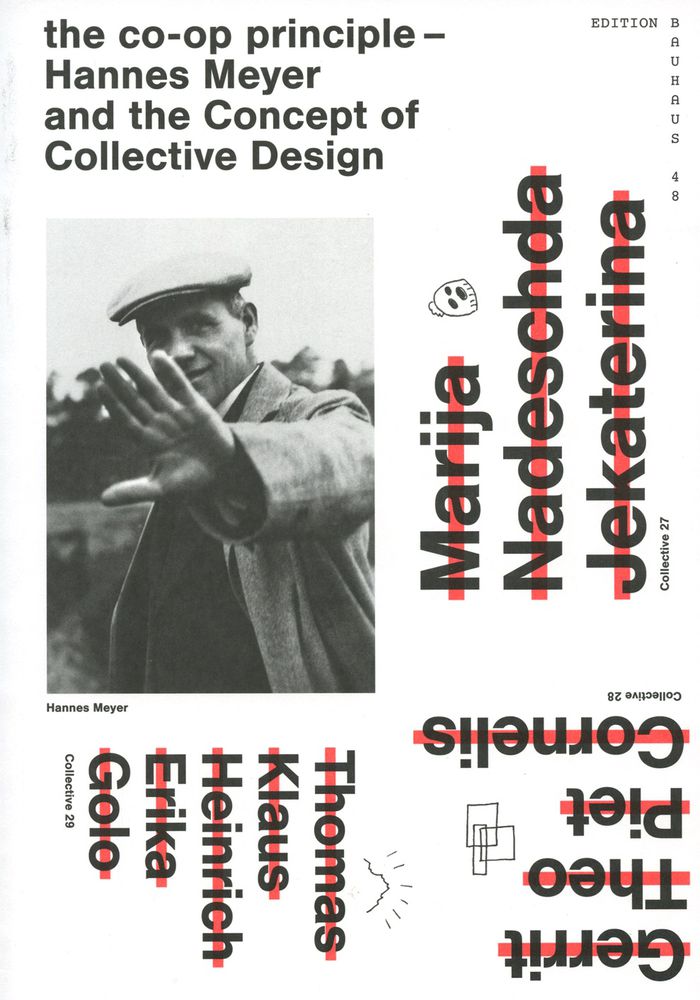
The coop principle - Hannes Meyer and the Concept of Collective Design
Actions:
Price:
$35.00
(available to order)
Summary:
Cooperatives, sharing communities, co-housing in the late 1920s the Bauhaus took a keen interest in the relationship between society and design, the individual and collaborative creation and production. A key figure in this development was architect Hannes Meyer (1889 1954), the second Bauhaus director, whose revolutionary collaborative design process is documented here for the first time. With his appointment in 1928, Meyer brought a change in thinking: from author-architect to collective, from the need for luxury to the needs of the people, playing a key role radically orienting the school s teaching, workshops, its planning and architecture around the idea and needs of the collective until his politically motivated dismissal in 1930. Informative texts by researchers Werner Moller and Astrid Volpert, with introduction by director Claudia Perren, are illustrated with a wonderful array of archival photos of students, performances, furniture and building projects that convey the energy and optimism of the time.
The coop principle - Hannes Meyer and the Concept of Collective Design
Actions:
Price:
$35.00
(available to order)
Summary:
Cooperatives, sharing communities, co-housing in the late 1920s the Bauhaus took a keen interest in the relationship between society and design, the individual and collaborative creation and production. A key figure in this development was architect Hannes Meyer (1889 1954), the second Bauhaus director, whose revolutionary collaborative design process is documented here for the first time. With his appointment in 1928, Meyer brought a change in thinking: from author-architect to collective, from the need for luxury to the needs of the people, playing a key role radically orienting the school s teaching, workshops, its planning and architecture around the idea and needs of the collective until his politically motivated dismissal in 1930. Informative texts by researchers Werner Moller and Astrid Volpert, with introduction by director Claudia Perren, are illustrated with a wonderful array of archival photos of students, performances, furniture and building projects that convey the energy and optimism of the time.
Form:
books
books
Publication:
December 2015
December 2015
Subject:
Design Theory
Design Theory
Form:
books
books
Title:
Le décoratif
Le décoratif
Actions:
Price:
$39.95
(available to order)
Summary:
Peu de notions esthétiques auront fait l'objet de prises de position aussi négatives que celles suscitées par le décoratif. S'adossant aux ruines des notions de bienséance et de convenance héritées de l'âge classique, ce concept acquiert son identité à la faveur de la formation des utopies modernistes anti-décoratives d'inspiration architecturale. Ni ornement ni décor, le(...)
$39.95
(available to order)
Summary:
Peu de notions esthétiques auront fait l'objet de prises de position aussi négatives que celles suscitées par le décoratif. S'adossant aux ruines des notions de bienséance et de convenance héritées de l'âge classique, ce concept acquiert son identité à la faveur de la formation des utopies modernistes anti-décoratives d'inspiration architecturale. Ni ornement ni décor, le(...)
Title:
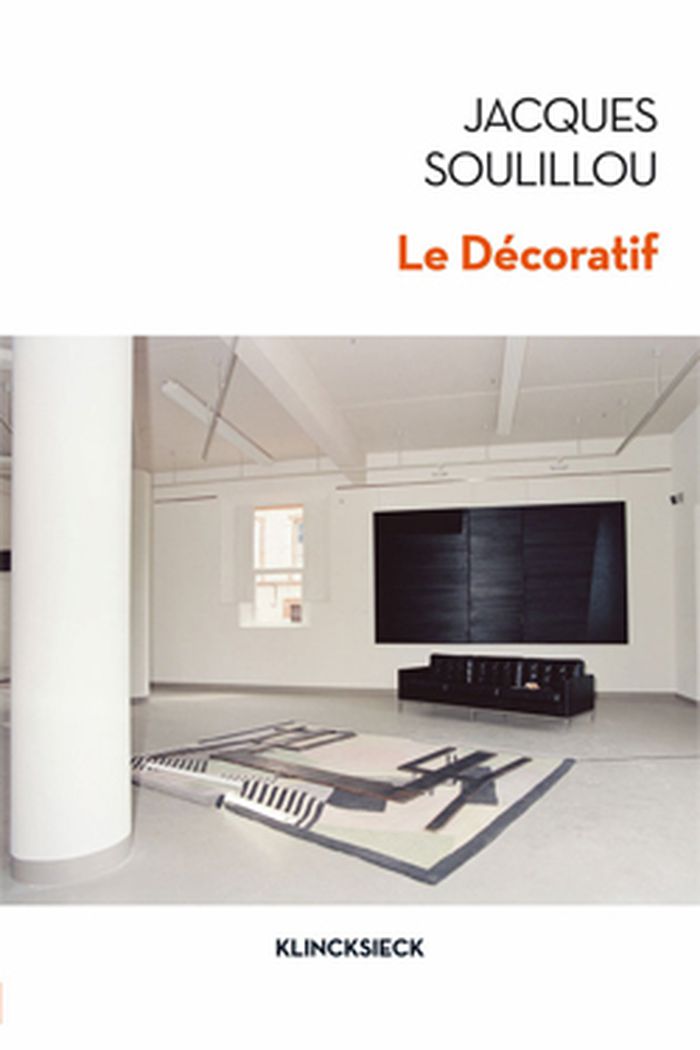
Le décoratif
Actions:
Price:
$39.95
(available to order)
Summary:
Peu de notions esthétiques auront fait l'objet de prises de position aussi négatives que celles suscitées par le décoratif. S'adossant aux ruines des notions de bienséance et de convenance héritées de l'âge classique, ce concept acquiert son identité à la faveur de la formation des utopies modernistes anti-décoratives d'inspiration architecturale. Ni ornement ni décor, le décoratif est un concept parasite dont la reconnaissance spécifie moins une configuration des choses qu'il ne signale l'émergence d'un fantasme lié aux trois périphéries du social (acteurs illégitimes de la culture), du sexe (femme), de l'exotique (le sauvage). De Kant à Mendini, l'équivoque décorative redouble et fragilise les certitudes du visible.
Le décoratif
Actions:
Price:
$39.95
(available to order)
Summary:
Peu de notions esthétiques auront fait l'objet de prises de position aussi négatives que celles suscitées par le décoratif. S'adossant aux ruines des notions de bienséance et de convenance héritées de l'âge classique, ce concept acquiert son identité à la faveur de la formation des utopies modernistes anti-décoratives d'inspiration architecturale. Ni ornement ni décor, le décoratif est un concept parasite dont la reconnaissance spécifie moins une configuration des choses qu'il ne signale l'émergence d'un fantasme lié aux trois périphéries du social (acteurs illégitimes de la culture), du sexe (femme), de l'exotique (le sauvage). De Kant à Mendini, l'équivoque décorative redouble et fragilise les certitudes du visible.
Form:
books
books
Publication:
February 2016
February 2016
Subject:
Design Theory
Design Theory
Form:
books
books
Actions:
Price:
$39.95
(available to order)
Summary:
Failure is an inevitable part of any creative practice. As game designers, John Sharp and Colleen Macklin have grappled with crises of creativity, false starts, and bad outcomes. Their tool for coping with the many varieties of failure: "iteration", the cyclical process of conceptualizing, prototyping, testing, and evaluating. Sharp and Macklin have found that(...)
$39.95
(available to order)
Summary:
Failure is an inevitable part of any creative practice. As game designers, John Sharp and Colleen Macklin have grappled with crises of creativity, false starts, and bad outcomes. Their tool for coping with the many varieties of failure: "iteration", the cyclical process of conceptualizing, prototyping, testing, and evaluating. Sharp and Macklin have found that(...)
Title:
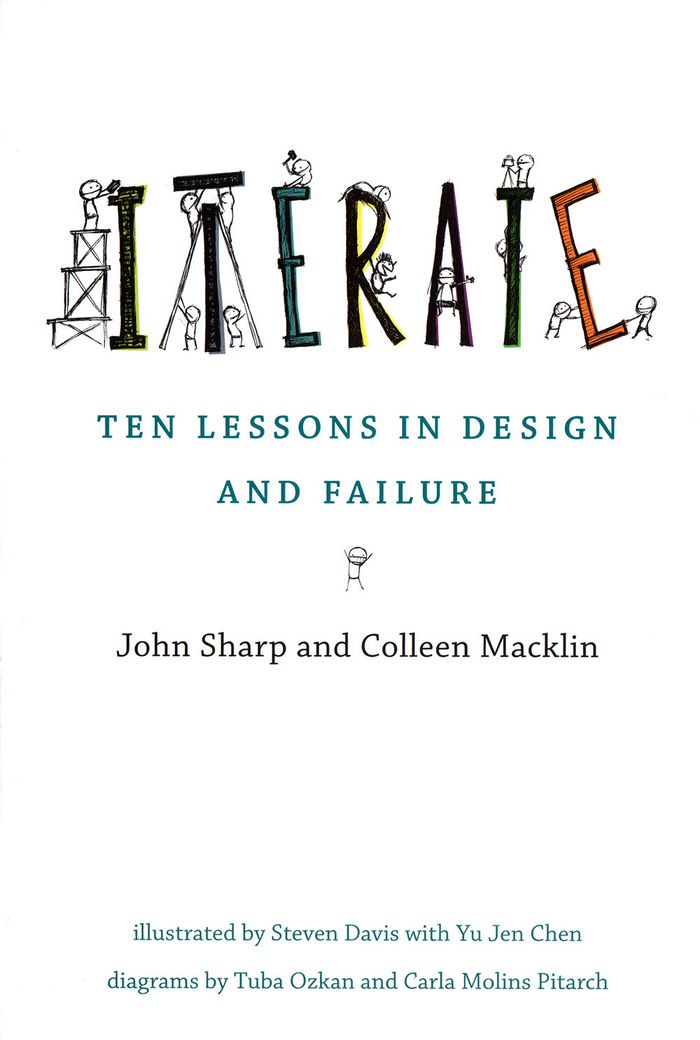
Iterate: ten lessons in design and failure
Actions:
Price:
$39.95
(available to order)
Summary:
Failure is an inevitable part of any creative practice. As game designers, John Sharp and Colleen Macklin have grappled with crises of creativity, false starts, and bad outcomes. Their tool for coping with the many varieties of failure: "iteration", the cyclical process of conceptualizing, prototyping, testing, and evaluating. Sharp and Macklin have found that failure—often hidden, covered up, a source of embarrassment—is the secret ingredient of iterative creative process. In "Iterate", they explain how to fail better.
Iterate: ten lessons in design and failure
Actions:
Price:
$39.95
(available to order)
Summary:
Failure is an inevitable part of any creative practice. As game designers, John Sharp and Colleen Macklin have grappled with crises of creativity, false starts, and bad outcomes. Their tool for coping with the many varieties of failure: "iteration", the cyclical process of conceptualizing, prototyping, testing, and evaluating. Sharp and Macklin have found that failure—often hidden, covered up, a source of embarrassment—is the secret ingredient of iterative creative process. In "Iterate", they explain how to fail better.
Form:
books
books
Publication:
May 2019
May 2019
Subject:
Design Theory
Design Theory
Form:
books
books
Actions:
Price:
$44.00
(available to order)
Summary:
Qu'est-ce que le concept de care, issu de la philosophie féministe américaine et centré sur la notion de sollicitude, apporte au design, à ses objectifs et à ses pratiques ? En quoi le souci de l'autre le conduit-il à modifier ses objectifs, ses modes d'intervention, ses méthodes ?
$44.00
(available to order)
Summary:
Qu'est-ce que le concept de care, issu de la philosophie féministe américaine et centré sur la notion de sollicitude, apporte au design, à ses objectifs et à ses pratiques ? En quoi le souci de l'autre le conduit-il à modifier ses objectifs, ses modes d'intervention, ses méthodes ?
Title:
Design et pensée du care : pour un design des microluttes et des singularités
Actions:
Price:
$44.00
(available to order)
Summary:
Qu'est-ce que le concept de care, issu de la philosophie féministe américaine et centré sur la notion de sollicitude, apporte au design, à ses objectifs et à ses pratiques ? En quoi le souci de l'autre le conduit-il à modifier ses objectifs, ses modes d'intervention, ses méthodes ?
Design et pensée du care : pour un design des microluttes et des singularités
Actions:
Price:
$44.00
(available to order)
Summary:
Qu'est-ce que le concept de care, issu de la philosophie féministe américaine et centré sur la notion de sollicitude, apporte au design, à ses objectifs et à ses pratiques ? En quoi le souci de l'autre le conduit-il à modifier ses objectifs, ses modes d'intervention, ses méthodes ?
Form:
books
books
Publication:
June 2019
June 2019
Subject:
Design Theory
Design Theory
Form:
books
books
Actions:
Price:
$53.95
(available to order)
Summary:
What we make, makes us. This is the central tenet of 'Artful Design', a photorealistic comic book that examines the nature, purpose, and meaning of design. A call to action and a meditation on art, authenticity, and social connection in a world disrupted by technological change, this book articulates a fundamental principle for design: that we should design not just from(...)
$53.95
(available to order)
Summary:
What we make, makes us. This is the central tenet of 'Artful Design', a photorealistic comic book that examines the nature, purpose, and meaning of design. A call to action and a meditation on art, authenticity, and social connection in a world disrupted by technological change, this book articulates a fundamental principle for design: that we should design not just from(...)
Title:
Artful design: technology in search of the sublime
Actions:
Price:
$53.95
(available to order)
Summary:
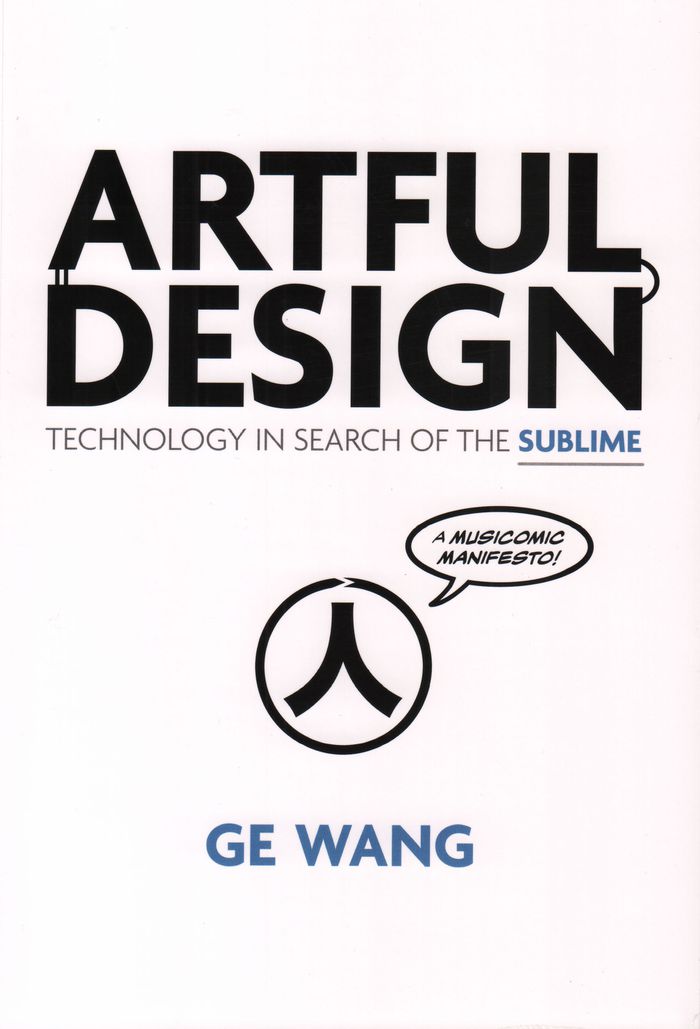
What we make, makes us. This is the central tenet of 'Artful Design', a photorealistic comic book that examines the nature, purpose, and meaning of design. A call to action and a meditation on art, authenticity, and social connection in a world disrupted by technological change, this book articulates a fundamental principle for design: that we should design not just from practical needs but from the values that underlie those needs.
Artful design: technology in search of the sublime
Actions:
Price:
$53.95
(available to order)
Summary:
What we make, makes us. This is the central tenet of 'Artful Design', a photorealistic comic book that examines the nature, purpose, and meaning of design. A call to action and a meditation on art, authenticity, and social connection in a world disrupted by technological change, this book articulates a fundamental principle for design: that we should design not just from practical needs but from the values that underlie those needs.
Form:
books
books
Publication:
September 2018
September 2018
Subject:
Design Theory
Design Theory
Form:
books
books
Price:
$33.95
(available to order)
Summary:
Buffed to a metallic shine; loose fitting, lopsided, or kludgy; getting in the way or getting lost; collapsing in an explosion of dust caught on the warehouse CCTV. Modern things are going their own ways, and this book attempts to follow them. A course of thought about their comings and goings and cascading side effects, The Way Things Go offers a thesis demonstrated via(...)
$33.95
(available to order)
Summary:
Buffed to a metallic shine; loose fitting, lopsided, or kludgy; getting in the way or getting lost; collapsing in an explosion of dust caught on the warehouse CCTV. Modern things are going their own ways, and this book attempts to follow them. A course of thought about their comings and goings and cascading side effects, The Way Things Go offers a thesis demonstrated via(...)
Title:
The way things go: an essay on the matter of second modernism
Actions:
Price:
$33.95
(available to order)
Summary:
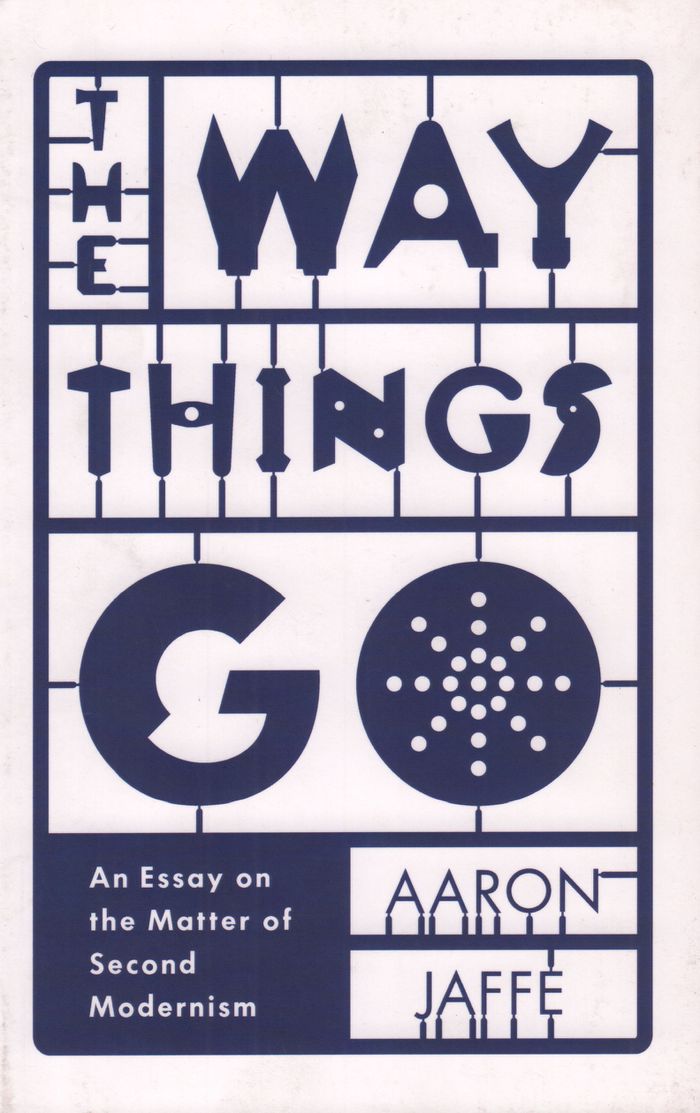
Buffed to a metallic shine; loose fitting, lopsided, or kludgy; getting in the way or getting lost; collapsing in an explosion of dust caught on the warehouse CCTV. Modern things are going their own ways, and this book attempts to follow them. A course of thought about their comings and goings and cascading side effects, The Way Things Go offers a thesis demonstrated via a century-long countdown of stuff. Modernist critical theory and aesthetic method, it argues, are bound up with the inhuman fate of things as novelty becoming waste.
The way things go: an essay on the matter of second modernism
Actions:
Price:
$33.95
(available to order)
Summary:
Buffed to a metallic shine; loose fitting, lopsided, or kludgy; getting in the way or getting lost; collapsing in an explosion of dust caught on the warehouse CCTV. Modern things are going their own ways, and this book attempts to follow them. A course of thought about their comings and goings and cascading side effects, The Way Things Go offers a thesis demonstrated via a century-long countdown of stuff. Modernist critical theory and aesthetic method, it argues, are bound up with the inhuman fate of things as novelty becoming waste.
Form:
books
books
Publication:
May 2014
May 2014
Subject:
Design Theory
Design Theory
Form:
books
books
Actions:
Price:
$64.95
(available to order)
Summary:
Cet ouvrage questionne une histoire récente du design où la notion d’ornement se donne au cœur de nouvelles logiques de conception et de production. Avec l’avènement du numérique et la redéfinition du rôle de l’ornement, la forme ornementale se donne à présent dans une dimension calculée de morphogenèse : sa dynamique s’ancre dans les processus de croissance de la nature.(...)
$64.95
(available to order)
Summary:
Cet ouvrage questionne une histoire récente du design où la notion d’ornement se donne au cœur de nouvelles logiques de conception et de production. Avec l’avènement du numérique et la redéfinition du rôle de l’ornement, la forme ornementale se donne à présent dans une dimension calculée de morphogenèse : sa dynamique s’ancre dans les processus de croissance de la nature.(...)
Title:
Design et merveilleux : de la nature de l'ornement / Design and the wondrous: on the nature of ornament
Actions:
Price:
$64.95
(available to order)
Summary:
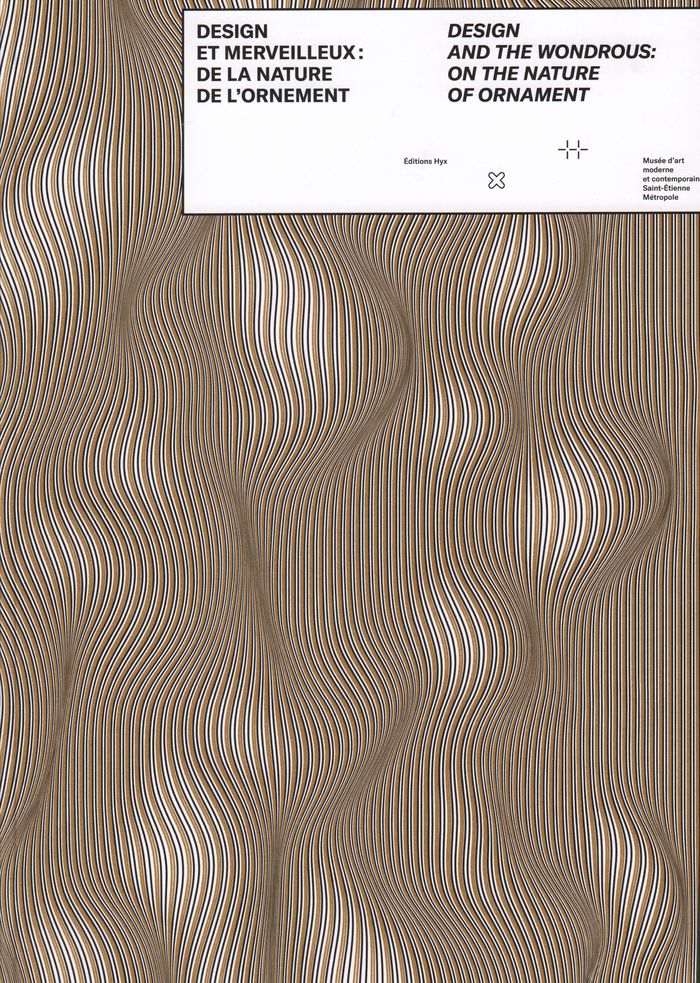
Cet ouvrage questionne une histoire récente du design où la notion d’ornement se donne au cœur de nouvelles logiques de conception et de production. Avec l’avènement du numérique et la redéfinition du rôle de l’ornement, la forme ornementale se donne à présent dans une dimension calculée de morphogenèse : sa dynamique s’ancre dans les processus de croissance de la nature. Dans toutes ces réalisations, la dimension générative de la nature a conféré à l’ornement un rôle structurel nouveau. S'appuyant sur une sélection d'œuvres de plus de cinquante artistes, , quatre essais (Marie-Ange Brayer, Spyros Papapetros, Martine Dancer-Mourès et Sophie Fétro), nous donnent à lire et comprendre, l'évolution du design et de l'ornement, à l'ère du numérique. / This volume presents a new narrative of design, situated somewhere between plant life and ornament, nature and artifice. Through essays by several authors it explores the ornament’s role with respect to morphogenesis, by which the object is continually transformed through an evolving dynamic of forms. With the arrival of the digital age, the ornament’s role in design has been greatly modified. No longer a simple motif, it is used as an animated form. At the intersection of information sciences and biology, designers utilise 3D printing to create carefully calculated objects based on organic growth. With contributions by Spyros Papapetros, Marie-Ange Brayer, and others.
Design et merveilleux : de la nature de l'ornement / Design and the wondrous: on the nature of ornament
Actions:
Price:
$64.95
(available to order)
Summary:
Cet ouvrage questionne une histoire récente du design où la notion d’ornement se donne au cœur de nouvelles logiques de conception et de production. Avec l’avènement du numérique et la redéfinition du rôle de l’ornement, la forme ornementale se donne à présent dans une dimension calculée de morphogenèse : sa dynamique s’ancre dans les processus de croissance de la nature. Dans toutes ces réalisations, la dimension générative de la nature a conféré à l’ornement un rôle structurel nouveau. S'appuyant sur une sélection d'œuvres de plus de cinquante artistes, , quatre essais (Marie-Ange Brayer, Spyros Papapetros, Martine Dancer-Mourès et Sophie Fétro), nous donnent à lire et comprendre, l'évolution du design et de l'ornement, à l'ère du numérique. / This volume presents a new narrative of design, situated somewhere between plant life and ornament, nature and artifice. Through essays by several authors it explores the ornament’s role with respect to morphogenesis, by which the object is continually transformed through an evolving dynamic of forms. With the arrival of the digital age, the ornament’s role in design has been greatly modified. No longer a simple motif, it is used as an animated form. At the intersection of information sciences and biology, designers utilise 3D printing to create carefully calculated objects based on organic growth. With contributions by Spyros Papapetros, Marie-Ange Brayer, and others.
Form:
books
books
Publication:
May 2019
May 2019
Subject:
Design Theory
Design Theory
Form:
books
books

Actions:
Price:
$36.00
(available to order)
Summary:
Bringing together the work of over twenty international scholars from various disciplines, "Cultural Histories of the Material World" provides a substantial collection of works that explore materiality and material culture from a historical perspective. These scholars represent some of the most innovative voices in their respective fields, using historiographical lens to(...)
$36.00
(available to order)
Summary:
Bringing together the work of over twenty international scholars from various disciplines, "Cultural Histories of the Material World" provides a substantial collection of works that explore materiality and material culture from a historical perspective. These scholars represent some of the most innovative voices in their respective fields, using historiographical lens to(...)
Title:
Cultural histories of the material world
Actions:
Price:
$36.00
(available to order)
Summary:
Bringing together the work of over twenty international scholars from various disciplines, "Cultural Histories of the Material World" provides a substantial collection of works that explore materiality and material culture from a historical perspective. These scholars represent some of the most innovative voices in their respective fields, using historiographical lens to chronicle how the field of material culture has operated between multiple disciplines and has grown to prominence in the last two decades, both inside and beyond the academy. Essential reading for the study of material culture and including writing by Bill Brown, Nancy Troy, Horst Bredekamp, Jas Elsner, and Pamela H. Smith, this book builds on the recent proliferation of works that address materiality and offers unified collection of key perspectives on the material turn across the humanities.
Cultural histories of the material world
Actions:
Price:
$36.00
(available to order)
Summary:
Bringing together the work of over twenty international scholars from various disciplines, "Cultural Histories of the Material World" provides a substantial collection of works that explore materiality and material culture from a historical perspective. These scholars represent some of the most innovative voices in their respective fields, using historiographical lens to chronicle how the field of material culture has operated between multiple disciplines and has grown to prominence in the last two decades, both inside and beyond the academy. Essential reading for the study of material culture and including writing by Bill Brown, Nancy Troy, Horst Bredekamp, Jas Elsner, and Pamela H. Smith, this book builds on the recent proliferation of works that address materiality and offers unified collection of key perspectives on the material turn across the humanities.
Form:
books
books
Publication:
December 2019
December 2019
Subject:
Design Theory
Design Theory
Form:
books
books
Title:
Uchronia: designing time
Uchronia: designing time
Actions:
Price:
$64.00
(available to order)
Summary:
This book critically investigates our contemporary time crisis. The transformation of society from an agrarian to an industrial, and finally an urbanized way of living and working has created a fundamental change in our understanding of time: a 24/7 mentality. The move from natural time to the digital age leads to a fragmentation of time that deeply affects our daily(...)
$64.00
(available to order)
Summary:
This book critically investigates our contemporary time crisis. The transformation of society from an agrarian to an industrial, and finally an urbanized way of living and working has created a fundamental change in our understanding of time: a 24/7 mentality. The move from natural time to the digital age leads to a fragmentation of time that deeply affects our daily(...)
Title:
Uchronia: designing time
Actions:
Price:
$64.00
(available to order)
Summary:
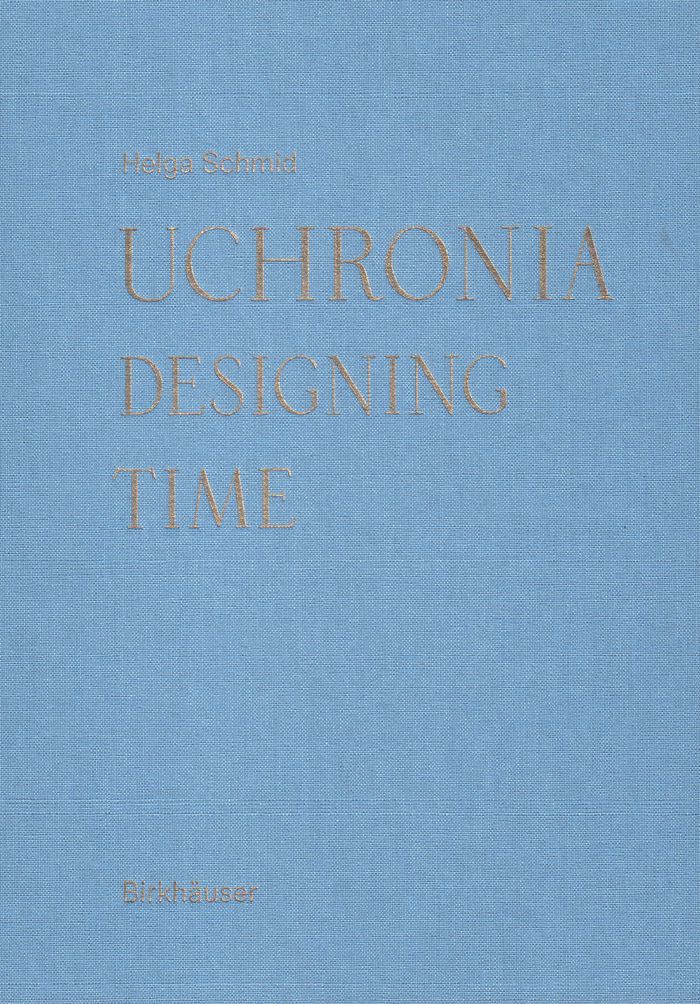
This book critically investigates our contemporary time crisis. The transformation of society from an agrarian to an industrial, and finally an urbanized way of living and working has created a fundamental change in our understanding of time: a 24/7 mentality. The move from natural time to the digital age leads to a fragmentation of time that deeply affects our daily biological and social rhythm. We need a new approach to time to overcome our temporal system of clocks and calendars. This book investigates a new perception of time by exploring the concept of uchronia, a term derived from the Greek u-topos and meaning 'no time' or 'non-time'. Uchronia is a way of questioning, speculating on and designing new kinds of temporal systems that are more about being in tune than on time.
Uchronia: designing time
Actions:
Price:
$64.00
(available to order)
Summary:
This book critically investigates our contemporary time crisis. The transformation of society from an agrarian to an industrial, and finally an urbanized way of living and working has created a fundamental change in our understanding of time: a 24/7 mentality. The move from natural time to the digital age leads to a fragmentation of time that deeply affects our daily biological and social rhythm. We need a new approach to time to overcome our temporal system of clocks and calendars. This book investigates a new perception of time by exploring the concept of uchronia, a term derived from the Greek u-topos and meaning 'no time' or 'non-time'. Uchronia is a way of questioning, speculating on and designing new kinds of temporal systems that are more about being in tune than on time.
Form:
books
books
Publication:
January 2020
January 2020
Subject:
Design Theory
Design Theory


