


1923 Results
Form:
books
books
Actions:
Price:
$34.95
(available to order)
Summary:
In moving freely among the public and private spheres, design forces us to ask whether the distinction we still draw between them adequately describes our world today. The authors assembled in this volume - including, among others, Bazon Brock, Gesche Joost, Uta Brandes, and Luigi Blau -reflect on this question and provide a wide array of insights into its answer.
$34.95
(available to order)
Summary:
In moving freely among the public and private spheres, design forces us to ask whether the distinction we still draw between them adequately describes our world today. The authors assembled in this volume - including, among others, Bazon Brock, Gesche Joost, Uta Brandes, and Luigi Blau -reflect on this question and provide a wide array of insights into its answer.
Subject:
Urban Theory
Urban Theory
Publication:
May 2008, Köln
May 2008, Köln
Title:
Designing Public: perspective for the public
Actions:
Price:
$34.95
(available to order)
Summary:
In moving freely among the public and private spheres, design forces us to ask whether the distinction we still draw between them adequately describes our world today. The authors assembled in this volume - including, among others, Bazon Brock, Gesche Joost, Uta Brandes, and Luigi Blau -reflect on this question and provide a wide array of insights into its answer.
Designing Public: perspective for the public
Actions:
Price:
$34.95
(available to order)
Summary:
In moving freely among the public and private spheres, design forces us to ask whether the distinction we still draw between them adequately describes our world today. The authors assembled in this volume - including, among others, Bazon Brock, Gesche Joost, Uta Brandes, and Luigi Blau -reflect on this question and provide a wide array of insights into its answer.
Form:
books
books
Publication:
May 2008, Köln
May 2008, Köln
Subject:
Urban Theory
Urban Theory
Form:
books
books
Title:
Espaces public: Promenades
Espaces public: Promenades
Actions:
Price:
$104.95
(available to order)
Summary:
En tant que thème significatif de l'urbanisme contemporain, le lieu de passage nécessite une étude détaillée des exemples les plus brillants. Un lieu où les gens affluent pour voir et être vus, le passage est le point de rencontre par lequel l'identité d'une société doit se réaffirmer de manière quotidienne. L'oubli de cet ingrédient n'a fait que mettre en évidence le(...)
$104.95
(available to order)
Summary:
En tant que thème significatif de l'urbanisme contemporain, le lieu de passage nécessite une étude détaillée des exemples les plus brillants. Un lieu où les gens affluent pour voir et être vus, le passage est le point de rencontre par lequel l'identité d'une société doit se réaffirmer de manière quotidienne. L'oubli de cet ingrédient n'a fait que mettre en évidence le(...)
Title:
Espaces public: Promenades
Actions:
Price:
$104.95
(available to order)
Summary:
En tant que thème significatif de l'urbanisme contemporain, le lieu de passage nécessite une étude détaillée des exemples les plus brillants. Un lieu où les gens affluent pour voir et être vus, le passage est le point de rencontre par lequel l'identité d'une société doit se réaffirmer de manière quotidienne. L'oubli de cet ingrédient n'a fait que mettre en évidence le besoin social d'espaces publics éloignés de l'image de la station service. Ainsi se produit l'engrenage des tendances plus actuelles de l'urbanisme contemporain avec une tradition urbaine enracinée, dans le contexte vibrant d'un nouveau terrain conceptuel. Riche en projets documentés en détails avec des photographies en couleurs grand format, des esquisses, des plans et des textes explicatifs apportés par les architectes des projets sélectionnés, ce livre répond aux besoins de l'architecte professionnel comme du passionné, leur permettant d'acquérir la dernière mise à jour de l'information sur la gestion des espaces publics aussi bien en milieu urbain qu'en milieu rural.
Espaces public: Promenades
Actions:
Price:
$104.95
(available to order)
Summary:
En tant que thème significatif de l'urbanisme contemporain, le lieu de passage nécessite une étude détaillée des exemples les plus brillants. Un lieu où les gens affluent pour voir et être vus, le passage est le point de rencontre par lequel l'identité d'une société doit se réaffirmer de manière quotidienne. L'oubli de cet ingrédient n'a fait que mettre en évidence le besoin social d'espaces publics éloignés de l'image de la station service. Ainsi se produit l'engrenage des tendances plus actuelles de l'urbanisme contemporain avec une tradition urbaine enracinée, dans le contexte vibrant d'un nouveau terrain conceptuel. Riche en projets documentés en détails avec des photographies en couleurs grand format, des esquisses, des plans et des textes explicatifs apportés par les architectes des projets sélectionnés, ce livre répond aux besoins de l'architecte professionnel comme du passionné, leur permettant d'acquérir la dernière mise à jour de l'information sur la gestion des espaces publics aussi bien en milieu urbain qu'en milieu rural.
Form:
books
books
Publication:
January 1900, Barcelona
January 1900, Barcelona
Subject:
Urban Theory
Urban Theory
Form:
books
books
Title:
Spaces of uncertainty
Spaces of uncertainty
Actions:
Price:
$42.00
(available to order)
Summary:
"Spaces of Uncertainty" is a publication on issues of contemporary urban space, from the particular view of two young architects, Kenny Cupers and Markus Miessen. Their photographic and theoretic research constitutes a double movement, which opens up the traditional architectural gaze towards the social spectrum of urban spaces, while simultaneously offering an original(...)
$42.00
(available to order)
Summary:
"Spaces of Uncertainty" is a publication on issues of contemporary urban space, from the particular view of two young architects, Kenny Cupers and Markus Miessen. Their photographic and theoretic research constitutes a double movement, which opens up the traditional architectural gaze towards the social spectrum of urban spaces, while simultaneously offering an original(...)
Title:
Spaces of uncertainty
Actions:
Price:
$42.00
(available to order)
Summary:
"Spaces of Uncertainty" is a publication on issues of contemporary urban space, from the particular view of two young architects, Kenny Cupers and Markus Miessen. Their photographic and theoretic research constitutes a double movement, which opens up the traditional architectural gaze towards the social spectrum of urban spaces, while simultaneously offering an original theory of contemporary cultural practice. The issue of public space is one that crosses interdisciplinary boundaries and attracts high interest in the fields of architecture, urbanism, sociology and cultural studies. With Berlin as a case study for a globalised urban condition, the publication aims at a wide international public by providing a broadly conceived theory that approaches the city at the same time as a material phenomenon and as a social and philosophical idea. Public space in its traditional interpretations is unable to follow the heartbeat of today's rapidly changing city. Instead of adding force to an ongoing rhetorical discourse of loss, this publication acknowledges the existence of places beyond traditional definition. With a photographic essay on Berlin, it opens an unexpectedly contemporary view upon this agitated debate. Left with enormous amounts of infill and fallow land, Berlin is a city in which residual space and public space lose their definitions. As playgrounds for micro-political activities, permanent hiding-places or areas for temporary occupation, its residual spaces prove their necessity. Shy and unassuming, these very spaces of uncertainty show their value for public life in the contemporary city. With contributions by Margaret Crawford, Hilde Heynen, Paul Davies, Paul Halliday and Jürgen Mayer H.
Spaces of uncertainty
Actions:
Price:
$42.00
(available to order)
Summary:
"Spaces of Uncertainty" is a publication on issues of contemporary urban space, from the particular view of two young architects, Kenny Cupers and Markus Miessen. Their photographic and theoretic research constitutes a double movement, which opens up the traditional architectural gaze towards the social spectrum of urban spaces, while simultaneously offering an original theory of contemporary cultural practice. The issue of public space is one that crosses interdisciplinary boundaries and attracts high interest in the fields of architecture, urbanism, sociology and cultural studies. With Berlin as a case study for a globalised urban condition, the publication aims at a wide international public by providing a broadly conceived theory that approaches the city at the same time as a material phenomenon and as a social and philosophical idea. Public space in its traditional interpretations is unable to follow the heartbeat of today's rapidly changing city. Instead of adding force to an ongoing rhetorical discourse of loss, this publication acknowledges the existence of places beyond traditional definition. With a photographic essay on Berlin, it opens an unexpectedly contemporary view upon this agitated debate. Left with enormous amounts of infill and fallow land, Berlin is a city in which residual space and public space lose their definitions. As playgrounds for micro-political activities, permanent hiding-places or areas for temporary occupation, its residual spaces prove their necessity. Shy and unassuming, these very spaces of uncertainty show their value for public life in the contemporary city. With contributions by Margaret Crawford, Hilde Heynen, Paul Davies, Paul Halliday and Jürgen Mayer H.
Form:
books
books
Publication:
January 2002, Wuppertal
January 2002, Wuppertal
Subject:
Urban Theory
Urban Theory
Form:
books
books
Actions:
Price:
$62.00
(available to order)
Summary:
Best defined as the art of shaping the built environment, urban design seeks to understand and analyze the variety of forces—social, economic, cultural, legal, ecological, and aesthetic—that affect how we live. The complex challenges facing cities today—scarcity of resources, growing economic divisions, and rampant sprawl, among others—are forcing a reconsideration of(...)
$62.00
(available to order)
Summary:
Best defined as the art of shaping the built environment, urban design seeks to understand and analyze the variety of forces—social, economic, cultural, legal, ecological, and aesthetic—that affect how we live. The complex challenges facing cities today—scarcity of resources, growing economic divisions, and rampant sprawl, among others—are forcing a reconsideration of(...)
Title:
New urbanism and beyond: designing cities for the future
Actions:
Price:
$62.00
(available to order)
Summary:
Best defined as the art of shaping the built environment, urban design seeks to understand and analyze the variety of forces—social, economic, cultural, legal, ecological, and aesthetic—that affect how we live. The complex challenges facing cities today—scarcity of resources, growing economic divisions, and rampant sprawl, among others—are forcing a reconsideration of urban design. New Urbanism, a leading movement within urban design, advocates a return to small-town urban forms: human-scale, pedestrian-friendly streets, a reinvigoration of cities, and a stop to suburban sprawl. This new volume, drawing on a conference and debates at the Royal Institute of Technology in Stockholm, Sweden, comprehensively examines New Urbanism today and speculates about it’s future. With contributions from Christopher Alexander, Leon Krier, Peter Hall, Andrés Duany, Elizabeth Plater-Zyberk, Jeff Speck, William McDonough, Peter Calthorpe, Jan Gehl, Lars Lerup, Edward Soja, and Saskia Sassen, among others, New Urbanism and Beyond is both a comprehensive primer on urban design and a provocation for practitioners, historians, and citizens everywhere.
New urbanism and beyond: designing cities for the future
Actions:
Price:
$62.00
(available to order)
Summary:
Best defined as the art of shaping the built environment, urban design seeks to understand and analyze the variety of forces—social, economic, cultural, legal, ecological, and aesthetic—that affect how we live. The complex challenges facing cities today—scarcity of resources, growing economic divisions, and rampant sprawl, among others—are forcing a reconsideration of urban design. New Urbanism, a leading movement within urban design, advocates a return to small-town urban forms: human-scale, pedestrian-friendly streets, a reinvigoration of cities, and a stop to suburban sprawl. This new volume, drawing on a conference and debates at the Royal Institute of Technology in Stockholm, Sweden, comprehensively examines New Urbanism today and speculates about it’s future. With contributions from Christopher Alexander, Leon Krier, Peter Hall, Andrés Duany, Elizabeth Plater-Zyberk, Jeff Speck, William McDonough, Peter Calthorpe, Jan Gehl, Lars Lerup, Edward Soja, and Saskia Sassen, among others, New Urbanism and Beyond is both a comprehensive primer on urban design and a provocation for practitioners, historians, and citizens everywhere.
Form:
books
books
Publication:
April 2008, New York
April 2008, New York
Subject:
Urban Theory
Urban Theory
Form:
books
books
Price:
$13.95
(available to order)
Summary:
"Racaille !" : un mot du ministre de l'Intérieur, que pourtant les jeunes des banlieues s'appliquent par dérision à eux-mêmes, a suffi pour provoquer trois semaines d'émeutes en novembre 2005. Jacques Donzelot tente de comprendre comment on en est arrivés là. Il rappelle comment les banlieues ont été conçues, dans les années 1950, lorsqu'on a voulu moderniser la société(...)
$13.95
(available to order)
Summary:
"Racaille !" : un mot du ministre de l'Intérieur, que pourtant les jeunes des banlieues s'appliquent par dérision à eux-mêmes, a suffi pour provoquer trois semaines d'émeutes en novembre 2005. Jacques Donzelot tente de comprendre comment on en est arrivés là. Il rappelle comment les banlieues ont été conçues, dans les années 1950, lorsqu'on a voulu moderniser la société(...)
Title:
Quand la ville se défait: quelle politique face à la crise des banlieues?
Actions:
Price:
$13.95
(available to order)
Summary:
"Racaille !" : un mot du ministre de l'Intérieur, que pourtant les jeunes des banlieues s'appliquent par dérision à eux-mêmes, a suffi pour provoquer trois semaines d'émeutes en novembre 2005. Jacques Donzelot tente de comprendre comment on en est arrivés là. Il rappelle comment les banlieues ont été conçues, dans les années 1950, lorsqu'on a voulu moderniser la société par l'urbain en construisant des grands ensembles offrant à tous les mêmes conditions d'hygiène et de confort. Comment ce rêve s'est effondré dans les années 1970, quand ces "cités" sont devenues synonymes de relégation pour les plus pauvres. Comment la politique de la ville a ensuite échoué dans sa prétention à transformer cette situation. Parce qu'elle s'est plus préoccupée de transformer les lieux que d'accroître la "capacité de pouvoir" des individus dans leur vie. Parce qu'elle s'emploie vainement à imposer une mixité sur place plutôt qu'à faciliter la mobilité sociale de tous dans la ville. Parce qu'elle prend appui sur le pouvoir des élus locaux plutôt que de travailler à créer une démocratie à l'échelle de l'agglomération.
Quand la ville se défait: quelle politique face à la crise des banlieues?
Actions:
Price:
$13.95
(available to order)
Summary:
"Racaille !" : un mot du ministre de l'Intérieur, que pourtant les jeunes des banlieues s'appliquent par dérision à eux-mêmes, a suffi pour provoquer trois semaines d'émeutes en novembre 2005. Jacques Donzelot tente de comprendre comment on en est arrivés là. Il rappelle comment les banlieues ont été conçues, dans les années 1950, lorsqu'on a voulu moderniser la société par l'urbain en construisant des grands ensembles offrant à tous les mêmes conditions d'hygiène et de confort. Comment ce rêve s'est effondré dans les années 1970, quand ces "cités" sont devenues synonymes de relégation pour les plus pauvres. Comment la politique de la ville a ensuite échoué dans sa prétention à transformer cette situation. Parce qu'elle s'est plus préoccupée de transformer les lieux que d'accroître la "capacité de pouvoir" des individus dans leur vie. Parce qu'elle s'emploie vainement à imposer une mixité sur place plutôt qu'à faciliter la mobilité sociale de tous dans la ville. Parce qu'elle prend appui sur le pouvoir des élus locaux plutôt que de travailler à créer une démocratie à l'échelle de l'agglomération.
Form:
books
books
Publication:
February 2008, Paris
February 2008, Paris
Subject:
Urban Theory
Urban Theory
Form:
books
books
Actions:
Price:
$36.00
(available to order)
Summary:
Une vague de morosité s'abattit sur les villes françaises au cours des années 1970. En fait, depuis dix ans déjà, l'incertitude avait gagné les milieux de l'architecture et de l'urbanisme, laissant désemparés ceux qui s'étaient ralliés d'enthousiasme au Mouvement moderne et constataient brutalement que ses charmes s'étiolaient. Les vieilles villes y trouvèrent une(...)
$36.00
(available to order)
Summary:
Une vague de morosité s'abattit sur les villes françaises au cours des années 1970. En fait, depuis dix ans déjà, l'incertitude avait gagné les milieux de l'architecture et de l'urbanisme, laissant désemparés ceux qui s'étaient ralliés d'enthousiasme au Mouvement moderne et constataient brutalement que ses charmes s'étiolaient. Les vieilles villes y trouvèrent une(...)
Publication:
January 2008, Rennes
January 2008, Rennes
Title:
Art public et projet urbain: Brest, 1970-2000
Actions:
Price:
$36.00
(available to order)
Summary:
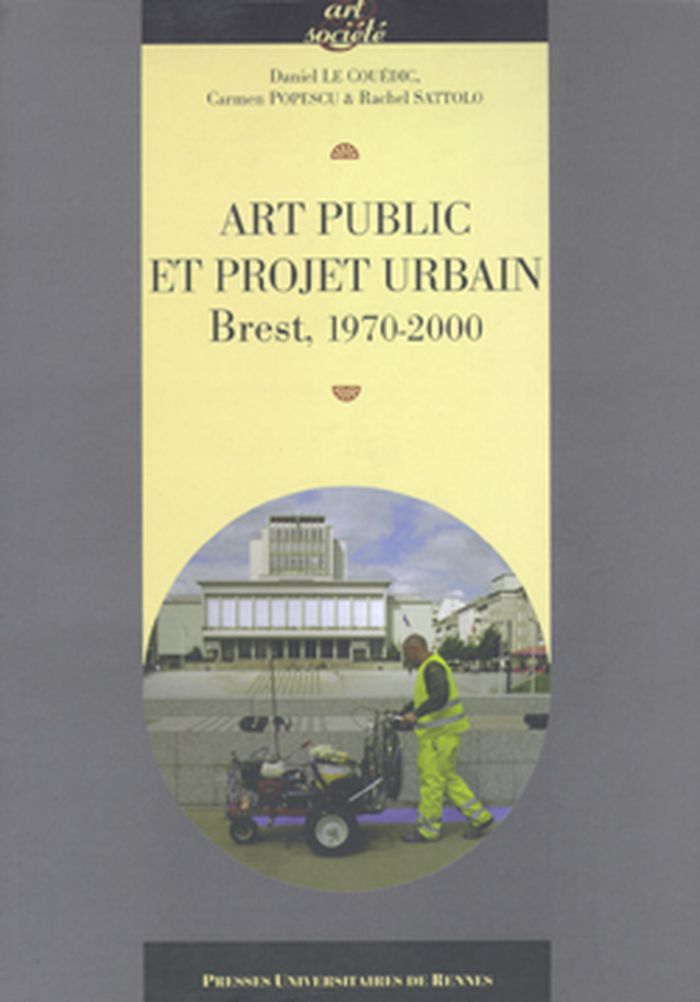
Une vague de morosité s'abattit sur les villes françaises au cours des années 1970. En fait, depuis dix ans déjà, l'incertitude avait gagné les milieux de l'architecture et de l'urbanisme, laissant désemparés ceux qui s'étaient ralliés d'enthousiasme au Mouvement moderne et constataient brutalement que ses charmes s'étiolaient. Les vieilles villes y trouvèrent une rédemption. Mais cette brutale révision doctrinale, qui glorifiait la longue durée et proclamait que l'histoire garantissait l'avenir, compliquait évidemment la tâche de ceux qui ne pouvaient s'en prévaloir. Elle rendait spécialement angoissante la situation des villes qui avaient connu une brutale interruption de leur destinée et qu'il avait fallu reconstruire. Déjà, pour d'obscures raisons, leur souvenir était remisé dans la médiocre catégorie des réalisations de l'urgence, dépourvues d'inspiration et de ressources. Elles rencontraient même la défiance de leurs habitants taraudés par la nostalgie ou le regret et la critique des spécialistes dépités que leur relèvement rient manifesté plus d'audace. Pourtant, ces villes sans mérite apparent constituaient un remarquable laboratoire pour interroger les raisons mêmes de l'urbain et leur relation au passé. Surtout, leur incapacité hâtivement proclamée à offrir des conditions propices à l'épanouissement d'un espace public satisfaisant rejoignait l'actualité d'une question qui ne pouvait espérer un plus vaste champ d'élucidation. Brest fut alors pionnière. On y conduisit des recherches originales ponctuées d'hypothèses qui justifièrent des expérimentations inédites et à très grande échelle. La plus ambitieuse d'entre elles, la plus spectaculaire et la plus commentée, la plus polémique aussi, mit à contribution des artistes parmi les plus en vue de l'époque ou à l'aube de leur œuvre, invités ou surgis spontanément. Bien loin en l'occurrence du rôle " d'enlumineurs " de la ville qu'on leur concédait parfois, ils furent promus acteurs principaux de sa transfiguration morale. A la reconstruction architecturale, jugée responsable de bien des maux réels ou psychosomatiques, on opposait ainsi une " reconstruction mentale " capable pensait-on d'apporter un supplément d'âme et de conduire à l'apaisement. En relatant et commentant les trois décennies de cette saga brestoise, l'intention est bien d'éclairer quelques questions universelles, auxquelles l'urbanisme se trouve confronté, et d'apprécier le secours que l'art et les artistes peuvent lui apporter.
Art public et projet urbain: Brest, 1970-2000
Actions:
Price:
$36.00
(available to order)
Summary:
Une vague de morosité s'abattit sur les villes françaises au cours des années 1970. En fait, depuis dix ans déjà, l'incertitude avait gagné les milieux de l'architecture et de l'urbanisme, laissant désemparés ceux qui s'étaient ralliés d'enthousiasme au Mouvement moderne et constataient brutalement que ses charmes s'étiolaient. Les vieilles villes y trouvèrent une rédemption. Mais cette brutale révision doctrinale, qui glorifiait la longue durée et proclamait que l'histoire garantissait l'avenir, compliquait évidemment la tâche de ceux qui ne pouvaient s'en prévaloir. Elle rendait spécialement angoissante la situation des villes qui avaient connu une brutale interruption de leur destinée et qu'il avait fallu reconstruire. Déjà, pour d'obscures raisons, leur souvenir était remisé dans la médiocre catégorie des réalisations de l'urgence, dépourvues d'inspiration et de ressources. Elles rencontraient même la défiance de leurs habitants taraudés par la nostalgie ou le regret et la critique des spécialistes dépités que leur relèvement rient manifesté plus d'audace. Pourtant, ces villes sans mérite apparent constituaient un remarquable laboratoire pour interroger les raisons mêmes de l'urbain et leur relation au passé. Surtout, leur incapacité hâtivement proclamée à offrir des conditions propices à l'épanouissement d'un espace public satisfaisant rejoignait l'actualité d'une question qui ne pouvait espérer un plus vaste champ d'élucidation. Brest fut alors pionnière. On y conduisit des recherches originales ponctuées d'hypothèses qui justifièrent des expérimentations inédites et à très grande échelle. La plus ambitieuse d'entre elles, la plus spectaculaire et la plus commentée, la plus polémique aussi, mit à contribution des artistes parmi les plus en vue de l'époque ou à l'aube de leur œuvre, invités ou surgis spontanément. Bien loin en l'occurrence du rôle " d'enlumineurs " de la ville qu'on leur concédait parfois, ils furent promus acteurs principaux de sa transfiguration morale. A la reconstruction architecturale, jugée responsable de bien des maux réels ou psychosomatiques, on opposait ainsi une " reconstruction mentale " capable pensait-on d'apporter un supplément d'âme et de conduire à l'apaisement. En relatant et commentant les trois décennies de cette saga brestoise, l'intention est bien d'éclairer quelques questions universelles, auxquelles l'urbanisme se trouve confronté, et d'apprécier le secours que l'art et les artistes peuvent lui apporter.
Form:
books
books
Publication:
January 2008, Rennes
January 2008, Rennes
Form:
books
books
Title:
Construire à Lutèce
Construire à Lutèce
Actions:
Price:
$42.00
(available to order)
Summary:
Comment construisait-on dans l'Antiquité à Lutèce? L'apport des techniques romaines aux traditions indigènes a transformé peu à peu le cadre de vie des habitants. De récentes découvertes ont mis en évidence ces innovations, comme la maçonnerie, les toits de tuiles, les techniques de chauffage et l'eau courante apportée par l'aqueduc. L'histoire de la provenance des(...)
$42.00
(available to order)
Summary:
Comment construisait-on dans l'Antiquité à Lutèce? L'apport des techniques romaines aux traditions indigènes a transformé peu à peu le cadre de vie des habitants. De récentes découvertes ont mis en évidence ces innovations, comme la maçonnerie, les toits de tuiles, les techniques de chauffage et l'eau courante apportée par l'aqueduc. L'histoire de la provenance des(...)
Title:
Construire à Lutèce
Actions:
Price:
$42.00
(available to order)
Summary:
Comment construisait-on dans l'Antiquité à Lutèce? L'apport des techniques romaines aux traditions indigènes a transformé peu à peu le cadre de vie des habitants. De récentes découvertes ont mis en évidence ces innovations, comme la maçonnerie, les toits de tuiles, les techniques de chauffage et l'eau courante apportée par l'aqueduc. L'histoire de la provenance des pierres, les fours dans lesquels étaient fabriqués la chaux et le métal, l'utilisation originale du plâtre sont autant de révélations que nous devons à l'archéologie parisienne et aux études géologiques. L'ouvrage présente en outre les différentes techniques de construction, des grands monuments - les thermes de Cluny, les "arènes", l'aqueduc de Lutèce - aux caves particulières. Il nous permet enfin, le décor des maisons romaines du Paris antique étant désormais mieux connu, de nous représenter l'intérieur des habitations des premiers Parisiens.
Construire à Lutèce
Actions:
Price:
$42.00
(available to order)
Summary:
Comment construisait-on dans l'Antiquité à Lutèce? L'apport des techniques romaines aux traditions indigènes a transformé peu à peu le cadre de vie des habitants. De récentes découvertes ont mis en évidence ces innovations, comme la maçonnerie, les toits de tuiles, les techniques de chauffage et l'eau courante apportée par l'aqueduc. L'histoire de la provenance des pierres, les fours dans lesquels étaient fabriqués la chaux et le métal, l'utilisation originale du plâtre sont autant de révélations que nous devons à l'archéologie parisienne et aux études géologiques. L'ouvrage présente en outre les différentes techniques de construction, des grands monuments - les thermes de Cluny, les "arènes", l'aqueduc de Lutèce - aux caves particulières. Il nous permet enfin, le décor des maisons romaines du Paris antique étant désormais mieux connu, de nous représenter l'intérieur des habitations des premiers Parisiens.
Form:
books
books
Publication:
October 2007, Paris
October 2007, Paris
Subject:
Urban Theory
Urban Theory
Form:
books
books
Title:
Los Angeles
Los Angeles
Actions:
Price:
$39.95
(available to order)
Summary:
Après son voyage de 1965, Reyner Banham invite le lecteur dans une visite de Los Angeles en quatre temps, quatre écologies. De la plage aux collines et des plaines aus freeways, il analyse avec humour les merveilles et les aberrations de cette gigantesque métropole, jadis simple pueblo, aujourd'hui réel phénomène qu'il apprivoise au fur et à mesure que défile un décor(...)
$39.95
(available to order)
Summary:
Après son voyage de 1965, Reyner Banham invite le lecteur dans une visite de Los Angeles en quatre temps, quatre écologies. De la plage aux collines et des plaines aus freeways, il analyse avec humour les merveilles et les aberrations de cette gigantesque métropole, jadis simple pueblo, aujourd'hui réel phénomène qu'il apprivoise au fur et à mesure que défile un décor(...)
Title:
Los Angeles
Actions:
Price:
$39.95
(available to order)
Summary:
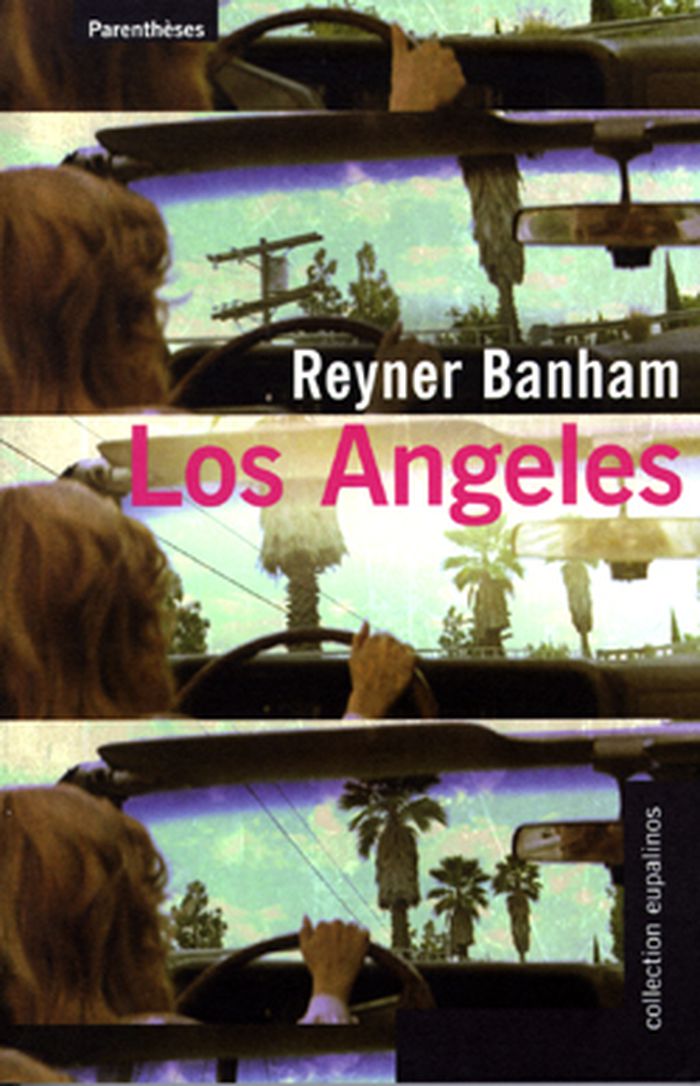
Après son voyage de 1965, Reyner Banham invite le lecteur dans une visite de Los Angeles en quatre temps, quatre écologies. De la plage aux collines et des plaines aus freeways, il analyse avec humour les merveilles et les aberrations de cette gigantesque métropole, jadis simple pueblo, aujourd'hui réel phénomène qu'il apprivoise au fur et à mesure que défile un décor architectural remarquable.
Los Angeles
Actions:
Price:
$39.95
(available to order)
Summary:
Après son voyage de 1965, Reyner Banham invite le lecteur dans une visite de Los Angeles en quatre temps, quatre écologies. De la plage aux collines et des plaines aus freeways, il analyse avec humour les merveilles et les aberrations de cette gigantesque métropole, jadis simple pueblo, aujourd'hui réel phénomène qu'il apprivoise au fur et à mesure que défile un décor architectural remarquable.
Form:
books
books
Publication:
June 2008, Marseille
June 2008, Marseille
Subject:
Urban Theory
Urban Theory
Form:
books
books
Actions:
Price:
$25.95
(available in store)
Summary:
Dans quelque domaine que ce soit, a fortiori avec le projet urbain, enseigner n'est pas la même chose que concevoir, pratiquer et mettre en oeuvre. Pourtant de fortes similitudes existent car dans les deux cas, il faut passer d'une échelle à l'autre, d'un espace à l'autre, d'une topographie et d'un paysage urbain à l'autre, travailler dans des contextes socio-culturels(...)
$25.95
(available in store)
Summary:
Dans quelque domaine que ce soit, a fortiori avec le projet urbain, enseigner n'est pas la même chose que concevoir, pratiquer et mettre en oeuvre. Pourtant de fortes similitudes existent car dans les deux cas, il faut passer d'une échelle à l'autre, d'un espace à l'autre, d'une topographie et d'un paysage urbain à l'autre, travailler dans des contextes socio-culturels(...)
Title:
Matières de ville : projet urbain et enseignement
Actions:
Price:
$25.95
(available in store)
Summary:
Dans quelque domaine que ce soit, a fortiori avec le projet urbain, enseigner n'est pas la même chose que concevoir, pratiquer et mettre en oeuvre. Pourtant de fortes similitudes existent car dans les deux cas, il faut passer d'une échelle à l'autre, d'un espace à l'autre, d'une topographie et d'un paysage urbain à l'autre, travailler dans des contextes socio-culturels différents tout en parvenant à articuler savoirs et savoir-faire. Depuis vingt ans, les hésitations et incohérences en matière de politique urbaine menée par l'état ou les municipalités témoignent des incertitudes tant autour de l'idée de ville que de communauté de citoyens. L'enseignement du projet urbain n'a pas échappé à ces incertitudes et oscillations, toutefois il a emprunté les mêmes chemins que ceux qui ont suivis, en France et dans le monde, aussi bien les approches théoriques et doctrinaires que les pratiques pour concevoir et réaliser des programmes complexes d'espaces publics ou de paysages sur des territoires en mutation. Matières de ville relate cette vive aventure intellectuelle, au travers de points de vues complémentaires et parfois contradictoires, dont les thématiques et pédagogies plurielles exposées, marquent aujourd'hui, et dessinent pour demain, les stratégies et visions sur ce qu'est enseigner le projet urbain et le paysage pour l'architecte, l'urbaniste, le paysagiste, l'historien, le sociologue...
Matières de ville : projet urbain et enseignement
Actions:
Price:
$25.95
(available in store)
Summary:
Dans quelque domaine que ce soit, a fortiori avec le projet urbain, enseigner n'est pas la même chose que concevoir, pratiquer et mettre en oeuvre. Pourtant de fortes similitudes existent car dans les deux cas, il faut passer d'une échelle à l'autre, d'un espace à l'autre, d'une topographie et d'un paysage urbain à l'autre, travailler dans des contextes socio-culturels différents tout en parvenant à articuler savoirs et savoir-faire. Depuis vingt ans, les hésitations et incohérences en matière de politique urbaine menée par l'état ou les municipalités témoignent des incertitudes tant autour de l'idée de ville que de communauté de citoyens. L'enseignement du projet urbain n'a pas échappé à ces incertitudes et oscillations, toutefois il a emprunté les mêmes chemins que ceux qui ont suivis, en France et dans le monde, aussi bien les approches théoriques et doctrinaires que les pratiques pour concevoir et réaliser des programmes complexes d'espaces publics ou de paysages sur des territoires en mutation. Matières de ville relate cette vive aventure intellectuelle, au travers de points de vues complémentaires et parfois contradictoires, dont les thématiques et pédagogies plurielles exposées, marquent aujourd'hui, et dessinent pour demain, les stratégies et visions sur ce qu'est enseigner le projet urbain et le paysage pour l'architecte, l'urbaniste, le paysagiste, l'historien, le sociologue...
Form:
books
books
Publication:
February 2008, Paris
February 2008, Paris
Subject:
Urban Theory
Urban Theory
Form:
books
books
Actions:
Price:
$69.00
(available to order)
Summary:
Au cours des dernières décennies, de nouvelles dynamiques ont favorisé l'émergence de nouveaux territoires: ceux de la «campagne-ville» qui ne peuvent plus être appréhendés à travers une dualité où ville et campagne constitueraient des mondes séparés, fonctionnant selon des logiques et des valeurs différentes. Ce phénomène a été nommé presque simultanément dans de(...)
$69.00
(available to order)
Summary:
Au cours des dernières décennies, de nouvelles dynamiques ont favorisé l'émergence de nouveaux territoires: ceux de la «campagne-ville» qui ne peuvent plus être appréhendés à travers une dualité où ville et campagne constitueraient des mondes séparés, fonctionnant selon des logiques et des valeurs différentes. Ce phénomène a été nommé presque simultanément dans de(...)
Subject:
Urban Theory
Urban Theory
Publication:
February 2008, Lausane
February 2008, Lausane
Title:
Campagne-ville le pas de deux: enjeux et opportunités des recomposition territoriales
Actions:
Price:
$69.00
(available to order)
Summary:
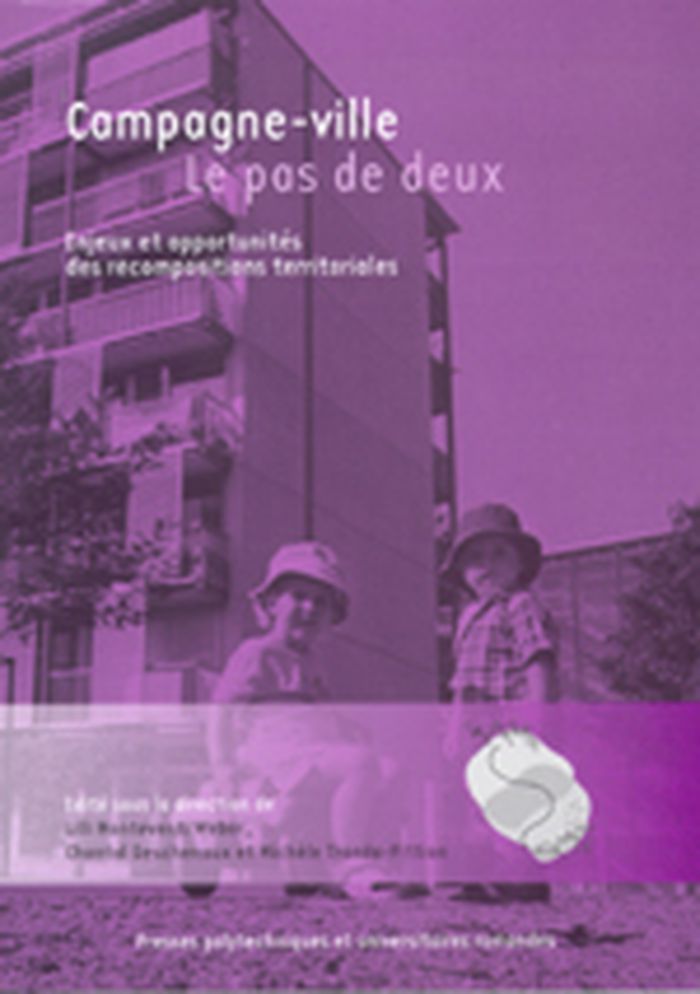
Au cours des dernières décennies, de nouvelles dynamiques ont favorisé l'émergence de nouveaux territoires: ceux de la «campagne-ville» qui ne peuvent plus être appréhendés à travers une dualité où ville et campagne constitueraient des mondes séparés, fonctionnant selon des logiques et des valeurs différentes. Ce phénomène a été nommé presque simultanément dans de nombreuses langues: urban sprawl, ville diffuse, zwischenstadt, città diffusa, etc., mais cette abondance sémantique ne signifie pas pour autant que la compréhension et la gestion de ces territoires soient aujourd'hui satisfaisantes. Cet ouvrage appréhende les enjeux récents dans leurs interdépendances et leur complexité. Il les éclaire par différents regards, les intègre dans une réflexion prospective et esquisse quelques pistes pour l'action publique.
Campagne-ville le pas de deux: enjeux et opportunités des recomposition territoriales
Actions:
Price:
$69.00
(available to order)
Summary:
Au cours des dernières décennies, de nouvelles dynamiques ont favorisé l'émergence de nouveaux territoires: ceux de la «campagne-ville» qui ne peuvent plus être appréhendés à travers une dualité où ville et campagne constitueraient des mondes séparés, fonctionnant selon des logiques et des valeurs différentes. Ce phénomène a été nommé presque simultanément dans de nombreuses langues: urban sprawl, ville diffuse, zwischenstadt, città diffusa, etc., mais cette abondance sémantique ne signifie pas pour autant que la compréhension et la gestion de ces territoires soient aujourd'hui satisfaisantes. Cet ouvrage appréhende les enjeux récents dans leurs interdépendances et leur complexité. Il les éclaire par différents regards, les intègre dans une réflexion prospective et esquisse quelques pistes pour l'action publique.
Form:
books
books
Publication:
February 2008, Lausane
February 2008, Lausane
Subject:
Urban Theory
Urban Theory


