


427 Results
Level of archival description:
Project
Project
Actions:
Reference number:
AP018.S1.1974.PR07
Description:
This project series documents long-term planning for airports near Kabul, Afghanistan from 1974-1990. The office identified the project number as 7408. This project consisted of the planning of airports near Kabul for the years 1974-1990. This work was undertaken in joint venture with other Canadian firms who worked together on airport planning projects around the world. The firms, which consisted of Parkin Architects Planners as the architects, the Montreal Engineering Company Limited, and Peat, Marwick and Partners, joined with the local Afghan Bureau of Consulting Architects and Engineers for this project. It was to be funded by the Islamic Bank, with the Canadian government paying the design fees. The proposed airport, referred to as Logar Airport, consisted of a rectangular passenger terminal with each level set back to create the look of a staircase roofline. A 225 car parking lot, an administration building and a tower in the parking lot area were also included. The long-term plan showed a symmetrical addition built onto the passenger building and symmetrical 225 car parking lot to compliment it in the years following the original construction. An airport hotel was also proposed for future additions. A feasibility study for this project investigated Logar as a site for the airport, based on the ability to expand the terminal size for passenger processing and traffic, and the flexibility of the local topography. Planing, deplaning, processing and passenger flows were all investigated in this project, along with phasing and development plans. It is not clear from the project documentation if this project was ever built. The project is recorded through drawings, a photograph, and textual records dating from 1974-1976. The drawings include a large number of base plans with overlays to study planing and deplaning flows, natural lighting, and passenger movements. Plans, sections and presentation drawings are also included. The textual records consist of reports on the project program and costs, interoffice memos, correspondence, and financial records.
AP018.S1.1974.PR07
Description:
This project series documents long-term planning for airports near Kabul, Afghanistan from 1974-1990. The office identified the project number as 7408. This project consisted of the planning of airports near Kabul for the years 1974-1990. This work was undertaken in joint venture with other Canadian firms who worked together on airport planning projects around the world. The firms, which consisted of Parkin Architects Planners as the architects, the Montreal Engineering Company Limited, and Peat, Marwick and Partners, joined with the local Afghan Bureau of Consulting Architects and Engineers for this project. It was to be funded by the Islamic Bank, with the Canadian government paying the design fees. The proposed airport, referred to as Logar Airport, consisted of a rectangular passenger terminal with each level set back to create the look of a staircase roofline. A 225 car parking lot, an administration building and a tower in the parking lot area were also included. The long-term plan showed a symmetrical addition built onto the passenger building and symmetrical 225 car parking lot to compliment it in the years following the original construction. An airport hotel was also proposed for future additions. A feasibility study for this project investigated Logar as a site for the airport, based on the ability to expand the terminal size for passenger processing and traffic, and the flexibility of the local topography. Planing, deplaning, processing and passenger flows were all investigated in this project, along with phasing and development plans. It is not clear from the project documentation if this project was ever built. The project is recorded through drawings, a photograph, and textual records dating from 1974-1976. The drawings include a large number of base plans with overlays to study planing and deplaning flows, natural lighting, and passenger movements. Plans, sections and presentation drawings are also included. The textual records consist of reports on the project program and costs, interoffice memos, correspondence, and financial records.
People:
Date:
1974-1976
1974-1976
Title:
Kabul Area Airport Developments, Afghanistan (1974-1990)
Actions:
AP018.S1.1974.PR07
Description:
This project series documents long-term planning for airports near Kabul, Afghanistan from 1974-1990. The office identified the project number as 7408. This project consisted of the planning of airports near Kabul for the years 1974-1990. This work was undertaken in joint venture with other Canadian firms who worked together on airport planning projects around the world. The firms, which consisted of Parkin Architects Planners as the architects, the Montreal Engineering Company Limited, and Peat, Marwick and Partners, joined with the local Afghan Bureau of Consulting Architects and Engineers for this project. It was to be funded by the Islamic Bank, with the Canadian government paying the design fees. The proposed airport, referred to as Logar Airport, consisted of a rectangular passenger terminal with each level set back to create the look of a staircase roofline. A 225 car parking lot, an administration building and a tower in the parking lot area were also included. The long-term plan showed a symmetrical addition built onto the passenger building and symmetrical 225 car parking lot to compliment it in the years following the original construction. An airport hotel was also proposed for future additions. A feasibility study for this project investigated Logar as a site for the airport, based on the ability to expand the terminal size for passenger processing and traffic, and the flexibility of the local topography. Planing, deplaning, processing and passenger flows were all investigated in this project, along with phasing and development plans. It is not clear from the project documentation if this project was ever built. The project is recorded through drawings, a photograph, and textual records dating from 1974-1976. The drawings include a large number of base plans with overlays to study planing and deplaning flows, natural lighting, and passenger movements. Plans, sections and presentation drawings are also included. The textual records consist of reports on the project program and costs, interoffice memos, correspondence, and financial records.
Kabul Area Airport Developments, Afghanistan (1974-1990)
Actions:
AP018.S1.1974.PR07
Description:
This project series documents long-term planning for airports near Kabul, Afghanistan from 1974-1990. The office identified the project number as 7408. This project consisted of the planning of airports near Kabul for the years 1974-1990. This work was undertaken in joint venture with other Canadian firms who worked together on airport planning projects around the world. The firms, which consisted of Parkin Architects Planners as the architects, the Montreal Engineering Company Limited, and Peat, Marwick and Partners, joined with the local Afghan Bureau of Consulting Architects and Engineers for this project. It was to be funded by the Islamic Bank, with the Canadian government paying the design fees. The proposed airport, referred to as Logar Airport, consisted of a rectangular passenger terminal with each level set back to create the look of a staircase roofline. A 225 car parking lot, an administration building and a tower in the parking lot area were also included. The long-term plan showed a symmetrical addition built onto the passenger building and symmetrical 225 car parking lot to compliment it in the years following the original construction. An airport hotel was also proposed for future additions. A feasibility study for this project investigated Logar as a site for the airport, based on the ability to expand the terminal size for passenger processing and traffic, and the flexibility of the local topography. Planing, deplaning, processing and passenger flows were all investigated in this project, along with phasing and development plans. It is not clear from the project documentation if this project was ever built. The project is recorded through drawings, a photograph, and textual records dating from 1974-1976. The drawings include a large number of base plans with overlays to study planing and deplaning flows, natural lighting, and passenger movements. Plans, sections and presentation drawings are also included. The textual records consist of reports on the project program and costs, interoffice memos, correspondence, and financial records.
Level of archival description:
Project
Project
Date:
1974-1976
1974-1976
People:
Level of archival description:
Project
Project
Actions:
Reference number:
AP207.S1.1986.PR01
Description:
The project series documents "Ombra", an installation presented for the first time at the Expo Arte of Galleria Speciale, in Bari, in 1986. It consists of an overcoat with flexible elements inserted in the lining of the fabric that form a structure to either create a seat for the wearer to sit on it or to stand on its own, if not worn. "So the multiplicity of roles, functions and subjects gives rise to an ambiguity, and a source of anxiety for he who, having conceived, made and “inhabited” it, perceives its more disquieting implications, those of an anomalous shadow, of another self that exists even in our absence." [1] The project series contains a sketch, photographs of the installation at the Galleria Speciale in 1986, a montage of film stills from Pettena's video explaining the installation, and digital versions of the installation film. Source: [1] Gianni Pettena website, https://www.giannipettena.it/italiano/opere-1/inst-armchair-1986/ (last accessed 11 December 2019).
AP207.S1.1986.PR01
Description:
The project series documents "Ombra", an installation presented for the first time at the Expo Arte of Galleria Speciale, in Bari, in 1986. It consists of an overcoat with flexible elements inserted in the lining of the fabric that form a structure to either create a seat for the wearer to sit on it or to stand on its own, if not worn. "So the multiplicity of roles, functions and subjects gives rise to an ambiguity, and a source of anxiety for he who, having conceived, made and “inhabited” it, perceives its more disquieting implications, those of an anomalous shadow, of another self that exists even in our absence." [1] The project series contains a sketch, photographs of the installation at the Galleria Speciale in 1986, a montage of film stills from Pettena's video explaining the installation, and digital versions of the installation film. Source: [1] Gianni Pettena website, https://www.giannipettena.it/italiano/opere-1/inst-armchair-1986/ (last accessed 11 December 2019).
People:
Date:
circa 1985-2015
circa 1985-2015
Title:
Ombra ["Shadow" Armchair] (1986)
Actions:
AP207.S1.1986.PR01
Description:
The project series documents "Ombra", an installation presented for the first time at the Expo Arte of Galleria Speciale, in Bari, in 1986. It consists of an overcoat with flexible elements inserted in the lining of the fabric that form a structure to either create a seat for the wearer to sit on it or to stand on its own, if not worn. "So the multiplicity of roles, functions and subjects gives rise to an ambiguity, and a source of anxiety for he who, having conceived, made and “inhabited” it, perceives its more disquieting implications, those of an anomalous shadow, of another self that exists even in our absence." [1] The project series contains a sketch, photographs of the installation at the Galleria Speciale in 1986, a montage of film stills from Pettena's video explaining the installation, and digital versions of the installation film. Source: [1] Gianni Pettena website, https://www.giannipettena.it/italiano/opere-1/inst-armchair-1986/ (last accessed 11 December 2019).
Ombra ["Shadow" Armchair] (1986)
Actions:
AP207.S1.1986.PR01
Description:
The project series documents "Ombra", an installation presented for the first time at the Expo Arte of Galleria Speciale, in Bari, in 1986. It consists of an overcoat with flexible elements inserted in the lining of the fabric that form a structure to either create a seat for the wearer to sit on it or to stand on its own, if not worn. "So the multiplicity of roles, functions and subjects gives rise to an ambiguity, and a source of anxiety for he who, having conceived, made and “inhabited” it, perceives its more disquieting implications, those of an anomalous shadow, of another self that exists even in our absence." [1] The project series contains a sketch, photographs of the installation at the Galleria Speciale in 1986, a montage of film stills from Pettena's video explaining the installation, and digital versions of the installation film. Source: [1] Gianni Pettena website, https://www.giannipettena.it/italiano/opere-1/inst-armchair-1986/ (last accessed 11 December 2019).
Level of archival description:
Project
Project
Date:
circa 1985-2015
circa 1985-2015
People:
Level of archival description:
Project
Project
Actions:
Reference number:
AP144.S2.D93
Description:
File documents studies for temporary, moveable transportation exchanges. Three site-independent proposals are outlined for sea, land and air transportation: 'Dock Ahoy', a proposal for docks; 'Trucksafe', a truck park; and 'Air Portable', a limited-life airport. "The projects are concerned with finding flexible solutions to problems which occur when conditions change within a transportation network [...] the projects should be a further physical recognition of the value of short term toys." (Cedric Price, textual records). Preliminary design development drawings show plans for parking lot layouts for 'Air Portable'. Charts and graphs include aircraft and boat capacity studies, runway and cargo studies, and value/weight import graphs. Textual records contain correspondence regarding a possible exhibition of this material at the Walker Art Center in 1980. Some material from this file was published in 'Cedric Price-Works II' (London: Architectural Press, 1984), 18, 31. File contains conceptual drawings, design development drawings, and textual records.
AP144.S2.D93
Description:
File documents studies for temporary, moveable transportation exchanges. Three site-independent proposals are outlined for sea, land and air transportation: 'Dock Ahoy', a proposal for docks; 'Trucksafe', a truck park; and 'Air Portable', a limited-life airport. "The projects are concerned with finding flexible solutions to problems which occur when conditions change within a transportation network [...] the projects should be a further physical recognition of the value of short term toys." (Cedric Price, textual records). Preliminary design development drawings show plans for parking lot layouts for 'Air Portable'. Charts and graphs include aircraft and boat capacity studies, runway and cargo studies, and value/weight import graphs. Textual records contain correspondence regarding a possible exhibition of this material at the Walker Art Center in 1980. Some material from this file was published in 'Cedric Price-Works II' (London: Architectural Press, 1984), 18, 31. File contains conceptual drawings, design development drawings, and textual records.
People:
Date:
1973-1990, predominant 1973-1979
1973-1990, predominant 1973-1979
Title:
Trucksafe Air Portable Dock Ahoy
Actions:
AP144.S2.D93
Description:
File documents studies for temporary, moveable transportation exchanges. Three site-independent proposals are outlined for sea, land and air transportation: 'Dock Ahoy', a proposal for docks; 'Trucksafe', a truck park; and 'Air Portable', a limited-life airport. "The projects are concerned with finding flexible solutions to problems which occur when conditions change within a transportation network [...] the projects should be a further physical recognition of the value of short term toys." (Cedric Price, textual records). Preliminary design development drawings show plans for parking lot layouts for 'Air Portable'. Charts and graphs include aircraft and boat capacity studies, runway and cargo studies, and value/weight import graphs. Textual records contain correspondence regarding a possible exhibition of this material at the Walker Art Center in 1980. Some material from this file was published in 'Cedric Price-Works II' (London: Architectural Press, 1984), 18, 31. File contains conceptual drawings, design development drawings, and textual records.
Trucksafe Air Portable Dock Ahoy
Actions:
AP144.S2.D93
Description:
File documents studies for temporary, moveable transportation exchanges. Three site-independent proposals are outlined for sea, land and air transportation: 'Dock Ahoy', a proposal for docks; 'Trucksafe', a truck park; and 'Air Portable', a limited-life airport. "The projects are concerned with finding flexible solutions to problems which occur when conditions change within a transportation network [...] the projects should be a further physical recognition of the value of short term toys." (Cedric Price, textual records). Preliminary design development drawings show plans for parking lot layouts for 'Air Portable'. Charts and graphs include aircraft and boat capacity studies, runway and cargo studies, and value/weight import graphs. Textual records contain correspondence regarding a possible exhibition of this material at the Walker Art Center in 1980. Some material from this file was published in 'Cedric Price-Works II' (London: Architectural Press, 1984), 18, 31. File contains conceptual drawings, design development drawings, and textual records.
Level of archival description:
File 93
File 93
Date:
1973-1990, predominant 1973-1979
1973-1990, predominant 1973-1979
People:
Level of archival description:
Project
Project
Title:
Housing Research
Housing Research
Reference number:
AP144.S2.D67
Description:
File documents Housing Research on flexible, pre-fabricated, short-life housing in the United Kingdom. Much of the material developed for this project was published in "Cedric Price Supplement No. 4", 'Architectural Design', vol. 41, (October 1971), 619-628; 630, and "Cedric Price Supplement No. 5", 'Architectural Design', vol. 42, (January 1972), 24-29; 38-43. Although the research was sponsored by Cedric Price it is possible that he presented the results to the Ministry of Housing. The published research examines housing's "life patterning" potential within broader social, economic, and historical contexts. Some of the material also relates to Steel House (AP144.S2.D60). Cedric Price developed proposals for two test sites: Rochdale in Greater Manchester and Tilbury in Thurrock, England. Material in this file was produced between 1951 and 1998, but predominantly between 1967 and 1971. File contains material and research by Royston Landau. File contains conceptual drawings, design development drawings, layout, maps, model, photographic materials, presentation panels, and textual records.
AP144.S2.D67
Description:
File documents Housing Research on flexible, pre-fabricated, short-life housing in the United Kingdom. Much of the material developed for this project was published in "Cedric Price Supplement No. 4", 'Architectural Design', vol. 41, (October 1971), 619-628; 630, and "Cedric Price Supplement No. 5", 'Architectural Design', vol. 42, (January 1972), 24-29; 38-43. Although the research was sponsored by Cedric Price it is possible that he presented the results to the Ministry of Housing. The published research examines housing's "life patterning" potential within broader social, economic, and historical contexts. Some of the material also relates to Steel House (AP144.S2.D60). Cedric Price developed proposals for two test sites: Rochdale in Greater Manchester and Tilbury in Thurrock, England. Material in this file was produced between 1951 and 1998, but predominantly between 1967 and 1971. File contains material and research by Royston Landau. File contains conceptual drawings, design development drawings, layout, maps, model, photographic materials, presentation panels, and textual records.
People:
Date:
1951-1998, predominant 1967-1971
1951-1998, predominant 1967-1971
Title:
Housing Research
Actions:
AP144.S2.D67
Description:
File documents Housing Research on flexible, pre-fabricated, short-life housing in the United Kingdom. Much of the material developed for this project was published in "Cedric Price Supplement No. 4", 'Architectural Design', vol. 41, (October 1971), 619-628; 630, and "Cedric Price Supplement No. 5", 'Architectural Design', vol. 42, (January 1972), 24-29; 38-43. Although the research was sponsored by Cedric Price it is possible that he presented the results to the Ministry of Housing. The published research examines housing's "life patterning" potential within broader social, economic, and historical contexts. Some of the material also relates to Steel House (AP144.S2.D60). Cedric Price developed proposals for two test sites: Rochdale in Greater Manchester and Tilbury in Thurrock, England. Material in this file was produced between 1951 and 1998, but predominantly between 1967 and 1971. File contains material and research by Royston Landau. File contains conceptual drawings, design development drawings, layout, maps, model, photographic materials, presentation panels, and textual records.
Housing Research
Actions:
AP144.S2.D67
Description:
File documents Housing Research on flexible, pre-fabricated, short-life housing in the United Kingdom. Much of the material developed for this project was published in "Cedric Price Supplement No. 4", 'Architectural Design', vol. 41, (October 1971), 619-628; 630, and "Cedric Price Supplement No. 5", 'Architectural Design', vol. 42, (January 1972), 24-29; 38-43. Although the research was sponsored by Cedric Price it is possible that he presented the results to the Ministry of Housing. The published research examines housing's "life patterning" potential within broader social, economic, and historical contexts. Some of the material also relates to Steel House (AP144.S2.D60). Cedric Price developed proposals for two test sites: Rochdale in Greater Manchester and Tilbury in Thurrock, England. Material in this file was produced between 1951 and 1998, but predominantly between 1967 and 1971. File contains material and research by Royston Landau. File contains conceptual drawings, design development drawings, layout, maps, model, photographic materials, presentation panels, and textual records.
Level of archival description:
File 67
File 67
Date:
1951-1998, predominant 1967-1971
1951-1998, predominant 1967-1971
People:
Form:
events
events
Actions:
Description:
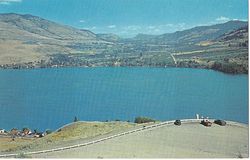
Ben Bradley presents how the automobile shaped how Canadians encountered their country during the 20th century. As thousands and then millions came to know Canada by motoring, their travel patterns, viewing habits, and tastes shaped and reshaped the places they passed through. Canada’s roads came to be festooned with scenic pullouts, viewpoints, and a constellation of(...)
Ben Bradley presents how the automobile shaped how Canadians encountered their country during the 20th century. As thousands and then millions came to know Canada by motoring, their travel patterns, viewing habits, and tastes shaped and reshaped the places they passed through. Canada’s roads came to be festooned with scenic pullouts, viewpoints, and a constellation of(...)
Location:
Paul Desmarais Theatre Keyword(s):
Canada, environment, Bradley, It's all happening so fast, roadside
Paul Desmarais Theatre Keyword(s):
Canada, environment, Bradley, It's all happening so fast, roadside
Date:
23 February 2017, 6pm
23 February 2017, 6pm
Title:
Making Canada a Roadside Attraction
Actions:
Description:
Ben Bradley presents how the automobile shaped how Canadians encountered their country during the 20th century. As thousands and then millions came to know Canada by motoring, their travel patterns, viewing habits, and tastes shaped and reshaped the places they passed through. Canada’s roads came to be festooned with scenic pullouts, viewpoints, and a constellation of(...)
Making Canada a Roadside Attraction
Actions:
Description:
Ben Bradley presents how the automobile shaped how Canadians encountered their country during the 20th century. As thousands and then millions came to know Canada by motoring, their travel patterns, viewing habits, and tastes shaped and reshaped the places they passed through. Canada’s roads came to be festooned with scenic pullouts, viewpoints, and a constellation of(...)
Form:
events
events
Date:
23 February 2017
6pm
23 February 2017
6pm
Location:
Paul Desmarais Theatre Keyword(s):
Canada, environment, Bradley, It's all happening so fast, roadside
Paul Desmarais Theatre Keyword(s):
Canada, environment, Bradley, It's all happening so fast, roadside
Level of archival description:
Project
Project
Title:
Inter-Action Centre
Inter-Action Centre
Reference number:
AP144.S2.D82
Description:
File documents Inter-Action Centre, a completed project for a community centre commissioned by Ed Berman and the Inter-Action Trust, for a disused site at Talacre Public Open Space in Kentish Town, Camden, London. The construction was divided into two phases. Foundations, steel frame and trusses were constructed first and could be used for open-air community events while funds were being raised for the second phase. Phase II included cladding, fittings, finishes, services prefabricated units, and log cabins. The building was intended as a flexible short life-span building in which the interior spaces would be independent of the roof and exterior walls. Functional areas suggested by Cedric Price include: assembly halls, classrooms, rehearsal rooms, studios, areas for performance, media resources, lounging and dining, and a gym and a nursery. Cedric Price had been engaged by the concepts of flexible architecture, indeterminacy, impermanence, and the fusion of information technology, entertainment, and educational activities in earlier unrealized projects such as Fun Palace (AP144.S2.D46) and Oxford Corner House (AP144.S2.D59). Existing conditions drawings include photographs of the site; reprographic copies of electrical and drainage systems; ordinance surveys of Kentish Town; and landscape and playground layout. Conceptual drawings include sketches of overall massing; diagrammatic plans; drawings and diagrams of site conditions; notes for the structural framework; rendered interior elevations; plans showing impact of site context on building design; diagrammatic sketches of relationship between functional requirements and structural form. Schematic drawings include diagrammatic plans; sections of structural system and exterior wall; cladding details; and axonometric views of supports. Design development drawings and working drawings include plans, elevations, sections, details and axonometric views. Presentation drawings include watercolours and other renderings; reprographic copies, possibly for publication; and perspectives drawings. Some material from this file was published in "Inter-action Centre." 'RIBA Journal'. (November 1977), 458-465; "Intervista A Cedric Price: London Interaction Centre." 'Domus'. (April 1978), 17-21; "Kentish Town West Amalgam, London." 'Architectural Record'. (January 1973), 19; Lyall, Sutherland. 'The State of British Architecture'. (London: Architectural Press, 1980), 107-109; 130 and 'Cedric Price-Works II' (London: Architectural Press, 1984), 54, 62-63. Material in this file was produced between 1964 and 1992, but predominantly between 1970 and 1981. File contains technical drawings that are attributed to the following consultants, contractors, and manufacturers: Coseley Buildings Ltd; H.G. Deacon Ltd; Kayanson Engineers; H.J. Knights & Co. Ltd; Woodcemair; Metal Sections Ltd; Spaceway; Gascoigne, Gush & Dent (Engineering Ltd); UBM Engineering; J. Murphy & Sons Ltd; Maurice Pickering Associates, Architects & Landscape Consultants; David Lee Architect & Landscape Architect; J. Starkie Gardner Ltd; Dibben Structural Engineers; Zisman, Bowyer & Partners; Felix J. Samuely and Partners; Ruberoid Contracts Ltd; Whitbread London Limited; and Portakabin. Paul Hyett and Will Alsop were Cedric Price's main assistants for this project. 'Inter-Action Trust Limited', 'Inter-Action Centre', and 'Talacre Centre Limited' appear as the client(s) at various stages of this project. File contains cartographic materials, conceptual drawings, consultant drawings, design development drawings, models, panels, photographic materials, presentation drawings, an illustration, textual records, and working drawings.
AP144.S2.D82
Description:
File documents Inter-Action Centre, a completed project for a community centre commissioned by Ed Berman and the Inter-Action Trust, for a disused site at Talacre Public Open Space in Kentish Town, Camden, London. The construction was divided into two phases. Foundations, steel frame and trusses were constructed first and could be used for open-air community events while funds were being raised for the second phase. Phase II included cladding, fittings, finishes, services prefabricated units, and log cabins. The building was intended as a flexible short life-span building in which the interior spaces would be independent of the roof and exterior walls. Functional areas suggested by Cedric Price include: assembly halls, classrooms, rehearsal rooms, studios, areas for performance, media resources, lounging and dining, and a gym and a nursery. Cedric Price had been engaged by the concepts of flexible architecture, indeterminacy, impermanence, and the fusion of information technology, entertainment, and educational activities in earlier unrealized projects such as Fun Palace (AP144.S2.D46) and Oxford Corner House (AP144.S2.D59). Existing conditions drawings include photographs of the site; reprographic copies of electrical and drainage systems; ordinance surveys of Kentish Town; and landscape and playground layout. Conceptual drawings include sketches of overall massing; diagrammatic plans; drawings and diagrams of site conditions; notes for the structural framework; rendered interior elevations; plans showing impact of site context on building design; diagrammatic sketches of relationship between functional requirements and structural form. Schematic drawings include diagrammatic plans; sections of structural system and exterior wall; cladding details; and axonometric views of supports. Design development drawings and working drawings include plans, elevations, sections, details and axonometric views. Presentation drawings include watercolours and other renderings; reprographic copies, possibly for publication; and perspectives drawings. Some material from this file was published in "Inter-action Centre." 'RIBA Journal'. (November 1977), 458-465; "Intervista A Cedric Price: London Interaction Centre." 'Domus'. (April 1978), 17-21; "Kentish Town West Amalgam, London." 'Architectural Record'. (January 1973), 19; Lyall, Sutherland. 'The State of British Architecture'. (London: Architectural Press, 1980), 107-109; 130 and 'Cedric Price-Works II' (London: Architectural Press, 1984), 54, 62-63. Material in this file was produced between 1964 and 1992, but predominantly between 1970 and 1981. File contains technical drawings that are attributed to the following consultants, contractors, and manufacturers: Coseley Buildings Ltd; H.G. Deacon Ltd; Kayanson Engineers; H.J. Knights & Co. Ltd; Woodcemair; Metal Sections Ltd; Spaceway; Gascoigne, Gush & Dent (Engineering Ltd); UBM Engineering; J. Murphy & Sons Ltd; Maurice Pickering Associates, Architects & Landscape Consultants; David Lee Architect & Landscape Architect; J. Starkie Gardner Ltd; Dibben Structural Engineers; Zisman, Bowyer & Partners; Felix J. Samuely and Partners; Ruberoid Contracts Ltd; Whitbread London Limited; and Portakabin. Paul Hyett and Will Alsop were Cedric Price's main assistants for this project. 'Inter-Action Trust Limited', 'Inter-Action Centre', and 'Talacre Centre Limited' appear as the client(s) at various stages of this project. File contains cartographic materials, conceptual drawings, consultant drawings, design development drawings, models, panels, photographic materials, presentation drawings, an illustration, textual records, and working drawings.
People:
Date:
1964-1992, predominant 1970-1981
1964-1992, predominant 1970-1981
Title:
Inter-Action Centre
Actions:
AP144.S2.D82
Description:
File documents Inter-Action Centre, a completed project for a community centre commissioned by Ed Berman and the Inter-Action Trust, for a disused site at Talacre Public Open Space in Kentish Town, Camden, London. The construction was divided into two phases. Foundations, steel frame and trusses were constructed first and could be used for open-air community events while funds were being raised for the second phase. Phase II included cladding, fittings, finishes, services prefabricated units, and log cabins. The building was intended as a flexible short life-span building in which the interior spaces would be independent of the roof and exterior walls. Functional areas suggested by Cedric Price include: assembly halls, classrooms, rehearsal rooms, studios, areas for performance, media resources, lounging and dining, and a gym and a nursery. Cedric Price had been engaged by the concepts of flexible architecture, indeterminacy, impermanence, and the fusion of information technology, entertainment, and educational activities in earlier unrealized projects such as Fun Palace (AP144.S2.D46) and Oxford Corner House (AP144.S2.D59). Existing conditions drawings include photographs of the site; reprographic copies of electrical and drainage systems; ordinance surveys of Kentish Town; and landscape and playground layout. Conceptual drawings include sketches of overall massing; diagrammatic plans; drawings and diagrams of site conditions; notes for the structural framework; rendered interior elevations; plans showing impact of site context on building design; diagrammatic sketches of relationship between functional requirements and structural form. Schematic drawings include diagrammatic plans; sections of structural system and exterior wall; cladding details; and axonometric views of supports. Design development drawings and working drawings include plans, elevations, sections, details and axonometric views. Presentation drawings include watercolours and other renderings; reprographic copies, possibly for publication; and perspectives drawings. Some material from this file was published in "Inter-action Centre." 'RIBA Journal'. (November 1977), 458-465; "Intervista A Cedric Price: London Interaction Centre." 'Domus'. (April 1978), 17-21; "Kentish Town West Amalgam, London." 'Architectural Record'. (January 1973), 19; Lyall, Sutherland. 'The State of British Architecture'. (London: Architectural Press, 1980), 107-109; 130 and 'Cedric Price-Works II' (London: Architectural Press, 1984), 54, 62-63. Material in this file was produced between 1964 and 1992, but predominantly between 1970 and 1981. File contains technical drawings that are attributed to the following consultants, contractors, and manufacturers: Coseley Buildings Ltd; H.G. Deacon Ltd; Kayanson Engineers; H.J. Knights & Co. Ltd; Woodcemair; Metal Sections Ltd; Spaceway; Gascoigne, Gush & Dent (Engineering Ltd); UBM Engineering; J. Murphy & Sons Ltd; Maurice Pickering Associates, Architects & Landscape Consultants; David Lee Architect & Landscape Architect; J. Starkie Gardner Ltd; Dibben Structural Engineers; Zisman, Bowyer & Partners; Felix J. Samuely and Partners; Ruberoid Contracts Ltd; Whitbread London Limited; and Portakabin. Paul Hyett and Will Alsop were Cedric Price's main assistants for this project. 'Inter-Action Trust Limited', 'Inter-Action Centre', and 'Talacre Centre Limited' appear as the client(s) at various stages of this project. File contains cartographic materials, conceptual drawings, consultant drawings, design development drawings, models, panels, photographic materials, presentation drawings, an illustration, textual records, and working drawings.
Inter-Action Centre
Actions:
AP144.S2.D82
Description:
File documents Inter-Action Centre, a completed project for a community centre commissioned by Ed Berman and the Inter-Action Trust, for a disused site at Talacre Public Open Space in Kentish Town, Camden, London. The construction was divided into two phases. Foundations, steel frame and trusses were constructed first and could be used for open-air community events while funds were being raised for the second phase. Phase II included cladding, fittings, finishes, services prefabricated units, and log cabins. The building was intended as a flexible short life-span building in which the interior spaces would be independent of the roof and exterior walls. Functional areas suggested by Cedric Price include: assembly halls, classrooms, rehearsal rooms, studios, areas for performance, media resources, lounging and dining, and a gym and a nursery. Cedric Price had been engaged by the concepts of flexible architecture, indeterminacy, impermanence, and the fusion of information technology, entertainment, and educational activities in earlier unrealized projects such as Fun Palace (AP144.S2.D46) and Oxford Corner House (AP144.S2.D59). Existing conditions drawings include photographs of the site; reprographic copies of electrical and drainage systems; ordinance surveys of Kentish Town; and landscape and playground layout. Conceptual drawings include sketches of overall massing; diagrammatic plans; drawings and diagrams of site conditions; notes for the structural framework; rendered interior elevations; plans showing impact of site context on building design; diagrammatic sketches of relationship between functional requirements and structural form. Schematic drawings include diagrammatic plans; sections of structural system and exterior wall; cladding details; and axonometric views of supports. Design development drawings and working drawings include plans, elevations, sections, details and axonometric views. Presentation drawings include watercolours and other renderings; reprographic copies, possibly for publication; and perspectives drawings. Some material from this file was published in "Inter-action Centre." 'RIBA Journal'. (November 1977), 458-465; "Intervista A Cedric Price: London Interaction Centre." 'Domus'. (April 1978), 17-21; "Kentish Town West Amalgam, London." 'Architectural Record'. (January 1973), 19; Lyall, Sutherland. 'The State of British Architecture'. (London: Architectural Press, 1980), 107-109; 130 and 'Cedric Price-Works II' (London: Architectural Press, 1984), 54, 62-63. Material in this file was produced between 1964 and 1992, but predominantly between 1970 and 1981. File contains technical drawings that are attributed to the following consultants, contractors, and manufacturers: Coseley Buildings Ltd; H.G. Deacon Ltd; Kayanson Engineers; H.J. Knights & Co. Ltd; Woodcemair; Metal Sections Ltd; Spaceway; Gascoigne, Gush & Dent (Engineering Ltd); UBM Engineering; J. Murphy & Sons Ltd; Maurice Pickering Associates, Architects & Landscape Consultants; David Lee Architect & Landscape Architect; J. Starkie Gardner Ltd; Dibben Structural Engineers; Zisman, Bowyer & Partners; Felix J. Samuely and Partners; Ruberoid Contracts Ltd; Whitbread London Limited; and Portakabin. Paul Hyett and Will Alsop were Cedric Price's main assistants for this project. 'Inter-Action Trust Limited', 'Inter-Action Centre', and 'Talacre Centre Limited' appear as the client(s) at various stages of this project. File contains cartographic materials, conceptual drawings, consultant drawings, design development drawings, models, panels, photographic materials, presentation drawings, an illustration, textual records, and working drawings.
Level of archival description:
File 82
File 82
Date:
1964-1992, predominant 1970-1981
1964-1992, predominant 1970-1981
People:
Level of archival description:
Project
Project
Title:
Steel House
Steel House
Reference number:
AP144.S2.D60
Description:
File documents an unsuccessful competition entry, in collaboration with Miles Park, Douglas Smith and Frank Newby, for a mass-produced housing system using steel, for a competition sponsored by the European Coal and Steel Community. Requirements called for rapid assembly/disassembly, and flexible unit plans that could be altered by home owners and appeal to a wide range of owners and their preferences. Schematic sketches include exterior elevations, floor plans, preliminary details, and charts for building components. Conceptual sketches show alternate unit and floor plan arrangements, and include network analysis plans, site maximization plans based on transportability, family breakdown diagrams, alternate internal unit layout plans based on age and other factors, functional area plans indicating separation possibilities, and charts which cross-reference factors such as transportability, construction, and assembly requirements. Design development drawings show typical plans, site plans, sections, elevations, details, axonometric drawings of structure and cladding, internal units, and components. Some material in this file was published in Price, Cedric, "Steel Housing", 'Architectural Design', vol. 37, (May 1967) 244, and Price, Cedric, 'Cedric Price-Works II' (London: Architectural Press, 1984) 36, 49-50, 113. Material in this file was produced between 1965 and 1969. 'High Authority of the European Coal and Steel Community' is the full name of the client as found in the textual records. The title of the competition is 'International Competition for the Design of Industrially Fabricated Dwellings'. File contains conceptual drawings, design development drawings, photographic material, presentation panels, textual records, and model.
AP144.S2.D60
Description:
File documents an unsuccessful competition entry, in collaboration with Miles Park, Douglas Smith and Frank Newby, for a mass-produced housing system using steel, for a competition sponsored by the European Coal and Steel Community. Requirements called for rapid assembly/disassembly, and flexible unit plans that could be altered by home owners and appeal to a wide range of owners and their preferences. Schematic sketches include exterior elevations, floor plans, preliminary details, and charts for building components. Conceptual sketches show alternate unit and floor plan arrangements, and include network analysis plans, site maximization plans based on transportability, family breakdown diagrams, alternate internal unit layout plans based on age and other factors, functional area plans indicating separation possibilities, and charts which cross-reference factors such as transportability, construction, and assembly requirements. Design development drawings show typical plans, site plans, sections, elevations, details, axonometric drawings of structure and cladding, internal units, and components. Some material in this file was published in Price, Cedric, "Steel Housing", 'Architectural Design', vol. 37, (May 1967) 244, and Price, Cedric, 'Cedric Price-Works II' (London: Architectural Press, 1984) 36, 49-50, 113. Material in this file was produced between 1965 and 1969. 'High Authority of the European Coal and Steel Community' is the full name of the client as found in the textual records. The title of the competition is 'International Competition for the Design of Industrially Fabricated Dwellings'. File contains conceptual drawings, design development drawings, photographic material, presentation panels, textual records, and model.
People:
Date:
1965-1969
1965-1969
Title:
Steel House
Actions:
AP144.S2.D60
Description:
File documents an unsuccessful competition entry, in collaboration with Miles Park, Douglas Smith and Frank Newby, for a mass-produced housing system using steel, for a competition sponsored by the European Coal and Steel Community. Requirements called for rapid assembly/disassembly, and flexible unit plans that could be altered by home owners and appeal to a wide range of owners and their preferences. Schematic sketches include exterior elevations, floor plans, preliminary details, and charts for building components. Conceptual sketches show alternate unit and floor plan arrangements, and include network analysis plans, site maximization plans based on transportability, family breakdown diagrams, alternate internal unit layout plans based on age and other factors, functional area plans indicating separation possibilities, and charts which cross-reference factors such as transportability, construction, and assembly requirements. Design development drawings show typical plans, site plans, sections, elevations, details, axonometric drawings of structure and cladding, internal units, and components. Some material in this file was published in Price, Cedric, "Steel Housing", 'Architectural Design', vol. 37, (May 1967) 244, and Price, Cedric, 'Cedric Price-Works II' (London: Architectural Press, 1984) 36, 49-50, 113. Material in this file was produced between 1965 and 1969. 'High Authority of the European Coal and Steel Community' is the full name of the client as found in the textual records. The title of the competition is 'International Competition for the Design of Industrially Fabricated Dwellings'. File contains conceptual drawings, design development drawings, photographic material, presentation panels, textual records, and model.
Steel House
Actions:
AP144.S2.D60
Description:
File documents an unsuccessful competition entry, in collaboration with Miles Park, Douglas Smith and Frank Newby, for a mass-produced housing system using steel, for a competition sponsored by the European Coal and Steel Community. Requirements called for rapid assembly/disassembly, and flexible unit plans that could be altered by home owners and appeal to a wide range of owners and their preferences. Schematic sketches include exterior elevations, floor plans, preliminary details, and charts for building components. Conceptual sketches show alternate unit and floor plan arrangements, and include network analysis plans, site maximization plans based on transportability, family breakdown diagrams, alternate internal unit layout plans based on age and other factors, functional area plans indicating separation possibilities, and charts which cross-reference factors such as transportability, construction, and assembly requirements. Design development drawings show typical plans, site plans, sections, elevations, details, axonometric drawings of structure and cladding, internal units, and components. Some material in this file was published in Price, Cedric, "Steel Housing", 'Architectural Design', vol. 37, (May 1967) 244, and Price, Cedric, 'Cedric Price-Works II' (London: Architectural Press, 1984) 36, 49-50, 113. Material in this file was produced between 1965 and 1969. 'High Authority of the European Coal and Steel Community' is the full name of the client as found in the textual records. The title of the competition is 'International Competition for the Design of Industrially Fabricated Dwellings'. File contains conceptual drawings, design development drawings, photographic material, presentation panels, textual records, and model.
Level of archival description:
File 60
File 60
Date:
1965-1969
1965-1969
People:
Level of archival description:
Sub-series
Sub-series
Reference number:
CI001.S2.D4
Description:
The CCA collection includes albums of drawings for some of Charles Rohault de Fleury's most important public architectural projects, built and unbuilt. They provide valuable insight into his design development process, construction techniques, and flexibility regarding building types and styles, as well as illuminating the larger issues of urban planning and the complex interaction between architect, contractor, and entrepreneur in mid-19th century France. The neo-Moorish Hippodrome National (DR1974:0002:017:001-060) - an ephemeral structure constructed of a wood frame with canvas sheathing- was built adjacent to the Place de l'Étoile in 1845 and destroyed in 1856. The documents and drawings in the album provide a highly detailed and complete overview of the project from the study of historical models to contract drawings. Written documentation, including cost estimates, a contract, daily accounts of construction, entrepreneur's accounts, and correspondence with the principal contractor, is particularly revealing of the working procedures on a large commercial project. In 1855 Charles and Auguste Joseph Pellechet constructed the Chambre des Notaires on the newly transformed Place du Chatelet - the intended centre point of Haussmann's 'Nouveau Paris' (1). The CCA album contains primarily transfer lithographed working and contract drawings signed by the entrepreneurs and/or contractors (DR1974:0002:022:001-021). The plans reflect Charles' sensitive integration of iron and masonry construction, which allowed for abundant fenestration on the side facades, while maintaining the traditional aspects of character and solidity required in a prominent urban building. Charles' approach to the design of more utilitarian structures is indicated in his album of competition drawings for a municipal slaughterhouse submitted to the city of Saint-Germain-en-Laye, 1846-1847 (DR1974:0002:023:001-012). His interpretation of the written programme (included in the album) and the resulting design, is strongly influenced by his father's previous slaughterhouse projects, as well as his own for La Villete, 1835-1836 (see DR1974:0002:014:001-104 in Hubert Rohault de Fleury's Public and Urban Architecture (file CI001.S3.D1)). The pared down Neoclassical style of the slaughterhouse is typical of both Charles and Hubert's utilitarian structures. Charles' largest public urban project outside of Paris was for an unexecuted Hôtel de Prefecture (Departement de la Vienne) and Hôtel de Ville for the city of Poitiers, 1859-1860 (DR1974:0002:020:001-050). The project for the Louis XIIIth style Hotel de Prefecture is fairly complete and includes many working drawings, while the Francis Ist style Hotel de Ville is much less developed and consists primarily of unbound sketches and finished drawings. A site plan indicates that Charles intended the Hôtel de Prefecture and Hôtel de Ville to be located nearly opposite each other and connected by a major thoroughfare. The placement of both structures in the western quarter of the city probably reflects an earlier urban renewal plan proposed by the architects Morandiere et Compaing in 1849. The Hôtel de Prefecture (1864-1868) and Hotel de Ville (1869-1876) were eventually built after designs by Antoine Guerinot, in the same style, and on sites close to those proposed by Charles. Drawings and engravings of antique and contemporary theatres, fountains, honorific monuments, and large public projects by other architects are collected in album DR1974:0002:010:001-048 for reference purposes (some of these may have been collected by his father Hubert). (1) David Van Zanten, "Building Paris: Architectural Institutions and the Transformation of the French Capital, 1830-1870" (Cambridge, Eng.: Cambridge University Press, 1994), p. 235 and pp. 233-241 for the development of the Place du Chatelet.
CI001.S2.D4
Description:
The CCA collection includes albums of drawings for some of Charles Rohault de Fleury's most important public architectural projects, built and unbuilt. They provide valuable insight into his design development process, construction techniques, and flexibility regarding building types and styles, as well as illuminating the larger issues of urban planning and the complex interaction between architect, contractor, and entrepreneur in mid-19th century France. The neo-Moorish Hippodrome National (DR1974:0002:017:001-060) - an ephemeral structure constructed of a wood frame with canvas sheathing- was built adjacent to the Place de l'Étoile in 1845 and destroyed in 1856. The documents and drawings in the album provide a highly detailed and complete overview of the project from the study of historical models to contract drawings. Written documentation, including cost estimates, a contract, daily accounts of construction, entrepreneur's accounts, and correspondence with the principal contractor, is particularly revealing of the working procedures on a large commercial project. In 1855 Charles and Auguste Joseph Pellechet constructed the Chambre des Notaires on the newly transformed Place du Chatelet - the intended centre point of Haussmann's 'Nouveau Paris' (1). The CCA album contains primarily transfer lithographed working and contract drawings signed by the entrepreneurs and/or contractors (DR1974:0002:022:001-021). The plans reflect Charles' sensitive integration of iron and masonry construction, which allowed for abundant fenestration on the side facades, while maintaining the traditional aspects of character and solidity required in a prominent urban building. Charles' approach to the design of more utilitarian structures is indicated in his album of competition drawings for a municipal slaughterhouse submitted to the city of Saint-Germain-en-Laye, 1846-1847 (DR1974:0002:023:001-012). His interpretation of the written programme (included in the album) and the resulting design, is strongly influenced by his father's previous slaughterhouse projects, as well as his own for La Villete, 1835-1836 (see DR1974:0002:014:001-104 in Hubert Rohault de Fleury's Public and Urban Architecture (file CI001.S3.D1)). The pared down Neoclassical style of the slaughterhouse is typical of both Charles and Hubert's utilitarian structures. Charles' largest public urban project outside of Paris was for an unexecuted Hôtel de Prefecture (Departement de la Vienne) and Hôtel de Ville for the city of Poitiers, 1859-1860 (DR1974:0002:020:001-050). The project for the Louis XIIIth style Hotel de Prefecture is fairly complete and includes many working drawings, while the Francis Ist style Hotel de Ville is much less developed and consists primarily of unbound sketches and finished drawings. A site plan indicates that Charles intended the Hôtel de Prefecture and Hôtel de Ville to be located nearly opposite each other and connected by a major thoroughfare. The placement of both structures in the western quarter of the city probably reflects an earlier urban renewal plan proposed by the architects Morandiere et Compaing in 1849. The Hôtel de Prefecture (1864-1868) and Hotel de Ville (1869-1876) were eventually built after designs by Antoine Guerinot, in the same style, and on sites close to those proposed by Charles. Drawings and engravings of antique and contemporary theatres, fountains, honorific monuments, and large public projects by other architects are collected in album DR1974:0002:010:001-048 for reference purposes (some of these may have been collected by his father Hubert). (1) David Van Zanten, "Building Paris: Architectural Institutions and the Transformation of the French Capital, 1830-1870" (Cambridge, Eng.: Cambridge University Press, 1994), p. 235 and pp. 233-241 for the development of the Place du Chatelet.
People:
Date:
[1840-1860]
[1840-1860]
Title:
Public and Urban Architecture
CI001.S2.D4
Description:
The CCA collection includes albums of drawings for some of Charles Rohault de Fleury's most important public architectural projects, built and unbuilt. They provide valuable insight into his design development process, construction techniques, and flexibility regarding building types and styles, as well as illuminating the larger issues of urban planning and the complex interaction between architect, contractor, and entrepreneur in mid-19th century France. The neo-Moorish Hippodrome National (DR1974:0002:017:001-060) - an ephemeral structure constructed of a wood frame with canvas sheathing- was built adjacent to the Place de l'Étoile in 1845 and destroyed in 1856. The documents and drawings in the album provide a highly detailed and complete overview of the project from the study of historical models to contract drawings. Written documentation, including cost estimates, a contract, daily accounts of construction, entrepreneur's accounts, and correspondence with the principal contractor, is particularly revealing of the working procedures on a large commercial project. In 1855 Charles and Auguste Joseph Pellechet constructed the Chambre des Notaires on the newly transformed Place du Chatelet - the intended centre point of Haussmann's 'Nouveau Paris' (1). The CCA album contains primarily transfer lithographed working and contract drawings signed by the entrepreneurs and/or contractors (DR1974:0002:022:001-021). The plans reflect Charles' sensitive integration of iron and masonry construction, which allowed for abundant fenestration on the side facades, while maintaining the traditional aspects of character and solidity required in a prominent urban building. Charles' approach to the design of more utilitarian structures is indicated in his album of competition drawings for a municipal slaughterhouse submitted to the city of Saint-Germain-en-Laye, 1846-1847 (DR1974:0002:023:001-012). His interpretation of the written programme (included in the album) and the resulting design, is strongly influenced by his father's previous slaughterhouse projects, as well as his own for La Villete, 1835-1836 (see DR1974:0002:014:001-104 in Hubert Rohault de Fleury's Public and Urban Architecture (file CI001.S3.D1)). The pared down Neoclassical style of the slaughterhouse is typical of both Charles and Hubert's utilitarian structures. Charles' largest public urban project outside of Paris was for an unexecuted Hôtel de Prefecture (Departement de la Vienne) and Hôtel de Ville for the city of Poitiers, 1859-1860 (DR1974:0002:020:001-050). The project for the Louis XIIIth style Hotel de Prefecture is fairly complete and includes many working drawings, while the Francis Ist style Hotel de Ville is much less developed and consists primarily of unbound sketches and finished drawings. A site plan indicates that Charles intended the Hôtel de Prefecture and Hôtel de Ville to be located nearly opposite each other and connected by a major thoroughfare. The placement of both structures in the western quarter of the city probably reflects an earlier urban renewal plan proposed by the architects Morandiere et Compaing in 1849. The Hôtel de Prefecture (1864-1868) and Hotel de Ville (1869-1876) were eventually built after designs by Antoine Guerinot, in the same style, and on sites close to those proposed by Charles. Drawings and engravings of antique and contemporary theatres, fountains, honorific monuments, and large public projects by other architects are collected in album DR1974:0002:010:001-048 for reference purposes (some of these may have been collected by his father Hubert). (1) David Van Zanten, "Building Paris: Architectural Institutions and the Transformation of the French Capital, 1830-1870" (Cambridge, Eng.: Cambridge University Press, 1994), p. 235 and pp. 233-241 for the development of the Place du Chatelet.
Public and Urban Architecture
CI001.S2.D4
Description:
The CCA collection includes albums of drawings for some of Charles Rohault de Fleury's most important public architectural projects, built and unbuilt. They provide valuable insight into his design development process, construction techniques, and flexibility regarding building types and styles, as well as illuminating the larger issues of urban planning and the complex interaction between architect, contractor, and entrepreneur in mid-19th century France. The neo-Moorish Hippodrome National (DR1974:0002:017:001-060) - an ephemeral structure constructed of a wood frame with canvas sheathing- was built adjacent to the Place de l'Étoile in 1845 and destroyed in 1856. The documents and drawings in the album provide a highly detailed and complete overview of the project from the study of historical models to contract drawings. Written documentation, including cost estimates, a contract, daily accounts of construction, entrepreneur's accounts, and correspondence with the principal contractor, is particularly revealing of the working procedures on a large commercial project. In 1855 Charles and Auguste Joseph Pellechet constructed the Chambre des Notaires on the newly transformed Place du Chatelet - the intended centre point of Haussmann's 'Nouveau Paris' (1). The CCA album contains primarily transfer lithographed working and contract drawings signed by the entrepreneurs and/or contractors (DR1974:0002:022:001-021). The plans reflect Charles' sensitive integration of iron and masonry construction, which allowed for abundant fenestration on the side facades, while maintaining the traditional aspects of character and solidity required in a prominent urban building. Charles' approach to the design of more utilitarian structures is indicated in his album of competition drawings for a municipal slaughterhouse submitted to the city of Saint-Germain-en-Laye, 1846-1847 (DR1974:0002:023:001-012). His interpretation of the written programme (included in the album) and the resulting design, is strongly influenced by his father's previous slaughterhouse projects, as well as his own for La Villete, 1835-1836 (see DR1974:0002:014:001-104 in Hubert Rohault de Fleury's Public and Urban Architecture (file CI001.S3.D1)). The pared down Neoclassical style of the slaughterhouse is typical of both Charles and Hubert's utilitarian structures. Charles' largest public urban project outside of Paris was for an unexecuted Hôtel de Prefecture (Departement de la Vienne) and Hôtel de Ville for the city of Poitiers, 1859-1860 (DR1974:0002:020:001-050). The project for the Louis XIIIth style Hotel de Prefecture is fairly complete and includes many working drawings, while the Francis Ist style Hotel de Ville is much less developed and consists primarily of unbound sketches and finished drawings. A site plan indicates that Charles intended the Hôtel de Prefecture and Hôtel de Ville to be located nearly opposite each other and connected by a major thoroughfare. The placement of both structures in the western quarter of the city probably reflects an earlier urban renewal plan proposed by the architects Morandiere et Compaing in 1849. The Hôtel de Prefecture (1864-1868) and Hotel de Ville (1869-1876) were eventually built after designs by Antoine Guerinot, in the same style, and on sites close to those proposed by Charles. Drawings and engravings of antique and contemporary theatres, fountains, honorific monuments, and large public projects by other architects are collected in album DR1974:0002:010:001-048 for reference purposes (some of these may have been collected by his father Hubert). (1) David Van Zanten, "Building Paris: Architectural Institutions and the Transformation of the French Capital, 1830-1870" (Cambridge, Eng.: Cambridge University Press, 1994), p. 235 and pp. 233-241 for the development of the Place du Chatelet.
Level of archival description:
File 4
File 4
Date:
[1840-1860]
[1840-1860]
People:
Form:
drawings
Quantity:
20 design development drawing(s)
drawings
Quantity:
20 design development drawing(s)
Reference number:
DR2004:0231
Description:
site plans, some showing land use, communication, and climate, diagrammatic plans of Steel House, some showing flexible variations, plans, typical site plans and sections, regional map, and elevations
DR2004:0231
Description:
site plans, some showing land use, communication, and climate, diagrammatic plans of Steel House, some showing flexible variations, plans, typical site plans and sections, regional map, and elevations
People:
Title:
Site plans, some showing land use, communication, and climate, diagrammatic plans of Steel House
Actions:
DR2004:0231
Description:
site plans, some showing land use, communication, and climate, diagrammatic plans of Steel House, some showing flexible variations, plans, typical site plans and sections, regional map, and elevations
Site plans, some showing land use, communication, and climate, diagrammatic plans of Steel House
Actions:
DR2004:0231
Description:
site plans, some showing land use, communication, and climate, diagrammatic plans of Steel House, some showing flexible variations, plans, typical site plans and sections, regional map, and elevations
Form:
drawings
Quantity:
20 design development drawing(s)
drawings
Quantity:
20 design development drawing(s)
People:
Level of archival description:
Project
Project
Title:
Detroit Think Grid
Detroit Think Grid
Reference number:
AP144.S2.D73
Description:
File documents Detroit Think Grid, an unrealized project for a series of experiments which were to be developed by Price in collaboration with various groups in the Greater Detroit and Oakland area and implemented over a five-year period. Collaborators were to include the municipality, industry, commerce, and the existing education network, particularly Oakland County Community College in Detroit, Michigan. The principle aim of the Detroit Think Grid was to make the education "system" flexible and responsive to the needs of the community and readily accessible to everyone. Detroit Think Grid components include mobile units such as swimming pools, public learning booths and packaged workshops. Material in this group consists of existing conditions documentation concerning Oakland County and Oakland Community College campuses, such as aerial photographs of streets, zoning maps and maps of various townships, maps of traffic flow in Oakland County, and site plans of Oakland Community College campuses. Design development drawings include zoning plans showing present and projected uses of various zones, major transportation modes, patterns, and access points, and predictions for general population, school population, and retail growth within Oakland County. Material from this file was published in "Cedric Price Supplement No. 3", 'Architectural Design', vol. 41, (June 1971), 353-363 and 'Cedric Price-Works II' (London: Architectural Press, 1984), 54, 66. Material in this file was produced between 1957 and 1975, but predominantly between 1969 and 1971. Cedric Price presented a conference at the Cranbrook Institute of Science, in Michigan in 1968 and produced 2 reports for them titled 'Oakland Community College: An Investigation into Educational Servicing' (1968) and 'Oakland Community College: An Investigation into New Forms of Learning' (1968). File contains cartographic materials, design development drawings, photographic materials, reference drawings, and textual records.
AP144.S2.D73
Description:
File documents Detroit Think Grid, an unrealized project for a series of experiments which were to be developed by Price in collaboration with various groups in the Greater Detroit and Oakland area and implemented over a five-year period. Collaborators were to include the municipality, industry, commerce, and the existing education network, particularly Oakland County Community College in Detroit, Michigan. The principle aim of the Detroit Think Grid was to make the education "system" flexible and responsive to the needs of the community and readily accessible to everyone. Detroit Think Grid components include mobile units such as swimming pools, public learning booths and packaged workshops. Material in this group consists of existing conditions documentation concerning Oakland County and Oakland Community College campuses, such as aerial photographs of streets, zoning maps and maps of various townships, maps of traffic flow in Oakland County, and site plans of Oakland Community College campuses. Design development drawings include zoning plans showing present and projected uses of various zones, major transportation modes, patterns, and access points, and predictions for general population, school population, and retail growth within Oakland County. Material from this file was published in "Cedric Price Supplement No. 3", 'Architectural Design', vol. 41, (June 1971), 353-363 and 'Cedric Price-Works II' (London: Architectural Press, 1984), 54, 66. Material in this file was produced between 1957 and 1975, but predominantly between 1969 and 1971. Cedric Price presented a conference at the Cranbrook Institute of Science, in Michigan in 1968 and produced 2 reports for them titled 'Oakland Community College: An Investigation into Educational Servicing' (1968) and 'Oakland Community College: An Investigation into New Forms of Learning' (1968). File contains cartographic materials, design development drawings, photographic materials, reference drawings, and textual records.
People:
Date:
1957-1975, predominant 1969-1971
1957-1975, predominant 1969-1971
Title:
Detroit Think Grid
Actions:
AP144.S2.D73
Description:
File documents Detroit Think Grid, an unrealized project for a series of experiments which were to be developed by Price in collaboration with various groups in the Greater Detroit and Oakland area and implemented over a five-year period. Collaborators were to include the municipality, industry, commerce, and the existing education network, particularly Oakland County Community College in Detroit, Michigan. The principle aim of the Detroit Think Grid was to make the education "system" flexible and responsive to the needs of the community and readily accessible to everyone. Detroit Think Grid components include mobile units such as swimming pools, public learning booths and packaged workshops. Material in this group consists of existing conditions documentation concerning Oakland County and Oakland Community College campuses, such as aerial photographs of streets, zoning maps and maps of various townships, maps of traffic flow in Oakland County, and site plans of Oakland Community College campuses. Design development drawings include zoning plans showing present and projected uses of various zones, major transportation modes, patterns, and access points, and predictions for general population, school population, and retail growth within Oakland County. Material from this file was published in "Cedric Price Supplement No. 3", 'Architectural Design', vol. 41, (June 1971), 353-363 and 'Cedric Price-Works II' (London: Architectural Press, 1984), 54, 66. Material in this file was produced between 1957 and 1975, but predominantly between 1969 and 1971. Cedric Price presented a conference at the Cranbrook Institute of Science, in Michigan in 1968 and produced 2 reports for them titled 'Oakland Community College: An Investigation into Educational Servicing' (1968) and 'Oakland Community College: An Investigation into New Forms of Learning' (1968). File contains cartographic materials, design development drawings, photographic materials, reference drawings, and textual records.
Detroit Think Grid
Actions:
AP144.S2.D73
Description:
File documents Detroit Think Grid, an unrealized project for a series of experiments which were to be developed by Price in collaboration with various groups in the Greater Detroit and Oakland area and implemented over a five-year period. Collaborators were to include the municipality, industry, commerce, and the existing education network, particularly Oakland County Community College in Detroit, Michigan. The principle aim of the Detroit Think Grid was to make the education "system" flexible and responsive to the needs of the community and readily accessible to everyone. Detroit Think Grid components include mobile units such as swimming pools, public learning booths and packaged workshops. Material in this group consists of existing conditions documentation concerning Oakland County and Oakland Community College campuses, such as aerial photographs of streets, zoning maps and maps of various townships, maps of traffic flow in Oakland County, and site plans of Oakland Community College campuses. Design development drawings include zoning plans showing present and projected uses of various zones, major transportation modes, patterns, and access points, and predictions for general population, school population, and retail growth within Oakland County. Material from this file was published in "Cedric Price Supplement No. 3", 'Architectural Design', vol. 41, (June 1971), 353-363 and 'Cedric Price-Works II' (London: Architectural Press, 1984), 54, 66. Material in this file was produced between 1957 and 1975, but predominantly between 1969 and 1971. Cedric Price presented a conference at the Cranbrook Institute of Science, in Michigan in 1968 and produced 2 reports for them titled 'Oakland Community College: An Investigation into Educational Servicing' (1968) and 'Oakland Community College: An Investigation into New Forms of Learning' (1968). File contains cartographic materials, design development drawings, photographic materials, reference drawings, and textual records.
Level of archival description:
File 73
File 73
Date:
1957-1975, predominant 1969-1971
1957-1975, predominant 1969-1971
People:


