


1083 Results
Form:
books
books
Actions:
Price:
$49.95
(available to order)
Summary:
The project “Half Houses”, started in 2016 from an aesthetic puzzle (does the house lack the second half?). This project was rethought, and gradually shrouded in contexts and new layers. The compositional feeling of scarcity looking at the empty space next to the half-timbered houses of Vilijampole is a suggestive response to the loss experienced by this place, the lost(...)
$49.95
(available to order)
Summary:
The project “Half Houses”, started in 2016 from an aesthetic puzzle (does the house lack the second half?). This project was rethought, and gradually shrouded in contexts and new layers. The compositional feeling of scarcity looking at the empty space next to the half-timbered houses of Vilijampole is a suggestive response to the loss experienced by this place, the lost(...)
Title:
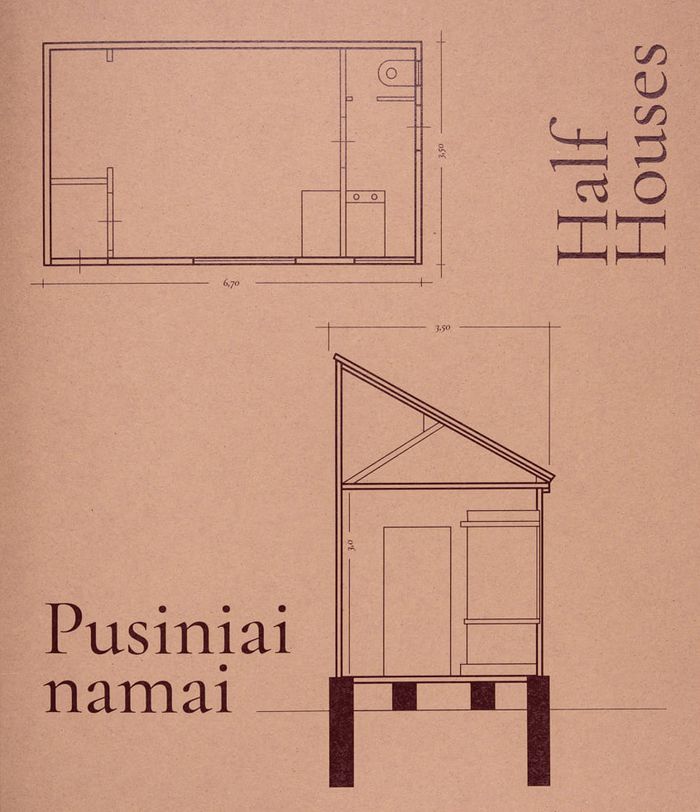
Inga Navickaité-Drasuté: Pusiniai namai / Half Houses
Actions:
Price:
$49.95
(available to order)
Summary:
The project “Half Houses”, started in 2016 from an aesthetic puzzle (does the house lack the second half?). This project was rethought, and gradually shrouded in contexts and new layers. The compositional feeling of scarcity looking at the empty space next to the half-timbered houses of Vilijampole is a suggestive response to the loss experienced by this place, the lost side of the history of this city. In any case, both the houses and their residents do not forget what has been lost – it can be heard even in a short conversation, during a break between farm work. Already in the early 18th century, most inhabitants of the town of Vilijampole were Jewish. During World War II, the Vilijampole Jewish ghetto was established, which was turned into a concentration camp on 15 September 1943. Out of 37,000 Kaunas Jews, less than 3,000 survived the Holocaust.
Inga Navickaité-Drasuté: Pusiniai namai / Half Houses
Actions:
Price:
$49.95
(available to order)
Summary:
The project “Half Houses”, started in 2016 from an aesthetic puzzle (does the house lack the second half?). This project was rethought, and gradually shrouded in contexts and new layers. The compositional feeling of scarcity looking at the empty space next to the half-timbered houses of Vilijampole is a suggestive response to the loss experienced by this place, the lost side of the history of this city. In any case, both the houses and their residents do not forget what has been lost – it can be heard even in a short conversation, during a break between farm work. Already in the early 18th century, most inhabitants of the town of Vilijampole were Jewish. During World War II, the Vilijampole Jewish ghetto was established, which was turned into a concentration camp on 15 September 1943. Out of 37,000 Kaunas Jews, less than 3,000 survived the Holocaust.
Form:
books
books
Publication:
July 2022
July 2022
Subject:
Photography monographs
Photography monographs
Form:
books
books
Actions:
Holdings:
Description:
[2], ii, 31, [1] pages, etch. frontis., 26 etch. plates ; 56.8 cm (2)̲
Description:
[2], ii, 31, [1] pages, etch. frontis., 26 etch. plates ; 56.8 cm (2)̲
Author:
Subject:
Publication:
London : For Robert Sayer, 1759.
London : For Robert Sayer, 1759.
Title:
Ruins of Athens : with remains and other valuable antiquities in Greece.
Actions:
Holdings:
Description:
[2], ii, 31, [1] pages, etch. frontis., 26 etch. plates ; 56.8 cm (2)̲
Ruins of Athens : with remains and other valuable antiquities in Greece.
Actions:
Holdings:
Description:
[2], ii, 31, [1] pages, etch. frontis., 26 etch. plates ; 56.8 cm (2)̲
Form:
books
books
Publication:
London : For Robert Sayer, 1759.
London : For Robert Sayer, 1759.
Author:
Subject:
Form:
books
books
Actions:
Price:
$47.95
(available to order)
Summary:
The author examines the Odeon group of cinemas created by Oscar Deutsch and his colleagues in Britain in the 1930s. He looks at the evolution of the house style in the hands of its key architects, the takeover of other cinemas, the start of the Odeon circuit release, and the impact of World War II.
$47.95
(available to order)
Summary:
The author examines the Odeon group of cinemas created by Oscar Deutsch and his colleagues in Britain in the 1930s. He looks at the evolution of the house style in the hands of its key architects, the takeover of other cinemas, the start of the Odeon circuit release, and the impact of World War II.
Title:
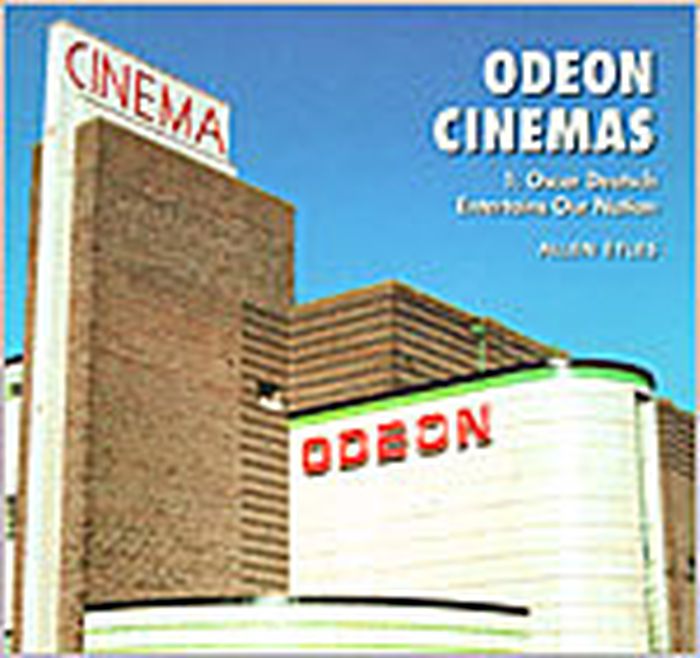
Odeon cinemas 1 : Oscar Deutsch entertains our nation
Actions:
Price:
$47.95
(available to order)
Summary:
The author examines the Odeon group of cinemas created by Oscar Deutsch and his colleagues in Britain in the 1930s. He looks at the evolution of the house style in the hands of its key architects, the takeover of other cinemas, the start of the Odeon circuit release, and the impact of World War II.
Odeon cinemas 1 : Oscar Deutsch entertains our nation
Actions:
Price:
$47.95
(available to order)
Summary:
The author examines the Odeon group of cinemas created by Oscar Deutsch and his colleagues in Britain in the 1930s. He looks at the evolution of the house style in the hands of its key architects, the takeover of other cinemas, the start of the Odeon circuit release, and the impact of World War II.
Form:
books
books
Publication:
January 2001, London
January 2001, London
Subject:
Commercial interiors, Building types
Commercial interiors, Building types
Form:
books
books
Title:
Beyond environment
Beyond environment
Actions:
Price:
$44.50
(available to order)
Summary:
Beyond Environment presents the potent interchange between architecture, Land Art, and Performance Art that emerged through Italian architect Gianni Pettena’s idealized collaboration with American artists Allan Kaprow and Robert Smithson in the 1970s. Earlier in Minneapolis, Minnesota, Pettena’s experiments in material transformations helped create some of the(...)
$44.50
(available to order)
Summary:
Beyond Environment presents the potent interchange between architecture, Land Art, and Performance Art that emerged through Italian architect Gianni Pettena’s idealized collaboration with American artists Allan Kaprow and Robert Smithson in the 1970s. Earlier in Minneapolis, Minnesota, Pettena’s experiments in material transformations helped create some of the(...)
Publication:
March 2014
March 2014
Title:
Beyond environment
Actions:
Price:
$44.50
(available to order)
Summary:
Beyond Environment presents the potent interchange between architecture, Land Art, and Performance Art that emerged through Italian architect Gianni Pettena’s idealized collaboration with American artists Allan Kaprow and Robert Smithson in the 1970s. Earlier in Minneapolis, Minnesota, Pettena’s experiments in material transformations helped create some of the architect’s most iconic works. Staged in an abandoned school and in a nondescriptive suburban house, and titled Ice House I and II, Pettena would pour water into the mold works he created around the buildings’ perimeter walls.
Beyond environment
Actions:
Price:
$44.50
(available to order)
Summary:
Beyond Environment presents the potent interchange between architecture, Land Art, and Performance Art that emerged through Italian architect Gianni Pettena’s idealized collaboration with American artists Allan Kaprow and Robert Smithson in the 1970s. Earlier in Minneapolis, Minnesota, Pettena’s experiments in material transformations helped create some of the architect’s most iconic works. Staged in an abandoned school and in a nondescriptive suburban house, and titled Ice House I and II, Pettena would pour water into the mold works he created around the buildings’ perimeter walls.
Form:
books
books
Publication:
March 2014
March 2014
Form:
books
books
Title:
Som journal 7
Som journal 7
Actions:
Price:
$30.00
(available to order)
Summary:
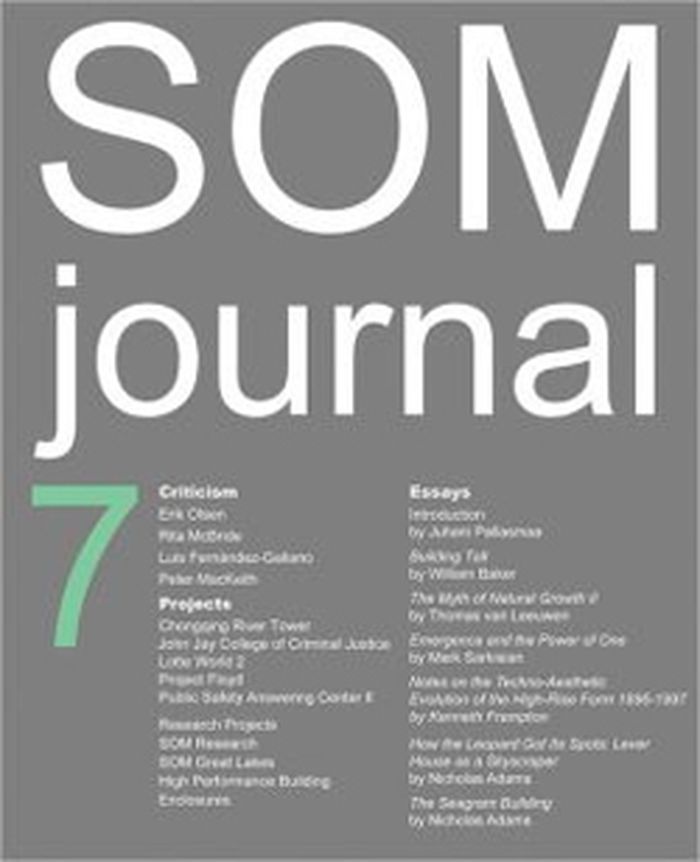
Som journal 7 includes the essays “Notes on the Techno-Aesthetic Evolution of High-Rise Form, 1896–1997” by Kenneth Frampton, “The Myth of Natural Growth II” by Thomas van Leeuwan, “Building Tall” by William Baker, “Emergence and the Power of One” by Mark Sarkisian, and “How the Leopard Got Its Spots: Lever House as a Skyscraper” by Nicholas Adams.
$30.00
(available to order)
Summary:
Som journal 7 includes the essays “Notes on the Techno-Aesthetic Evolution of High-Rise Form, 1896–1997” by Kenneth Frampton, “The Myth of Natural Growth II” by Thomas van Leeuwan, “Building Tall” by William Baker, “Emergence and the Power of One” by Mark Sarkisian, and “How the Leopard Got Its Spots: Lever House as a Skyscraper” by Nicholas Adams.
Title:
Som journal 7
Actions:
Price:
$30.00
(available to order)
Summary:
Som journal 7 includes the essays “Notes on the Techno-Aesthetic Evolution of High-Rise Form, 1896–1997” by Kenneth Frampton, “The Myth of Natural Growth II” by Thomas van Leeuwan, “Building Tall” by William Baker, “Emergence and the Power of One” by Mark Sarkisian, and “How the Leopard Got Its Spots: Lever House as a Skyscraper” by Nicholas Adams.
Som journal 7
Actions:
Price:
$30.00
(available to order)
Summary:
Som journal 7 includes the essays “Notes on the Techno-Aesthetic Evolution of High-Rise Form, 1896–1997” by Kenneth Frampton, “The Myth of Natural Growth II” by Thomas van Leeuwan, “Building Tall” by William Baker, “Emergence and the Power of One” by Mark Sarkisian, and “How the Leopard Got Its Spots: Lever House as a Skyscraper” by Nicholas Adams.
Form:
books
books
Publication:
March 2012
March 2012
Subject:
Magazines
Magazines
Form:
journals and magazines
journals and magazines
Actions:
Price:
$50.00
(available to order)
Summary:
In DOMa 11, jo taillieu architecten embedded House Binnen within an existing structure, allowing unexpected structural events to emerge — a process reflected in the complexity of their drawings. Schneider Türtscher present photocopied drawings of their extension and modification of house Auf Berg ? & II, treating them as exercises in doubt and discovery. aoa architects(...)
$50.00
(available to order)
Summary:
In DOMa 11, jo taillieu architecten embedded House Binnen within an existing structure, allowing unexpected structural events to emerge — a process reflected in the complexity of their drawings. Schneider Türtscher present photocopied drawings of their extension and modification of house Auf Berg ? & II, treating them as exercises in doubt and discovery. aoa architects(...)
Subject:
Magazines
Magazines
Publication:
February 2025
February 2025
Title:
DOMa 11: jo taillieu architecten, Schneider Türtscher, aoa architects, COMTE / MEUWLY, Benedetta Tagliabue — EMBT Architects
Actions:
Price:
$50.00
(available to order)
Summary:
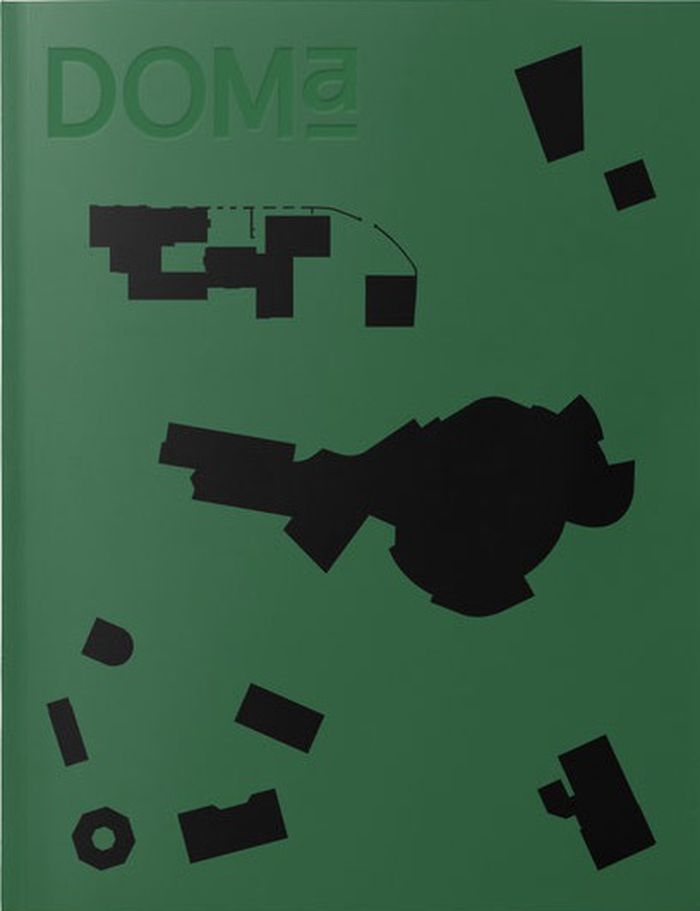
In DOMa 11, jo taillieu architecten embedded House Binnen within an existing structure, allowing unexpected structural events to emerge — a process reflected in the complexity of their drawings. Schneider Türtscher present photocopied drawings of their extension and modification of house Auf Berg ? & II, treating them as exercises in doubt and discovery. aoa architects integrate five distinct buildings into a circular path for pension Hoji, creating five typological iterations tailored to their countryside setting. COMTE / MEUWLY present a House for almost everything, through a photographic series that upholds the project’s name as an argument. Benedetta Tagliabue — EMBT Architects share working documents for the San Giacomo Apostolo and Parish Complex Ferrara, offering a glimpse into their design methodology.
DOMa 11: jo taillieu architecten, Schneider Türtscher, aoa architects, COMTE / MEUWLY, Benedetta Tagliabue — EMBT Architects
Actions:
Price:
$50.00
(available to order)
Summary:
In DOMa 11, jo taillieu architecten embedded House Binnen within an existing structure, allowing unexpected structural events to emerge — a process reflected in the complexity of their drawings. Schneider Türtscher present photocopied drawings of their extension and modification of house Auf Berg ? & II, treating them as exercises in doubt and discovery. aoa architects integrate five distinct buildings into a circular path for pension Hoji, creating five typological iterations tailored to their countryside setting. COMTE / MEUWLY present a House for almost everything, through a photographic series that upholds the project’s name as an argument. Benedetta Tagliabue — EMBT Architects share working documents for the San Giacomo Apostolo and Parish Complex Ferrara, offering a glimpse into their design methodology.
Form:
journals and magazines
journals and magazines
Publication:
February 2025
February 2025
Subject:
Magazines
Magazines
Form:
journals and magazines
journals and magazines
Price:
$64.00
(available to order)
Summary:
Built on an expansive, sloping site situated in the northern part of Brno, Mies van der Rohe’s Villa Tungendhat is a masterful example of 20th-century residential architecture. Since its seizure in World War II, the house has endured a long period of decline and relative obscurity, a former shade of itself. Painstakingly renovated over a number of years, its three levels(...)
$64.00
(available to order)
Summary:
Built on an expansive, sloping site situated in the northern part of Brno, Mies van der Rohe’s Villa Tungendhat is a masterful example of 20th-century residential architecture. Since its seizure in World War II, the house has endured a long period of decline and relative obscurity, a former shade of itself. Painstakingly renovated over a number of years, its three levels(...)
Title:
Residential masterpieces 24: Mies van der Rohe Villa Tugendhat
Actions:
Price:
$64.00
(available to order)
Summary:
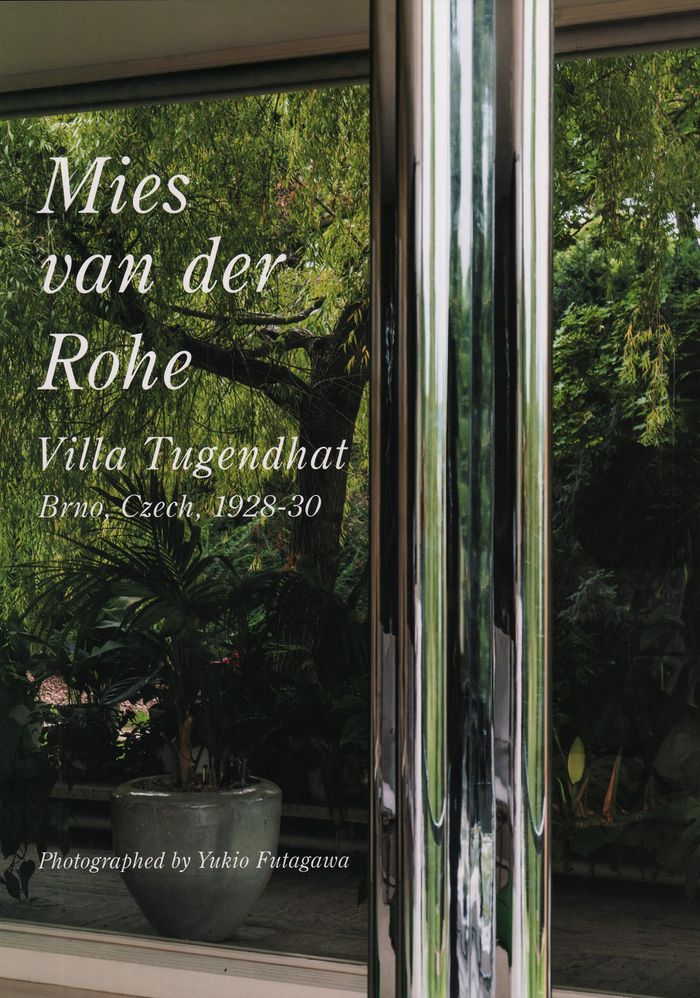
Built on an expansive, sloping site situated in the northern part of Brno, Mies van der Rohe’s Villa Tungendhat is a masterful example of 20th-century residential architecture. Since its seizure in World War II, the house has endured a long period of decline and relative obscurity, a former shade of itself. Painstakingly renovated over a number of years, its three levels and full-height glass walls have now regained their former lustre.
Residential masterpieces 24: Mies van der Rohe Villa Tugendhat
Actions:
Price:
$64.00
(available to order)
Summary:
Built on an expansive, sloping site situated in the northern part of Brno, Mies van der Rohe’s Villa Tungendhat is a masterful example of 20th-century residential architecture. Since its seizure in World War II, the house has endured a long period of decline and relative obscurity, a former shade of itself. Painstakingly renovated over a number of years, its three levels and full-height glass walls have now regained their former lustre.
Form:
journals and magazines
journals and magazines
Publication:
January 2017
January 2017
Subject:
Architecture Monographs
Architecture Monographs
Form:
books
books
Actions:
Price:
$135.00
(available in store)
Summary:
This monographic issue takes stock of the studio’s production from 2012 to the present, from its most recognised works, such as Copper House II and the Ahmedabad Residence, to more modest projects like the Ganga Maki Textile Studio in the Himalayan foothills, MPavilion 2016 in Melbourne, and a winery extension in the south of France. The issue also features handmade(...)
$135.00
(available in store)
Summary:
This monographic issue takes stock of the studio’s production from 2012 to the present, from its most recognised works, such as Copper House II and the Ahmedabad Residence, to more modest projects like the Ganga Maki Textile Studio in the Himalayan foothills, MPavilion 2016 in Melbourne, and a winery extension in the south of France. The issue also features handmade(...)
Title:
El Croquis 200: Studio Mumbai (2012-20019) in-between spaces
Actions:
Price:
$135.00
(available in store)
Summary:
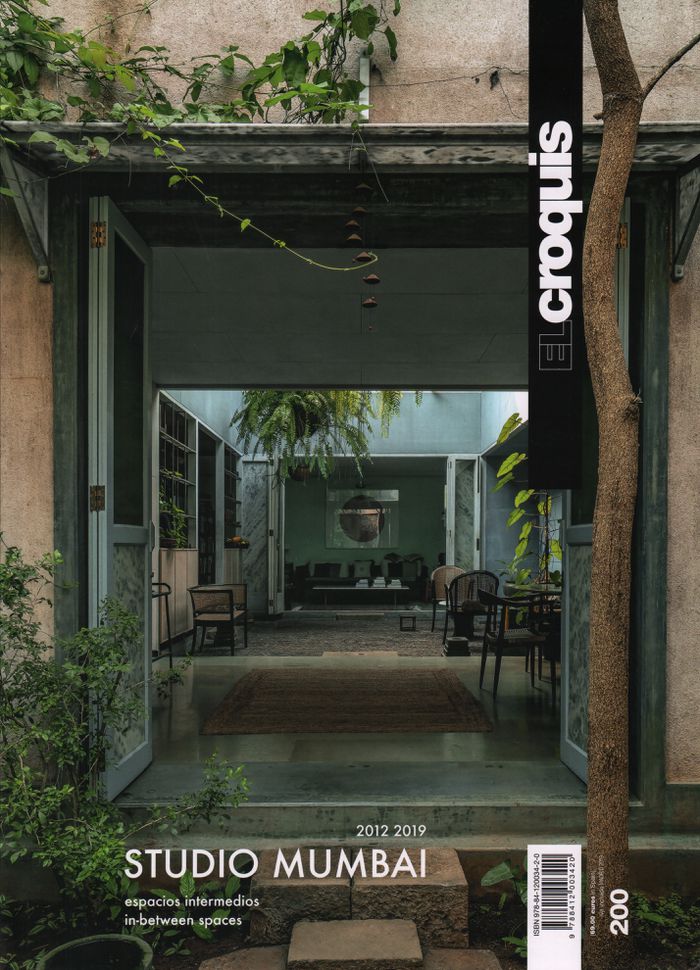
This monographic issue takes stock of the studio’s production from 2012 to the present, from its most recognised works, such as Copper House II and the Ahmedabad Residence, to more modest projects like the Ganga Maki Textile Studio in the Himalayan foothills, MPavilion 2016 in Melbourne, and a winery extension in the south of France. The issue also features handmade furniture shown at Maniera gallery in Brussels, which draws on universal materials and traditional Indian craft.
El Croquis 200: Studio Mumbai (2012-20019) in-between spaces
Actions:
Price:
$135.00
(available in store)
Summary:
This monographic issue takes stock of the studio’s production from 2012 to the present, from its most recognised works, such as Copper House II and the Ahmedabad Residence, to more modest projects like the Ganga Maki Textile Studio in the Himalayan foothills, MPavilion 2016 in Melbourne, and a winery extension in the south of France. The issue also features handmade furniture shown at Maniera gallery in Brussels, which draws on universal materials and traditional Indian craft.
Form:
books
books
Publication:
August 2019
August 2019
Subject:
El Croquis
El Croquis
Form:
books
books
Actions:
Price:
$89.95
(available to order)
Summary:
Through a reading of the landscape and the topographical structure, Mathias Klotz implements his architectural programme with plastic sensitivity, confirming the importance of the construction and the materials. His reference models range from those of Mies van der Rohe and of those architects active in California after World War II. The Ponce house in Buenos Aires is one(...)
$89.95
(available to order)
Summary:
Through a reading of the landscape and the topographical structure, Mathias Klotz implements his architectural programme with plastic sensitivity, confirming the importance of the construction and the materials. His reference models range from those of Mies van der Rohe and of those architects active in California after World War II. The Ponce house in Buenos Aires is one(...)
Title:
Architecture and projects : Mathias Klotz
Actions:
Price:
$89.95
(available to order)
Summary:
Through a reading of the landscape and the topographical structure, Mathias Klotz implements his architectural programme with plastic sensitivity, confirming the importance of the construction and the materials. His reference models range from those of Mies van der Rohe and of those architects active in California after World War II. The Ponce house in Buenos Aires is one of the best expressions of his talent, which shows his skill as an architect who is coherent in his choice of materials, confident in employing them and overt in exhibiting them. Photographs by Alberto Piovano.
Architecture and projects : Mathias Klotz
Actions:
Price:
$89.95
(available to order)
Summary:
Through a reading of the landscape and the topographical structure, Mathias Klotz implements his architectural programme with plastic sensitivity, confirming the importance of the construction and the materials. His reference models range from those of Mies van der Rohe and of those architects active in California after World War II. The Ponce house in Buenos Aires is one of the best expressions of his talent, which shows his skill as an architect who is coherent in his choice of materials, confident in employing them and overt in exhibiting them. Photographs by Alberto Piovano.
Form:
books
books
Publication:
January 1900, Milan
January 1900, Milan
Subject:
Architecture Monographs
Architecture Monographs
Form:
books
books

Price:
$29.95
(available to order)
Summary:
For young men in urban Tanzania, barbershops are sites of the struggle to earn a living amid economic crisis. With names like Brooklyn Barber House and Boyz II Men, these workplaces are also nodes in an explosion of popular culture that appropriates images drawn from the global circulation of hip hop music, fashion, and celebrity. "Street Dreams and Hip Hop Barbershops"(...)
$29.95
(available to order)
Summary:
For young men in urban Tanzania, barbershops are sites of the struggle to earn a living amid economic crisis. With names like Brooklyn Barber House and Boyz II Men, these workplaces are also nodes in an explosion of popular culture that appropriates images drawn from the global circulation of hip hop music, fashion, and celebrity. "Street Dreams and Hip Hop Barbershops"(...)
Title:
Street dreams & hip hop barbershops: global fantasy in urban tanzania
Actions:
Price:
$29.95
(available to order)
Summary:
For young men in urban Tanzania, barbershops are sites of the struggle to earn a living amid economic crisis. With names like Brooklyn Barber House and Boyz II Men, these workplaces are also nodes in an explosion of popular culture that appropriates images drawn from the global circulation of hip hop music, fashion, and celebrity. "Street Dreams and Hip Hop Barbershops" grapples with the implications of globalization and neo-liberalism for urban youth in Africa today, exploring urban Tanzanians' complex, new ways of understanding their place in the world.
Street dreams & hip hop barbershops: global fantasy in urban tanzania
Actions:
Price:
$29.95
(available to order)
Summary:
For young men in urban Tanzania, barbershops are sites of the struggle to earn a living amid economic crisis. With names like Brooklyn Barber House and Boyz II Men, these workplaces are also nodes in an explosion of popular culture that appropriates images drawn from the global circulation of hip hop music, fashion, and celebrity. "Street Dreams and Hip Hop Barbershops" grapples with the implications of globalization and neo-liberalism for urban youth in Africa today, exploring urban Tanzanians' complex, new ways of understanding their place in the world.
Form:
books
books
Publication:
May 2009
May 2009
Subject:
Arch Southwest Asia & North Africa
Arch Southwest Asia & North Africa


