


1152 Results
Form:
audio
audio
Actions:
Description:
1 online resource.
Author:
Subject:
Publication:
[Place of publication not identified] : Tactical Tech, 2021.
[Place of publication not identified] : Tactical Tech, 2021.
Form:
audio
audio
Publication:
[Place of publication not identified] : Tactical Tech, 2021.
[Place of publication not identified] : Tactical Tech, 2021.
Author:
Subject:
Form:
books
books
Actions:
Holdings:
Description:
356 pages : illustrations (chiefly color), plans, portraits ; 21 cm
Description:
356 pages : illustrations (chiefly color), plans, portraits ; 21 cm
Author:
Subject:
Publication:
Rotterdam : t?f, The Why Factory : Nai010 uitgevers, 2022., ©2022
Rotterdam : t?f, The Why Factory : Nai010 uitgevers, 2022., ©2022
Title:
(W)Ego : dream homes in density / authors, Winy Maas, Javier Arpa Fernández, Adrien Ravon, Felix Madrazo.
Actions:
Holdings:
Description:
356 pages : illustrations (chiefly color), plans, portraits ; 21 cm
(W)Ego : dream homes in density / authors, Winy Maas, Javier Arpa Fernández, Adrien Ravon, Felix Madrazo.
Actions:
Holdings:
Description:
356 pages : illustrations (chiefly color), plans, portraits ; 21 cm
Form:
books
books
Publication:
Rotterdam : t?f, The Why Factory : Nai010 uitgevers, 2022., ©2022
Rotterdam : t?f, The Why Factory : Nai010 uitgevers, 2022., ©2022
Author:
Subject:
Form:
books
books
Price:
$62.00
(available to order)
Summary:
An inquiry into emergent media's rich lineage, "Devices of Wonder" explores the artful machines humans have used to augment visual perception. The encyclopedic cabinet of curiosities serves as a model for this study of the archaic instruments lurking in state-of-the art technology. Featured in "Devices of Wonder" are android automata, lunar landscapes, perspective(...)
$62.00
(available to order)
Summary:
An inquiry into emergent media's rich lineage, "Devices of Wonder" explores the artful machines humans have used to augment visual perception. The encyclopedic cabinet of curiosities serves as a model for this study of the archaic instruments lurking in state-of-the art technology. Featured in "Devices of Wonder" are android automata, lunar landscapes, perspective(...)
Subject:
Architectural Theory
Architectural Theory
Publication:
November 2001, Los Angeles
November 2001, Los Angeles
Title:
Devices of wonder from the world in a box to images on a screen
Actions:
Price:
$62.00
(available to order)
Summary:
An inquiry into emergent media's rich lineage, "Devices of Wonder" explores the artful machines humans have used to augment visual perception. The encyclopedic cabinet of curiosities serves as a model for this study of the archaic instruments lurking in state-of-the art technology. Featured in "Devices of Wonder" are android automata, lunar landscapes, perspective theaters, vues d'optique, microscopes, magnetic games, magic lanterns, camera obscuras, boxes by Joseph Cornell, Lucas Samaras's Mirrored Room, Suzanne Anker's Zoosemiotics, Mark Tilden's UniBug 3.1, panoramic works by Jeff Wall and Giovanni Lusieri, paintings by Jean-Baptiste Chardin and Joseph Wright of Derby, projections by Diana Thater and James Turrell, and a pop-up book by Kara Walker. Barbara Stafford's introduction weaves these fascinating artifacts into a provocative narrative analyzing the complex links between old and new media. Her wide-ranging investigation is complemented by thirty-one short essays in which Frances Terpak tracks the often surprising connections among individual items. Like the cabinet of curiosities, "Devices of Wonder" functions as an analogical instrument, reframing the beautiful "eye machines" that continue to mediate our encounters with the world. This book is published in conjunction with an exhibition at the Getty from November 13, 2001, through February 6, 2002.
Devices of wonder from the world in a box to images on a screen
Actions:
Price:
$62.00
(available to order)
Summary:
An inquiry into emergent media's rich lineage, "Devices of Wonder" explores the artful machines humans have used to augment visual perception. The encyclopedic cabinet of curiosities serves as a model for this study of the archaic instruments lurking in state-of-the art technology. Featured in "Devices of Wonder" are android automata, lunar landscapes, perspective theaters, vues d'optique, microscopes, magnetic games, magic lanterns, camera obscuras, boxes by Joseph Cornell, Lucas Samaras's Mirrored Room, Suzanne Anker's Zoosemiotics, Mark Tilden's UniBug 3.1, panoramic works by Jeff Wall and Giovanni Lusieri, paintings by Jean-Baptiste Chardin and Joseph Wright of Derby, projections by Diana Thater and James Turrell, and a pop-up book by Kara Walker. Barbara Stafford's introduction weaves these fascinating artifacts into a provocative narrative analyzing the complex links between old and new media. Her wide-ranging investigation is complemented by thirty-one short essays in which Frances Terpak tracks the often surprising connections among individual items. Like the cabinet of curiosities, "Devices of Wonder" functions as an analogical instrument, reframing the beautiful "eye machines" that continue to mediate our encounters with the world. This book is published in conjunction with an exhibition at the Getty from November 13, 2001, through February 6, 2002.
Form:
books
books
Publication:
November 2001, Los Angeles
November 2001, Los Angeles
Subject:
Architectural Theory
Architectural Theory
Form:
books
books
Title:
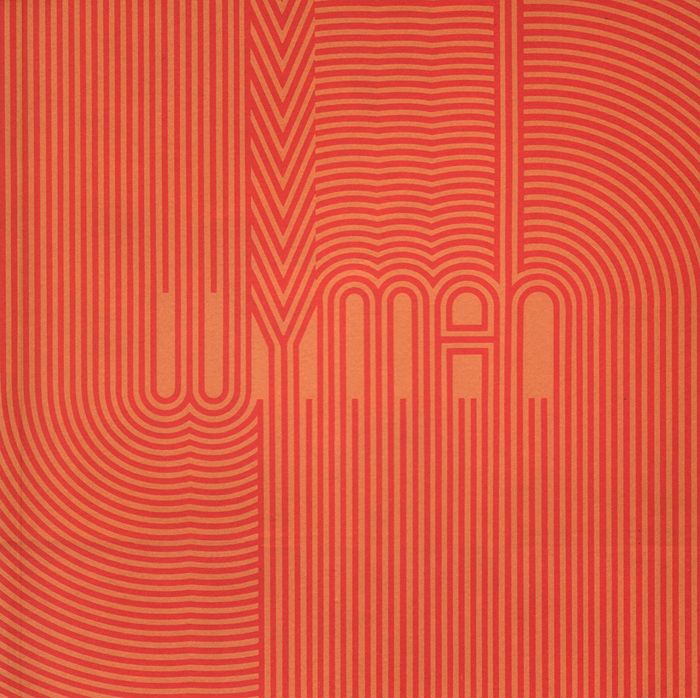
Lance Wyman: Mexico
Lance Wyman: Mexico
Actions:
Price:
$50.00
(available to order)
Summary:
Widely admired for his powerful but whimsical imagery, Lance Wyman is a leading figure of contemporary graphic design. Throughout a career that spans over 50 years, Wyman has made his name by designing for museums, zoos, metro stations and the 2008 Barack Obama presidential campaign. But it was when he won a competition at age 29 to design the Mexico Olympic graphics for(...)
$50.00
(available to order)
Summary:
Widely admired for his powerful but whimsical imagery, Lance Wyman is a leading figure of contemporary graphic design. Throughout a career that spans over 50 years, Wyman has made his name by designing for museums, zoos, metro stations and the 2008 Barack Obama presidential campaign. But it was when he won a competition at age 29 to design the Mexico Olympic graphics for(...)
Title:
Lance Wyman: Mexico
Actions:
Price:
$50.00
(available to order)
Summary:
Widely admired for his powerful but whimsical imagery, Lance Wyman is a leading figure of contemporary graphic design. Throughout a career that spans over 50 years, Wyman has made his name by designing for museums, zoos, metro stations and the 2008 Barack Obama presidential campaign. But it was when he won a competition at age 29 to design the Mexico Olympic graphics for the 1968 games that Wyman launched his career; his work is now a cornerstone for understanding the visual culture of present-day Mexico. In lieu of the extravagance typical of Olympic designs, Wyman offered something refreshing, spacious and above all modern as he unwittingly entered a tumultuous and revolutionary moment in Mexican history. His bold image of a modern Mexico would last beyond the nation's moment in the international spotlight; Wyman stayed for another four years, designing graphic systems for the Mexico City Metro, Central de Abasto and Camino Real Hotel. This bilingual English-Spanish monograph is the very first retrospective publication on the designer's work. Published in conjunction with an exhibition at MUAC in Mexico City, the book celebrates the influence of Wyman's system of visual icons—work so iconic that we find its traces in the emojis available on iPhones today.
Lance Wyman: Mexico
Actions:
Price:
$50.00
(available to order)
Summary:
Widely admired for his powerful but whimsical imagery, Lance Wyman is a leading figure of contemporary graphic design. Throughout a career that spans over 50 years, Wyman has made his name by designing for museums, zoos, metro stations and the 2008 Barack Obama presidential campaign. But it was when he won a competition at age 29 to design the Mexico Olympic graphics for the 1968 games that Wyman launched his career; his work is now a cornerstone for understanding the visual culture of present-day Mexico. In lieu of the extravagance typical of Olympic designs, Wyman offered something refreshing, spacious and above all modern as he unwittingly entered a tumultuous and revolutionary moment in Mexican history. His bold image of a modern Mexico would last beyond the nation's moment in the international spotlight; Wyman stayed for another four years, designing graphic systems for the Mexico City Metro, Central de Abasto and Camino Real Hotel. This bilingual English-Spanish monograph is the very first retrospective publication on the designer's work. Published in conjunction with an exhibition at MUAC in Mexico City, the book celebrates the influence of Wyman's system of visual icons—work so iconic that we find its traces in the emojis available on iPhones today.
Form:
books
books
Publication:
April 2015
April 2015
Subject:
Graphic Designers, Monographs
Graphic Designers, Monographs
Form:
books
books
Actions:
Price:
$60.00
(available to order)
Summary:
Gordon Matta-Clark died at only 35 of pancreatic cancer and has since become a cult figure of late 20th-century art. Trained in architecture at Cornell, he went on to question the field’s conventions in vivid projects—performance and recycling pieces, space and texture works and word games—some of which excised holes into existing buildings or assembled deeds to New York(...)
$60.00
(available to order)
Summary:
Gordon Matta-Clark died at only 35 of pancreatic cancer and has since become a cult figure of late 20th-century art. Trained in architecture at Cornell, he went on to question the field’s conventions in vivid projects—performance and recycling pieces, space and texture works and word games—some of which excised holes into existing buildings or assembled deeds to New York(...)
Publication:
August 2016
August 2016
Title:
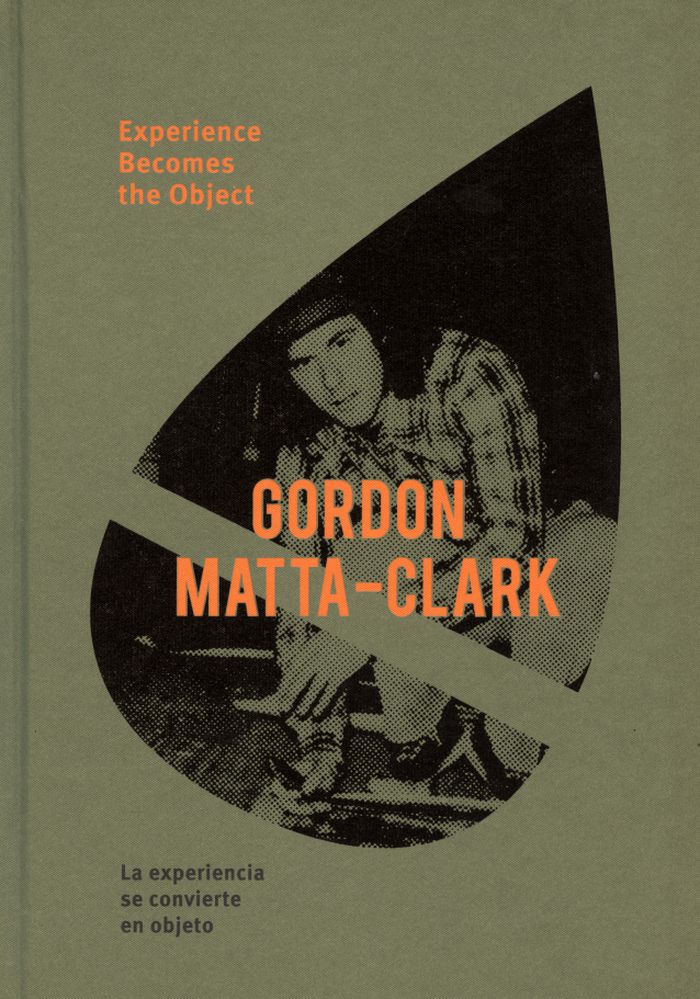
Gordon Matta-Clark: Experience becomes the object
Actions:
Price:
$60.00
(available to order)
Summary:
Gordon Matta-Clark died at only 35 of pancreatic cancer and has since become a cult figure of late 20th-century art. Trained in architecture at Cornell, he went on to question the field’s conventions in vivid projects—performance and recycling pieces, space and texture works and word games—some of which excised holes into existing buildings or assembled deeds to New York City alleys and curbs. The artist used a variety of media to document his work, including film, video and photography. His work and words, while sophisticated enough to make him an "artist’s artist," and colossal and outgoing enough to draw public attention and affection, were always also grounded in social or political convictions. In the early 1970s, Matta-Clark developed the idea of "anarchitecture," which encompassed his interest in voids, gaps and left-over spaces. Gordon Matta-Clark: Experience Becomes the Object collects five essays and ten individual interviews with various friends and family members of Matta-Clark’s. Together, they outline a biographical profile and offer an analysis of the historical period in which the artist developed his short but successful career. New, never-before-published material and photographs as well as an exclusive link to the documentary Crosswords: Matta-Clark’s Friends by Matias Cardone are also included.
Gordon Matta-Clark: Experience becomes the object
Actions:
Price:
$60.00
(available to order)
Summary:
Gordon Matta-Clark died at only 35 of pancreatic cancer and has since become a cult figure of late 20th-century art. Trained in architecture at Cornell, he went on to question the field’s conventions in vivid projects—performance and recycling pieces, space and texture works and word games—some of which excised holes into existing buildings or assembled deeds to New York City alleys and curbs. The artist used a variety of media to document his work, including film, video and photography. His work and words, while sophisticated enough to make him an "artist’s artist," and colossal and outgoing enough to draw public attention and affection, were always also grounded in social or political convictions. In the early 1970s, Matta-Clark developed the idea of "anarchitecture," which encompassed his interest in voids, gaps and left-over spaces. Gordon Matta-Clark: Experience Becomes the Object collects five essays and ten individual interviews with various friends and family members of Matta-Clark’s. Together, they outline a biographical profile and offer an analysis of the historical period in which the artist developed his short but successful career. New, never-before-published material and photographs as well as an exclusive link to the documentary Crosswords: Matta-Clark’s Friends by Matias Cardone are also included.
Form:
books
books
Publication:
August 2016
August 2016
Form:
books
books
Title:
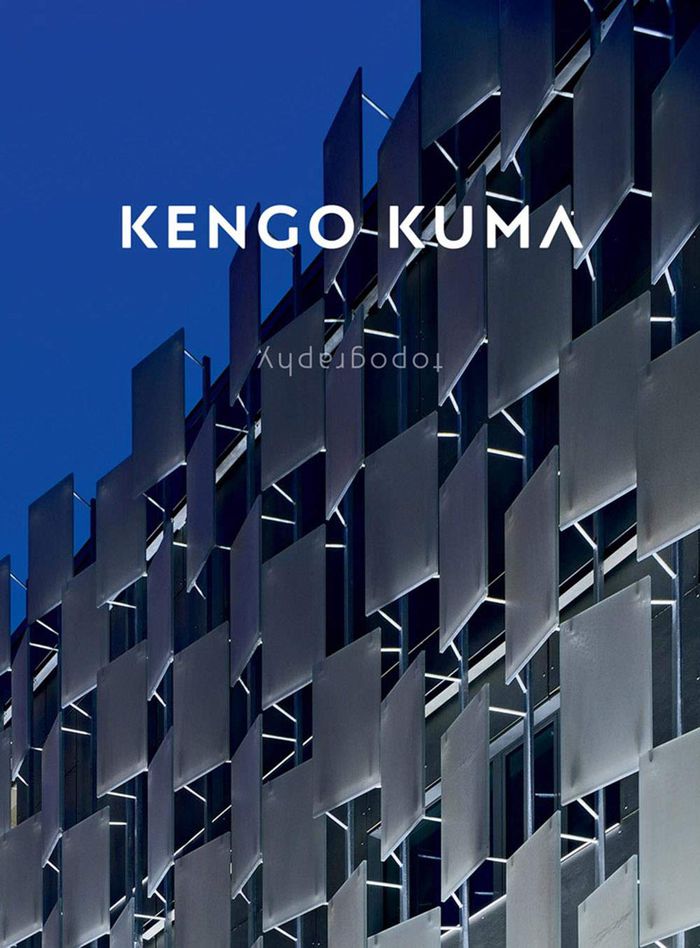
Kengo Kuma: Topography
Kengo Kuma: Topography
Actions:
Price:
$100.00
(available in store)
Summary:
Kengo Kuma is a globally acclaimed Japanese architect whose prodigious output possesses an inherent respect and value of materials and environment, often creating a harmonious balance between building and landscape. He masterfully engages both architectural experimentation and traditional Japanese design with twenty-first-century technology, resulting in highly advanced(...)
$100.00
(available in store)
Summary:
Kengo Kuma is a globally acclaimed Japanese architect whose prodigious output possesses an inherent respect and value of materials and environment, often creating a harmonious balance between building and landscape. He masterfully engages both architectural experimentation and traditional Japanese design with twenty-first-century technology, resulting in highly advanced(...)
Title:
Kengo Kuma: Topography
Actions:
Price:
$100.00
(available in store)
Summary:
Kengo Kuma is a globally acclaimed Japanese architect whose prodigious output possesses an inherent respect and value of materials and environment, often creating a harmonious balance between building and landscape. He masterfully engages both architectural experimentation and traditional Japanese design with twenty-first-century technology, resulting in highly advanced yet beautifully simple, gentle, human-scaled buildings. Often ranked among other esteemed architects, such as Shigeru Ban, Tadao Ando, Kazuyo Sejima, or Kenzo Tange, Kuma is always in search of new materials to replace concrete and steel, and seeks a new approach for architecture in a post-industrial society, fusing interior and exterior realms to make spaces that create a calming and tranquil atmosphere. Known for his prolific writing, Kuma is constantly re-engaging with different aspects of the architectural discipline, whether it be construction or representation in order to give further progress to his ideas. This volume showcases close to forty high-profile works by Kengo Kuma & Associates (based in Tokyo and Paris), focusing on some of his most recognised works, including the Asakusa Culture and Tourism Center in Tokyo, the Mont Blanc Base Camp project, the Great Bamboo Wall, as well as progress for the design for Tokyo's main stadium for the 2020 Olympic Games.
Kengo Kuma: Topography
Actions:
Price:
$100.00
(available in store)
Summary:
Kengo Kuma is a globally acclaimed Japanese architect whose prodigious output possesses an inherent respect and value of materials and environment, often creating a harmonious balance between building and landscape. He masterfully engages both architectural experimentation and traditional Japanese design with twenty-first-century technology, resulting in highly advanced yet beautifully simple, gentle, human-scaled buildings. Often ranked among other esteemed architects, such as Shigeru Ban, Tadao Ando, Kazuyo Sejima, or Kenzo Tange, Kuma is always in search of new materials to replace concrete and steel, and seeks a new approach for architecture in a post-industrial society, fusing interior and exterior realms to make spaces that create a calming and tranquil atmosphere. Known for his prolific writing, Kuma is constantly re-engaging with different aspects of the architectural discipline, whether it be construction or representation in order to give further progress to his ideas. This volume showcases close to forty high-profile works by Kengo Kuma & Associates (based in Tokyo and Paris), focusing on some of his most recognised works, including the Asakusa Culture and Tourism Center in Tokyo, the Mont Blanc Base Camp project, the Great Bamboo Wall, as well as progress for the design for Tokyo's main stadium for the 2020 Olympic Games.
Form:
books
books
Publication:
March 2021
March 2021
Subject:
Architecture Monographs
Architecture Monographs
Form:
books
books
Holdings:
Description:
xiii, 364 pages : illustrations (some color) ; 24 cm
Description:
xiii, 364 pages : illustrations (some color) ; 24 cm
Author:
Subject:
Publication:
New York : Alfred A. Knopf, 2019., ©2019
New York : Alfred A. Knopf, 2019., ©2019
Title:
Ballpark : baseball in the American city / Paul Goldberger.
Actions:
Holdings:
Description:
xiii, 364 pages : illustrations (some color) ; 24 cm
Ballpark : baseball in the American city / Paul Goldberger.
Actions:
Holdings:
Description:
xiii, 364 pages : illustrations (some color) ; 24 cm
Form:
books
books
Publication:
New York : Alfred A. Knopf, 2019., ©2019
New York : Alfred A. Knopf, 2019., ©2019
Author:
Subject:
Form:
books
books
Actions:
Subject:
Publication:
NN Contemporary Art 2022
NN Contemporary Art 2022
Form:
books
books
Publication:
NN Contemporary Art 2022
NN Contemporary Art 2022
Subject:
Form:
books
books
Subject:
Publication:
Laboria Cuboniks 2016
Laboria Cuboniks 2016
Form:
books
books
Publication:
Laboria Cuboniks 2016
Laboria Cuboniks 2016
Subject:
Form:
books
books
Actions:
Holdings:
Description:
208 pages : illustrations (some color), color map ; 30 cm
Description:
208 pages : illustrations (some color), color map ; 30 cm
Author:
Subject:
Publication:
London : Aurum Press Ltd, 2013.
London : Aurum Press Ltd, 2013.
Title:
An exuberant catalogue of dreams : the Americans who revived the country house in Britain / Clive Aslet.
Actions:
Holdings:
Description:
208 pages : illustrations (some color), color map ; 30 cm
An exuberant catalogue of dreams : the Americans who revived the country house in Britain / Clive Aslet.
Actions:
Holdings:
Description:
208 pages : illustrations (some color), color map ; 30 cm
Form:
books
books
Publication:
London : Aurum Press Ltd, 2013.
London : Aurum Press Ltd, 2013.
Author:
Subject:


