


7509 Results
Level of archival description:
Project
Project
Actions:
Reference number:
AP018.S1.1982.PR19
Description:
This project series documents the design and construction of the Hôtel de la Délégation in Algiers, Algeria from 1982-1985. The office identified the project number as 8220. This hotel was designed with inspiration from traditional Maghrebian and Middle Eastern architecture but made in the modern style. The site for the project consisted of the hotel, a neighbouring villa, a separate office complex, a roundabout at the entrance, two pools, tennis courts, gardens and, an arcade. The project proposed several variations on the design for the hotel, including an eight-level option and a ten-level option, the latter adding two levels of parking to the bottom of the building. The hotel was built into a hill so floors that were subterranean on one side of the building were above ground on the other. This latter side had terraced pergolas at every level with views over the pool. The hotel had a multi-level atrium that contained elaborate indoor gardens and trees. While the ground floor was made up of conference rooms, banquet halls and the reception area, the other levels mostly contained hotel rooms. This project was commissioned by Lavalin International Inc. for the Algerian government, who are referred to in the records as the Présidence de la République, République Algérienne, Démocratique et Populaire. The project is also referred to as Hôtel Alger in the project documentation. The project is recorded through drawings, photographic materials and textual records dating from 1982-1985. Almost all of the records are in French, with the exception of a few interoffice communications. While there are construction drawings in the project materials, there are also a large number of design drawings showing different schemes and ideas for the hotel. The photographic materials include construction progress photos of the hotel. The textual records consist of correspondence, meeting reports, pre-design records and the project scope, financial documentation, schedules, interoffice letters, construction and detail planning records, specifications and progress reports. Box AP018.S1.1982.PR19.041 in this project series includes an index to the textual materials, which was created by the office.
AP018.S1.1982.PR19
Description:
This project series documents the design and construction of the Hôtel de la Délégation in Algiers, Algeria from 1982-1985. The office identified the project number as 8220. This hotel was designed with inspiration from traditional Maghrebian and Middle Eastern architecture but made in the modern style. The site for the project consisted of the hotel, a neighbouring villa, a separate office complex, a roundabout at the entrance, two pools, tennis courts, gardens and, an arcade. The project proposed several variations on the design for the hotel, including an eight-level option and a ten-level option, the latter adding two levels of parking to the bottom of the building. The hotel was built into a hill so floors that were subterranean on one side of the building were above ground on the other. This latter side had terraced pergolas at every level with views over the pool. The hotel had a multi-level atrium that contained elaborate indoor gardens and trees. While the ground floor was made up of conference rooms, banquet halls and the reception area, the other levels mostly contained hotel rooms. This project was commissioned by Lavalin International Inc. for the Algerian government, who are referred to in the records as the Présidence de la République, République Algérienne, Démocratique et Populaire. The project is also referred to as Hôtel Alger in the project documentation. The project is recorded through drawings, photographic materials and textual records dating from 1982-1985. Almost all of the records are in French, with the exception of a few interoffice communications. While there are construction drawings in the project materials, there are also a large number of design drawings showing different schemes and ideas for the hotel. The photographic materials include construction progress photos of the hotel. The textual records consist of correspondence, meeting reports, pre-design records and the project scope, financial documentation, schedules, interoffice letters, construction and detail planning records, specifications and progress reports. Box AP018.S1.1982.PR19.041 in this project series includes an index to the textual materials, which was created by the office.
People:
Date:
1982-1985
1982-1985
Title:
Hôtel de la Délégation, Algiers, Algeria (1982-1985)
Actions:
AP018.S1.1982.PR19
Description:
This project series documents the design and construction of the Hôtel de la Délégation in Algiers, Algeria from 1982-1985. The office identified the project number as 8220. This hotel was designed with inspiration from traditional Maghrebian and Middle Eastern architecture but made in the modern style. The site for the project consisted of the hotel, a neighbouring villa, a separate office complex, a roundabout at the entrance, two pools, tennis courts, gardens and, an arcade. The project proposed several variations on the design for the hotel, including an eight-level option and a ten-level option, the latter adding two levels of parking to the bottom of the building. The hotel was built into a hill so floors that were subterranean on one side of the building were above ground on the other. This latter side had terraced pergolas at every level with views over the pool. The hotel had a multi-level atrium that contained elaborate indoor gardens and trees. While the ground floor was made up of conference rooms, banquet halls and the reception area, the other levels mostly contained hotel rooms. This project was commissioned by Lavalin International Inc. for the Algerian government, who are referred to in the records as the Présidence de la République, République Algérienne, Démocratique et Populaire. The project is also referred to as Hôtel Alger in the project documentation. The project is recorded through drawings, photographic materials and textual records dating from 1982-1985. Almost all of the records are in French, with the exception of a few interoffice communications. While there are construction drawings in the project materials, there are also a large number of design drawings showing different schemes and ideas for the hotel. The photographic materials include construction progress photos of the hotel. The textual records consist of correspondence, meeting reports, pre-design records and the project scope, financial documentation, schedules, interoffice letters, construction and detail planning records, specifications and progress reports. Box AP018.S1.1982.PR19.041 in this project series includes an index to the textual materials, which was created by the office.
Hôtel de la Délégation, Algiers, Algeria (1982-1985)
Actions:
AP018.S1.1982.PR19
Description:
This project series documents the design and construction of the Hôtel de la Délégation in Algiers, Algeria from 1982-1985. The office identified the project number as 8220. This hotel was designed with inspiration from traditional Maghrebian and Middle Eastern architecture but made in the modern style. The site for the project consisted of the hotel, a neighbouring villa, a separate office complex, a roundabout at the entrance, two pools, tennis courts, gardens and, an arcade. The project proposed several variations on the design for the hotel, including an eight-level option and a ten-level option, the latter adding two levels of parking to the bottom of the building. The hotel was built into a hill so floors that were subterranean on one side of the building were above ground on the other. This latter side had terraced pergolas at every level with views over the pool. The hotel had a multi-level atrium that contained elaborate indoor gardens and trees. While the ground floor was made up of conference rooms, banquet halls and the reception area, the other levels mostly contained hotel rooms. This project was commissioned by Lavalin International Inc. for the Algerian government, who are referred to in the records as the Présidence de la République, République Algérienne, Démocratique et Populaire. The project is also referred to as Hôtel Alger in the project documentation. The project is recorded through drawings, photographic materials and textual records dating from 1982-1985. Almost all of the records are in French, with the exception of a few interoffice communications. While there are construction drawings in the project materials, there are also a large number of design drawings showing different schemes and ideas for the hotel. The photographic materials include construction progress photos of the hotel. The textual records consist of correspondence, meeting reports, pre-design records and the project scope, financial documentation, schedules, interoffice letters, construction and detail planning records, specifications and progress reports. Box AP018.S1.1982.PR19.041 in this project series includes an index to the textual materials, which was created by the office.
Level of archival description:
Project
Project
Date:
1982-1985
1982-1985
People:
Form:
textual records
textual records
Actions:
Reference number:
AP197.S3.003
Description:
The box is comprised of correspondence for the years of 1991-1994, organized in alphabetical order by last name, from A-K. The box documents Frampton’s career as Ware professor at the Graduate School of Architecture, Planning and Preservation, Columbia University and his related professional activities. Correspondence in this box includes: offers of teaching positions; requests to write articles, reviews, books and recommendation letters; invitations to teach, present, or attend at lectures/symposiums/conferences; and requests to serve on juries. Throughout this period, Frampton corresponded with architects, professors, publishers, and editors of various publications such as: Botond Bognar; Norman Foster; Yukio Futagawa; Gevork Hartoonian; and the commissioning editor of Phaidon Press Limited, David Jenkins. Correspondence relates to Kenneth Frampton’s involvement/participation in the publication of Hopkins: The Work of Michael Hopkins and Partners; as a lecturer at the Association of Collegiate Schools of Architecture (ASCA) Conference, the Berlage Institute and the École polytechnique fédérale de Lausanne; and as a jury member for the Carlsberg Architectural Prize.
AP197.S3.003
Description:
The box is comprised of correspondence for the years of 1991-1994, organized in alphabetical order by last name, from A-K. The box documents Frampton’s career as Ware professor at the Graduate School of Architecture, Planning and Preservation, Columbia University and his related professional activities. Correspondence in this box includes: offers of teaching positions; requests to write articles, reviews, books and recommendation letters; invitations to teach, present, or attend at lectures/symposiums/conferences; and requests to serve on juries. Throughout this period, Frampton corresponded with architects, professors, publishers, and editors of various publications such as: Botond Bognar; Norman Foster; Yukio Futagawa; Gevork Hartoonian; and the commissioning editor of Phaidon Press Limited, David Jenkins. Correspondence relates to Kenneth Frampton’s involvement/participation in the publication of Hopkins: The Work of Michael Hopkins and Partners; as a lecturer at the Association of Collegiate Schools of Architecture (ASCA) Conference, the Berlage Institute and the École polytechnique fédérale de Lausanne; and as a jury member for the Carlsberg Architectural Prize.
People:
Date:
1991-1994
1991-1994
Title:
Personal and professional correspondence for names A-K from 1991-1994
Actions:
AP197.S3.003
Description:
The box is comprised of correspondence for the years of 1991-1994, organized in alphabetical order by last name, from A-K. The box documents Frampton’s career as Ware professor at the Graduate School of Architecture, Planning and Preservation, Columbia University and his related professional activities. Correspondence in this box includes: offers of teaching positions; requests to write articles, reviews, books and recommendation letters; invitations to teach, present, or attend at lectures/symposiums/conferences; and requests to serve on juries. Throughout this period, Frampton corresponded with architects, professors, publishers, and editors of various publications such as: Botond Bognar; Norman Foster; Yukio Futagawa; Gevork Hartoonian; and the commissioning editor of Phaidon Press Limited, David Jenkins. Correspondence relates to Kenneth Frampton’s involvement/participation in the publication of Hopkins: The Work of Michael Hopkins and Partners; as a lecturer at the Association of Collegiate Schools of Architecture (ASCA) Conference, the Berlage Institute and the École polytechnique fédérale de Lausanne; and as a jury member for the Carlsberg Architectural Prize.
Personal and professional correspondence for names A-K from 1991-1994
Actions:
AP197.S3.003
Description:
The box is comprised of correspondence for the years of 1991-1994, organized in alphabetical order by last name, from A-K. The box documents Frampton’s career as Ware professor at the Graduate School of Architecture, Planning and Preservation, Columbia University and his related professional activities. Correspondence in this box includes: offers of teaching positions; requests to write articles, reviews, books and recommendation letters; invitations to teach, present, or attend at lectures/symposiums/conferences; and requests to serve on juries. Throughout this period, Frampton corresponded with architects, professors, publishers, and editors of various publications such as: Botond Bognar; Norman Foster; Yukio Futagawa; Gevork Hartoonian; and the commissioning editor of Phaidon Press Limited, David Jenkins. Correspondence relates to Kenneth Frampton’s involvement/participation in the publication of Hopkins: The Work of Michael Hopkins and Partners; as a lecturer at the Association of Collegiate Schools of Architecture (ASCA) Conference, the Berlage Institute and the École polytechnique fédérale de Lausanne; and as a jury member for the Carlsberg Architectural Prize.
Form:
textual records
textual records
Date:
1991-1994
1991-1994
People:
Form:
textual records
textual records
Actions:
Reference number:
AP197.S3.005
Description:
The box is comprised of correspondence for the years of 1991-1994, organized in alphabetical order by last name, from U-Z. The last four folders in this box comprises of loose correspondence organized in chronological order, from 1991-1994; this correspondence is not organized in alphabetical order. The box documents Frampton’s career as Ware professor at the Graduate School of Architecture, Planning and Preservation, Columbia University and his related professional activities. Correspondence in this box includes: offers of teaching positions; requests to write articles, reviews, books and recommendation letters; invitations to teach, present, or attend at lectures/symposiums/conferences; and requests to serve on juries. Correspondence relates to Frampton’s participation/involvement in: the “Architecture and legitimacy” conference at the Congress Netherlands Architecture Institute; as part of the International Board of Advisors for the Fundación de Arquitectura Tapatía; in the Chinese translation for the Studies in Tectonic Culture publication; as a visiting professor at the École polytechnique fédérale de Lausanne.
AP197.S3.005
Description:
The box is comprised of correspondence for the years of 1991-1994, organized in alphabetical order by last name, from U-Z. The last four folders in this box comprises of loose correspondence organized in chronological order, from 1991-1994; this correspondence is not organized in alphabetical order. The box documents Frampton’s career as Ware professor at the Graduate School of Architecture, Planning and Preservation, Columbia University and his related professional activities. Correspondence in this box includes: offers of teaching positions; requests to write articles, reviews, books and recommendation letters; invitations to teach, present, or attend at lectures/symposiums/conferences; and requests to serve on juries. Correspondence relates to Frampton’s participation/involvement in: the “Architecture and legitimacy” conference at the Congress Netherlands Architecture Institute; as part of the International Board of Advisors for the Fundación de Arquitectura Tapatía; in the Chinese translation for the Studies in Tectonic Culture publication; as a visiting professor at the École polytechnique fédérale de Lausanne.
People:
Date:
1991-1994
1991-1994
Title:
Personal and professional correspondence for names U-Z from 1991-1994
Actions:
AP197.S3.005
Description:
The box is comprised of correspondence for the years of 1991-1994, organized in alphabetical order by last name, from U-Z. The last four folders in this box comprises of loose correspondence organized in chronological order, from 1991-1994; this correspondence is not organized in alphabetical order. The box documents Frampton’s career as Ware professor at the Graduate School of Architecture, Planning and Preservation, Columbia University and his related professional activities. Correspondence in this box includes: offers of teaching positions; requests to write articles, reviews, books and recommendation letters; invitations to teach, present, or attend at lectures/symposiums/conferences; and requests to serve on juries. Correspondence relates to Frampton’s participation/involvement in: the “Architecture and legitimacy” conference at the Congress Netherlands Architecture Institute; as part of the International Board of Advisors for the Fundación de Arquitectura Tapatía; in the Chinese translation for the Studies in Tectonic Culture publication; as a visiting professor at the École polytechnique fédérale de Lausanne.
Personal and professional correspondence for names U-Z from 1991-1994
Actions:
AP197.S3.005
Description:
The box is comprised of correspondence for the years of 1991-1994, organized in alphabetical order by last name, from U-Z. The last four folders in this box comprises of loose correspondence organized in chronological order, from 1991-1994; this correspondence is not organized in alphabetical order. The box documents Frampton’s career as Ware professor at the Graduate School of Architecture, Planning and Preservation, Columbia University and his related professional activities. Correspondence in this box includes: offers of teaching positions; requests to write articles, reviews, books and recommendation letters; invitations to teach, present, or attend at lectures/symposiums/conferences; and requests to serve on juries. Correspondence relates to Frampton’s participation/involvement in: the “Architecture and legitimacy” conference at the Congress Netherlands Architecture Institute; as part of the International Board of Advisors for the Fundación de Arquitectura Tapatía; in the Chinese translation for the Studies in Tectonic Culture publication; as a visiting professor at the École polytechnique fédérale de Lausanne.
Form:
textual records
textual records
Date:
1991-1994
1991-1994
People:
Form:
events
events
Actions:
Description:
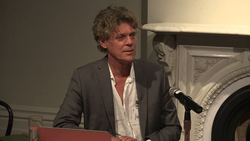
Antoni Folkers discusses a collection related to modern architecture in Africa that was recently acquired by the CCA. His account traces the activity of three travellers involved in building the collection: Georg Lippsmeier in the 1950s, Coen Beeker in the 1960s, and Kiran Mukerji in the 1970s. An architect and urban designer, Folkers is the author of Modern Architecture(...)
Antoni Folkers discusses a collection related to modern architecture in Africa that was recently acquired by the CCA. His account traces the activity of three travellers involved in building the collection: Georg Lippsmeier in the 1950s, Coen Beeker in the 1960s, and Kiran Mukerji in the 1970s. An architect and urban designer, Folkers is the author of Modern Architecture(...)
Location:
Shaughnessy House
Shaughnessy House
Date:
14 July 2016, 6pm
14 July 2016, 6pm
Title:
Antoni Folkers: Modern Architecture in Africa
Actions:
Description:
Antoni Folkers discusses a collection related to modern architecture in Africa that was recently acquired by the CCA. His account traces the activity of three travellers involved in building the collection: Georg Lippsmeier in the 1950s, Coen Beeker in the 1960s, and Kiran Mukerji in the 1970s. An architect and urban designer, Folkers is the author of Modern Architecture(...)
Antoni Folkers: Modern Architecture in Africa
Actions:
Description:
Antoni Folkers discusses a collection related to modern architecture in Africa that was recently acquired by the CCA. His account traces the activity of three travellers involved in building the collection: Georg Lippsmeier in the 1950s, Coen Beeker in the 1960s, and Kiran Mukerji in the 1970s. An architect and urban designer, Folkers is the author of Modern Architecture(...)
Form:
events
events
Date:
14 July 2016
6pm
14 July 2016
6pm
Location:
Shaughnessy House
Shaughnessy House
Form:
events
events
Actions:
Description:
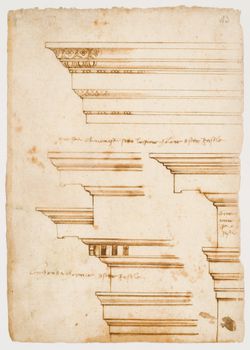
2016 Visiting Scholar Cara Rachele presents her research: This lecture investigates the explosion of detail drawings in the Renaissance. It connects the emergence of the detail in the sixteenth century as a canonical drawing type with the evocation of the material antique. The organic evolution of the detail drawing method can be seen in the sketchbooks of everyday(...)
2016 Visiting Scholar Cara Rachele presents her research: This lecture investigates the explosion of detail drawings in the Renaissance. It connects the emergence of the detail in the sixteenth century as a canonical drawing type with the evocation of the material antique. The organic evolution of the detail drawing method can be seen in the sketchbooks of everyday(...)
Date:
11 August 2016, 6pm
11 August 2016, 6pm
Title:
Visiting Scholar Seminar: Cara Rachele
Actions:
Description:
2016 Visiting Scholar Cara Rachele presents her research: This lecture investigates the explosion of detail drawings in the Renaissance. It connects the emergence of the detail in the sixteenth century as a canonical drawing type with the evocation of the material antique. The organic evolution of the detail drawing method can be seen in the sketchbooks of everyday(...)
Visiting Scholar Seminar: Cara Rachele
Actions:
Description:
2016 Visiting Scholar Cara Rachele presents her research: This lecture investigates the explosion of detail drawings in the Renaissance. It connects the emergence of the detail in the sixteenth century as a canonical drawing type with the evocation of the material antique. The organic evolution of the detail drawing method can be seen in the sketchbooks of everyday(...)
Form:
events
events
Date:
11 August 2016
6pm
11 August 2016
6pm
Form:
textual records
textual records
Actions:
Reference number:
ARCH273828
Description:
File contains programs of conferences that Arthur Erickson attended including 1962 Summer School on Public Affairs, Department of Extension, University of British Columbia where Pierre Elliot Trudeau gave a lecture titled, "Democracy in French Canada" (July 1962), handwritten notes and correspondence. Labeled, "writings and correspondence 1962"
ARCH273828
Description:
File contains programs of conferences that Arthur Erickson attended including 1962 Summer School on Public Affairs, Department of Extension, University of British Columbia where Pierre Elliot Trudeau gave a lecture titled, "Democracy in French Canada" (July 1962), handwritten notes and correspondence. Labeled, "writings and correspondence 1962"
People:
Date:
1962
1962
Title:
File of general personal material
Actions:
ARCH273828
Description:
File contains programs of conferences that Arthur Erickson attended including 1962 Summer School on Public Affairs, Department of Extension, University of British Columbia where Pierre Elliot Trudeau gave a lecture titled, "Democracy in French Canada" (July 1962), handwritten notes and correspondence. Labeled, "writings and correspondence 1962"
File of general personal material
Actions:
ARCH273828
Description:
File contains programs of conferences that Arthur Erickson attended including 1962 Summer School on Public Affairs, Department of Extension, University of British Columbia where Pierre Elliot Trudeau gave a lecture titled, "Democracy in French Canada" (July 1962), handwritten notes and correspondence. Labeled, "writings and correspondence 1962"
Form:
textual records
textual records
Date:
1962
1962
People:
Level of archival description:
Series
Series
Title:
Academic work and interviews
Academic work and interviews
Reference number:
AP207.S4
Description:
The series documents Pettena’s academic work and his activities as an architecture critic from the 1970s to the mid 2010s. It documents Pettena’s teaching, including his work as professor of History of Contemporary Architecture at the University of Florence from 1973 to 2008, but also as professor of Design at California State University. It also includes materials related to lectures and conferences he gave either on his work or on subjects he studied, including lectures for the Domus Academy in 1993. The series also documents interviews he gave during his career to promote his projects, his exhibitions or publications, as well as for publications and exhibitions on him and his work. The series contains administrative material related to Pettena’s work as a professor, chiefly at the University of Florence, such as correspondence and course syllabi. The series also includes Pettena’s teaching material, such as notes and reference material, and photocopies of reading assignments for courses. This series also contains a large collection of reference slides, predominantly on contemporary architecture and design and on architects, such as Ettore Sottsass Sr. and Jr., Hans Hollein, Alessandro Mendini, Carlo Scarpa, Oscar Niemeyer, Buckminster Fuller, and Studio Alchimia, as well as on contemporary artistic movements. Also included is student work, such as student theses from University of Florence and one thesis from a student at the California State University. The series also contains materials related to Pettena’s lectures, including correspondence, presentation texts, and promotional material for lectures, seminars and courses. Finally, the series includes material from Pettena’s interviews, such as interview transcripts, copies of published interviews, and audio and video recordings of interviews.
AP207.S4
Description:
The series documents Pettena’s academic work and his activities as an architecture critic from the 1970s to the mid 2010s. It documents Pettena’s teaching, including his work as professor of History of Contemporary Architecture at the University of Florence from 1973 to 2008, but also as professor of Design at California State University. It also includes materials related to lectures and conferences he gave either on his work or on subjects he studied, including lectures for the Domus Academy in 1993. The series also documents interviews he gave during his career to promote his projects, his exhibitions or publications, as well as for publications and exhibitions on him and his work. The series contains administrative material related to Pettena’s work as a professor, chiefly at the University of Florence, such as correspondence and course syllabi. The series also includes Pettena’s teaching material, such as notes and reference material, and photocopies of reading assignments for courses. This series also contains a large collection of reference slides, predominantly on contemporary architecture and design and on architects, such as Ettore Sottsass Sr. and Jr., Hans Hollein, Alessandro Mendini, Carlo Scarpa, Oscar Niemeyer, Buckminster Fuller, and Studio Alchimia, as well as on contemporary artistic movements. Also included is student work, such as student theses from University of Florence and one thesis from a student at the California State University. The series also contains materials related to Pettena’s lectures, including correspondence, presentation texts, and promotional material for lectures, seminars and courses. Finally, the series includes material from Pettena’s interviews, such as interview transcripts, copies of published interviews, and audio and video recordings of interviews.
People:
Date:
circa 1970-2015
circa 1970-2015
Title:
Academic work and interviews
Actions:
AP207.S4
Description:
The series documents Pettena’s academic work and his activities as an architecture critic from the 1970s to the mid 2010s. It documents Pettena’s teaching, including his work as professor of History of Contemporary Architecture at the University of Florence from 1973 to 2008, but also as professor of Design at California State University. It also includes materials related to lectures and conferences he gave either on his work or on subjects he studied, including lectures for the Domus Academy in 1993. The series also documents interviews he gave during his career to promote his projects, his exhibitions or publications, as well as for publications and exhibitions on him and his work. The series contains administrative material related to Pettena’s work as a professor, chiefly at the University of Florence, such as correspondence and course syllabi. The series also includes Pettena’s teaching material, such as notes and reference material, and photocopies of reading assignments for courses. This series also contains a large collection of reference slides, predominantly on contemporary architecture and design and on architects, such as Ettore Sottsass Sr. and Jr., Hans Hollein, Alessandro Mendini, Carlo Scarpa, Oscar Niemeyer, Buckminster Fuller, and Studio Alchimia, as well as on contemporary artistic movements. Also included is student work, such as student theses from University of Florence and one thesis from a student at the California State University. The series also contains materials related to Pettena’s lectures, including correspondence, presentation texts, and promotional material for lectures, seminars and courses. Finally, the series includes material from Pettena’s interviews, such as interview transcripts, copies of published interviews, and audio and video recordings of interviews.
Academic work and interviews
Actions:
AP207.S4
Description:
The series documents Pettena’s academic work and his activities as an architecture critic from the 1970s to the mid 2010s. It documents Pettena’s teaching, including his work as professor of History of Contemporary Architecture at the University of Florence from 1973 to 2008, but also as professor of Design at California State University. It also includes materials related to lectures and conferences he gave either on his work or on subjects he studied, including lectures for the Domus Academy in 1993. The series also documents interviews he gave during his career to promote his projects, his exhibitions or publications, as well as for publications and exhibitions on him and his work. The series contains administrative material related to Pettena’s work as a professor, chiefly at the University of Florence, such as correspondence and course syllabi. The series also includes Pettena’s teaching material, such as notes and reference material, and photocopies of reading assignments for courses. This series also contains a large collection of reference slides, predominantly on contemporary architecture and design and on architects, such as Ettore Sottsass Sr. and Jr., Hans Hollein, Alessandro Mendini, Carlo Scarpa, Oscar Niemeyer, Buckminster Fuller, and Studio Alchimia, as well as on contemporary artistic movements. Also included is student work, such as student theses from University of Florence and one thesis from a student at the California State University. The series also contains materials related to Pettena’s lectures, including correspondence, presentation texts, and promotional material for lectures, seminars and courses. Finally, the series includes material from Pettena’s interviews, such as interview transcripts, copies of published interviews, and audio and video recordings of interviews.
Level of archival description:
Series
Series
Date:
circa 1970-2015
circa 1970-2015
People:
Form:
events
events
Title:
Learning from... Tongzhou
Learning from... Tongzhou
Actions:
Description:
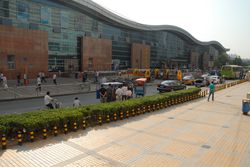
It has been standard Chinese urban policy to develop new towns in overpopulated metropolitan regions since the 1990s. This lecture by Jing Zhou takes the case of Tongzhou near Beijing as an example of the resulting mixture of planned and unplanned urban development.Tongzhou town was first planned as a satellite town in the 1950s and founded on a historic harbour town. Its(...)
It has been standard Chinese urban policy to develop new towns in overpopulated metropolitan regions since the 1990s. This lecture by Jing Zhou takes the case of Tongzhou near Beijing as an example of the resulting mixture of planned and unplanned urban development.Tongzhou town was first planned as a satellite town in the 1950s and founded on a historic harbour town. Its(...)
Location:
Paul Desmarais Theatre
Paul Desmarais Theatre
Date:
10 April 2014 , 6pm
10 April 2014 , 6pm
Title:
Learning from... Tongzhou
Actions:
Description:
It has been standard Chinese urban policy to develop new towns in overpopulated metropolitan regions since the 1990s. This lecture by Jing Zhou takes the case of Tongzhou near Beijing as an example of the resulting mixture of planned and unplanned urban development.Tongzhou town was first planned as a satellite town in the 1950s and founded on a historic harbour town. Its(...)
Learning from... Tongzhou
Actions:
Description:
It has been standard Chinese urban policy to develop new towns in overpopulated metropolitan regions since the 1990s. This lecture by Jing Zhou takes the case of Tongzhou near Beijing as an example of the resulting mixture of planned and unplanned urban development.Tongzhou town was first planned as a satellite town in the 1950s and founded on a historic harbour town. Its(...)
Form:
events
events
Date:
10 April 2014
6pm
10 April 2014
6pm
Location:
Paul Desmarais Theatre
Paul Desmarais Theatre
Form:
photographs
photographs
Actions:
Reference number:
PH1987:0700
Description:
- There is a sketch in graphite on the verso of the photograph, apparently a block plan of the project. The sketch may be by N. Podgorny, then Chief of Urban Services in Kharkov, since he was involved in the U.S.S.R. Study Tour as one of the Soviet architects that had meetings and conferences with study tour members ('L'Architecture d'aujourd'hui', p. 74).
PH1987:0700
Description:
- There is a sketch in graphite on the verso of the photograph, apparently a block plan of the project. The sketch may be by N. Podgorny, then Chief of Urban Services in Kharkov, since he was involved in the U.S.S.R. Study Tour as one of the Soviet architects that had meetings and conferences with study tour members ('L'Architecture d'aujourd'hui', p. 74).
People:
Subject:
architecture
architecture
Date:
September 1932
September 1932
Title:
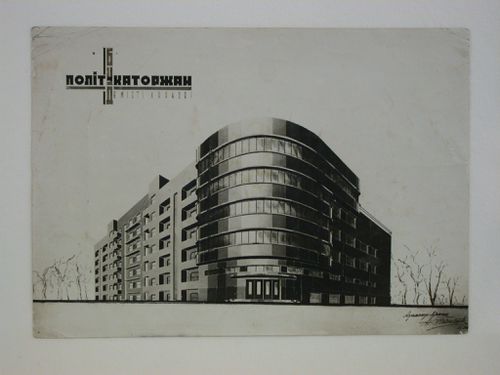
Photograph of a perspective drawing for the House of Political Prisoners of Tsarism, Kharkov, Soviet Union (now in Ukraine)
Actions:
PH1987:0700
Description:
- There is a sketch in graphite on the verso of the photograph, apparently a block plan of the project. The sketch may be by N. Podgorny, then Chief of Urban Services in Kharkov, since he was involved in the U.S.S.R. Study Tour as one of the Soviet architects that had meetings and conferences with study tour members ('L'Architecture d'aujourd'hui', p. 74).
Photograph of a perspective drawing for the House of Political Prisoners of Tsarism, Kharkov, Soviet Union (now in Ukraine)
Actions:
PH1987:0700
Description:
- There is a sketch in graphite on the verso of the photograph, apparently a block plan of the project. The sketch may be by N. Podgorny, then Chief of Urban Services in Kharkov, since he was involved in the U.S.S.R. Study Tour as one of the Soviet architects that had meetings and conferences with study tour members ('L'Architecture d'aujourd'hui', p. 74).
Form:
photographs
photographs
Date:
September 1932
September 1932
People:
Subject:
architecture
architecture
Form:
events
events
Actions:
Description:
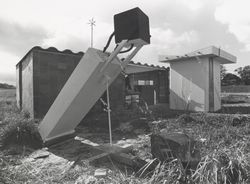
In the Yesterday Today lecture series, Canadian architect and author Witold Rybczynski discusses the roots of Ecol House, a prototype for an autonomous dwelling for use in developing countries. The project was created in Montréal in 1972 by Ecol Operation, a group of architects and students of which he was a member that became an international point of reference for(...)
In the Yesterday Today lecture series, Canadian architect and author Witold Rybczynski discusses the roots of Ecol House, a prototype for an autonomous dwelling for use in developing countries. The project was created in Montréal in 1972 by Ecol Operation, a group of architects and students of which he was a member that became an international point of reference for(...)
Location:
Paul-Desmarais Theatre
Paul-Desmarais Theatre
Date:
29 November 2007
29 November 2007
Title:
Witold Rybczynski: Green Before Green
Actions:
Description:
In the Yesterday Today lecture series, Canadian architect and author Witold Rybczynski discusses the roots of Ecol House, a prototype for an autonomous dwelling for use in developing countries. The project was created in Montréal in 1972 by Ecol Operation, a group of architects and students of which he was a member that became an international point of reference for(...)
Witold Rybczynski: Green Before Green
Actions:
Description:
In the Yesterday Today lecture series, Canadian architect and author Witold Rybczynski discusses the roots of Ecol House, a prototype for an autonomous dwelling for use in developing countries. The project was created in Montréal in 1972 by Ecol Operation, a group of architects and students of which he was a member that became an international point of reference for(...)
Form:
events
events
Date:
29 November 2007
29 November 2007
Location:
Paul-Desmarais Theatre
Paul-Desmarais Theatre


