


1222 Results
Form:
books
books
Actions:
Price:
$54.00
(available to order)
Summary:
Jesus died at the age of 33. This publication, which accompanies the first New Museum triennial, Younger Than Jesus, focuses on artists born after 1975. Departing from popular assertions about the group, which the media has dubbed the "Millennials," or "Generation Y," this reader presents the work of nearly 50 international artists, based on the conviction that radical(...)
$54.00
(available to order)
Summary:
Jesus died at the age of 33. This publication, which accompanies the first New Museum triennial, Younger Than Jesus, focuses on artists born after 1975. Departing from popular assertions about the group, which the media has dubbed the "Millennials," or "Generation Y," this reader presents the work of nearly 50 international artists, based on the conviction that radical(...)
Title:
Younger than Jesus: the reader
Actions:
Price:
$54.00
(available to order)
Summary:
Jesus died at the age of 33. This publication, which accompanies the first New Museum triennial, Younger Than Jesus, focuses on artists born after 1975. Departing from popular assertions about the group, which the media has dubbed the "Millennials," or "Generation Y," this reader presents the work of nearly 50 international artists, based on the conviction that radical gestures have often been carried out by young artists. It illuminates both the shared practices and the dramatic differences found within this age group. Along with a generous selection of color reproductions of the artists' work, this volume includes essays by exhibition curators Lauren Cornell, Massimiliano Gioni and Laura Hoptman, along with an anthology of reprinted texts by a diverse group of writers--including philosophers, sociologists and technology experts--which contextualize the work within the significant events of the past 30 years--for example, globalization and the increased networking of culture and daily life.
Younger than Jesus: the reader
Actions:
Price:
$54.00
(available to order)
Summary:
Jesus died at the age of 33. This publication, which accompanies the first New Museum triennial, Younger Than Jesus, focuses on artists born after 1975. Departing from popular assertions about the group, which the media has dubbed the "Millennials," or "Generation Y," this reader presents the work of nearly 50 international artists, based on the conviction that radical gestures have often been carried out by young artists. It illuminates both the shared practices and the dramatic differences found within this age group. Along with a generous selection of color reproductions of the artists' work, this volume includes essays by exhibition curators Lauren Cornell, Massimiliano Gioni and Laura Hoptman, along with an anthology of reprinted texts by a diverse group of writers--including philosophers, sociologists and technology experts--which contextualize the work within the significant events of the past 30 years--for example, globalization and the increased networking of culture and daily life.
Form:
books
books
Publication:
January 2009
January 2009
Subject:
Group Exhibitions
Group Exhibitions
Form:
books
books
Actions:
Price:
$67.50
(available in store)
Summary:
Linoleum is a natural material with quite an eventful history of use since its invention in 1864 by the British entrepreneur Frederik Walton. Its first golden age was between 1900 and 1930, when numerous renowned designers - among them Josef Hoffmann or Bruno Paul -(...)
$67.50
(available in store)
Summary:
Linoleum is a natural material with quite an eventful history of use since its invention in 1864 by the British entrepreneur Frederik Walton. Its first golden age was between 1900 and 1930, when numerous renowned designers - among them Josef Hoffmann or Bruno Paul -(...)
Title:
Linoleum : history, design, archtiecture 1882 - 2000
Actions:
Price:
$67.50
(available in store)
Summary:
Linoleum is a natural material with quite an eventful history of use since its invention in 1864 by the British entrepreneur Frederik Walton. Its first golden age was between 1900 and 1930, when numerous renowned designers - among them Josef Hoffmann or Bruno Paul - designed both collections and patterns. Even Peter Behrens - before he became the "artistic counselor" to AEG in Berlin in 1908 - tried his hand at designing linoleum patterns, to the point of developing a complete "corporate design" from stationary to catalogs to exhibition architecture for the Anker- Linoleum-Werke at Delmenhorst. Bauhaus architects such as Bruno Taut or Mies van der Rohe used linoleum in housing projects as an inexpensive and hardwearing but also decorative floor-covering. This book is the first to present this historically and ecologically equally important material in its various guises. Experts in the field contributed essays about the history of linoleum, its "discovery" by modernist designers and architects and its renaissance in contemporary design and architecture.
Linoleum : history, design, archtiecture 1882 - 2000
Actions:
Price:
$67.50
(available in store)
Summary:
Linoleum is a natural material with quite an eventful history of use since its invention in 1864 by the British entrepreneur Frederik Walton. Its first golden age was between 1900 and 1930, when numerous renowned designers - among them Josef Hoffmann or Bruno Paul - designed both collections and patterns. Even Peter Behrens - before he became the "artistic counselor" to AEG in Berlin in 1908 - tried his hand at designing linoleum patterns, to the point of developing a complete "corporate design" from stationary to catalogs to exhibition architecture for the Anker- Linoleum-Werke at Delmenhorst. Bauhaus architects such as Bruno Taut or Mies van der Rohe used linoleum in housing projects as an inexpensive and hardwearing but also decorative floor-covering. This book is the first to present this historically and ecologically equally important material in its various guises. Experts in the field contributed essays about the history of linoleum, its "discovery" by modernist designers and architects and its renaissance in contemporary design and architecture.
Form:
books
books
Publication:
March 2001, Ostfilden
March 2001, Ostfilden
Subject:
Materials and Lighting
Materials and Lighting
Form:
books
books
Actions:
Price:
$34.50
(available in store)
Summary:
This book offers a comprehensive account of modern Spanish culture, tracing its dramatic and often unexpected development from its beginnings after the Revolution of 1868 to the present day. Specially-commissioned essays by leading experts provide analyses of the historical and political background of modern Spain, the culture of the major autonomous regions (notably(...)
$34.50
(available in store)
Summary:
This book offers a comprehensive account of modern Spanish culture, tracing its dramatic and often unexpected development from its beginnings after the Revolution of 1868 to the present day. Specially-commissioned essays by leading experts provide analyses of the historical and political background of modern Spain, the culture of the major autonomous regions (notably(...)
Title:
The Cambridge companion to modern Spanish culture
Actions:
Price:
$34.50
(available in store)
Summary:
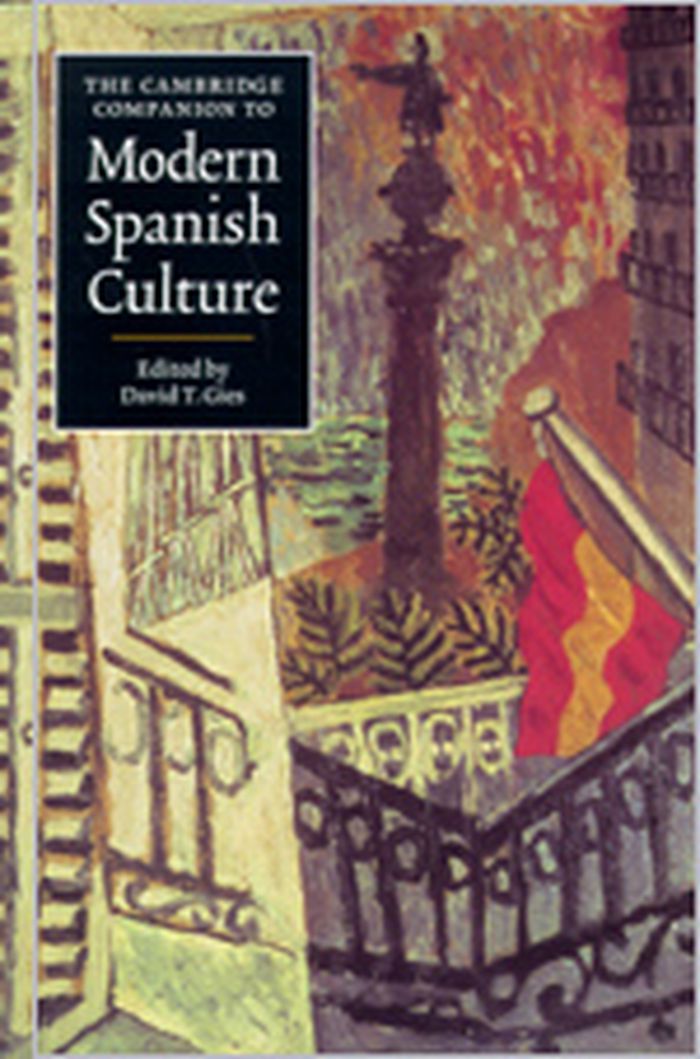
This book offers a comprehensive account of modern Spanish culture, tracing its dramatic and often unexpected development from its beginnings after the Revolution of 1868 to the present day. Specially-commissioned essays by leading experts provide analyses of the historical and political background of modern Spain, the culture of the major autonomous regions (notably Castile, Catalonia, and the Basque Country), and the country’s literature: narrative, poetry, theatre and the essay. Spain’s recent development is divided into three main phases: from 1868 to the outbreak of the Spanish Civil War; the period of the dictatorship of Francisco Franco; and the post-Franco arrival of democracy. The concept of ‘Spanish culture’ is investigated, and there are studies of Spanish painting and sculpture, architecture, cinema, dance, music, and the modern media. A chronology and guides to further reading are provided, making the volume an invaluable introduction to the politics, literature and culture of modern Spain.
The Cambridge companion to modern Spanish culture
Actions:
Price:
$34.50
(available in store)
Summary:
This book offers a comprehensive account of modern Spanish culture, tracing its dramatic and often unexpected development from its beginnings after the Revolution of 1868 to the present day. Specially-commissioned essays by leading experts provide analyses of the historical and political background of modern Spain, the culture of the major autonomous regions (notably Castile, Catalonia, and the Basque Country), and the country’s literature: narrative, poetry, theatre and the essay. Spain’s recent development is divided into three main phases: from 1868 to the outbreak of the Spanish Civil War; the period of the dictatorship of Francisco Franco; and the post-Franco arrival of democracy. The concept of ‘Spanish culture’ is investigated, and there are studies of Spanish painting and sculpture, architecture, cinema, dance, music, and the modern media. A chronology and guides to further reading are provided, making the volume an invaluable introduction to the politics, literature and culture of modern Spain.
Form:
books
books
Publication:
January 1999, Cambridge
January 1999, Cambridge
Subject:
Architecture since 1900, Europe
Architecture since 1900, Europe
Form:
books
books
Actions:
Price:
$41.00
(available to order)
Summary:
In 2020, the prominent Danish feminist Emma Holten read an article stating that women were a net ‘ deficit’ to society. Women took more than they gave, ‘ draining’ the public purse by giving birth and taking parental leave. They contributed less than their fair share in taxes, because they often worked part-time to look after other people at home, or held low-paid jobs in(...)
$41.00
(available to order)
Summary:
In 2020, the prominent Danish feminist Emma Holten read an article stating that women were a net ‘ deficit’ to society. Women took more than they gave, ‘ draining’ the public purse by giving birth and taking parental leave. They contributed less than their fair share in taxes, because they often worked part-time to look after other people at home, or held low-paid jobs in(...)
Title:
Deficit: How feminist economics can change our world
Actions:
Price:
$41.00
(available to order)
Summary:
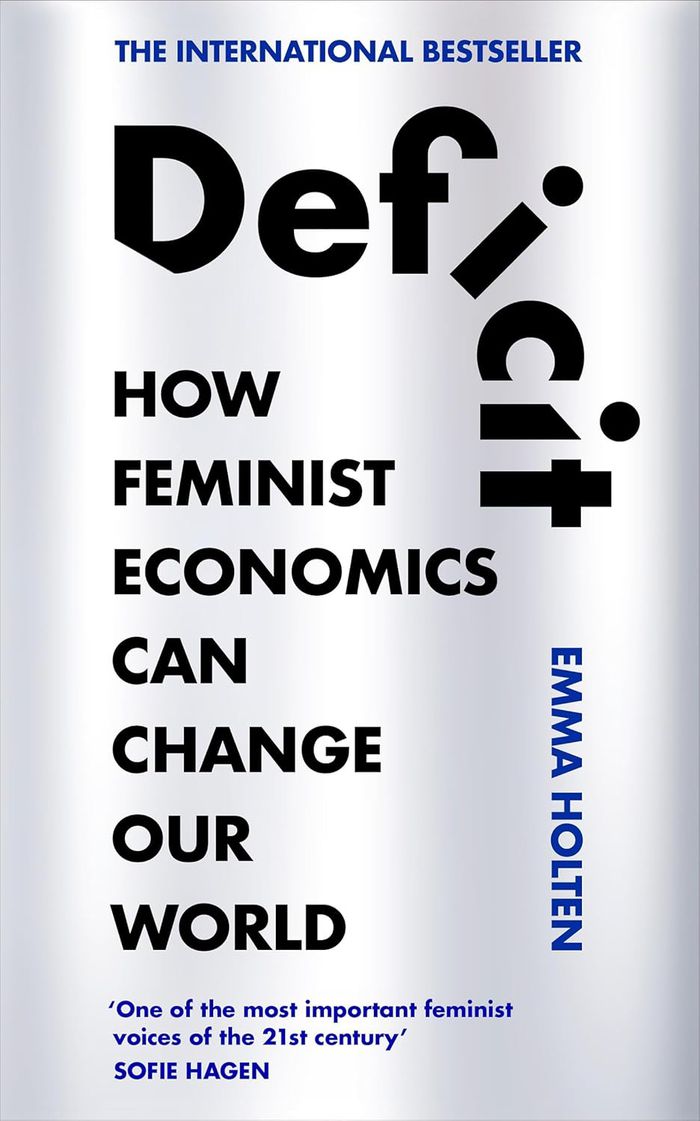
In 2020, the prominent Danish feminist Emma Holten read an article stating that women were a net ‘ deficit’ to society. Women took more than they gave, ‘ draining’ the public purse by giving birth and taking parental leave. They contributed less than their fair share in taxes, because they often worked part-time to look after other people at home, or held low-paid jobs in the public sector. Denmark would be richer if women’ s lives looked more like men’ s, the economic experts concluded. A similar story is told around the globe. How did we get here? In "Deficit", Emma Holten traces how economic thinkers – from the Enlightenment onwards – created a value framework that overlooked and neglected ‘ women’ s work’ and acts of care. She reveals how the economic models that drive political decisions today are just as flawed, giving us unparalleled monetary wealth, but causing deep social harms that are hurting us all.
Deficit: How feminist economics can change our world
Actions:
Price:
$41.00
(available to order)
Summary:
In 2020, the prominent Danish feminist Emma Holten read an article stating that women were a net ‘ deficit’ to society. Women took more than they gave, ‘ draining’ the public purse by giving birth and taking parental leave. They contributed less than their fair share in taxes, because they often worked part-time to look after other people at home, or held low-paid jobs in the public sector. Denmark would be richer if women’ s lives looked more like men’ s, the economic experts concluded. A similar story is told around the globe. How did we get here? In "Deficit", Emma Holten traces how economic thinkers – from the Enlightenment onwards – created a value framework that overlooked and neglected ‘ women’ s work’ and acts of care. She reveals how the economic models that drive political decisions today are just as flawed, giving us unparalleled monetary wealth, but causing deep social harms that are hurting us all.
Form:
books
books
Publication:
March 2025
March 2025
Subject:
Social
Social
Form:
books
books
Actions:
Price:
$54.00
(available to order)
Summary:
Between 1919 and 1933, the Bauhaus thrived as a school of ideas that encouraged students to experiment with material, colour, and drawing techniques and learn basic skills. One hundred years later, its educational methods are still relevant. This book introduces the famous Foundation course and its major instructors: Joseph Albers, Johannes Itten, and László Moholy-Nagy.(...)
$54.00
(available to order)
Summary:
Between 1919 and 1933, the Bauhaus thrived as a school of ideas that encouraged students to experiment with material, colour, and drawing techniques and learn basic skills. One hundred years later, its educational methods are still relevant. This book introduces the famous Foundation course and its major instructors: Joseph Albers, Johannes Itten, and László Moholy-Nagy.(...)
Title:
Original Bauhaus exercise book
Actions:
Price:
$54.00
(available to order)
Summary:
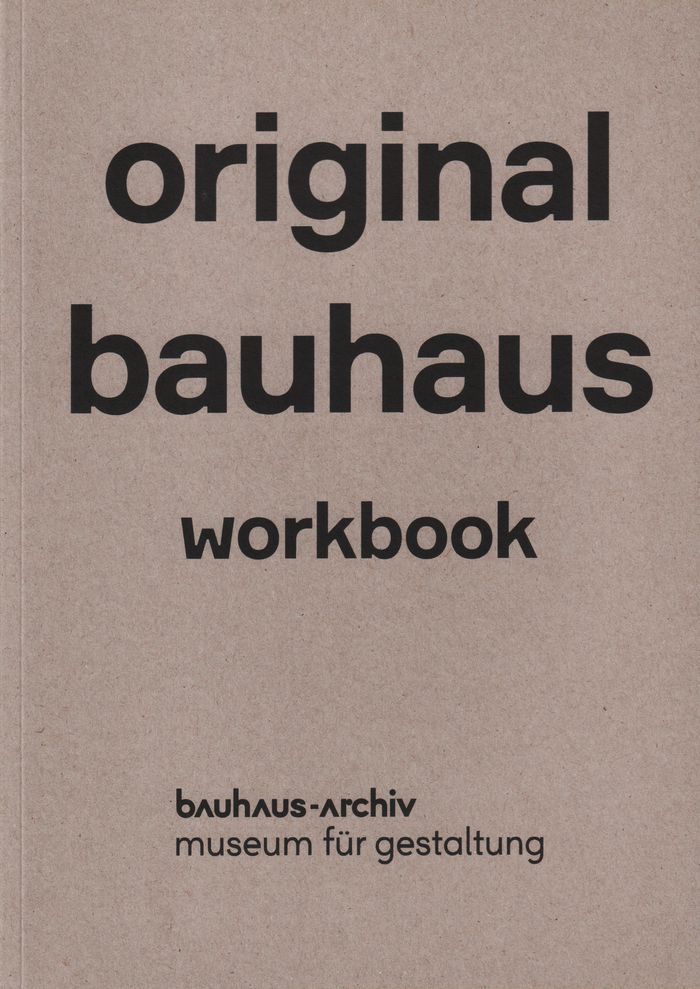
Between 1919 and 1933, the Bauhaus thrived as a school of ideas that encouraged students to experiment with material, colour, and drawing techniques and learn basic skills. One hundred years later, its educational methods are still relevant. This book introduces the famous Foundation course and its major instructors: Joseph Albers, Johannes Itten, and László Moholy-Nagy. It offers for the first time a series of more than fifty exercises from the Foundation Course. The book presents a collection of exercises gathered from historical material, mainly from the Bauhaus-Archiv such as drawings, photographs, original notes, and later recollections of the tasks given by the famous Bauhaus artists. The exercises are accompanied by comments by teachers, artists, and experts with different professional backgrounds. These teachings illustrate not only the methods and philosophy of the Bauhaus school, but also provide budding artists with a foundation for developing their own practice, whether it be in drawing, architecture, design, or typography.
Original Bauhaus exercise book
Actions:
Price:
$54.00
(available to order)
Summary:
Between 1919 and 1933, the Bauhaus thrived as a school of ideas that encouraged students to experiment with material, colour, and drawing techniques and learn basic skills. One hundred years later, its educational methods are still relevant. This book introduces the famous Foundation course and its major instructors: Joseph Albers, Johannes Itten, and László Moholy-Nagy. It offers for the first time a series of more than fifty exercises from the Foundation Course. The book presents a collection of exercises gathered from historical material, mainly from the Bauhaus-Archiv such as drawings, photographs, original notes, and later recollections of the tasks given by the famous Bauhaus artists. The exercises are accompanied by comments by teachers, artists, and experts with different professional backgrounds. These teachings illustrate not only the methods and philosophy of the Bauhaus school, but also provide budding artists with a foundation for developing their own practice, whether it be in drawing, architecture, design, or typography.
Form:
books
books
Publication:
November 2019
November 2019
Subject:
Modernism
Modernism
Form:
books
books
Title:
Modern theatres 1950-2020
Modern theatres 1950-2020
Actions:
Price:
$106.50
(available to order)
Summary:
"Modern theatres 1950–2020" is an investigation of theatres, concert halls and opera houses in Asia, Europe, the Middle East and North and South America. The book explores in detail 30 of the most significant theatres, concert halls, opera houses and dance spaces that opened between 1950 and 2010. Each theatre is reviewed and assessed by experts in theatre buildings, such(...)
$106.50
(available to order)
Summary:
"Modern theatres 1950–2020" is an investigation of theatres, concert halls and opera houses in Asia, Europe, the Middle East and North and South America. The book explores in detail 30 of the most significant theatres, concert halls, opera houses and dance spaces that opened between 1950 and 2010. Each theatre is reviewed and assessed by experts in theatre buildings, such(...)
Title:
Modern theatres 1950-2020
Actions:
Price:
$106.50
(available to order)
Summary:
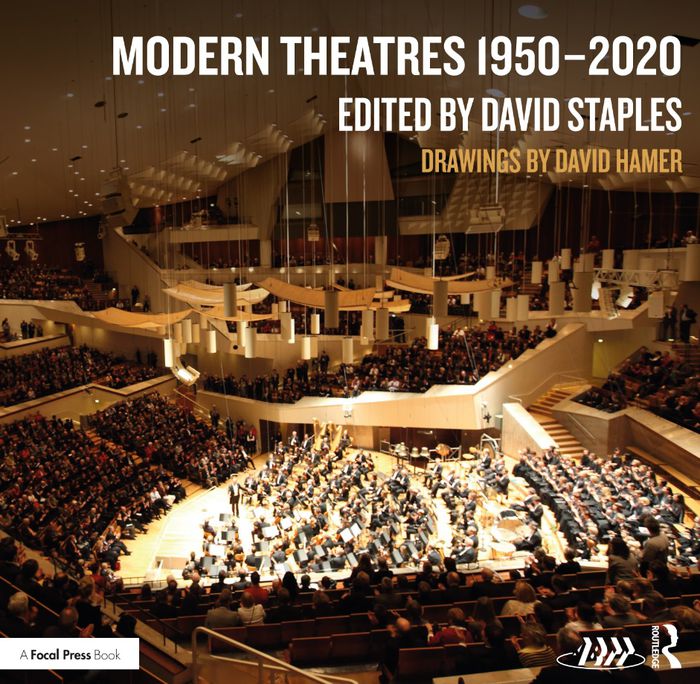
"Modern theatres 1950–2020" is an investigation of theatres, concert halls and opera houses in Asia, Europe, the Middle East and North and South America. The book explores in detail 30 of the most significant theatres, concert halls, opera houses and dance spaces that opened between 1950 and 2010. Each theatre is reviewed and assessed by experts in theatre buildings, such as architects, acousticians, consultants and theatre practitioners, and illustrated with full-colour photographs and comparative plans and sections. A further 20 theatres that opened from 2009 to 2020 are concisely reviewed and illustrated. An excellent resource for students of theatre planning, theatre architecture and architectural design, "Modern theatres 1950 – 2020" discusses the role of performing arts buildings in cities, explores their public and performances spaces and examines the acoustics and technologies needed in a great building. This illustrated book is also a must-read for architects, theater designers, theatre historians, and theatre practitioners.
Modern theatres 1950-2020
Actions:
Price:
$106.50
(available to order)
Summary:
"Modern theatres 1950–2020" is an investigation of theatres, concert halls and opera houses in Asia, Europe, the Middle East and North and South America. The book explores in detail 30 of the most significant theatres, concert halls, opera houses and dance spaces that opened between 1950 and 2010. Each theatre is reviewed and assessed by experts in theatre buildings, such as architects, acousticians, consultants and theatre practitioners, and illustrated with full-colour photographs and comparative plans and sections. A further 20 theatres that opened from 2009 to 2020 are concisely reviewed and illustrated. An excellent resource for students of theatre planning, theatre architecture and architectural design, "Modern theatres 1950 – 2020" discusses the role of performing arts buildings in cities, explores their public and performances spaces and examines the acoustics and technologies needed in a great building. This illustrated book is also a must-read for architects, theater designers, theatre historians, and theatre practitioners.
Form:
books
books
Publication:
May 2021
May 2021
Subject:
Commercial interiors, Building types
Commercial interiors, Building types
Form:
books
books
Actions:
Price:
$28.95
(available to order)
Summary:
Pour relever ce défi de voir et de décoder la ville de 2021, il fallait un urbaniste à la culture large, car la ville n’est plus l’apanage de quelques spécialistes dont on cumulerait les compétences pour parvenir à une correcte prise en compte de celle-ci. La ville s’est diluée dans l’espace et dans le temps. D’où la nécessité de décloisonner et de croiser les(...)
$28.95
(available to order)
Summary:
Pour relever ce défi de voir et de décoder la ville de 2021, il fallait un urbaniste à la culture large, car la ville n’est plus l’apanage de quelques spécialistes dont on cumulerait les compétences pour parvenir à une correcte prise en compte de celle-ci. La ville s’est diluée dans l’espace et dans le temps. D’où la nécessité de décloisonner et de croiser les(...)
Title:
Le project humain avant le project urbain
Actions:
Price:
$28.95
(available to order)
Summary:
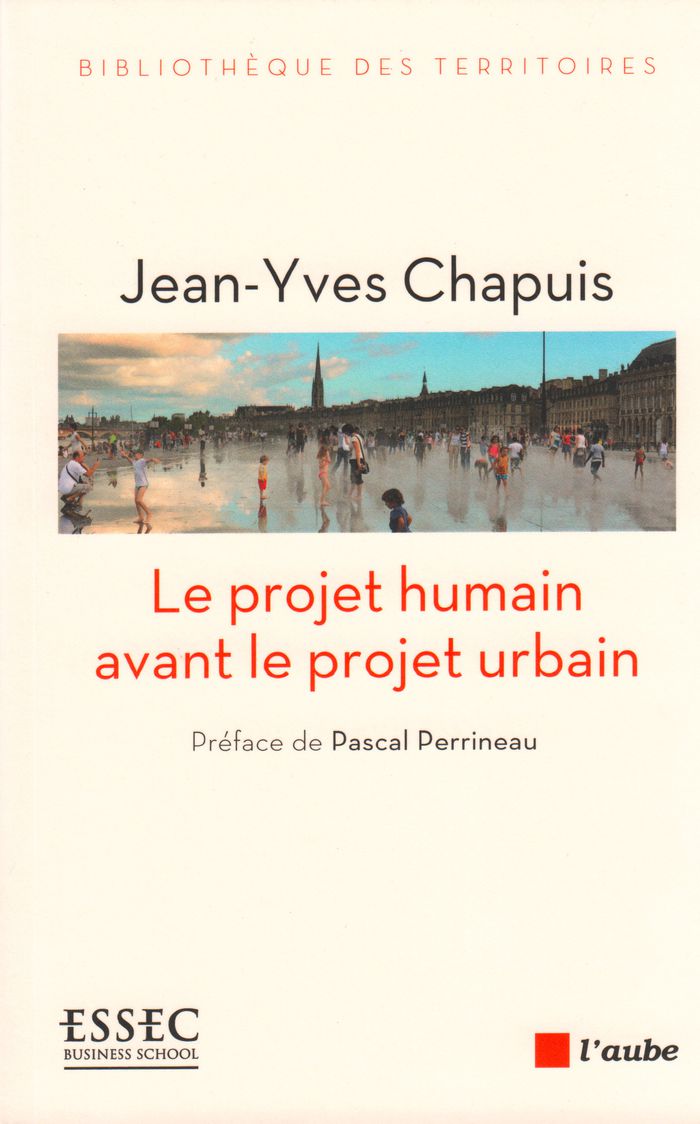
Pour relever ce défi de voir et de décoder la ville de 2021, il fallait un urbaniste à la culture large, car la ville n’est plus l’apanage de quelques spécialistes dont on cumulerait les compétences pour parvenir à une correcte prise en compte de celle-ci. La ville s’est diluée dans l’espace et dans le temps. D’où la nécessité de décloisonner et de croiser les compétences. Jean-Yves Chapuis a lu, beaucoup, a parcouru les villes, a échangé avec leurs habitants, a mis en pratique des projets avec les élus et les experts en prenant bien conscience que, souvent, les espaces politiques et administratifs qui sont censés penser et gérer la ville ne sont pas adaptés aux espaces signifiants pour les citoyens. En un mot il n’y aura de projet urbain que si celui-ci est porté, informé et structuré par un projet humain. L’humanité profonde qui est celle de Jean-Yves Chapuis lui permet de tracer les chemins de la ville de demain.
Le project humain avant le project urbain
Actions:
Price:
$28.95
(available to order)
Summary:
Pour relever ce défi de voir et de décoder la ville de 2021, il fallait un urbaniste à la culture large, car la ville n’est plus l’apanage de quelques spécialistes dont on cumulerait les compétences pour parvenir à une correcte prise en compte de celle-ci. La ville s’est diluée dans l’espace et dans le temps. D’où la nécessité de décloisonner et de croiser les compétences. Jean-Yves Chapuis a lu, beaucoup, a parcouru les villes, a échangé avec leurs habitants, a mis en pratique des projets avec les élus et les experts en prenant bien conscience que, souvent, les espaces politiques et administratifs qui sont censés penser et gérer la ville ne sont pas adaptés aux espaces signifiants pour les citoyens. En un mot il n’y aura de projet urbain que si celui-ci est porté, informé et structuré par un projet humain. L’humanité profonde qui est celle de Jean-Yves Chapuis lui permet de tracer les chemins de la ville de demain.
Form:
books
books
Publication:
March 2022
March 2022
Subject:
Urban Theory
Urban Theory
Form:
books
books
Actions:
Price:
$69.99
(available to order)
Summary:
The iF communication design award has long been regarded as a barometer of current trends in communication design - this year, it will be conferred for the seventh time. There is virtually no other industry as dynamic as that of communication design. The task of continuously facilitating access to information, organizing content, and using visual attractions to guide the(...)
$69.99
(available to order)
Summary:
The iF communication design award has long been regarded as a barometer of current trends in communication design - this year, it will be conferred for the seventh time. There is virtually no other industry as dynamic as that of communication design. The task of continuously facilitating access to information, organizing content, and using visual attractions to guide the(...)
Title:
iF communication design award yearbook 2010
Actions:
Price:
$69.99
(available to order)
Summary:
The iF communication design award has long been regarded as a barometer of current trends in communication design - this year, it will be conferred for the seventh time. There is virtually no other industry as dynamic as that of communication design. The task of continuously facilitating access to information, organizing content, and using visual attractions to guide the user through the complexities of everyday life is not always a simple one. Only especially good communication media are capable of fulfilling these expectations and offering assistance. With the help of its jury of international experts, the iF communication design award 2010 once again honors commercials, publications, campaigns, corporate reports, websites, and other communication media which are especially outstanding in their designs. The iF communication design award yearbook 2010 offers an appraisal and appreciation of the winners of the iF communication design award 2010 as well as exciting insights into the world of communication design.
iF communication design award yearbook 2010
Actions:
Price:
$69.99
(available to order)
Summary:
The iF communication design award has long been regarded as a barometer of current trends in communication design - this year, it will be conferred for the seventh time. There is virtually no other industry as dynamic as that of communication design. The task of continuously facilitating access to information, organizing content, and using visual attractions to guide the user through the complexities of everyday life is not always a simple one. Only especially good communication media are capable of fulfilling these expectations and offering assistance. With the help of its jury of international experts, the iF communication design award 2010 once again honors commercials, publications, campaigns, corporate reports, websites, and other communication media which are especially outstanding in their designs. The iF communication design award yearbook 2010 offers an appraisal and appreciation of the winners of the iF communication design award 2010 as well as exciting insights into the world of communication design.
Form:
books
books
Publication:
November 2010
November 2010
Form:
books
books
Actions:
Price:
$27.00
(available to order)
Summary:
In the fall of 2009, The Museum of Modern Art and MoMA PS1 selected five interdisciplinary teams of architects, engineers and landscape designers to propose solutions to the effects of climate change on New York's waterfront. The resulting proposals, exhibited at MoMA in 2010 in the exhibition "Rising Currents: Projects for New York's Waterfront," emphasize "soft"(...)
$27.00
(available to order)
Summary:
In the fall of 2009, The Museum of Modern Art and MoMA PS1 selected five interdisciplinary teams of architects, engineers and landscape designers to propose solutions to the effects of climate change on New York's waterfront. The resulting proposals, exhibited at MoMA in 2010 in the exhibition "Rising Currents: Projects for New York's Waterfront," emphasize "soft"(...)
Title:
Rising currents : projects for New York's waterfront
Actions:
Price:
$27.00
(available to order)
Summary:
In the fall of 2009, The Museum of Modern Art and MoMA PS1 selected five interdisciplinary teams of architects, engineers and landscape designers to propose solutions to the effects of climate change on New York's waterfront. The resulting proposals, exhibited at MoMA in 2010 in the exhibition "Rising Currents: Projects for New York's Waterfront," emphasize "soft" infrastructure interventions that would make New York City and its surrounding areas more ecologically sound and more resilient in responding to rising sea levels and storm surges. These innovative projects include the creation of salt- and freshwater wetlands, a Venice-like aqueous landscape, habitable piers and man-made islands, and a protective reef of living oysters. Published to document the exhibition, "Rising Currents: Projects for New York's Waterfront" presents these five projects in detail through essays that summarize the innovative workshop and exhibition, the dialogues they engendered with outside experts and political figures involved in regional planning, and the climate change and urban planning implications of the proposed solutions.
Rising currents : projects for New York's waterfront
Actions:
Price:
$27.00
(available to order)
Summary:
In the fall of 2009, The Museum of Modern Art and MoMA PS1 selected five interdisciplinary teams of architects, engineers and landscape designers to propose solutions to the effects of climate change on New York's waterfront. The resulting proposals, exhibited at MoMA in 2010 in the exhibition "Rising Currents: Projects for New York's Waterfront," emphasize "soft" infrastructure interventions that would make New York City and its surrounding areas more ecologically sound and more resilient in responding to rising sea levels and storm surges. These innovative projects include the creation of salt- and freshwater wetlands, a Venice-like aqueous landscape, habitable piers and man-made islands, and a protective reef of living oysters. Published to document the exhibition, "Rising Currents: Projects for New York's Waterfront" presents these five projects in detail through essays that summarize the innovative workshop and exhibition, the dialogues they engendered with outside experts and political figures involved in regional planning, and the climate change and urban planning implications of the proposed solutions.
Form:
books
books
Publication:
June 2011
June 2011
Subject:
Green Architecture
Green Architecture
Form:
books
books
Actions:
Price:
$60.00
(available to order)
Summary:
Kenz Tange (1913–2005) is a peerless figure among twentieth-century Japanese architects, unmatched in his talent, influence, and versatility. A leading force of the Metabolist movement, he was the first non-Western architect whose works would be embraced as universal in value. This unique assemblage of new scholarship by an international team of experts reframes Tange(...)
$60.00
(available to order)
Summary:
Kenz Tange (1913–2005) is a peerless figure among twentieth-century Japanese architects, unmatched in his talent, influence, and versatility. A leading force of the Metabolist movement, he was the first non-Western architect whose works would be embraced as universal in value. This unique assemblage of new scholarship by an international team of experts reframes Tange(...)
Title:
Kenz Tange: architecture for the world
Actions:
Price:
$60.00
(available to order)
Summary:
Kenz Tange (1913–2005) is a peerless figure among twentieth-century Japanese architects, unmatched in his talent, influence, and versatility. A leading force of the Metabolist movement, he was the first non-Western architect whose works would be embraced as universal in value. This unique assemblage of new scholarship by an international team of experts reframes Tange according to the contingencies of Japanese modernism as well as contemporary discourses of cultural identity, technology, urbanization, and the synthesis of the arts. Case studies on celebrated works—Hiroshima, Tokyo Bay Plan, and Yoyogi Stadiums—clarify Tange’s wide-ranging interests and design methodology. Illustrated with archival drawings and period photographs, this volume provides fresh and compelling perspectives on the practices, discourses, and production contexts of Tange’s work as well as the architecture and urbanism of postwar Japan. Kenz Tange—Architecture for the World represents the most serious and comprehensive reassessment of Tange in the English language in decades.
Kenz Tange: architecture for the world
Actions:
Price:
$60.00
(available to order)
Summary:
Kenz Tange (1913–2005) is a peerless figure among twentieth-century Japanese architects, unmatched in his talent, influence, and versatility. A leading force of the Metabolist movement, he was the first non-Western architect whose works would be embraced as universal in value. This unique assemblage of new scholarship by an international team of experts reframes Tange according to the contingencies of Japanese modernism as well as contemporary discourses of cultural identity, technology, urbanization, and the synthesis of the arts. Case studies on celebrated works—Hiroshima, Tokyo Bay Plan, and Yoyogi Stadiums—clarify Tange’s wide-ranging interests and design methodology. Illustrated with archival drawings and period photographs, this volume provides fresh and compelling perspectives on the practices, discourses, and production contexts of Tange’s work as well as the architecture and urbanism of postwar Japan. Kenz Tange—Architecture for the World represents the most serious and comprehensive reassessment of Tange in the English language in decades.
Form:
books
books
Publication:
November 2012
November 2012
Subject:
Architecture Monographs
Architecture Monographs


