


128 Results
Form:
artefacts
artefacts
Actions:
Holdings:
Description:
1 set of miniatures (8 pieces) : clay, painted ; various sizes in cardboard box 14 x 16 x 4 cm.
Description:
1 set of miniatures (8 pieces) : clay, painted ; various sizes in cardboard box 14 x 16 x 4 cm.
Author:
Subject:
Publication:
[ca. 1932] (Japan : [Bestmaid])
[ca. 1932] (Japan : [Bestmaid])
Title:
"Bestmaid" mammoth city sky line [model].
Actions:
Holdings:
Description:
1 set of miniatures (8 pieces) : clay, painted ; various sizes in cardboard box 14 x 16 x 4 cm.
"Bestmaid" mammoth city sky line [model].
Actions:
Holdings:
Description:
1 set of miniatures (8 pieces) : clay, painted ; various sizes in cardboard box 14 x 16 x 4 cm.
Form:
artefacts
artefacts
Publication:
[ca. 1932] (Japan : [Bestmaid])
[ca. 1932] (Japan : [Bestmaid])
Author:
Subject:
Form:
audio
audio
Title:
Apophanies.
Apophanies.
Actions:
Description:
1 online resource.
Author:
Subject:
Publication:
[Place of publication not identified] : Lateral Addition, 2022.
[Place of publication not identified] : Lateral Addition, 2022.
Form:
audio
audio
Publication:
[Place of publication not identified] : Lateral Addition, 2022.
[Place of publication not identified] : Lateral Addition, 2022.
Author:
Subject:
Form:
books
books
Title:
Nendo works 2010-2011
Nendo works 2010-2011
Actions:
Price:
$54.95
(available to order)
Summary:
The word ‘Nendo’ means 'children's clay’ in Japanese. Nendo’s motto is to be free-formed flexible and adaptable in the design scene. Their brand analysis and overall strategy are based on communication. This fifth volume of 'Nendo Works' covers the years 2010-2011 and features the next generation of wooden book cases and chord chairs. It also highlights the interior(...)
$54.95
(available to order)
Summary:
The word ‘Nendo’ means 'children's clay’ in Japanese. Nendo’s motto is to be free-formed flexible and adaptable in the design scene. Their brand analysis and overall strategy are based on communication. This fifth volume of 'Nendo Works' covers the years 2010-2011 and features the next generation of wooden book cases and chord chairs. It also highlights the interior(...)
Title:
Nendo works 2010-2011
Actions:
Price:
$54.95
(available to order)
Summary:
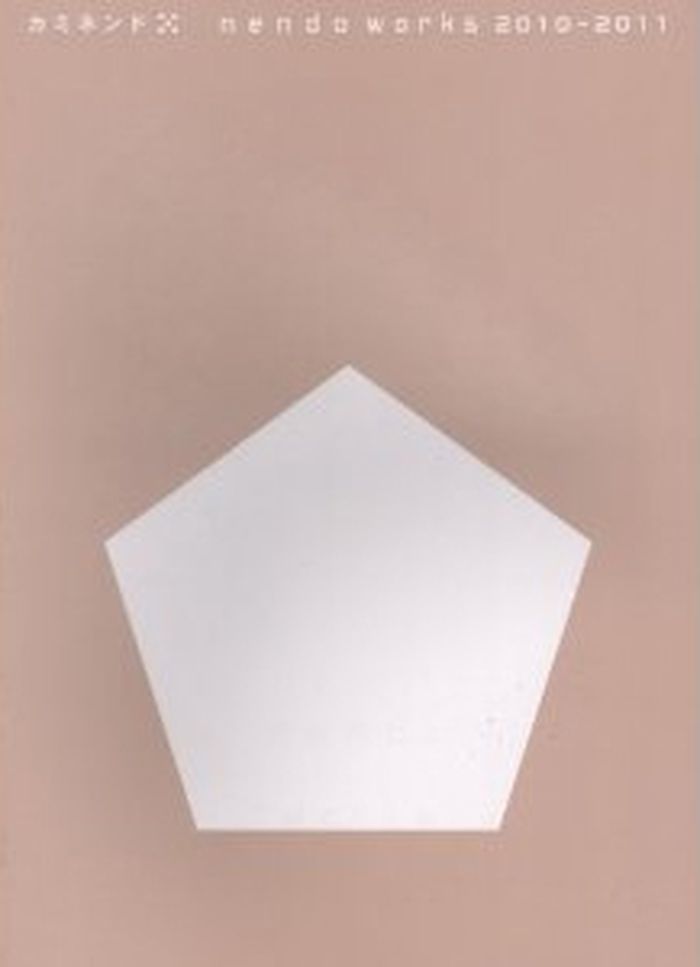
The word ‘Nendo’ means 'children's clay’ in Japanese. Nendo’s motto is to be free-formed flexible and adaptable in the design scene. Their brand analysis and overall strategy are based on communication. This fifth volume of 'Nendo Works' covers the years 2010-2011 and features the next generation of wooden book cases and chord chairs. It also highlights the interior design of two shops: the 24 Issey Miyake shop, and the new Puma House in Tokyo.
Nendo works 2010-2011
Actions:
Price:
$54.95
(available to order)
Summary:
The word ‘Nendo’ means 'children's clay’ in Japanese. Nendo’s motto is to be free-formed flexible and adaptable in the design scene. Their brand analysis and overall strategy are based on communication. This fifth volume of 'Nendo Works' covers the years 2010-2011 and features the next generation of wooden book cases and chord chairs. It also highlights the interior design of two shops: the 24 Issey Miyake shop, and the new Puma House in Tokyo.
Form:
books
books
Publication:
June 2012
June 2012
Subject:
Industrial Design
Industrial Design
Form:
books
books
Title:
Patkau architects
Patkau architects
Actions:
Price:
$69.00
(available to order)
Summary:
The firm of Patkau architects, founded in 1978 and based in Vancouver, British Columbia, has achieved international renown for work that draws on the principles of modern architecture and is simultaneously inspired by the traditions and often spectacular landscape of the Pacific Northwest. The office is known for a straightforward, multifaceted expression of material and(...)
$69.00
(available to order)
Summary:
The firm of Patkau architects, founded in 1978 and based in Vancouver, British Columbia, has achieved international renown for work that draws on the principles of modern architecture and is simultaneously inspired by the traditions and often spectacular landscape of the Pacific Northwest. The office is known for a straightforward, multifaceted expression of material and(...)
Title:
Patkau architects
Actions:
Price:
$69.00
(available to order)
Summary:
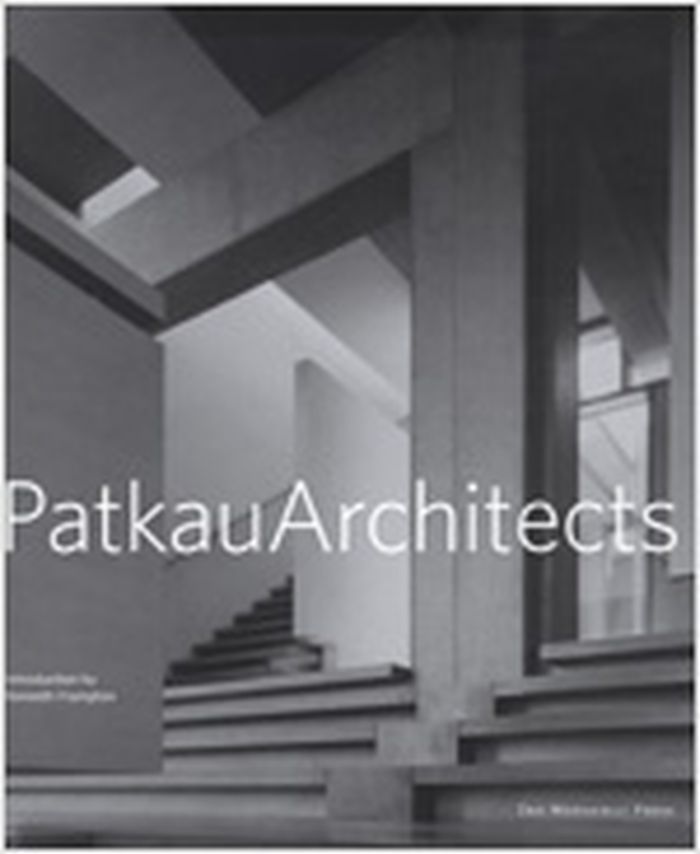
The firm of Patkau architects, founded in 1978 and based in Vancouver, British Columbia, has achieved international renown for work that draws on the principles of modern architecture and is simultaneously inspired by the traditions and often spectacular landscape of the Pacific Northwest. The office is known for a straightforward, multifaceted expression of material and detail as well as a focus on the sculpture that is inherent in architecture. This monograph includes cultural and institutional projects, such as the Canadian Clay and Glass Gallery, the National Library of Quebec in Montreal, and a major addition to the Winnipeg Centennial Library; schools, notably the Seabird Island School and the Strawberry Vale School; and a series of residences, including the Shaw house, with a dramatic elevated lap pool, and the inventive Petite Maison du Weekend (Small Weekend House), a prototype for a self-sufficient holiday house for two.
Patkau architects
Actions:
Price:
$69.00
(available to order)
Summary:
The firm of Patkau architects, founded in 1978 and based in Vancouver, British Columbia, has achieved international renown for work that draws on the principles of modern architecture and is simultaneously inspired by the traditions and often spectacular landscape of the Pacific Northwest. The office is known for a straightforward, multifaceted expression of material and detail as well as a focus on the sculpture that is inherent in architecture. This monograph includes cultural and institutional projects, such as the Canadian Clay and Glass Gallery, the National Library of Quebec in Montreal, and a major addition to the Winnipeg Centennial Library; schools, notably the Seabird Island School and the Strawberry Vale School; and a series of residences, including the Shaw house, with a dramatic elevated lap pool, and the inventive Petite Maison du Weekend (Small Weekend House), a prototype for a self-sufficient holiday house for two.
Form:
books
books
Publication:
June 2006, New York
June 2006, New York
Subject:
Canadian Architects
Canadian Architects
Form:
books
books
Actions:
Price:
$69.95
(available to order)
Summary:
Robert Polidori (born 1951) has been making books at Steidl for over 18 years now, and for many of his visits he lodged in an apartment adjacent to the publishing house. To the left of this, at Düstere Straße 6, stands a small humble house, not only the oldest dwelling in Göttingen but, dating back to 1310, one of the oldest half-timbered houses in all of Germany.(...)
$69.95
(available to order)
Summary:
Robert Polidori (born 1951) has been making books at Steidl for over 18 years now, and for many of his visits he lodged in an apartment adjacent to the publishing house. To the left of this, at Düstere Straße 6, stands a small humble house, not only the oldest dwelling in Göttingen but, dating back to 1310, one of the oldest half-timbered houses in all of Germany.(...)
Title:
Robert Polidori: topographical histories
Actions:
Price:
$69.95
(available to order)
Summary:
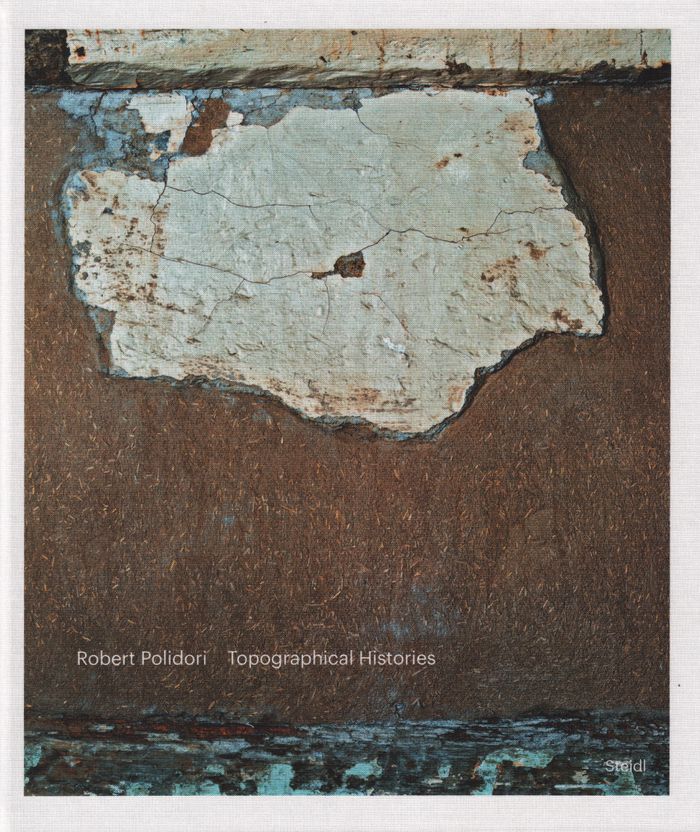
Robert Polidori (born 1951) has been making books at Steidl for over 18 years now, and for many of his visits he lodged in an apartment adjacent to the publishing house. To the left of this, at Düstere Straße 6, stands a small humble house, not only the oldest dwelling in Göttingen but, dating back to 1310, one of the oldest half-timbered houses in all of Germany. Miraculously never demolished over the centuries (just altered, repaired and patched up), it has now been restored by Gerhard Steidl and today houses the Günter Grass Archive, part of the University of Göttingen. ''Topographical Histories'' presents Polidori's 2016 photos of the interior walls of the building, whose glorious crumbling layers- 14th-century structures of wattle and daub, clay bricks and plaster, and remnants of paint and wallpaper from different centuries- bear witness to living history.
Robert Polidori: topographical histories
Actions:
Price:
$69.95
(available to order)
Summary:
Robert Polidori (born 1951) has been making books at Steidl for over 18 years now, and for many of his visits he lodged in an apartment adjacent to the publishing house. To the left of this, at Düstere Straße 6, stands a small humble house, not only the oldest dwelling in Göttingen but, dating back to 1310, one of the oldest half-timbered houses in all of Germany. Miraculously never demolished over the centuries (just altered, repaired and patched up), it has now been restored by Gerhard Steidl and today houses the Günter Grass Archive, part of the University of Göttingen. ''Topographical Histories'' presents Polidori's 2016 photos of the interior walls of the building, whose glorious crumbling layers- 14th-century structures of wattle and daub, clay bricks and plaster, and remnants of paint and wallpaper from different centuries- bear witness to living history.
Form:
books
books
Publication:
April 2019
April 2019
Subject:
Photography monographs
Photography monographs
Form:
books
books
Price:
$136.95
(available in store)
Summary:
Covering almost two decades of work by Roger Boltshauser, this issue takes a look at the Zurich-based architect’s uniquely contemporary manner of expression. With profiles of more than 20 projects conceived since the turn of the century, it outlines Boltshauser’s approach to materials and the methods he uses to reveal their intrinsic constructive and structural(...)
$136.95
(available in store)
Summary:
Covering almost two decades of work by Roger Boltshauser, this issue takes a look at the Zurich-based architect’s uniquely contemporary manner of expression. With profiles of more than 20 projects conceived since the turn of the century, it outlines Boltshauser’s approach to materials and the methods he uses to reveal their intrinsic constructive and structural(...)
Title:
El Croquis 209: Roger Boltshauser (2002-2021) Impure Materiality
Actions:
Price:
$136.95
(available in store)
Summary:
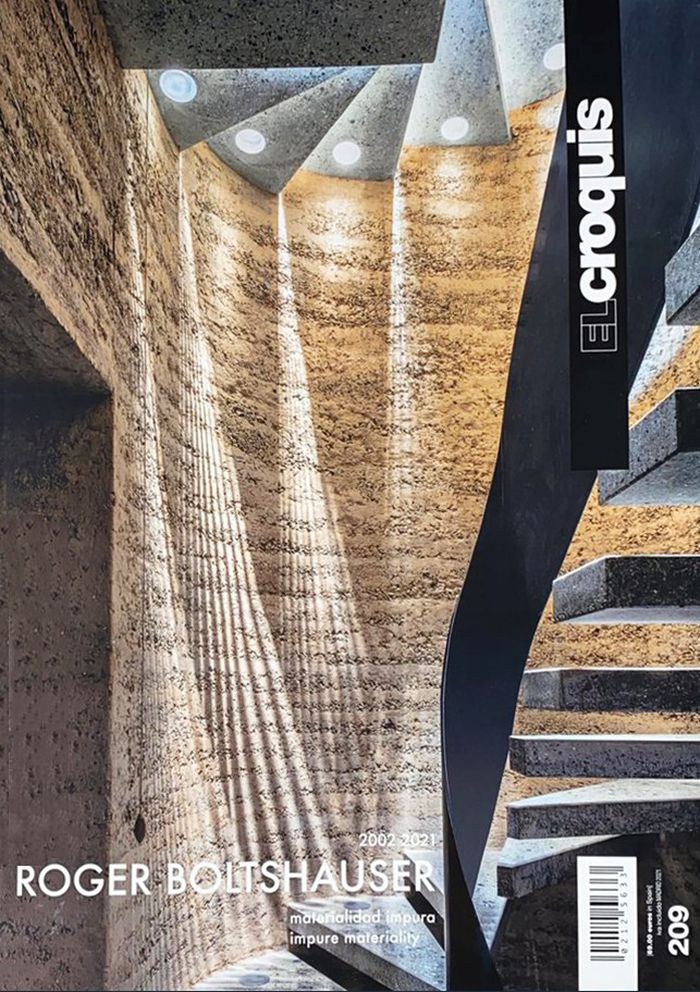
Covering almost two decades of work by Roger Boltshauser, this issue takes a look at the Zurich-based architect’s uniquely contemporary manner of expression. With profiles of more than 20 projects conceived since the turn of the century, it outlines Boltshauser’s approach to materials and the methods he uses to reveal their intrinsic constructive and structural possibilities. Among the highlights are the rammed earth Rauch House, a clay observation tower at the Brickworks Museum in Cham, Oerlikon Sports and Swimming Centre, Ozeanium at Basel Zoo, and more. The issue also features a conversation with the architect and Jonathan Sergison, plus an essay by Jesús Vassallo.
El Croquis 209: Roger Boltshauser (2002-2021) Impure Materiality
Actions:
Price:
$136.95
(available in store)
Summary:
Covering almost two decades of work by Roger Boltshauser, this issue takes a look at the Zurich-based architect’s uniquely contemporary manner of expression. With profiles of more than 20 projects conceived since the turn of the century, it outlines Boltshauser’s approach to materials and the methods he uses to reveal their intrinsic constructive and structural possibilities. Among the highlights are the rammed earth Rauch House, a clay observation tower at the Brickworks Museum in Cham, Oerlikon Sports and Swimming Centre, Ozeanium at Basel Zoo, and more. The issue also features a conversation with the architect and Jonathan Sergison, plus an essay by Jesús Vassallo.
Form:
books
books
Publication:
July 2021
July 2021
Subject:
El Croquis
El Croquis
Form:
books
books
Actions:
Price:
$75.00
(available to order)
Summary:
Seamlessly interweaving the new with the historic, the renovation by Selldorf Architects preserves The Frick Collection’s Gilded Age grandeur and sense of tranquillity while making more of the museum accessible and adding important new amenities. A museum of memorable rooms and superb Old Master holdings, The Frick Collection, the former home of industrialist Henry Clay(...)
$75.00
(available to order)
Summary:
Seamlessly interweaving the new with the historic, the renovation by Selldorf Architects preserves The Frick Collection’s Gilded Age grandeur and sense of tranquillity while making more of the museum accessible and adding important new amenities. A museum of memorable rooms and superb Old Master holdings, The Frick Collection, the former home of industrialist Henry Clay(...)
Subject:
Museums and Universal Exhibitions
Museums and Universal Exhibitions
Publication:
January 2026
January 2026
Title:
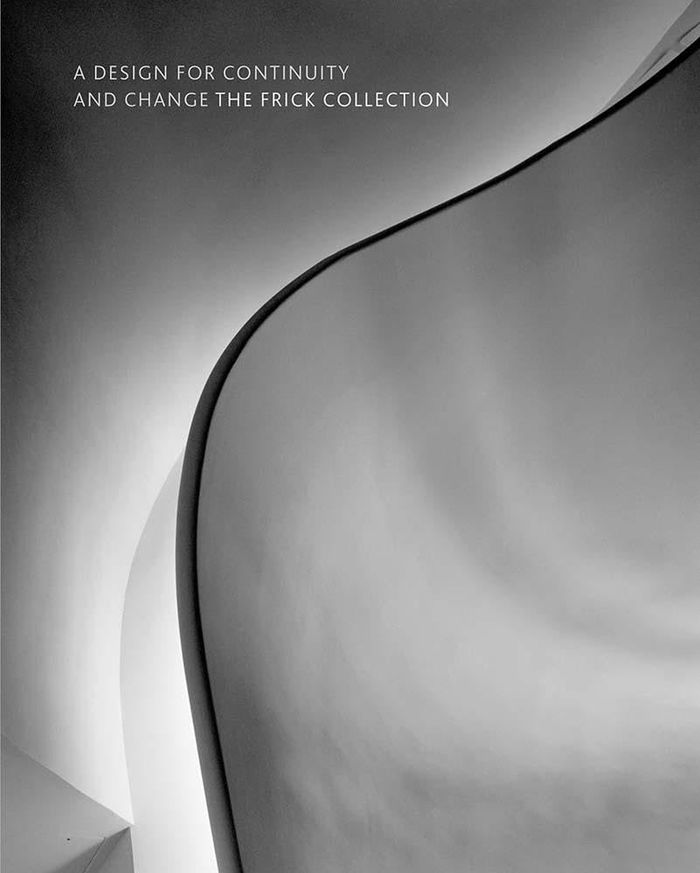
A Design for Continuity and Change: The Frick Collection
Actions:
Price:
$75.00
(available to order)
Summary:
Seamlessly interweaving the new with the historic, the renovation by Selldorf Architects preserves The Frick Collection’s Gilded Age grandeur and sense of tranquillity while making more of the museum accessible and adding important new amenities. A museum of memorable rooms and superb Old Master holdings, The Frick Collection, the former home of industrialist Henry Clay Frick, is one of New York City’s most beloved art institutions. Designed by Thomas Hastings of the New York firm of Carrère and Hastings, the original Fifth Avenue mansion was completed in 1914 and served the Frick family until 1931. With John Russell Pope’s expansion of the mansion in 1935, which included the addition of a library (today’s esteemed Frick Art Research Library), the residence was converted into a public museum. The goal of the renovation was to honor the architectural legacy and unique contemplative atmosphere of the Frick while adding new space and critical infrastructure updates. Visitors will enjoy the enhanced functionality of the institution, and its improved climate controls will ensure the preservation of the collection and the house for generations to come.
A Design for Continuity and Change: The Frick Collection
Actions:
Price:
$75.00
(available to order)
Summary:
Seamlessly interweaving the new with the historic, the renovation by Selldorf Architects preserves The Frick Collection’s Gilded Age grandeur and sense of tranquillity while making more of the museum accessible and adding important new amenities. A museum of memorable rooms and superb Old Master holdings, The Frick Collection, the former home of industrialist Henry Clay Frick, is one of New York City’s most beloved art institutions. Designed by Thomas Hastings of the New York firm of Carrère and Hastings, the original Fifth Avenue mansion was completed in 1914 and served the Frick family until 1931. With John Russell Pope’s expansion of the mansion in 1935, which included the addition of a library (today’s esteemed Frick Art Research Library), the residence was converted into a public museum. The goal of the renovation was to honor the architectural legacy and unique contemplative atmosphere of the Frick while adding new space and critical infrastructure updates. Visitors will enjoy the enhanced functionality of the institution, and its improved climate controls will ensure the preservation of the collection and the house for generations to come.
Form:
books
books
Publication:
January 2026
January 2026
Subject:
Museums and Universal Exhibitions
Museums and Universal Exhibitions
Form:
books
books
Actions:
Price:
$47.95
(available to order)
Summary:
Exploring America's material culture, "Common Places" reveals the history, culture, and social and class relationships that are the backdrop of the everyday structures and environments of ordinary people. Examining America's houses and cityscapes, its rural outbuildings and landscapes from perspectives including cultural geography, decorative arts, architectural history,(...)
$47.95
(available to order)
Summary:
Exploring America's material culture, "Common Places" reveals the history, culture, and social and class relationships that are the backdrop of the everyday structures and environments of ordinary people. Examining America's houses and cityscapes, its rural outbuildings and landscapes from perspectives including cultural geography, decorative arts, architectural history,(...)
Subject:
History until 1900
History until 1900
Publication:
January 1900, Athens, Georgia
January 1900, Athens, Georgia
Title:
Common places : readings in American vernacular architecture
Actions:
Price:
$47.95
(available to order)
Summary:
Exploring America's material culture, "Common Places" reveals the history, culture, and social and class relationships that are the backdrop of the everyday structures and environments of ordinary people. Examining America's houses and cityscapes, its rural outbuildings and landscapes from perspectives including cultural geography, decorative arts, architectural history, and folklore, these articles reflect the variety and vibrancy of the growing field of vernacular architecture. In essays that focus on buildings and spaces unique to the U.S. landscape, Clay Lancaster, Edward T. Price, John Michael Vlach, and Warren E. Roberts reconstruct the social and cultural contexts of the modern bungalow, the small-town courthouse square, the shotgun house of the South, and the log buildings of the Midwest. Surveying the buildings of America's settlement, scholars including Henry Glassie, Norman Morrison Isham, Edward A. Chappell, and Theodore H. M. Prudon trace European ethnic influences in the folk structures of Delaware and the houses of Rhode Island, in Virginia's Renish homes, and in the Dutch barn widely repeated in rural America. Ethnic, regional, and class differences have flavored the nation's vernacular architecture. Fraser D. Neiman reveals overt changes in houses and outbuildings indicative of the growing social separation and increasingly rigid relations between seventeenth-century Virginia planters and their servants. Fred B. Kniffen and Fred W. Peterson show how, following the westward expansion of the nineteenth century, the structures of the eastern elite were repeated and often rejected by frontier builders. Moving into the twentieth century, James Borchert tracks the transformation of the alley from an urban home for Washington's blacks in the first half of the century to its new status in the gentrified neighborhoods of the last decade, while Barbara Rubin's discussion of the evolution of the commercial strip counterpoints the goals of city planners and more spontaneous forms of urban expression. The illustrations that accompany each article present the artifacts of America's material past. Photographs of individual buildings, historic maps of the nation's agricultural expanse, and descriptions of the household furnishings of the Victorian middle class, the urban immigrant population, and the rural farmer's homestead complete the volume, rooting vernacular architecture to the American people, their lives, and their everyday creations.
Common places : readings in American vernacular architecture
Actions:
Price:
$47.95
(available to order)
Summary:
Exploring America's material culture, "Common Places" reveals the history, culture, and social and class relationships that are the backdrop of the everyday structures and environments of ordinary people. Examining America's houses and cityscapes, its rural outbuildings and landscapes from perspectives including cultural geography, decorative arts, architectural history, and folklore, these articles reflect the variety and vibrancy of the growing field of vernacular architecture. In essays that focus on buildings and spaces unique to the U.S. landscape, Clay Lancaster, Edward T. Price, John Michael Vlach, and Warren E. Roberts reconstruct the social and cultural contexts of the modern bungalow, the small-town courthouse square, the shotgun house of the South, and the log buildings of the Midwest. Surveying the buildings of America's settlement, scholars including Henry Glassie, Norman Morrison Isham, Edward A. Chappell, and Theodore H. M. Prudon trace European ethnic influences in the folk structures of Delaware and the houses of Rhode Island, in Virginia's Renish homes, and in the Dutch barn widely repeated in rural America. Ethnic, regional, and class differences have flavored the nation's vernacular architecture. Fraser D. Neiman reveals overt changes in houses and outbuildings indicative of the growing social separation and increasingly rigid relations between seventeenth-century Virginia planters and their servants. Fred B. Kniffen and Fred W. Peterson show how, following the westward expansion of the nineteenth century, the structures of the eastern elite were repeated and often rejected by frontier builders. Moving into the twentieth century, James Borchert tracks the transformation of the alley from an urban home for Washington's blacks in the first half of the century to its new status in the gentrified neighborhoods of the last decade, while Barbara Rubin's discussion of the evolution of the commercial strip counterpoints the goals of city planners and more spontaneous forms of urban expression. The illustrations that accompany each article present the artifacts of America's material past. Photographs of individual buildings, historic maps of the nation's agricultural expanse, and descriptions of the household furnishings of the Victorian middle class, the urban immigrant population, and the rural farmer's homestead complete the volume, rooting vernacular architecture to the American people, their lives, and their everyday creations.
Form:
books
books
Publication:
January 1900, Athens, Georgia
January 1900, Athens, Georgia
Subject:
History until 1900
History until 1900


