


1390 Results
Form:
books
books
Actions:
Price:
$47.95
(available in store)
Summary:
"Vitruvius’s De architectura" is the only major work on architecture to survive from classical antiquity, and until the eighteenth century it was the text to which all other architectural treatises referred. While European classicists have focused on the factual truth of the text itself, English-speaking architects and architectural theorists have viewed it as a timeless(...)
$47.95
(available in store)
Summary:
"Vitruvius’s De architectura" is the only major work on architecture to survive from classical antiquity, and until the eighteenth century it was the text to which all other architectural treatises referred. While European classicists have focused on the factual truth of the text itself, English-speaking architects and architectural theorists have viewed it as a timeless(...)
Subject:
Architectural Theory
Architectural Theory
Publication:
October 2002, Cambridge, Mass.
October 2002, Cambridge, Mass.
Title:
Vitruvius: Writing the body of architecture
Actions:
Price:
$47.95
(available in store)
Summary:
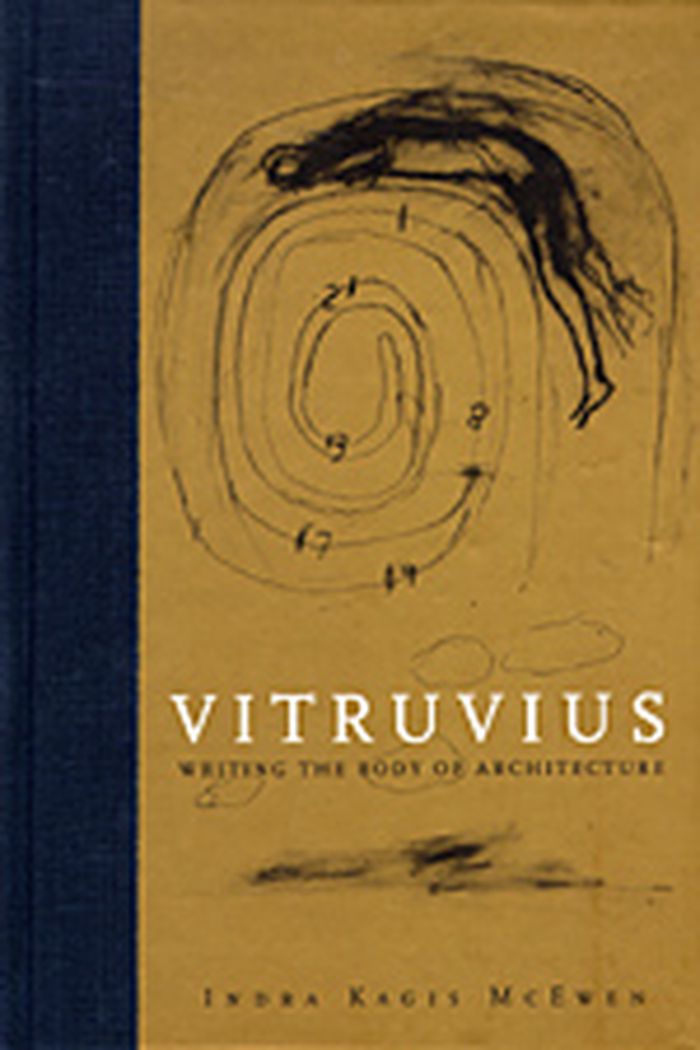
"Vitruvius’s De architectura" is the only major work on architecture to survive from classical antiquity, and until the eighteenth century it was the text to which all other architectural treatises referred. While European classicists have focused on the factual truth of the text itself, English-speaking architects and architectural theorists have viewed it as a timeless source of valuable metaphors. Departing from both perspectives, Indra Kagis McEwen examines the work’s meaning and significance in its own time. Vitruvius dedicated De architectura to his patron Augustus Caesar, the first Roman emperor, whose rise to power inspired its composition near the end of the first century B.C. McEwen argues that the imperial project of world dominion shaped Vitruvius’s purpose in writing what he calls "the whole body of architecture." Specifically, Vitruvius’s aim was to present his discipline as the means for making the emperor’s body congruent with the imagined body of the world he would rule.
Vitruvius: Writing the body of architecture
Actions:
Price:
$47.95
(available in store)
Summary:
"Vitruvius’s De architectura" is the only major work on architecture to survive from classical antiquity, and until the eighteenth century it was the text to which all other architectural treatises referred. While European classicists have focused on the factual truth of the text itself, English-speaking architects and architectural theorists have viewed it as a timeless source of valuable metaphors. Departing from both perspectives, Indra Kagis McEwen examines the work’s meaning and significance in its own time. Vitruvius dedicated De architectura to his patron Augustus Caesar, the first Roman emperor, whose rise to power inspired its composition near the end of the first century B.C. McEwen argues that the imperial project of world dominion shaped Vitruvius’s purpose in writing what he calls "the whole body of architecture." Specifically, Vitruvius’s aim was to present his discipline as the means for making the emperor’s body congruent with the imagined body of the world he would rule.
Form:
books
books
Publication:
October 2002, Cambridge, Mass.
October 2002, Cambridge, Mass.
Subject:
Architectural Theory
Architectural Theory
Form:
journals and magazines
journals and magazines

Title:
Cabinet 55: love
Cabinet 55: love
Actions:
Price:
$17.50
(available to order)
Summary:
Love was classically thought to come in four distinct varieties--agape (spiritual love), eros (physical passion), philia (friendship) and storge (familial affection). It might be argued that with modernity, one of these--eros--has come to dominate our landscape, where romance and its obstacles inform so many of our cultural narratives and consumer fantasies. Nonetheless,(...)
$17.50
(available to order)
Summary:
Love was classically thought to come in four distinct varieties--agape (spiritual love), eros (physical passion), philia (friendship) and storge (familial affection). It might be argued that with modernity, one of these--eros--has come to dominate our landscape, where romance and its obstacles inform so many of our cultural narratives and consumer fantasies. Nonetheless,(...)
Title:
Cabinet 55: love
Actions:
Price:
$17.50
(available to order)
Summary:
Love was classically thought to come in four distinct varieties--agape (spiritual love), eros (physical passion), philia (friendship) and storge (familial affection). It might be argued that with modernity, one of these--eros--has come to dominate our landscape, where romance and its obstacles inform so many of our cultural narratives and consumer fantasies. Nonetheless, all of these modalities of love continue to structure the relationships that govern human societies. Cabinet issue 55, with a special section on "Love," features Christopher Turner on the "celestial bed" of eighteenth-century proto-sexologist James Graham; Margaret Gordon on epistolary friendships; and Olga Lemerova on the love between humans and their pets. Elsewhere in the issue: Sasha Archibald on the decorative fabric or leather patches worn in the seventeenth century to conceal facial blemishes; D. Graham Burnett on watermarks; and Babak Sadr on how zoos perform annual inventories of their animals, both countable and uncountable.
Cabinet 55: love
Actions:
Price:
$17.50
(available to order)
Summary:
Love was classically thought to come in four distinct varieties--agape (spiritual love), eros (physical passion), philia (friendship) and storge (familial affection). It might be argued that with modernity, one of these--eros--has come to dominate our landscape, where romance and its obstacles inform so many of our cultural narratives and consumer fantasies. Nonetheless, all of these modalities of love continue to structure the relationships that govern human societies. Cabinet issue 55, with a special section on "Love," features Christopher Turner on the "celestial bed" of eighteenth-century proto-sexologist James Graham; Margaret Gordon on epistolary friendships; and Olga Lemerova on the love between humans and their pets. Elsewhere in the issue: Sasha Archibald on the decorative fabric or leather patches worn in the seventeenth century to conceal facial blemishes; D. Graham Burnett on watermarks; and Babak Sadr on how zoos perform annual inventories of their animals, both countable and uncountable.
Form:
journals and magazines
journals and magazines
Publication:
August 2014
August 2014
Subject:
Magazines
Magazines
Form:
books
books
Title:
The Gothic Revival
The Gothic Revival
Actions:
Price:
$22.99
(available to order)
Summary:
‘The Gothic Revival’, writes Michael Lewis, ‘is more than a fashion craze for pointed arches and pinnacles. During its years of greatest influence, it subjected every aspect of art, belief, society, and labour to intense intellectual scrutiny, using the Middle Ages as a platform from which to judge the modern world.’ It is the unique merit of "The Gothic Revival"(...)
$22.99
(available to order)
Summary:
‘The Gothic Revival’, writes Michael Lewis, ‘is more than a fashion craze for pointed arches and pinnacles. During its years of greatest influence, it subjected every aspect of art, belief, society, and labour to intense intellectual scrutiny, using the Middle Ages as a platform from which to judge the modern world.’ It is the unique merit of "The Gothic Revival"(...)
Title:
The Gothic Revival
Actions:
Price:
$22.99
(available to order)
Summary:
‘The Gothic Revival’, writes Michael Lewis, ‘is more than a fashion craze for pointed arches and pinnacles. During its years of greatest influence, it subjected every aspect of art, belief, society, and labour to intense intellectual scrutiny, using the Middle Ages as a platform from which to judge the modern world.’ It is the unique merit of "The Gothic Revival" that it gives as much attention to the ideas that gave Gothic architecture its emotional and intellectual power as it does to its great monuments. The eighteenth century admired the Gothic for its sense of decay and melancholy; the nineteenth century first cherished its religious piety, then its superb engineering. In the course of the Revival the Gothic was attached to social movements of every sort – from political liberalism to patriotic nationalism to labour reform. Like Marxism, which also drew lessons from medieval society, the Gothic Revival seemed to offer a comprehensive response to the dislocations and traumas of the Industrial Revolution. By the early twentieth century, the Gothic Revival had outlived its ideals. In recent years, however, the climate of opinion has changed, and we are ready to understand, appreciate and learn from it.
The Gothic Revival
Actions:
Price:
$22.99
(available to order)
Summary:
‘The Gothic Revival’, writes Michael Lewis, ‘is more than a fashion craze for pointed arches and pinnacles. During its years of greatest influence, it subjected every aspect of art, belief, society, and labour to intense intellectual scrutiny, using the Middle Ages as a platform from which to judge the modern world.’ It is the unique merit of "The Gothic Revival" that it gives as much attention to the ideas that gave Gothic architecture its emotional and intellectual power as it does to its great monuments. The eighteenth century admired the Gothic for its sense of decay and melancholy; the nineteenth century first cherished its religious piety, then its superb engineering. In the course of the Revival the Gothic was attached to social movements of every sort – from political liberalism to patriotic nationalism to labour reform. Like Marxism, which also drew lessons from medieval society, the Gothic Revival seemed to offer a comprehensive response to the dislocations and traumas of the Industrial Revolution. By the early twentieth century, the Gothic Revival had outlived its ideals. In recent years, however, the climate of opinion has changed, and we are ready to understand, appreciate and learn from it.
Form:
books
books
Publication:
June 2002, London
June 2002, London
Subject:
History until 1900
History until 1900
Form:
books
books

Title:
Melancholy Wedgewood
Melancholy Wedgewood
Actions:
Price:
$45.95
(available in store)
Summary:
"Melancholy Wedgwood" traces the multiple strands in the life of the ceramic entrepreneur Josiah Wedgwood (1730–1795) to propose an alternative view of eighteenth-century England's tenuous relationship to our own lives and times, amid the ruins of late-capitalist modernity. Through intimate vignettes and essays, and in writing at turns funny, sharp, and pensive, Iris Moon(...)
$45.95
(available in store)
Summary:
"Melancholy Wedgwood" traces the multiple strands in the life of the ceramic entrepreneur Josiah Wedgwood (1730–1795) to propose an alternative view of eighteenth-century England's tenuous relationship to our own lives and times, amid the ruins of late-capitalist modernity. Through intimate vignettes and essays, and in writing at turns funny, sharp, and pensive, Iris Moon(...)
Title:
Melancholy Wedgewood
Actions:
Price:
$45.95
(available in store)
Summary:
"Melancholy Wedgwood" traces the multiple strands in the life of the ceramic entrepreneur Josiah Wedgwood (1730–1795) to propose an alternative view of eighteenth-century England's tenuous relationship to our own lives and times, amid the ruins of late-capitalist modernity. Through intimate vignettes and essays, and in writing at turns funny, sharp, and pensive, Iris Moon chips away at the mythic image of Wedgwood as singular genius, business titan, and benevolent abolitionist, revealing an amorphous, fragile, and perhaps even shattered life. In the process the book goes so far as to dismantle certain entrenched social and economic assumptions, not least that the foundational myths of capitalism might not be quite so rosy after all, and instead induce a feeling that could only be characterized as blue.
Melancholy Wedgewood
Actions:
Price:
$45.95
(available in store)
Summary:
"Melancholy Wedgwood" traces the multiple strands in the life of the ceramic entrepreneur Josiah Wedgwood (1730–1795) to propose an alternative view of eighteenth-century England's tenuous relationship to our own lives and times, amid the ruins of late-capitalist modernity. Through intimate vignettes and essays, and in writing at turns funny, sharp, and pensive, Iris Moon chips away at the mythic image of Wedgwood as singular genius, business titan, and benevolent abolitionist, revealing an amorphous, fragile, and perhaps even shattered life. In the process the book goes so far as to dismantle certain entrenched social and economic assumptions, not least that the foundational myths of capitalism might not be quite so rosy after all, and instead induce a feeling that could only be characterized as blue.
Form:
books
books
Publication:
January 2024
January 2024
Subject:
Design Monographs
Design Monographs
Form:
books
books
Price:
$79.95
(available in store)
Summary:
This research by a+t research group proposes an alternative reading of the history of housing. Rather than being organised around architectural styles or movements, it is structured through five essential conditions that define the lived experience of inhabitation: Opulence, Precarity, Dignity, Prosperity, and Fraternity. Drawing on 178 case studies—ranging from the onset(...)
$79.95
(available in store)
Summary:
This research by a+t research group proposes an alternative reading of the history of housing. Rather than being organised around architectural styles or movements, it is structured through five essential conditions that define the lived experience of inhabitation: Opulence, Precarity, Dignity, Prosperity, and Fraternity. Drawing on 178 case studies—ranging from the onset(...)
Title:
Housing Loops - Opulence, Precarity, Dignity, Prosperity and Fraternity
Actions:
Price:
$79.95
(available in store)
Summary:
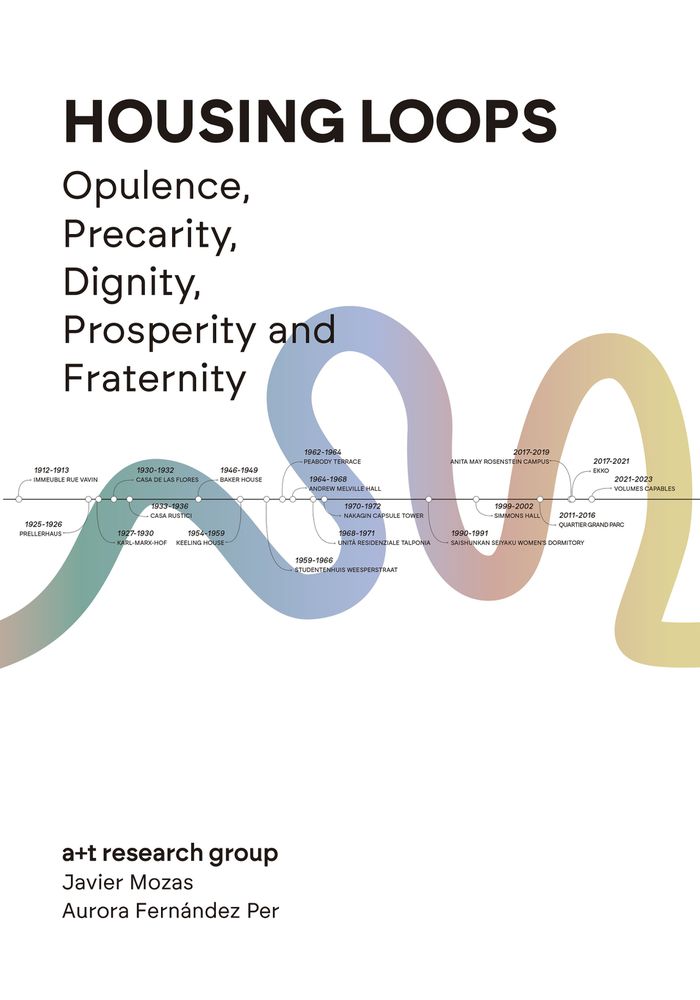
This research by a+t research group proposes an alternative reading of the history of housing. Rather than being organised around architectural styles or movements, it is structured through five essential conditions that define the lived experience of inhabitation: Opulence, Precarity, Dignity, Prosperity, and Fraternity. Drawing on 178 case studies—ranging from the onset of the Industrial Revolution in the mid-eighteenth century to the second decade of the twenty-first—this critical chronology maps the evolution of collective housing in relation to the social demands of each historical period. The timeline identifies key patterns in housing design, recurring spatial loops that transcend eras, advances in construction technologies, and the transformation of the domestic unit as a nucleus of cohabitation.
Housing Loops - Opulence, Precarity, Dignity, Prosperity and Fraternity
Actions:
Price:
$79.95
(available in store)
Summary:
This research by a+t research group proposes an alternative reading of the history of housing. Rather than being organised around architectural styles or movements, it is structured through five essential conditions that define the lived experience of inhabitation: Opulence, Precarity, Dignity, Prosperity, and Fraternity. Drawing on 178 case studies—ranging from the onset of the Industrial Revolution in the mid-eighteenth century to the second decade of the twenty-first—this critical chronology maps the evolution of collective housing in relation to the social demands of each historical period. The timeline identifies key patterns in housing design, recurring spatial loops that transcend eras, advances in construction technologies, and the transformation of the domestic unit as a nucleus of cohabitation.
Form:
books
books
Publication:
November 2025
November 2025
Subject:
Residential Architecture
Residential Architecture
Form:
books
books

Actions:
Price:
$63.50
(available to order)
Summary:
In the eighteenth century the Alps became the subject of a new view of nature, which crystallized in the sublime. Oscillating between fear and fascination, this sensual experience triggered a thrilling borderline experience: travelers ventured to the mountain world full of longing and projected a variety of different dreams onto the "wild nature" that had yet to be(...)
$63.50
(available to order)
Summary:
In the eighteenth century the Alps became the subject of a new view of nature, which crystallized in the sublime. Oscillating between fear and fascination, this sensual experience triggered a thrilling borderline experience: travelers ventured to the mountain world full of longing and projected a variety of different dreams onto the "wild nature" that had yet to be(...)
Title:
Sublime visions: architecture in the Alps
Actions:
Price:
$63.50
(available to order)
Summary:
In the eighteenth century the Alps became the subject of a new view of nature, which crystallized in the sublime. Oscillating between fear and fascination, this sensual experience triggered a thrilling borderline experience: travelers ventured to the mountain world full of longing and projected a variety of different dreams onto the "wild nature" that had yet to be explored. To what extent has the sublime influenced architecture in the Alps, from the early days of tourism to the present? Prompted by this question, the author analyzes Alpine architecture in its historical context and offers a critical assessment of contemporary tourism. This is a book that inspires us to reflect on the future of building in the Alps and on our relationship with nature.
Sublime visions: architecture in the Alps
Actions:
Price:
$63.50
(available to order)
Summary:
In the eighteenth century the Alps became the subject of a new view of nature, which crystallized in the sublime. Oscillating between fear and fascination, this sensual experience triggered a thrilling borderline experience: travelers ventured to the mountain world full of longing and projected a variety of different dreams onto the "wild nature" that had yet to be explored. To what extent has the sublime influenced architecture in the Alps, from the early days of tourism to the present? Prompted by this question, the author analyzes Alpine architecture in its historical context and offers a critical assessment of contemporary tourism. This is a book that inspires us to reflect on the future of building in the Alps and on our relationship with nature.
Form:
books
books
Publication:
October 2018
October 2018
Subject:
Architecture since 1900, Europe
Architecture since 1900, Europe
Form:
books
books
Title:
Butch heroes
Butch heroes
Actions:
Price:
$35.95
(available to order)
Summary:
Katherina Hetzeldorfer, tried “for a crime that didn't have a name” (same sex sexual relations) and sentenced to death by drowning in 1477; Charles aka Mary Hamilton, publicly whipped for impersonating a man in eighteenth-century England; Clara, aka “Big Ben,” over whom two jealous women fought in 1926 New York: these are just three of the lives that the artist Ria(...)
$35.95
(available to order)
Summary:
Katherina Hetzeldorfer, tried “for a crime that didn't have a name” (same sex sexual relations) and sentenced to death by drowning in 1477; Charles aka Mary Hamilton, publicly whipped for impersonating a man in eighteenth-century England; Clara, aka “Big Ben,” over whom two jealous women fought in 1926 New York: these are just three of the lives that the artist Ria(...)
Title:
Butch heroes
Actions:
Price:
$35.95
(available to order)
Summary:
Katherina Hetzeldorfer, tried “for a crime that didn't have a name” (same sex sexual relations) and sentenced to death by drowning in 1477; Charles aka Mary Hamilton, publicly whipped for impersonating a man in eighteenth-century England; Clara, aka “Big Ben,” over whom two jealous women fought in 1926 New York: these are just three of the lives that the artist Ria Brodell has reclaimed for queer history in "Butch Heroes". Brodell offers a series of twenty-eight portraits of forgotten but heroic figures, each accompanied by a brief biographical note. They are individuals who were assigned female at birth but whose gender presentation was more masculine than feminine, who did not want to enter into heterosexual marriage, and who often faced dire punishment for being themselves.
Butch heroes
Actions:
Price:
$35.95
(available to order)
Summary:
Katherina Hetzeldorfer, tried “for a crime that didn't have a name” (same sex sexual relations) and sentenced to death by drowning in 1477; Charles aka Mary Hamilton, publicly whipped for impersonating a man in eighteenth-century England; Clara, aka “Big Ben,” over whom two jealous women fought in 1926 New York: these are just three of the lives that the artist Ria Brodell has reclaimed for queer history in "Butch Heroes". Brodell offers a series of twenty-eight portraits of forgotten but heroic figures, each accompanied by a brief biographical note. They are individuals who were assigned female at birth but whose gender presentation was more masculine than feminine, who did not want to enter into heterosexual marriage, and who often faced dire punishment for being themselves.
Form:
books
books
Publication:
October 2018
October 2018
Subject:
Contemporary Art Monographs
Contemporary Art Monographs
Form:
books
books
Actions:
Price:
$100.00
(available to order)
Summary:
Widely acknowledged as the last great landscape designer of the eighteenth century, Humphry Repton created work that survives as a bridge between the picturesque theory of Capability Brown and the pastoral philosophy of Frederick Law Olmsted. By turns inspired by and in opposition to the grandeur of Brown’s estates, Repton’s contribution to the British landscape(...)
$100.00
(available to order)
Summary:
Widely acknowledged as the last great landscape designer of the eighteenth century, Humphry Repton created work that survives as a bridge between the picturesque theory of Capability Brown and the pastoral philosophy of Frederick Law Olmsted. By turns inspired by and in opposition to the grandeur of Brown’s estates, Repton’s contribution to the British landscape(...)
Subject:
Landscape Architecture, Monographs
Landscape Architecture, Monographs
Publication:
September 2021
September 2021
Title:
Humphry Repton - Designing the Landscape Garden
Actions:
Price:
$100.00
(available to order)
Summary:
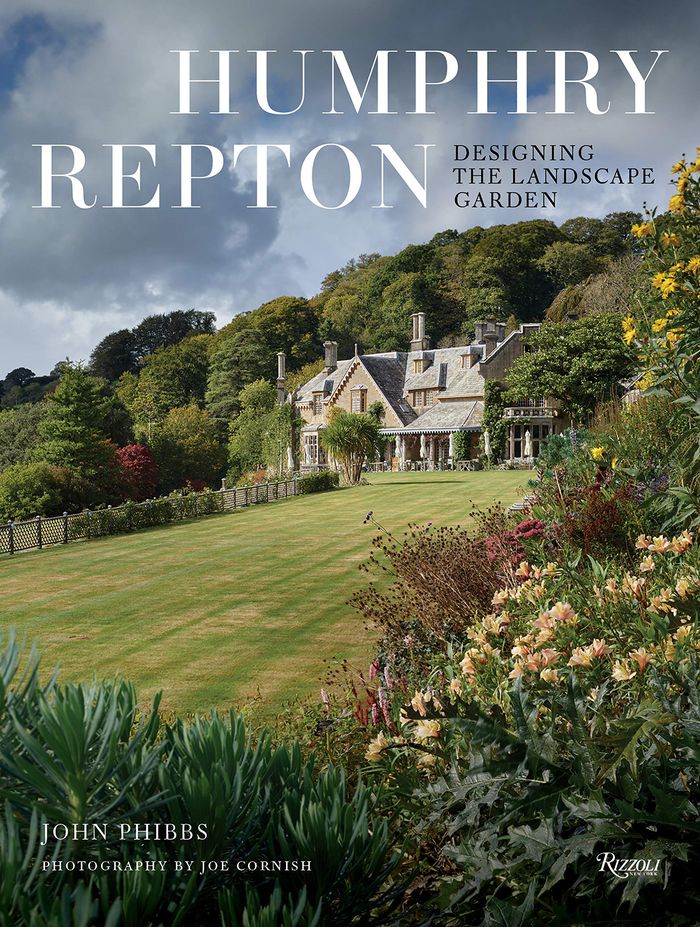
Widely acknowledged as the last great landscape designer of the eighteenth century, Humphry Repton created work that survives as a bridge between the picturesque theory of Capability Brown and the pastoral philosophy of Frederick Law Olmsted. By turns inspired by and in opposition to the grandeur of Brown’s estates, Repton’s contribution to the British landscape encompassed a tremendous range, from subtle adjustments that emphasized the natural features of the countryside to deliberate interventions that challenged the notion of the picturesque. This book explores 15 of Repton’s most celebrated landscapes—from the early maturity of his gardens at Courteenhall and Mulgrave Castle to more adventurous landscapes at Stanage, Brightling, and Endsleigh that would point the way toward how we envision parkland today.
Humphry Repton - Designing the Landscape Garden
Actions:
Price:
$100.00
(available to order)
Summary:
Widely acknowledged as the last great landscape designer of the eighteenth century, Humphry Repton created work that survives as a bridge between the picturesque theory of Capability Brown and the pastoral philosophy of Frederick Law Olmsted. By turns inspired by and in opposition to the grandeur of Brown’s estates, Repton’s contribution to the British landscape encompassed a tremendous range, from subtle adjustments that emphasized the natural features of the countryside to deliberate interventions that challenged the notion of the picturesque. This book explores 15 of Repton’s most celebrated landscapes—from the early maturity of his gardens at Courteenhall and Mulgrave Castle to more adventurous landscapes at Stanage, Brightling, and Endsleigh that would point the way toward how we envision parkland today.
Form:
books
books
Publication:
September 2021
September 2021
Subject:
Landscape Architecture, Monographs
Landscape Architecture, Monographs
Form:
books
books

Actions:
Price:
$27.50
(available to order)
Summary:
This is a book about ten women over the past three hundred years who have found walking essential to their sense of themselves, as people and as writers. "Wanderers" traces their footsteps, from eighteenth-century parson’s daughter Elizabeth Carter—who desired nothing more than to be taken for a vagabond in the wilds of southern England—to modern walker-writers such as(...)
$27.50
(available to order)
Summary:
This is a book about ten women over the past three hundred years who have found walking essential to their sense of themselves, as people and as writers. "Wanderers" traces their footsteps, from eighteenth-century parson’s daughter Elizabeth Carter—who desired nothing more than to be taken for a vagabond in the wilds of southern England—to modern walker-writers such as(...)
Title:
Wanderers: a history of women walking
Actions:
Price:
$27.50
(available to order)
Summary:
This is a book about ten women over the past three hundred years who have found walking essential to their sense of themselves, as people and as writers. "Wanderers" traces their footsteps, from eighteenth-century parson’s daughter Elizabeth Carter—who desired nothing more than to be taken for a vagabond in the wilds of southern England—to modern walker-writers such as Nan Shepherd and Cheryl Strayed. For each, walking was integral, whether it was rambling for miles across the Highlands, like Sarah Stoddart Hazlitt, or pacing novels into being, as Virginia Woolf did around Bloomsbury. Offering a beguiling view of the history of walking, Wanderers guides us through the different ways of seeing—of being—articulated by these ten pathfinding women.
Wanderers: a history of women walking
Actions:
Price:
$27.50
(available to order)
Summary:
This is a book about ten women over the past three hundred years who have found walking essential to their sense of themselves, as people and as writers. "Wanderers" traces their footsteps, from eighteenth-century parson’s daughter Elizabeth Carter—who desired nothing more than to be taken for a vagabond in the wilds of southern England—to modern walker-writers such as Nan Shepherd and Cheryl Strayed. For each, walking was integral, whether it was rambling for miles across the Highlands, like Sarah Stoddart Hazlitt, or pacing novels into being, as Virginia Woolf did around Bloomsbury. Offering a beguiling view of the history of walking, Wanderers guides us through the different ways of seeing—of being—articulated by these ten pathfinding women.
Form:
books
books
Publication:
August 2021
August 2021
Subject:
Journeys
Journeys
Form:
books
books
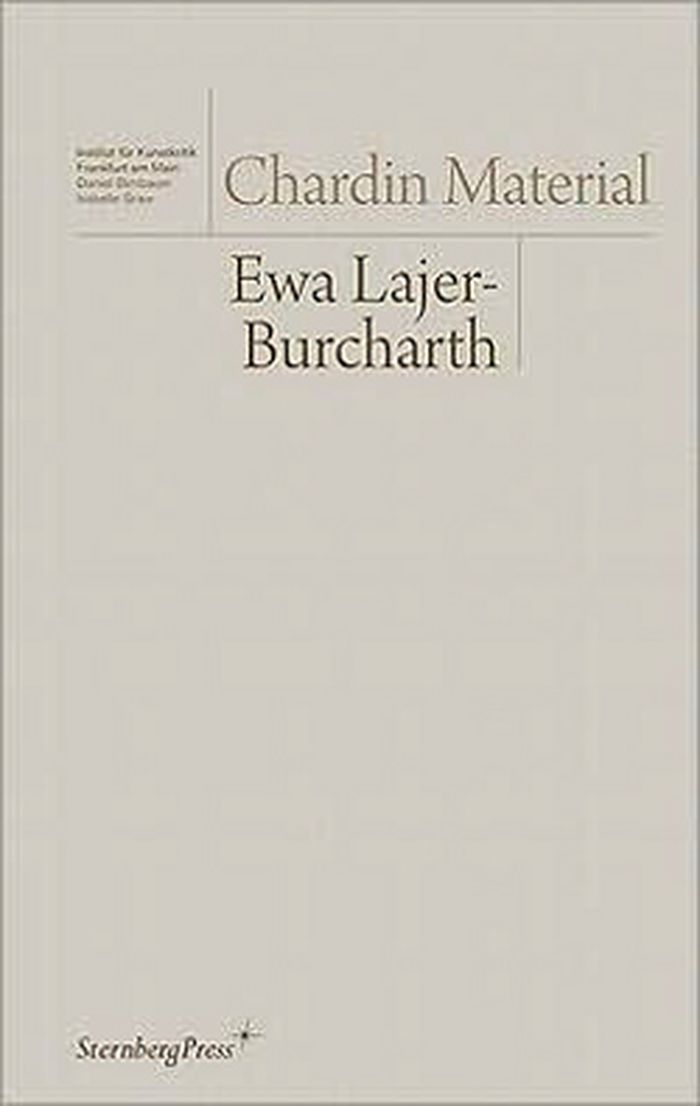
Title:
Ewa Lajer-Burcharth
Ewa Lajer-Burcharth
Actions:
Price:
$27.95
(available to order)
Summary:
Adapted from the lecture she delivered at the Institut für Kunstkritik, Städelschule in Frankfurt am Main, Ewa Lajer-Burcharth’s essay explores the dimension of self-reflexivity in the work of eighteenth-century French painter, Jean-Siméon Chardin. Focusing on the material aspects of Chardin’s practice, Lajer-Burcharth asks: In what ways were Chardin’s painterly(...)
$27.95
(available to order)
Summary:
Adapted from the lecture she delivered at the Institut für Kunstkritik, Städelschule in Frankfurt am Main, Ewa Lajer-Burcharth’s essay explores the dimension of self-reflexivity in the work of eighteenth-century French painter, Jean-Siméon Chardin. Focusing on the material aspects of Chardin’s practice, Lajer-Burcharth asks: In what ways were Chardin’s painterly(...)
Title:
Ewa Lajer-Burcharth
Actions:
Price:
$27.95
(available to order)
Summary:
Adapted from the lecture she delivered at the Institut für Kunstkritik, Städelschule in Frankfurt am Main, Ewa Lajer-Burcharth’s essay explores the dimension of self-reflexivity in the work of eighteenth-century French painter, Jean-Siméon Chardin. Focusing on the material aspects of Chardin’s practice, Lajer-Burcharth asks: In what ways were Chardin’s painterly procedures “his own,” and what were the implications of his possessive and personalized approach to the process of making? The author delves into these questions by examining a crucial moment in the artist’s career, when he, for reasons we can only speculate about, temporarily abandoned his still life practice and turned to painting genre scenes. The essay is joined by responses from Daniel Birnbaum and Isabelle Graw, followed by the author’s replies.
Ewa Lajer-Burcharth
Actions:
Price:
$27.95
(available to order)
Summary:
Adapted from the lecture she delivered at the Institut für Kunstkritik, Städelschule in Frankfurt am Main, Ewa Lajer-Burcharth’s essay explores the dimension of self-reflexivity in the work of eighteenth-century French painter, Jean-Siméon Chardin. Focusing on the material aspects of Chardin’s practice, Lajer-Burcharth asks: In what ways were Chardin’s painterly procedures “his own,” and what were the implications of his possessive and personalized approach to the process of making? The author delves into these questions by examining a crucial moment in the artist’s career, when he, for reasons we can only speculate about, temporarily abandoned his still life practice and turned to painting genre scenes. The essay is joined by responses from Daniel Birnbaum and Isabelle Graw, followed by the author’s replies.
Form:
books
books
Publication:
October 2011
October 2011
Subject:
Art Theory
Art Theory


