


1751 Results
Form:
journals and magazines
journals and magazines
Actions:
Price:
$17.50
(available to order)
Summary:
The city is where Italian radical architecture represented and experimented its theories. While the early projects remained theoretical proposals, some contributions by Archizoom, Superstudio, or Strum established an ambiguous relationship with design that became crucial after the international exhibition "Italy: the new domestic landscape", curated by Emilio Ambasz at(...)
$17.50
(available to order)
Summary:
The city is where Italian radical architecture represented and experimented its theories. While the early projects remained theoretical proposals, some contributions by Archizoom, Superstudio, or Strum established an ambiguous relationship with design that became crucial after the international exhibition "Italy: the new domestic landscape", curated by Emilio Ambasz at(...)
Title:
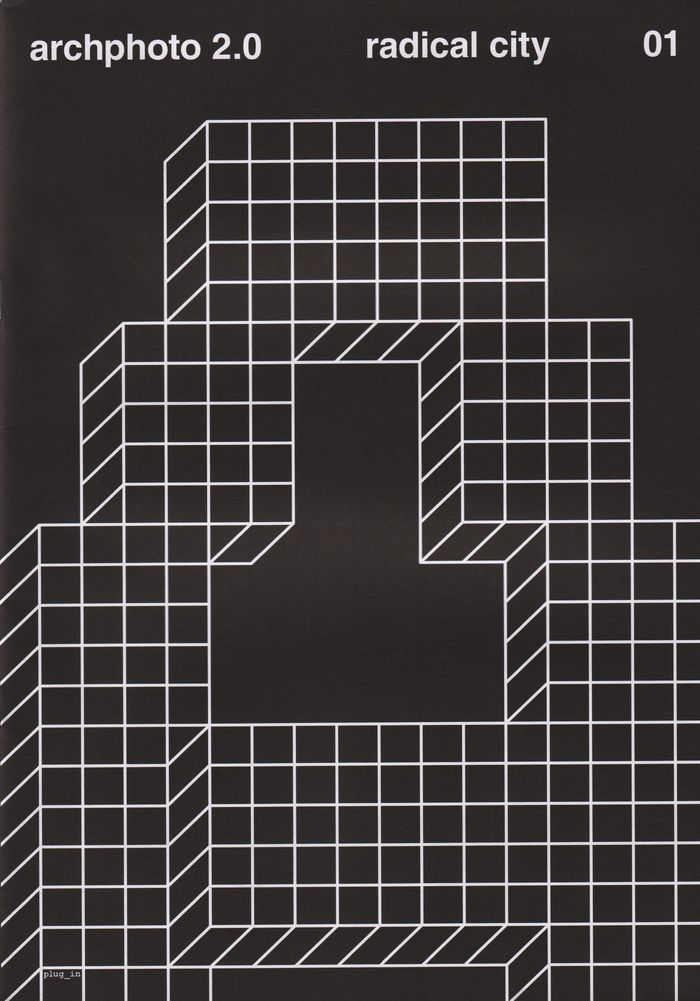
Archphoto 2.0 01: Radical City
Actions:
Price:
$17.50
(available to order)
Summary:
The city is where Italian radical architecture represented and experimented its theories. While the early projects remained theoretical proposals, some contributions by Archizoom, Superstudio, or Strum established an ambiguous relationship with design that became crucial after the international exhibition "Italy: the new domestic landscape", curated by Emilio Ambasz at the Museum of Modern Art New York in 1972. With the exception of Zziggurat, all participants, such as UFO, Gianni Pettena, Ugo La Pietra and 9999, chose the "piazza" - the public space - for their theoretical and practical experimentation as the adequate venue for installations and performances that used the same language as that of artists.
Archphoto 2.0 01: Radical City
Actions:
Price:
$17.50
(available to order)
Summary:
The city is where Italian radical architecture represented and experimented its theories. While the early projects remained theoretical proposals, some contributions by Archizoom, Superstudio, or Strum established an ambiguous relationship with design that became crucial after the international exhibition "Italy: the new domestic landscape", curated by Emilio Ambasz at the Museum of Modern Art New York in 1972. With the exception of Zziggurat, all participants, such as UFO, Gianni Pettena, Ugo La Pietra and 9999, chose the "piazza" - the public space - for their theoretical and practical experimentation as the adequate venue for installations and performances that used the same language as that of artists.
Form:
journals and magazines
journals and magazines
Publication:
October 2012
October 2012
Subject:
Current Exhibitions
Current Exhibitions
Form:
books
books
Title:
Gianni Pettena
Gianni Pettena
Actions:
Price:
$67.95
(available to order)
Summary:
Il volume presenta la figura e il lavoro di Gianni Pettena attraverso documenti d'archivio, fotografie, disegni e oggetti di design, oltre a un ricco apparato critico che ospita saggi, articoli e testi di Pettena stesso. Artista, architetto e design, Pettena fu, alla fine degli anni sessanta, uno dei più prolifici rappresentanti dell'architettura radicale, un movimento(...)
$67.95
(available to order)
Summary:
Il volume presenta la figura e il lavoro di Gianni Pettena attraverso documenti d'archivio, fotografie, disegni e oggetti di design, oltre a un ricco apparato critico che ospita saggi, articoli e testi di Pettena stesso. Artista, architetto e design, Pettena fu, alla fine degli anni sessanta, uno dei più prolifici rappresentanti dell'architettura radicale, un movimento(...)
Title:
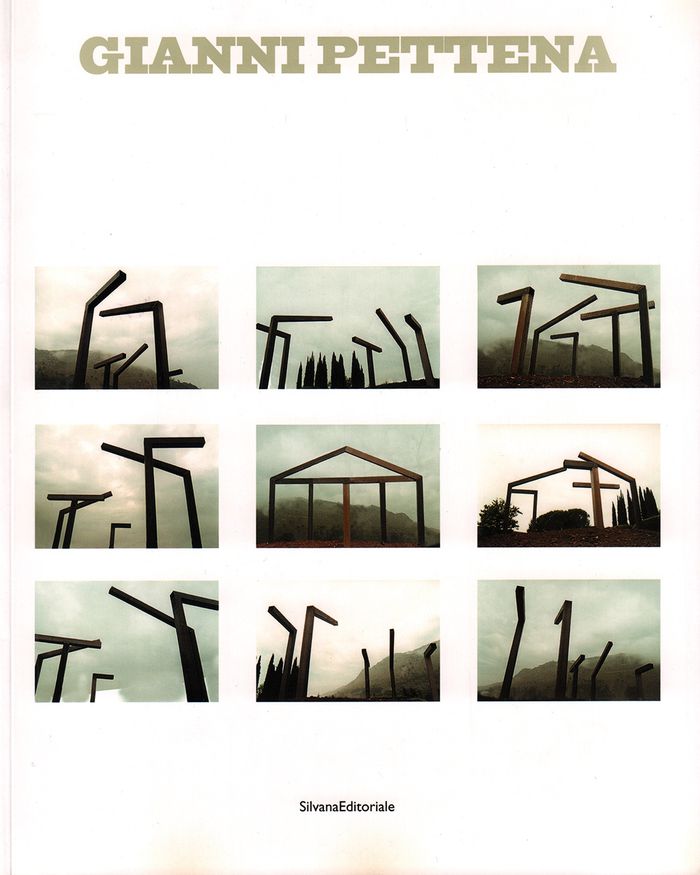
Gianni Pettena
Actions:
Price:
$67.95
(available to order)
Summary:
Il volume presenta la figura e il lavoro di Gianni Pettena attraverso documenti d'archivio, fotografie, disegni e oggetti di design, oltre a un ricco apparato critico che ospita saggi, articoli e testi di Pettena stesso. Artista, architetto e design, Pettena fu, alla fine degli anni sessanta, uno dei più prolifici rappresentanti dell'architettura radicale, un movimento europeo nato in Italia che mise in discussione l'identità dell'architettura come arte del costruire, mirando a ridefinire l'intera disciplina e riunendo un gran numero di personalità, da Ettore Sottsass jr. ad Alessandro Mendini, da Superstudio ad Archizoom Associati. Artista che ricorre al linguaggio dell'architettura e architetto che si appropria della logica artistica, Pettena ama passare da un campo all'altro, rifiutando qualsiasi barriera disciplinare e definendosi piuttosto "anarchitetto".
Gianni Pettena
Actions:
Price:
$67.95
(available to order)
Summary:
Il volume presenta la figura e il lavoro di Gianni Pettena attraverso documenti d'archivio, fotografie, disegni e oggetti di design, oltre a un ricco apparato critico che ospita saggi, articoli e testi di Pettena stesso. Artista, architetto e design, Pettena fu, alla fine degli anni sessanta, uno dei più prolifici rappresentanti dell'architettura radicale, un movimento europeo nato in Italia che mise in discussione l'identità dell'architettura come arte del costruire, mirando a ridefinire l'intera disciplina e riunendo un gran numero di personalità, da Ettore Sottsass jr. ad Alessandro Mendini, da Superstudio ad Archizoom Associati. Artista che ricorre al linguaggio dell'architettura e architetto che si appropria della logica artistica, Pettena ama passare da un campo all'altro, rifiutando qualsiasi barriera disciplinare e definendosi piuttosto "anarchitetto".
Form:
books
books
Publication:
April 2003
April 2003
Subject:
Current Exhibitions
Current Exhibitions
Form:
books
books
Actions:
Price:
$69.95
(available in store)
Summary:
''Utopie Radicali'' è il titolo della mostra che presenta le opere degli architetti radicali fiorentini a più di mezzo secolo di distanza dai loro esordi. Nati in un fecondo momento di crisi, in un periodo segnato, a Firenze, dalla tragica alluvione del 1966, e caratterizzato, in tutta Italia, da forti tensioni politiche e sociali ma anche da un grande rinnovamento(...)
$69.95
(available in store)
Summary:
''Utopie Radicali'' è il titolo della mostra che presenta le opere degli architetti radicali fiorentini a più di mezzo secolo di distanza dai loro esordi. Nati in un fecondo momento di crisi, in un periodo segnato, a Firenze, dalla tragica alluvione del 1966, e caratterizzato, in tutta Italia, da forti tensioni politiche e sociali ma anche da un grande rinnovamento(...)
Subject:
Current Exhibitions
Current Exhibitions
Publication:
November 2017
November 2017
Title:
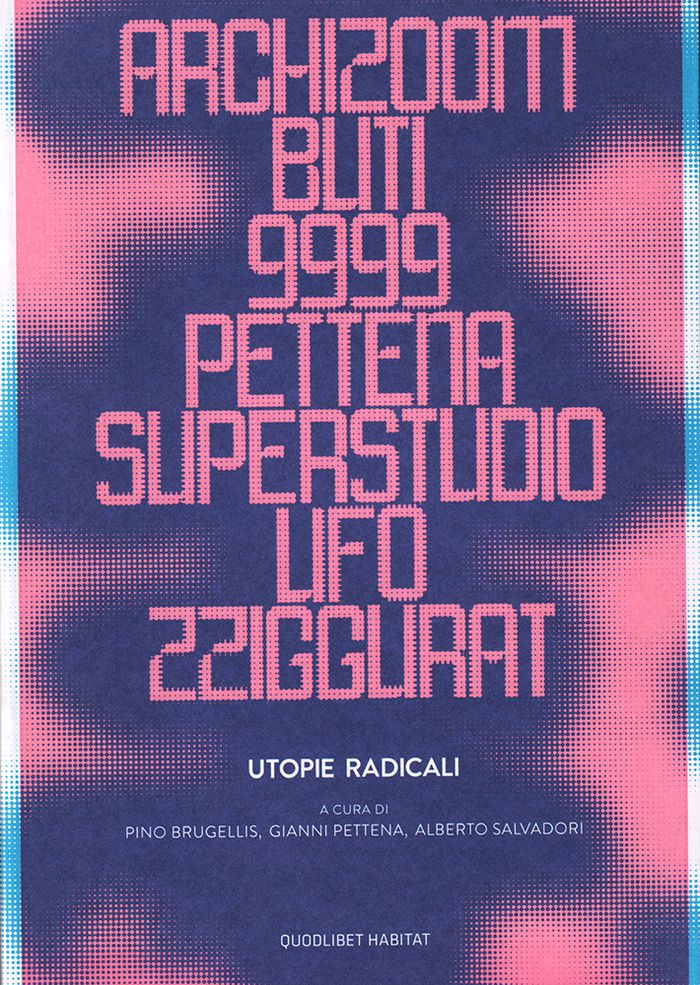
Utopie radicali. Archizoom, remo Buti, 9999, Gianni Pettena, Superstudio, UFO, Zziggurat
Actions:
Price:
$69.95
(available in store)
Summary:
''Utopie Radicali'' è il titolo della mostra che presenta le opere degli architetti radicali fiorentini a più di mezzo secolo di distanza dai loro esordi. Nati in un fecondo momento di crisi, in un periodo segnato, a Firenze, dalla tragica alluvione del 1966, e caratterizzato, in tutta Italia, da forti tensioni politiche e sociali ma anche da un grande rinnovamento artistico e linguistico, i lavori di Archizoom, Remo Buti, 9999, Gianni Pettena, Superstudio, UFO, Zziggurat sono oggi presenti nei principali musei del mondo. Gli scritti, i disegni e i progetti dei sette protagonisti godono infatti tuttora di una capillare diffusione, e hanno influenzato più di una generazione di architetti, storici, designer e artisti in moltissimi paesi. Questo volume offre per la prima volta la possibilità di conoscerne l’opera teorica e visiva, e, grazie a un’accurata ricostruzione del contesto in cui poté svilupparsi, restituisce uno spaccato unico e in larga parte ancora inesplorato di una capitale dell’architettura del secondo Novecento.
Utopie radicali. Archizoom, remo Buti, 9999, Gianni Pettena, Superstudio, UFO, Zziggurat
Actions:
Price:
$69.95
(available in store)
Summary:
''Utopie Radicali'' è il titolo della mostra che presenta le opere degli architetti radicali fiorentini a più di mezzo secolo di distanza dai loro esordi. Nati in un fecondo momento di crisi, in un periodo segnato, a Firenze, dalla tragica alluvione del 1966, e caratterizzato, in tutta Italia, da forti tensioni politiche e sociali ma anche da un grande rinnovamento artistico e linguistico, i lavori di Archizoom, Remo Buti, 9999, Gianni Pettena, Superstudio, UFO, Zziggurat sono oggi presenti nei principali musei del mondo. Gli scritti, i disegni e i progetti dei sette protagonisti godono infatti tuttora di una capillare diffusione, e hanno influenzato più di una generazione di architetti, storici, designer e artisti in moltissimi paesi. Questo volume offre per la prima volta la possibilità di conoscerne l’opera teorica e visiva, e, grazie a un’accurata ricostruzione del contesto in cui poté svilupparsi, restituisce uno spaccato unico e in larga parte ancora inesplorato di una capitale dell’architettura del secondo Novecento.
Form:
books
books
Publication:
November 2017
November 2017
Subject:
Current Exhibitions
Current Exhibitions
Form:
books
books
Price:
$34.00
(available to order)
Summary:
The recent collaboration between Gian Piero Frassinelli – founder of the Florentine collective Superstudio – and 2A+P/A an architectural practice based in Rome – relaunched a long-established, yet generally overlooked, debate on the relationship between architecture and anthropology. Moving away from a historical or scientific perspective to embrace the point of view of(...)
$34.00
(available to order)
Summary:
The recent collaboration between Gian Piero Frassinelli – founder of the Florentine collective Superstudio – and 2A+P/A an architectural practice based in Rome – relaunched a long-established, yet generally overlooked, debate on the relationship between architecture and anthropology. Moving away from a historical or scientific perspective to embrace the point of view of(...)
Title:
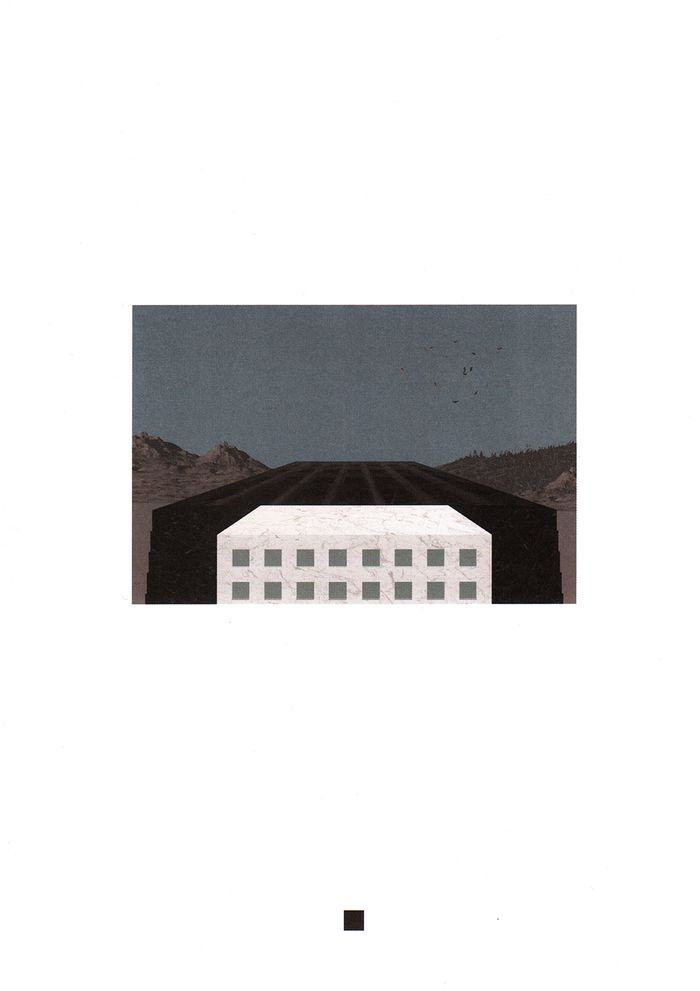
Savage architecture: Gian Piero Frassinelli, Superstudio, 2A + P/A
Actions:
Price:
$34.00
(available to order)
Summary:
The recent collaboration between Gian Piero Frassinelli – founder of the Florentine collective Superstudio – and 2A+P/A an architectural practice based in Rome – relaunched a long-established, yet generally overlooked, debate on the relationship between architecture and anthropology. Moving away from a historical or scientific perspective to embrace the point of view of the project, the exhibition Savage Architecture genealogically reconstructs the ethos of such collaboration in four episodes. The outcome is a journey through the imaginative potential of the anthropological gaze in constructing both meaning and a method for the architectural project as an alternative to the dominant belief in the economic and technological reasons.
Savage architecture: Gian Piero Frassinelli, Superstudio, 2A + P/A
Actions:
Price:
$34.00
(available to order)
Summary:
The recent collaboration between Gian Piero Frassinelli – founder of the Florentine collective Superstudio – and 2A+P/A an architectural practice based in Rome – relaunched a long-established, yet generally overlooked, debate on the relationship between architecture and anthropology. Moving away from a historical or scientific perspective to embrace the point of view of the project, the exhibition Savage Architecture genealogically reconstructs the ethos of such collaboration in four episodes. The outcome is a journey through the imaginative potential of the anthropological gaze in constructing both meaning and a method for the architectural project as an alternative to the dominant belief in the economic and technological reasons.
Form:
books
books
Publication:
October 2016
October 2016
Subject:
Current Exhibitions
Current Exhibitions
Form:
books
books
Title:
Obsolescence des données
Obsolescence des données
Actions:
Price:
$49.95
(available to order)
Summary:
La fin du monde n'a pas eu lieu, la société contemporaine est façonnée par Google, les drones, les téléphones portables, Tinder... Dans ce recueil d'essais et de nouvelles ironiques, Coupland mélange les formes pour mieux dynamiter ce que le vingtième siècle pensait savoir du futur et examiner les façons dont l'humanité compose avec sa conscience. Depuis trente ans, sa(...)
$49.95
(available to order)
Summary:
La fin du monde n'a pas eu lieu, la société contemporaine est façonnée par Google, les drones, les téléphones portables, Tinder... Dans ce recueil d'essais et de nouvelles ironiques, Coupland mélange les formes pour mieux dynamiter ce que le vingtième siècle pensait savoir du futur et examiner les façons dont l'humanité compose avec sa conscience. Depuis trente ans, sa(...)
Title:
Obsolescence des données
Actions:
Price:
$49.95
(available to order)
Summary:
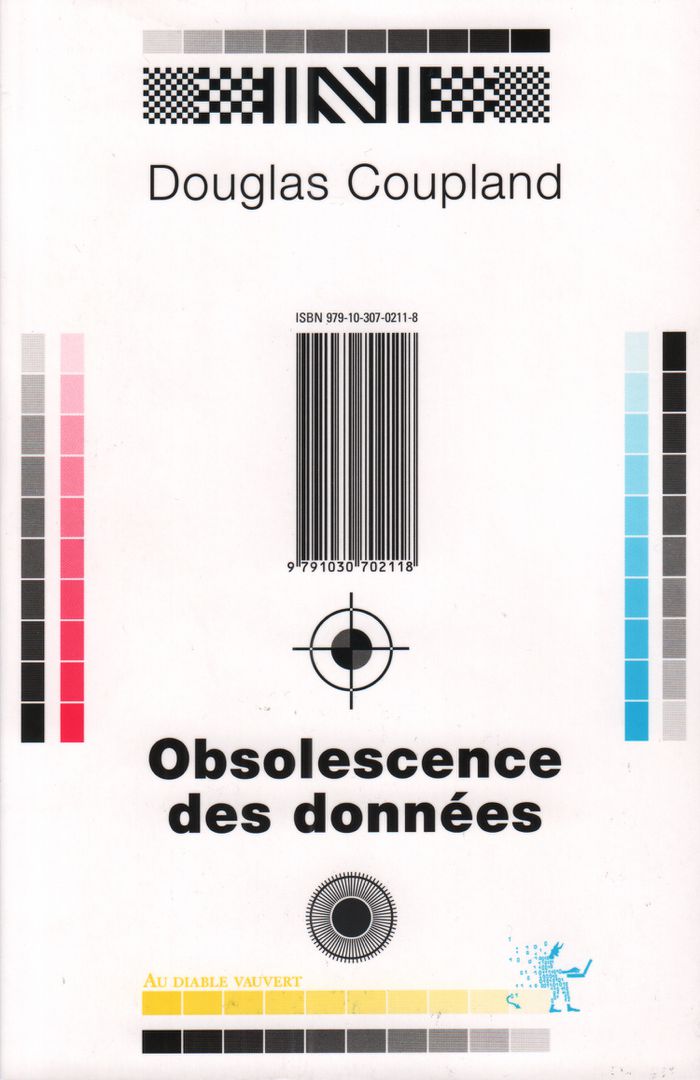
La fin du monde n'a pas eu lieu, la société contemporaine est façonnée par Google, les drones, les téléphones portables, Tinder... Dans ce recueil d'essais et de nouvelles ironiques, Coupland mélange les formes pour mieux dynamiter ce que le vingtième siècle pensait savoir du futur et examiner les façons dont l'humanité compose avec sa conscience. Depuis trente ans, sa façon unique d'observer et comprendre les mécanismes du monde nourrit ses fictions et son écriture. Synthèse de ses observations sur tous les aspects de la vie moderne, chaque page de ce livre joyau de l'âge digital, est pleine d'esprit et de surprises.
Obsolescence des données
Actions:
Price:
$49.95
(available to order)
Summary:
La fin du monde n'a pas eu lieu, la société contemporaine est façonnée par Google, les drones, les téléphones portables, Tinder... Dans ce recueil d'essais et de nouvelles ironiques, Coupland mélange les formes pour mieux dynamiter ce que le vingtième siècle pensait savoir du futur et examiner les façons dont l'humanité compose avec sa conscience. Depuis trente ans, sa façon unique d'observer et comprendre les mécanismes du monde nourrit ses fictions et son écriture. Synthèse de ses observations sur tous les aspects de la vie moderne, chaque page de ce livre joyau de l'âge digital, est pleine d'esprit et de surprises.
Form:
books
books
Publication:
August 2018
August 2018
Subject:
Current Exhibitions
Current Exhibitions
Form:
books
books
Actions:
Price:
$21.95
(available to order)
Summary:
We all know Denmark is the happiest country in the world—but this doesn't make it pe?rfect. Happiness isn't exclusively Danish. Nor is it just eating pastries, lighting candles, and practising hygge. Happiness is something available to all, wherever you are, and whatever your means. Starting from the Happiness Research Institute in Copenhagen, Meik Wiking, probably the(...)
$21.95
(available to order)
Summary:
We all know Denmark is the happiest country in the world—but this doesn't make it pe?rfect. Happiness isn't exclusively Danish. Nor is it just eating pastries, lighting candles, and practising hygge. Happiness is something available to all, wherever you are, and whatever your means. Starting from the Happiness Research Institute in Copenhagen, Meik Wiking, probably the(...)
Title:
The little book of Lykke: the Danish search for the world's happiest people
Actions:
Price:
$21.95
(available to order)
Summary:
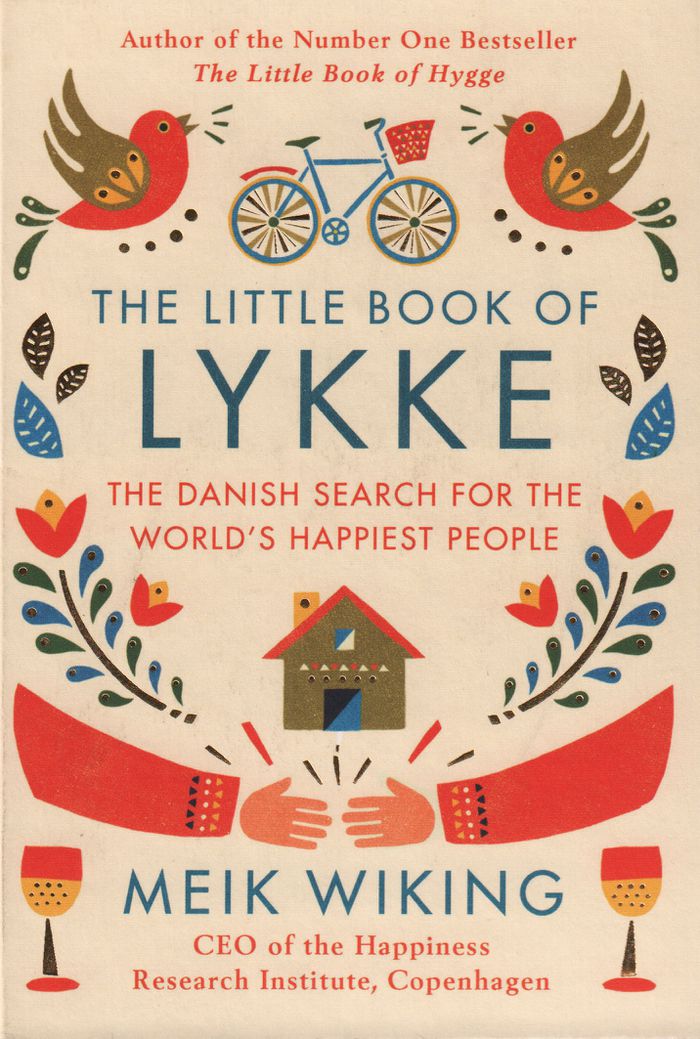
We all know Denmark is the happiest country in the world—but this doesn't make it pe?rfect. Happiness isn't exclusively Danish. Nor is it just eating pastries, lighting candles, and practising hygge. Happiness is something available to all, wherever you are, and whatever your means. Starting from the Happiness Research Institute in Copenhagen, Meik Wiking, probably the happiest man in the world, travels across the globe on a quest to uncover the secrets of the very happiest people from Dubai to Rio de Janeiro, taking back to his native country their tips, tricks, and unique approaches to a fulfilled life. Exploring the happiness gap for parents, how much money you really need to buy happiness, and why—luckily for us—the expectation of kissing Rachel Weiss is better than the real thing, Meik brings together a global roadmap for happiness with his trademark wit. Weaving together original research and personal anecdotes, The Little Book of Lykke gives us a new approach to achieving everyday happiness.
The little book of Lykke: the Danish search for the world's happiest people
Actions:
Price:
$21.95
(available to order)
Summary:
We all know Denmark is the happiest country in the world—but this doesn't make it pe?rfect. Happiness isn't exclusively Danish. Nor is it just eating pastries, lighting candles, and practising hygge. Happiness is something available to all, wherever you are, and whatever your means. Starting from the Happiness Research Institute in Copenhagen, Meik Wiking, probably the happiest man in the world, travels across the globe on a quest to uncover the secrets of the very happiest people from Dubai to Rio de Janeiro, taking back to his native country their tips, tricks, and unique approaches to a fulfilled life. Exploring the happiness gap for parents, how much money you really need to buy happiness, and why—luckily for us—the expectation of kissing Rachel Weiss is better than the real thing, Meik brings together a global roadmap for happiness with his trademark wit. Weaving together original research and personal anecdotes, The Little Book of Lykke gives us a new approach to achieving everyday happiness.
Form:
books
books
Publication:
October 2017
October 2017
Subject:
Current Exhibitions
Current Exhibitions
Form:
books
books
Actions:
Price:
$51.95
(available to order)
Summary:
Magali Larson's comprehensive study explores how architecture "happens" and what has become of the profession in the postmodern era. Drawing from extensive interviews with pivotal architects—from Philip Johnson, who was among the first to introduce European modernism to America, to Peter Eisenman, identified with a new "deconstructionist" style—she analyzes the complex(...)
$51.95
(available to order)
Summary:
Magali Larson's comprehensive study explores how architecture "happens" and what has become of the profession in the postmodern era. Drawing from extensive interviews with pivotal architects—from Philip Johnson, who was among the first to introduce European modernism to America, to Peter Eisenman, identified with a new "deconstructionist" style—she analyzes the complex(...)
Title:
Behind the postmodern facade: architectural change in late twentieth-century America
Actions:
Price:
$51.95
(available to order)
Summary:
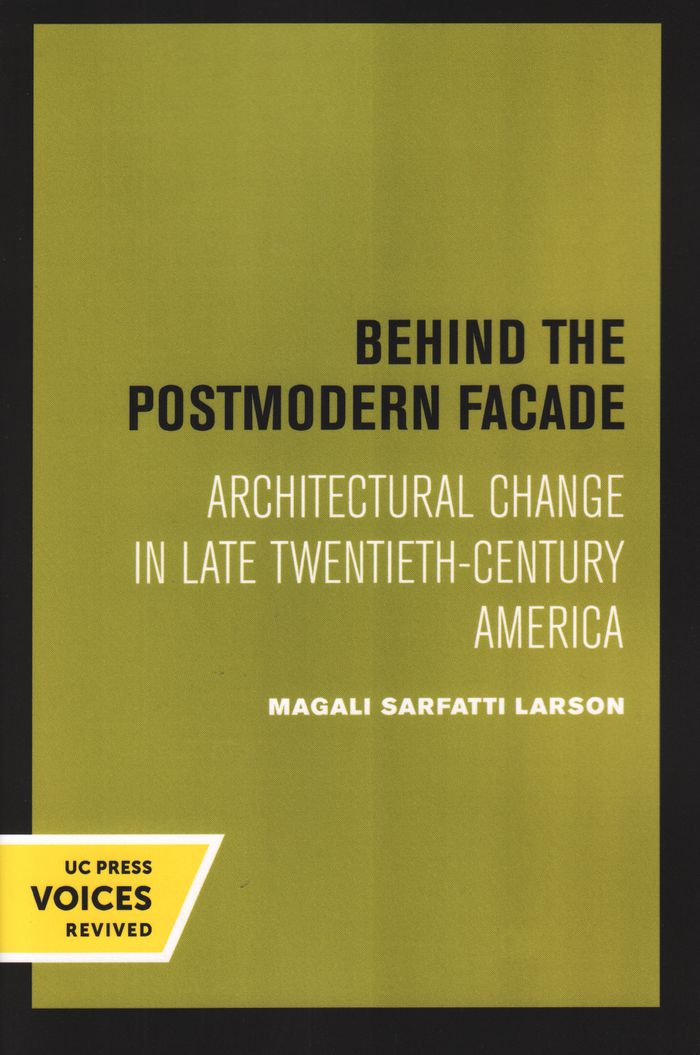
Magali Larson's comprehensive study explores how architecture "happens" and what has become of the profession in the postmodern era. Drawing from extensive interviews with pivotal architects—from Philip Johnson, who was among the first to introduce European modernism to America, to Peter Eisenman, identified with a new "deconstructionist" style—she analyzes the complex tensions that exist between economic interest, professional status, and architectural product. She investigates the symbolic awards and recognition accorded by prestigious journals and panels, exposing the inner workings of a profession in a precarious social position. Larson captures the struggles around status, place, and power as architects seek to redefine their very purpose in contemporary America.
Behind the postmodern facade: architectural change in late twentieth-century America
Actions:
Price:
$51.95
(available to order)
Summary:
Magali Larson's comprehensive study explores how architecture "happens" and what has become of the profession in the postmodern era. Drawing from extensive interviews with pivotal architects—from Philip Johnson, who was among the first to introduce European modernism to America, to Peter Eisenman, identified with a new "deconstructionist" style—she analyzes the complex tensions that exist between economic interest, professional status, and architectural product. She investigates the symbolic awards and recognition accorded by prestigious journals and panels, exposing the inner workings of a profession in a precarious social position. Larson captures the struggles around status, place, and power as architects seek to redefine their very purpose in contemporary America.
Form:
books
books
Publication:
August 2018
August 2018
Subject:
Current Exhibitions
Current Exhibitions
Form:
books
books
Actions:
Price:
$49.95
(available to order)
Summary:
Made in URSS : Design et Graphisme 1950-1989'' révèle une vision fascinante, pleine de charme et peu connue de la vie quotidienne en Union soviétique à travers la reproduction de 350 objets et documents. Tous sont issus de la collection unique du Musée du design de Moscou qui oeuvre pour la préservation de l'héritage du design russe. Des jouets aux articles de maison et(...)
$49.95
(available to order)
Summary:
Made in URSS : Design et Graphisme 1950-1989'' révèle une vision fascinante, pleine de charme et peu connue de la vie quotidienne en Union soviétique à travers la reproduction de 350 objets et documents. Tous sont issus de la collection unique du Musée du design de Moscou qui oeuvre pour la préservation de l'héritage du design russe. Des jouets aux articles de maison et(...)
Title:
Made in URSS : design et graphisme 1950 - 1989
Actions:
Price:
$49.95
(available to order)
Summary:
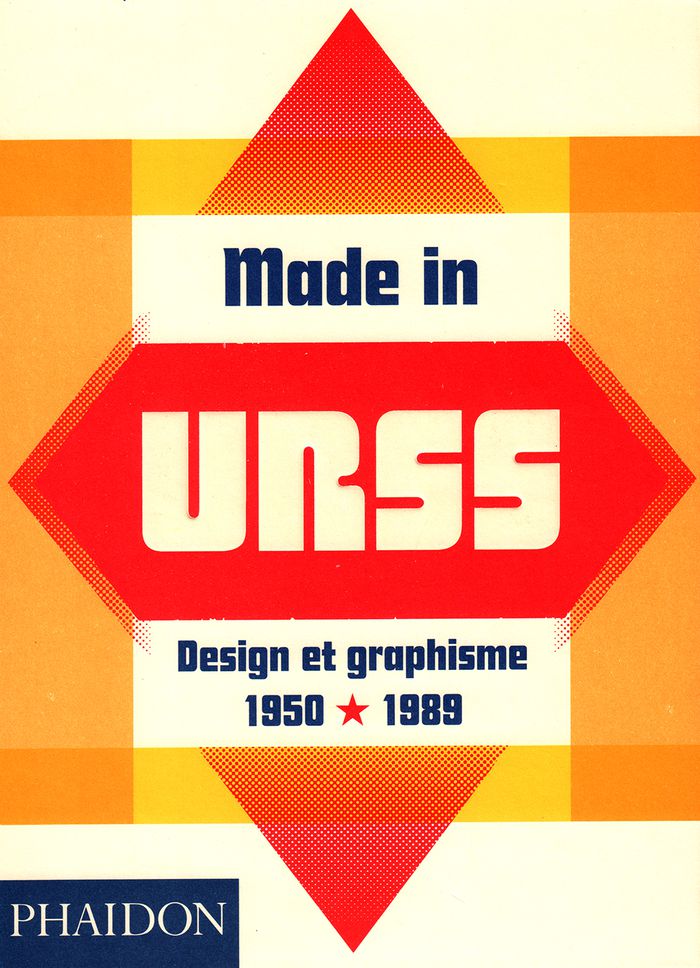
Made in URSS : Design et Graphisme 1950-1989'' révèle une vision fascinante, pleine de charme et peu connue de la vie quotidienne en Union soviétique à travers la reproduction de 350 objets et documents. Tous sont issus de la collection unique du Musée du design de Moscou qui oeuvre pour la préservation de l'héritage du design russe. Des jouets aux articles de maison et de mode aux affiches de films en passant par l'électronique et les produits vantant la course à l'espace, chaque objet témoigne du quotidien sous le régime communiste.
Made in URSS : design et graphisme 1950 - 1989
Actions:
Price:
$49.95
(available to order)
Summary:
Made in URSS : Design et Graphisme 1950-1989'' révèle une vision fascinante, pleine de charme et peu connue de la vie quotidienne en Union soviétique à travers la reproduction de 350 objets et documents. Tous sont issus de la collection unique du Musée du design de Moscou qui oeuvre pour la préservation de l'héritage du design russe. Des jouets aux articles de maison et de mode aux affiches de films en passant par l'électronique et les produits vantant la course à l'espace, chaque objet témoigne du quotidien sous le régime communiste.
Form:
books
books
Publication:
October 2018
October 2018
Subject:
Current Exhibitions
Current Exhibitions
Form:
books
books
Actions:
Price:
$13.50
(available to order)
Summary:
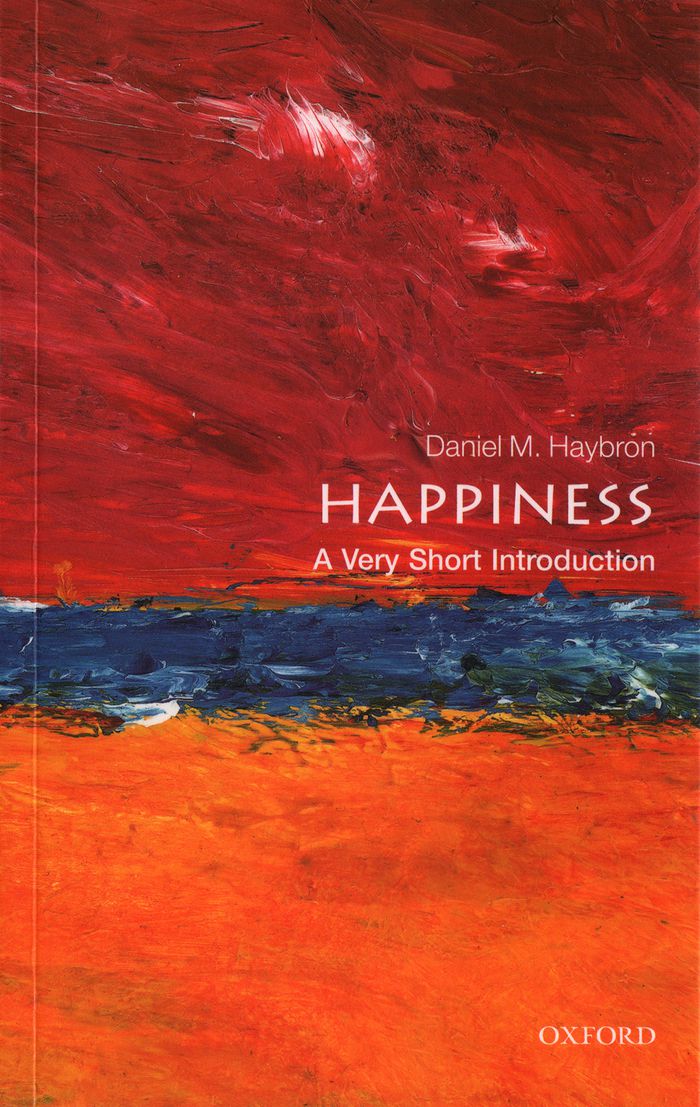
Happiness is an everyday term in our lives, and most of us strive to be happy. But defining happiness can be difficult. In this "Very Short Introduction", Dan Haybron considers the true nature of happiness. By examining what it is, assessing its subjective values, its importance in our lives, and how we can (and should) pursue it, he considers the current thinking on(...)
$13.50
(available to order)
Summary:
Happiness is an everyday term in our lives, and most of us strive to be happy. But defining happiness can be difficult. In this "Very Short Introduction", Dan Haybron considers the true nature of happiness. By examining what it is, assessing its subjective values, its importance in our lives, and how we can (and should) pursue it, he considers the current thinking on(...)
Title:
Happiness: a very short introduction
Actions:
Price:
$13.50
(available to order)
Summary:
Happiness is an everyday term in our lives, and most of us strive to be happy. But defining happiness can be difficult. In this "Very Short Introduction", Dan Haybron considers the true nature of happiness. By examining what it is, assessing its subjective values, its importance in our lives, and how we can (and should) pursue it, he considers the current thinking on happiness, from psychology to philosophy. Illustrating the diverse routes to happiness, Haybron reflects on the growing influence of secular Western ideas in the contemporary pursuit of a good life, and considers the influence of social context on our satisfaction and well-being.
Happiness: a very short introduction
Actions:
Price:
$13.50
(available to order)
Summary:
Happiness is an everyday term in our lives, and most of us strive to be happy. But defining happiness can be difficult. In this "Very Short Introduction", Dan Haybron considers the true nature of happiness. By examining what it is, assessing its subjective values, its importance in our lives, and how we can (and should) pursue it, he considers the current thinking on happiness, from psychology to philosophy. Illustrating the diverse routes to happiness, Haybron reflects on the growing influence of secular Western ideas in the contemporary pursuit of a good life, and considers the influence of social context on our satisfaction and well-being.
Form:
books
books
Publication:
October 2013
October 2013
Subject:
Current Exhibitions
Current Exhibitions
Form:
books
books
Actions:
Price:
$21.00
(available to order)
Summary:
Never in the history of the human race have so many had so much to do in so little time. That, anyway, is the impression most of us have of civilized life at the end of the millennium, and Faster: The Acceleration of Just About Everything only sharpens it. Elegantly composed and insightfully researched, Faster delivers a brisk volley of observations on how microchips,(...)
$21.00
(available to order)
Summary:
Never in the history of the human race have so many had so much to do in so little time. That, anyway, is the impression most of us have of civilized life at the end of the millennium, and Faster: The Acceleration of Just About Everything only sharpens it. Elegantly composed and insightfully researched, Faster delivers a brisk volley of observations on how microchips,(...)
Title:
Faster: the acceleration of just about everything
Actions:
Price:
$21.00
(available to order)
Summary:
Never in the history of the human race have so many had so much to do in so little time. That, anyway, is the impression most of us have of civilized life at the end of the millennium, and Faster: The Acceleration of Just About Everything only sharpens it. Elegantly composed and insightfully researched, Faster delivers a brisk volley of observations on how microchips, media, and economics, among other things, have accelerated the pace of everyday experience over the course of the manic 20th century.
Faster: the acceleration of just about everything
Actions:
Price:
$21.00
(available to order)
Summary:
Never in the history of the human race have so many had so much to do in so little time. That, anyway, is the impression most of us have of civilized life at the end of the millennium, and Faster: The Acceleration of Just About Everything only sharpens it. Elegantly composed and insightfully researched, Faster delivers a brisk volley of observations on how microchips, media, and economics, among other things, have accelerated the pace of everyday experience over the course of the manic 20th century.
Form:
books
books
Publication:
September 2000
September 2000
Subject:
Current Exhibitions
Current Exhibitions


