


1365 Results
Form:
books
books
Actions:
Price:
$20.00
(available in store)
Summary:
Ce sont les nouveaux grands seigneurs de notre temps. Les GAFAM (Google, Apple, Facebook, Amazon, Microsoft) et autres plateformes (Airbnb, Uber et Netflix) règnent sans partage sur un empire numérique qui transcende les frontières nationales, au mépris de la souveraineté des États et de leurs législations. Épidémie de fausses nouvelles, polarisation des débats, contrôle(...)
$20.00
(available in store)
Summary:
Ce sont les nouveaux grands seigneurs de notre temps. Les GAFAM (Google, Apple, Facebook, Amazon, Microsoft) et autres plateformes (Airbnb, Uber et Netflix) règnent sans partage sur un empire numérique qui transcende les frontières nationales, au mépris de la souveraineté des États et de leurs législations. Épidémie de fausses nouvelles, polarisation des débats, contrôle(...)
Publication:
April 2022
April 2022
Title:
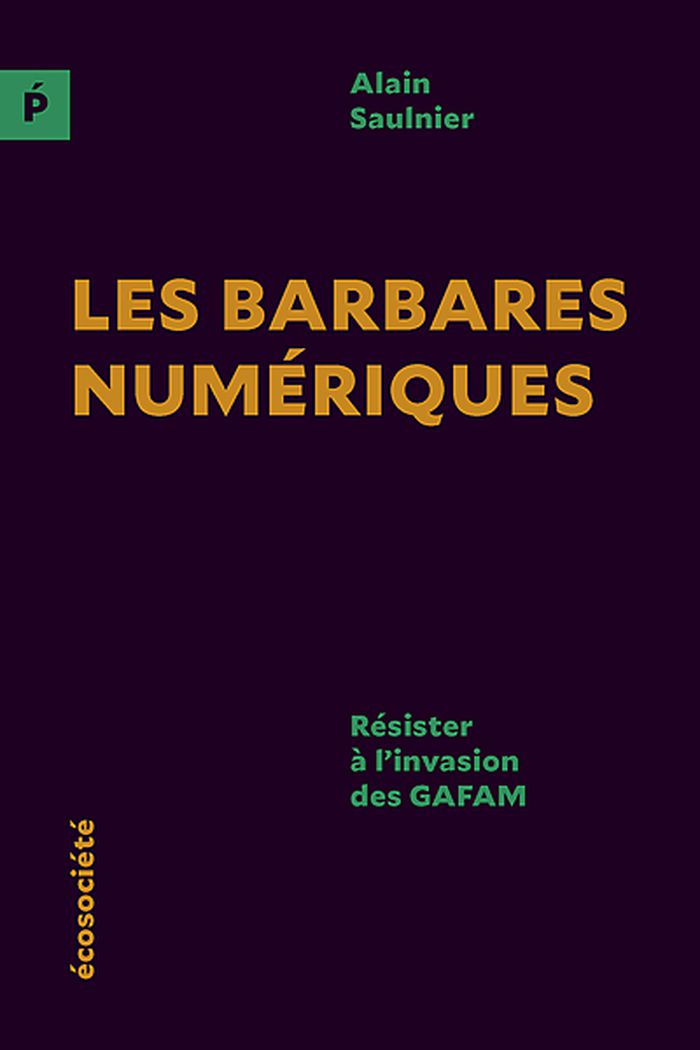
Les barbares numériques : Résister à l'invasion des GAFAM
Actions:
Price:
$20.00
(available in store)
Summary:
Ce sont les nouveaux grands seigneurs de notre temps. Les GAFAM (Google, Apple, Facebook, Amazon, Microsoft) et autres plateformes (Airbnb, Uber et Netflix) règnent sans partage sur un empire numérique qui transcende les frontières nationales, au mépris de la souveraineté des États et de leurs législations. Épidémie de fausses nouvelles, polarisation des débats, contrôle des données personnelles, surconsommation énergétique et pollution atmosphérique… Ces barbares numériques représentent une véritable menace pour la démocratie. Devant la passivité de nos gouvernements, à Québec comme à Ottawa, Alain Saulnier lance un appel à la résistance. Pour l’ancien directeur de l’information de Radio-Canada, il est urgent d’établir l’équité fiscale, de protéger les droits d’auteur et de moderniser tout l’écosystème numérique. Il en va de la survie de nos médias, de notre langue et de notre culture françaises en Amérique du Nord.
Les barbares numériques : Résister à l'invasion des GAFAM
Actions:
Price:
$20.00
(available in store)
Summary:
Ce sont les nouveaux grands seigneurs de notre temps. Les GAFAM (Google, Apple, Facebook, Amazon, Microsoft) et autres plateformes (Airbnb, Uber et Netflix) règnent sans partage sur un empire numérique qui transcende les frontières nationales, au mépris de la souveraineté des États et de leurs législations. Épidémie de fausses nouvelles, polarisation des débats, contrôle des données personnelles, surconsommation énergétique et pollution atmosphérique… Ces barbares numériques représentent une véritable menace pour la démocratie. Devant la passivité de nos gouvernements, à Québec comme à Ottawa, Alain Saulnier lance un appel à la résistance. Pour l’ancien directeur de l’information de Radio-Canada, il est urgent d’établir l’équité fiscale, de protéger les droits d’auteur et de moderniser tout l’écosystème numérique. Il en va de la survie de nos médias, de notre langue et de notre culture françaises en Amérique du Nord.
Form:
books
books
Publication:
April 2022
April 2022
Form:
books
books
Actions:
Price:
$128.95
(available to order)
Summary:
If participation has been an ideal in politics since ancient democracy, in art it became central only with the avant-gardes emerging from WWI and the Russian Revolution. Politics and aesthetics are still catching up with each other. In the 21st Century, since the revolutionary unrest of the 1960s, participation in art and architecture has lost its utopian glow and become(...)
$128.95
(available to order)
Summary:
If participation has been an ideal in politics since ancient democracy, in art it became central only with the avant-gardes emerging from WWI and the Russian Revolution. Politics and aesthetics are still catching up with each other. In the 21st Century, since the revolutionary unrest of the 1960s, participation in art and architecture has lost its utopian glow and become(...)
Title:
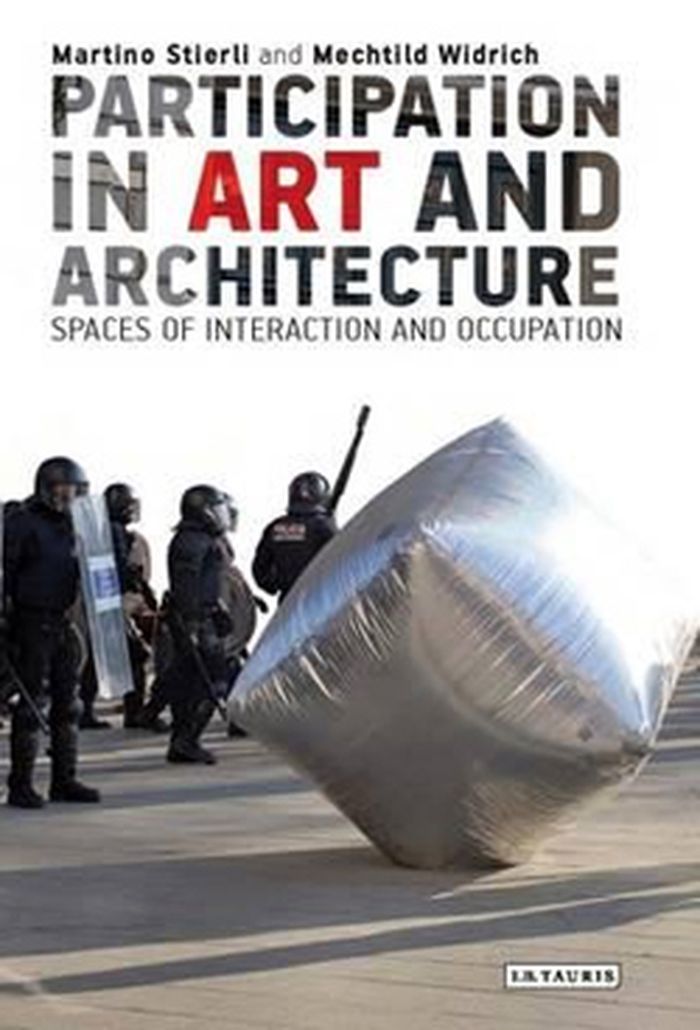
Participation in art and architecture: spaces of interaction and occupation
Actions:
Price:
$128.95
(available to order)
Summary:
If participation has been an ideal in politics since ancient democracy, in art it became central only with the avant-gardes emerging from WWI and the Russian Revolution. Politics and aesthetics are still catching up with each other. In the 21st Century, since the revolutionary unrest of the 1960s, participation in art and architecture has lost its utopian glow and become the focus of a fierce debate: does ‘participatory’ art and architecture shape social reality, or is it shaped by it?Contemporary critics see in participation only technocratic control, while others embrace it as a viable politics in an era of global capitalism. This volume breaks the impasse by looking at how participants themselves exert power, rather than being victimized or liberated from it. From artists hijacking Google Earth to protesters setting up a museum of the revolution in Cairo, art, architecture, and daily life are explored in their participatory dimension.
Participation in art and architecture: spaces of interaction and occupation
Actions:
Price:
$128.95
(available to order)
Summary:
If participation has been an ideal in politics since ancient democracy, in art it became central only with the avant-gardes emerging from WWI and the Russian Revolution. Politics and aesthetics are still catching up with each other. In the 21st Century, since the revolutionary unrest of the 1960s, participation in art and architecture has lost its utopian glow and become the focus of a fierce debate: does ‘participatory’ art and architecture shape social reality, or is it shaped by it?Contemporary critics see in participation only technocratic control, while others embrace it as a viable politics in an era of global capitalism. This volume breaks the impasse by looking at how participants themselves exert power, rather than being victimized or liberated from it. From artists hijacking Google Earth to protesters setting up a museum of the revolution in Cairo, art, architecture, and daily life are explored in their participatory dimension.
Form:
books
books
Publication:
October 2015
October 2015
Subject:
Architectural Theory
Architectural Theory
Form:
books
books

Title:
Drawings on text
Drawings on text
Actions:
Price:
$17.00
(available to order)
Summary:
As we spend our days increasingly glued to our computers and handheld devices, rapidly tapping keywords into Google, cutting and pasting Word docs and texting urgently truncated messages, it is becoming increasingly rare to pen anything by hand. No wonder hand-written fonts are all the rage in the world of graphic design. Writing, like drawing, has become an endangered(...)
$17.00
(available to order)
Summary:
As we spend our days increasingly glued to our computers and handheld devices, rapidly tapping keywords into Google, cutting and pasting Word docs and texting urgently truncated messages, it is becoming increasingly rare to pen anything by hand. No wonder hand-written fonts are all the rage in the world of graphic design. Writing, like drawing, has become an endangered(...)
Title:
Drawings on text
Actions:
Price:
$17.00
(available to order)
Summary:
As we spend our days increasingly glued to our computers and handheld devices, rapidly tapping keywords into Google, cutting and pasting Word docs and texting urgently truncated messages, it is becoming increasingly rare to pen anything by hand. No wonder hand-written fonts are all the rage in the world of graphic design. Writing, like drawing, has become an endangered act. Drawings on Text--which explores the idea that when a hand-written note is illegible, it becomes a drawing--is the third book in this series, edited by Dutch artist Serge Onnen. The handwritten can take many forms, from an illegibly scrawled letter to initials carved into a tree with a knife. A catholic selection of the hand-written-as-drawing is included in this innovative volume, which was first published in Zing magazine. Included are pieces by John Cage, Napoleon Bonaparte, Olav Westphalen, Roland Barthes, Gustave Flaubert and Victor Hugo, among others.
Drawings on text
Actions:
Price:
$17.00
(available to order)
Summary:
As we spend our days increasingly glued to our computers and handheld devices, rapidly tapping keywords into Google, cutting and pasting Word docs and texting urgently truncated messages, it is becoming increasingly rare to pen anything by hand. No wonder hand-written fonts are all the rage in the world of graphic design. Writing, like drawing, has become an endangered act. Drawings on Text--which explores the idea that when a hand-written note is illegible, it becomes a drawing--is the third book in this series, edited by Dutch artist Serge Onnen. The handwritten can take many forms, from an illegibly scrawled letter to initials carved into a tree with a knife. A catholic selection of the hand-written-as-drawing is included in this innovative volume, which was first published in Zing magazine. Included are pieces by John Cage, Napoleon Bonaparte, Olav Westphalen, Roland Barthes, Gustave Flaubert and Victor Hugo, among others.
Form:
books
books
Publication:
April 2008, Atlanta
April 2008, Atlanta
Subject:
Group Exhibitions
Group Exhibitions
Form:
books
books

Title:
Neubauwelt
Neubauwelt
Actions:
Price:
$80.00
(available to order)
Summary:
My house, my pool, my horse, my Learjet, my Mercedes, my wife, my toys, my trees, my garden, my cockroach. Now it's really all yours. Neubau Welt is an extensive encyclopedia of well over a thousand pictograms of everyday objects and obsessions large and small. They were created by designer Stefan Gandl, whose book dsos1 was also published by dgv and has since become a(...)
$80.00
(available to order)
Summary:
My house, my pool, my horse, my Learjet, my Mercedes, my wife, my toys, my trees, my garden, my cockroach. Now it's really all yours. Neubau Welt is an extensive encyclopedia of well over a thousand pictograms of everyday objects and obsessions large and small. They were created by designer Stefan Gandl, whose book dsos1 was also published by dgv and has since become a(...)
Publication:
October 2007, Berlin
October 2007, Berlin
Title:
Neubauwelt
Actions:
Price:
$80.00
(available to order)
Summary:
My house, my pool, my horse, my Learjet, my Mercedes, my wife, my toys, my trees, my garden, my cockroach. Now it's really all yours. Neubau Welt is an extensive encyclopedia of well over a thousand pictograms of everyday objects and obsessions large and small. They were created by designer Stefan Gandl, whose book dsos1 was also published by dgv and has since become a collectors’ item. All of the objects shown in the book can also be found as Adobe Illustrator files on an included CD. For the price of the book, readers also buy the right to use the exclusive graphics and Neubau typefaces in their own work. Reminiscent of a digital Letraset, Neubau Welt contains everything any designer could possibly need but couldn't find on Google. Unlike ClipArt, the smorgasbord of objects can be enlarged indefinitely. This also makes them extremely useful for architects and other creatives, who can integrate them into their presentations and visual models.
Neubauwelt
Actions:
Price:
$80.00
(available to order)
Summary:
My house, my pool, my horse, my Learjet, my Mercedes, my wife, my toys, my trees, my garden, my cockroach. Now it's really all yours. Neubau Welt is an extensive encyclopedia of well over a thousand pictograms of everyday objects and obsessions large and small. They were created by designer Stefan Gandl, whose book dsos1 was also published by dgv and has since become a collectors’ item. All of the objects shown in the book can also be found as Adobe Illustrator files on an included CD. For the price of the book, readers also buy the right to use the exclusive graphics and Neubau typefaces in their own work. Reminiscent of a digital Letraset, Neubau Welt contains everything any designer could possibly need but couldn't find on Google. Unlike ClipArt, the smorgasbord of objects can be enlarged indefinitely. This also makes them extremely useful for architects and other creatives, who can integrate them into their presentations and visual models.
Form:
books
books
Publication:
October 2007, Berlin
October 2007, Berlin
Form:
books
books

Actions:
Price:
$150.00
(available in store)
Summary:
Spanning from 3,500 BCE to the present, and organized along a global timeline, this unique guide was written by experts in their fields who emphasize the connections, contrasts, and influences of architectural movements throughout history and around the world. Fully updated and revised to reflect current scholarship, this third edition features expanded chapter(...)
$150.00
(available in store)
Summary:
Spanning from 3,500 BCE to the present, and organized along a global timeline, this unique guide was written by experts in their fields who emphasize the connections, contrasts, and influences of architectural movements throughout history and around the world. Fully updated and revised to reflect current scholarship, this third edition features expanded chapter(...)
Publication:
April 2017
April 2017
Title:
A global history of architecture, third edition
Actions:
Price:
$150.00
(available in store)
Summary:
Spanning from 3,500 BCE to the present, and organized along a global timeline, this unique guide was written by experts in their fields who emphasize the connections, contrasts, and influences of architectural movements throughout history and around the world. Fully updated and revised to reflect current scholarship, this third edition features expanded chapter introductions that set the stage for a global view, as well as: an expanded section on contemporary global architecture, more coverage of non-Western cultures, particularly South Asia, South East Asia Pre-Columbian America, and Africa. New drawings and maps by the iconic Francis D.K. Ching, as well as more stunning photographs. An updated companion website with digital learning tools and Google Earth mapping service coordinates that make it easier to find sites. Art and architecture enthusiasts, and anyone interested in architectural history, will have 5,000 years of the built environment perpetually at their fingertips with "A global history of architecture, third edition".
A global history of architecture, third edition
Actions:
Price:
$150.00
(available in store)
Summary:
Spanning from 3,500 BCE to the present, and organized along a global timeline, this unique guide was written by experts in their fields who emphasize the connections, contrasts, and influences of architectural movements throughout history and around the world. Fully updated and revised to reflect current scholarship, this third edition features expanded chapter introductions that set the stage for a global view, as well as: an expanded section on contemporary global architecture, more coverage of non-Western cultures, particularly South Asia, South East Asia Pre-Columbian America, and Africa. New drawings and maps by the iconic Francis D.K. Ching, as well as more stunning photographs. An updated companion website with digital learning tools and Google Earth mapping service coordinates that make it easier to find sites. Art and architecture enthusiasts, and anyone interested in architectural history, will have 5,000 years of the built environment perpetually at their fingertips with "A global history of architecture, third edition".
Form:
books
books
Publication:
April 2017
April 2017
Form:
books
books
Actions:
Price:
$35.00
(available to order)
Summary:
In "From Counterculture to Cyberculture", Fred Turner details the previously untold story of a highly influential group of San Francisco Bay Area entrepreneurs: Stewart Brand and the Whole Earth network. Between 1968 and 1998, via such familiar venues as the National Book Award - winning "Whole Earth Catalog", the computer-conferencing system known as WELL, and,(...)
$35.00
(available to order)
Summary:
In "From Counterculture to Cyberculture", Fred Turner details the previously untold story of a highly influential group of San Francisco Bay Area entrepreneurs: Stewart Brand and the Whole Earth network. Between 1968 and 1998, via such familiar venues as the National Book Award - winning "Whole Earth Catalog", the computer-conferencing system known as WELL, and,(...)
Title:
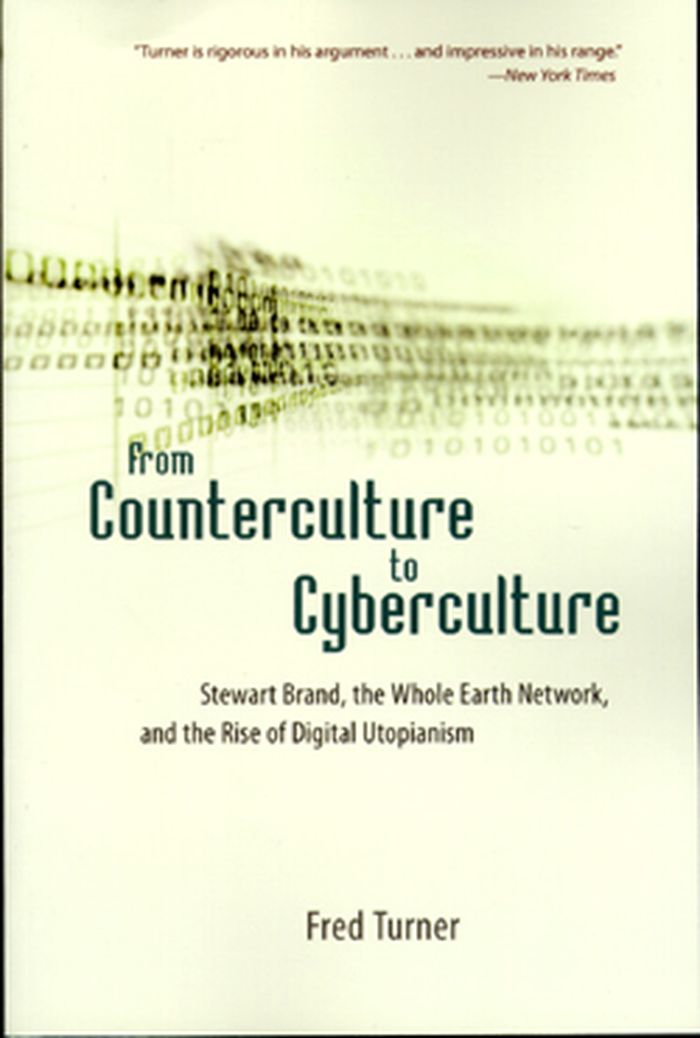
From counterculture to cyberculture
Actions:
Price:
$35.00
(available to order)
Summary:
In "From Counterculture to Cyberculture", Fred Turner details the previously untold story of a highly influential group of San Francisco Bay Area entrepreneurs: Stewart Brand and the Whole Earth network. Between 1968 and 1998, via such familiar venues as the National Book Award - winning "Whole Earth Catalog", the computer-conferencing system known as WELL, and, ultimately, the launch of the wildly successful Wired magazine, Brand and his colleagues brokered a long-running collaboration between San Francisco flower power and the emerging technological hub of Silicon Valley. Thanks to their vision, counterculturalists and technologists alike joined together to reimagine computers as tools for personal liberation, the building of virtual and decidedly alternative communities, and the exploration of bold new social frontiers.While tracing the extraordinary transformation of how our networked culture came to be, Turner's fascinating book reminds us that the distance between the Grateful Dead and Google, between Ken Kesey and the computer itself, is not as great as we might think.
From counterculture to cyberculture
Actions:
Price:
$35.00
(available to order)
Summary:
In "From Counterculture to Cyberculture", Fred Turner details the previously untold story of a highly influential group of San Francisco Bay Area entrepreneurs: Stewart Brand and the Whole Earth network. Between 1968 and 1998, via such familiar venues as the National Book Award - winning "Whole Earth Catalog", the computer-conferencing system known as WELL, and, ultimately, the launch of the wildly successful Wired magazine, Brand and his colleagues brokered a long-running collaboration between San Francisco flower power and the emerging technological hub of Silicon Valley. Thanks to their vision, counterculturalists and technologists alike joined together to reimagine computers as tools for personal liberation, the building of virtual and decidedly alternative communities, and the exploration of bold new social frontiers.While tracing the extraordinary transformation of how our networked culture came to be, Turner's fascinating book reminds us that the distance between the Grateful Dead and Google, between Ken Kesey and the computer itself, is not as great as we might think.
Form:
books
books
Publication:
April 2008, Chicago
April 2008, Chicago
Subject:
Epistemology
Epistemology
Form:
books
books
Actions:
Price:
$55.95
(available in store)
Summary:
If participation has been an ideal in politics since ancient democracy, in art it became central only with the avant-gardes emerging from WWI and the Russian Revolution. Politics and aesthetics are still catching up with each other. In the 21st century, since the revolutionary unrest of the 1960s, participation in art and architecture has lost its utopian glow and become(...)
$55.95
(available in store)
Summary:
If participation has been an ideal in politics since ancient democracy, in art it became central only with the avant-gardes emerging from WWI and the Russian Revolution. Politics and aesthetics are still catching up with each other. In the 21st century, since the revolutionary unrest of the 1960s, participation in art and architecture has lost its utopian glow and become(...)
Title:
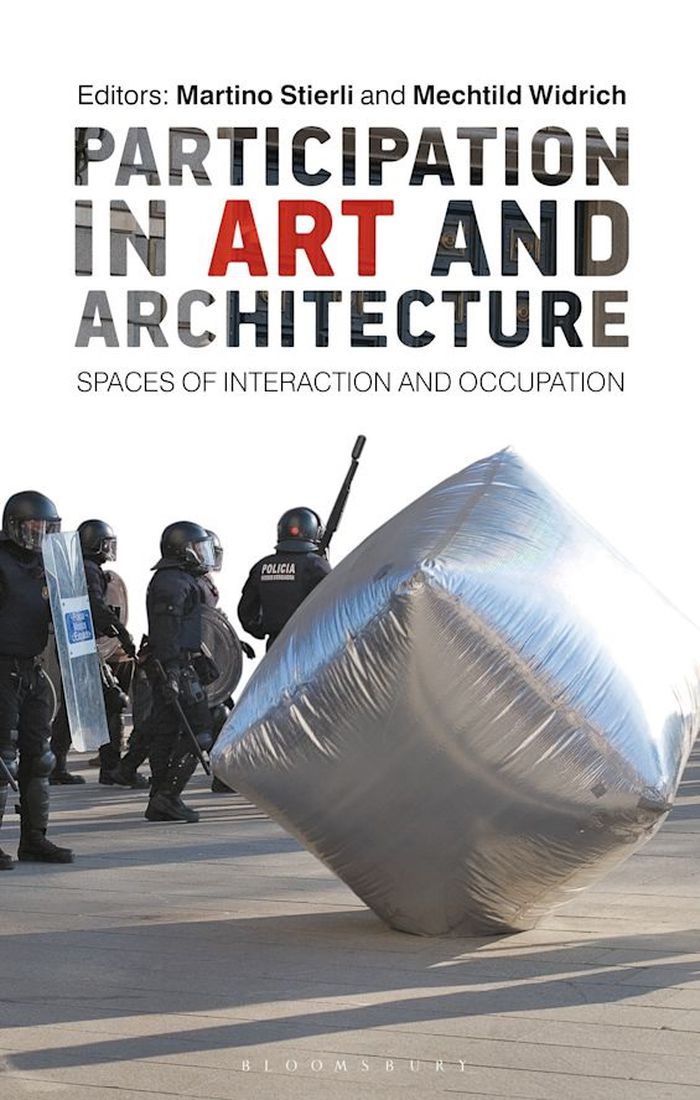
Participation in art and architecture: Spaces of interaction and occupation
Actions:
Price:
$55.95
(available in store)
Summary:
If participation has been an ideal in politics since ancient democracy, in art it became central only with the avant-gardes emerging from WWI and the Russian Revolution. Politics and aesthetics are still catching up with each other. In the 21st century, since the revolutionary unrest of the 1960s, participation in art and architecture has lost its utopian glow and become the focus of a fierce debate: does 'participatory' art and architecture shape social reality, or is it shaped by it? Contemporary critics see in participation only technocratic control, while others embrace it as a viable politics in an era of global capitalism. This innovative book breaks the impasse by looking at how participants themselves exert power, rather than being victimized or liberated from it. From artists hijacking Google Earth to protesters setting up a museum of the revolution in Cairo, art, architecture and daily life are explored in their participatory dimension.
Participation in art and architecture: Spaces of interaction and occupation
Actions:
Price:
$55.95
(available in store)
Summary:
If participation has been an ideal in politics since ancient democracy, in art it became central only with the avant-gardes emerging from WWI and the Russian Revolution. Politics and aesthetics are still catching up with each other. In the 21st century, since the revolutionary unrest of the 1960s, participation in art and architecture has lost its utopian glow and become the focus of a fierce debate: does 'participatory' art and architecture shape social reality, or is it shaped by it? Contemporary critics see in participation only technocratic control, while others embrace it as a viable politics in an era of global capitalism. This innovative book breaks the impasse by looking at how participants themselves exert power, rather than being victimized or liberated from it. From artists hijacking Google Earth to protesters setting up a museum of the revolution in Cairo, art, architecture and daily life are explored in their participatory dimension.
Form:
books
books
Publication:
July 2022
July 2022
Form:
journals and magazines
journals and magazines
Title:
Hispanófila.
Hispanófila.
Actions:
Author:
Subject:
Publication:
Chapel Hill, N.C. : University of North Carolina, Dept. of Romance Languages
Chapel Hill, N.C. : University of North Carolina, Dept. of Romance Languages
Form:
journals and magazines
journals and magazines
Publication:
Chapel Hill, N.C. : University of North Carolina, Dept. of Romance Languages
Chapel Hill, N.C. : University of North Carolina, Dept. of Romance Languages
Author:
Subject:
Form:
books
books
Actions:
Holdings:
Description:
xxi, 333 pages : illustrations ; 29 cm.
Description:
xxi, 333 pages : illustrations ; 29 cm.
Author:
Subject:
Publication:
College Station [Tex.] : Texas A & M University Press, ©1986.
College Station [Tex.] : Texas A & M University Press, ©1986.
Title:
Building the Lone Star : an illustrated guide to historic sites / by T. Lindsay Baker.
Actions:
Holdings:
Description:
xxi, 333 pages : illustrations ; 29 cm.
Building the Lone Star : an illustrated guide to historic sites / by T. Lindsay Baker.
Actions:
Holdings:
Description:
xxi, 333 pages : illustrations ; 29 cm.
Form:
books
books
Publication:
College Station [Tex.] : Texas A & M University Press, ©1986.
College Station [Tex.] : Texas A & M University Press, ©1986.
Author:
Subject:
Form:
books
books

Title:
Koh-i-noor
Koh-i-noor
Actions:
Price:
$24.95
(available in store)
Summary:
It’s 2011 on Nova Scotia’s South Shore, and Sean Lohan is at a crossroads. The son of Colorado Buddhists, Sean wonders if he should accept his parents’ offer to join their natural cosmetics company or venture out on his own. When an art history professor opens Sean’s eyes to the contradictions of capitalism, he realizes he can’t avoid or transcend his own personal(...)
$24.95
(available in store)
Summary:
It’s 2011 on Nova Scotia’s South Shore, and Sean Lohan is at a crossroads. The son of Colorado Buddhists, Sean wonders if he should accept his parents’ offer to join their natural cosmetics company or venture out on his own. When an art history professor opens Sean’s eyes to the contradictions of capitalism, he realizes he can’t avoid or transcend his own personal(...)
Title:
Koh-i-noor
Actions:
Price:
$24.95
(available in store)
Summary:
It’s 2011 on Nova Scotia’s South Shore, and Sean Lohan is at a crossroads. The son of Colorado Buddhists, Sean wonders if he should accept his parents’ offer to join their natural cosmetics company or venture out on his own. When an art history professor opens Sean’s eyes to the contradictions of capitalism, he realizes he can’t avoid or transcend his own personal dilemmas and instead chooses to face them head-on. Sean’s ultimate decision to found a social enterprise leads him to China. At the same time, his close friend Jerry becomes entangled in a Google-like tech enterprise in California, and his girlfriend Samantha pursues her own high-minded interventions in Cuba—each path leading to increasingly risky and complex outcomes. In the roving literary style of Thomas Pynchon and Mathias Énard, this enthralling debut offers readers a fast-paced adventure through the diverging nuances of economics, spirituality, and extraction. In a period of increasing uncertainty, Koh-i-Noor is a timely doomscroll through four decades of globalization, generational change, and the search for one’s own values.
Koh-i-noor
Actions:
Price:
$24.95
(available in store)
Summary:
It’s 2011 on Nova Scotia’s South Shore, and Sean Lohan is at a crossroads. The son of Colorado Buddhists, Sean wonders if he should accept his parents’ offer to join their natural cosmetics company or venture out on his own. When an art history professor opens Sean’s eyes to the contradictions of capitalism, he realizes he can’t avoid or transcend his own personal dilemmas and instead chooses to face them head-on. Sean’s ultimate decision to found a social enterprise leads him to China. At the same time, his close friend Jerry becomes entangled in a Google-like tech enterprise in California, and his girlfriend Samantha pursues her own high-minded interventions in Cuba—each path leading to increasingly risky and complex outcomes. In the roving literary style of Thomas Pynchon and Mathias Énard, this enthralling debut offers readers a fast-paced adventure through the diverging nuances of economics, spirituality, and extraction. In a period of increasing uncertainty, Koh-i-Noor is a timely doomscroll through four decades of globalization, generational change, and the search for one’s own values.
Form:
books
books
Publication:
May 2026
May 2026
Subject:
Literature and poetry
Literature and poetry


