


1751 Results
Form:
books
books
Title:
Vintage Alpine postcards
Vintage Alpine postcards
Actions:
Price:
$44.00
(available to order)
Summary:
Featuring almost a hundred years of dispatches from the Alps, ''Vintage Alpine Postcards'' celebrates Europe’s great mountain range. It takes us from men in bowler hats with stout ropes nonchalantly crawling over crevasses, through the gilded age of grand hotels and sleigh rides, to the modernist concrete infrastructure of mountaintop restaurants and cable-car(...)
$44.00
(available to order)
Summary:
Featuring almost a hundred years of dispatches from the Alps, ''Vintage Alpine Postcards'' celebrates Europe’s great mountain range. It takes us from men in bowler hats with stout ropes nonchalantly crawling over crevasses, through the gilded age of grand hotels and sleigh rides, to the modernist concrete infrastructure of mountaintop restaurants and cable-car(...)
Title:
Vintage Alpine postcards
Actions:
Price:
$44.00
(available to order)
Summary:
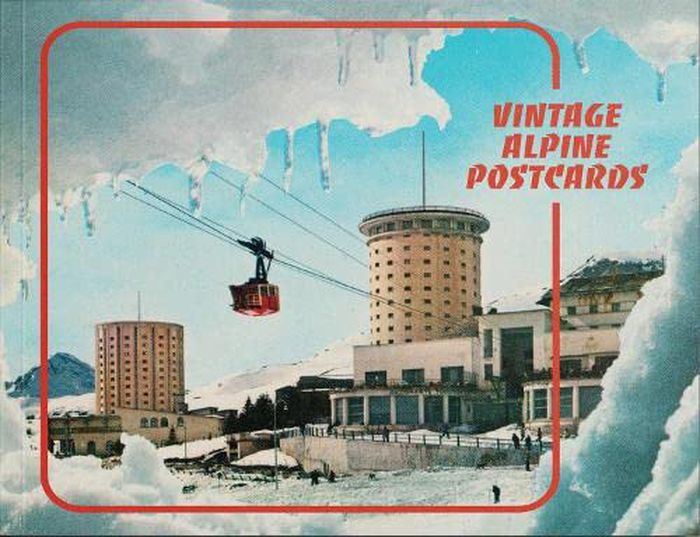
Featuring almost a hundred years of dispatches from the Alps, ''Vintage Alpine Postcards'' celebrates Europe’s great mountain range. It takes us from men in bowler hats with stout ropes nonchalantly crawling over crevasses, through the gilded age of grand hotels and sleigh rides, to the modernist concrete infrastructure of mountaintop restaurants and cable-car stations. These postcards frame the changing way we’ve experienced landscape and leisure over more than a hundred years – from the intrepid to the banal, sublime to ridiculous and brutalist to kitsch. And postcards travel through time as well as space, and they arrive with messages from our former selves. Underlying the Alpenkitsch is a serious exposé of our relationship to nature and how we have carelessly misused the beauties of the natural world.
Vintage Alpine postcards
Actions:
Price:
$44.00
(available to order)
Summary:
Featuring almost a hundred years of dispatches from the Alps, ''Vintage Alpine Postcards'' celebrates Europe’s great mountain range. It takes us from men in bowler hats with stout ropes nonchalantly crawling over crevasses, through the gilded age of grand hotels and sleigh rides, to the modernist concrete infrastructure of mountaintop restaurants and cable-car stations. These postcards frame the changing way we’ve experienced landscape and leisure over more than a hundred years – from the intrepid to the banal, sublime to ridiculous and brutalist to kitsch. And postcards travel through time as well as space, and they arrive with messages from our former selves. Underlying the Alpenkitsch is a serious exposé of our relationship to nature and how we have carelessly misused the beauties of the natural world.
Form:
books
books
Publication:
July 2025
July 2025
Subject:
Current Exhibitions
Current Exhibitions
Form:
books
books
Actions:
Price:
$24.99
(available to order)
Summary:
Only in the last decade have climatologists developed an accurate picture of yearly climate conditions in historical times. This development confirmed a long-standing suspicion: that the world endured a 500-year cold snap -- The Little Ice Age -- that lasted roughly from A.D. 1300 until 1850. "The little ice age" tells the story of the turbulent, unpredictable and often(...)
$24.99
(available to order)
Summary:
Only in the last decade have climatologists developed an accurate picture of yearly climate conditions in historical times. This development confirmed a long-standing suspicion: that the world endured a 500-year cold snap -- The Little Ice Age -- that lasted roughly from A.D. 1300 until 1850. "The little ice age" tells the story of the turbulent, unpredictable and often(...)
Title:
The little ice age: How climate made history 1300-1850
Actions:
Price:
$24.99
(available to order)
Summary:
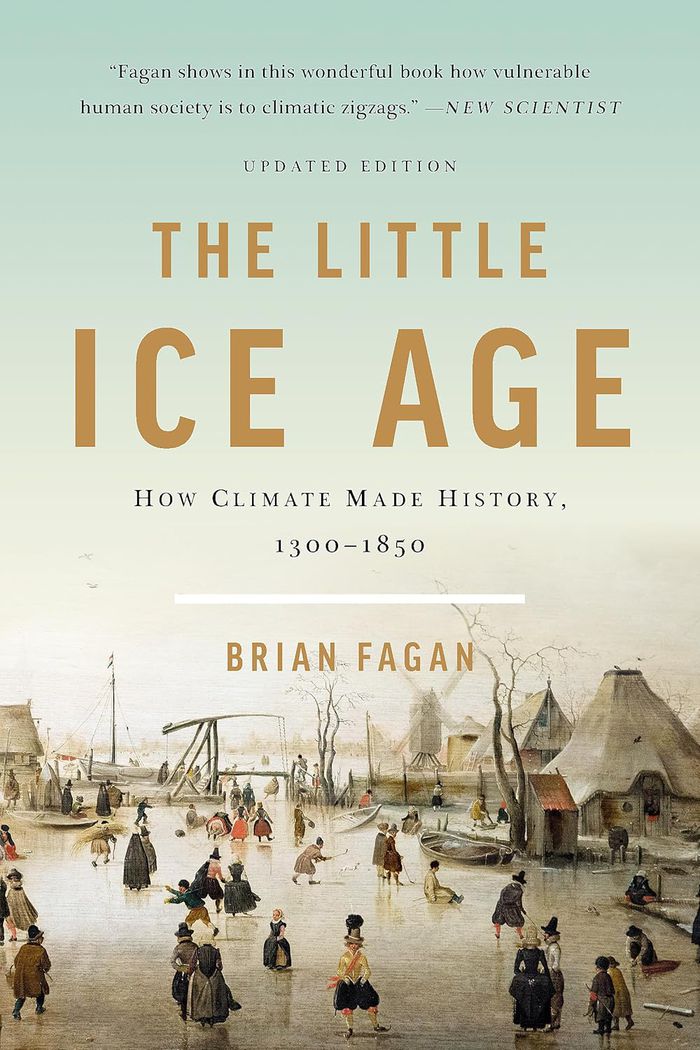
Only in the last decade have climatologists developed an accurate picture of yearly climate conditions in historical times. This development confirmed a long-standing suspicion: that the world endured a 500-year cold snap -- The Little Ice Age -- that lasted roughly from A.D. 1300 until 1850. "The little ice age" tells the story of the turbulent, unpredictable and often very cold years of modern European history, how climate altered historical events, and what they mean in the context of today's global warming. With its basis in cutting-edge science, "The little ice age" offers a new perspective on familiar events. Renowned archaeologist Brian Fagan shows how the increasing cold affected Norse exploration; how changing sea temperatures caused English and Basque fishermen to follow vast shoals of cod all the way to the New World; how a generations-long subsistence crisis in France contributed to social disintegration and ultimately revolution; and how English efforts to improve farm productivity in the face of a deteriorating climate helped pave the way for the Industrial Revolution and hence for global warming.
The little ice age: How climate made history 1300-1850
Actions:
Price:
$24.99
(available to order)
Summary:
Only in the last decade have climatologists developed an accurate picture of yearly climate conditions in historical times. This development confirmed a long-standing suspicion: that the world endured a 500-year cold snap -- The Little Ice Age -- that lasted roughly from A.D. 1300 until 1850. "The little ice age" tells the story of the turbulent, unpredictable and often very cold years of modern European history, how climate altered historical events, and what they mean in the context of today's global warming. With its basis in cutting-edge science, "The little ice age" offers a new perspective on familiar events. Renowned archaeologist Brian Fagan shows how the increasing cold affected Norse exploration; how changing sea temperatures caused English and Basque fishermen to follow vast shoals of cod all the way to the New World; how a generations-long subsistence crisis in France contributed to social disintegration and ultimately revolution; and how English efforts to improve farm productivity in the face of a deteriorating climate helped pave the way for the Industrial Revolution and hence for global warming.
Form:
books
books
Publication:
November 2019
November 2019
Subject:
Current Exhibitions
Current Exhibitions
Form:
books
books

Actions:
Price:
$24.99
(available in store)
Summary:
As a young boy, Sebastião Salgado loved exploring his parents’ farm in the forests of Brazil, always dreaming of what might lie beyond his view. When he went away to school, he met Lélia, who showed him how to use a camera. As he looked through the lens, Sebastião realized he could use photography to capture how the world fits together. Sebastião used his pictures to tell(...)
$24.99
(available in store)
Summary:
As a young boy, Sebastião Salgado loved exploring his parents’ farm in the forests of Brazil, always dreaming of what might lie beyond his view. When he went away to school, he met Lélia, who showed him how to use a camera. As he looked through the lens, Sebastião realized he could use photography to capture how the world fits together. Sebastião used his pictures to tell(...)
Title:
Planting hope: A portrait of photographer Sebastião Salgado
Actions:
Price:
$24.99
(available in store)
Summary:
As a young boy, Sebastião Salgado loved exploring his parents’ farm in the forests of Brazil, always dreaming of what might lie beyond his view. When he went away to school, he met Lélia, who showed him how to use a camera. As he looked through the lens, Sebastião realized he could use photography to capture how the world fits together. Sebastião used his pictures to tell the stories of people who might not otherwise be seen. But after witnessing too much destruction, he put away his camera and returned to his childhood home. The land was in ruins. So Sebastião and Lélia decided to rebuild the rainforest and photograph the beauty of the world to save it. Through art and activism, they would show that everyone was responsible for caring for the planet and that hope endures if we take action.
Planting hope: A portrait of photographer Sebastião Salgado
Actions:
Price:
$24.99
(available in store)
Summary:
As a young boy, Sebastião Salgado loved exploring his parents’ farm in the forests of Brazil, always dreaming of what might lie beyond his view. When he went away to school, he met Lélia, who showed him how to use a camera. As he looked through the lens, Sebastião realized he could use photography to capture how the world fits together. Sebastião used his pictures to tell the stories of people who might not otherwise be seen. But after witnessing too much destruction, he put away his camera and returned to his childhood home. The land was in ruins. So Sebastião and Lélia decided to rebuild the rainforest and photograph the beauty of the world to save it. Through art and activism, they would show that everyone was responsible for caring for the planet and that hope endures if we take action.
Form:
books
books
Publication:
March 2024
March 2024
Subject:
Current Exhibitions
Current Exhibitions
Form:
books
books
Title:
Challenging social inequality: The Landless Rural Workers Moverment and agrarian reform in Brazil
Challenging social inequality: The Landless Rural Workers Moverment and agrarian reform in Brazil
Actions:
Price:
$51.95
(available to order)
Summary:
In ''Challenging Social Inequality'', an international and interdisciplinary group of scholars and development workers explores the causes, consequences, and contemporary reactions to Brazil's sharply unequal agrarian structure. They focus on the Landless Rural Workers Movement (MST)—Latin America's largest and most prominent social movement—and its ongoing efforts to(...)
$51.95
(available to order)
Summary:
In ''Challenging Social Inequality'', an international and interdisciplinary group of scholars and development workers explores the causes, consequences, and contemporary reactions to Brazil's sharply unequal agrarian structure. They focus on the Landless Rural Workers Movement (MST)—Latin America's largest and most prominent social movement—and its ongoing efforts to(...)
Title:
Challenging social inequality: The Landless Rural Workers Moverment and agrarian reform in Brazil
Actions:
Price:
$51.95
(available to order)
Summary:
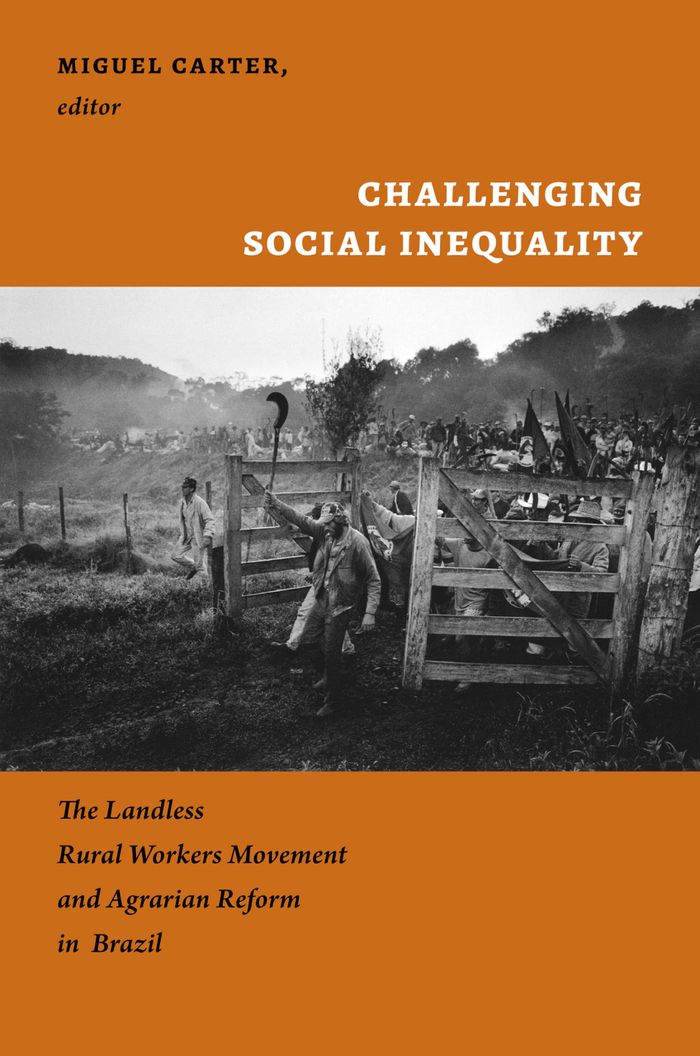
In ''Challenging Social Inequality'', an international and interdisciplinary group of scholars and development workers explores the causes, consequences, and contemporary reactions to Brazil's sharply unequal agrarian structure. They focus on the Landless Rural Workers Movement (MST)—Latin America's largest and most prominent social movement—and its ongoing efforts to confront historic patterns of inequality in the Brazilian countryside. Several essays provide essential historical background for understanding the MST. They examine Brazil's agrarian structure, state policies, and the formation of rural civil-society organizations. Other essays build on a frequently made distinction between the struggle for land and the struggle on the land. The first refers to the mobilization undertaken by landless peasants to demand government land redistribution. The struggle on the land takes place after the establishment of an official agricultural settlement. The main efforts during this phase are geared toward developing productive and meaningful rural communities. The last essays in the collection are wide-ranging analyses of the MST, which delve into the movement's relations with recent governments and its impact on other Brazilian social movements. In the conclusion, Miguel Carter appraises the future of agrarian reform in Brazil.
Challenging social inequality: The Landless Rural Workers Moverment and agrarian reform in Brazil
Actions:
Price:
$51.95
(available to order)
Summary:
In ''Challenging Social Inequality'', an international and interdisciplinary group of scholars and development workers explores the causes, consequences, and contemporary reactions to Brazil's sharply unequal agrarian structure. They focus on the Landless Rural Workers Movement (MST)—Latin America's largest and most prominent social movement—and its ongoing efforts to confront historic patterns of inequality in the Brazilian countryside. Several essays provide essential historical background for understanding the MST. They examine Brazil's agrarian structure, state policies, and the formation of rural civil-society organizations. Other essays build on a frequently made distinction between the struggle for land and the struggle on the land. The first refers to the mobilization undertaken by landless peasants to demand government land redistribution. The struggle on the land takes place after the establishment of an official agricultural settlement. The main efforts during this phase are geared toward developing productive and meaningful rural communities. The last essays in the collection are wide-ranging analyses of the MST, which delve into the movement's relations with recent governments and its impact on other Brazilian social movements. In the conclusion, Miguel Carter appraises the future of agrarian reform in Brazil.
Form:
books
books
Publication:
June 2015
June 2015
Subject:
Current Exhibitions
Current Exhibitions
Form:
books
books
Price:
$50.00
(available to order)
Summary:
Since the 1500s, scientists have documented the plants and fungi that grew around them, organizing the specimens into collections. Known as herbaria, these archives helped give rise to botany as its own scientific endeavor. "Herbarium" is a fascinating enquiry into this unique field of plant biology, exploring how herbaria emerged and have changed over time, who promoted(...)
$50.00
(available to order)
Summary:
Since the 1500s, scientists have documented the plants and fungi that grew around them, organizing the specimens into collections. Known as herbaria, these archives helped give rise to botany as its own scientific endeavor. "Herbarium" is a fascinating enquiry into this unique field of plant biology, exploring how herbaria emerged and have changed over time, who promoted(...)
Title:
Herbarium: The quest to preserve and classify the world's plants
Actions:
Price:
$50.00
(available to order)
Summary:
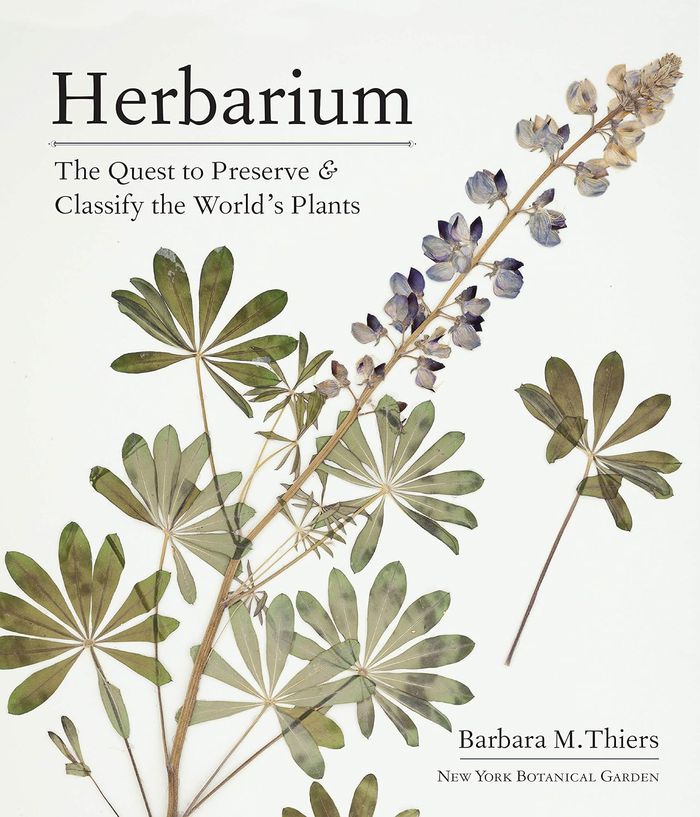
Since the 1500s, scientists have documented the plants and fungi that grew around them, organizing the specimens into collections. Known as herbaria, these archives helped give rise to botany as its own scientific endeavor. "Herbarium" is a fascinating enquiry into this unique field of plant biology, exploring how herbaria emerged and have changed over time, who promoted and contributed to them, and why they remain such an important source of data for their new role: understanding how the world’s flora is changing. Barbara Thiers, director of the William and Lynda Steere Herbarium at the New York Botanical Garden, also explains how recent innovations that allow us to see things at both the molecular level and on a global scale can be applied to herbaria specimens, helping us address some of the most critical problems facing the world today.
Herbarium: The quest to preserve and classify the world's plants
Actions:
Price:
$50.00
(available to order)
Summary:
Since the 1500s, scientists have documented the plants and fungi that grew around them, organizing the specimens into collections. Known as herbaria, these archives helped give rise to botany as its own scientific endeavor. "Herbarium" is a fascinating enquiry into this unique field of plant biology, exploring how herbaria emerged and have changed over time, who promoted and contributed to them, and why they remain such an important source of data for their new role: understanding how the world’s flora is changing. Barbara Thiers, director of the William and Lynda Steere Herbarium at the New York Botanical Garden, also explains how recent innovations that allow us to see things at both the molecular level and on a global scale can be applied to herbaria specimens, helping us address some of the most critical problems facing the world today.
Form:
books
books
Publication:
December 2020
December 2020
Subject:
Current Exhibitions
Current Exhibitions
Form:
books
books
Title:
Empire: Impressions de Chine
Empire: Impressions de Chine
Actions:
Price:
$56.95
(available to order)
Summary:
Souvent amené en Asie pour son travail, J. W. Delano observe, avec des sentiments mêlés, la transformation de la physionomie de la Chine par la ténacité de son peuple. Ses photographies constituent une exploration intense de ce qui affleure sous la surface, une étude de lumière, de formes, d'énergie et d'émotion, de la manière dont le pays réagit à l'intrusion d'un(...)
$56.95
(available to order)
Summary:
Souvent amené en Asie pour son travail, J. W. Delano observe, avec des sentiments mêlés, la transformation de la physionomie de la Chine par la ténacité de son peuple. Ses photographies constituent une exploration intense de ce qui affleure sous la surface, une étude de lumière, de formes, d'énergie et d'émotion, de la manière dont le pays réagit à l'intrusion d'un(...)
Title:
Empire: Impressions de Chine
Actions:
Price:
$56.95
(available to order)
Summary:
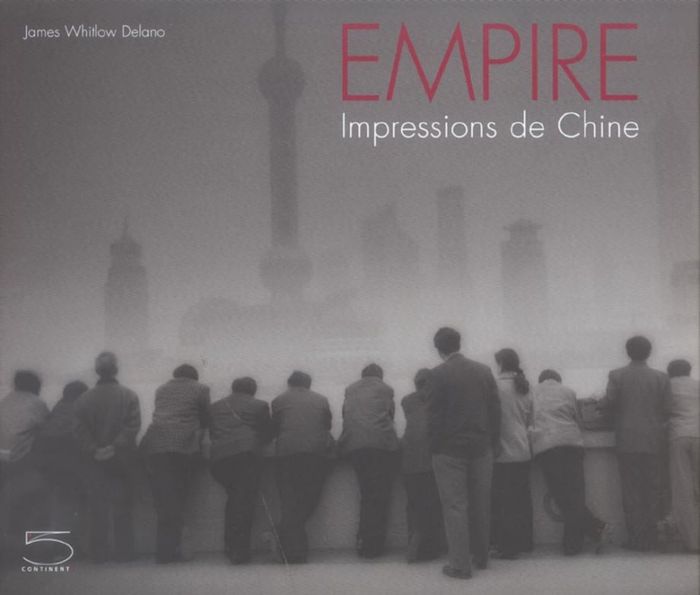
Souvent amené en Asie pour son travail, J. W. Delano observe, avec des sentiments mêlés, la transformation de la physionomie de la Chine par la ténacité de son peuple. Ses photographies constituent une exploration intense de ce qui affleure sous la surface, une étude de lumière, de formes, d'énergie et d'émotion, de la manière dont le pays réagit à l'intrusion d'un observateur étranger.
Empire: Impressions de Chine
Actions:
Price:
$56.95
(available to order)
Summary:
Souvent amené en Asie pour son travail, J. W. Delano observe, avec des sentiments mêlés, la transformation de la physionomie de la Chine par la ténacité de son peuple. Ses photographies constituent une exploration intense de ce qui affleure sous la surface, une étude de lumière, de formes, d'énergie et d'émotion, de la manière dont le pays réagit à l'intrusion d'un observateur étranger.
Form:
books
books
Publication:
November 2004
November 2004
Subject:
Current Exhibitions
Current Exhibitions
Form:
books
books
Title:
La maison chinoise
La maison chinoise
Actions:
Price:
$85.95
(available to order)
Summary:
« La Maison chinoise » traite principalement d’architecture, mais pas seulement : cet ouvrage vise à montrer comment le système de construction et d’aménagement de l’espace propre à la Chine ancienne se conjugue avec une certaine façon d’habiter et de vivre « domestiquement ». Il entreprend ainsi ce que l’on pourrait appeler une archéologie de l’habitat domestique. De(...)
$85.95
(available to order)
Summary:
« La Maison chinoise » traite principalement d’architecture, mais pas seulement : cet ouvrage vise à montrer comment le système de construction et d’aménagement de l’espace propre à la Chine ancienne se conjugue avec une certaine façon d’habiter et de vivre « domestiquement ». Il entreprend ainsi ce que l’on pourrait appeler une archéologie de l’habitat domestique. De(...)
Title:
La maison chinoise
Actions:
Price:
$85.95
(available to order)
Summary:
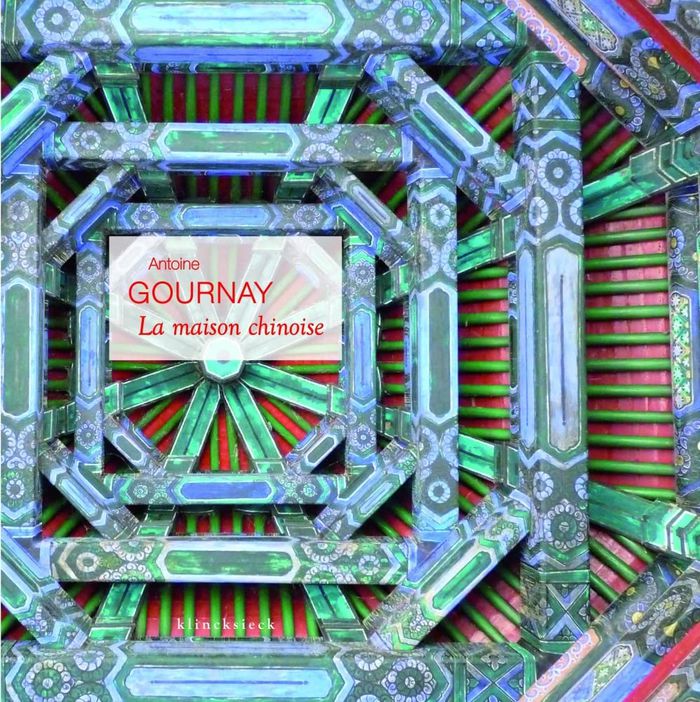
« La Maison chinoise » traite principalement d’architecture, mais pas seulement : cet ouvrage vise à montrer comment le système de construction et d’aménagement de l’espace propre à la Chine ancienne se conjugue avec une certaine façon d’habiter et de vivre « domestiquement ». Il entreprend ainsi ce que l’on pourrait appeler une archéologie de l’habitat domestique. De nombreux aspects de la maison chinoise ont bien entendu déjà été étudiés et commentés, mais ce que vise cette étude, c’est à montrer et expliquer comment, dans l’architecture et l’aménagement de la maison, tout se tient et forme un système technique cohérent ; comment les questions de charpenterie, de disposition des édifices, de décoration intérieure et extérieure, d’aménagement des cours et des voiries, se raccordent entre elles ; comment « grande architecture » et architecture « vernaculaire » s’articulent.
La maison chinoise
Actions:
Price:
$85.95
(available to order)
Summary:
« La Maison chinoise » traite principalement d’architecture, mais pas seulement : cet ouvrage vise à montrer comment le système de construction et d’aménagement de l’espace propre à la Chine ancienne se conjugue avec une certaine façon d’habiter et de vivre « domestiquement ». Il entreprend ainsi ce que l’on pourrait appeler une archéologie de l’habitat domestique. De nombreux aspects de la maison chinoise ont bien entendu déjà été étudiés et commentés, mais ce que vise cette étude, c’est à montrer et expliquer comment, dans l’architecture et l’aménagement de la maison, tout se tient et forme un système technique cohérent ; comment les questions de charpenterie, de disposition des édifices, de décoration intérieure et extérieure, d’aménagement des cours et des voiries, se raccordent entre elles ; comment « grande architecture » et architecture « vernaculaire » s’articulent.
Form:
books
books
Publication:
May 2016
May 2016
Subject:
Current Exhibitions
Current Exhibitions
Form:
books
books
Actions:
Price:
$24.95
(available to order)
Summary:
Depuis environ deux cents ans, les activités industrielles de l’être humain ont profondément transformé notre environnement, jusqu’à entraîner une nouvelle ère géologique : l’Anthropocène. La modernité occidentale, en séparant la nature et la culture, a entrepris d’exploiter la première afin de faire « progresser » la seconde. Ce projet, marqué par une temporalité(...)
$24.95
(available to order)
Summary:
Depuis environ deux cents ans, les activités industrielles de l’être humain ont profondément transformé notre environnement, jusqu’à entraîner une nouvelle ère géologique : l’Anthropocène. La modernité occidentale, en séparant la nature et la culture, a entrepris d’exploiter la première afin de faire « progresser » la seconde. Ce projet, marqué par une temporalité(...)
Title:
La question de la technique en Chine
Actions:
Price:
$24.95
(available to order)
Summary:
Depuis environ deux cents ans, les activités industrielles de l’être humain ont profondément transformé notre environnement, jusqu’à entraîner une nouvelle ère géologique : l’Anthropocène. La modernité occidentale, en séparant la nature et la culture, a entrepris d’exploiter la première afin de faire « progresser » la seconde. Ce projet, marqué par une temporalité linéaire non questionnée, a fini par imposer un technocratisme autoritaire responsable de la catastrophe écologique actuelle, remettant en cause notre existence comme celle de l’écosystème planétaire. Cette situation rend impérative la « question de la technique » : penser celle-ci est peut-être ce qui nous permettra collectivement de dépasser le blocage actuel. Dans son ouvrage, Yuk Hui s’attaque à cet enjeu fondamental.
La question de la technique en Chine
Actions:
Price:
$24.95
(available to order)
Summary:
Depuis environ deux cents ans, les activités industrielles de l’être humain ont profondément transformé notre environnement, jusqu’à entraîner une nouvelle ère géologique : l’Anthropocène. La modernité occidentale, en séparant la nature et la culture, a entrepris d’exploiter la première afin de faire « progresser » la seconde. Ce projet, marqué par une temporalité linéaire non questionnée, a fini par imposer un technocratisme autoritaire responsable de la catastrophe écologique actuelle, remettant en cause notre existence comme celle de l’écosystème planétaire. Cette situation rend impérative la « question de la technique » : penser celle-ci est peut-être ce qui nous permettra collectivement de dépasser le blocage actuel. Dans son ouvrage, Yuk Hui s’attaque à cet enjeu fondamental.
Form:
books
books
Publication:
September 2021
September 2021
Subject:
Current Exhibitions
Current Exhibitions
Form:
books
books
Actions:
Price:
$27.00
(available to order)
Summary:
After the economic disaster of the Great Leap Forward that claimed tens of millions of lives from 1958–1962, an aging Mao Zedong launched an ambitious scheme to shore up his reputation and eliminate those he viewed as a threat to his legacy. The Cultural Revolution's goal was to purge the country of bourgeois, capitalistic elements he claimed were threatening genuine(...)
$27.00
(available to order)
Summary:
After the economic disaster of the Great Leap Forward that claimed tens of millions of lives from 1958–1962, an aging Mao Zedong launched an ambitious scheme to shore up his reputation and eliminate those he viewed as a threat to his legacy. The Cultural Revolution's goal was to purge the country of bourgeois, capitalistic elements he claimed were threatening genuine(...)
Title:
The cultural revolution: A people's history, 1962-1976
Actions:
Price:
$27.00
(available to order)
Summary:
After the economic disaster of the Great Leap Forward that claimed tens of millions of lives from 1958–1962, an aging Mao Zedong launched an ambitious scheme to shore up his reputation and eliminate those he viewed as a threat to his legacy. The Cultural Revolution's goal was to purge the country of bourgeois, capitalistic elements he claimed were threatening genuine communist ideology. Young students formed the Red Guards, vowing to defend the Chairman to the death, but soon rival factions started fighting each other in the streets with semiautomatic weapons in the name of revolutionary purity. As the country descended into chaos, the military intervened, turning China into a garrison state marked by bloody purges that crushed as many as one in fifty people. ''The Cultural Revolution: A People's History, 1962–1976'' draws for the first time on hundreds of previously classified party documents, from secret police reports to unexpurgated versions of leadership speeches. After the army itself fell victim to the Cultural Revolution, ordinary people used the political chaos to resurrect the market and hollow out the party's ideology. By showing how economic reform from below was an unintended consequence of a decade of violent purges and entrenched fear, ''The Cultural Revolution'' casts China's most tumultuous era in a wholly new light.
The cultural revolution: A people's history, 1962-1976
Actions:
Price:
$27.00
(available to order)
Summary:
After the economic disaster of the Great Leap Forward that claimed tens of millions of lives from 1958–1962, an aging Mao Zedong launched an ambitious scheme to shore up his reputation and eliminate those he viewed as a threat to his legacy. The Cultural Revolution's goal was to purge the country of bourgeois, capitalistic elements he claimed were threatening genuine communist ideology. Young students formed the Red Guards, vowing to defend the Chairman to the death, but soon rival factions started fighting each other in the streets with semiautomatic weapons in the name of revolutionary purity. As the country descended into chaos, the military intervened, turning China into a garrison state marked by bloody purges that crushed as many as one in fifty people. ''The Cultural Revolution: A People's History, 1962–1976'' draws for the first time on hundreds of previously classified party documents, from secret police reports to unexpurgated versions of leadership speeches. After the army itself fell victim to the Cultural Revolution, ordinary people used the political chaos to resurrect the market and hollow out the party's ideology. By showing how economic reform from below was an unintended consequence of a decade of violent purges and entrenched fear, ''The Cultural Revolution'' casts China's most tumultuous era in a wholly new light.
Form:
books
books
Publication:
December 2025
December 2025
Subject:
Current Exhibitions
Current Exhibitions
Form:
books
books
Title:
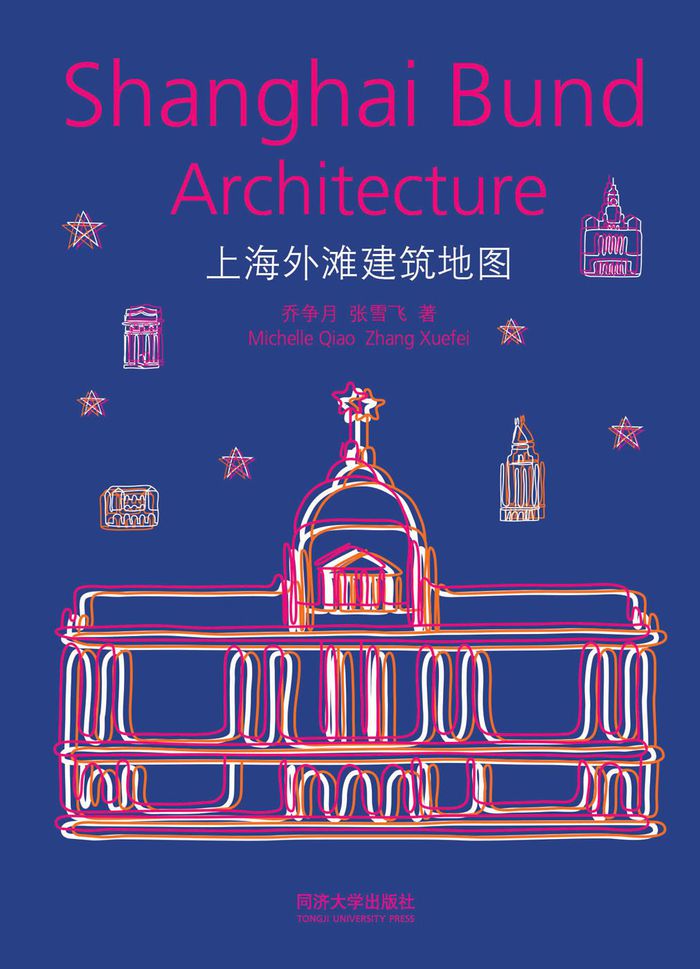
Shanghai Bund Architecture
Shanghai Bund Architecture
Actions:
Price:
$21.50
(available to order)
Summary:
The Bund was once a mud land criss-crossed with farm fields, wild reeds, and a rooster fighting yard. Then its shape transformed dramatically looking similar to a European City, thus the mud Bund became the modern and attractive gold Bund. The stories of the Bund are about how the mud land turned into a billion-dollar skyline. The book records the past and present(...)
$21.50
(available to order)
Summary:
The Bund was once a mud land criss-crossed with farm fields, wild reeds, and a rooster fighting yard. Then its shape transformed dramatically looking similar to a European City, thus the mud Bund became the modern and attractive gold Bund. The stories of the Bund are about how the mud land turned into a billion-dollar skyline. The book records the past and present(...)
Title:
Shanghai Bund Architecture
Actions:
Price:
$21.50
(available to order)
Summary:
The Bund was once a mud land criss-crossed with farm fields, wild reeds, and a rooster fighting yard. Then its shape transformed dramatically looking similar to a European City, thus the mud Bund became the modern and attractive gold Bund. The stories of the Bund are about how the mud land turned into a billion-dollar skyline. The book records the past and present details of 30 buildings on the Bund north of Yan 'an East Road, and shares hundreds of architectural photos and historical pictures. The 30 buildings listed in the book are accompanied by the latest tourist tips, as well as colorful architectural maps of the Bund and data analysis charts. The great changes in Shanghai can be seen more clearly from the authors' unique perspective.
Shanghai Bund Architecture
Actions:
Price:
$21.50
(available to order)
Summary:
The Bund was once a mud land criss-crossed with farm fields, wild reeds, and a rooster fighting yard. Then its shape transformed dramatically looking similar to a European City, thus the mud Bund became the modern and attractive gold Bund. The stories of the Bund are about how the mud land turned into a billion-dollar skyline. The book records the past and present details of 30 buildings on the Bund north of Yan 'an East Road, and shares hundreds of architectural photos and historical pictures. The 30 buildings listed in the book are accompanied by the latest tourist tips, as well as colorful architectural maps of the Bund and data analysis charts. The great changes in Shanghai can be seen more clearly from the authors' unique perspective.
Form:
books
books
Publication:
March 2025
March 2025
Subject:
Current Exhibitions
Current Exhibitions


