


1559 Results
Form:
books
books
Actions:
Price:
$27.50
(available to order)
Summary:
Bertram's exploration of the Turkish house shows how this feature of Ottoman culture took on symbolic meaning in the Turkish imagination as Turkey became more Westernized and secular in the early decades of the twentieth century. She shows how artists, writers, and architects all drew on the memory of the Turkish house as a space where changing notions of spirituality,(...)
$27.50
(available to order)
Summary:
Bertram's exploration of the Turkish house shows how this feature of Ottoman culture took on symbolic meaning in the Turkish imagination as Turkey became more Westernized and secular in the early decades of the twentieth century. She shows how artists, writers, and architects all drew on the memory of the Turkish house as a space where changing notions of spirituality,(...)
Title:
Imagining the turkish house: collective visions of home
Actions:
Price:
$27.50
(available to order)
Summary:
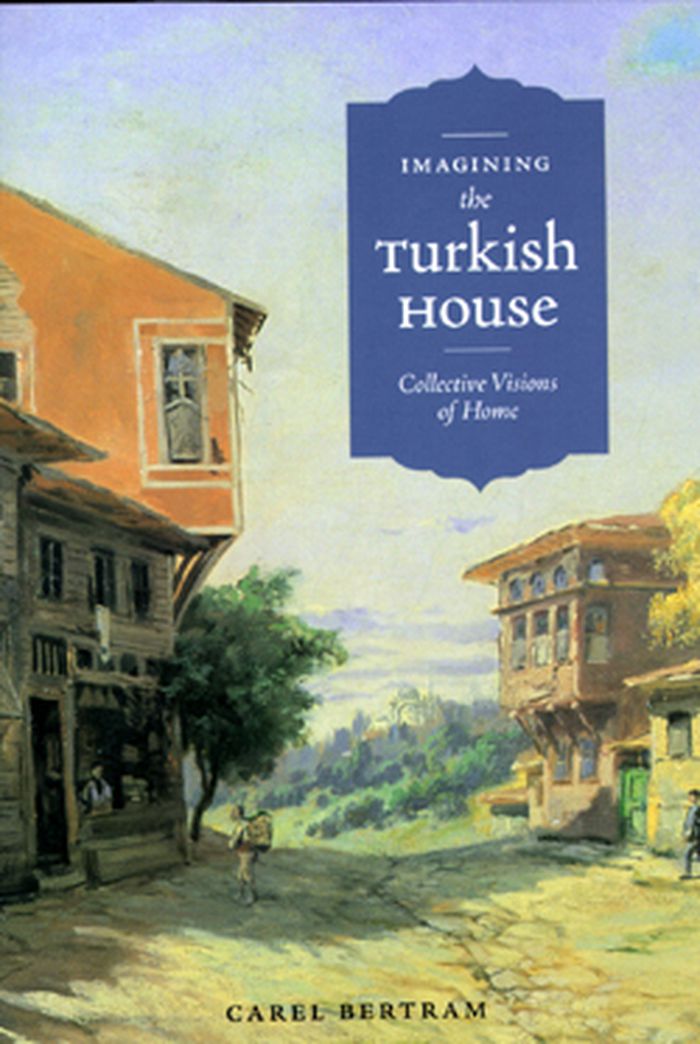
Bertram's exploration of the Turkish house shows how this feature of Ottoman culture took on symbolic meaning in the Turkish imagination as Turkey became more Westernized and secular in the early decades of the twentieth century. She shows how artists, writers, and architects all drew on the memory of the Turkish house as a space where changing notions of spirituality, modernity, and identity—as well as the social roles of women and the family—could be approached, contested, revised, or embraced during this period of tumultuous change.
Imagining the turkish house: collective visions of home
Actions:
Price:
$27.50
(available to order)
Summary:
Bertram's exploration of the Turkish house shows how this feature of Ottoman culture took on symbolic meaning in the Turkish imagination as Turkey became more Westernized and secular in the early decades of the twentieth century. She shows how artists, writers, and architects all drew on the memory of the Turkish house as a space where changing notions of spirituality, modernity, and identity—as well as the social roles of women and the family—could be approached, contested, revised, or embraced during this period of tumultuous change.
Form:
books
books
Publication:
August 2008, Austin
August 2008, Austin
Subject:
History until 1900, Asia
History until 1900, Asia
Form:
journals and magazines
journals and magazines
Title:
Real review 5
Real review 5
Actions:
Price:
$19.50
(available to order)
Summary:
We live in extremely uncertain times. Our faith in the future is increasingly?tested. Far from being a hopeful, utopian domain, the future now seems doubtful. But what does it mean to doubt today? Societal levels of anxiety are rising. Insecurity is now a generalised condition. Concern that civilisation itself is on the brink of some cataclysmic change is ubiquitous. And(...)
$19.50
(available to order)
Summary:
We live in extremely uncertain times. Our faith in the future is increasingly?tested. Far from being a hopeful, utopian domain, the future now seems doubtful. But what does it mean to doubt today? Societal levels of anxiety are rising. Insecurity is now a generalised condition. Concern that civilisation itself is on the brink of some cataclysmic change is ubiquitous. And(...)
Title:
Real review 5
Actions:
Price:
$19.50
(available to order)
Summary:
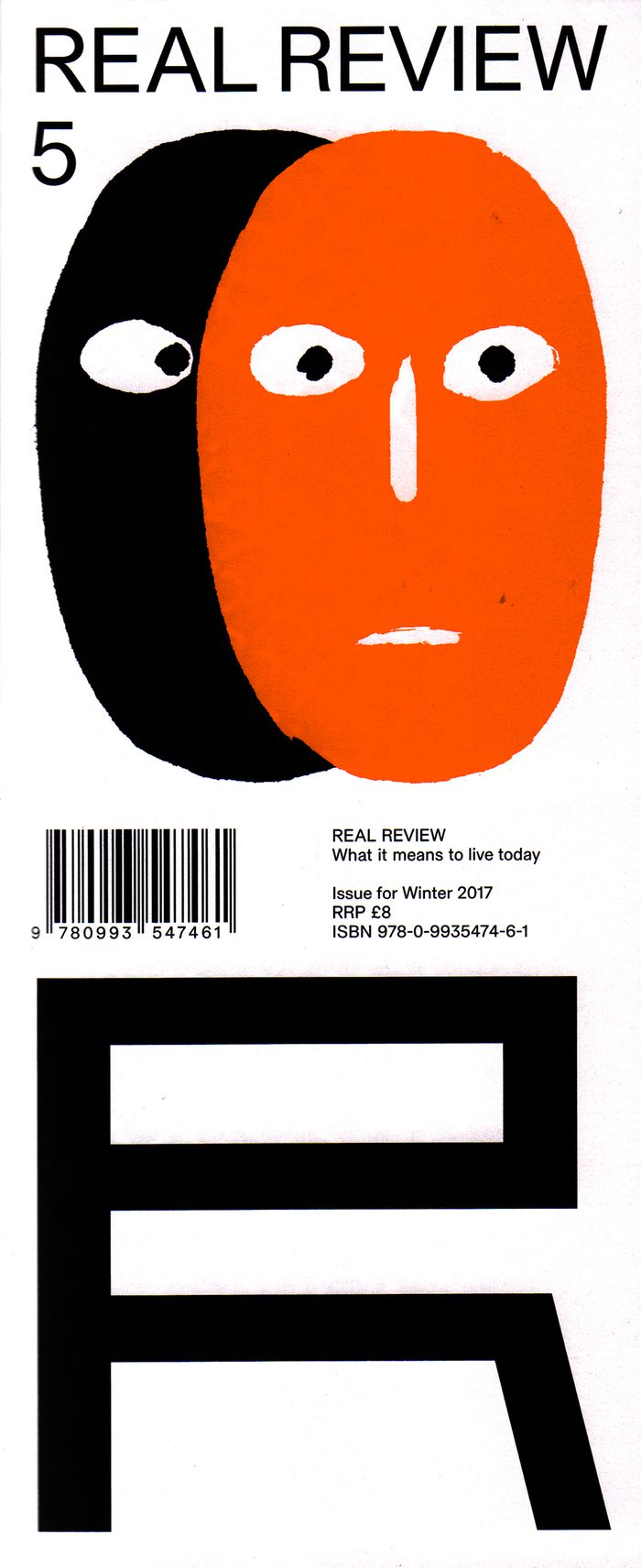
We live in extremely uncertain times. Our faith in the future is increasingly?tested. Far from being a hopeful, utopian domain, the future now seems doubtful. But what does it mean to doubt today? Societal levels of anxiety are rising. Insecurity is now a generalised condition. Concern that civilisation itself is on the brink of some cataclysmic change is ubiquitous. And yet, doubting doubt – through the scientific method, imperial evidence and systemic thought – has not only created modernity, but offers the only hope to our worry.
Real review 5
Actions:
Price:
$19.50
(available to order)
Summary:
We live in extremely uncertain times. Our faith in the future is increasingly?tested. Far from being a hopeful, utopian domain, the future now seems doubtful. But what does it mean to doubt today? Societal levels of anxiety are rising. Insecurity is now a generalised condition. Concern that civilisation itself is on the brink of some cataclysmic change is ubiquitous. And yet, doubting doubt – through the scientific method, imperial evidence and systemic thought – has not only created modernity, but offers the only hope to our worry.
Form:
journals and magazines
journals and magazines
Publication:
September 2017
September 2017
Subject:
Magazines
Magazines
Form:
books
books
Price:
$49.95
(available to order)
Summary:
Unfinished Utopia is a social and cultural history of Nowa Huta, dubbed Poland's "first socialist city" by Communist propaganda of the 1950s. Work began on the new town, located on the banks of the Vistula River just a few miles from the historic city of Kraków, in 1949. By contrast to its older neighbor, Nowa Huta was intended to model a new kind of socialist modernity(...)
$49.95
(available to order)
Summary:
Unfinished Utopia is a social and cultural history of Nowa Huta, dubbed Poland's "first socialist city" by Communist propaganda of the 1950s. Work began on the new town, located on the banks of the Vistula River just a few miles from the historic city of Kraków, in 1949. By contrast to its older neighbor, Nowa Huta was intended to model a new kind of socialist modernity(...)
Title:
Unfinished utopia: Nowa Huta, Stalinism, and Polish Society, 1949-56
Actions:
Price:
$49.95
(available to order)
Summary:
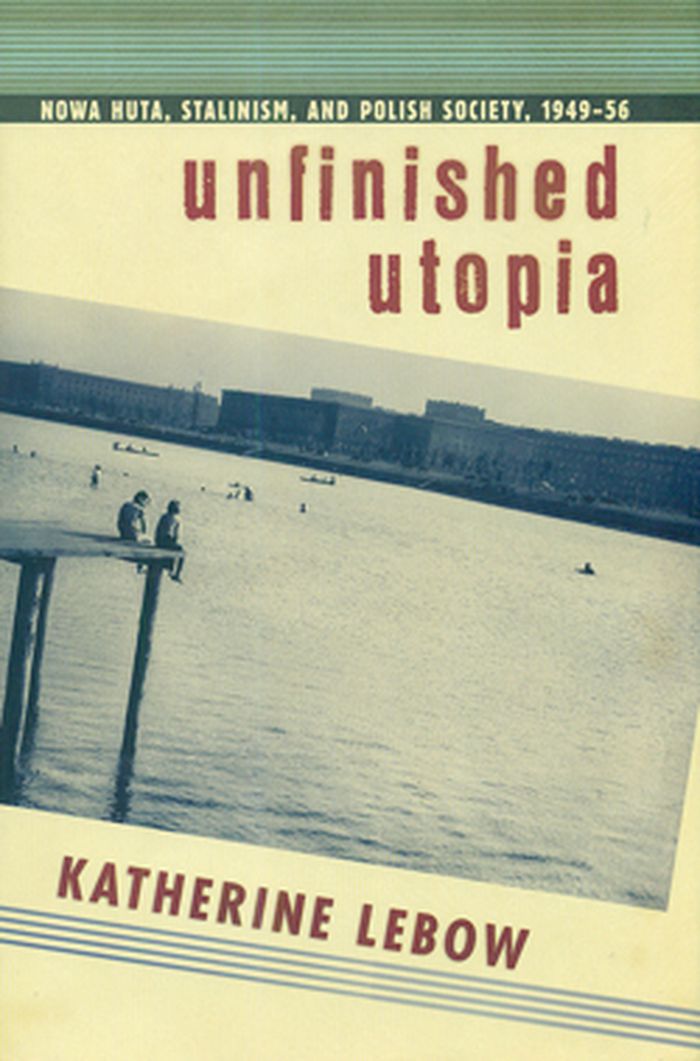
Unfinished Utopia is a social and cultural history of Nowa Huta, dubbed Poland's "first socialist city" by Communist propaganda of the 1950s. Work began on the new town, located on the banks of the Vistula River just a few miles from the historic city of Kraków, in 1949. By contrast to its older neighbor, Nowa Huta was intended to model a new kind of socialist modernity and to be peopled with "new men," themselves both the builders and the beneficiaries of this project of socialist construction.
Unfinished utopia: Nowa Huta, Stalinism, and Polish Society, 1949-56
Actions:
Price:
$49.95
(available to order)
Summary:
Unfinished Utopia is a social and cultural history of Nowa Huta, dubbed Poland's "first socialist city" by Communist propaganda of the 1950s. Work began on the new town, located on the banks of the Vistula River just a few miles from the historic city of Kraków, in 1949. By contrast to its older neighbor, Nowa Huta was intended to model a new kind of socialist modernity and to be peopled with "new men," themselves both the builders and the beneficiaries of this project of socialist construction.
Form:
books
books
Publication:
October 2013
October 2013
Subject:
History since 1900, Reference Books
History since 1900, Reference Books
Form:
books
books
Title:
The power of pictures
The power of pictures
Actions:
Price:
$58.00
(available to order)
Summary:
Following the 1917 Russian Revolution, photography, film, and posters played an essential role in the campaign to disseminate modernity and Communist ideology. From early experimental works by Alexander Rodchenko and El Lissitzky to the modernist photojournalism of Arkady Shaikhet and Max Penson, Soviet photographers were not only in the vanguard of style and(...)
$58.00
(available to order)
Summary:
Following the 1917 Russian Revolution, photography, film, and posters played an essential role in the campaign to disseminate modernity and Communist ideology. From early experimental works by Alexander Rodchenko and El Lissitzky to the modernist photojournalism of Arkady Shaikhet and Max Penson, Soviet photographers were not only in the vanguard of style and(...)
Subject:
Theory of Photography
Theory of Photography
Publication:
August 2015
August 2015
Title:
The power of pictures
Actions:
Price:
$58.00
(available to order)
Summary:
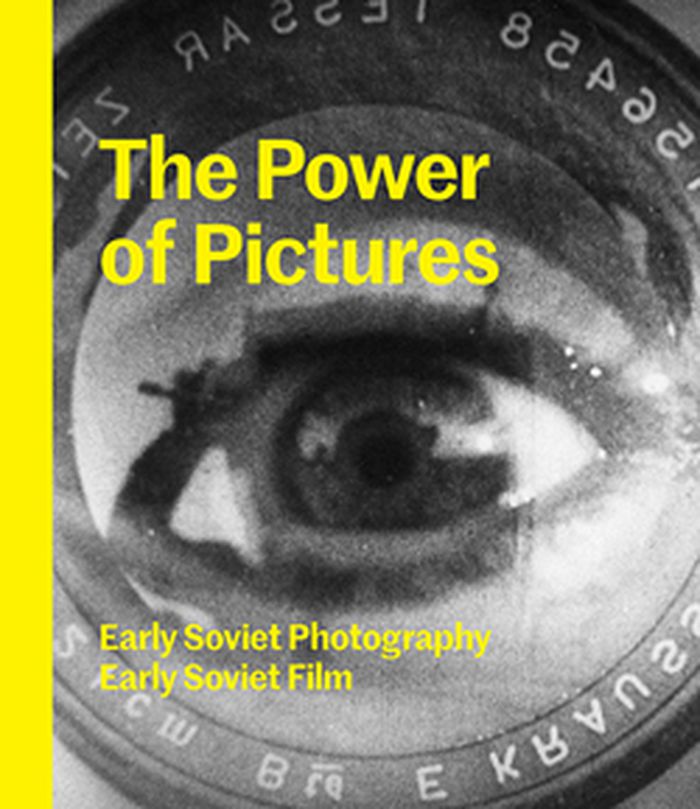
Following the 1917 Russian Revolution, photography, film, and posters played an essential role in the campaign to disseminate modernity and Communist ideology. From early experimental works by Alexander Rodchenko and El Lissitzky to the modernist photojournalism of Arkady Shaikhet and Max Penson, Soviet photographers were not only in the vanguard of style and technological innovation but also radical in their integration of art and politics. Filmmakers such as Dziga Vertov, Sergei Eisenstein, and Esfir Shub pioneered cinematic techniques for works intended to mobilize viewers.
The power of pictures
Actions:
Price:
$58.00
(available to order)
Summary:
Following the 1917 Russian Revolution, photography, film, and posters played an essential role in the campaign to disseminate modernity and Communist ideology. From early experimental works by Alexander Rodchenko and El Lissitzky to the modernist photojournalism of Arkady Shaikhet and Max Penson, Soviet photographers were not only in the vanguard of style and technological innovation but also radical in their integration of art and politics. Filmmakers such as Dziga Vertov, Sergei Eisenstein, and Esfir Shub pioneered cinematic techniques for works intended to mobilize viewers.
Form:
books
books
Publication:
August 2015
August 2015
Subject:
Theory of Photography
Theory of Photography
Form:
books
books
Actions:
Price:
$54.00
(available in store)
Summary:
Directed by Paolo Portoghesi, the Second Venice Architecture Biennale raised questions about a postmodernity through realms extending south and east from the Mediterranean, where modernity and decolonisation were converging. Translated here for the first time for an English-speaking audience are selected texts by Mehdi Kowsar, Udo Kultermann, and Portoghesi from the(...)
$54.00
(available in store)
Summary:
Directed by Paolo Portoghesi, the Second Venice Architecture Biennale raised questions about a postmodernity through realms extending south and east from the Mediterranean, where modernity and decolonisation were converging. Translated here for the first time for an English-speaking audience are selected texts by Mehdi Kowsar, Udo Kultermann, and Portoghesi from the(...)
Title:
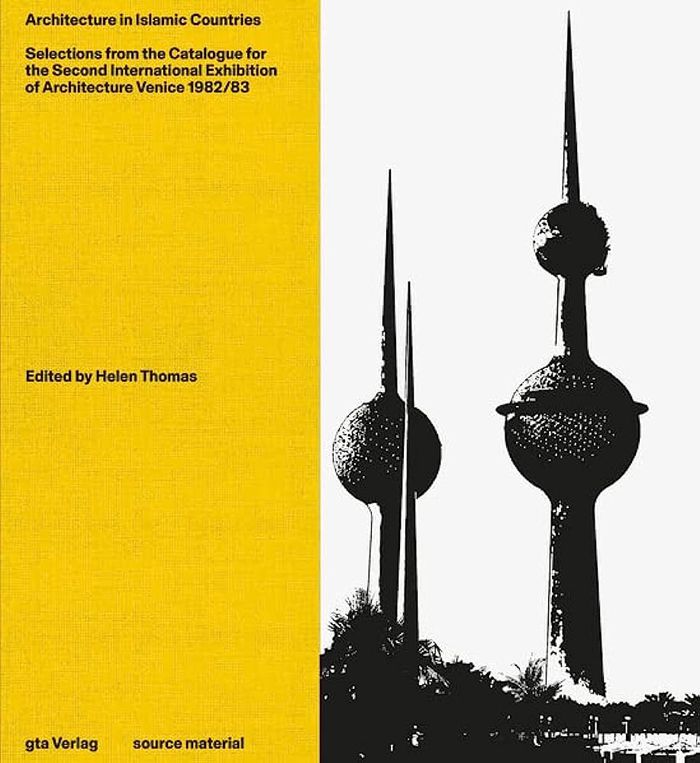
Architecture in Islamic Countries: Selections from the catalogue for the second International Exhibition of Architecture Venice 1982/83
Actions:
Price:
$54.00
(available in store)
Summary:
Directed by Paolo Portoghesi, the Second Venice Architecture Biennale raised questions about a postmodernity through realms extending south and east from the Mediterranean, where modernity and decolonisation were converging. Translated here for the first time for an English-speaking audience are selected texts by Mehdi Kowsar, Udo Kultermann, and Portoghesi from the original exhibition catalogue, accompanied by additional commentary. Furthermore, Esra Akcan reflects on the historical and socio-political contexts of the exhibition, while Asli Çiçek and Véronique Patteeuw consider the catalogue itself from the perspective of architectural history.
Architecture in Islamic Countries: Selections from the catalogue for the second International Exhibition of Architecture Venice 1982/83
Actions:
Price:
$54.00
(available in store)
Summary:
Directed by Paolo Portoghesi, the Second Venice Architecture Biennale raised questions about a postmodernity through realms extending south and east from the Mediterranean, where modernity and decolonisation were converging. Translated here for the first time for an English-speaking audience are selected texts by Mehdi Kowsar, Udo Kultermann, and Portoghesi from the original exhibition catalogue, accompanied by additional commentary. Furthermore, Esra Akcan reflects on the historical and socio-political contexts of the exhibition, while Asli Çiçek and Véronique Patteeuw consider the catalogue itself from the perspective of architectural history.
Form:
books
books
Publication:
April 2023
April 2023
Subject:
Contemporary Architecture
Contemporary Architecture
Form:
books
books
Title:
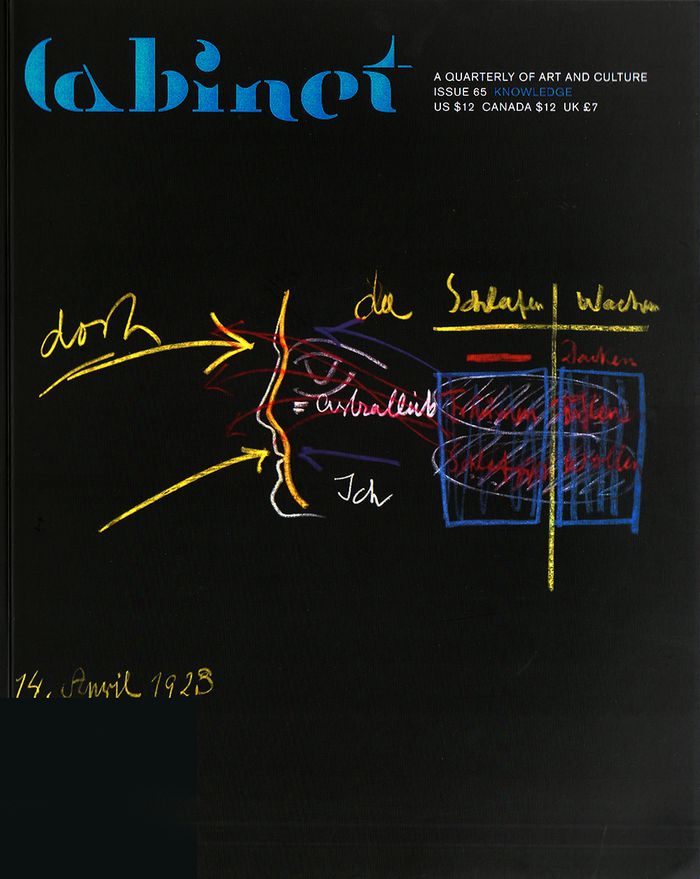
Cabinet 65: Knowledge
Cabinet 65: Knowledge
Actions:
Price:
$15.00
(available to order)
Summary:
The sophist Hippias claimed to be able to lecture on any subject, but with modernity, this ancient desire took new forms. The Renaissance invented the encyclopedia. The modern state began to dream of knowing what every citizen does and says. Cabinet issue 65, with a special section on ''Knowledge,'' includes Simon Critchley on Philip K. Dick's vision that a fish pendant(...)
$15.00
(available to order)
Summary:
The sophist Hippias claimed to be able to lecture on any subject, but with modernity, this ancient desire took new forms. The Renaissance invented the encyclopedia. The modern state began to dream of knowing what every citizen does and says. Cabinet issue 65, with a special section on ''Knowledge,'' includes Simon Critchley on Philip K. Dick's vision that a fish pendant(...)
Title:
Cabinet 65: Knowledge
Actions:
Price:
$15.00
(available to order)
Summary:
The sophist Hippias claimed to be able to lecture on any subject, but with modernity, this ancient desire took new forms. The Renaissance invented the encyclopedia. The modern state began to dream of knowing what every citizen does and says. Cabinet issue 65, with a special section on ''Knowledge,'' includes Simon Critchley on Philip K. Dick's vision that a fish pendant had revealed all of knowledge to him; June Halloway on the paranoid knowledge of the modern state; and Cecilia Sjöholm on the relationship between naming and knowing.
Cabinet 65: Knowledge
Actions:
Price:
$15.00
(available to order)
Summary:
The sophist Hippias claimed to be able to lecture on any subject, but with modernity, this ancient desire took new forms. The Renaissance invented the encyclopedia. The modern state began to dream of knowing what every citizen does and says. Cabinet issue 65, with a special section on ''Knowledge,'' includes Simon Critchley on Philip K. Dick's vision that a fish pendant had revealed all of knowledge to him; June Halloway on the paranoid knowledge of the modern state; and Cecilia Sjöholm on the relationship between naming and knowing.
Form:
books
books
Publication:
December 2018
December 2018
Subject:
Magazines
Magazines
Form:
books
books
Actions:
Price:
$42.00
(available to order)
Summary:
Illuminated fêtes and civic celebrations began in Renaissance Italy and spread through the courts of Europe. Their fireworks, torches, lamps, and special effects glorified the monarch, marked the birth of a prince, or celebrated military victory. Nineteenth-century Americans rejected such monarchial pomp and adapted spectacular lighting to their democratic, commercial(...)
$42.00
(available to order)
Summary:
Illuminated fêtes and civic celebrations began in Renaissance Italy and spread through the courts of Europe. Their fireworks, torches, lamps, and special effects glorified the monarch, marked the birth of a prince, or celebrated military victory. Nineteenth-century Americans rejected such monarchial pomp and adapted spectacular lighting to their democratic, commercial(...)
Title:
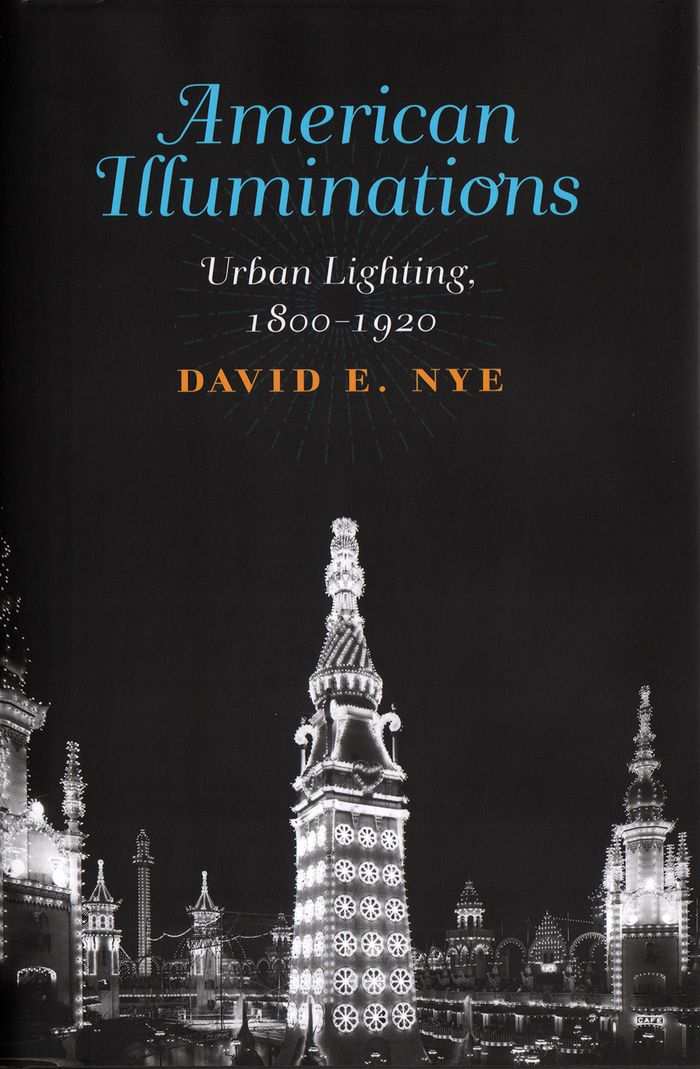
American illuminations: urban lighting 1800-1920
Actions:
Price:
$42.00
(available to order)
Summary:
Illuminated fêtes and civic celebrations began in Renaissance Italy and spread through the courts of Europe. Their fireworks, torches, lamps, and special effects glorified the monarch, marked the birth of a prince, or celebrated military victory. Nineteenth-century Americans rejected such monarchial pomp and adapted spectacular lighting to their democratic, commercial culture. In American Illuminations, David Nye explains how they experimented with gas and electric light to create illuminated cityscapes far brighter and more dynamic than those of Europe, and how these illuminations became symbols of modernity and the conquest of nature.
American illuminations: urban lighting 1800-1920
Actions:
Price:
$42.00
(available to order)
Summary:
Illuminated fêtes and civic celebrations began in Renaissance Italy and spread through the courts of Europe. Their fireworks, torches, lamps, and special effects glorified the monarch, marked the birth of a prince, or celebrated military victory. Nineteenth-century Americans rejected such monarchial pomp and adapted spectacular lighting to their democratic, commercial culture. In American Illuminations, David Nye explains how they experimented with gas and electric light to create illuminated cityscapes far brighter and more dynamic than those of Europe, and how these illuminations became symbols of modernity and the conquest of nature.
Form:
books
books
Publication:
January 2018
January 2018
Subject:
Urban Theory
Urban Theory
Form:
books
books
Actions:
Price:
$30.00
(available to order)
Summary:
Spanning the history of literature, art, and architecture from John Ruskin, Henry James, and Ezra Pound to Manfredo Tafuri, Italo Calvino, Jeanette Winterson, and Robert Coover ''Killing the Moonlight'' tracks the pressures that modernity has placed on the legacy of romantic Venice, and the distinctive strains of aesthetic invention that resulted from the clash. In(...)
$30.00
(available to order)
Summary:
Spanning the history of literature, art, and architecture from John Ruskin, Henry James, and Ezra Pound to Manfredo Tafuri, Italo Calvino, Jeanette Winterson, and Robert Coover ''Killing the Moonlight'' tracks the pressures that modernity has placed on the legacy of romantic Venice, and the distinctive strains of aesthetic invention that resulted from the clash. In(...)
Title:
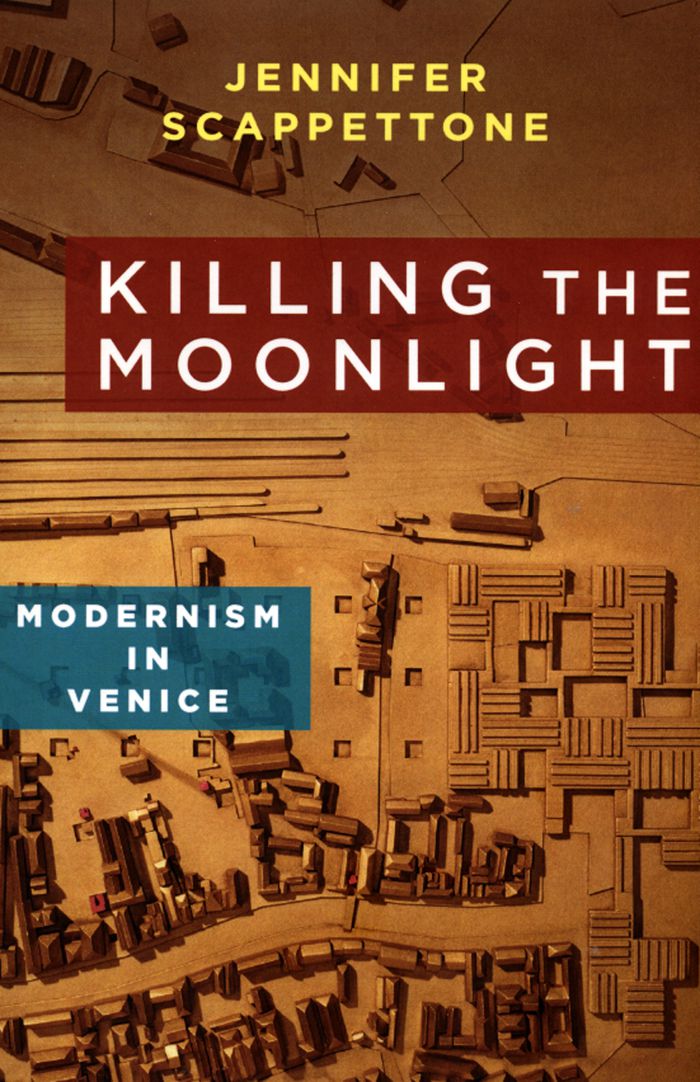
Killing the moonlight: Modernism in Venice
Actions:
Price:
$30.00
(available to order)
Summary:
Spanning the history of literature, art, and architecture from John Ruskin, Henry James, and Ezra Pound to Manfredo Tafuri, Italo Calvino, Jeanette Winterson, and Robert Coover ''Killing the Moonlight'' tracks the pressures that modernity has placed on the legacy of romantic Venice, and the distinctive strains of aesthetic invention that resulted from the clash. In Venetian incarnations of modernism, the anachronistic urban fabric and vestigial sentiment that both the nation-state of Italy and the historical avant-garde would cast off become incompletely assimilated parts of the new.
Killing the moonlight: Modernism in Venice
Actions:
Price:
$30.00
(available to order)
Summary:
Spanning the history of literature, art, and architecture from John Ruskin, Henry James, and Ezra Pound to Manfredo Tafuri, Italo Calvino, Jeanette Winterson, and Robert Coover ''Killing the Moonlight'' tracks the pressures that modernity has placed on the legacy of romantic Venice, and the distinctive strains of aesthetic invention that resulted from the clash. In Venetian incarnations of modernism, the anachronistic urban fabric and vestigial sentiment that both the nation-state of Italy and the historical avant-garde would cast off become incompletely assimilated parts of the new.
Form:
books
books
Publication:
August 2016
August 2016
Subject:
Architectural Theory
Architectural Theory
Form:
books
books
Actions:
Price:
$46.95
(available in store)
Summary:
This singular work is one of the most outstanding buildings of the last decade in the oeuvre of Álvaro Siza, Pritzker Prize recipient in 1992. On a high plain by the river in the Roman city of Chaves, deep in the interior of his home country, Siza has built the Nadir Afonso Museum. Blending the modernity of elevation of the ground (and above the river’s flood plain) and a(...)
$46.95
(available in store)
Summary:
This singular work is one of the most outstanding buildings of the last decade in the oeuvre of Álvaro Siza, Pritzker Prize recipient in 1992. On a high plain by the river in the Roman city of Chaves, deep in the interior of his home country, Siza has built the Nadir Afonso Museum. Blending the modernity of elevation of the ground (and above the river’s flood plain) and a(...)
Subject:
Architecture Monographs
Architecture Monographs
Publication:
February 2017
February 2017
Title:
Alvaro Siza: Museu Nadir Afonso
Actions:
Price:
$46.95
(available in store)
Summary:
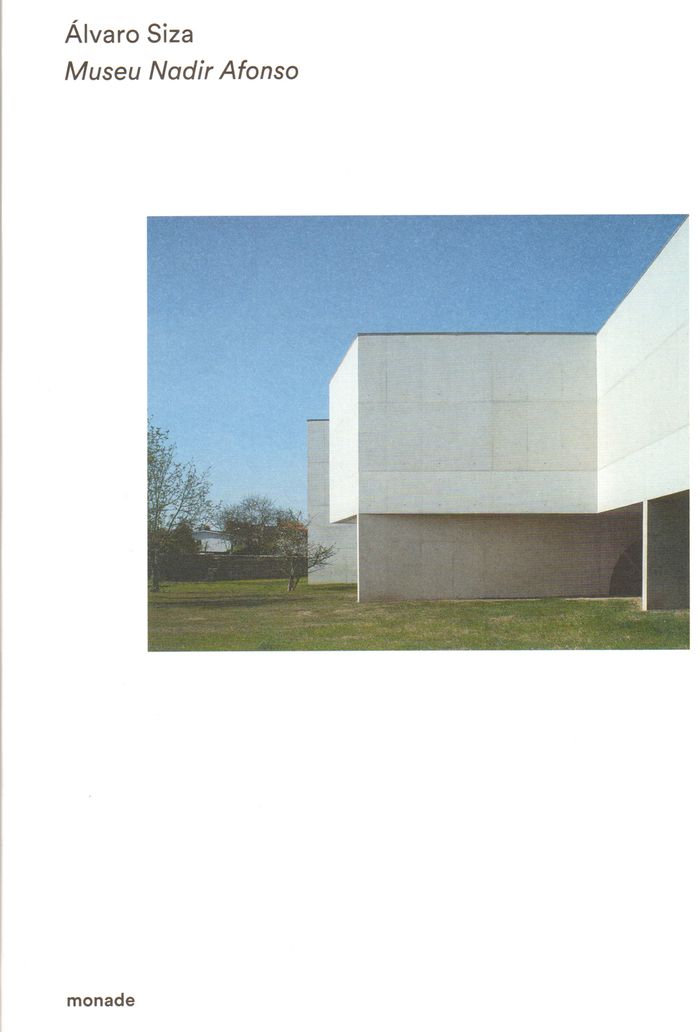
This singular work is one of the most outstanding buildings of the last decade in the oeuvre of Álvaro Siza, Pritzker Prize recipient in 1992. On a high plain by the river in the Roman city of Chaves, deep in the interior of his home country, Siza has built the Nadir Afonso Museum. Blending the modernity of elevation of the ground (and above the river’s flood plain) and a vernacular indented plan, the building reveals the exceptional mastery of this architect and the very condition of contemporary architecture.
Alvaro Siza: Museu Nadir Afonso
Actions:
Price:
$46.95
(available in store)
Summary:
This singular work is one of the most outstanding buildings of the last decade in the oeuvre of Álvaro Siza, Pritzker Prize recipient in 1992. On a high plain by the river in the Roman city of Chaves, deep in the interior of his home country, Siza has built the Nadir Afonso Museum. Blending the modernity of elevation of the ground (and above the river’s flood plain) and a vernacular indented plan, the building reveals the exceptional mastery of this architect and the very condition of contemporary architecture.
Form:
books
books
Publication:
February 2017
February 2017
Subject:
Architecture Monographs
Architecture Monographs
Form:
books
books
Actions:
Price:
$69.50
(available to order)
Summary:
Throughout the twentieth century, the ancient city of Athens underwent a massive transformation into simple sets of apartment blocks, or polykatoikia. Today, these multifamily residential units define the city’s landscape from center to periphery and house a majority of Greece’s population. Yet specific circumstances and cultural patterns set Athens’s transformation apart(...)
$69.50
(available to order)
Summary:
Throughout the twentieth century, the ancient city of Athens underwent a massive transformation into simple sets of apartment blocks, or polykatoikia. Today, these multifamily residential units define the city’s landscape from center to periphery and house a majority of Greece’s population. Yet specific circumstances and cultural patterns set Athens’s transformation apart(...)
Title:
The public-private house: modern Athens and its Polykatoikia
Actions:
Price:
$69.50
(available to order)
Summary:
Throughout the twentieth century, the ancient city of Athens underwent a massive transformation into simple sets of apartment blocks, or polykatoikia. Today, these multifamily residential units define the city’s landscape from center to periphery and house a majority of Greece’s population. Yet specific circumstances and cultural patterns set Athens’s transformation apart from the arrival of architectural modernity in other countries, and what has emerged in Athens is a distinctly Greek variety of modern urban development. "The Public-Private House" examines Athens’s urban character and the apparently unlimited adaptability of polykatoikia.
The public-private house: modern Athens and its Polykatoikia
Actions:
Price:
$69.50
(available to order)
Summary:
Throughout the twentieth century, the ancient city of Athens underwent a massive transformation into simple sets of apartment blocks, or polykatoikia. Today, these multifamily residential units define the city’s landscape from center to periphery and house a majority of Greece’s population. Yet specific circumstances and cultural patterns set Athens’s transformation apart from the arrival of architectural modernity in other countries, and what has emerged in Athens is a distinctly Greek variety of modern urban development. "The Public-Private House" examines Athens’s urban character and the apparently unlimited adaptability of polykatoikia.
Form:
books
books
Publication:
February 2019
February 2019
Subject:
Architectural Theory
Architectural Theory


