


44145 Results
Level of archival description:
Project
Project
Actions:
Reference number:
AP018.S1.1985.PR01
Description:
This project series documents additions made to the office building and its cafeteria for Safeco Insurance Company of America in Mississauga, Ontario from 1985-1987. The office identified the project number as 85003. Beginning in 1973, Parkin Architects Planners began work on the construction of the Safeco office building. This project consisted of additions made to the original building and its cafeteria. The project is recorded through drawings, photographic materials and textual records dating from 1985-1987. Photographic materials include site and interior photographs. Textual records include contemplated change orders, correspondence, contract records, interoffice letters, contract specifications, financial records, site review reports, meeting reports and tender documents.
AP018.S1.1985.PR01
Description:
This project series documents additions made to the office building and its cafeteria for Safeco Insurance Company of America in Mississauga, Ontario from 1985-1987. The office identified the project number as 85003. Beginning in 1973, Parkin Architects Planners began work on the construction of the Safeco office building. This project consisted of additions made to the original building and its cafeteria. The project is recorded through drawings, photographic materials and textual records dating from 1985-1987. Photographic materials include site and interior photographs. Textual records include contemplated change orders, correspondence, contract records, interoffice letters, contract specifications, financial records, site review reports, meeting reports and tender documents.
People:
Date:
1985-1987
1985-1987
Title:
Safeco Insurance Company of Ontario, Toronto Office Building, Office and Cafeteria Additions, Mississauga, Ontario (1985-1987)
Actions:
AP018.S1.1985.PR01
Description:
This project series documents additions made to the office building and its cafeteria for Safeco Insurance Company of America in Mississauga, Ontario from 1985-1987. The office identified the project number as 85003. Beginning in 1973, Parkin Architects Planners began work on the construction of the Safeco office building. This project consisted of additions made to the original building and its cafeteria. The project is recorded through drawings, photographic materials and textual records dating from 1985-1987. Photographic materials include site and interior photographs. Textual records include contemplated change orders, correspondence, contract records, interoffice letters, contract specifications, financial records, site review reports, meeting reports and tender documents.
Safeco Insurance Company of Ontario, Toronto Office Building, Office and Cafeteria Additions, Mississauga, Ontario (1985-1987)
Actions:
AP018.S1.1985.PR01
Description:
This project series documents additions made to the office building and its cafeteria for Safeco Insurance Company of America in Mississauga, Ontario from 1985-1987. The office identified the project number as 85003. Beginning in 1973, Parkin Architects Planners began work on the construction of the Safeco office building. This project consisted of additions made to the original building and its cafeteria. The project is recorded through drawings, photographic materials and textual records dating from 1985-1987. Photographic materials include site and interior photographs. Textual records include contemplated change orders, correspondence, contract records, interoffice letters, contract specifications, financial records, site review reports, meeting reports and tender documents.
Level of archival description:
Project
Project
Date:
1985-1987
1985-1987
People:
Level of archival description:
Series
Series
Reference number:
AP207.S5
Description:
The series consists of a selection of professional papers from Gianni Pettena’s office. This material was arranged into a series of binders and sorted in chronological order from 1960 to 2018 by Pettena’s office. It includes both analogue and digital materials. These binders document Pettena’s career and activities as an architect, an artist, a critic and a teacher. It includes correspondence, promotional materials, press releases, and press clippings on Pettena’s work and activities, contracts and agreements for exhibitions, publications and academic events. The sub-series also contains a selection of portraits of Pettena from the 1960 to 2018 and various short videos of him. These portraits and videos, in digital formats, were also arranged together by Pettena’s office.
AP207.S5
Description:
The series consists of a selection of professional papers from Gianni Pettena’s office. This material was arranged into a series of binders and sorted in chronological order from 1960 to 2018 by Pettena’s office. It includes both analogue and digital materials. These binders document Pettena’s career and activities as an architect, an artist, a critic and a teacher. It includes correspondence, promotional materials, press releases, and press clippings on Pettena’s work and activities, contracts and agreements for exhibitions, publications and academic events. The sub-series also contains a selection of portraits of Pettena from the 1960 to 2018 and various short videos of him. These portraits and videos, in digital formats, were also arranged together by Pettena’s office.
People:
Date:
1960-2018
1960-2018
Title:
Selected professional papers, photographs and videos
Actions:
AP207.S5
Description:
The series consists of a selection of professional papers from Gianni Pettena’s office. This material was arranged into a series of binders and sorted in chronological order from 1960 to 2018 by Pettena’s office. It includes both analogue and digital materials. These binders document Pettena’s career and activities as an architect, an artist, a critic and a teacher. It includes correspondence, promotional materials, press releases, and press clippings on Pettena’s work and activities, contracts and agreements for exhibitions, publications and academic events. The sub-series also contains a selection of portraits of Pettena from the 1960 to 2018 and various short videos of him. These portraits and videos, in digital formats, were also arranged together by Pettena’s office.
Selected professional papers, photographs and videos
Actions:
AP207.S5
Description:
The series consists of a selection of professional papers from Gianni Pettena’s office. This material was arranged into a series of binders and sorted in chronological order from 1960 to 2018 by Pettena’s office. It includes both analogue and digital materials. These binders document Pettena’s career and activities as an architect, an artist, a critic and a teacher. It includes correspondence, promotional materials, press releases, and press clippings on Pettena’s work and activities, contracts and agreements for exhibitions, publications and academic events. The sub-series also contains a selection of portraits of Pettena from the 1960 to 2018 and various short videos of him. These portraits and videos, in digital formats, were also arranged together by Pettena’s office.
Level of archival description:
Series
Series
Date:
1960-2018
1960-2018
People:
Form:
textual records
textual records
Title:
Diaries
Diaries
Actions:
Reference number:
AP206.S2.001
Description:
File consists of the diaries of Aditya Prakash from 1947-1955, excluding the year 1954. They cover his daily activities and life milestones including his schooling in London and Glasgow, his first jobs in architecture, the independence of India, the assassination of Mahatma Gandhi, getting the job for the Chandigarh Capitol Team Project and the first few years of his work with Le Corbusier, Pierre Jeanneret, Maxwell Fry and Jane Drew in Chandigarh.
AP206.S2.001
Description:
File consists of the diaries of Aditya Prakash from 1947-1955, excluding the year 1954. They cover his daily activities and life milestones including his schooling in London and Glasgow, his first jobs in architecture, the independence of India, the assassination of Mahatma Gandhi, getting the job for the Chandigarh Capitol Team Project and the first few years of his work with Le Corbusier, Pierre Jeanneret, Maxwell Fry and Jane Drew in Chandigarh.
People:
Date:
1947-1955
1947-1955
Title:
Diaries
Actions:
AP206.S2.001
Description:
File consists of the diaries of Aditya Prakash from 1947-1955, excluding the year 1954. They cover his daily activities and life milestones including his schooling in London and Glasgow, his first jobs in architecture, the independence of India, the assassination of Mahatma Gandhi, getting the job for the Chandigarh Capitol Team Project and the first few years of his work with Le Corbusier, Pierre Jeanneret, Maxwell Fry and Jane Drew in Chandigarh.
Diaries
Actions:
AP206.S2.001
Description:
File consists of the diaries of Aditya Prakash from 1947-1955, excluding the year 1954. They cover his daily activities and life milestones including his schooling in London and Glasgow, his first jobs in architecture, the independence of India, the assassination of Mahatma Gandhi, getting the job for the Chandigarh Capitol Team Project and the first few years of his work with Le Corbusier, Pierre Jeanneret, Maxwell Fry and Jane Drew in Chandigarh.
Form:
textual records
textual records
Date:
1947-1955
1947-1955
People:
Level of archival description:
Sub-series
Sub-series
Reference number:
AP178.S1.1988.PR07.SS1
Description:
This project subseries documents the reconstruction of Chiado in Lisbon, Portugal. The office assigned the dates 1988-1998 for this project. This subseries documents the master plans and exterior spaces work. It also includes general documentation and photographic studies for the project. Drawings include studies, working drawings, mechanical drawings, technical drawings, and structural drawings. Textual material includes project documentation, studies, meeting reports, and correspondence. Photographic material includes photographs of the building before the fire, ruins, model, and construction work. Related subseries to this project includes : 2) AP178.S1.1988.PR07.SS2 Bloco A, 3) AP178.S1.1988.PR07.SS3 Edificio Camara Chaves building, 4) AP178.S1.1988.PR07.SS4 Edifício Castro e Melo, 5) AP178.S1.1988.PR07.SS5 Bloco B, 6) AP178.S1.1988.PR07.SS6– Bloco, B Chiado, Edifício Leonel, Lisboa, Portugal (1988-1998), 7) AP178.S1.1988.PR07.SS7 Bloco C, 8) AP178.S1.1988.PR07.SS8 - Bloco C, Chiado, Recuperaçäo do Edifício Grandella, 9) AP178.S1.1988.PR07.SS9 - Bloco C, Chiado, Recuperaçäo do Edifício dos Grandes Armazéns, 10) AP178.S1.1988.PR07.SS10 Ligacao Pedonal do Patio B, 11) AP178.S1.1988.PR07.SS11 Chiado, Estação de Metropolitano Baixa Chiado. It is important to note that the project AP178.S1.1994.PR08 Renovação do Elevador de Santa Justa, Chiado, 1994 is also related to the Reconstruction of the Chiado. All documentation for this project series, including the project subseries, has been kept together to maintain the office's arrangement.
AP178.S1.1988.PR07.SS1
Description:
This project subseries documents the reconstruction of Chiado in Lisbon, Portugal. The office assigned the dates 1988-1998 for this project. This subseries documents the master plans and exterior spaces work. It also includes general documentation and photographic studies for the project. Drawings include studies, working drawings, mechanical drawings, technical drawings, and structural drawings. Textual material includes project documentation, studies, meeting reports, and correspondence. Photographic material includes photographs of the building before the fire, ruins, model, and construction work. Related subseries to this project includes : 2) AP178.S1.1988.PR07.SS2 Bloco A, 3) AP178.S1.1988.PR07.SS3 Edificio Camara Chaves building, 4) AP178.S1.1988.PR07.SS4 Edifício Castro e Melo, 5) AP178.S1.1988.PR07.SS5 Bloco B, 6) AP178.S1.1988.PR07.SS6– Bloco, B Chiado, Edifício Leonel, Lisboa, Portugal (1988-1998), 7) AP178.S1.1988.PR07.SS7 Bloco C, 8) AP178.S1.1988.PR07.SS8 - Bloco C, Chiado, Recuperaçäo do Edifício Grandella, 9) AP178.S1.1988.PR07.SS9 - Bloco C, Chiado, Recuperaçäo do Edifício dos Grandes Armazéns, 10) AP178.S1.1988.PR07.SS10 Ligacao Pedonal do Patio B, 11) AP178.S1.1988.PR07.SS11 Chiado, Estação de Metropolitano Baixa Chiado. It is important to note that the project AP178.S1.1994.PR08 Renovação do Elevador de Santa Justa, Chiado, 1994 is also related to the Reconstruction of the Chiado. All documentation for this project series, including the project subseries, has been kept together to maintain the office's arrangement.
People:
Date:
1970-2003
1970-2003
Title:
Reconstrução do Chiado [Master plans and exterior space, reconstruction of the Chiado area], Lisbon, Portugal (1988-1998)
Actions:
AP178.S1.1988.PR07.SS1
Description:
This project subseries documents the reconstruction of Chiado in Lisbon, Portugal. The office assigned the dates 1988-1998 for this project. This subseries documents the master plans and exterior spaces work. It also includes general documentation and photographic studies for the project. Drawings include studies, working drawings, mechanical drawings, technical drawings, and structural drawings. Textual material includes project documentation, studies, meeting reports, and correspondence. Photographic material includes photographs of the building before the fire, ruins, model, and construction work. Related subseries to this project includes : 2) AP178.S1.1988.PR07.SS2 Bloco A, 3) AP178.S1.1988.PR07.SS3 Edificio Camara Chaves building, 4) AP178.S1.1988.PR07.SS4 Edifício Castro e Melo, 5) AP178.S1.1988.PR07.SS5 Bloco B, 6) AP178.S1.1988.PR07.SS6– Bloco, B Chiado, Edifício Leonel, Lisboa, Portugal (1988-1998), 7) AP178.S1.1988.PR07.SS7 Bloco C, 8) AP178.S1.1988.PR07.SS8 - Bloco C, Chiado, Recuperaçäo do Edifício Grandella, 9) AP178.S1.1988.PR07.SS9 - Bloco C, Chiado, Recuperaçäo do Edifício dos Grandes Armazéns, 10) AP178.S1.1988.PR07.SS10 Ligacao Pedonal do Patio B, 11) AP178.S1.1988.PR07.SS11 Chiado, Estação de Metropolitano Baixa Chiado. It is important to note that the project AP178.S1.1994.PR08 Renovação do Elevador de Santa Justa, Chiado, 1994 is also related to the Reconstruction of the Chiado. All documentation for this project series, including the project subseries, has been kept together to maintain the office's arrangement.
Reconstrução do Chiado [Master plans and exterior space, reconstruction of the Chiado area], Lisbon, Portugal (1988-1998)
Actions:
AP178.S1.1988.PR07.SS1
Description:
This project subseries documents the reconstruction of Chiado in Lisbon, Portugal. The office assigned the dates 1988-1998 for this project. This subseries documents the master plans and exterior spaces work. It also includes general documentation and photographic studies for the project. Drawings include studies, working drawings, mechanical drawings, technical drawings, and structural drawings. Textual material includes project documentation, studies, meeting reports, and correspondence. Photographic material includes photographs of the building before the fire, ruins, model, and construction work. Related subseries to this project includes : 2) AP178.S1.1988.PR07.SS2 Bloco A, 3) AP178.S1.1988.PR07.SS3 Edificio Camara Chaves building, 4) AP178.S1.1988.PR07.SS4 Edifício Castro e Melo, 5) AP178.S1.1988.PR07.SS5 Bloco B, 6) AP178.S1.1988.PR07.SS6– Bloco, B Chiado, Edifício Leonel, Lisboa, Portugal (1988-1998), 7) AP178.S1.1988.PR07.SS7 Bloco C, 8) AP178.S1.1988.PR07.SS8 - Bloco C, Chiado, Recuperaçäo do Edifício Grandella, 9) AP178.S1.1988.PR07.SS9 - Bloco C, Chiado, Recuperaçäo do Edifício dos Grandes Armazéns, 10) AP178.S1.1988.PR07.SS10 Ligacao Pedonal do Patio B, 11) AP178.S1.1988.PR07.SS11 Chiado, Estação de Metropolitano Baixa Chiado. It is important to note that the project AP178.S1.1994.PR08 Renovação do Elevador de Santa Justa, Chiado, 1994 is also related to the Reconstruction of the Chiado. All documentation for this project series, including the project subseries, has been kept together to maintain the office's arrangement.
Level of archival description:
Project
Project
Date:
1970-2003
1970-2003
People:
Form:
events
events
Actions:
Description:
The third Architecture as Public Concern Lecture supports the CCA Research Network, an entity bringing together alumni from almost four decades of research programs at the CCA. This annual lecture explores the theme of the 2025 Architecture as Public Concern Fellowship, which asks, how can we build relation? It also aligns with the ambition of the CCA Research Network to(...)
The third Architecture as Public Concern Lecture supports the CCA Research Network, an entity bringing together alumni from almost four decades of research programs at the CCA. This annual lecture explores the theme of the 2025 Architecture as Public Concern Fellowship, which asks, how can we build relation? It also aligns with the ambition of the CCA Research Network to(...)
Keyword(s):
CCA Research Network
CCA Research Network
Date:
12 November 2025, 10am to 11:30am
12 November 2025, 10am to 11:30am
Title:
2025 Architecture as Public Concern Lecture: How Can We Build Relation?
Actions:
Description:
The third Architecture as Public Concern Lecture supports the CCA Research Network, an entity bringing together alumni from almost four decades of research programs at the CCA. This annual lecture explores the theme of the 2025 Architecture as Public Concern Fellowship, which asks, how can we build relation? It also aligns with the ambition of the CCA Research Network to(...)
2025 Architecture as Public Concern Lecture: How Can We Build Relation?
Actions:
Description:
The third Architecture as Public Concern Lecture supports the CCA Research Network, an entity bringing together alumni from almost four decades of research programs at the CCA. This annual lecture explores the theme of the 2025 Architecture as Public Concern Fellowship, which asks, how can we build relation? It also aligns with the ambition of the CCA Research Network to(...)
Form:
events
events
Date:
12 November 2025
10am to 11:30am
12 November 2025
10am to 11:30am
Keyword(s):
CCA Research Network
CCA Research Network
Form:
drawings
drawings
Actions:
Reference number:
DR1988:0176
Description:
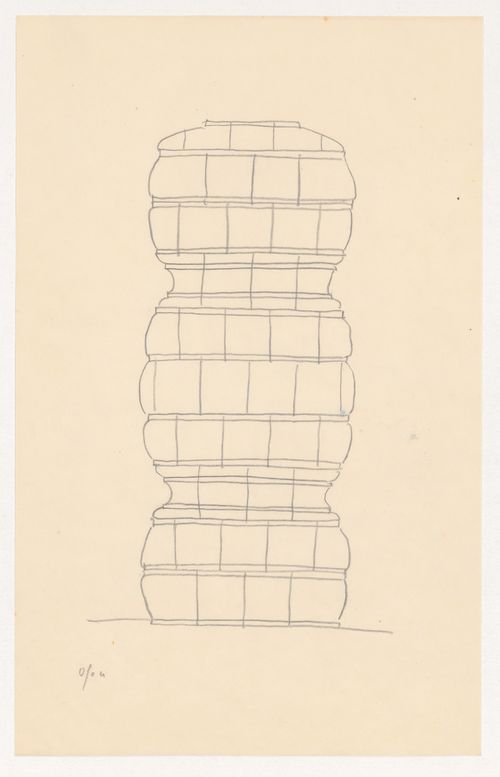
- Design for a tall, irregularly-shaped stove, with varying sizes of tiles. - The subject of this drawing is identified as a tiled stove by the inscription "Ofen" (stove). This inscription, probably by the draughtsman, occurs on several of the drawings in the group DR1988:0155 - DR1988:0209, as does the inscription "Kachelofen" (tiled stove). Henze illustrates examples of "Kachelofen" which are similar to this work, although more rectilinear in shape (fig. 105, p. 98 and fig. 114, p. 103).
DR1988:0176
Description:
- Design for a tall, irregularly-shaped stove, with varying sizes of tiles. - The subject of this drawing is identified as a tiled stove by the inscription "Ofen" (stove). This inscription, probably by the draughtsman, occurs on several of the drawings in the group DR1988:0155 - DR1988:0209, as does the inscription "Kachelofen" (tiled stove). Henze illustrates examples of "Kachelofen" which are similar to this work, although more rectilinear in shape (fig. 105, p. 98 and fig. 114, p. 103).
People:
Subject:
interior design
interior design
Date:
circa 1920-1921
circa 1920-1921
Title:
Design for an irregularly-shaped tiled stove
Actions:
DR1988:0176
Description:
- Design for a tall, irregularly-shaped stove, with varying sizes of tiles. - The subject of this drawing is identified as a tiled stove by the inscription "Ofen" (stove). This inscription, probably by the draughtsman, occurs on several of the drawings in the group DR1988:0155 - DR1988:0209, as does the inscription "Kachelofen" (tiled stove). Henze illustrates examples of "Kachelofen" which are similar to this work, although more rectilinear in shape (fig. 105, p. 98 and fig. 114, p. 103).
Design for an irregularly-shaped tiled stove
Actions:
DR1988:0176
Description:
- Design for a tall, irregularly-shaped stove, with varying sizes of tiles. - The subject of this drawing is identified as a tiled stove by the inscription "Ofen" (stove). This inscription, probably by the draughtsman, occurs on several of the drawings in the group DR1988:0155 - DR1988:0209, as does the inscription "Kachelofen" (tiled stove). Henze illustrates examples of "Kachelofen" which are similar to this work, although more rectilinear in shape (fig. 105, p. 98 and fig. 114, p. 103).
Form:
drawings
drawings
Date:
circa 1920-1921
circa 1920-1921
People:
Subject:
interior design
interior design
Form:
textual records
textual records
Actions:
Reference number:
AP197.S1.SS9.014
Description:
The box contains drafts, final copies, notes and correspondence for various articles, interviews, keynote addresses, and lectures by Kenneth Frampton. The materials are organized in alphabetical order, from FR- I. The largest portion of this box consists of articles, correspondence and research files on Tony Fretton; a dossier on the 1994 Mies van der Rohe Pavilion Award in which Frampton was a nominator from 1994-1996; various articles, drafts and correspondence on Steven Holl; drafts of "Homage a Finlandia: Finnish Architecture and the Unfinished Modern Project," a Nils Wickberg lecture, Aalto University; and correspondence and drafts of a Michael Hopkins essay featured in "Hopkins: the work of Michael Hopkins and Partners." Other subjects and architects explored in these texts relate to: Tony Fretton; Hiromi Fuiji; futurism; on Galfetti's Aula; Antoni Gaudí; globalism and its discontents; Giorgio Grassi; Vittorio Gregotti; the Guggenheim; Dan S. Hanganu; the work of Hariri Hariri; Herman Hertzberger; homage to Iberia; industrialization; and an introduction to "Inside Architecture" by Vittorio Gregotti.
AP197.S1.SS9.014
Description:
The box contains drafts, final copies, notes and correspondence for various articles, interviews, keynote addresses, and lectures by Kenneth Frampton. The materials are organized in alphabetical order, from FR- I. The largest portion of this box consists of articles, correspondence and research files on Tony Fretton; a dossier on the 1994 Mies van der Rohe Pavilion Award in which Frampton was a nominator from 1994-1996; various articles, drafts and correspondence on Steven Holl; drafts of "Homage a Finlandia: Finnish Architecture and the Unfinished Modern Project," a Nils Wickberg lecture, Aalto University; and correspondence and drafts of a Michael Hopkins essay featured in "Hopkins: the work of Michael Hopkins and Partners." Other subjects and architects explored in these texts relate to: Tony Fretton; Hiromi Fuiji; futurism; on Galfetti's Aula; Antoni Gaudí; globalism and its discontents; Giorgio Grassi; Vittorio Gregotti; the Guggenheim; Dan S. Hanganu; the work of Hariri Hariri; Herman Hertzberger; homage to Iberia; industrialization; and an introduction to "Inside Architecture" by Vittorio Gregotti.
People:
Date:
circa 1971-2015
circa 1971-2015
Title:
Kenneth Frampton writings (FR-I)
Actions:
AP197.S1.SS9.014
Description:
The box contains drafts, final copies, notes and correspondence for various articles, interviews, keynote addresses, and lectures by Kenneth Frampton. The materials are organized in alphabetical order, from FR- I. The largest portion of this box consists of articles, correspondence and research files on Tony Fretton; a dossier on the 1994 Mies van der Rohe Pavilion Award in which Frampton was a nominator from 1994-1996; various articles, drafts and correspondence on Steven Holl; drafts of "Homage a Finlandia: Finnish Architecture and the Unfinished Modern Project," a Nils Wickberg lecture, Aalto University; and correspondence and drafts of a Michael Hopkins essay featured in "Hopkins: the work of Michael Hopkins and Partners." Other subjects and architects explored in these texts relate to: Tony Fretton; Hiromi Fuiji; futurism; on Galfetti's Aula; Antoni Gaudí; globalism and its discontents; Giorgio Grassi; Vittorio Gregotti; the Guggenheim; Dan S. Hanganu; the work of Hariri Hariri; Herman Hertzberger; homage to Iberia; industrialization; and an introduction to "Inside Architecture" by Vittorio Gregotti.
Kenneth Frampton writings (FR-I)
Actions:
AP197.S1.SS9.014
Description:
The box contains drafts, final copies, notes and correspondence for various articles, interviews, keynote addresses, and lectures by Kenneth Frampton. The materials are organized in alphabetical order, from FR- I. The largest portion of this box consists of articles, correspondence and research files on Tony Fretton; a dossier on the 1994 Mies van der Rohe Pavilion Award in which Frampton was a nominator from 1994-1996; various articles, drafts and correspondence on Steven Holl; drafts of "Homage a Finlandia: Finnish Architecture and the Unfinished Modern Project," a Nils Wickberg lecture, Aalto University; and correspondence and drafts of a Michael Hopkins essay featured in "Hopkins: the work of Michael Hopkins and Partners." Other subjects and architects explored in these texts relate to: Tony Fretton; Hiromi Fuiji; futurism; on Galfetti's Aula; Antoni Gaudí; globalism and its discontents; Giorgio Grassi; Vittorio Gregotti; the Guggenheim; Dan S. Hanganu; the work of Hariri Hariri; Herman Hertzberger; homage to Iberia; industrialization; and an introduction to "Inside Architecture" by Vittorio Gregotti.
Form:
textual records
textual records
Date:
circa 1971-2015
circa 1971-2015
People:
Level of archival description:
Sub-series
Sub-series
Reference number:
AP178.S1.1988.PR07.SS9
Description:
This project series documents the restoration of the Grandes Armazéns do Chiado building in Lisbon, Portugal. While the records were held in the office’s archives this project was assigned the number 58/80 N4. The office assigned the dates 1988-1998 for this project. The Grandes Armazéns do Chiado was part of Bloco C and identified as building 4 in Siza's reconstruction plan. The site of the Grandes Armazéns served several different functions in its history, including a hotel, a palace, and a convent, before becoming a department store in 1894. In the 1920s, a hotel was created at the top floors. After the destructive fire of 1988, the new owners of the building were interested in using the totality of the building for a shopping mall and restaurants. On the other hand, Siza's proposal included the expansion of the hotel in the building to introduce more public activity in the area after the regular work and shopping hours. Several programs were proposed to the owners of the building, and it was decided in 1996 that the hotel space would be reduced to the two top floors to have more room for the shopping center. The new division included 41 hotel rooms and 41 stores. The interior of the shopping mall was designed by Eduardo Souto Moura. Drawings include studies, working drawings, mechanical drawings, and structural drawings. Textual material includes project documentation, studies, meeting reports, and correspondence. Photographic material includes photographs of the building before the fire, ruins, model, and construction work. Documentation for this project can also be found in subseries AP178.S1.1988.PR07.SS1 and AP178.S1.1988.PR07.SS7 of this project series.
AP178.S1.1988.PR07.SS9
Description:
This project series documents the restoration of the Grandes Armazéns do Chiado building in Lisbon, Portugal. While the records were held in the office’s archives this project was assigned the number 58/80 N4. The office assigned the dates 1988-1998 for this project. The Grandes Armazéns do Chiado was part of Bloco C and identified as building 4 in Siza's reconstruction plan. The site of the Grandes Armazéns served several different functions in its history, including a hotel, a palace, and a convent, before becoming a department store in 1894. In the 1920s, a hotel was created at the top floors. After the destructive fire of 1988, the new owners of the building were interested in using the totality of the building for a shopping mall and restaurants. On the other hand, Siza's proposal included the expansion of the hotel in the building to introduce more public activity in the area after the regular work and shopping hours. Several programs were proposed to the owners of the building, and it was decided in 1996 that the hotel space would be reduced to the two top floors to have more room for the shopping center. The new division included 41 hotel rooms and 41 stores. The interior of the shopping mall was designed by Eduardo Souto Moura. Drawings include studies, working drawings, mechanical drawings, and structural drawings. Textual material includes project documentation, studies, meeting reports, and correspondence. Photographic material includes photographs of the building before the fire, ruins, model, and construction work. Documentation for this project can also be found in subseries AP178.S1.1988.PR07.SS1 and AP178.S1.1988.PR07.SS7 of this project series.
People:
Date:
1988-2000
1988-2000
Title:
Recuperação do Edifício dos Grandes Armazéns, Bloco C, Reconstrução do Chiado [Restoration of Grandes Armazéns do Chiado building, Block C, Reconstruction of the Chiado] Lisbon, Portugal (1988-1998)
Actions:
AP178.S1.1988.PR07.SS9
Description:
This project series documents the restoration of the Grandes Armazéns do Chiado building in Lisbon, Portugal. While the records were held in the office’s archives this project was assigned the number 58/80 N4. The office assigned the dates 1988-1998 for this project. The Grandes Armazéns do Chiado was part of Bloco C and identified as building 4 in Siza's reconstruction plan. The site of the Grandes Armazéns served several different functions in its history, including a hotel, a palace, and a convent, before becoming a department store in 1894. In the 1920s, a hotel was created at the top floors. After the destructive fire of 1988, the new owners of the building were interested in using the totality of the building for a shopping mall and restaurants. On the other hand, Siza's proposal included the expansion of the hotel in the building to introduce more public activity in the area after the regular work and shopping hours. Several programs were proposed to the owners of the building, and it was decided in 1996 that the hotel space would be reduced to the two top floors to have more room for the shopping center. The new division included 41 hotel rooms and 41 stores. The interior of the shopping mall was designed by Eduardo Souto Moura. Drawings include studies, working drawings, mechanical drawings, and structural drawings. Textual material includes project documentation, studies, meeting reports, and correspondence. Photographic material includes photographs of the building before the fire, ruins, model, and construction work. Documentation for this project can also be found in subseries AP178.S1.1988.PR07.SS1 and AP178.S1.1988.PR07.SS7 of this project series.
Recuperação do Edifício dos Grandes Armazéns, Bloco C, Reconstrução do Chiado [Restoration of Grandes Armazéns do Chiado building, Block C, Reconstruction of the Chiado] Lisbon, Portugal (1988-1998)
Actions:
AP178.S1.1988.PR07.SS9
Description:
This project series documents the restoration of the Grandes Armazéns do Chiado building in Lisbon, Portugal. While the records were held in the office’s archives this project was assigned the number 58/80 N4. The office assigned the dates 1988-1998 for this project. The Grandes Armazéns do Chiado was part of Bloco C and identified as building 4 in Siza's reconstruction plan. The site of the Grandes Armazéns served several different functions in its history, including a hotel, a palace, and a convent, before becoming a department store in 1894. In the 1920s, a hotel was created at the top floors. After the destructive fire of 1988, the new owners of the building were interested in using the totality of the building for a shopping mall and restaurants. On the other hand, Siza's proposal included the expansion of the hotel in the building to introduce more public activity in the area after the regular work and shopping hours. Several programs were proposed to the owners of the building, and it was decided in 1996 that the hotel space would be reduced to the two top floors to have more room for the shopping center. The new division included 41 hotel rooms and 41 stores. The interior of the shopping mall was designed by Eduardo Souto Moura. Drawings include studies, working drawings, mechanical drawings, and structural drawings. Textual material includes project documentation, studies, meeting reports, and correspondence. Photographic material includes photographs of the building before the fire, ruins, model, and construction work. Documentation for this project can also be found in subseries AP178.S1.1988.PR07.SS1 and AP178.S1.1988.PR07.SS7 of this project series.
Level of archival description:
Project
Project
Date:
1988-2000
1988-2000
People:
Form:
drawings
drawings
Title:
108 / Trondheim
108 / Trondheim
Actions:
Reference number:
DR2004:1244
Description:
1 site plan 2 existing conditions site plans 6 plans ("T.C. 1:200) 2 sketch overlays 3 sketches, all dated 7-5-74, one annotated "FN dwg" [Frank Newby] 1 Cedric Price drawing titled "Survey check map" 108 - 06 2 competition schedules dated 15-3-74, one annotated, both on Archigram letterhead, showing work to be done from March - May 1974 12 gelatin silver print blow-ups, images of site
DR2004:1244
Description:
1 site plan 2 existing conditions site plans 6 plans ("T.C. 1:200) 2 sketch overlays 3 sketches, all dated 7-5-74, one annotated "FN dwg" [Frank Newby] 1 Cedric Price drawing titled "Survey check map" 108 - 06 2 competition schedules dated 15-3-74, one annotated, both on Archigram letterhead, showing work to be done from March - May 1974 12 gelatin silver print blow-ups, images of site
People:
Title:
108 / Trondheim
Actions:
DR2004:1244
Description:
1 site plan 2 existing conditions site plans 6 plans ("T.C. 1:200) 2 sketch overlays 3 sketches, all dated 7-5-74, one annotated "FN dwg" [Frank Newby] 1 Cedric Price drawing titled "Survey check map" 108 - 06 2 competition schedules dated 15-3-74, one annotated, both on Archigram letterhead, showing work to be done from March - May 1974 12 gelatin silver print blow-ups, images of site
108 / Trondheim
Actions:
DR2004:1244
Description:
1 site plan 2 existing conditions site plans 6 plans ("T.C. 1:200) 2 sketch overlays 3 sketches, all dated 7-5-74, one annotated "FN dwg" [Frank Newby] 1 Cedric Price drawing titled "Survey check map" 108 - 06 2 competition schedules dated 15-3-74, one annotated, both on Archigram letterhead, showing work to be done from March - May 1974 12 gelatin silver print blow-ups, images of site
Form:
drawings
drawings
People:
Level of archival description:
Project
Project
Actions:
Reference number:
AP164.S1.1999.D6
Description:
The project series documents the commission, design, and construction of the Gordillo studio, neighbouring the client’s house (AP164.S1.1993.D2) on Castilla de Ponferrada Street, in Villanueva de la Cañada, Community of Madrid, Spain. The firm identified this project as number 119. “The Gordillo Studio is a prismatic, serrated volume that occupies the plot’s only available strip of land and minimizes its presence through the use of two materials, translucent polycarbonate and xerophilous plantings, which seek the best adaptation to the site, the program and the client. Using this system, a semi-buried interior is constructed in which the light has been modeled as a solid, expansive material, the aim being to satisfy not only the specific demands of the work space but also the creation of an agreeable atmosphere, as austere as it is sensual.” (ARCH270975) Abalos & Herreros worked with Ángel Jaramillo Sanchez, María Auxiliadora Gálvez, Renata Sentkiewicz, Juan Gómez, Fernando Valero and José Torras. In 2002, the project won the COAM 2000 prize. Documenting this project are conceptual, design development and working drawings, photographic and reference materials, correspondence, notes, budgets, reports, studies, forms, project descriptions, invoices, certifications and trade catalogues.
AP164.S1.1999.D6
Description:
The project series documents the commission, design, and construction of the Gordillo studio, neighbouring the client’s house (AP164.S1.1993.D2) on Castilla de Ponferrada Street, in Villanueva de la Cañada, Community of Madrid, Spain. The firm identified this project as number 119. “The Gordillo Studio is a prismatic, serrated volume that occupies the plot’s only available strip of land and minimizes its presence through the use of two materials, translucent polycarbonate and xerophilous plantings, which seek the best adaptation to the site, the program and the client. Using this system, a semi-buried interior is constructed in which the light has been modeled as a solid, expansive material, the aim being to satisfy not only the specific demands of the work space but also the creation of an agreeable atmosphere, as austere as it is sensual.” (ARCH270975) Abalos & Herreros worked with Ángel Jaramillo Sanchez, María Auxiliadora Gálvez, Renata Sentkiewicz, Juan Gómez, Fernando Valero and José Torras. In 2002, the project won the COAM 2000 prize. Documenting this project are conceptual, design development and working drawings, photographic and reference materials, correspondence, notes, budgets, reports, studies, forms, project descriptions, invoices, certifications and trade catalogues.
People:
Date:
1978, 1992-2002, predominant 1999-2000
1978, 1992-2002, predominant 1999-2000
Title:
Estudio Gordillo, Villanueva de la Cañada, Spain (1999)
Actions:
AP164.S1.1999.D6
Description:
The project series documents the commission, design, and construction of the Gordillo studio, neighbouring the client’s house (AP164.S1.1993.D2) on Castilla de Ponferrada Street, in Villanueva de la Cañada, Community of Madrid, Spain. The firm identified this project as number 119. “The Gordillo Studio is a prismatic, serrated volume that occupies the plot’s only available strip of land and minimizes its presence through the use of two materials, translucent polycarbonate and xerophilous plantings, which seek the best adaptation to the site, the program and the client. Using this system, a semi-buried interior is constructed in which the light has been modeled as a solid, expansive material, the aim being to satisfy not only the specific demands of the work space but also the creation of an agreeable atmosphere, as austere as it is sensual.” (ARCH270975) Abalos & Herreros worked with Ángel Jaramillo Sanchez, María Auxiliadora Gálvez, Renata Sentkiewicz, Juan Gómez, Fernando Valero and José Torras. In 2002, the project won the COAM 2000 prize. Documenting this project are conceptual, design development and working drawings, photographic and reference materials, correspondence, notes, budgets, reports, studies, forms, project descriptions, invoices, certifications and trade catalogues.
Estudio Gordillo, Villanueva de la Cañada, Spain (1999)
Actions:
AP164.S1.1999.D6
Description:
The project series documents the commission, design, and construction of the Gordillo studio, neighbouring the client’s house (AP164.S1.1993.D2) on Castilla de Ponferrada Street, in Villanueva de la Cañada, Community of Madrid, Spain. The firm identified this project as number 119. “The Gordillo Studio is a prismatic, serrated volume that occupies the plot’s only available strip of land and minimizes its presence through the use of two materials, translucent polycarbonate and xerophilous plantings, which seek the best adaptation to the site, the program and the client. Using this system, a semi-buried interior is constructed in which the light has been modeled as a solid, expansive material, the aim being to satisfy not only the specific demands of the work space but also the creation of an agreeable atmosphere, as austere as it is sensual.” (ARCH270975) Abalos & Herreros worked with Ángel Jaramillo Sanchez, María Auxiliadora Gálvez, Renata Sentkiewicz, Juan Gómez, Fernando Valero and José Torras. In 2002, the project won the COAM 2000 prize. Documenting this project are conceptual, design development and working drawings, photographic and reference materials, correspondence, notes, budgets, reports, studies, forms, project descriptions, invoices, certifications and trade catalogues.
Level of archival description:
Project
Project
Date:
1978, 1992-2002, predominant 1999-2000
1978, 1992-2002, predominant 1999-2000
People:


