


1693 Results
Form:
books
books
Actions:
Price:
$65.00
(available to order)
Summary:
In the first book to chart the development of skating rinks and arenas from their origins as simple wooden sheds to today’s fully wired, multi-purpose entertainment complexes, Howard Shubert examines how these buildings have been adapted to seasonal change and to a multitude of uses besides skating - from political rallies to rock concerts - and how these adaptations, in(...)
$65.00
(available to order)
Summary:
In the first book to chart the development of skating rinks and arenas from their origins as simple wooden sheds to today’s fully wired, multi-purpose entertainment complexes, Howard Shubert examines how these buildings have been adapted to seasonal change and to a multitude of uses besides skating - from political rallies to rock concerts - and how these adaptations, in(...)
Title:
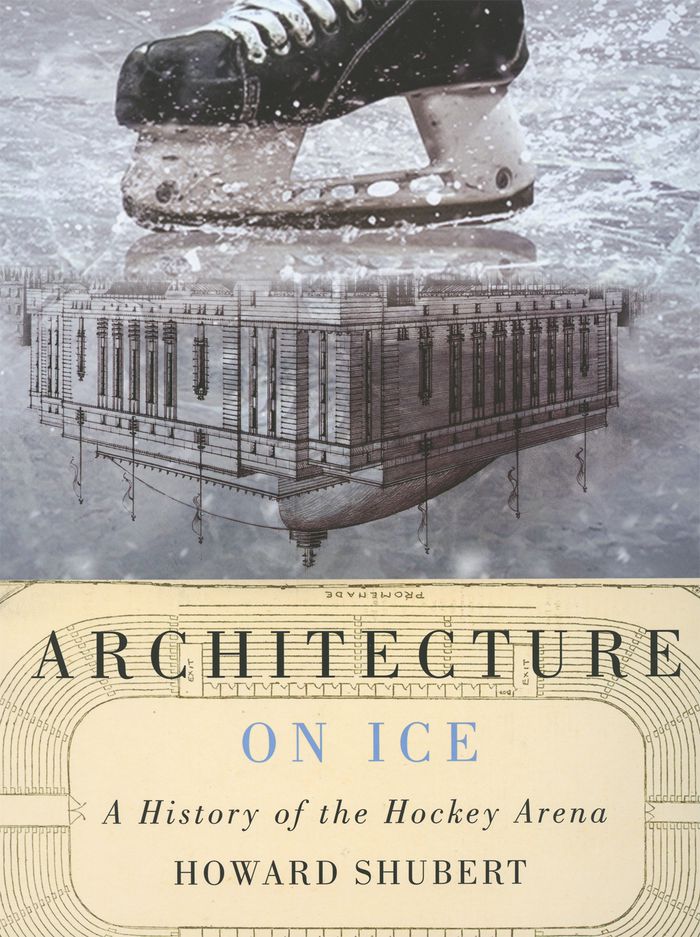
Architecture on ice: a history of the hockey arena
Actions:
Price:
$65.00
(available to order)
Summary:
In the first book to chart the development of skating rinks and arenas from their origins as simple wooden sheds to today’s fully wired, multi-purpose entertainment complexes, Howard Shubert examines how these buildings have been adapted to seasonal change and to a multitude of uses besides skating - from political rallies to rock concerts - and how these adaptations, in turn, have transformed skating, curling, and hockey.
Architecture on ice: a history of the hockey arena
Actions:
Price:
$65.00
(available to order)
Summary:
In the first book to chart the development of skating rinks and arenas from their origins as simple wooden sheds to today’s fully wired, multi-purpose entertainment complexes, Howard Shubert examines how these buildings have been adapted to seasonal change and to a multitude of uses besides skating - from political rallies to rock concerts - and how these adaptations, in turn, have transformed skating, curling, and hockey.
Form:
books
books
Publication:
October 2016
October 2016
Subject:
Commercial interiors, Building types
Commercial interiors, Building types
Form:
books
books
Title:
Modern churches in Sweden
Modern churches in Sweden
Actions:
Price:
$89.95
(available to order)
Summary:
'Modern Churches in Sweden' features some thirty churches built between 1940 and 2014, a period characterized by innovative thinking in both ecclesiastical architecture and liturgy. The book focuses on the architecture – from well-known buildings such as Sigurd Lewerentz' St. Peter's in Klippan to contemporary works like the Tureberg Church in Sollentuna, whose(...)
$89.95
(available to order)
Summary:
'Modern Churches in Sweden' features some thirty churches built between 1940 and 2014, a period characterized by innovative thinking in both ecclesiastical architecture and liturgy. The book focuses on the architecture – from well-known buildings such as Sigurd Lewerentz' St. Peter's in Klippan to contemporary works like the Tureberg Church in Sollentuna, whose(...)
Subject:
Commercial interiors, Building types
Commercial interiors, Building types
Publication:
October 2016
October 2016
Title:
Modern churches in Sweden
Actions:
Price:
$89.95
(available to order)
Summary:
'Modern Churches in Sweden' features some thirty churches built between 1940 and 2014, a period characterized by innovative thinking in both ecclesiastical architecture and liturgy. The book focuses on the architecture – from well-known buildings such as Sigurd Lewerentz' St. Peter's in Klippan to contemporary works like the Tureberg Church in Sollentuna, whose sustainable approach is expressed in an altar made of scrap lumber and chair fabric made from plastic bottles.
Modern churches in Sweden
Actions:
Price:
$89.95
(available to order)
Summary:
'Modern Churches in Sweden' features some thirty churches built between 1940 and 2014, a period characterized by innovative thinking in both ecclesiastical architecture and liturgy. The book focuses on the architecture – from well-known buildings such as Sigurd Lewerentz' St. Peter's in Klippan to contemporary works like the Tureberg Church in Sollentuna, whose sustainable approach is expressed in an altar made of scrap lumber and chair fabric made from plastic bottles.
Form:
books
books
Publication:
October 2016
October 2016
Subject:
Commercial interiors, Building types
Commercial interiors, Building types
Form:
books
books
Title:
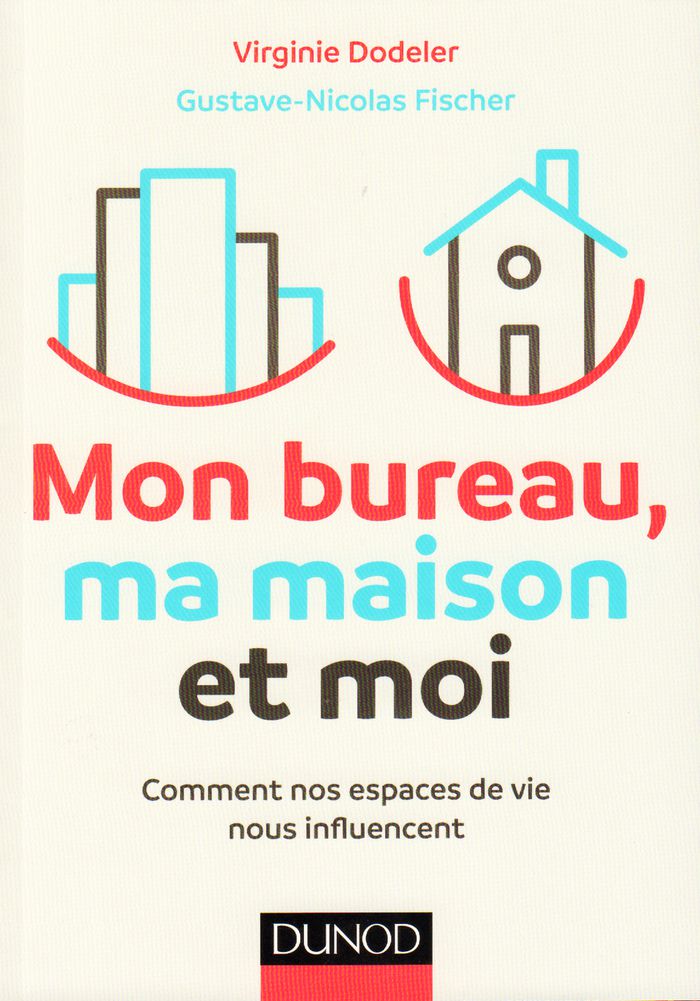
Mon bureau, ma maison et moi
Mon bureau, ma maison et moi
Actions:
Price:
$28.95
(available to order)
Summary:
Tout savoir sur l'interaction homme et environnement : comment l'environnement influence nos comportements et nos émotions, comment notre bureau reflète nos états d'âme... Un guide pour mieux comprendre en quoi nos espaces de vie conditionnent nos pensées et nos comportements.
$28.95
(available to order)
Summary:
Tout savoir sur l'interaction homme et environnement : comment l'environnement influence nos comportements et nos émotions, comment notre bureau reflète nos états d'âme... Un guide pour mieux comprendre en quoi nos espaces de vie conditionnent nos pensées et nos comportements.
Subject:
Commercial interiors, Building types
Commercial interiors, Building types
Publication:
November 2016
November 2016
Title:
Mon bureau, ma maison et moi
Actions:
Price:
$28.95
(available to order)
Summary:
Tout savoir sur l'interaction homme et environnement : comment l'environnement influence nos comportements et nos émotions, comment notre bureau reflète nos états d'âme... Un guide pour mieux comprendre en quoi nos espaces de vie conditionnent nos pensées et nos comportements.
Mon bureau, ma maison et moi
Actions:
Price:
$28.95
(available to order)
Summary:
Tout savoir sur l'interaction homme et environnement : comment l'environnement influence nos comportements et nos émotions, comment notre bureau reflète nos états d'âme... Un guide pour mieux comprendre en quoi nos espaces de vie conditionnent nos pensées et nos comportements.
Form:
books
books
Publication:
November 2016
November 2016
Subject:
Commercial interiors, Building types
Commercial interiors, Building types
Form:
books
books
Actions:
Price:
$64.95
(available to order)
Summary:
The age of multimedia constitutes a great challenge for libraries as they have to reinvent themselves to meet the constantly growing demands of digital applications. As a result, within the past decade, libraries have evolved from introverted hoards of knowledge to globally networked information and communication hubs. The architectural implementation of this(...)
$64.95
(available to order)
Summary:
The age of multimedia constitutes a great challenge for libraries as they have to reinvent themselves to meet the constantly growing demands of digital applications. As a result, within the past decade, libraries have evolved from introverted hoards of knowledge to globally networked information and communication hubs. The architectural implementation of this(...)
Title:
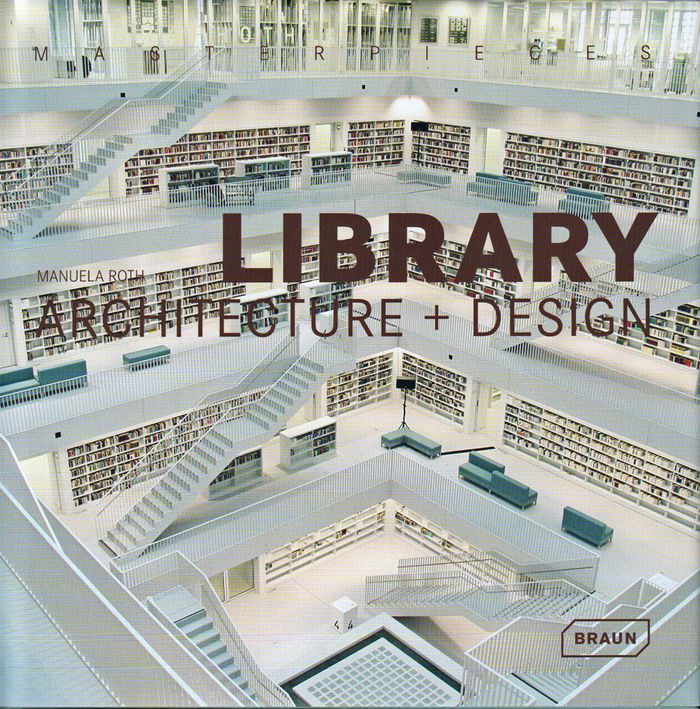
Masterpieces: library architecture and design
Actions:
Price:
$64.95
(available to order)
Summary:
The age of multimedia constitutes a great challenge for libraries as they have to reinvent themselves to meet the constantly growing demands of digital applications. As a result, within the past decade, libraries have evolved from introverted hoards of knowledge to globally networked information and communication hubs. The architectural implementation of this transformation process has resulted in sophisticated buildings that succeed in combining impressive architecture with the complex contemporary requirements. The new edition of "Masterpieces : library architecture + design" shows that this process of transformation is far from over. Whether new building, conversion or extension, it presents new masterpieces of library design from around the world. The successful combination of contemporary architecture and cutting-edge technology is evidence that in the digital age, this type of building is as topical as never before.
Masterpieces: library architecture and design
Actions:
Price:
$64.95
(available to order)
Summary:
The age of multimedia constitutes a great challenge for libraries as they have to reinvent themselves to meet the constantly growing demands of digital applications. As a result, within the past decade, libraries have evolved from introverted hoards of knowledge to globally networked information and communication hubs. The architectural implementation of this transformation process has resulted in sophisticated buildings that succeed in combining impressive architecture with the complex contemporary requirements. The new edition of "Masterpieces : library architecture + design" shows that this process of transformation is far from over. Whether new building, conversion or extension, it presents new masterpieces of library design from around the world. The successful combination of contemporary architecture and cutting-edge technology is evidence that in the digital age, this type of building is as topical as never before.
Form:
books
books
Publication:
December 2014
December 2014
Subject:
Commercial interiors, Building types
Commercial interiors, Building types
Form:
books
books

Title:
Architecture for the books
Architecture for the books
Actions:
Price:
$68.95
(available to order)
Summary:
In the age of information, digital communication and the computer, the traditional library building type is undergoing dramatic change, as these buildings become portals to information in a wide variety of forms beyond the printed page. 'Architecture for the books' shows how designers meet the challenge of library design for a new generation of library users. This(...)
$68.95
(available to order)
Summary:
In the age of information, digital communication and the computer, the traditional library building type is undergoing dramatic change, as these buildings become portals to information in a wide variety of forms beyond the printed page. 'Architecture for the books' shows how designers meet the challenge of library design for a new generation of library users. This(...)
Subject:
Commercial interiors, Building types
Commercial interiors, Building types
Publication:
December 2003, Victoria (Australia)
December 2003, Victoria (Australia)
Title:
Architecture for the books
Actions:
Price:
$68.95
(available to order)
Summary:
In the age of information, digital communication and the computer, the traditional library building type is undergoing dramatic change, as these buildings become portals to information in a wide variety of forms beyond the printed page. 'Architecture for the books' shows how designers meet the challenge of library design for a new generation of library users. This publication presents more than 30 new projects from North America, with a combination of public libraries, school libraries and university libraries. Projects are documented with full-colour photographs, plans, drawings and descriptive text.
Architecture for the books
Actions:
Price:
$68.95
(available to order)
Summary:
In the age of information, digital communication and the computer, the traditional library building type is undergoing dramatic change, as these buildings become portals to information in a wide variety of forms beyond the printed page. 'Architecture for the books' shows how designers meet the challenge of library design for a new generation of library users. This publication presents more than 30 new projects from North America, with a combination of public libraries, school libraries and university libraries. Projects are documented with full-colour photographs, plans, drawings and descriptive text.
Form:
books
books
Publication:
December 2003, Victoria (Australia)
December 2003, Victoria (Australia)
Subject:
Commercial interiors, Building types
Commercial interiors, Building types
Form:
books
books
Actions:
Price:
$64.95
(available to order)
Summary:
The popular image of the winery remains the picturesque European chateau, but a growing number of winemakers around the world are seeking a fresh approach. Architects are being challenged to rethink the winery as a bold contemporary expression of tradition and innovation, agriculture and technology, production and hospitality: powerful architecture with a(...)
$64.95
(available to order)
Summary:
The popular image of the winery remains the picturesque European chateau, but a growing number of winemakers around the world are seeking a fresh approach. Architects are being challenged to rethink the winery as a bold contemporary expression of tradition and innovation, agriculture and technology, production and hospitality: powerful architecture with a(...)
Subject:
Commercial interiors, Building types
Commercial interiors, Building types
Publication:
January 1900, Mulgrave
January 1900, Mulgrave
Title:
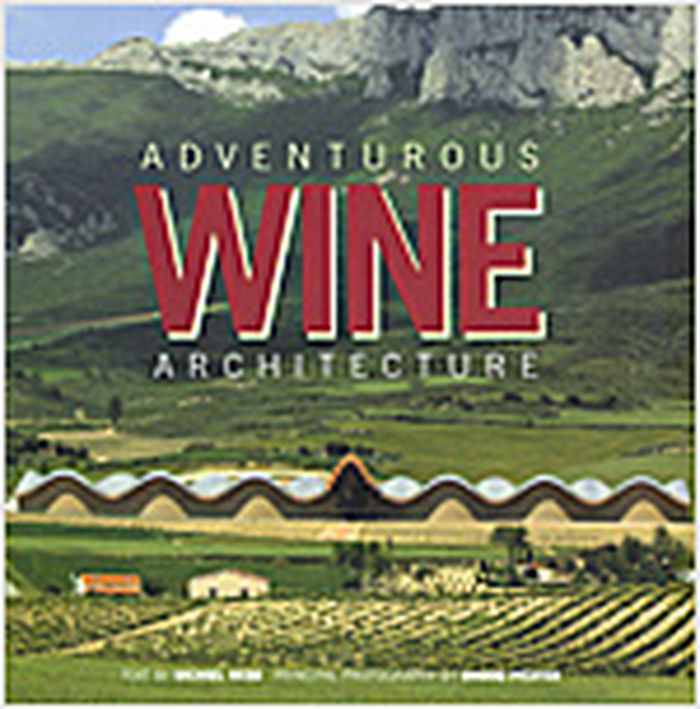
Adventurous wine architecture
Actions:
Price:
$64.95
(available to order)
Summary:
The popular image of the winery remains the picturesque European chateau, but a growing number of winemakers around the world are seeking a fresh approach. Architects are being challenged to rethink the winery as a bold contemporary expression of tradition and innovation, agriculture and technology, production and hospitality: powerful architecture with a serious purpose. This book by well-known architectural writer Michael Webb contains a selection of wineries designed by architects such as Frank Gehry, Zaha Hadid, Renzo Piano, Steven Holl, Herzog & de Meuron, Santiago Calatrava, Rafael Moneo, Glenn Murcutt, Norman Foster and more. Each project has been carefully chosen for its architectural excellence and offers a new perspective on an age-old craft, and an adventurous approach to building. The locations are evocative: California, Canada, Australia, New Zealand, Italy, Austria, Spain, Chile and Argentina.
Adventurous wine architecture
Actions:
Price:
$64.95
(available to order)
Summary:
The popular image of the winery remains the picturesque European chateau, but a growing number of winemakers around the world are seeking a fresh approach. Architects are being challenged to rethink the winery as a bold contemporary expression of tradition and innovation, agriculture and technology, production and hospitality: powerful architecture with a serious purpose. This book by well-known architectural writer Michael Webb contains a selection of wineries designed by architects such as Frank Gehry, Zaha Hadid, Renzo Piano, Steven Holl, Herzog & de Meuron, Santiago Calatrava, Rafael Moneo, Glenn Murcutt, Norman Foster and more. Each project has been carefully chosen for its architectural excellence and offers a new perspective on an age-old craft, and an adventurous approach to building. The locations are evocative: California, Canada, Australia, New Zealand, Italy, Austria, Spain, Chile and Argentina.
Form:
books
books
Publication:
January 1900, Mulgrave
January 1900, Mulgrave
Subject:
Commercial interiors, Building types
Commercial interiors, Building types
Form:
books
books
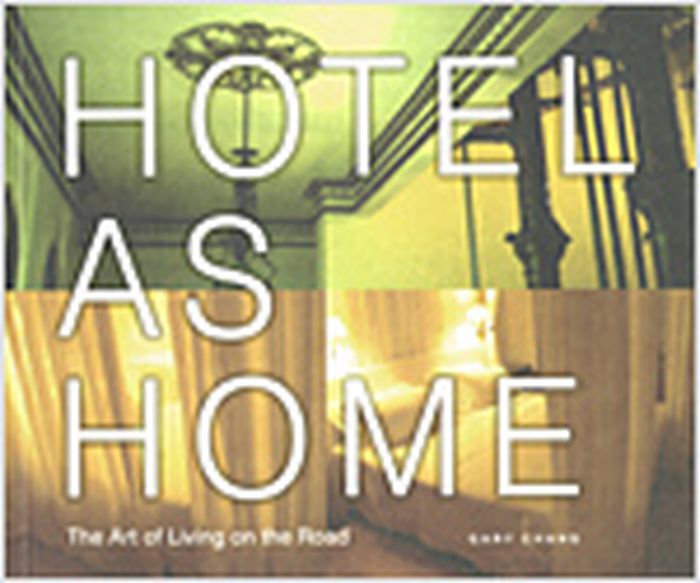
Title:
Hotel as home
Hotel as home
Actions:
Price:
$37.95
(available to order)
Summary:
Architect and photographer Gary Chang spends about 120 days a year traveling all over the world, but he doesn't stay at just any hotel. He plans his trips with exhaustive research on the hotels of his destination and even stays at several different ones during the same trip to one city. His favorite hotels are those places that have a certain special quality, ranging from(...)
$37.95
(available to order)
Summary:
Architect and photographer Gary Chang spends about 120 days a year traveling all over the world, but he doesn't stay at just any hotel. He plans his trips with exhaustive research on the hotels of his destination and even stays at several different ones during the same trip to one city. His favorite hotels are those places that have a certain special quality, ranging from(...)
Subject:
Commercial interiors, Building types
Commercial interiors, Building types
Publication:
October 2006, New York
October 2006, New York
Title:
Hotel as home
Actions:
Price:
$37.95
(available to order)
Summary:
Architect and photographer Gary Chang spends about 120 days a year traveling all over the world, but he doesn't stay at just any hotel. He plans his trips with exhaustive research on the hotels of his destination and even stays at several different ones during the same trip to one city. His favorite hotels are those places that have a certain special quality, ranging from New York's kitschy Maritime to Budapest's classic Gellert to Zurich's brand-spanking new Zurichberg. Chang's most-loved finds are documented in beautiful photographs, his hand drawn floor plans, and personal texts in Hotel as Home. He presents thirty-five hotels from around the world in this atmospheric book — from the Hotel 101 in Reykjavik to the Hotel Le Corbusier in Marseilles, the Soho House Hotel in New York, the W Hotel in Sydney, the Four Seasons in Tokyo, and the Hotel Metropolitan in Bangkok.
Hotel as home
Actions:
Price:
$37.95
(available to order)
Summary:
Architect and photographer Gary Chang spends about 120 days a year traveling all over the world, but he doesn't stay at just any hotel. He plans his trips with exhaustive research on the hotels of his destination and even stays at several different ones during the same trip to one city. His favorite hotels are those places that have a certain special quality, ranging from New York's kitschy Maritime to Budapest's classic Gellert to Zurich's brand-spanking new Zurichberg. Chang's most-loved finds are documented in beautiful photographs, his hand drawn floor plans, and personal texts in Hotel as Home. He presents thirty-five hotels from around the world in this atmospheric book — from the Hotel 101 in Reykjavik to the Hotel Le Corbusier in Marseilles, the Soho House Hotel in New York, the W Hotel in Sydney, the Four Seasons in Tokyo, and the Hotel Metropolitan in Bangkok.
Form:
books
books
Publication:
October 2006, New York
October 2006, New York
Subject:
Commercial interiors, Building types
Commercial interiors, Building types
Form:
books
books
Actions:
Price:
$28.50
(available to order)
Summary:
The name MA of Gallery MA represents a distinctively Japanese concept of the delicate balance among people, time and space. Dedicated to architecture and design, the gallery has striven to become a provider of quality of information through originally produced exhibitions and lectures that communicate the thougts and philosophies of architects and designers in Japan and(...)
$28.50
(available to order)
Summary:
The name MA of Gallery MA represents a distinctively Japanese concept of the delicate balance among people, time and space. Dedicated to architecture and design, the gallery has striven to become a provider of quality of information through originally produced exhibitions and lectures that communicate the thougts and philosophies of architects and designers in Japan and(...)
Subject:
Commercial interiors, Building types
Commercial interiors, Building types
Publication:
December 2005, Tokyo
December 2005, Tokyo
Title:
Gallery MA 2001-2005 : transfiguration of the space 3
Actions:
Price:
$28.50
(available to order)
Summary:
The name MA of Gallery MA represents a distinctively Japanese concept of the delicate balance among people, time and space. Dedicated to architecture and design, the gallery has striven to become a provider of quality of information through originally produced exhibitions and lectures that communicate the thougts and philosophies of architects and designers in Japan and overseas. This publication collected exhibitions and other activities by Gallery MA from 2001 to 2005. The text of this publication was originally written by exhibitors for the exhibition.
Gallery MA 2001-2005 : transfiguration of the space 3
Actions:
Price:
$28.50
(available to order)
Summary:
The name MA of Gallery MA represents a distinctively Japanese concept of the delicate balance among people, time and space. Dedicated to architecture and design, the gallery has striven to become a provider of quality of information through originally produced exhibitions and lectures that communicate the thougts and philosophies of architects and designers in Japan and overseas. This publication collected exhibitions and other activities by Gallery MA from 2001 to 2005. The text of this publication was originally written by exhibitors for the exhibition.
Form:
books
books
Publication:
December 2005, Tokyo
December 2005, Tokyo
Subject:
Commercial interiors, Building types
Commercial interiors, Building types
Form:
books
books
Actions:
Price:
$75.00
(available to order)
Summary:
Architecture affects people. The architecture of hospitals contributes to the well-being and recovery of patients. This bold proposition dates back to the late 18th century, and has been a recurring theme in the functional development of hospital architecture ever since. The most recent manifestation of this was the phenomenon of 'Evidence-Based Design', which originated(...)
$75.00
(available to order)
Summary:
Architecture affects people. The architecture of hospitals contributes to the well-being and recovery of patients. This bold proposition dates back to the late 18th century, and has been a recurring theme in the functional development of hospital architecture ever since. The most recent manifestation of this was the phenomenon of 'Evidence-Based Design', which originated(...)
Subject:
Commercial interiors, Building types
Commercial interiors, Building types
Publication:
December 2005, Rotterdam
December 2005, Rotterdam
Title:
The architecture of hospitals
Actions:
Price:
$75.00
(available to order)
Summary:
Architecture affects people. The architecture of hospitals contributes to the well-being and recovery of patients. This bold proposition dates back to the late 18th century, and has been a recurring theme in the functional development of hospital architecture ever since. The most recent manifestation of this was the phenomenon of 'Evidence-Based Design', which originated in the USA. This methodology compares the effects of various spatial factors and provided indisputable evidence that architecture does indeed work for the first time. The positive influence of architecture is one of the two cornerstones of "The architecture of hospitals". The other is architecture as an historical discipline with a wide-ranging cultural dimension. The hospital, being a public and representative building with a special societal function, is the ideal vehicle to express this cultural dimension. From French and German examples it seems that good architecture can, moreover, contribute to an agreeable, orderly and well maintained environment, which perhaps has a greater impact on the functioning of the hospital than the effects of Evidence-Based Design. Architecture as architecture and as medicine is the theme of "The architecture of hospitals". Partially based on a project of the same name initiated by the University Medical Center Groningen (UMCG), which included various conferences, studios and workshops, the book bears no resemblance to the standard bundle of conference proceedings. Instead it is a richly illustrated publication which is constructed around five themes : culture, healthcare concepts, Evidence-Based Design, technology and country-specific presentations. With texts by : Cor Wagenaar (ed.), Abram de Swaan, Stephen Verderber, Charles Jencks, Aaron Betsky, Roger Ulrich et al.
The architecture of hospitals
Actions:
Price:
$75.00
(available to order)
Summary:
Architecture affects people. The architecture of hospitals contributes to the well-being and recovery of patients. This bold proposition dates back to the late 18th century, and has been a recurring theme in the functional development of hospital architecture ever since. The most recent manifestation of this was the phenomenon of 'Evidence-Based Design', which originated in the USA. This methodology compares the effects of various spatial factors and provided indisputable evidence that architecture does indeed work for the first time. The positive influence of architecture is one of the two cornerstones of "The architecture of hospitals". The other is architecture as an historical discipline with a wide-ranging cultural dimension. The hospital, being a public and representative building with a special societal function, is the ideal vehicle to express this cultural dimension. From French and German examples it seems that good architecture can, moreover, contribute to an agreeable, orderly and well maintained environment, which perhaps has a greater impact on the functioning of the hospital than the effects of Evidence-Based Design. Architecture as architecture and as medicine is the theme of "The architecture of hospitals". Partially based on a project of the same name initiated by the University Medical Center Groningen (UMCG), which included various conferences, studios and workshops, the book bears no resemblance to the standard bundle of conference proceedings. Instead it is a richly illustrated publication which is constructed around five themes : culture, healthcare concepts, Evidence-Based Design, technology and country-specific presentations. With texts by : Cor Wagenaar (ed.), Abram de Swaan, Stephen Verderber, Charles Jencks, Aaron Betsky, Roger Ulrich et al.
Form:
books
books
Publication:
December 2005, Rotterdam
December 2005, Rotterdam
Subject:
Commercial interiors, Building types
Commercial interiors, Building types
Form:
books
books
Actions:
Price:
$32.95
(available to order)
Summary:
Culminant à soixante mètres d'altitude, la colline de Chaillot est un des points hauts, naturels, qui dominent la vallée de la Seine à Paris. Par sa situation " admirable ", elle fait longtemps rêver les puissants et leurs architectes. De nombreux projets grandioses - équipements de prestige ou monuments à la gloire des pouvoirs en place - s'y succèdent. Aucun ne voit(...)
$32.95
(available to order)
Summary:
Culminant à soixante mètres d'altitude, la colline de Chaillot est un des points hauts, naturels, qui dominent la vallée de la Seine à Paris. Par sa situation " admirable ", elle fait longtemps rêver les puissants et leurs architectes. De nombreux projets grandioses - équipements de prestige ou monuments à la gloire des pouvoirs en place - s'y succèdent. Aucun ne voit(...)
Subject:
Commercial interiors, Building types
Commercial interiors, Building types
Publication:
January 1900, Paris
January 1900, Paris
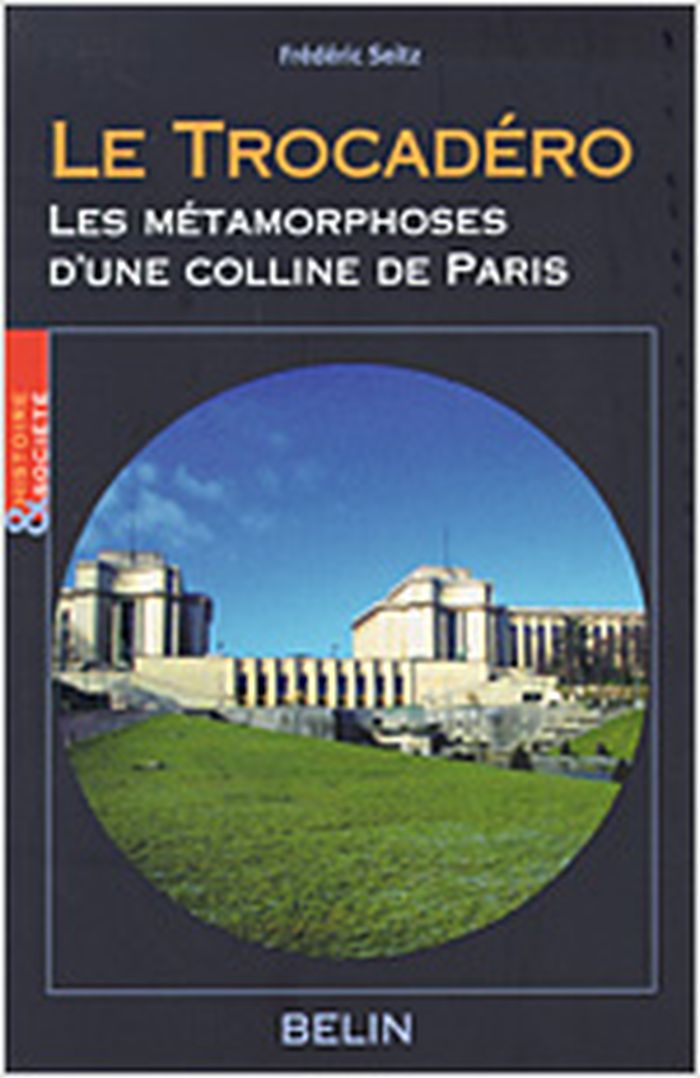
Title:
Le Trocadéro : les métamophoses d'une colline de Paris
Actions:
Price:
$32.95
(available to order)
Summary:
Culminant à soixante mètres d'altitude, la colline de Chaillot est un des points hauts, naturels, qui dominent la vallée de la Seine à Paris. Par sa situation " admirable ", elle fait longtemps rêver les puissants et leurs architectes. De nombreux projets grandioses - équipements de prestige ou monuments à la gloire des pouvoirs en place - s'y succèdent. Aucun ne voit cependant le jour et le Trocadéro devient progressivement un lieu de fêtes urbaines. Les premiers aménagements significatifs de la colline sont conçus pour l'Exposition universelle de 1867. Ces aménagements - qui contribuent grandement à la formation du luxueux quartier de Chaillot à partir des années 1870 - préfigurent ceux qui sont réalisés à l'occasion des Expositions suivantes de 1878 et de 1937. Le palais du Trocadéro est le premier grand édifice parisien conservé à l'issue d'une Exposition universelle. Il inaugure une tradition qui permet à Paris de s'enrichir par la suite de la Tour Eiffel (1889), du Grand Palais, du Petit Palais et de la gare d'Orsay (1900), du musée des Colonies (1931) puis du nouveau palais du Trocadéro : le palais de Chaillot (1937). Du palais du Trocadéro au palais de Chaillot, voici l'histoire de transformations considérables et durables, des hommes qui les ont mises en œuvre et des débats qu'elles ont soulevés.
Le Trocadéro : les métamophoses d'une colline de Paris
Actions:
Price:
$32.95
(available to order)
Summary:
Culminant à soixante mètres d'altitude, la colline de Chaillot est un des points hauts, naturels, qui dominent la vallée de la Seine à Paris. Par sa situation " admirable ", elle fait longtemps rêver les puissants et leurs architectes. De nombreux projets grandioses - équipements de prestige ou monuments à la gloire des pouvoirs en place - s'y succèdent. Aucun ne voit cependant le jour et le Trocadéro devient progressivement un lieu de fêtes urbaines. Les premiers aménagements significatifs de la colline sont conçus pour l'Exposition universelle de 1867. Ces aménagements - qui contribuent grandement à la formation du luxueux quartier de Chaillot à partir des années 1870 - préfigurent ceux qui sont réalisés à l'occasion des Expositions suivantes de 1878 et de 1937. Le palais du Trocadéro est le premier grand édifice parisien conservé à l'issue d'une Exposition universelle. Il inaugure une tradition qui permet à Paris de s'enrichir par la suite de la Tour Eiffel (1889), du Grand Palais, du Petit Palais et de la gare d'Orsay (1900), du musée des Colonies (1931) puis du nouveau palais du Trocadéro : le palais de Chaillot (1937). Du palais du Trocadéro au palais de Chaillot, voici l'histoire de transformations considérables et durables, des hommes qui les ont mises en œuvre et des débats qu'elles ont soulevés.
Form:
books
books
Publication:
January 1900, Paris
January 1900, Paris
Subject:
Commercial interiors, Building types
Commercial interiors, Building types


