


5582 Results
Form:
events
events

Description:
The CCA hosts an afternoon of discussion in Lisbon around the work of Cedric Price on the occasion of the exhibition Obra / Building Site, which features Price’s McAppy project as part of the fourth Lisbon Triennale, The Form of Form, and of the publication of Cedric Price Works 1952–2003: A Forward-Minded Retrospective. A launch of the book will follow at 6pm. This event(...)
The CCA hosts an afternoon of discussion in Lisbon around the work of Cedric Price on the occasion of the exhibition Obra / Building Site, which features Price’s McAppy project as part of the fourth Lisbon Triennale, The Form of Form, and of the publication of Cedric Price Works 1952–2003: A Forward-Minded Retrospective. A launch of the book will follow at 6pm. This event(...)
Location:
Travessa do Cabo, 10-12. Lisbon
Travessa do Cabo, 10-12. Lisbon
Date:
22 October 2016
22 October 2016
Title:
An Afternoon with Cedric Price no. 1
Actions:
Description:
The CCA hosts an afternoon of discussion in Lisbon around the work of Cedric Price on the occasion of the exhibition Obra / Building Site, which features Price’s McAppy project as part of the fourth Lisbon Triennale, The Form of Form, and of the publication of Cedric Price Works 1952–2003: A Forward-Minded Retrospective. A launch of the book will follow at 6pm. This event(...)
An Afternoon with Cedric Price no. 1
Actions:
Description:
The CCA hosts an afternoon of discussion in Lisbon around the work of Cedric Price on the occasion of the exhibition Obra / Building Site, which features Price’s McAppy project as part of the fourth Lisbon Triennale, The Form of Form, and of the publication of Cedric Price Works 1952–2003: A Forward-Minded Retrospective. A launch of the book will follow at 6pm. This event(...)
Form:
events
events
Date:
22 October 2016
22 October 2016
Location:
Travessa do Cabo, 10-12. Lisbon
Travessa do Cabo, 10-12. Lisbon
Form:
textual records
textual records
Actions:
Reference number:
ARCH252333
Description:
-list of Founding Friends -correspondence re: CCA Library Acquisition Fund -budget for Phyllis Lambert's 70th birthday and surrounding events
ARCH252333
Description:
-list of Founding Friends -correspondence re: CCA Library Acquisition Fund -budget for Phyllis Lambert's 70th birthday and surrounding events
People:
Date:
1997
1997
Title:
AFCCA Library Acquisition Fund
Actions:
ARCH252333
Description:
-list of Founding Friends -correspondence re: CCA Library Acquisition Fund -budget for Phyllis Lambert's 70th birthday and surrounding events
AFCCA Library Acquisition Fund
Actions:
ARCH252333
Description:
-list of Founding Friends -correspondence re: CCA Library Acquisition Fund -budget for Phyllis Lambert's 70th birthday and surrounding events
Form:
textual records
textual records
Date:
1997
1997
People:
Form:
drawings
Quantity:
3 panel(s)
drawings
Quantity:
3 panel(s)
Title:
Five Westside Stories
Five Westside Stories
Actions:
Reference number:
ARCH183797
Description:
pages from a mock-publication produced by the CCA for the Grand Central Terminal exhibition, held 5-20 October 1999
ARCH183797
Description:
pages from a mock-publication produced by the CCA for the Grand Central Terminal exhibition, held 5-20 October 1999
People:
Date:
1999
1999
Title:
Five Westside Stories
Actions:
ARCH183797
Description:
pages from a mock-publication produced by the CCA for the Grand Central Terminal exhibition, held 5-20 October 1999
Five Westside Stories
Actions:
ARCH183797
Description:
pages from a mock-publication produced by the CCA for the Grand Central Terminal exhibition, held 5-20 October 1999
Form:
drawings
Quantity:
3 panel(s)
drawings
Quantity:
3 panel(s)
Date:
1999
1999
People:
Form:
textual records
textual records
Reference number:
ARCH252249
Description:
- Correspondence re: agreement between Ralph Lerner and CCA to serve as director of the IFCCA Prize competition -Ralph Lerner's curriculum vitae
ARCH252249
Description:
- Correspondence re: agreement between Ralph Lerner and CCA to serve as director of the IFCCA Prize competition -Ralph Lerner's curriculum vitae
People:
Date:
1998
1998
Title:
Director - Ralph Lerner: General Correspondence
Actions:
ARCH252249
Description:
- Correspondence re: agreement between Ralph Lerner and CCA to serve as director of the IFCCA Prize competition -Ralph Lerner's curriculum vitae
Director - Ralph Lerner: General Correspondence
Actions:
ARCH252249
Description:
- Correspondence re: agreement between Ralph Lerner and CCA to serve as director of the IFCCA Prize competition -Ralph Lerner's curriculum vitae
Form:
textual records
textual records
Date:
1998
1998
People:
Form:
textual records
textual records
Actions:
Reference number:
ARCH252335
Description:
-Correspondence concerning a gift to the CCA of 11 gelatin silver prints from the John Gutmann Trust after his death 12 June 1998
ARCH252335
Description:
-Correspondence concerning a gift to the CCA of 11 gelatin silver prints from the John Gutmann Trust after his death 12 June 1998
People:
Date:
1998-1999
1998-1999
Title:
Adminstrateurs AFCCA, Correspondance
Actions:
ARCH252335
Description:
-Correspondence concerning a gift to the CCA of 11 gelatin silver prints from the John Gutmann Trust after his death 12 June 1998
Adminstrateurs AFCCA, Correspondance
Actions:
ARCH252335
Description:
-Correspondence concerning a gift to the CCA of 11 gelatin silver prints from the John Gutmann Trust after his death 12 June 1998
Form:
textual records
textual records
Date:
1998-1999
1998-1999
People:
Form:
archives
Level of archival description:
Collection
archives
Level of archival description:
Collection
Reference number:
AP162
Synopsis:
The Die gläserne Kette CCA Collection documents the chain of correspondence exchanged between German architects Hermann Finsterlin, Paul Goesch, Wenzel Hablik, Hans Hansen, Carl Krayl, Hans and Wassili Luckhardt, Hans Scharoun, and Bruno and Max Taut between 1919 and 1920 on the subject of utopian architecture and society. This CCA collection features original copies and reproductions of the correspondence, as well as a limited number of drawings by the members of the group.
AP162
Synopsis:
The Die gläserne Kette CCA Collection documents the chain of correspondence exchanged between German architects Hermann Finsterlin, Paul Goesch, Wenzel Hablik, Hans Hansen, Carl Krayl, Hans and Wassili Luckhardt, Hans Scharoun, and Bruno and Max Taut between 1919 and 1920 on the subject of utopian architecture and society. This CCA collection features original copies and reproductions of the correspondence, as well as a limited number of drawings by the members of the group.
People:
Date:
1911-1977
1911-1977
Title:
Die gläserne Kette collection
Actions:
AP162
Synopsis:
The Die gläserne Kette CCA Collection documents the chain of correspondence exchanged between German architects Hermann Finsterlin, Paul Goesch, Wenzel Hablik, Hans Hansen, Carl Krayl, Hans and Wassili Luckhardt, Hans Scharoun, and Bruno and Max Taut between 1919 and 1920 on the subject of utopian architecture and society. This CCA collection features original copies and reproductions of the correspondence, as well as a limited number of drawings by the members of the group.
Die gläserne Kette collection
Actions:
AP162
Synopsis:
The Die gläserne Kette CCA Collection documents the chain of correspondence exchanged between German architects Hermann Finsterlin, Paul Goesch, Wenzel Hablik, Hans Hansen, Carl Krayl, Hans and Wassili Luckhardt, Hans Scharoun, and Bruno and Max Taut between 1919 and 1920 on the subject of utopian architecture and society. This CCA collection features original copies and reproductions of the correspondence, as well as a limited number of drawings by the members of the group.
Form:
archives
Level of archival description:
Collection AP162
archives
Level of archival description:
Collection AP162
Date:
1911-1977
1911-1977
People:
Form:
textual records
textual records
Actions:
Reference number:
ARCH252330
Description:
- various texts concerning historical buildings in Palm Beach, Florida assembled by Donald W. Curl for the CCA Founder's Circle trip to Palm Beach, 24-27 February 1997 - schedule for the Palm Beach trip - guide for the F. Burrall Hoffman Archive at the CCA - correspondence between Phyllis Lambert and Donald W. Curl re: engaging Curl as a tour guide for the trip
ARCH252330
Description:
- various texts concerning historical buildings in Palm Beach, Florida assembled by Donald W. Curl for the CCA Founder's Circle trip to Palm Beach, 24-27 February 1997 - schedule for the Palm Beach trip - guide for the F. Burrall Hoffman Archive at the CCA - correspondence between Phyllis Lambert and Donald W. Curl re: engaging Curl as a tour guide for the trip
People:
Date:
1993-1994
1993-1994
Title:
Cercle du Fondateur Palm Beach Trip Feb. 94, Donald W. Curl
Actions:
ARCH252330
Description:
- various texts concerning historical buildings in Palm Beach, Florida assembled by Donald W. Curl for the CCA Founder's Circle trip to Palm Beach, 24-27 February 1997 - schedule for the Palm Beach trip - guide for the F. Burrall Hoffman Archive at the CCA - correspondence between Phyllis Lambert and Donald W. Curl re: engaging Curl as a tour guide for the trip
Cercle du Fondateur Palm Beach Trip Feb. 94, Donald W. Curl
Actions:
ARCH252330
Description:
- various texts concerning historical buildings in Palm Beach, Florida assembled by Donald W. Curl for the CCA Founder's Circle trip to Palm Beach, 24-27 February 1997 - schedule for the Palm Beach trip - guide for the F. Burrall Hoffman Archive at the CCA - correspondence between Phyllis Lambert and Donald W. Curl re: engaging Curl as a tour guide for the trip
Form:
textual records
textual records
Date:
1993-1994
1993-1994
People:
Form:
events
events
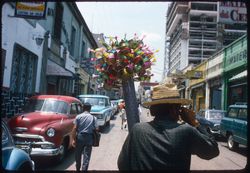
Description:
The inaugural Architecture as Public Concern Lecture marks the launch of the CCA Research Network, an entity that brings together alumni from almost four decades of research programs at the CCA. This annual lecture extends the theme of the Architecture as Public Concern Fellowship, which asks, in 2023, “Who is the Work For?” It also aligns with the CCA Research Network’s(...)
The inaugural Architecture as Public Concern Lecture marks the launch of the CCA Research Network, an entity that brings together alumni from almost four decades of research programs at the CCA. This annual lecture extends the theme of the Architecture as Public Concern Fellowship, which asks, in 2023, “Who is the Work For?” It also aligns with the CCA Research Network’s(...)
Location:
Online Keyword(s):
Samia Henni, Jay Pather, CCA Research Network, Architecture as Public Concern, communities
Online Keyword(s):
Samia Henni, Jay Pather, CCA Research Network, Architecture as Public Concern, communities
Date:
26 September 2023, 2pm to 4pm
26 September 2023, 2pm to 4pm
Title:
2023 Architecture as Public Concern Lecture: Who is the Work For?
Actions:
Description:
The inaugural Architecture as Public Concern Lecture marks the launch of the CCA Research Network, an entity that brings together alumni from almost four decades of research programs at the CCA. This annual lecture extends the theme of the Architecture as Public Concern Fellowship, which asks, in 2023, “Who is the Work For?” It also aligns with the CCA Research Network’s(...)
2023 Architecture as Public Concern Lecture: Who is the Work For?
Actions:
Description:
The inaugural Architecture as Public Concern Lecture marks the launch of the CCA Research Network, an entity that brings together alumni from almost four decades of research programs at the CCA. This annual lecture extends the theme of the Architecture as Public Concern Fellowship, which asks, in 2023, “Who is the Work For?” It also aligns with the CCA Research Network’s(...)
Form:
events
events
Date:
26 September 2023
2pm to 4pm
26 September 2023
2pm to 4pm
Location:
Online Keyword(s):
Samia Henni, Jay Pather, CCA Research Network, Architecture as Public Concern, communities
Online Keyword(s):
Samia Henni, Jay Pather, CCA Research Network, Architecture as Public Concern, communities
Form:
models
models
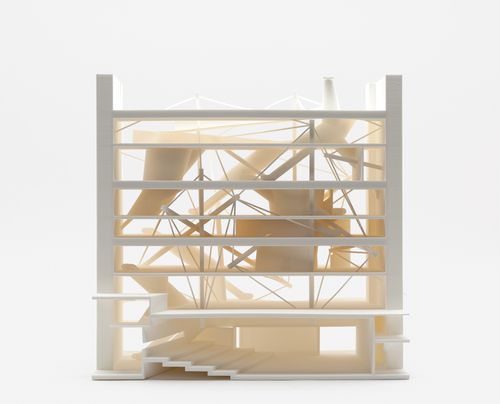
Reference number:
DR2017:0019
Description:
Model reproduced by CCA from STL files in the Preston Scott Cohen Eyebeam project records (AP190) for the exhibition Archaeology of the Digital: Complexity and Convention, 2016.
DR2017:0019
Description:
Model reproduced by CCA from STL files in the Preston Scott Cohen Eyebeam project records (AP190) for the exhibition Archaeology of the Digital: Complexity and Convention, 2016.
People:
Date:
2016
2016
Title:
3D printed model of Preston Scott Cohen Eyebeam competition entry
Actions:
DR2017:0019
Description:
Model reproduced by CCA from STL files in the Preston Scott Cohen Eyebeam project records (AP190) for the exhibition Archaeology of the Digital: Complexity and Convention, 2016.
3D printed model of Preston Scott Cohen Eyebeam competition entry
Actions:
DR2017:0019
Description:
Model reproduced by CCA from STL files in the Preston Scott Cohen Eyebeam project records (AP190) for the exhibition Archaeology of the Digital: Complexity and Convention, 2016.
Form:
models
models
Date:
2016
2016
People:
Level of archival description:
Sub-series
Sub-series
Title:
Opera Houses
Opera Houses
Reference number:
CI001.S2.D3
Description:
Charles Rohault de Fleury's sustained involvement with the design of opera houses began with his appointment in 1846 as official architect of the existing Salle Le Pelletier, home to the *Paris Opera, and continued until an open competition was called in 1860 (Charles Garnier won this competition). During this period Rohault de Fleury submitted numerous proposals to replace theprovisional Salle Le Pelletier with a structure more appropriate to the grandeur and importance of France's national opera company. The CCA collection contains four projects related to his work for the Paris opera: two early projects (1846 and 1847) and one later one (1859) for a newopera house, and a portfolio of lithographs and drawings related to alterations and repairs to Salle Le Pelletier (1850-1854). The collection also includes Charles' earliest theatre project, a comprehensive plan for an opera house and surrounding infrastructure for the Theatre Royal Italien opera company (1838-1840), and an album containing drawings and prints of antique and contemporary theatres (1839-1854?). Charles' first project was for the Theatre Royal Italien opera company whose previous home, the Salle Favart, had burned down on the night of January 14 1838. The CCA collection contains an album of presentation drawings for a new theatre located on rue de la Paix with boutiques in the adjacent 'passages' (DR1974:0002:019:001-023). A second album consists of site plans including proposed 'maisons à loyers' (apartment buildings) and documents relating to the cost estimates and rental income for the entire project (DR1974:0002:036:001-016). The architectural style and interior arrangement of the theatre is heavily indebted to Francois Debret's Salle Le Pelletier. Charles' originality lies more in his conception of the social and economic role of the theatre in relation and integration, to its surrounding urban fabric. An explanation of the entire Theatre Royal Italien project, and Charles' role as architect in it, is found in two proposal letters (located in the Avery Library, Columbia University, NY) written by the entrepreneur Eugene Lecomte to the Minister of the Interior, Comte Duchatel, on May 15 and October 31 1839 (1). Charles' album of drawings at the CCA for the theatre and some of the cost and rental estimates are probably presentation copies directly related to the first letter, and most likely submitted to the Minister of the Interior. Charles' project was never executed, and the Italian opera company eventualy found a permanent home in the existing Salle Ventadour (1841). However, the inclusive nature of the Théâtre Royal Italien proposal, with its stress on urban development and contextuality, continued to play a seminal role in his later Paris Opera projects. Upon replacing Francois Debret as architect of Salle Le Pelletier in 1846, Charles proposed nine possible locations (site plans) for a new opera house for the Paris Opera (*Academie Royale de Musique) and, in the following year (1847) prepared a portfolio of drawings for the actual structure with an accompanying seven-page manuscript describing the project. Although executed in successive years, the site plans and 1847 drawings are conceptually related. Both components were undertaken in response to offical interest in a public competition that was never implemented (2)(3). The CCA has two sets of the nine site plans proposed in 1846 (DR1974:0002:036:001-016), one containing transfer lithographed site plans with a written analysis and cost estimate for each of the proposed locations, and the other with only the site plans (similar sets are located in the 'Archives Nationales' in France). They indicate that Charles, (heavily influenced by his Théâtre Royal Italien project) preferred the Rue de la Paix location (siteplan #3) for the new opera house. Although site plan number six, Boulevard des Capucines, was not favoured at this date, it is highly prophetic as it was the location officially chosen in 1860 for the new opera house. Apparently unique to the CCA collection is the 1847 manuscript and portfolio of drawings for the proposed opera house (DR1974:0002:036:001-016). The manuscript is both an indepth review of the requirements for a national opera house and a guide to his portfolio of drawings. Charles' conception and design continued to be strongly influenced by Debret's Salle Lepelletier, as well as his own Théâtre Italien project, and various antique and contemporary opera houses and theatres. Many of the French and Italian sources mentioned in the manuscript are collected in an album (DR1974:0002:010:001-048) as references for his own designs (4). As official architect of Salle Le pelletier, Charles was also responsible for repairs, restorations, and alterations to the existing structure. The drawings and transfer lithographs in the CCA collection (DR1974:0002:036:001-016) are primarily dated 1854, and relate to documented repair and restoration projects undertaken during this period (5)(6). The CCA collection has the presentation drawings and lithographs for the later 1859 project (DR1974:0002:027:001-027) for the Paris opera (*Theatre Imperiale de l'opera) that were sent to Achille Fould, the Minister of State. This project is probably a counterpart to a similiar one that he submitted to the Prefect of the Seine, Baron Haussmann, in the same year (7). Site plans show the opera house on an irregular polygonal site facing Boulevard des Capucines. The placement of the 'maisons à loyers' on the rear of the site reflects Charles' continued emphasis on integrating his opera projects into the surrounding urban context. In 1859, it appeared that Charles was favoured to build the new opera house. But late in the following year, a public competition was called in which Charles Garnier emerged as the victor. Although Charles did not build the final structure, his numerous projects, as exemplified in the CCA collection, were of prime importance in determining the location, configuration, and plan of the Place de l'Opera (8). * The 'Paris Opera' was France's national opera, and thus its name changed numerous times throughout its history according to altering perceptions of its role in French culture and/or changes in political regimes. For reasons of clarity, the national opera will be referred to as the Paris Opera. The names indicated in brackets with a star refer to the proper name of the opera company at the date of the project. (1) Eugene Le Comte, "Projet de Salle rue de la Paix, pour le Théâtre Royal Italien: Lettres à Monsieur le Ministre de l'Intérieur, en date des 15 mai et 31octobre 1839" (Paris: P. Dupont, 1839). (2) Christopher Curtis Mead, "Charles Garnier's Paris Opera and the Renaissance of Classicism in Nineteenth century French Architecture", 3 vols. (PhD thesis; Philadelphia: University of Pennsylvania, 1986), p. 234 and p. 956, fn. 30. (3) Monika Steinhauser, "Die Architektur des Pariser Oper" (Munich: Prestel Verlag, 1969), p. 45, fns. 143 and 144. (4) Barry Bergdoll, "Charles Rohault de Fleury: Part Three: Theatres and the Opera house", 'CCA Research Report', n.d., p. 3. (5) Larousse XIXth Century, s.v. "Rohault de Fleury, Charles". (6) Mead, p. 238. (7) Oeuvres de C. Rohault de Fleury, architecte" (Paris: Librarie centrale d'architecture, 1884).. (8) Macmillan, s.v. "Rohault de Fleury Familly".
CI001.S2.D3
Description:
Charles Rohault de Fleury's sustained involvement with the design of opera houses began with his appointment in 1846 as official architect of the existing Salle Le Pelletier, home to the *Paris Opera, and continued until an open competition was called in 1860 (Charles Garnier won this competition). During this period Rohault de Fleury submitted numerous proposals to replace theprovisional Salle Le Pelletier with a structure more appropriate to the grandeur and importance of France's national opera company. The CCA collection contains four projects related to his work for the Paris opera: two early projects (1846 and 1847) and one later one (1859) for a newopera house, and a portfolio of lithographs and drawings related to alterations and repairs to Salle Le Pelletier (1850-1854). The collection also includes Charles' earliest theatre project, a comprehensive plan for an opera house and surrounding infrastructure for the Theatre Royal Italien opera company (1838-1840), and an album containing drawings and prints of antique and contemporary theatres (1839-1854?). Charles' first project was for the Theatre Royal Italien opera company whose previous home, the Salle Favart, had burned down on the night of January 14 1838. The CCA collection contains an album of presentation drawings for a new theatre located on rue de la Paix with boutiques in the adjacent 'passages' (DR1974:0002:019:001-023). A second album consists of site plans including proposed 'maisons à loyers' (apartment buildings) and documents relating to the cost estimates and rental income for the entire project (DR1974:0002:036:001-016). The architectural style and interior arrangement of the theatre is heavily indebted to Francois Debret's Salle Le Pelletier. Charles' originality lies more in his conception of the social and economic role of the theatre in relation and integration, to its surrounding urban fabric. An explanation of the entire Theatre Royal Italien project, and Charles' role as architect in it, is found in two proposal letters (located in the Avery Library, Columbia University, NY) written by the entrepreneur Eugene Lecomte to the Minister of the Interior, Comte Duchatel, on May 15 and October 31 1839 (1). Charles' album of drawings at the CCA for the theatre and some of the cost and rental estimates are probably presentation copies directly related to the first letter, and most likely submitted to the Minister of the Interior. Charles' project was never executed, and the Italian opera company eventualy found a permanent home in the existing Salle Ventadour (1841). However, the inclusive nature of the Théâtre Royal Italien proposal, with its stress on urban development and contextuality, continued to play a seminal role in his later Paris Opera projects. Upon replacing Francois Debret as architect of Salle Le Pelletier in 1846, Charles proposed nine possible locations (site plans) for a new opera house for the Paris Opera (*Academie Royale de Musique) and, in the following year (1847) prepared a portfolio of drawings for the actual structure with an accompanying seven-page manuscript describing the project. Although executed in successive years, the site plans and 1847 drawings are conceptually related. Both components were undertaken in response to offical interest in a public competition that was never implemented (2)(3). The CCA has two sets of the nine site plans proposed in 1846 (DR1974:0002:036:001-016), one containing transfer lithographed site plans with a written analysis and cost estimate for each of the proposed locations, and the other with only the site plans (similar sets are located in the 'Archives Nationales' in France). They indicate that Charles, (heavily influenced by his Théâtre Royal Italien project) preferred the Rue de la Paix location (siteplan #3) for the new opera house. Although site plan number six, Boulevard des Capucines, was not favoured at this date, it is highly prophetic as it was the location officially chosen in 1860 for the new opera house. Apparently unique to the CCA collection is the 1847 manuscript and portfolio of drawings for the proposed opera house (DR1974:0002:036:001-016). The manuscript is both an indepth review of the requirements for a national opera house and a guide to his portfolio of drawings. Charles' conception and design continued to be strongly influenced by Debret's Salle Lepelletier, as well as his own Théâtre Italien project, and various antique and contemporary opera houses and theatres. Many of the French and Italian sources mentioned in the manuscript are collected in an album (DR1974:0002:010:001-048) as references for his own designs (4). As official architect of Salle Le pelletier, Charles was also responsible for repairs, restorations, and alterations to the existing structure. The drawings and transfer lithographs in the CCA collection (DR1974:0002:036:001-016) are primarily dated 1854, and relate to documented repair and restoration projects undertaken during this period (5)(6). The CCA collection has the presentation drawings and lithographs for the later 1859 project (DR1974:0002:027:001-027) for the Paris opera (*Theatre Imperiale de l'opera) that were sent to Achille Fould, the Minister of State. This project is probably a counterpart to a similiar one that he submitted to the Prefect of the Seine, Baron Haussmann, in the same year (7). Site plans show the opera house on an irregular polygonal site facing Boulevard des Capucines. The placement of the 'maisons à loyers' on the rear of the site reflects Charles' continued emphasis on integrating his opera projects into the surrounding urban context. In 1859, it appeared that Charles was favoured to build the new opera house. But late in the following year, a public competition was called in which Charles Garnier emerged as the victor. Although Charles did not build the final structure, his numerous projects, as exemplified in the CCA collection, were of prime importance in determining the location, configuration, and plan of the Place de l'Opera (8). * The 'Paris Opera' was France's national opera, and thus its name changed numerous times throughout its history according to altering perceptions of its role in French culture and/or changes in political regimes. For reasons of clarity, the national opera will be referred to as the Paris Opera. The names indicated in brackets with a star refer to the proper name of the opera company at the date of the project. (1) Eugene Le Comte, "Projet de Salle rue de la Paix, pour le Théâtre Royal Italien: Lettres à Monsieur le Ministre de l'Intérieur, en date des 15 mai et 31octobre 1839" (Paris: P. Dupont, 1839). (2) Christopher Curtis Mead, "Charles Garnier's Paris Opera and the Renaissance of Classicism in Nineteenth century French Architecture", 3 vols. (PhD thesis; Philadelphia: University of Pennsylvania, 1986), p. 234 and p. 956, fn. 30. (3) Monika Steinhauser, "Die Architektur des Pariser Oper" (Munich: Prestel Verlag, 1969), p. 45, fns. 143 and 144. (4) Barry Bergdoll, "Charles Rohault de Fleury: Part Three: Theatres and the Opera house", 'CCA Research Report', n.d., p. 3. (5) Larousse XIXth Century, s.v. "Rohault de Fleury, Charles". (6) Mead, p. 238. (7) Oeuvres de C. Rohault de Fleury, architecte" (Paris: Librarie centrale d'architecture, 1884).. (8) Macmillan, s.v. "Rohault de Fleury Familly".
People:
Date:
1717-1868
1717-1868
Title:
Opera Houses
CI001.S2.D3
Description:
Charles Rohault de Fleury's sustained involvement with the design of opera houses began with his appointment in 1846 as official architect of the existing Salle Le Pelletier, home to the *Paris Opera, and continued until an open competition was called in 1860 (Charles Garnier won this competition). During this period Rohault de Fleury submitted numerous proposals to replace theprovisional Salle Le Pelletier with a structure more appropriate to the grandeur and importance of France's national opera company. The CCA collection contains four projects related to his work for the Paris opera: two early projects (1846 and 1847) and one later one (1859) for a newopera house, and a portfolio of lithographs and drawings related to alterations and repairs to Salle Le Pelletier (1850-1854). The collection also includes Charles' earliest theatre project, a comprehensive plan for an opera house and surrounding infrastructure for the Theatre Royal Italien opera company (1838-1840), and an album containing drawings and prints of antique and contemporary theatres (1839-1854?). Charles' first project was for the Theatre Royal Italien opera company whose previous home, the Salle Favart, had burned down on the night of January 14 1838. The CCA collection contains an album of presentation drawings for a new theatre located on rue de la Paix with boutiques in the adjacent 'passages' (DR1974:0002:019:001-023). A second album consists of site plans including proposed 'maisons à loyers' (apartment buildings) and documents relating to the cost estimates and rental income for the entire project (DR1974:0002:036:001-016). The architectural style and interior arrangement of the theatre is heavily indebted to Francois Debret's Salle Le Pelletier. Charles' originality lies more in his conception of the social and economic role of the theatre in relation and integration, to its surrounding urban fabric. An explanation of the entire Theatre Royal Italien project, and Charles' role as architect in it, is found in two proposal letters (located in the Avery Library, Columbia University, NY) written by the entrepreneur Eugene Lecomte to the Minister of the Interior, Comte Duchatel, on May 15 and October 31 1839 (1). Charles' album of drawings at the CCA for the theatre and some of the cost and rental estimates are probably presentation copies directly related to the first letter, and most likely submitted to the Minister of the Interior. Charles' project was never executed, and the Italian opera company eventualy found a permanent home in the existing Salle Ventadour (1841). However, the inclusive nature of the Théâtre Royal Italien proposal, with its stress on urban development and contextuality, continued to play a seminal role in his later Paris Opera projects. Upon replacing Francois Debret as architect of Salle Le Pelletier in 1846, Charles proposed nine possible locations (site plans) for a new opera house for the Paris Opera (*Academie Royale de Musique) and, in the following year (1847) prepared a portfolio of drawings for the actual structure with an accompanying seven-page manuscript describing the project. Although executed in successive years, the site plans and 1847 drawings are conceptually related. Both components were undertaken in response to offical interest in a public competition that was never implemented (2)(3). The CCA has two sets of the nine site plans proposed in 1846 (DR1974:0002:036:001-016), one containing transfer lithographed site plans with a written analysis and cost estimate for each of the proposed locations, and the other with only the site plans (similar sets are located in the 'Archives Nationales' in France). They indicate that Charles, (heavily influenced by his Théâtre Royal Italien project) preferred the Rue de la Paix location (siteplan #3) for the new opera house. Although site plan number six, Boulevard des Capucines, was not favoured at this date, it is highly prophetic as it was the location officially chosen in 1860 for the new opera house. Apparently unique to the CCA collection is the 1847 manuscript and portfolio of drawings for the proposed opera house (DR1974:0002:036:001-016). The manuscript is both an indepth review of the requirements for a national opera house and a guide to his portfolio of drawings. Charles' conception and design continued to be strongly influenced by Debret's Salle Lepelletier, as well as his own Théâtre Italien project, and various antique and contemporary opera houses and theatres. Many of the French and Italian sources mentioned in the manuscript are collected in an album (DR1974:0002:010:001-048) as references for his own designs (4). As official architect of Salle Le pelletier, Charles was also responsible for repairs, restorations, and alterations to the existing structure. The drawings and transfer lithographs in the CCA collection (DR1974:0002:036:001-016) are primarily dated 1854, and relate to documented repair and restoration projects undertaken during this period (5)(6). The CCA collection has the presentation drawings and lithographs for the later 1859 project (DR1974:0002:027:001-027) for the Paris opera (*Theatre Imperiale de l'opera) that were sent to Achille Fould, the Minister of State. This project is probably a counterpart to a similiar one that he submitted to the Prefect of the Seine, Baron Haussmann, in the same year (7). Site plans show the opera house on an irregular polygonal site facing Boulevard des Capucines. The placement of the 'maisons à loyers' on the rear of the site reflects Charles' continued emphasis on integrating his opera projects into the surrounding urban context. In 1859, it appeared that Charles was favoured to build the new opera house. But late in the following year, a public competition was called in which Charles Garnier emerged as the victor. Although Charles did not build the final structure, his numerous projects, as exemplified in the CCA collection, were of prime importance in determining the location, configuration, and plan of the Place de l'Opera (8). * The 'Paris Opera' was France's national opera, and thus its name changed numerous times throughout its history according to altering perceptions of its role in French culture and/or changes in political regimes. For reasons of clarity, the national opera will be referred to as the Paris Opera. The names indicated in brackets with a star refer to the proper name of the opera company at the date of the project. (1) Eugene Le Comte, "Projet de Salle rue de la Paix, pour le Théâtre Royal Italien: Lettres à Monsieur le Ministre de l'Intérieur, en date des 15 mai et 31octobre 1839" (Paris: P. Dupont, 1839). (2) Christopher Curtis Mead, "Charles Garnier's Paris Opera and the Renaissance of Classicism in Nineteenth century French Architecture", 3 vols. (PhD thesis; Philadelphia: University of Pennsylvania, 1986), p. 234 and p. 956, fn. 30. (3) Monika Steinhauser, "Die Architektur des Pariser Oper" (Munich: Prestel Verlag, 1969), p. 45, fns. 143 and 144. (4) Barry Bergdoll, "Charles Rohault de Fleury: Part Three: Theatres and the Opera house", 'CCA Research Report', n.d., p. 3. (5) Larousse XIXth Century, s.v. "Rohault de Fleury, Charles". (6) Mead, p. 238. (7) Oeuvres de C. Rohault de Fleury, architecte" (Paris: Librarie centrale d'architecture, 1884).. (8) Macmillan, s.v. "Rohault de Fleury Familly".
Opera Houses
CI001.S2.D3
Description:
Charles Rohault de Fleury's sustained involvement with the design of opera houses began with his appointment in 1846 as official architect of the existing Salle Le Pelletier, home to the *Paris Opera, and continued until an open competition was called in 1860 (Charles Garnier won this competition). During this period Rohault de Fleury submitted numerous proposals to replace theprovisional Salle Le Pelletier with a structure more appropriate to the grandeur and importance of France's national opera company. The CCA collection contains four projects related to his work for the Paris opera: two early projects (1846 and 1847) and one later one (1859) for a newopera house, and a portfolio of lithographs and drawings related to alterations and repairs to Salle Le Pelletier (1850-1854). The collection also includes Charles' earliest theatre project, a comprehensive plan for an opera house and surrounding infrastructure for the Theatre Royal Italien opera company (1838-1840), and an album containing drawings and prints of antique and contemporary theatres (1839-1854?). Charles' first project was for the Theatre Royal Italien opera company whose previous home, the Salle Favart, had burned down on the night of January 14 1838. The CCA collection contains an album of presentation drawings for a new theatre located on rue de la Paix with boutiques in the adjacent 'passages' (DR1974:0002:019:001-023). A second album consists of site plans including proposed 'maisons à loyers' (apartment buildings) and documents relating to the cost estimates and rental income for the entire project (DR1974:0002:036:001-016). The architectural style and interior arrangement of the theatre is heavily indebted to Francois Debret's Salle Le Pelletier. Charles' originality lies more in his conception of the social and economic role of the theatre in relation and integration, to its surrounding urban fabric. An explanation of the entire Theatre Royal Italien project, and Charles' role as architect in it, is found in two proposal letters (located in the Avery Library, Columbia University, NY) written by the entrepreneur Eugene Lecomte to the Minister of the Interior, Comte Duchatel, on May 15 and October 31 1839 (1). Charles' album of drawings at the CCA for the theatre and some of the cost and rental estimates are probably presentation copies directly related to the first letter, and most likely submitted to the Minister of the Interior. Charles' project was never executed, and the Italian opera company eventualy found a permanent home in the existing Salle Ventadour (1841). However, the inclusive nature of the Théâtre Royal Italien proposal, with its stress on urban development and contextuality, continued to play a seminal role in his later Paris Opera projects. Upon replacing Francois Debret as architect of Salle Le Pelletier in 1846, Charles proposed nine possible locations (site plans) for a new opera house for the Paris Opera (*Academie Royale de Musique) and, in the following year (1847) prepared a portfolio of drawings for the actual structure with an accompanying seven-page manuscript describing the project. Although executed in successive years, the site plans and 1847 drawings are conceptually related. Both components were undertaken in response to offical interest in a public competition that was never implemented (2)(3). The CCA has two sets of the nine site plans proposed in 1846 (DR1974:0002:036:001-016), one containing transfer lithographed site plans with a written analysis and cost estimate for each of the proposed locations, and the other with only the site plans (similar sets are located in the 'Archives Nationales' in France). They indicate that Charles, (heavily influenced by his Théâtre Royal Italien project) preferred the Rue de la Paix location (siteplan #3) for the new opera house. Although site plan number six, Boulevard des Capucines, was not favoured at this date, it is highly prophetic as it was the location officially chosen in 1860 for the new opera house. Apparently unique to the CCA collection is the 1847 manuscript and portfolio of drawings for the proposed opera house (DR1974:0002:036:001-016). The manuscript is both an indepth review of the requirements for a national opera house and a guide to his portfolio of drawings. Charles' conception and design continued to be strongly influenced by Debret's Salle Lepelletier, as well as his own Théâtre Italien project, and various antique and contemporary opera houses and theatres. Many of the French and Italian sources mentioned in the manuscript are collected in an album (DR1974:0002:010:001-048) as references for his own designs (4). As official architect of Salle Le pelletier, Charles was also responsible for repairs, restorations, and alterations to the existing structure. The drawings and transfer lithographs in the CCA collection (DR1974:0002:036:001-016) are primarily dated 1854, and relate to documented repair and restoration projects undertaken during this period (5)(6). The CCA collection has the presentation drawings and lithographs for the later 1859 project (DR1974:0002:027:001-027) for the Paris opera (*Theatre Imperiale de l'opera) that were sent to Achille Fould, the Minister of State. This project is probably a counterpart to a similiar one that he submitted to the Prefect of the Seine, Baron Haussmann, in the same year (7). Site plans show the opera house on an irregular polygonal site facing Boulevard des Capucines. The placement of the 'maisons à loyers' on the rear of the site reflects Charles' continued emphasis on integrating his opera projects into the surrounding urban context. In 1859, it appeared that Charles was favoured to build the new opera house. But late in the following year, a public competition was called in which Charles Garnier emerged as the victor. Although Charles did not build the final structure, his numerous projects, as exemplified in the CCA collection, were of prime importance in determining the location, configuration, and plan of the Place de l'Opera (8). * The 'Paris Opera' was France's national opera, and thus its name changed numerous times throughout its history according to altering perceptions of its role in French culture and/or changes in political regimes. For reasons of clarity, the national opera will be referred to as the Paris Opera. The names indicated in brackets with a star refer to the proper name of the opera company at the date of the project. (1) Eugene Le Comte, "Projet de Salle rue de la Paix, pour le Théâtre Royal Italien: Lettres à Monsieur le Ministre de l'Intérieur, en date des 15 mai et 31octobre 1839" (Paris: P. Dupont, 1839). (2) Christopher Curtis Mead, "Charles Garnier's Paris Opera and the Renaissance of Classicism in Nineteenth century French Architecture", 3 vols. (PhD thesis; Philadelphia: University of Pennsylvania, 1986), p. 234 and p. 956, fn. 30. (3) Monika Steinhauser, "Die Architektur des Pariser Oper" (Munich: Prestel Verlag, 1969), p. 45, fns. 143 and 144. (4) Barry Bergdoll, "Charles Rohault de Fleury: Part Three: Theatres and the Opera house", 'CCA Research Report', n.d., p. 3. (5) Larousse XIXth Century, s.v. "Rohault de Fleury, Charles". (6) Mead, p. 238. (7) Oeuvres de C. Rohault de Fleury, architecte" (Paris: Librarie centrale d'architecture, 1884).. (8) Macmillan, s.v. "Rohault de Fleury Familly".
Level of archival description:
File 3
File 3
Date:
1717-1868
1717-1868
People:


