


1405 Results
Form:
books
books
Title:
In the garden of Isfahan
In the garden of Isfahan
Actions:
Price:
$65.95
(available to order)
Summary:
An ancient Persian proverb says, ''Isfahan is half the world,'' referring to the city's influence at the crossroads of 16th century trade routes. This city in present-day Iran is still known for its paradisiacal garden landscapes and fascinating buildings, including Naghsh-e Jahan Square, a UNESCO World Heritage site. Eminent Swiss architectural photographer Werner Blaser(...)
$65.95
(available to order)
Summary:
An ancient Persian proverb says, ''Isfahan is half the world,'' referring to the city's influence at the crossroads of 16th century trade routes. This city in present-day Iran is still known for its paradisiacal garden landscapes and fascinating buildings, including Naghsh-e Jahan Square, a UNESCO World Heritage site. Eminent Swiss architectural photographer Werner Blaser(...)
Title:
In the garden of Isfahan
Actions:
Price:
$65.95
(available to order)
Summary:
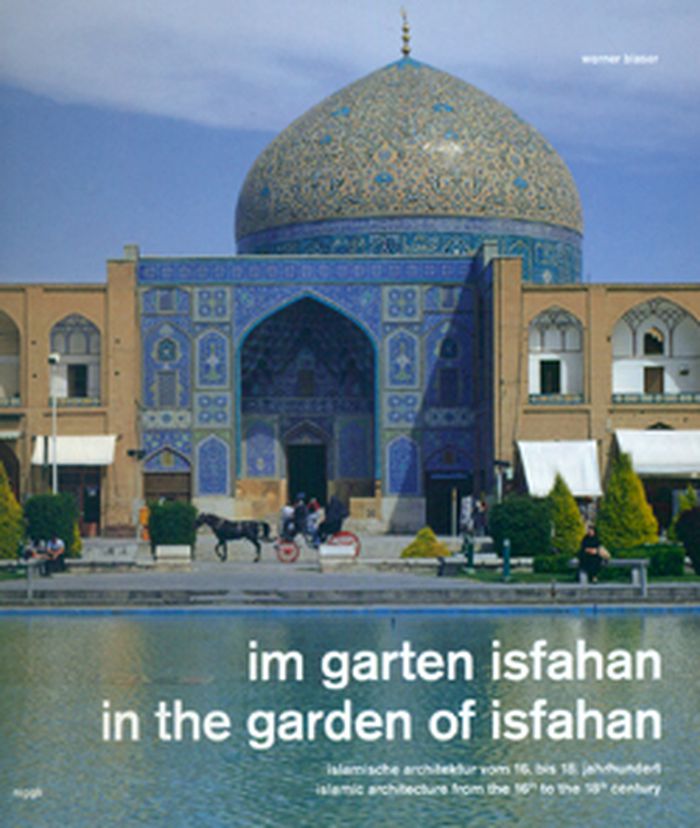
An ancient Persian proverb says, ''Isfahan is half the world,'' referring to the city's influence at the crossroads of 16th century trade routes. This city in present-day Iran is still known for its paradisiacal garden landscapes and fascinating buildings, including Naghsh-e Jahan Square, a UNESCO World Heritage site. Eminent Swiss architectural photographer Werner Blaser has captured the beauty of Isfahan in photos that present the masterworks of Persian architecture and horticulture from the 16th to 18th centuries, Isfahan's heyday under the Persian Safavid dynasty. He paints a picture of boulevards, covered bridges, palaces, mosques and minarets.
In the garden of Isfahan
Actions:
Price:
$65.95
(available to order)
Summary:
An ancient Persian proverb says, ''Isfahan is half the world,'' referring to the city's influence at the crossroads of 16th century trade routes. This city in present-day Iran is still known for its paradisiacal garden landscapes and fascinating buildings, including Naghsh-e Jahan Square, a UNESCO World Heritage site. Eminent Swiss architectural photographer Werner Blaser has captured the beauty of Isfahan in photos that present the masterworks of Persian architecture and horticulture from the 16th to 18th centuries, Isfahan's heyday under the Persian Safavid dynasty. He paints a picture of boulevards, covered bridges, palaces, mosques and minarets.
Form:
books
books
Publication:
April 2010
April 2010
Subject:
Arch Middle East
Arch Middle East
Form:
books
books
Actions:
Price:
$105.00
(available to order)
Summary:
This book is a giid introduction to art history, from the earliest cave paintings to art of the twentieth century, a masterpiece of clarity and personal insight. This classic book is currently in its 16th edition and has been translated into more than 30 languages, and published in numerous formats and editions. Now, for the first time, this Luxury Edition is the ultimate(...)
$105.00
(available to order)
Summary:
This book is a giid introduction to art history, from the earliest cave paintings to art of the twentieth century, a masterpiece of clarity and personal insight. This classic book is currently in its 16th edition and has been translated into more than 30 languages, and published in numerous formats and editions. Now, for the first time, this Luxury Edition is the ultimate(...)
Title:
The story of art, luxury edition
Actions:
Price:
$105.00
(available to order)
Summary:
This book is a giid introduction to art history, from the earliest cave paintings to art of the twentieth century, a masterpiece of clarity and personal insight. This classic book is currently in its 16th edition and has been translated into more than 30 languages, and published in numerous formats and editions. Now, for the first time, this Luxury Edition is the ultimate gift purchase for all art lovers – a perfect keepsake to treasure, and to inspire future generations.
The story of art, luxury edition
Actions:
Price:
$105.00
(available to order)
Summary:
This book is a giid introduction to art history, from the earliest cave paintings to art of the twentieth century, a masterpiece of clarity and personal insight. This classic book is currently in its 16th edition and has been translated into more than 30 languages, and published in numerous formats and editions. Now, for the first time, this Luxury Edition is the ultimate gift purchase for all art lovers – a perfect keepsake to treasure, and to inspire future generations.
Form:
books
books
Publication:
November 2016
November 2016
Subject:
Art Theory
Art Theory
Form:
books
books
Actions:
Price:
$16.00
(available to order)
Summary:
Endlessly diverse, bookplates (also called ex libris, Latin for "from the books of") are small decorative labels to be pasted inside a book's cover to express personal ownership. Originating in their modern printed form in 16th-century Germany, where books were highly valuable and treasured, bookplates became an art form practiced by artists across Europe and beyond. This(...)
$16.00
(available to order)
Summary:
Endlessly diverse, bookplates (also called ex libris, Latin for "from the books of") are small decorative labels to be pasted inside a book's cover to express personal ownership. Originating in their modern printed form in 16th-century Germany, where books were highly valuable and treasured, bookplates became an art form practiced by artists across Europe and beyond. This(...)
Title:
Ex Libris: the art of bookplates
Actions:
Price:
$16.00
(available to order)
Summary:
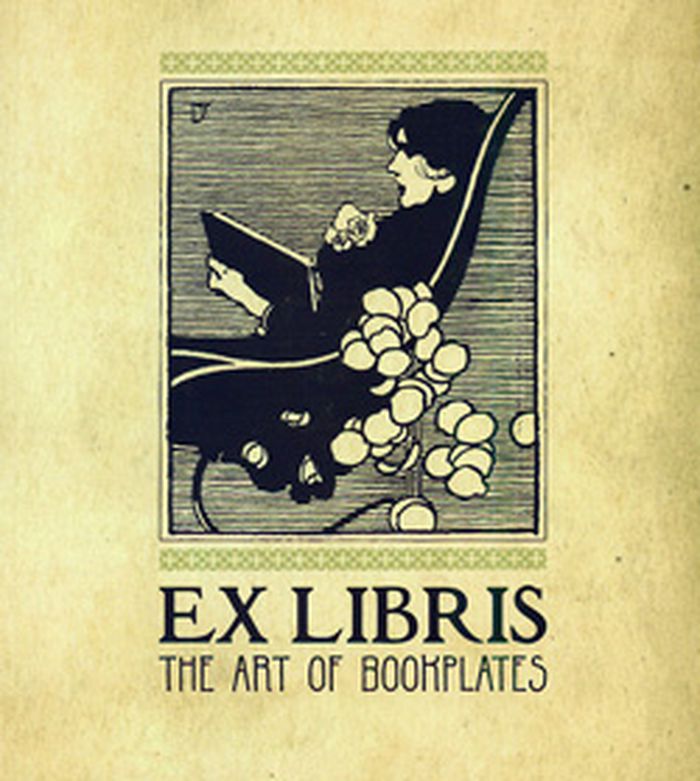
Endlessly diverse, bookplates (also called ex libris, Latin for "from the books of") are small decorative labels to be pasted inside a book's cover to express personal ownership. Originating in their modern printed form in 16th-century Germany, where books were highly valuable and treasured, bookplates became an art form practiced by artists across Europe and beyond. This book traces the evolution of bookplate design over time and across national boundaries, showcasing 100 key examples of ex libris art.
Ex Libris: the art of bookplates
Actions:
Price:
$16.00
(available to order)
Summary:
Endlessly diverse, bookplates (also called ex libris, Latin for "from the books of") are small decorative labels to be pasted inside a book's cover to express personal ownership. Originating in their modern printed form in 16th-century Germany, where books were highly valuable and treasured, bookplates became an art form practiced by artists across Europe and beyond. This book traces the evolution of bookplate design over time and across national boundaries, showcasing 100 key examples of ex libris art.
Form:
books
books
Publication:
June 2011
June 2011
Subject:
Book Design
Book Design
Form:
books
books
Actions:
Price:
$105.00
(available to order)
Summary:
The traditional colors of Japan have been in use since the seventh century, originally to indicate rank and social hierarchy but, over time, their significance has broadened to include all manner of designed objects. This landmark volume celebrates a curated selection of 200 colours (iro in Japanese), with each traditional shade illustrated by one or more items – ranging(...)
$105.00
(available to order)
Summary:
The traditional colors of Japan have been in use since the seventh century, originally to indicate rank and social hierarchy but, over time, their significance has broadened to include all manner of designed objects. This landmark volume celebrates a curated selection of 200 colours (iro in Japanese), with each traditional shade illustrated by one or more items – ranging(...)
Title:
Iro: the essence of color in Japanese design
Actions:
Price:
$105.00
(available to order)
Summary:
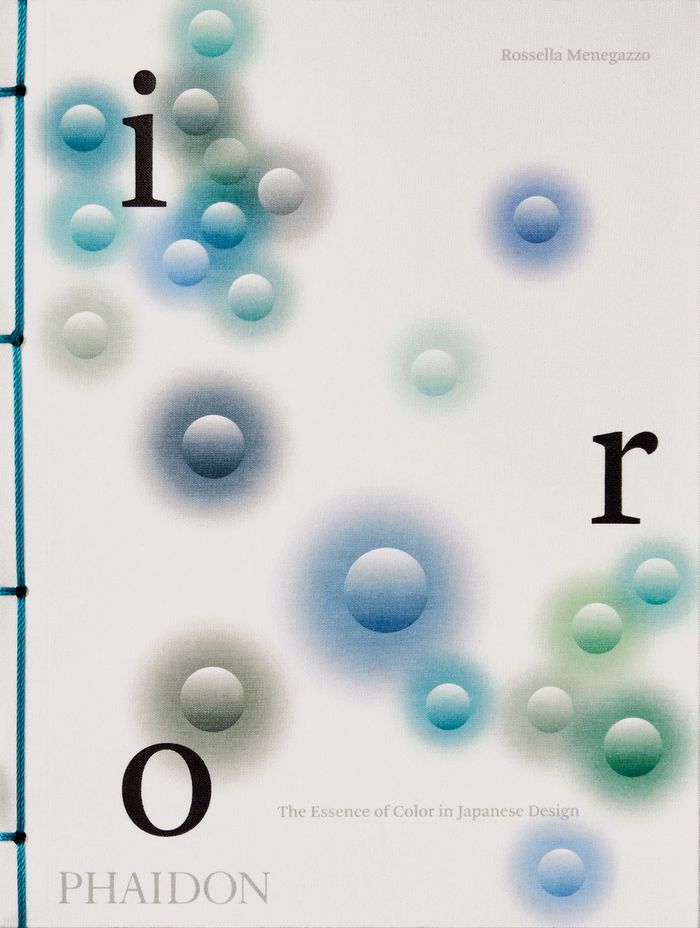
The traditional colors of Japan have been in use since the seventh century, originally to indicate rank and social hierarchy but, over time, their significance has broadened to include all manner of designed objects. This landmark volume celebrates a curated selection of 200 colours (iro in Japanese), with each traditional shade illustrated by one or more items – ranging from 16th-century kimonos to contemporary chairs, humble kitchen utensils to precious ceramics – providing a unique route to a deeper appreciation of Japanese design. Expertly bound in a traditional Japanese style, this stunning book is a beautiful design object in its own right and is a must-have for all lovers of design.
Iro: the essence of color in Japanese design
Actions:
Price:
$105.00
(available to order)
Summary:
The traditional colors of Japan have been in use since the seventh century, originally to indicate rank and social hierarchy but, over time, their significance has broadened to include all manner of designed objects. This landmark volume celebrates a curated selection of 200 colours (iro in Japanese), with each traditional shade illustrated by one or more items – ranging from 16th-century kimonos to contemporary chairs, humble kitchen utensils to precious ceramics – providing a unique route to a deeper appreciation of Japanese design. Expertly bound in a traditional Japanese style, this stunning book is a beautiful design object in its own right and is a must-have for all lovers of design.
Form:
books
books
Publication:
June 2022
June 2022
Subject:
Colour Theory and Design
Colour Theory and Design
Form:
books
books
Actions:
Holdings:
Description:
2 volumes : illustrations (some color) ; 29 cm.
Description:
2 volumes : illustrations (some color) ; 29 cm.
Author:
Subject:
Publication:
Messina : GBM, ©2005-©2006.
Messina : GBM, ©2005-©2006.
Title:
Libro di architettura / Nicola Aricò.
Actions:
Holdings:
Description:
2 volumes : illustrations (some color) ; 29 cm.
Libro di architettura / Nicola Aricò.
Actions:
Holdings:
Description:
2 volumes : illustrations (some color) ; 29 cm.
Form:
books
books
Publication:
Messina : GBM, ©2005-©2006.
Messina : GBM, ©2005-©2006.
Author:
Subject:
Form:
books
books

Price:
$78.00
(available to order)
Summary:
Marvels of human ingenuity, so small they can fit in the palm of your hand, miniature boxwood carvings from the early 16th century have long remained a mystery because of the enormous virtuosity with which they were made. Presenting 60 statuettes, miniature altars, prayer nuts, rosaries, skuls and other memento mori-pendants, 'Small Wonders' focuses for the first time on(...)
$78.00
(available to order)
Summary:
Marvels of human ingenuity, so small they can fit in the palm of your hand, miniature boxwood carvings from the early 16th century have long remained a mystery because of the enormous virtuosity with which they were made. Presenting 60 statuettes, miniature altars, prayer nuts, rosaries, skuls and other memento mori-pendants, 'Small Wonders' focuses for the first time on(...)
Title:
Small wonders: late Gothic boxwood microcarvings from the low countries
Actions:
Price:
$78.00
(available to order)
Summary:
Marvels of human ingenuity, so small they can fit in the palm of your hand, miniature boxwood carvings from the early 16th century have long remained a mystery because of the enormous virtuosity with which they were made. Presenting 60 statuettes, miniature altars, prayer nuts, rosaries, skuls and other memento mori-pendants, 'Small Wonders' focuses for the first time on these Late Gothic, pocket size carvings from the Low Countries. These ingeniously constructed, awe-inspiring detailed cut artworks depicting biblical scenes were made as sophisticated ‘toys’ for private devotion and amusement, as well as collectibles that only the rich could afford.
Small wonders: late Gothic boxwood microcarvings from the low countries
Actions:
Price:
$78.00
(available to order)
Summary:
Marvels of human ingenuity, so small they can fit in the palm of your hand, miniature boxwood carvings from the early 16th century have long remained a mystery because of the enormous virtuosity with which they were made. Presenting 60 statuettes, miniature altars, prayer nuts, rosaries, skuls and other memento mori-pendants, 'Small Wonders' focuses for the first time on these Late Gothic, pocket size carvings from the Low Countries. These ingeniously constructed, awe-inspiring detailed cut artworks depicting biblical scenes were made as sophisticated ‘toys’ for private devotion and amusement, as well as collectibles that only the rich could afford.
Form:
books
books
Publication:
February 2017
February 2017
Subject:
Industrial Design
Industrial Design
Form:
books
books
Title:
Sinan's Mosque
Sinan's Mosque
Actions:
Price:
$74.00
(available to order)
Summary:
Catalog published on the occasion of the exhibition "Ottoman architecture of the 16th century: mosques of Sinan. Drawings by Augusto Romano Burelli and Paola Gennaro", september-november 2008, Frankfurt, Deutsches Architekturmuseum. The architect (1489-1588) was a master mosque builder who employed perfect proportions to create astonishing lightness in(...)
$74.00
(available to order)
Summary:
Catalog published on the occasion of the exhibition "Ottoman architecture of the 16th century: mosques of Sinan. Drawings by Augusto Romano Burelli and Paola Gennaro", september-november 2008, Frankfurt, Deutsches Architekturmuseum. The architect (1489-1588) was a master mosque builder who employed perfect proportions to create astonishing lightness in(...)
Subject:
History until 1900, Asia
History until 1900, Asia
Publication:
January 1900, Berlin
January 1900, Berlin
Title:
Sinan's Mosque
Actions:
Price:
$74.00
(available to order)
Summary:
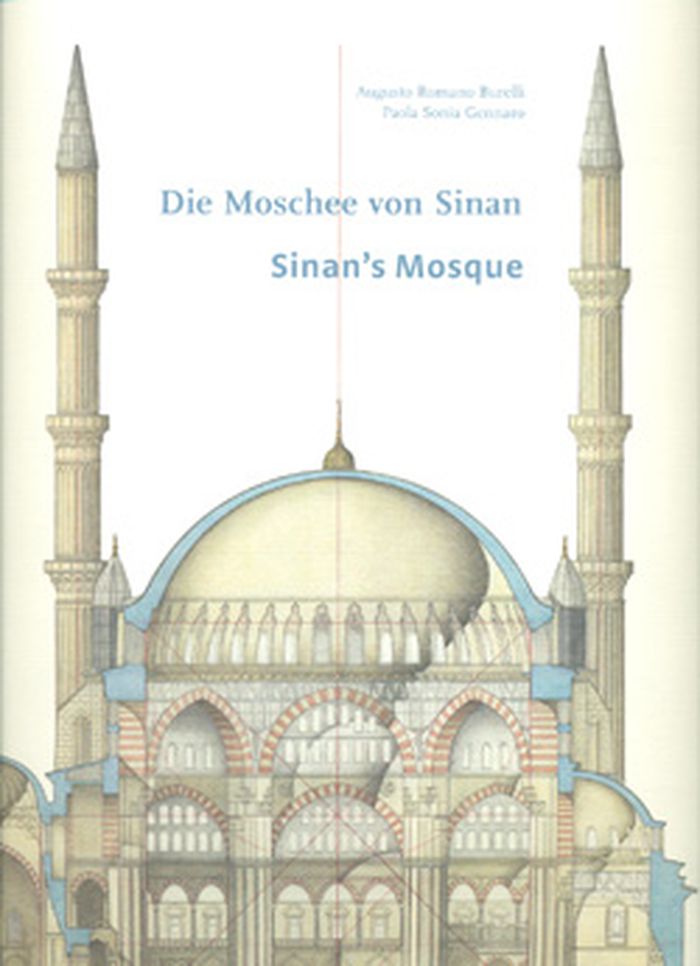
Catalog published on the occasion of the exhibition "Ottoman architecture of the 16th century: mosques of Sinan. Drawings by Augusto Romano Burelli and Paola Gennaro", september-november 2008, Frankfurt, Deutsches Architekturmuseum. The architect (1489-1588) was a master mosque builder who employed perfect proportions to create astonishing lightness in architecture--especially in his gravity-defying cupolas. He is renowned for having borrowed Roman and Byzantine techniques in order to create something new in mosque design--centralized organisms of absolute space, unhindered by pillars or columns. This beautifully illustrated volume, which features stunning reconstructed architectural renderings and diagrams, is the first to fully analyze his method.
Sinan's Mosque
Actions:
Price:
$74.00
(available to order)
Summary:
Catalog published on the occasion of the exhibition "Ottoman architecture of the 16th century: mosques of Sinan. Drawings by Augusto Romano Burelli and Paola Gennaro", september-november 2008, Frankfurt, Deutsches Architekturmuseum. The architect (1489-1588) was a master mosque builder who employed perfect proportions to create astonishing lightness in architecture--especially in his gravity-defying cupolas. He is renowned for having borrowed Roman and Byzantine techniques in order to create something new in mosque design--centralized organisms of absolute space, unhindered by pillars or columns. This beautifully illustrated volume, which features stunning reconstructed architectural renderings and diagrams, is the first to fully analyze his method.
Form:
books
books
Publication:
January 1900, Berlin
January 1900, Berlin
Subject:
History until 1900, Asia
History until 1900, Asia
Form:
books
books
Price:
$79.95
(available to order)
Summary:
Envisioning Architecture, the first in a series of three titles showcasing selected works from The Museum of Modern Art's superlative architecture and design collection, features a wide variety of drawings by great architects of the modern period, from early masters such as Frank Lloyd Wright, Le Corbusier, and Ludwig Mies van der Rohe to contemporary practitioners(...)
$79.95
(available to order)
Summary:
Envisioning Architecture, the first in a series of three titles showcasing selected works from The Museum of Modern Art's superlative architecture and design collection, features a wide variety of drawings by great architects of the modern period, from early masters such as Frank Lloyd Wright, Le Corbusier, and Ludwig Mies van der Rohe to contemporary practitioners(...)
Title:
Envisioning architecture : drawings from the Museum of Modern Art
Actions:
Price:
$79.95
(available to order)
Summary:
Envisioning Architecture, the first in a series of three titles showcasing selected works from The Museum of Modern Art's superlative architecture and design collection, features a wide variety of drawings by great architects of the modern period, from early masters such as Frank Lloyd Wright, Le Corbusier, and Ludwig Mies van der Rohe to contemporary practitioners including Frank Gehry, Zaha Hadid, Rem Koolhaas, and others. Revealing the range of aesthetic viewpoints in architecture since the late 19th century, these drawings also cumulatively trace the development of the field, almost incidentally making the crucial point that in this increasingly technological age, the age-old discipline of drawing is as vital and inventive as ever. The book opens with an exploration of the relatively brief history of collecting architectural drawings, whose practice dates back little farther than the 16th century.
Envisioning architecture : drawings from the Museum of Modern Art
Actions:
Price:
$79.95
(available to order)
Summary:
Envisioning Architecture, the first in a series of three titles showcasing selected works from The Museum of Modern Art's superlative architecture and design collection, features a wide variety of drawings by great architects of the modern period, from early masters such as Frank Lloyd Wright, Le Corbusier, and Ludwig Mies van der Rohe to contemporary practitioners including Frank Gehry, Zaha Hadid, Rem Koolhaas, and others. Revealing the range of aesthetic viewpoints in architecture since the late 19th century, these drawings also cumulatively trace the development of the field, almost incidentally making the crucial point that in this increasingly technological age, the age-old discipline of drawing is as vital and inventive as ever. The book opens with an exploration of the relatively brief history of collecting architectural drawings, whose practice dates back little farther than the 16th century.
Form:
books
books
Publication:
October 2001, New York
October 2001, New York
Subject:
Architectural Drawing
Architectural Drawing
Form:
books
books
Title:
Mapping New York
Mapping New York
Actions:
Price:
$49.95
(available to order)
Summary:
A beautifully illustrated book with distinctive maps dating back to the 16th Century, when New York was known as New Amsterdam and founded by the Dutch as a commercial trading post, right up to the present day. Mapping New York provides a pictorial history of the city – both documenting it as a leader in commerce and as one of the most built up urban areas in the world.(...)
$49.95
(available to order)
Summary:
A beautifully illustrated book with distinctive maps dating back to the 16th Century, when New York was known as New Amsterdam and founded by the Dutch as a commercial trading post, right up to the present day. Mapping New York provides a pictorial history of the city – both documenting it as a leader in commerce and as one of the most built up urban areas in the world.(...)
Title:
Mapping New York
Actions:
Price:
$49.95
(available to order)
Summary:
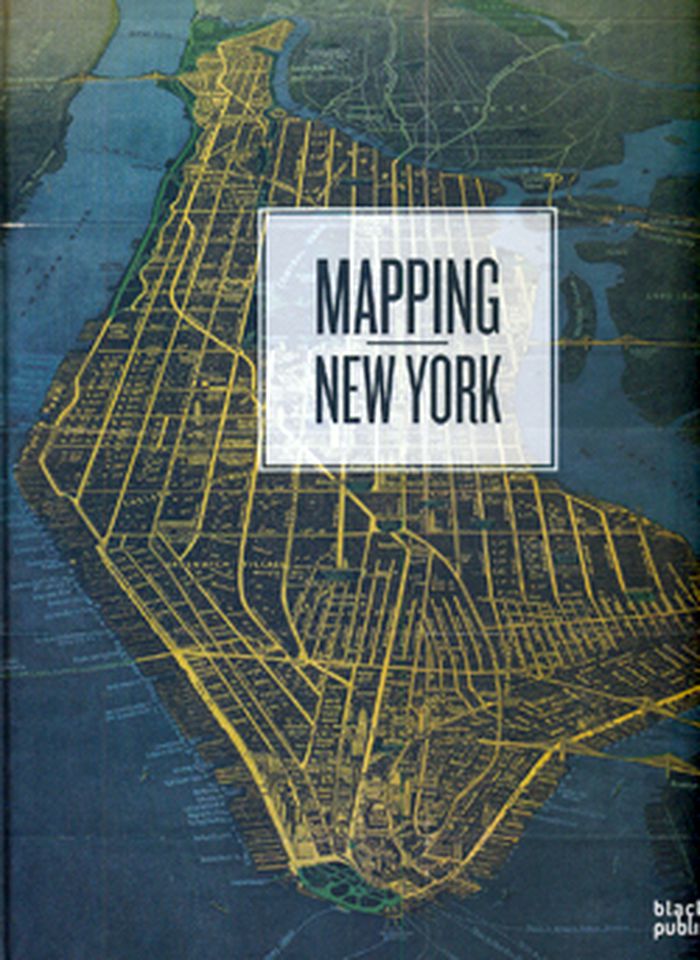
A beautifully illustrated book with distinctive maps dating back to the 16th Century, when New York was known as New Amsterdam and founded by the Dutch as a commercial trading post, right up to the present day. Mapping New York provides a pictorial history of the city – both documenting it as a leader in commerce and as one of the most built up urban areas in the world. This book focuses on maps from the 20th and 21st century, thematically arranged with maps on population, military, water, transport, commerce, crime, as well as planning and developing maps, and boundaries of the five boroughs. Featuring well known graphics such as the New York City subway map, artists’ representations include Claes Oldenburg’s Soft Manhattan #1: Postal Codes from 1966 and the poem, “Manhattan,” in the shape of the city by Howard Horowitz.
Mapping New York
Actions:
Price:
$49.95
(available to order)
Summary:
A beautifully illustrated book with distinctive maps dating back to the 16th Century, when New York was known as New Amsterdam and founded by the Dutch as a commercial trading post, right up to the present day. Mapping New York provides a pictorial history of the city – both documenting it as a leader in commerce and as one of the most built up urban areas in the world. This book focuses on maps from the 20th and 21st century, thematically arranged with maps on population, military, water, transport, commerce, crime, as well as planning and developing maps, and boundaries of the five boroughs. Featuring well known graphics such as the New York City subway map, artists’ representations include Claes Oldenburg’s Soft Manhattan #1: Postal Codes from 1966 and the poem, “Manhattan,” in the shape of the city by Howard Horowitz.
Form:
books
books
Publication:
October 2009
October 2009
Subject:
Architectural Plans and Cartography
Architectural Plans and Cartography
Form:
books
books
Actions:
Price:
$97.95
(available to order)
Summary:
The great parks and gardens of Europe come alive by the skillful interplay of natural landscape and architectural elements. Throughout the ages, however, this relationship has been treated in very different ways. The gardens of the Italian renaissance in the 15th or 16th century were based on rational plans, whereas the French parks of the Baroque period seem rather more(...)
$97.95
(available to order)
Summary:
The great parks and gardens of Europe come alive by the skillful interplay of natural landscape and architectural elements. Throughout the ages, however, this relationship has been treated in very different ways. The gardens of the Italian renaissance in the 15th or 16th century were based on rational plans, whereas the French parks of the Baroque period seem rather more(...)
Title:
Architecture and landscape : the design experiments of the great European gardens and landscapes, revised and expanded edition
Actions:
Price:
$97.95
(available to order)
Summary:
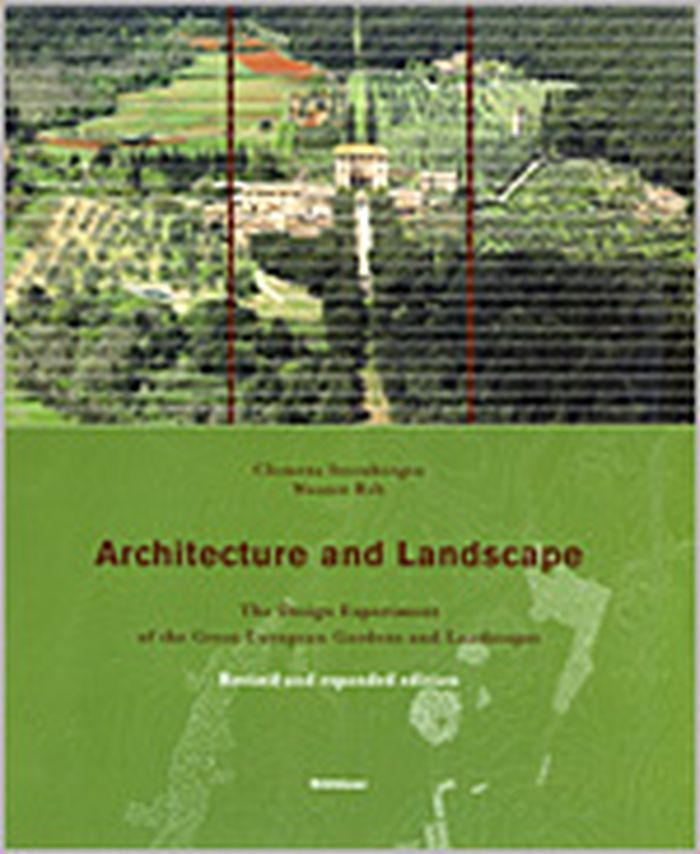
The great parks and gardens of Europe come alive by the skillful interplay of natural landscape and architectural elements. Throughout the ages, however, this relationship has been treated in very different ways. The gardens of the Italian renaissance in the 15th or 16th century were based on rational plans, whereas the French parks of the Baroque period seem rather more geometric in design, and the English parklands of the 18th century present a scenic composition. In this publication famous historical gardens from all over Europe are analysed, and these graphic analyses allow us to see into the mind of the designers. By highlighting the design processes, they also function as models for future landscape projects. More than 30 renowned gardens have been examined and documented with a wealth of illustrations. Amongst the parks presented are Palladio’s Villa Emo, the perfect order of the Baroque garden Vaux-le-Vicomte near Paris or the pastoral yet mysterious park of Blenheim Palace near Oxford.
Architecture and landscape : the design experiments of the great European gardens and landscapes, revised and expanded edition
Actions:
Price:
$97.95
(available to order)
Summary:
The great parks and gardens of Europe come alive by the skillful interplay of natural landscape and architectural elements. Throughout the ages, however, this relationship has been treated in very different ways. The gardens of the Italian renaissance in the 15th or 16th century were based on rational plans, whereas the French parks of the Baroque period seem rather more geometric in design, and the English parklands of the 18th century present a scenic composition. In this publication famous historical gardens from all over Europe are analysed, and these graphic analyses allow us to see into the mind of the designers. By highlighting the design processes, they also function as models for future landscape projects. More than 30 renowned gardens have been examined and documented with a wealth of illustrations. Amongst the parks presented are Palladio’s Villa Emo, the perfect order of the Baroque garden Vaux-le-Vicomte near Paris or the pastoral yet mysterious park of Blenheim Palace near Oxford.
Form:
books
books
Publication:
December 2003, Basel
December 2003, Basel
Subject:
Gardens
Gardens


