


1511 Results
Form:
books
books
Actions:
Price:
$47.95
(available to order)
Summary:
Photographer Christopher Payne was granted permission by New York City's Parks & Recreation Department to photograph the island over a period of years. The results are both beautiful and startling. On North Brother Island, devoid of human habitation for fifty years, buildings great and small are being consumed by the unchecked growth of vegetation. In just a few decades,(...)
$47.95
(available to order)
Summary:
Photographer Christopher Payne was granted permission by New York City's Parks & Recreation Department to photograph the island over a period of years. The results are both beautiful and startling. On North Brother Island, devoid of human habitation for fifty years, buildings great and small are being consumed by the unchecked growth of vegetation. In just a few decades,(...)
Title:
Christopher Payne: North Brother island - The last unknown place in New York city
Actions:
Price:
$47.95
(available to order)
Summary:
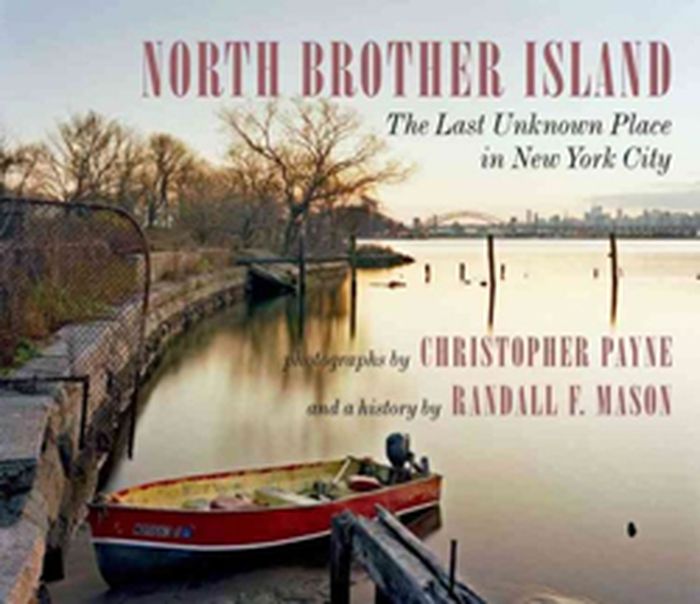
Photographer Christopher Payne was granted permission by New York City's Parks & Recreation Department to photograph the island over a period of years. The results are both beautiful and startling. On North Brother Island, devoid of human habitation for fifty years, buildings great and small are being consumed by the unchecked growth of vegetation. In just a few decades, a forest has sprung up where once there were the streets and manicured lawns of a hospital campus. North Brother Island: The Last Unknown Place in New York City includes a history by University of Pennsylvania preservationist Randall Mason, who has studied the island extensively, and an essay by the writer Robert Sullivan (Rats, The Meadowlands), who came along on one of the rare expéditions.
Christopher Payne: North Brother island - The last unknown place in New York city
Actions:
Price:
$47.95
(available to order)
Summary:
Photographer Christopher Payne was granted permission by New York City's Parks & Recreation Department to photograph the island over a period of years. The results are both beautiful and startling. On North Brother Island, devoid of human habitation for fifty years, buildings great and small are being consumed by the unchecked growth of vegetation. In just a few decades, a forest has sprung up where once there were the streets and manicured lawns of a hospital campus. North Brother Island: The Last Unknown Place in New York City includes a history by University of Pennsylvania preservationist Randall Mason, who has studied the island extensively, and an essay by the writer Robert Sullivan (Rats, The Meadowlands), who came along on one of the rare expéditions.
Form:
books
books
Publication:
May 2014
May 2014
Subject:
Photography monographs
Photography monographs
Form:
books
books
Actions:
Price:
$85.00
(available to order)
Summary:
In many ways the history of civilization is a history of humans’ relationship with nature. Starting from the dual inclination to clear land for cultivation and to enclose space for protection—the forest clearing and the walled garden—there emerges a vital and multifaceted narrative that describes our cultural relationship to, and dependence on, the landscape. Christophe(...)
$85.00
(available to order)
Summary:
In many ways the history of civilization is a history of humans’ relationship with nature. Starting from the dual inclination to clear land for cultivation and to enclose space for protection—the forest clearing and the walled garden—there emerges a vital and multifaceted narrative that describes our cultural relationship to, and dependence on, the landscape. Christophe(...)
Title:
The course of landscape architecture: a history of our designs on the natural world
Actions:
Price:
$85.00
(available to order)
Summary:
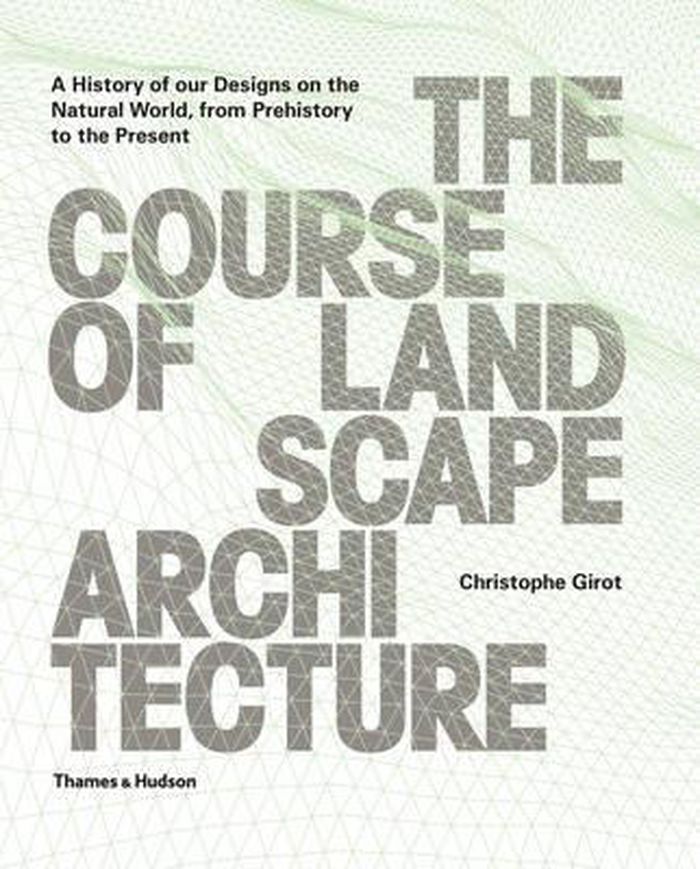
In many ways the history of civilization is a history of humans’ relationship with nature. Starting from the dual inclination to clear land for cultivation and to enclose space for protection—the forest clearing and the walled garden—there emerges a vital and multifaceted narrative that describes our cultural relationship to, and dependence on, the landscape. Christophe Girot sets out to chronicle this history, drawing on all aspects of mankind’s creativity and ingenuity. In twelve chapters, he brings together the key stories that have shaped our man-made landscapes. Each chapter consists of a thematic essay that ties together the central developments, as well as a case study illustrated with specially commissioned photographs and meticulously detailed 3D re–creations showing the featured site in its original context.
The course of landscape architecture: a history of our designs on the natural world
Actions:
Price:
$85.00
(available to order)
Summary:
In many ways the history of civilization is a history of humans’ relationship with nature. Starting from the dual inclination to clear land for cultivation and to enclose space for protection—the forest clearing and the walled garden—there emerges a vital and multifaceted narrative that describes our cultural relationship to, and dependence on, the landscape. Christophe Girot sets out to chronicle this history, drawing on all aspects of mankind’s creativity and ingenuity. In twelve chapters, he brings together the key stories that have shaped our man-made landscapes. Each chapter consists of a thematic essay that ties together the central developments, as well as a case study illustrated with specially commissioned photographs and meticulously detailed 3D re–creations showing the featured site in its original context.
Form:
books
books
Publication:
May 2016
May 2016
Subject:
Gardens
Gardens
Form:
books
books
Actions:
Holdings:
Description:
xv, 343 pages : illustrations ; 29 cm
Description:
xv, 343 pages : illustrations ; 29 cm
Author:
- C. Richard Hatch -- Sherry Ahrentzen -- Karen A. Franck -- Elizabeth Cromley -- Norbert Schoenauer -- Alison Woodward -- Kathryn M. McCamant, Charles R. Durrett -- Jill Stoner -- Sherry Ahrentzen -- Jacqueline Leavitt -- Joan Forrester Sprague -- Christine C. Cook -- Gerda R. Wekerle, Sylvia Novac -- Karen A. Franck -- Michael Mostoller -- Mary Burki -- Karen A. Franck.,
- Franck, Karen A.,
- Ahrentzen, Sherry.
(See more)
Subject:
Publication:
New York : Van Nostrand Reinhold, ©1989.
New York : Van Nostrand Reinhold, ©1989.
Title:
New households, new housing / edited by Karen A. Franck, Sherry Ahrentzen.
Actions:
Holdings:
Description:
xv, 343 pages : illustrations ; 29 cm
New households, new housing / edited by Karen A. Franck, Sherry Ahrentzen.
Actions:
Holdings:
Description:
xv, 343 pages : illustrations ; 29 cm
Form:
books
books
Publication:
New York : Van Nostrand Reinhold, ©1989.
New York : Van Nostrand Reinhold, ©1989.
Author:
- C. Richard Hatch -- Sherry Ahrentzen -- Karen A. Franck -- Elizabeth Cromley -- Norbert Schoenauer -- Alison Woodward -- Kathryn M. McCamant, Charles R. Durrett -- Jill Stoner -- Sherry Ahrentzen -- Jacqueline Leavitt -- Joan Forrester Sprague -- Christine C. Cook -- Gerda R. Wekerle, Sylvia Novac -- Karen A. Franck -- Michael Mostoller -- Mary Burki -- Karen A. Franck.,
- Franck, Karen A.,
- Ahrentzen, Sherry.
(See more)
Form:
books
books
Actions:
Holdings:
Description:
5 unnumbered pages, 402 pages : illustrations (some color), maps (some color), plans, facsimiles ; 30 cm
Description:
5 unnumbered pages, 402 pages : illustrations (some color), maps (some color), plans, facsimiles ; 30 cm
Author:
Subject:
- Regional planning Ganges River Valley (India and Bangladesh),
- Watersheds Ganges River Valley (India and Bangladesh) History Designs and plans.,
- Water resources development Ganges River Valley (India and Bangladesh),
- Agriculture Ganges River Valley (India and Bangladesh) History.,
- Urbanization Ganges River Valley (India and Bangladesh),
- Urbanization.,
- Environment Design,
- Aménagement du territoire Gange, Vallée du (Inde et Bangladesh),
- Bassins hydrographiques Gange, Vallée du (Inde et Bangladesh) Histoire Dessins et plans.,
- Ressources en eau Exploitation Gange, Vallée du (Inde et Bangladesh),
- Agriculture Gange, Vallée du (Inde et Bangladesh) Histoire.,
- Urbanisation Gange, Vallée du (Inde et Bangladesh),
- Urbanisation.,
- urbanization.,
- Agriculture,
- Ecology,
- Regional planning,
- Water resources development,
- Watersheds,
- Gestion des ressources en eau Gange, Vallée du (Inde),
- Agriculture Gange, Vallée du (Inde),
- Urbanisation Gange, Vallée du (Inde),
- Ganges River (India and Bangladesh) History.,
- Ganges River Valley (India and Bangladesh) History.,
- Ganges River (India and Bangladesh) Environmental conditions.,
- Ganges River Valley (India and Bangladesh) Environmental conditions.,
- Gange (Inde et Bangladesh : Fleuve) Histoire.,
- Gange, Vallée du (Inde et Bangladesh) Histoire.,
- Gange (Inde et Bangladesh : Fleuve) Conditions environnementales.,
- Gange, Vallée du (Inde et Bangladesh) Conditions environnementales.,
- Asia Ganges River,
- Asia Ganges River Valley,
- Gange (cours d'eau) Inde Histoire.,
- Gange (cours d'eau) Bangladesh Histoire.,
- Gange, Vallée du (Inde) Inde Histoire.,
- Gange, Vallée du (Inde) Bangladesh Histoire.,
- Gange, Vallée du (Inde) Environnement.,
- Asie Gange (cours d'eau),
- Architectural drawings,
- History
(See more)
Publication:
San Francisco, California : Applied Research + Design Publishing (ar+d) , [2015], ©2015
San Francisco, California : Applied Research + Design Publishing (ar+d) , [2015], ©2015
Title:
Ganges water machine : designing new India's ancient river / Anthony Acciavatti ; editing by Aleksandr Bierig and Duncan Corrigall.
Actions:
Holdings:
Description:
5 unnumbered pages, 402 pages : illustrations (some color), maps (some color), plans, facsimiles ; 30 cm
Ganges water machine : designing new India's ancient river / Anthony Acciavatti ; editing by Aleksandr Bierig and Duncan Corrigall.
Actions:
Holdings:
Description:
5 unnumbered pages, 402 pages : illustrations (some color), maps (some color), plans, facsimiles ; 30 cm
Form:
books
books
Publication:
San Francisco, California : Applied Research + Design Publishing (ar+d) , [2015], ©2015
San Francisco, California : Applied Research + Design Publishing (ar+d) , [2015], ©2015
Subject:
- Regional planning Ganges River Valley (India and Bangladesh),
- Watersheds Ganges River Valley (India and Bangladesh) History Designs and plans.,
- Water resources development Ganges River Valley (India and Bangladesh),
- Agriculture Ganges River Valley (India and Bangladesh) History.,
- Urbanization Ganges River Valley (India and Bangladesh),
- Urbanization.,
- Environment Design,
- Aménagement du territoire Gange, Vallée du (Inde et Bangladesh),
- Bassins hydrographiques Gange, Vallée du (Inde et Bangladesh) Histoire Dessins et plans.,
- Ressources en eau Exploitation Gange, Vallée du (Inde et Bangladesh),
- Agriculture Gange, Vallée du (Inde et Bangladesh) Histoire.,
- Urbanisation Gange, Vallée du (Inde et Bangladesh),
- Urbanisation.,
- urbanization.,
- Agriculture,
- Ecology,
- Regional planning,
- Water resources development,
- Watersheds,
- Gestion des ressources en eau Gange, Vallée du (Inde),
- Agriculture Gange, Vallée du (Inde),
- Urbanisation Gange, Vallée du (Inde),
- Ganges River (India and Bangladesh) History.,
- Ganges River Valley (India and Bangladesh) History.,
- Ganges River (India and Bangladesh) Environmental conditions.,
- Ganges River Valley (India and Bangladesh) Environmental conditions.,
- Gange (Inde et Bangladesh : Fleuve) Histoire.,
- Gange, Vallée du (Inde et Bangladesh) Histoire.,
- Gange (Inde et Bangladesh : Fleuve) Conditions environnementales.,
- Gange, Vallée du (Inde et Bangladesh) Conditions environnementales.,
- Asia Ganges River,
- Asia Ganges River Valley,
- Gange (cours d'eau) Inde Histoire.,
- Gange (cours d'eau) Bangladesh Histoire.,
- Gange, Vallée du (Inde) Inde Histoire.,
- Gange, Vallée du (Inde) Bangladesh Histoire.,
- Gange, Vallée du (Inde) Environnement.,
- Asie Gange (cours d'eau),
- Architectural drawings,
- History
(See more)
Form:
books
books
Actions:
Holdings:
Description:
304 pages : illustrations (some color) ; 29 cm
Description:
304 pages : illustrations (some color) ; 29 cm
Subject:
- Architecture California Sea Ranch History.,
- Architecture Environmental aspects California Sea Ranch.,
- Planned communities California Sea Ranch.,
- Architecture Californie Sea Ranch 20e siècle.,
- Architecture Aspect de l'environnement Californie Sea Ranch.,
- Collectivités nouvelles Californie Sea Ranch.,
- Architecture Californie Sea Ranch Histoire.,
- Architecture,
- Architecture Environmental aspects,
- Planned communities,
- Landhaus,
- Villa,
- Architecture California Sea Ranch.,
- California Sea Ranch,
- History
(See more)
Publication:
New York : Princeton Architectural Press, ©2004.
New York : Princeton Architectural Press, ©2004.
Title:
The Sea Ranch / Donlyn Lyndon, Jim Alinder ; essays by Donald Canty and Lawrence Halprin.
Actions:
Holdings:
Description:
304 pages : illustrations (some color) ; 29 cm
The Sea Ranch / Donlyn Lyndon, Jim Alinder ; essays by Donald Canty and Lawrence Halprin.
Actions:
Holdings:
Description:
304 pages : illustrations (some color) ; 29 cm
Form:
books
books
Publication:
New York : Princeton Architectural Press, ©2004.
New York : Princeton Architectural Press, ©2004.
Subject:
- Architecture California Sea Ranch History.,
- Architecture Environmental aspects California Sea Ranch.,
- Planned communities California Sea Ranch.,
- Architecture Californie Sea Ranch 20e siècle.,
- Architecture Aspect de l'environnement Californie Sea Ranch.,
- Collectivités nouvelles Californie Sea Ranch.,
- Architecture Californie Sea Ranch Histoire.,
- Architecture,
- Architecture Environmental aspects,
- Planned communities,
- Landhaus,
- Villa,
- Architecture California Sea Ranch.,
- California Sea Ranch,
- History
(See more)
Form:
books
books
Actions:
Price:
$22.00
(available to order)
Summary:
This publication brings together an array of Norway and Switzerland's 19th-century artists, who shared an interest in capturing their native dramatic alpine landscapes. This illustrated book also examines the differences that climate, character, and political regimes have imposed on artistic practices. Distinct social and political situations in Norway and Switzerland(...)
$22.00
(available to order)
Summary:
This publication brings together an array of Norway and Switzerland's 19th-century artists, who shared an interest in capturing their native dramatic alpine landscapes. This illustrated book also examines the differences that climate, character, and political regimes have imposed on artistic practices. Distinct social and political situations in Norway and Switzerland(...)
Title:
Forests, rocks, torrents: Norwegian and Swiaa landscape paintings from the Lunde collection
Actions:
Price:
$22.00
(available to order)
Summary:
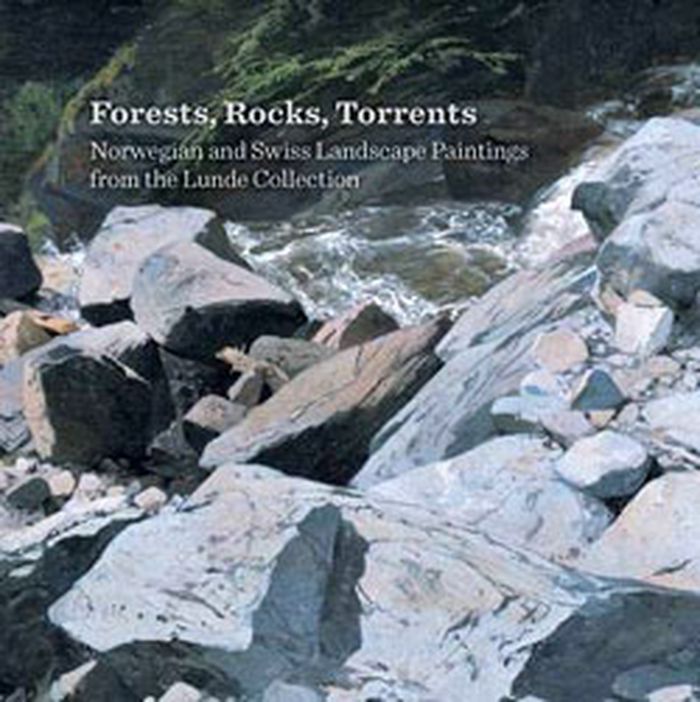
This publication brings together an array of Norway and Switzerland's 19th-century artists, who shared an interest in capturing their native dramatic alpine landscapes. This illustrated book also examines the differences that climate, character, and political regimes have imposed on artistic practices. Distinct social and political situations in Norway and Switzerland yielded fundamental differences in the two countries' painting traditions. As Norway endured a long struggle for freedom, Switzerland remained proudly independent. While Norway was poor, isolated, and dependent for survival on its natural resources, the Swiss enjoyed prosperity, a cosmopolitan society, and prestige as an early center of industry. The authors examine how this was manifested in the landscape paintings of such prominent artists as Johan Christian Dahl, Thomas Fearnley, Peder Balke, and Alexandra Calame. This book also supplies a helpful chronology and brief artist biographies.
Forests, rocks, torrents: Norwegian and Swiaa landscape paintings from the Lunde collection
Actions:
Price:
$22.00
(available to order)
Summary:
This publication brings together an array of Norway and Switzerland's 19th-century artists, who shared an interest in capturing their native dramatic alpine landscapes. This illustrated book also examines the differences that climate, character, and political regimes have imposed on artistic practices. Distinct social and political situations in Norway and Switzerland yielded fundamental differences in the two countries' painting traditions. As Norway endured a long struggle for freedom, Switzerland remained proudly independent. While Norway was poor, isolated, and dependent for survival on its natural resources, the Swiss enjoyed prosperity, a cosmopolitan society, and prestige as an early center of industry. The authors examine how this was manifested in the landscape paintings of such prominent artists as Johan Christian Dahl, Thomas Fearnley, Peder Balke, and Alexandra Calame. This book also supplies a helpful chronology and brief artist biographies.
Form:
books
books
Publication:
August 2011
August 2011
Subject:
Landscape Architecture, Monographs
Landscape Architecture, Monographs
Form:
books
books
Actions:
Holdings:
Description:
xxvi, 423 pages : illustrations, map ; 25 cm.
Description:
xxvi, 423 pages : illustrations, map ; 25 cm.
Subject:
- City planning.,
- Regional planning.,
- Strategic planning.,
- Network analysis (Planning),
- Spatial behavior.,
- Sustainable development.,
- Aménagement du territoire.,
- Planification stratégique.,
- Analyse de réseau (Planification),
- Développement durable.,
- regional planning.,
- sustainable development.,
- Raumordnung,
- Strategie,
- Urban planning.,
- Aufsatzsammlung.
(See more)
Publication:
Dordrecht [Netherlands] ; Heidelberg [Germany] ; London ; New York : Springer, ©2010.
Dordrecht [Netherlands] ; Heidelberg [Germany] ; London ; New York : Springer, ©2010.
Title:
Making strategies in spatial planning : knowledges and values / Maria Cerreta, Grazia Concilio, Valeria Monno, editors.
Actions:
Holdings:
Description:
xxvi, 423 pages : illustrations, map ; 25 cm.
Making strategies in spatial planning : knowledges and values / Maria Cerreta, Grazia Concilio, Valeria Monno, editors.
Actions:
Holdings:
Description:
xxvi, 423 pages : illustrations, map ; 25 cm.
Form:
books
books
Publication:
Dordrecht [Netherlands] ; Heidelberg [Germany] ; London ; New York : Springer, ©2010.
Dordrecht [Netherlands] ; Heidelberg [Germany] ; London ; New York : Springer, ©2010.
Subject:
- City planning.,
- Regional planning.,
- Strategic planning.,
- Network analysis (Planning),
- Spatial behavior.,
- Sustainable development.,
- Aménagement du territoire.,
- Planification stratégique.,
- Analyse de réseau (Planification),
- Développement durable.,
- regional planning.,
- sustainable development.,
- Raumordnung,
- Strategie,
- Urban planning.,
- Aufsatzsammlung.
(See more)
Form:
journals and magazines
journals and magazines
Title:
Log 61 : summer 2024
Log 61 : summer 2024
Actions:
Price:
$25.00
(available in store)
Summary:
From the Norwegian seaside to the Ethiopian highlands; from the Bavarian Forest to the Taiwanese coast; from Venice to the Las Vegas Venetian, Log 61 travels in pursuit of architecture. In this open summer issue, Christopher Pierce visits cabins designed by Kastler Skjeseth Architects, and Motuma Tulu drives across southern Ethiopia to document informal architecture; Tim(...)
$25.00
(available in store)
Summary:
From the Norwegian seaside to the Ethiopian highlands; from the Bavarian Forest to the Taiwanese coast; from Venice to the Las Vegas Venetian, Log 61 travels in pursuit of architecture. In this open summer issue, Christopher Pierce visits cabins designed by Kastler Skjeseth Architects, and Motuma Tulu drives across southern Ethiopia to document informal architecture; Tim(...)
Title:
Log 61 : summer 2024
Actions:
Price:
$25.00
(available in store)
Summary:
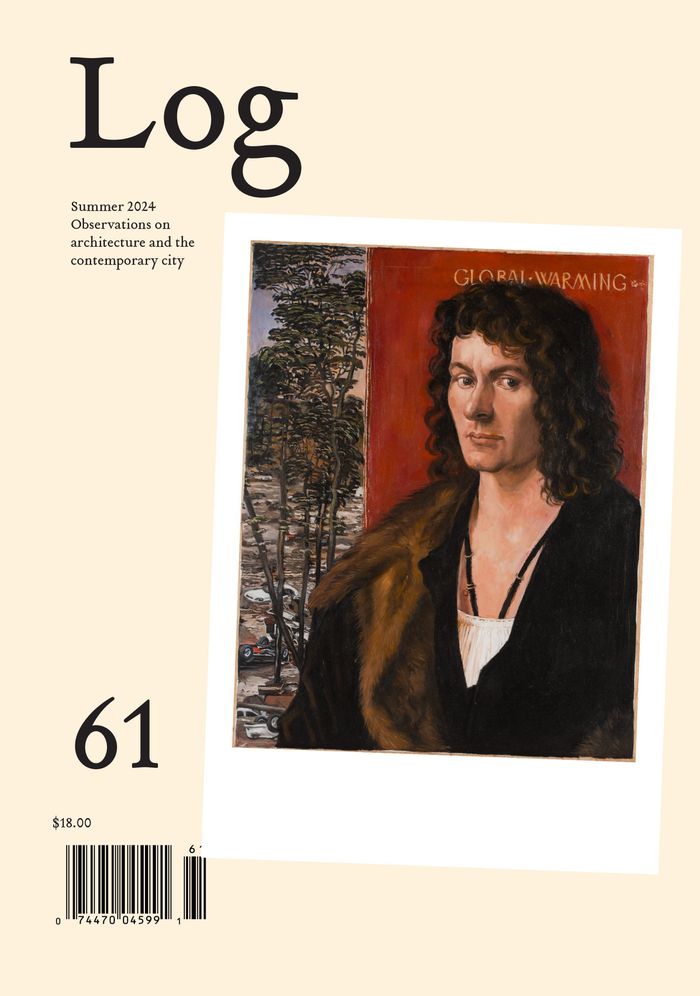
From the Norwegian seaside to the Ethiopian highlands; from the Bavarian Forest to the Taiwanese coast; from Venice to the Las Vegas Venetian, Log 61 travels in pursuit of architecture. In this open summer issue, Christopher Pierce visits cabins designed by Kastler Skjeseth Architects, and Motuma Tulu drives across southern Ethiopia to document informal architecture; Tim Altenhof rides along with architect Peter Haimerl to see his unique housing and restoration work while Thomas Daniell wrestles with the appendages of RUR Architecture’s Kaohsiung Port Terminal; and in Venice, Lina Malfona contemplates Tadao Ando’s exhibition design for painter Zeng Fanzhi, and behind the Venetian, Cameron Wu assess the geometric problems of Populous’s Sphere. Jimenez Lai checks out the architectural follies at Coachella, and Ben Fehrman-Lee sees the Frederick Kiesler exhibition in New York.
Log 61 : summer 2024
Actions:
Price:
$25.00
(available in store)
Summary:
From the Norwegian seaside to the Ethiopian highlands; from the Bavarian Forest to the Taiwanese coast; from Venice to the Las Vegas Venetian, Log 61 travels in pursuit of architecture. In this open summer issue, Christopher Pierce visits cabins designed by Kastler Skjeseth Architects, and Motuma Tulu drives across southern Ethiopia to document informal architecture; Tim Altenhof rides along with architect Peter Haimerl to see his unique housing and restoration work while Thomas Daniell wrestles with the appendages of RUR Architecture’s Kaohsiung Port Terminal; and in Venice, Lina Malfona contemplates Tadao Ando’s exhibition design for painter Zeng Fanzhi, and behind the Venetian, Cameron Wu assess the geometric problems of Populous’s Sphere. Jimenez Lai checks out the architectural follies at Coachella, and Ben Fehrman-Lee sees the Frederick Kiesler exhibition in New York.
Form:
journals and magazines
journals and magazines
Publication:
July 2024
July 2024
Subject:
Magazines
Magazines
Form:
books
books
Actions:
Price:
$38.95
(available to order)
Summary:
A tale of diversity within our damaged landscapes, The Mushroom at the End of the World follows one of the strangest commodity chains of our times to explore the unexpected corners of capitalism. Here, we witness the varied and peculiar worlds of matsutake commerce: the worlds of Japanese gourmets, capitalist traders, Hmong jungle fighters, industrial forests, Yi Chinese(...)
$38.95
(available to order)
Summary:
A tale of diversity within our damaged landscapes, The Mushroom at the End of the World follows one of the strangest commodity chains of our times to explore the unexpected corners of capitalism. Here, we witness the varied and peculiar worlds of matsutake commerce: the worlds of Japanese gourmets, capitalist traders, Hmong jungle fighters, industrial forests, Yi Chinese(...)
Publication:
October 2015
October 2015
Title:
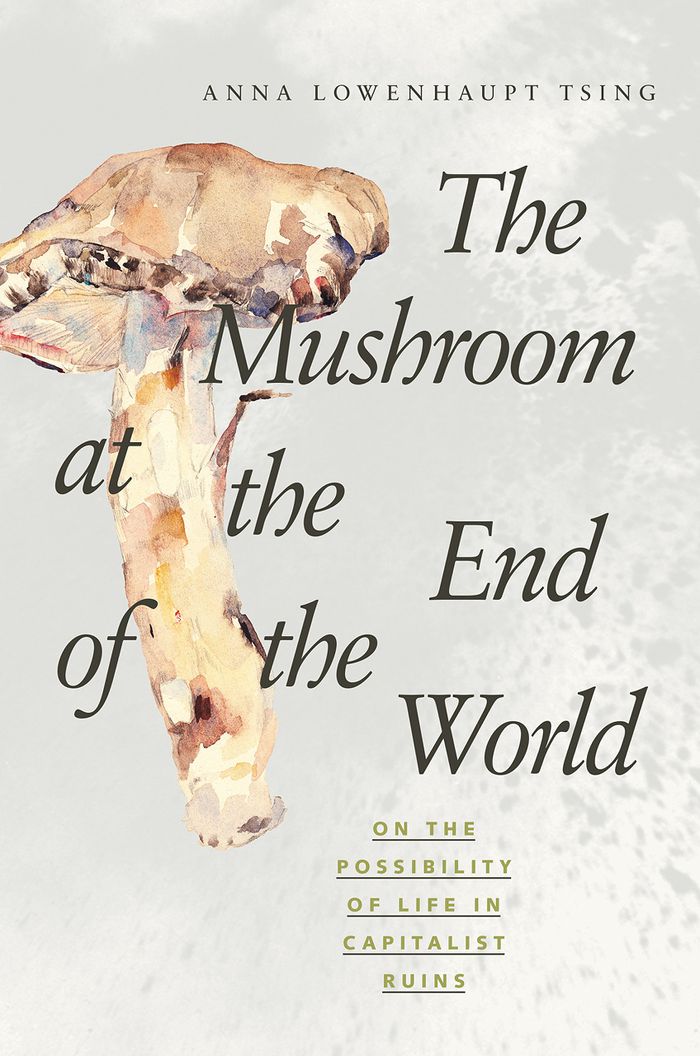
The mushroom at the end of the world: on the possibility of life in capitalist ruins
Actions:
Price:
$38.95
(available to order)
Summary:
A tale of diversity within our damaged landscapes, The Mushroom at the End of the World follows one of the strangest commodity chains of our times to explore the unexpected corners of capitalism. Here, we witness the varied and peculiar worlds of matsutake commerce: the worlds of Japanese gourmets, capitalist traders, Hmong jungle fighters, industrial forests, Yi Chinese goat herders, Finnish nature guides, and more. These companions also lead us into fungal ecologies and forest histories to better understand the promise of cohabitation in a time of massive human destruction. By investigating one of the world’s most sought-after fungi, The Mushroom at the End of the World presents an original examination into the relation between capitalist destruction and collaborative survival within multispecies landscapes, the prerequisite for continuing life on earth.
The mushroom at the end of the world: on the possibility of life in capitalist ruins
Actions:
Price:
$38.95
(available to order)
Summary:
A tale of diversity within our damaged landscapes, The Mushroom at the End of the World follows one of the strangest commodity chains of our times to explore the unexpected corners of capitalism. Here, we witness the varied and peculiar worlds of matsutake commerce: the worlds of Japanese gourmets, capitalist traders, Hmong jungle fighters, industrial forests, Yi Chinese goat herders, Finnish nature guides, and more. These companions also lead us into fungal ecologies and forest histories to better understand the promise of cohabitation in a time of massive human destruction. By investigating one of the world’s most sought-after fungi, The Mushroom at the End of the World presents an original examination into the relation between capitalist destruction and collaborative survival within multispecies landscapes, the prerequisite for continuing life on earth.
Form:
books
books
Publication:
October 2015
October 2015
Form:
books
books
Price:
$46.95
(available to order)
Summary:
The space we live in, reduced to a minimum, has been fascinating us for generations - the writer Thoreau lived in a self-built hut in the forest from 1845 - 1847. In 1952, Le Corbusier built a hut at the Côte d'Azur for himself and his wife. Inspired by this, Urs Peter Flückiger, together with his students, built an ecologically and economically sustainable cabin in the(...)
$46.95
(available to order)
Summary:
The space we live in, reduced to a minimum, has been fascinating us for generations - the writer Thoreau lived in a self-built hut in the forest from 1845 - 1847. In 1952, Le Corbusier built a hut at the Côte d'Azur for himself and his wife. Inspired by this, Urs Peter Flückiger, together with his students, built an ecologically and economically sustainable cabin in the(...)
Title:
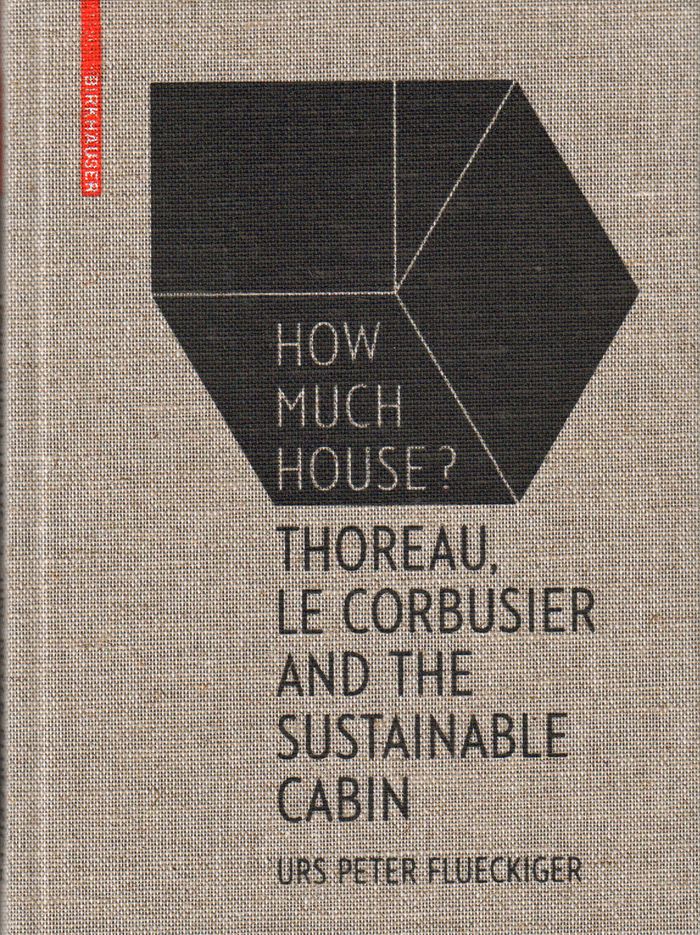
How much house: Thoreau, Le Corbusier and the sustainable cabin
Actions:
Price:
$46.95
(available to order)
Summary:
The space we live in, reduced to a minimum, has been fascinating us for generations - the writer Thoreau lived in a self-built hut in the forest from 1845 - 1847. In 1952, Le Corbusier built a hut at the Côte d'Azur for himself and his wife. Inspired by this, Urs Peter Flückiger, together with his students, built an ecologically and economically sustainable cabin in the Texan prairie. All three projects share the idea of minimal space and its relationship with the surrounding nature. In text, drawings, and photographs, this book analyses the three projects and shows parallels and similarities. Inspired by Tolstoy s story How Much Land Does A Man Need? , the author asks: How much house does a man need?, thereby providing a pointed contribution to the current discussion on the requirement for housing.
How much house: Thoreau, Le Corbusier and the sustainable cabin
Actions:
Price:
$46.95
(available to order)
Summary:
The space we live in, reduced to a minimum, has been fascinating us for generations - the writer Thoreau lived in a self-built hut in the forest from 1845 - 1847. In 1952, Le Corbusier built a hut at the Côte d'Azur for himself and his wife. Inspired by this, Urs Peter Flückiger, together with his students, built an ecologically and economically sustainable cabin in the Texan prairie. All three projects share the idea of minimal space and its relationship with the surrounding nature. In text, drawings, and photographs, this book analyses the three projects and shows parallels and similarities. Inspired by Tolstoy s story How Much Land Does A Man Need? , the author asks: How much house does a man need?, thereby providing a pointed contribution to the current discussion on the requirement for housing.
Form:
books
books
Publication:
November 2016
November 2016
Subject:
Residential Architecture
Residential Architecture


