


1459 Results
Form:
books
books
Title:
A matter of things
A matter of things
Actions:
Price:
$59.99
(available to order)
Summary:
This monograph brings together the work of the Spanish architect and urban planner Manuel de Solà-Morales in book form for the first time. The publication concentrates on his most important projects and realizations of recent years. Solà-Morales has achieved successful interventions in the urban landscape in many places in Europe: from Antwerp to Trieste, from Groningen(...)
$59.99
(available to order)
Summary:
This monograph brings together the work of the Spanish architect and urban planner Manuel de Solà-Morales in book form for the first time. The publication concentrates on his most important projects and realizations of recent years. Solà-Morales has achieved successful interventions in the urban landscape in many places in Europe: from Antwerp to Trieste, from Groningen(...)
Title:
A matter of things
Actions:
Price:
$59.99
(available to order)
Summary:
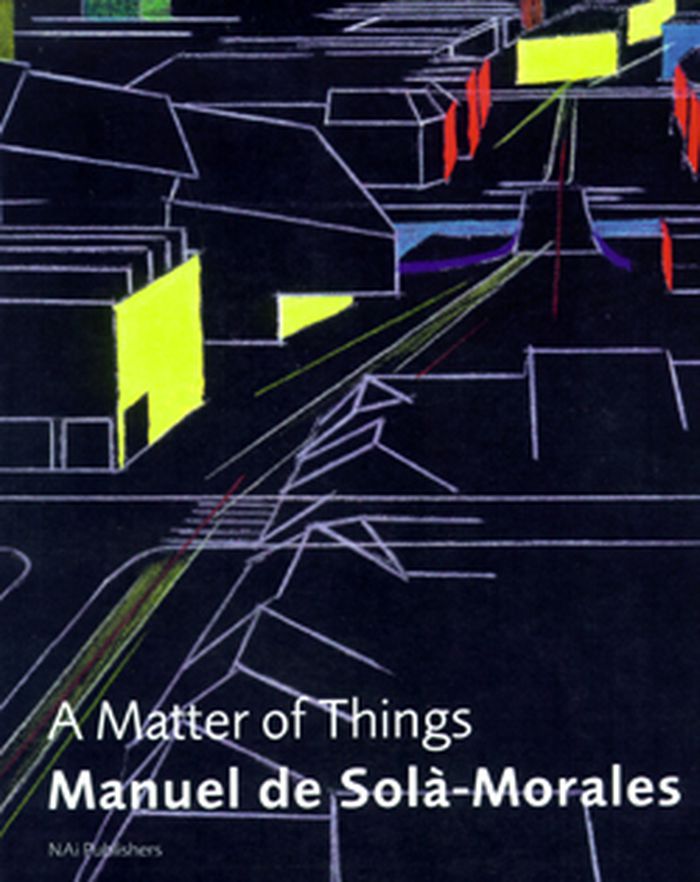
This monograph brings together the work of the Spanish architect and urban planner Manuel de Solà-Morales in book form for the first time. The publication concentrates on his most important projects and realizations of recent years. Solà-Morales has achieved successful interventions in the urban landscape in many places in Europe: from Antwerp to Trieste, from Groningen to Porto, and from Barcelona to The Hague. For Solà-Morales the city does not consist of abstractions, but of concrete, tangible things. His projects could be regarded as an urban architecture, at the interface of architecture and urban planning. By intervening in this physical reality in a precise manner, with a building, with public space, or sometimes with nothing more than the layout of a public space, but always with concrete things, Solà-Morales effects changes in the city that often transcend the physical or spatial dimensions of the intervention. All the projects are documented extensively in word and image. Besides texts by Manuel de Solà-Morales himself, the book includes a comprehensive essay by Kenneth Frampton about the architect's work and ideas.
A matter of things
Actions:
Price:
$59.99
(available to order)
Summary:
This monograph brings together the work of the Spanish architect and urban planner Manuel de Solà-Morales in book form for the first time. The publication concentrates on his most important projects and realizations of recent years. Solà-Morales has achieved successful interventions in the urban landscape in many places in Europe: from Antwerp to Trieste, from Groningen to Porto, and from Barcelona to The Hague. For Solà-Morales the city does not consist of abstractions, but of concrete, tangible things. His projects could be regarded as an urban architecture, at the interface of architecture and urban planning. By intervening in this physical reality in a precise manner, with a building, with public space, or sometimes with nothing more than the layout of a public space, but always with concrete things, Solà-Morales effects changes in the city that often transcend the physical or spatial dimensions of the intervention. All the projects are documented extensively in word and image. Besides texts by Manuel de Solà-Morales himself, the book includes a comprehensive essay by Kenneth Frampton about the architect's work and ideas.
Form:
books
books
Publication:
April 2007, Rotterdam
April 2007, Rotterdam
Subject:
Architecture Monographs
Architecture Monographs
Form:
books
books
Price:
$35.00
(available in store)
Summary:
"Ideas, faces and places" is a record of an exhibition and symposium that took place in Dublin at The Irish Architectural Archive in the autumn of 2022, "Sweet Disorder and the Carefully Careless: Ideas, Faces and Places", which transferred to RIBA headquarters in London in the Spring of 2023. The book is a repository for some of the observations that arose at these(...)
$35.00
(available in store)
Summary:
"Ideas, faces and places" is a record of an exhibition and symposium that took place in Dublin at The Irish Architectural Archive in the autumn of 2022, "Sweet Disorder and the Carefully Careless: Ideas, Faces and Places", which transferred to RIBA headquarters in London in the Spring of 2023. The book is a repository for some of the observations that arose at these(...)
Subject:
Architectural Theory
Architectural Theory
Publication:
January 2023
January 2023
Title:
Ideas, faces and places : Sweet disorder and carefully careless
Actions:
Price:
$35.00
(available in store)
Summary:
"Ideas, faces and places" is a record of an exhibition and symposium that took place in Dublin at The Irish Architectural Archive in the autumn of 2022, "Sweet Disorder and the Carefully Careless: Ideas, Faces and Places", which transferred to RIBA headquarters in London in the Spring of 2023. The book is a repository for some of the observations that arose at these events made by architects and critics including John Tuomey, Ed Jones, Irina Davidovici, Kenneth Frampton and others. The exhibition juxtaposed Celia Scott’s busts of the architects James Stirling, Leon Krier, Alan Colquhoun, Ed Jones and others, with a pictorial biography of her husband, the eminent architect and academic Robert Maxwell (1922-2020). The view that this book offers of the exhibition and of the work of Scott and Maxwell is provisional and partial, offering the reader the chance to meander and to relish unexpected juxtapositions and oblique views of its subjects - almost exactly like the rooms that Celia Scott created in Dublin and in London. Robert Maxwell was one of the most important architectural theorists and teachers of the second half of the 20th century - this book is an essential addition to his oeuvre.
Ideas, faces and places : Sweet disorder and carefully careless
Actions:
Price:
$35.00
(available in store)
Summary:
"Ideas, faces and places" is a record of an exhibition and symposium that took place in Dublin at The Irish Architectural Archive in the autumn of 2022, "Sweet Disorder and the Carefully Careless: Ideas, Faces and Places", which transferred to RIBA headquarters in London in the Spring of 2023. The book is a repository for some of the observations that arose at these events made by architects and critics including John Tuomey, Ed Jones, Irina Davidovici, Kenneth Frampton and others. The exhibition juxtaposed Celia Scott’s busts of the architects James Stirling, Leon Krier, Alan Colquhoun, Ed Jones and others, with a pictorial biography of her husband, the eminent architect and academic Robert Maxwell (1922-2020). The view that this book offers of the exhibition and of the work of Scott and Maxwell is provisional and partial, offering the reader the chance to meander and to relish unexpected juxtapositions and oblique views of its subjects - almost exactly like the rooms that Celia Scott created in Dublin and in London. Robert Maxwell was one of the most important architectural theorists and teachers of the second half of the 20th century - this book is an essential addition to his oeuvre.
Form:
books
books
Publication:
January 2023
January 2023
Subject:
Architectural Theory
Architectural Theory
Form:
books
books
Actions:
Price:
$52.00
(available to order)
Summary:
Starting with the refurbishment of his own apartment in 1903, twenty of Loos’s most significant buildings are displayed : Villa Karma, the Kärntner Bar, the Goldman & Salatsch Michaelerplatz Building, the Zentralsparkasse Bank, and the Steiner, Scheu, Moller, and Müller houses. Schezen’s vivid color and luminous black-and-white photographs display each building in detail,(...)
$52.00
(available to order)
Summary:
Starting with the refurbishment of his own apartment in 1903, twenty of Loos’s most significant buildings are displayed : Villa Karma, the Kärntner Bar, the Goldman & Salatsch Michaelerplatz Building, the Zentralsparkasse Bank, and the Steiner, Scheu, Moller, and Müller houses. Schezen’s vivid color and luminous black-and-white photographs display each building in detail,(...)
Title:
Adolf Loos : architecture 1903-1932
Actions:
Price:
$52.00
(available to order)
Summary:
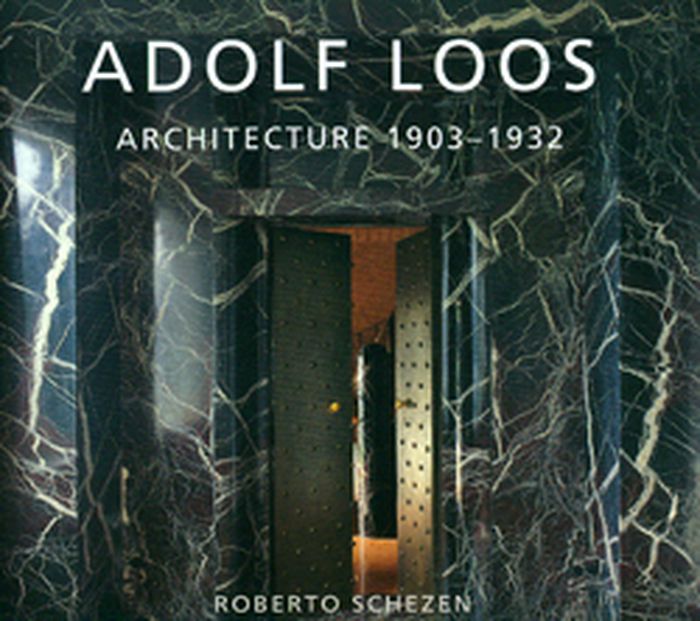
Starting with the refurbishment of his own apartment in 1903, twenty of Loos’s most significant buildings are displayed : Villa Karma, the Kärntner Bar, the Goldman & Salatsch Michaelerplatz Building, the Zentralsparkasse Bank, and the Steiner, Scheu, Moller, and Müller houses. Schezen’s vivid color and luminous black-and-white photographs display each building in detail, showing both the formal characteristics and the rich textures and materials Loos most frequently used. Complementing this visual material is Kenneth Frampton’s perceptive essay, which places Loos within the context of Viennese intellectuals of the time. His circle, which included Arnold Schönberg, Ludwig Wittgenstein, and at the center, Karl Kraus, explored the essential nature of architecture, and the other arts and sciences, through linguistic structures. Frampton identifies the hallmarks that Loos derived from these structures and with which he created his work : the blank, "degree-zero" exterior with its luxurious interior; his commentary on architecture’s position between art and function, plus subtle recollections of both the classic and the vernacular. All these ploys were to subvert typical architectural expectations. Joseph Rosa’s accompanying descriptions comprehensively discuss each building, from the circumstances surrounding the realization of the projects to the use of Loos’s architectural conventions.
Adolf Loos : architecture 1903-1932
Actions:
Price:
$52.00
(available to order)
Summary:
Starting with the refurbishment of his own apartment in 1903, twenty of Loos’s most significant buildings are displayed : Villa Karma, the Kärntner Bar, the Goldman & Salatsch Michaelerplatz Building, the Zentralsparkasse Bank, and the Steiner, Scheu, Moller, and Müller houses. Schezen’s vivid color and luminous black-and-white photographs display each building in detail, showing both the formal characteristics and the rich textures and materials Loos most frequently used. Complementing this visual material is Kenneth Frampton’s perceptive essay, which places Loos within the context of Viennese intellectuals of the time. His circle, which included Arnold Schönberg, Ludwig Wittgenstein, and at the center, Karl Kraus, explored the essential nature of architecture, and the other arts and sciences, through linguistic structures. Frampton identifies the hallmarks that Loos derived from these structures and with which he created his work : the blank, "degree-zero" exterior with its luxurious interior; his commentary on architecture’s position between art and function, plus subtle recollections of both the classic and the vernacular. All these ploys were to subvert typical architectural expectations. Joseph Rosa’s accompanying descriptions comprehensively discuss each building, from the circumstances surrounding the realization of the projects to the use of Loos’s architectural conventions.
Form:
books
books
Publication:
August 2009
August 2009
Subject:
Architecture Monographs
Architecture Monographs
Form:
books
books
Actions:
Price:
$34.95
(available to order)
Summary:
Jorge Otero-Pailos shows how architectural phenomenology radically transformed how architects engaged, theorized, and produced history. In the first critical intellectual account of the movement, Otero-Pailos discusses the contributions of leading members, including Jean Labatut, Charles Moore, Christian Norberg-Schulz, and Kenneth Frampton. For architects maturing after(...)
$34.95
(available to order)
Summary:
Jorge Otero-Pailos shows how architectural phenomenology radically transformed how architects engaged, theorized, and produced history. In the first critical intellectual account of the movement, Otero-Pailos discusses the contributions of leading members, including Jean Labatut, Charles Moore, Christian Norberg-Schulz, and Kenneth Frampton. For architects maturing after(...)
Title:
Architecture's historical turn: phenomenology and the rise of the postmodern
Actions:
Price:
$34.95
(available to order)
Summary:
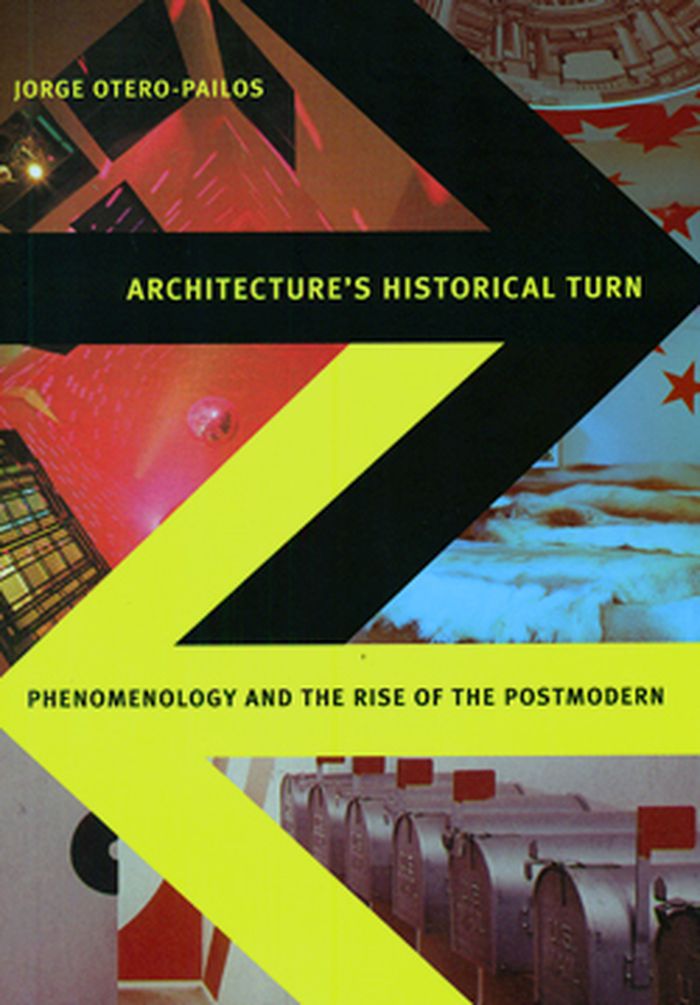
Jorge Otero-Pailos shows how architectural phenomenology radically transformed how architects engaged, theorized, and produced history. In the first critical intellectual account of the movement, Otero-Pailos discusses the contributions of leading members, including Jean Labatut, Charles Moore, Christian Norberg-Schulz, and Kenneth Frampton. For architects maturing after World War II, Otero-Pailos contends, architectural history was a problem rather than a given. Paradoxically, their awareness of modernism’s historicity led some of them to search for an ahistorical experiential constant that might underpin all architectural expression. They drew from phenomenology, exploring the work of Bachelard, Merleau-Ponty, Heidegger, and Ricoeur, which they translated for architectural audiences. Initially, the concept that experience could be a timeless architectural language provided a unifying intellectual basis for the stylistic pluralism that characterized postmodernism. It helped give theory—especially the theory of architectural history—a new importance over practice. However, as Otero-Pailos makes clear, architectural phenomenologists could not accept the idea of theory as an end in itself. In the mid-1980s they were caught in the contradictory and untenable position of having to formulate their own demotion of theory.
Architecture's historical turn: phenomenology and the rise of the postmodern
Actions:
Price:
$34.95
(available to order)
Summary:
Jorge Otero-Pailos shows how architectural phenomenology radically transformed how architects engaged, theorized, and produced history. In the first critical intellectual account of the movement, Otero-Pailos discusses the contributions of leading members, including Jean Labatut, Charles Moore, Christian Norberg-Schulz, and Kenneth Frampton. For architects maturing after World War II, Otero-Pailos contends, architectural history was a problem rather than a given. Paradoxically, their awareness of modernism’s historicity led some of them to search for an ahistorical experiential constant that might underpin all architectural expression. They drew from phenomenology, exploring the work of Bachelard, Merleau-Ponty, Heidegger, and Ricoeur, which they translated for architectural audiences. Initially, the concept that experience could be a timeless architectural language provided a unifying intellectual basis for the stylistic pluralism that characterized postmodernism. It helped give theory—especially the theory of architectural history—a new importance over practice. However, as Otero-Pailos makes clear, architectural phenomenologists could not accept the idea of theory as an end in itself. In the mid-1980s they were caught in the contradictory and untenable position of having to formulate their own demotion of theory.
Form:
books
books
Publication:
April 2010
April 2010
Subject:
Architectural Theory
Architectural Theory
Form:
books
books
Actions:
Price:
$67.95
(available in store)
Summary:
For a small country that generally keeps a low profile on the stage of world events, Denmark has played a disproportionately prominent role in the history of 20th Century architecture and design. Today in the early 21st Century, known for its anything-goes attitude towards design, Denmark also has its share of provocative architects surfing waves of fashionable trends,(...)
$67.95
(available in store)
Summary:
For a small country that generally keeps a low profile on the stage of world events, Denmark has played a disproportionately prominent role in the history of 20th Century architecture and design. Today in the early 21st Century, known for its anything-goes attitude towards design, Denmark also has its share of provocative architects surfing waves of fashionable trends,(...)
Title:
En levende tradition / A living tradition
Actions:
Price:
$67.95
(available in store)
Summary:
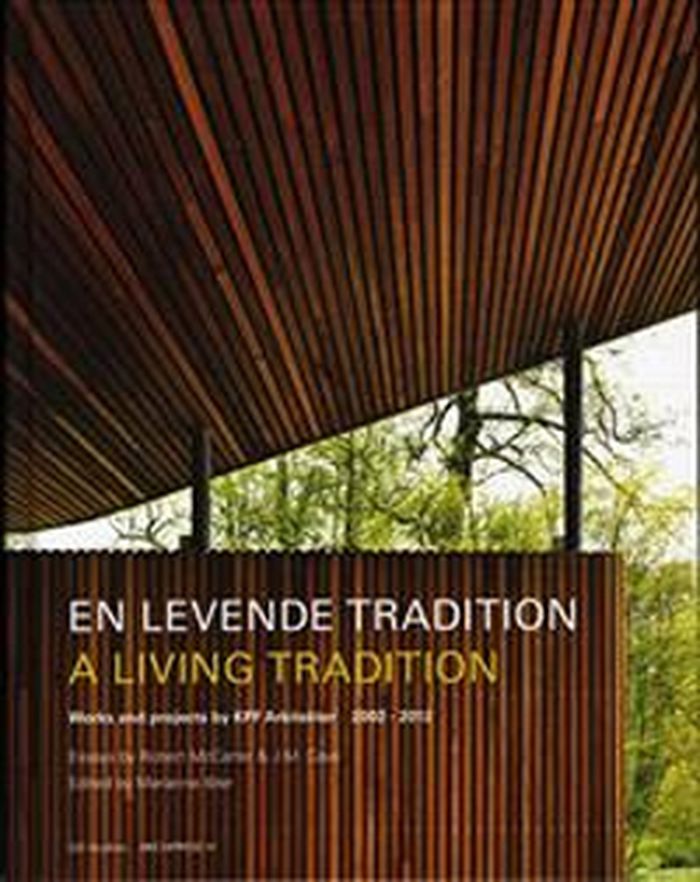
For a small country that generally keeps a low profile on the stage of world events, Denmark has played a disproportionately prominent role in the history of 20th Century architecture and design. Today in the early 21st Century, known for its anything-goes attitude towards design, Denmark also has its share of provocative architects surfing waves of fashionable trends, yet a few firms maintain a more grounded and centered approach to their work. Prominent among this group is KPF Architects (Kjelgaard, Pedersen & Fællestegnestuen), whose philosophy and work is a prime example of design rooted in a specific regional narrative while globally pursuing new ideas, new concepts and new materials that elevate their projects to the highest levels of architectural discourse, without sacrificing either usefulness or pleasure for the client. Even their most ordinary functional projects like banks, office buildings, and medical facilities embody a sensitivity that is uplifting. Kenneth Frampton states: One cannot help but be reminded of the tradition of Arne Jacobsen when looking at KPF Arkitekters work and thus of the commonsense functional, but ludic, character of the still vital Danish modern movement as it has consistently evolved over the past sixty years
En levende tradition / A living tradition
Actions:
Price:
$67.95
(available in store)
Summary:
For a small country that generally keeps a low profile on the stage of world events, Denmark has played a disproportionately prominent role in the history of 20th Century architecture and design. Today in the early 21st Century, known for its anything-goes attitude towards design, Denmark also has its share of provocative architects surfing waves of fashionable trends, yet a few firms maintain a more grounded and centered approach to their work. Prominent among this group is KPF Architects (Kjelgaard, Pedersen & Fællestegnestuen), whose philosophy and work is a prime example of design rooted in a specific regional narrative while globally pursuing new ideas, new concepts and new materials that elevate their projects to the highest levels of architectural discourse, without sacrificing either usefulness or pleasure for the client. Even their most ordinary functional projects like banks, office buildings, and medical facilities embody a sensitivity that is uplifting. Kenneth Frampton states: One cannot help but be reminded of the tradition of Arne Jacobsen when looking at KPF Arkitekters work and thus of the commonsense functional, but ludic, character of the still vital Danish modern movement as it has consistently evolved over the past sixty years
Form:
books
books
Publication:
November 2013
November 2013
Subject:
Architecture Monographs
Architecture Monographs
Form:
books
books
Actions:
Price:
$23.95
(available to order)
Summary:
More than ever, architectural design is seen as a means to promote commercial goals rather than as an end in itself. Frank Gehry’s Guggenheim Museum in Bilbao, for example, simply cannot be considered apart from its intended role as a catalyst for the economic revitalization of Bilbao and its ability to attract tourist dollars, regardless of its architectural merits. A(...)
$23.95
(available to order)
Summary:
More than ever, architectural design is seen as a means to promote commercial goals rather than as an end in itself. Frank Gehry’s Guggenheim Museum in Bilbao, for example, simply cannot be considered apart from its intended role as a catalyst for the economic revitalization of Bilbao and its ability to attract tourist dollars, regardless of its architectural merits. A(...)
Subject:
Architectural Theory
Architectural Theory
Publication:
November 2005, Minneapolis, London
November 2005, Minneapolis, London
Title:
Commodification and spectacle in architecture
Actions:
Price:
$23.95
(available to order)
Summary:
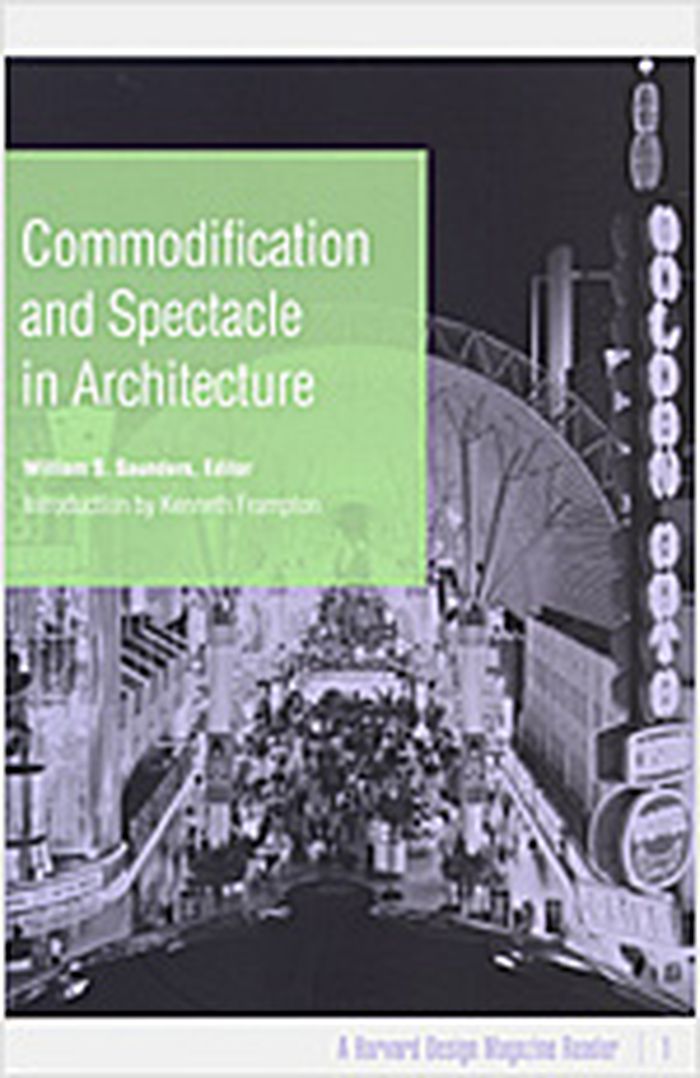
More than ever, architectural design is seen as a means to promote commercial goals rather than as an end in itself. Frank Gehry’s Guggenheim Museum in Bilbao, for example, simply cannot be considered apart from its intended role as a catalyst for the economic revitalization of Bilbao and its ability to attract tourist dollars, regardless of its architectural merits. A built environment intended to seduce consumers is more likely to offer instant gratification than to invite independent thought and reflection. But how harmful, if at all, is this unprecedented commercialization of architecture? Framed with an introduction by Kenneth Frampton, the contributions to "Commodification and spectacle in architecture" stake out a variety of positions in the debate over the extent to which it is possible—or desirable—to escape from, resist, or suggest plausible alternatives to the dominant culture of consumer capitalism. Rejecting any dreamy nostalgia for an idealized present or past in which design is completely divorced from commerce—and, in some cases, celebrating the pleasures of spectacle—the individual essays range from indictments of particular architects and critiques of the profession to broader concerns about what the phenomenon of commodification means for the practice of democracy and the health of society. Bringing together an impressive and varied group of critics and practitioners, "Commodification and spectacle in architecture" will help to sharpen the discussion of how design can respond to our hypercommodified culture.
Commodification and spectacle in architecture
Actions:
Price:
$23.95
(available to order)
Summary:
More than ever, architectural design is seen as a means to promote commercial goals rather than as an end in itself. Frank Gehry’s Guggenheim Museum in Bilbao, for example, simply cannot be considered apart from its intended role as a catalyst for the economic revitalization of Bilbao and its ability to attract tourist dollars, regardless of its architectural merits. A built environment intended to seduce consumers is more likely to offer instant gratification than to invite independent thought and reflection. But how harmful, if at all, is this unprecedented commercialization of architecture? Framed with an introduction by Kenneth Frampton, the contributions to "Commodification and spectacle in architecture" stake out a variety of positions in the debate over the extent to which it is possible—or desirable—to escape from, resist, or suggest plausible alternatives to the dominant culture of consumer capitalism. Rejecting any dreamy nostalgia for an idealized present or past in which design is completely divorced from commerce—and, in some cases, celebrating the pleasures of spectacle—the individual essays range from indictments of particular architects and critiques of the profession to broader concerns about what the phenomenon of commodification means for the practice of democracy and the health of society. Bringing together an impressive and varied group of critics and practitioners, "Commodification and spectacle in architecture" will help to sharpen the discussion of how design can respond to our hypercommodified culture.
Form:
books
books
Publication:
November 2005, Minneapolis, London
November 2005, Minneapolis, London
Subject:
Architectural Theory
Architectural Theory
Form:
books
books
![[Re] reading Perspecta : the first 50 years of the Yale Architectural Journal](/img-bookstore/U2zEypAg4vNoqdQ07aKvxPIdXbM=/700x919/MIG-13694.jpg)
Actions:
Price:
$93.95
(available to order)
Summary:
"Perspecta", the oldest and most respected student-edited architectural journal in the United States, marks its fiftieth anniversary with this selection of influential and provocative pieces published in its pages from the 1950s through the 1990s. The essays and portfolios in "[Re]Reading Perspecta" trace the development of architectural culture and discourse over the(...)
$93.95
(available to order)
Summary:
"Perspecta", the oldest and most respected student-edited architectural journal in the United States, marks its fiftieth anniversary with this selection of influential and provocative pieces published in its pages from the 1950s through the 1990s. The essays and portfolios in "[Re]Reading Perspecta" trace the development of architectural culture and discourse over the(...)
Subject:
Architectural Theory
Architectural Theory
Publication:
May 2004, Cambridge, Massachusetts
May 2004, Cambridge, Massachusetts
Title:
[Re] reading Perspecta : the first 50 years of the Yale Architectural Journal
Actions:
Price:
$93.95
(available to order)
Summary:
"Perspecta", the oldest and most respected student-edited architectural journal in the United States, marks its fiftieth anniversary with this selection of influential and provocative pieces published in its pages from the 1950s through the 1990s. The essays and portfolios in "[Re]Reading Perspecta" trace the development of architectural culture and discourse over the past fifty years and bear witness to the influential role played by "Perspecta" in a time of crucial debate about the function and future of architecture. This collection (with over 800 pages and 900 images) presents engaging and stimulating essays published in "Perspecta", written by such well-known historians, theorists, and architects as Vincent Scully, Colin Rowe, Roland Barthes, Karsten Harries, K. Michael Hays, Allan Greenberg, Sibyl Moholy-Nagy, John Hejduk, Francesco Dal Co, Bernard Tschumi, and Mark Wigley. "[Re]Reading Perspecta" also assembles the best examples of the richly-illustrated portfolios of projects published over the years, including work by Paul Rudolph, Louis Kahn, Robert Venturi, Eero Saarinen, Charles Moore, Philip Johnson, Peter Eisenman, John Hejduk, Steven Holl, Thomas Leeser, Hani Rashid, and others. The editors introduce each section with essays that offer historical context and critical commentary. "[Re]Reading Perspecta" also includes essays by Kenneth Frampton, K. Michael Hays, Joan Ockman, and Sandy Isenstadt on the history of "Perspecta" and its role in architectural discourse. This selection of the best of "Perspecta" covers a broad and lively spectrum of American architectural design, history, theory, and criticism.
[Re] reading Perspecta : the first 50 years of the Yale Architectural Journal
Actions:
Price:
$93.95
(available to order)
Summary:
"Perspecta", the oldest and most respected student-edited architectural journal in the United States, marks its fiftieth anniversary with this selection of influential and provocative pieces published in its pages from the 1950s through the 1990s. The essays and portfolios in "[Re]Reading Perspecta" trace the development of architectural culture and discourse over the past fifty years and bear witness to the influential role played by "Perspecta" in a time of crucial debate about the function and future of architecture. This collection (with over 800 pages and 900 images) presents engaging and stimulating essays published in "Perspecta", written by such well-known historians, theorists, and architects as Vincent Scully, Colin Rowe, Roland Barthes, Karsten Harries, K. Michael Hays, Allan Greenberg, Sibyl Moholy-Nagy, John Hejduk, Francesco Dal Co, Bernard Tschumi, and Mark Wigley. "[Re]Reading Perspecta" also assembles the best examples of the richly-illustrated portfolios of projects published over the years, including work by Paul Rudolph, Louis Kahn, Robert Venturi, Eero Saarinen, Charles Moore, Philip Johnson, Peter Eisenman, John Hejduk, Steven Holl, Thomas Leeser, Hani Rashid, and others. The editors introduce each section with essays that offer historical context and critical commentary. "[Re]Reading Perspecta" also includes essays by Kenneth Frampton, K. Michael Hays, Joan Ockman, and Sandy Isenstadt on the history of "Perspecta" and its role in architectural discourse. This selection of the best of "Perspecta" covers a broad and lively spectrum of American architectural design, history, theory, and criticism.
Form:
books
books
Publication:
May 2004, Cambridge, Massachusetts
May 2004, Cambridge, Massachusetts
Subject:
Architectural Theory
Architectural Theory
Form:
books
books
Price:
$41.50
(available to order)
Summary:
What would it mean today to think or to imagine, to design or to construct, in relation not to "things made" but to "things in the making"? This question, first posed by the philosopher William James, was the point of departure for "The Pragmatist Imagination". The volume brings together position statements, theoretical speculations, and critical commentary by 33 leading(...)
$41.50
(available to order)
Summary:
What would it mean today to think or to imagine, to design or to construct, in relation not to "things made" but to "things in the making"? This question, first posed by the philosopher William James, was the point of departure for "The Pragmatist Imagination". The volume brings together position statements, theoretical speculations, and critical commentary by 33 leading(...)
Subject:
Contemporary Art Monographs
Contemporary Art Monographs
Publication:
November 2001, New York
November 2001, New York
Title:
The pragmatist imagination : thinking about things in the making
Actions:
Price:
$41.50
(available to order)
Summary:
What would it mean today to think or to imagine, to design or to construct, in relation not to "things made" but to "things in the making"? This question, first posed by the philosopher William James, was the point of departure for "The Pragmatist Imagination". The volume brings together position statements, theoretical speculations, and critical commentary by 33 leading thinkers and makers from over a dozen disciplines. Based on the proceedings of an international workshop held at Columbia University under the auspices of the Buell Center for the Study of American Architecture in spring 2000, a preamble to the much-ballyhooed conference at the Museum of Modern Art in November, 2000, the contributions traverse a set of burning questions about the future, ranging from the relationship between art and experience to the impact of new technologies on human consciousness, from transformations in everyday life to problems of public space, and from the destiny of the nation-state to emergent forms of transnationalism. The authors include Stanley Aronowitz, Marshall Berman, Casey Nelson Blake, Sandra Buckley, Teresa Caldeira, Jean-Louis Cohen, Jonathan Crary, Rosalyn Deutsche, Kenneth Frampton, Gerald E. Frug, Peter Galison, Elizabeth Grosz, Andreas Huyssen, Isaac Joseph, David Lapoujade, Reinhold Martin, Brian Massumi, Mary McLeod, Paul Miller a.k.a. DJ Spooky, Chantal Mouffe, Joan Ockman, John Rajchman, Martha Rosler, Hashim Sarkis, Saskia Sassen, Sandhya Shukla, Richard Shusterman, Abdoumaliq Simone, Anders Stephanson, Bernard Tschumi, Nadia Urbinati, Mabel Wilson, and Gwendolyn Wright. The book includes an introduction by John Rajchman and an afterword by Casey Nelson Blake.
The pragmatist imagination : thinking about things in the making
Actions:
Price:
$41.50
(available to order)
Summary:
What would it mean today to think or to imagine, to design or to construct, in relation not to "things made" but to "things in the making"? This question, first posed by the philosopher William James, was the point of departure for "The Pragmatist Imagination". The volume brings together position statements, theoretical speculations, and critical commentary by 33 leading thinkers and makers from over a dozen disciplines. Based on the proceedings of an international workshop held at Columbia University under the auspices of the Buell Center for the Study of American Architecture in spring 2000, a preamble to the much-ballyhooed conference at the Museum of Modern Art in November, 2000, the contributions traverse a set of burning questions about the future, ranging from the relationship between art and experience to the impact of new technologies on human consciousness, from transformations in everyday life to problems of public space, and from the destiny of the nation-state to emergent forms of transnationalism. The authors include Stanley Aronowitz, Marshall Berman, Casey Nelson Blake, Sandra Buckley, Teresa Caldeira, Jean-Louis Cohen, Jonathan Crary, Rosalyn Deutsche, Kenneth Frampton, Gerald E. Frug, Peter Galison, Elizabeth Grosz, Andreas Huyssen, Isaac Joseph, David Lapoujade, Reinhold Martin, Brian Massumi, Mary McLeod, Paul Miller a.k.a. DJ Spooky, Chantal Mouffe, Joan Ockman, John Rajchman, Martha Rosler, Hashim Sarkis, Saskia Sassen, Sandhya Shukla, Richard Shusterman, Abdoumaliq Simone, Anders Stephanson, Bernard Tschumi, Nadia Urbinati, Mabel Wilson, and Gwendolyn Wright. The book includes an introduction by John Rajchman and an afterword by Casey Nelson Blake.
Form:
books
books
Publication:
November 2001, New York
November 2001, New York
Subject:
Contemporary Art Monographs
Contemporary Art Monographs
Form:
books
books
Title:
Judging architectural value
Judging architectural value
Actions:
Price:
$24.95
(available to order)
Summary:
When it comes to determining the relative quality of architecture, who is best equipped to make the distinctions? Is it the public who lives in and among the buildings? The people who commission and pay for the buildings? Art historians? Or architects themselves? These provocative essays take up the questions of what people value in architecture and how changing(...)
$24.95
(available to order)
Summary:
When it comes to determining the relative quality of architecture, who is best equipped to make the distinctions? Is it the public who lives in and among the buildings? The people who commission and pay for the buildings? Art historians? Or architects themselves? These provocative essays take up the questions of what people value in architecture and how changing(...)
Subject:
Architectural Theory
Architectural Theory
Publication:
April 2007, Mineapolis London
April 2007, Mineapolis London
Title:
Judging architectural value
Actions:
Price:
$24.95
(available to order)
Summary:
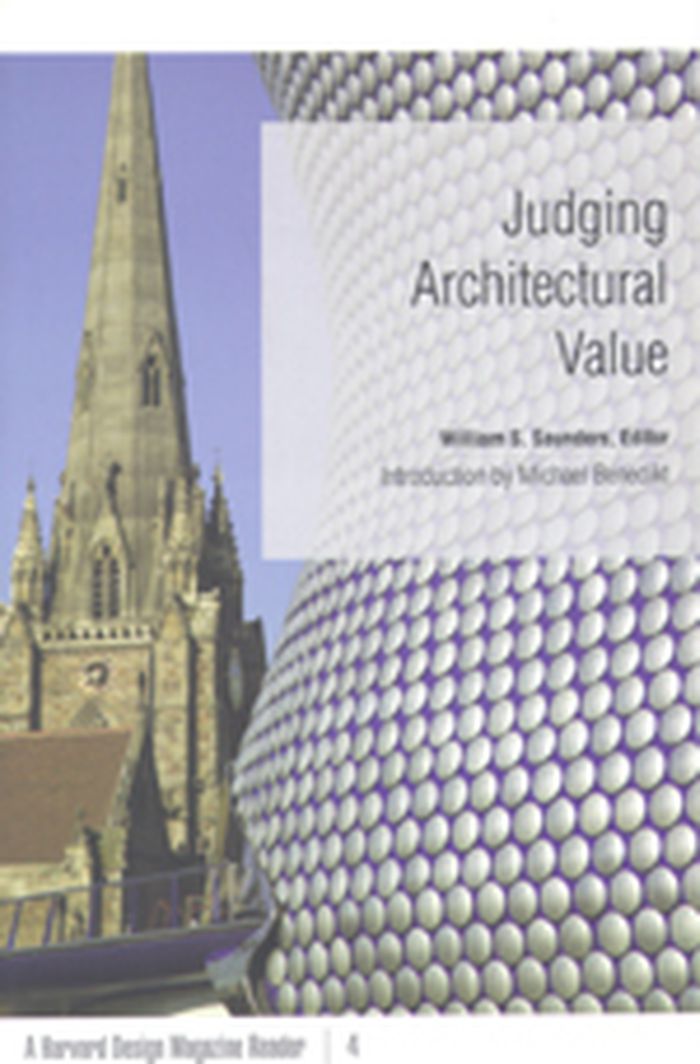
When it comes to determining the relative quality of architecture, who is best equipped to make the distinctions? Is it the public who lives in and among the buildings? The people who commission and pay for the buildings? Art historians? Or architects themselves? These provocative essays take up the questions of what people value in architecture and how changing values influence opinions about it. In the intriguing opening essay, Michael Benedikt makes an argument for the role of architects in the delineation of value in architecture. He discusses the differences between icon and canon, a theme threaded through many of the essays. In addition to unexpected analyses of buildings such as Eero Saarinen’s Gateway Arch in St. Louis, Paul Rudolph’s Art and Architecture Building at Yale University, and the work of Antoni Gaudí and Frank Gehry, the collection includes a clear-eyed look at the role of architecture in addressing social problems. Ultimately, these essays assert that judging architecture requires more than a refined sensibility. Buildings also need to be evaluated by their impact on the people living within and around them. Contributors: John Beardsley, Harvard Design School; Michael Benedikt, U of Texas, Austin; Tim Culvahouse, California College of the Arts; Lisa Finley, California College of the Arts; Kurt W. Forster, Bauhaus-Universität, Weimar, Germany; Kenneth Frampton, Columbia U; Diane Ghirardo, U of Southern California; Charles Jencks; David Leatherbarrow, U of Pennsylvania; Nancy Levinson; Hélène Lipstadt; Juhani Pallasmaa, Helsinki U of Technology; Timothy M. Rohan, U of Massachusetts, Amherst; Roger Scruton; Daniel Willis, Pennsylvania State U. William S. Saunders is editor of Harvard Design Magazine and assistant dean for external relations at Harvard University’s Graduate School of Design. He is the author of Modern Architecture: Photographs by Ezra Stoller and editor of three other Harvard Design Magazine Readers. Michael Benedikt is Hal Box Chair in Urbanism and director of the Center for American Architecture and Design at the School of Architecture at the University of Texas at Austin.
Judging architectural value
Actions:
Price:
$24.95
(available to order)
Summary:
When it comes to determining the relative quality of architecture, who is best equipped to make the distinctions? Is it the public who lives in and among the buildings? The people who commission and pay for the buildings? Art historians? Or architects themselves? These provocative essays take up the questions of what people value in architecture and how changing values influence opinions about it. In the intriguing opening essay, Michael Benedikt makes an argument for the role of architects in the delineation of value in architecture. He discusses the differences between icon and canon, a theme threaded through many of the essays. In addition to unexpected analyses of buildings such as Eero Saarinen’s Gateway Arch in St. Louis, Paul Rudolph’s Art and Architecture Building at Yale University, and the work of Antoni Gaudí and Frank Gehry, the collection includes a clear-eyed look at the role of architecture in addressing social problems. Ultimately, these essays assert that judging architecture requires more than a refined sensibility. Buildings also need to be evaluated by their impact on the people living within and around them. Contributors: John Beardsley, Harvard Design School; Michael Benedikt, U of Texas, Austin; Tim Culvahouse, California College of the Arts; Lisa Finley, California College of the Arts; Kurt W. Forster, Bauhaus-Universität, Weimar, Germany; Kenneth Frampton, Columbia U; Diane Ghirardo, U of Southern California; Charles Jencks; David Leatherbarrow, U of Pennsylvania; Nancy Levinson; Hélène Lipstadt; Juhani Pallasmaa, Helsinki U of Technology; Timothy M. Rohan, U of Massachusetts, Amherst; Roger Scruton; Daniel Willis, Pennsylvania State U. William S. Saunders is editor of Harvard Design Magazine and assistant dean for external relations at Harvard University’s Graduate School of Design. He is the author of Modern Architecture: Photographs by Ezra Stoller and editor of three other Harvard Design Magazine Readers. Michael Benedikt is Hal Box Chair in Urbanism and director of the Center for American Architecture and Design at the School of Architecture at the University of Texas at Austin.
Form:
books
books
Publication:
April 2007, Mineapolis London
April 2007, Mineapolis London
Subject:
Architectural Theory
Architectural Theory


