


2052 Results
Form:
books
books
Actions:
Price:
$49.95
(available to order)
Summary:
La ville de demain devra s'adapter à des modes de vie en perpétuelle mutation tout en étant peu émissive en carbone. Dans cet objectif, cet ouvrage - qui s'inscrit dans le prolongement d'une réflexion initiée par Anne Démians dès 2008, à travers le projet Basic Carbon, lauréat du concours lancé par EDF, et qui s'est concrétisée en 2019, avec la livraison des célèbres(...)
$49.95
(available to order)
Summary:
La ville de demain devra s'adapter à des modes de vie en perpétuelle mutation tout en étant peu émissive en carbone. Dans cet objectif, cet ouvrage - qui s'inscrit dans le prolongement d'une réflexion initiée par Anne Démians dès 2008, à travers le projet Basic Carbon, lauréat du concours lancé par EDF, et qui s'est concrétisée en 2019, avec la livraison des célèbres(...)
Title:
La réversibilité des bâtiments pour une ville décarbonnée
Actions:
Price:
$49.95
(available to order)
Summary:
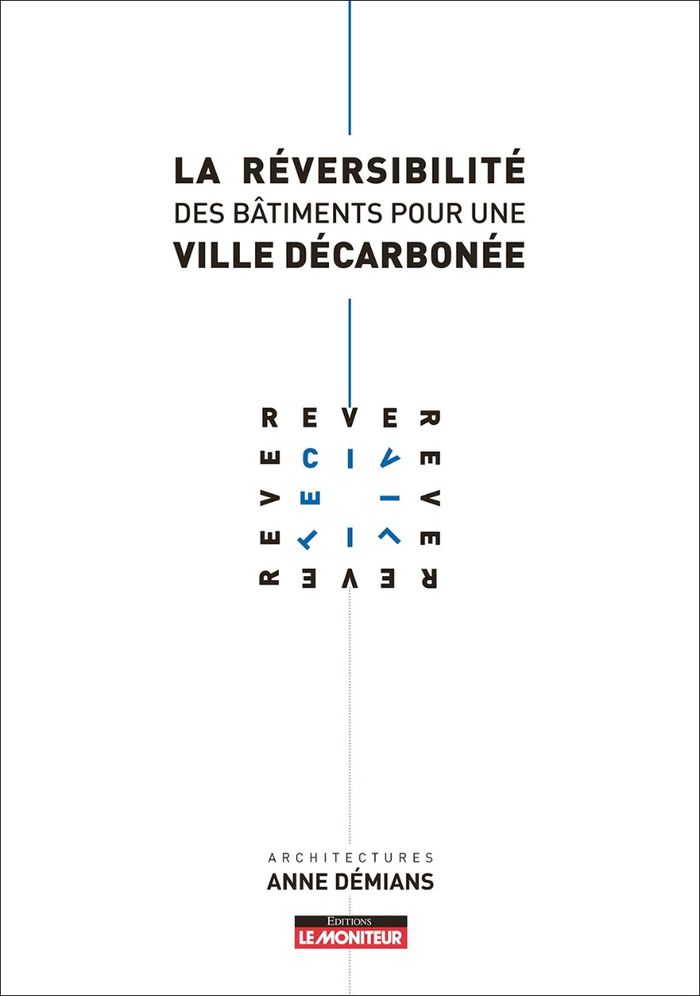
La ville de demain devra s'adapter à des modes de vie en perpétuelle mutation tout en étant peu émissive en carbone. Dans cet objectif, cet ouvrage - qui s'inscrit dans le prolongement d'une réflexion initiée par Anne Démians dès 2008, à travers le projet Basic Carbon, lauréat du concours lancé par EDF, et qui s'est concrétisée en 2019, avec la livraison des célèbres Black Swans à Strasbourg - propose de faire évoluer les mécanismes de décision et la réglementation, afin que soient considérées l'évolution rapide des usages des bâtiments et les rythmes économiques de plus en plus soutenus dans la construction d'une ville et d'architectures durables. Pour cela, deux approches sont considérées : la transformation des immeubles existants et la conception de bâtiments neufs réversibles.
La réversibilité des bâtiments pour une ville décarbonnée
Actions:
Price:
$49.95
(available to order)
Summary:
La ville de demain devra s'adapter à des modes de vie en perpétuelle mutation tout en étant peu émissive en carbone. Dans cet objectif, cet ouvrage - qui s'inscrit dans le prolongement d'une réflexion initiée par Anne Démians dès 2008, à travers le projet Basic Carbon, lauréat du concours lancé par EDF, et qui s'est concrétisée en 2019, avec la livraison des célèbres Black Swans à Strasbourg - propose de faire évoluer les mécanismes de décision et la réglementation, afin que soient considérées l'évolution rapide des usages des bâtiments et les rythmes économiques de plus en plus soutenus dans la construction d'une ville et d'architectures durables. Pour cela, deux approches sont considérées : la transformation des immeubles existants et la conception de bâtiments neufs réversibles.
Form:
books
books
Publication:
June 2023
June 2023
Subject:
Green Architecture
Green Architecture
Form:
books
books
Price:
$58.00
(available to order)
Summary:
Mobility shapes society in countless ways. Looking at society from the perspective of mobility reveals that its key moments of development coincide with the removal of obstacles to human flow—in the physical movement of people, goods, ideas, and spoken and written language. This book explores mobility in various essayistic modes, from visual essays to scientific essay to(...)
$58.00
(available to order)
Summary:
Mobility shapes society in countless ways. Looking at society from the perspective of mobility reveals that its key moments of development coincide with the removal of obstacles to human flow—in the physical movement of people, goods, ideas, and spoken and written language. This book explores mobility in various essayistic modes, from visual essays to scientific essay to(...)
Subject:
Architecture ecologies
Architecture ecologies
Publication:
December 2023
December 2023
Title:
Mobility society: Society seen through the lens of mobilities
Actions:
Price:
$58.00
(available to order)
Summary:
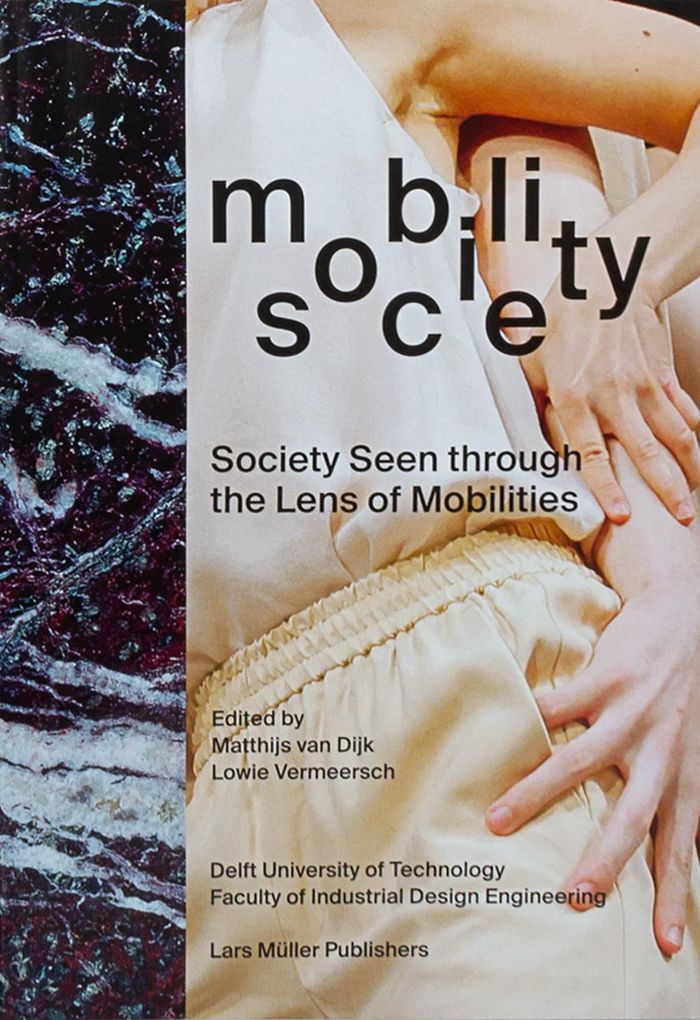
Mobility shapes society in countless ways. Looking at society from the perspective of mobility reveals that its key moments of development coincide with the removal of obstacles to human flow—in the physical movement of people, goods, ideas, and spoken and written language. This book explores mobility in various essayistic modes, from visual essays to scientific essay to broad cultural speculations. ''Mobility | Society'' addresses, among other topics, energy politics and oil’s grip on everyday life; urban transportation policy; the restrictions placed upon differently abled bodies; patterns of data flow; human mobility and Blackness; the politics of speed; concepts of "freedom" in relation to mobility; the appearance and experience of permanence in architectural and other objects; geological movement; and the politics of mobile phones. The design of the book encourages the reader to discover and explore unsuspected relations between mobilities and aspects of our evolving society.
Mobility society: Society seen through the lens of mobilities
Actions:
Price:
$58.00
(available to order)
Summary:
Mobility shapes society in countless ways. Looking at society from the perspective of mobility reveals that its key moments of development coincide with the removal of obstacles to human flow—in the physical movement of people, goods, ideas, and spoken and written language. This book explores mobility in various essayistic modes, from visual essays to scientific essay to broad cultural speculations. ''Mobility | Society'' addresses, among other topics, energy politics and oil’s grip on everyday life; urban transportation policy; the restrictions placed upon differently abled bodies; patterns of data flow; human mobility and Blackness; the politics of speed; concepts of "freedom" in relation to mobility; the appearance and experience of permanence in architectural and other objects; geological movement; and the politics of mobile phones. The design of the book encourages the reader to discover and explore unsuspected relations between mobilities and aspects of our evolving society.
Form:
books
books
Publication:
December 2023
December 2023
Subject:
Architecture ecologies
Architecture ecologies
Form:
books
books
Actions:
Price:
$54.00
(available to order)
Summary:
For centuries, cities have grown and expanded onto previously saturated grounds; 'reclaiming' land from estuaries, marshes, mangroves, and seabeds. While these artificial coastlines are sites of tremendous real estate, civic, and infrastructural investments, they are also the most vulnerable to the effects of climate change. ''Terra-Sorta-Firma'' documents the global(...)
$54.00
(available to order)
Summary:
For centuries, cities have grown and expanded onto previously saturated grounds; 'reclaiming' land from estuaries, marshes, mangroves, and seabeds. While these artificial coastlines are sites of tremendous real estate, civic, and infrastructural investments, they are also the most vulnerable to the effects of climate change. ''Terra-Sorta-Firma'' documents the global(...)
Title:
Terra-sorta-firma: reclaiming the littoral gradient
Actions:
Price:
$54.00
(available to order)
Summary:
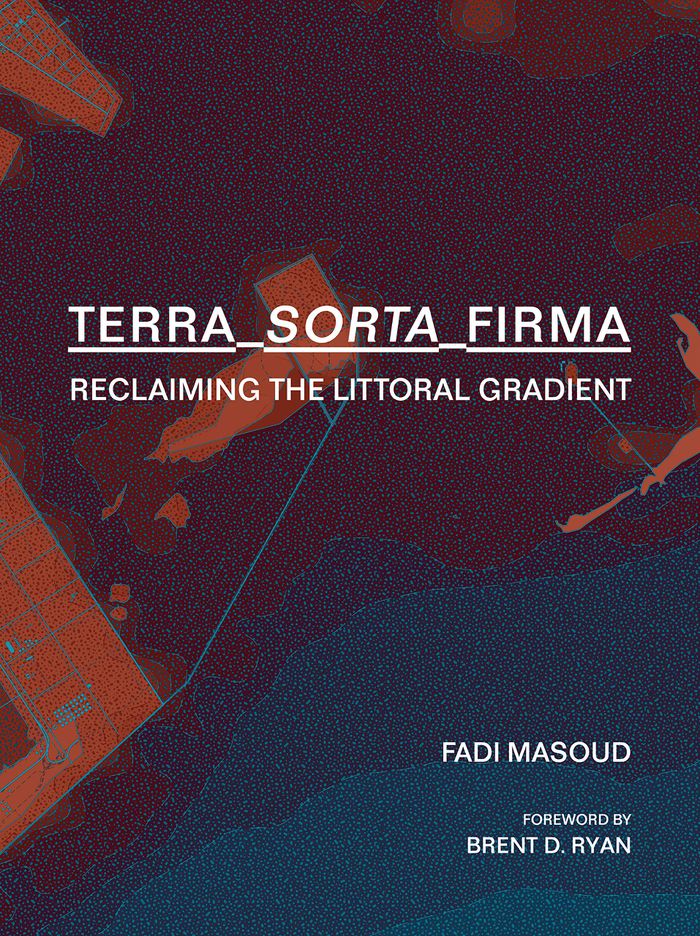
For centuries, cities have grown and expanded onto previously saturated grounds; 'reclaiming' land from estuaries, marshes, mangroves, and seabeds. While these artificial coastlines are sites of tremendous real estate, civic, and infrastructural investments, they are also the most vulnerable to the effects of climate change. ''Terra-Sorta-Firma'' documents the global extent of reclaimed coastal lands, and provides a framework for comparison across varying geographies, cultures, and histories. It renders visible the ubiquity and precarity of urban coastal reclamation in an age of increased environmental and economic indeterminacy. The five parts of the book question urbanism’s political, economic, and physical binary relationship to wet and dry grounds in search of a new understanding of land in a state of permanent flux. This book challenges designers, developers, policymakers, engineers, and urbanists to reconsider the design and construction of land itself, and to re-imagine this most fundamental of all infrastructures along a gradient of inundation.
Terra-sorta-firma: reclaiming the littoral gradient
Actions:
Price:
$54.00
(available to order)
Summary:
For centuries, cities have grown and expanded onto previously saturated grounds; 'reclaiming' land from estuaries, marshes, mangroves, and seabeds. While these artificial coastlines are sites of tremendous real estate, civic, and infrastructural investments, they are also the most vulnerable to the effects of climate change. ''Terra-Sorta-Firma'' documents the global extent of reclaimed coastal lands, and provides a framework for comparison across varying geographies, cultures, and histories. It renders visible the ubiquity and precarity of urban coastal reclamation in an age of increased environmental and economic indeterminacy. The five parts of the book question urbanism’s political, economic, and physical binary relationship to wet and dry grounds in search of a new understanding of land in a state of permanent flux. This book challenges designers, developers, policymakers, engineers, and urbanists to reconsider the design and construction of land itself, and to re-imagine this most fundamental of all infrastructures along a gradient of inundation.
Form:
books
books
Publication:
March 2021
March 2021
Subject:
Green Architecture
Green Architecture
Form:
books
books
Actions:
Price:
$71.95
(available to order)
Summary:
The built environment is a critical factor in the climate equation. Approximately 40 percent of global emissions derive from the construction, operation, and demolition of human settlements. The 21st century must be the century of re-entanglement, where quintessential functions (housing, work, culture, recreation, etc.) are reintegrated within urban spaces; where(...)
$71.95
(available to order)
Summary:
The built environment is a critical factor in the climate equation. Approximately 40 percent of global emissions derive from the construction, operation, and demolition of human settlements. The 21st century must be the century of re-entanglement, where quintessential functions (housing, work, culture, recreation, etc.) are reintegrated within urban spaces; where(...)
Subject:
Green Architecture
Green Architecture
Publication:
September 2023
September 2023
Title:
Reconstructing the future: Cities as carbon sinks
Actions:
Price:
$71.95
(available to order)
Summary:
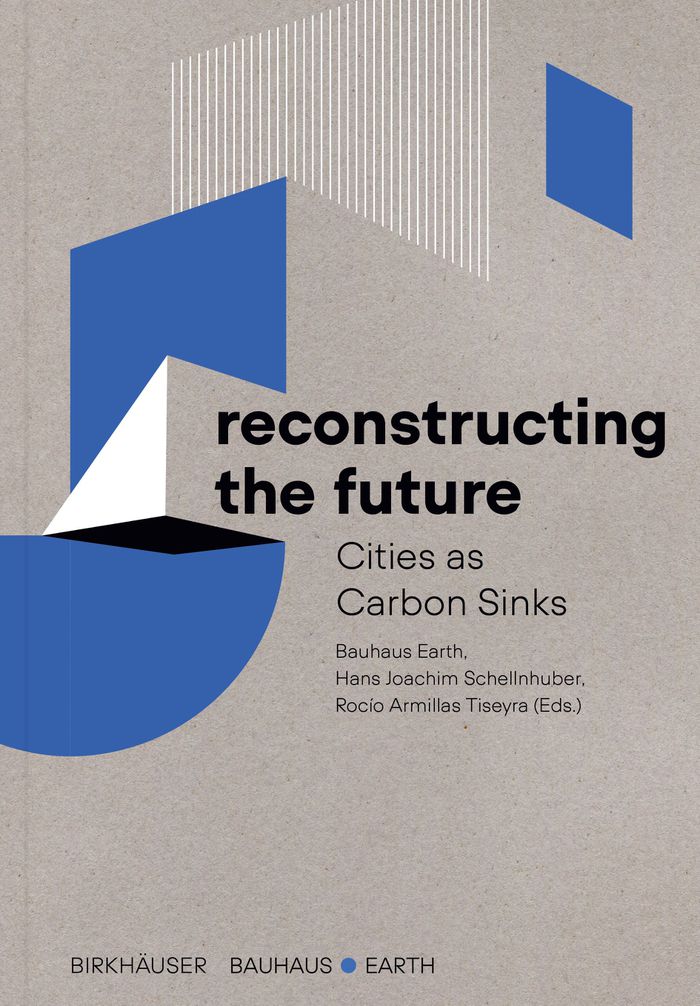
The built environment is a critical factor in the climate equation. Approximately 40 percent of global emissions derive from the construction, operation, and demolition of human settlements. The 21st century must be the century of re-entanglement, where quintessential functions (housing, work, culture, recreation, etc.) are reintegrated within urban spaces; where socioeconomic and ecological systems form a mutually supportive network of networks; and where past, present, and future are perceived as interwoven waves in the river of time. Fortunately, opportunities exist to transform the built environment from a carbon source to a carbon sink through, e.g. timber construction high-rise buildings, circular bioeconomy methods, AI-assisted design, smart recycling technology, multifunctional land use, integrated regional resource management, and community-based urban development, to name just a few. This volume compiles the papers presented by world-renowned scientists, architects, spatial planners, activists, and policy makers at the Reconstructing the Future for People and Planet conference, held at the Vatican in June 2022.
Reconstructing the future: Cities as carbon sinks
Actions:
Price:
$71.95
(available to order)
Summary:
The built environment is a critical factor in the climate equation. Approximately 40 percent of global emissions derive from the construction, operation, and demolition of human settlements. The 21st century must be the century of re-entanglement, where quintessential functions (housing, work, culture, recreation, etc.) are reintegrated within urban spaces; where socioeconomic and ecological systems form a mutually supportive network of networks; and where past, present, and future are perceived as interwoven waves in the river of time. Fortunately, opportunities exist to transform the built environment from a carbon source to a carbon sink through, e.g. timber construction high-rise buildings, circular bioeconomy methods, AI-assisted design, smart recycling technology, multifunctional land use, integrated regional resource management, and community-based urban development, to name just a few. This volume compiles the papers presented by world-renowned scientists, architects, spatial planners, activists, and policy makers at the Reconstructing the Future for People and Planet conference, held at the Vatican in June 2022.
Form:
books
books
Publication:
September 2023
September 2023
Subject:
Green Architecture
Green Architecture
Form:
books
books
Price:
$110.00
(available to order)
Summary:
Building with earthquakes is a familiar yet persistent design problem for resilient construction on all continents. This book elaborates on various factors for earthquake-resilient architecture in six thematic chapters that explore the design strategies of lightness, quickness, exactitude, visibility, multiplicity and consistency. These factors allow designers to develop(...)
$110.00
(available to order)
Summary:
Building with earthquakes is a familiar yet persistent design problem for resilient construction on all continents. This book elaborates on various factors for earthquake-resilient architecture in six thematic chapters that explore the design strategies of lightness, quickness, exactitude, visibility, multiplicity and consistency. These factors allow designers to develop(...)
Title:
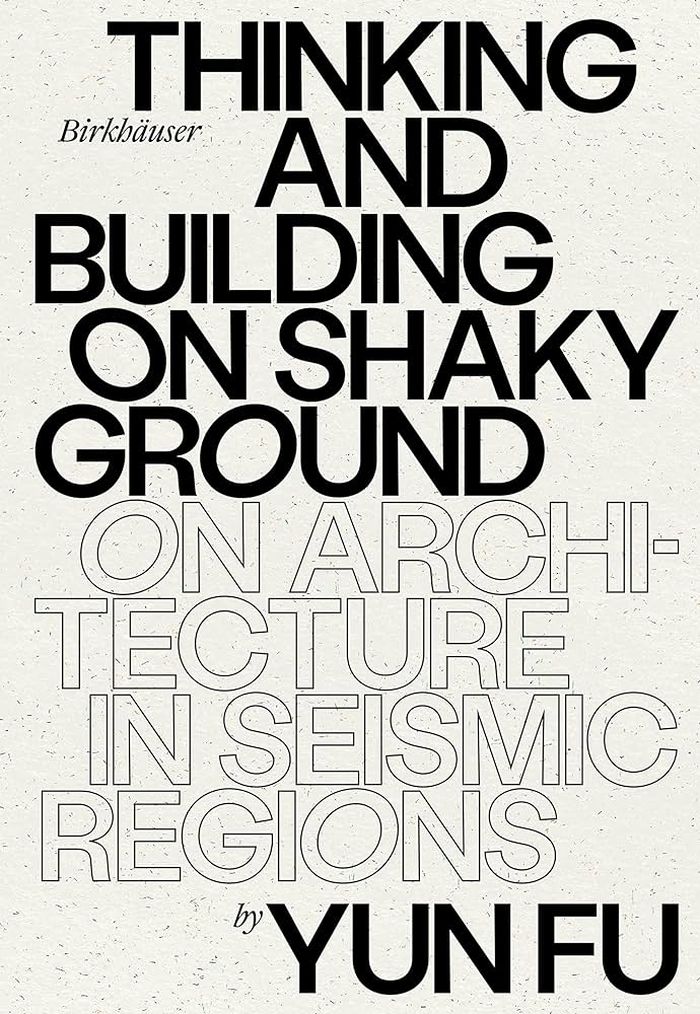
Thinking and building on shaky ground: on architecture in seismic regions
Actions:
Price:
$110.00
(available to order)
Summary:
Building with earthquakes is a familiar yet persistent design problem for resilient construction on all continents. This book elaborates on various factors for earthquake-resilient architecture in six thematic chapters that explore the design strategies of lightness, quickness, exactitude, visibility, multiplicity and consistency. These factors allow designers to develop contextual solutions that marry technical know-how with social and cultural understanding, ranging in scale from buildings to furniture and urban master plans.
Thinking and building on shaky ground: on architecture in seismic regions
Actions:
Price:
$110.00
(available to order)
Summary:
Building with earthquakes is a familiar yet persistent design problem for resilient construction on all continents. This book elaborates on various factors for earthquake-resilient architecture in six thematic chapters that explore the design strategies of lightness, quickness, exactitude, visibility, multiplicity and consistency. These factors allow designers to develop contextual solutions that marry technical know-how with social and cultural understanding, ranging in scale from buildings to furniture and urban master plans.
Form:
books
books
Publication:
January 2024
January 2024
Subject:
Green Architecture
Green Architecture
Form:
books
books
Actions:
Price:
$68.95
(available to order)
Summary:
An ancient building method that has experienced a renaissance in recent years as people seek greener and more sustainable building materials and construction methods, rammed earth is a wall building technique that uses earth, chalk, lime and gravel as raw materials. Naturally insulating, non-combustible, and durable, they can be labor intensive to construct without(...)
$68.95
(available to order)
Summary:
An ancient building method that has experienced a renaissance in recent years as people seek greener and more sustainable building materials and construction methods, rammed earth is a wall building technique that uses earth, chalk, lime and gravel as raw materials. Naturally insulating, non-combustible, and durable, they can be labor intensive to construct without(...)
Title:
Down to earth: Rammed earth architecture
Actions:
Price:
$68.95
(available to order)
Summary:
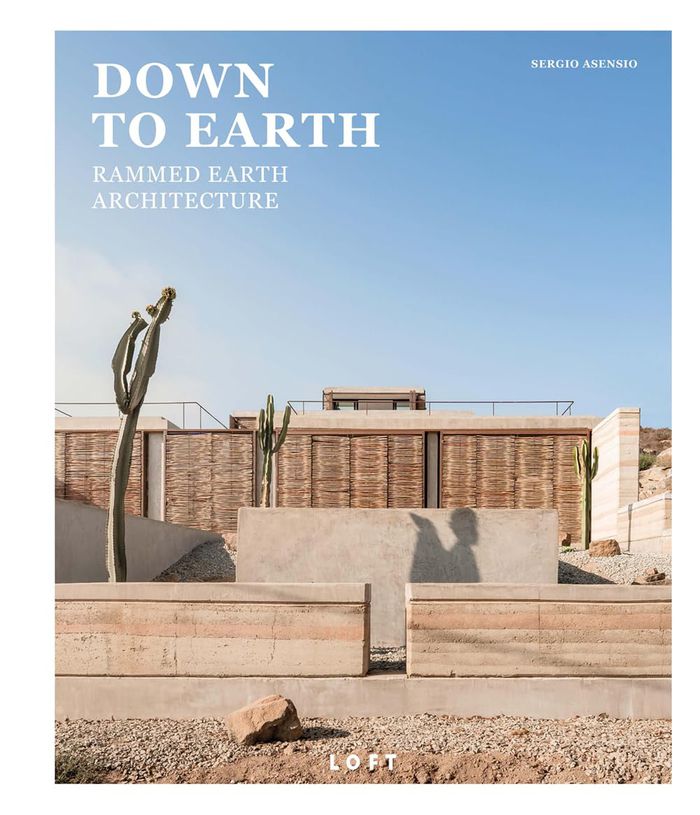
An ancient building method that has experienced a renaissance in recent years as people seek greener and more sustainable building materials and construction methods, rammed earth is a wall building technique that uses earth, chalk, lime and gravel as raw materials. Naturally insulating, non-combustible, and durable, they can be labor intensive to construct without machinery and are susceptible to water damage if not properly protected or maintained. Nevertheless, rammed earth buildings are found on almost every continent, in a range of environments from the humid, to the semi-arid and temperate – from simple single-family dwellings to large and complex multistory buildings. Alongside green building considerations, the availability of the natural components and a design suited to local climatic conditions are key factors which favor their use. "Down to earth" is a compilation of some of the most interesting recent examples of this interesting and unusual building technique.
Down to earth: Rammed earth architecture
Actions:
Price:
$68.95
(available to order)
Summary:
An ancient building method that has experienced a renaissance in recent years as people seek greener and more sustainable building materials and construction methods, rammed earth is a wall building technique that uses earth, chalk, lime and gravel as raw materials. Naturally insulating, non-combustible, and durable, they can be labor intensive to construct without machinery and are susceptible to water damage if not properly protected or maintained. Nevertheless, rammed earth buildings are found on almost every continent, in a range of environments from the humid, to the semi-arid and temperate – from simple single-family dwellings to large and complex multistory buildings. Alongside green building considerations, the availability of the natural components and a design suited to local climatic conditions are key factors which favor their use. "Down to earth" is a compilation of some of the most interesting recent examples of this interesting and unusual building technique.
Form:
books
books
Publication:
October 2023
October 2023
Subject:
Green Architecture
Green Architecture
Form:
books
books
Actions:
Price:
$12.50
(available to order)
Summary:
Recognizing the dire threats of climate collapse and mass extinction, the global initiative Bauhaus Earth convened a team of scientists, architects, spatial planners, and policymakers from around the world to author a manifesto. ''Toward Re-Entanglement: A Charter for the City and the Earth'' is a call for radical transformation. It challenges all those with a role in the(...)
$12.50
(available to order)
Summary:
Recognizing the dire threats of climate collapse and mass extinction, the global initiative Bauhaus Earth convened a team of scientists, architects, spatial planners, and policymakers from around the world to author a manifesto. ''Toward Re-Entanglement: A Charter for the City and the Earth'' is a call for radical transformation. It challenges all those with a role in the(...)
Title:
Toward re-entanglement: A charter for the city and the earth
Actions:
Price:
$12.50
(available to order)
Summary:
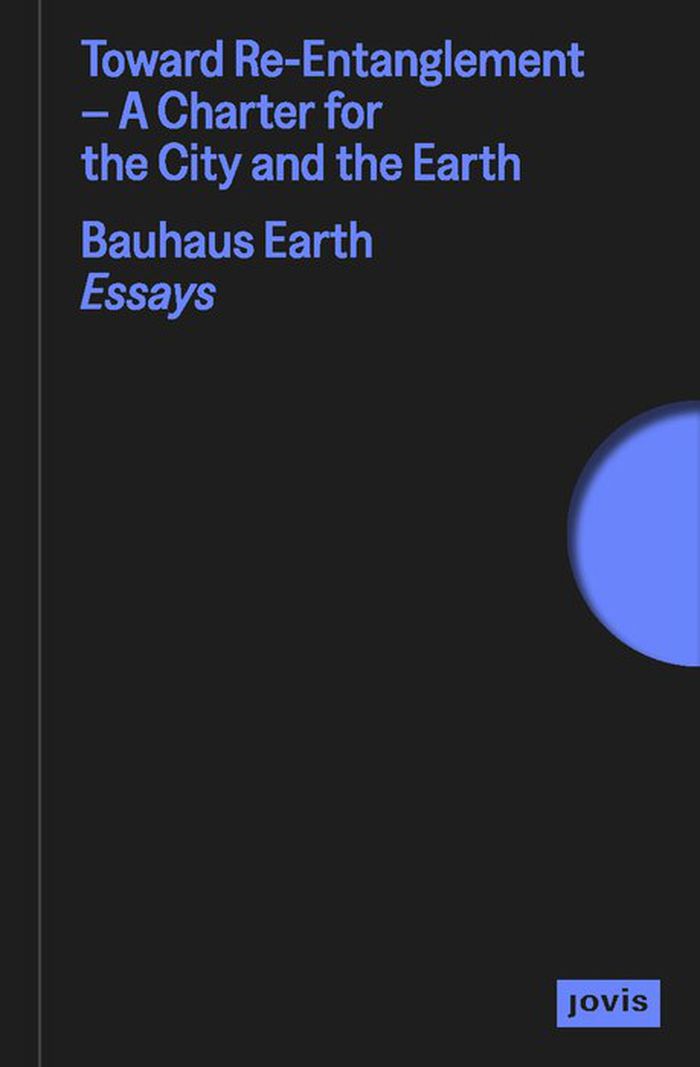
Recognizing the dire threats of climate collapse and mass extinction, the global initiative Bauhaus Earth convened a team of scientists, architects, spatial planners, and policymakers from around the world to author a manifesto. ''Toward Re-Entanglement: A Charter for the City and the Earth'' is a call for radical transformation. It challenges all those with a role in the conception, production, operation, and governance of the building sector to address the systemic ecological, climatic, and social impacts incurred by its activities. Twelve principles of "re-entanglement" guide the redesign of the entire life cycle of the urban realm: the reforming and rematerializing of the physical artifacts that comprise it, the reconfiguring of the socioeconomic structures that underpin it, and the reengaging of the bioregions that might sustainably supply it. In this way, the unprecedented convergence of the environmental and social crises we are causing offers powerful opportunities for systemic change.
Toward re-entanglement: A charter for the city and the earth
Actions:
Price:
$12.50
(available to order)
Summary:
Recognizing the dire threats of climate collapse and mass extinction, the global initiative Bauhaus Earth convened a team of scientists, architects, spatial planners, and policymakers from around the world to author a manifesto. ''Toward Re-Entanglement: A Charter for the City and the Earth'' is a call for radical transformation. It challenges all those with a role in the conception, production, operation, and governance of the building sector to address the systemic ecological, climatic, and social impacts incurred by its activities. Twelve principles of "re-entanglement" guide the redesign of the entire life cycle of the urban realm: the reforming and rematerializing of the physical artifacts that comprise it, the reconfiguring of the socioeconomic structures that underpin it, and the reengaging of the bioregions that might sustainably supply it. In this way, the unprecedented convergence of the environmental and social crises we are causing offers powerful opportunities for systemic change.
Form:
books
books
Publication:
September 2023
September 2023
Subject:
Green Architecture
Green Architecture
Form:
books
books
Actions:
Price:
$49.95
(available in store)
Summary:
If you were asked to close your eyes and envision where you are happiest, would you picture somewhere inside a building? North Americans are inside buildings for more than 90% of the day. Meanwhile, the indoors are stifling us, sometimes even killing us. Buildings, and the materials that make them up, expose us to materials linked to negative health impacts. The(...)
$49.95
(available in store)
Summary:
If you were asked to close your eyes and envision where you are happiest, would you picture somewhere inside a building? North Americans are inside buildings for more than 90% of the day. Meanwhile, the indoors are stifling us, sometimes even killing us. Buildings, and the materials that make them up, expose us to materials linked to negative health impacts. The(...)
Title:
People, planet, design: A practical guide to realizing architecture's potential
Actions:
Price:
$49.95
(available in store)
Summary:
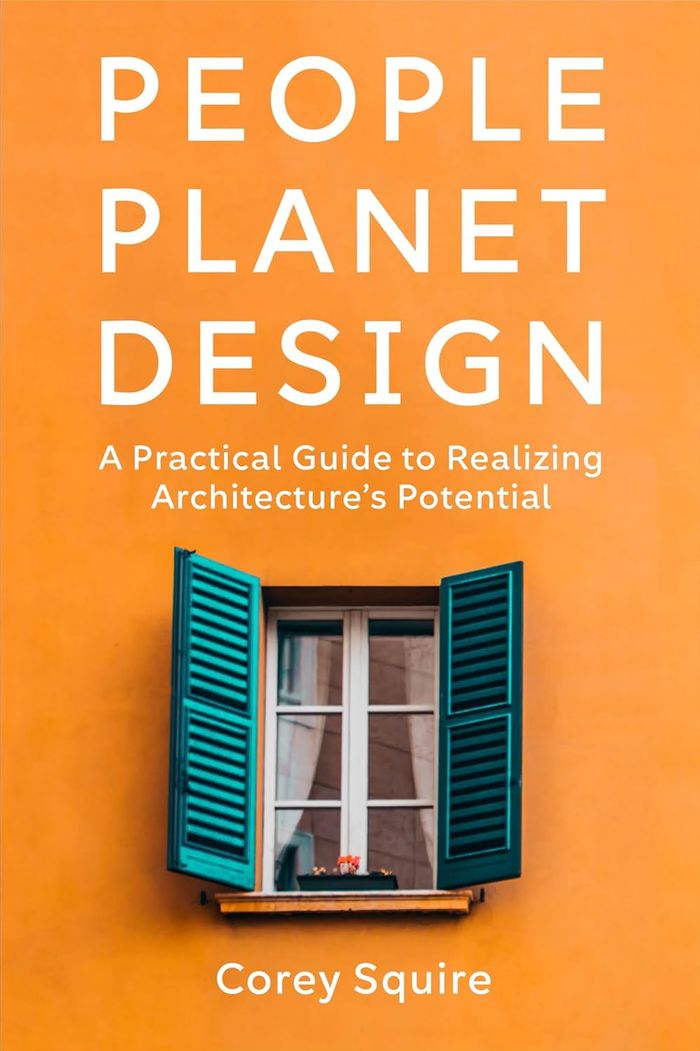
If you were asked to close your eyes and envision where you are happiest, would you picture somewhere inside a building? North Americans are inside buildings for more than 90% of the day. Meanwhile, the indoors are stifling us, sometimes even killing us. Buildings, and the materials that make them up, expose us to materials linked to negative health impacts. The construction and operation of buildings is responsible for 40% of climate-changing carbon emissions. In the US, the design choices made by the typical architecture firm employee each year can reduce emissions by about 300 times that of an average American. But the promise of sustainable architecture will not be realized if sustainability remains a secondary consideration for architects. What if great design were defined by its ability to cool the planet, heal communities, enhance ecological functioning, and advance justice? In "People, planet, design," architect Corey Squire builds the case, provides the data, and lays out the practical tools for a transformative human-centered architecture. This approach integrates beauty and delight with an awareness of how every design choice impacts the community, the planet, and the people who will use the building. Outcome-focused with a deep dive into practical design strategies, the book showcases ten building systems that embody design excellence.
People, planet, design: A practical guide to realizing architecture's potential
Actions:
Price:
$49.95
(available in store)
Summary:
If you were asked to close your eyes and envision where you are happiest, would you picture somewhere inside a building? North Americans are inside buildings for more than 90% of the day. Meanwhile, the indoors are stifling us, sometimes even killing us. Buildings, and the materials that make them up, expose us to materials linked to negative health impacts. The construction and operation of buildings is responsible for 40% of climate-changing carbon emissions. In the US, the design choices made by the typical architecture firm employee each year can reduce emissions by about 300 times that of an average American. But the promise of sustainable architecture will not be realized if sustainability remains a secondary consideration for architects. What if great design were defined by its ability to cool the planet, heal communities, enhance ecological functioning, and advance justice? In "People, planet, design," architect Corey Squire builds the case, provides the data, and lays out the practical tools for a transformative human-centered architecture. This approach integrates beauty and delight with an awareness of how every design choice impacts the community, the planet, and the people who will use the building. Outcome-focused with a deep dive into practical design strategies, the book showcases ten building systems that embody design excellence.
Form:
books
books
Publication:
November 2023
November 2023
Subject:
Green Architecture
Green Architecture
Form:
books
books
Title:
Climate inheritance
Climate inheritance
Actions:
Price:
$45.00
(available to order)
Summary:
Climate Inheritance is a speculative design research publication that reckons with the complexity of world and heritage in the Anthropocene. The impacts of climate change on heritage sites—from Venice flooding to extinction in the Galápagos Islands—have garnered empathetic media attention in a landscape that has otherwise failed to communicate the urgency of the climate(...)
$45.00
(available to order)
Summary:
Climate Inheritance is a speculative design research publication that reckons with the complexity of world and heritage in the Anthropocene. The impacts of climate change on heritage sites—from Venice flooding to extinction in the Galápagos Islands—have garnered empathetic media attention in a landscape that has otherwise failed to communicate the urgency of the climate(...)
Subject:
Architecture ecologies
Architecture ecologies
Publication:
September 2023
September 2023
Title:
Climate inheritance
Actions:
Price:
$45.00
(available to order)
Summary:
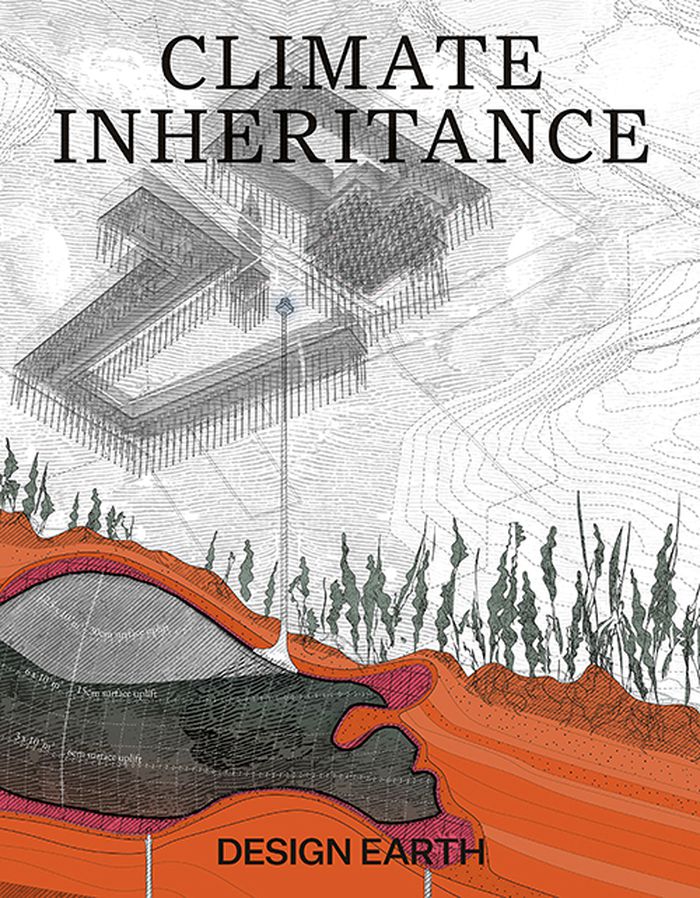
Climate Inheritance is a speculative design research publication that reckons with the complexity of world and heritage in the Anthropocene. The impacts of climate change on heritage sites—from Venice flooding to extinction in the Galápagos Islands—have garnered empathetic media attention in a landscape that has otherwise failed to communicate the urgency of the climate crisis. In a strategic subversion of the media aura of heritage, DESIGN EARTH casts ten World Heritage sites as narrative figures to visualize pervasive climate risks—rising sea levels, extinction, droughts, air pollution, melting glaciers, material vulnerability, unchecked tourism, and the massive displacement of communities and cultural artifacts—all while situating the present emergency within the wreckages of other ends of world, replete with the salvages of extractivism, racism, and settler colonialism. The possibilities of such climate inheritances are narrated in drawing triptychs and mythologies that bequeath other worlds and values.
Climate inheritance
Actions:
Price:
$45.00
(available to order)
Summary:
Climate Inheritance is a speculative design research publication that reckons with the complexity of world and heritage in the Anthropocene. The impacts of climate change on heritage sites—from Venice flooding to extinction in the Galápagos Islands—have garnered empathetic media attention in a landscape that has otherwise failed to communicate the urgency of the climate crisis. In a strategic subversion of the media aura of heritage, DESIGN EARTH casts ten World Heritage sites as narrative figures to visualize pervasive climate risks—rising sea levels, extinction, droughts, air pollution, melting glaciers, material vulnerability, unchecked tourism, and the massive displacement of communities and cultural artifacts—all while situating the present emergency within the wreckages of other ends of world, replete with the salvages of extractivism, racism, and settler colonialism. The possibilities of such climate inheritances are narrated in drawing triptychs and mythologies that bequeath other worlds and values.
Form:
books
books
Publication:
September 2023
September 2023
Subject:
Architecture ecologies
Architecture ecologies
Form:
books
books
Price:
$60.00
(available in store)
Summary:
This book is an extended visual essay of ideas, images, drawings and projects that follows the work of Alper Derinbogaz over the past decade, framing an approach based on empathy with earth. Exploring architecture through the lens of evolution, ''Geospaces'' traces relationships between topography, geology, genetics, ecologies, and construction technologies, arguing that(...)
$60.00
(available in store)
Summary:
This book is an extended visual essay of ideas, images, drawings and projects that follows the work of Alper Derinbogaz over the past decade, framing an approach based on empathy with earth. Exploring architecture through the lens of evolution, ''Geospaces'' traces relationships between topography, geology, genetics, ecologies, and construction technologies, arguing that(...)
Title:
Geospaces: Continuities between humans, spaces, and the earth
Actions:
Price:
$60.00
(available in store)
Summary:
This book is an extended visual essay of ideas, images, drawings and projects that follows the work of Alper Derinbogaz over the past decade, framing an approach based on empathy with earth. Exploring architecture through the lens of evolution, ''Geospaces'' traces relationships between topography, geology, genetics, ecologies, and construction technologies, arguing that a hybrid approach to making will shape our future habitats.
Geospaces: Continuities between humans, spaces, and the earth
Actions:
Price:
$60.00
(available in store)
Summary:
This book is an extended visual essay of ideas, images, drawings and projects that follows the work of Alper Derinbogaz over the past decade, framing an approach based on empathy with earth. Exploring architecture through the lens of evolution, ''Geospaces'' traces relationships between topography, geology, genetics, ecologies, and construction technologies, arguing that a hybrid approach to making will shape our future habitats.
Form:
books
books
Publication:
August 2023
August 2023
Subject:
Architecture ecologies
Architecture ecologies


