


2052 Results
Form:
books
books
Actions:
Price:
$54.95
(available to order)
Summary:
This book presents conflicting definitions and concepts of architects and designers and the parallel histories of their intellectual positions toward environmental thought from the 19th century to today. It showcases that ecological design starts with the reconceptualization of the world as a complex system of flows rather than a discrete compilation of objects, which(...)
$54.95
(available to order)
Summary:
This book presents conflicting definitions and concepts of architects and designers and the parallel histories of their intellectual positions toward environmental thought from the 19th century to today. It showcases that ecological design starts with the reconceptualization of the world as a complex system of flows rather than a discrete compilation of objects, which(...)
Title:
Histories of ecological design: an unfinished encyclopedia
Actions:
Price:
$54.95
(available to order)
Summary:
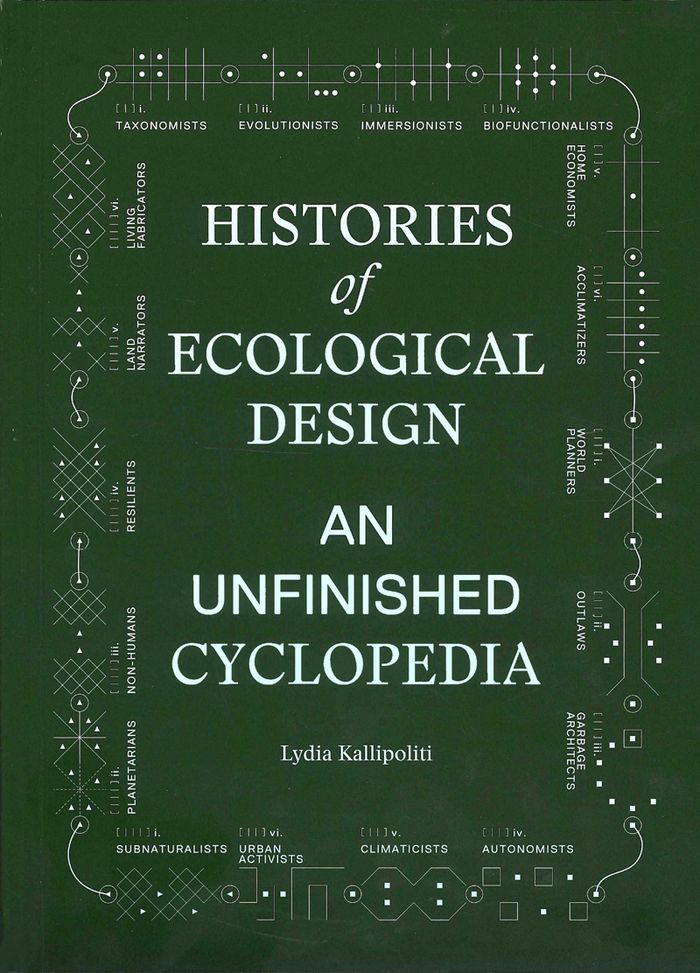
This book presents conflicting definitions and concepts of architects and designers and the parallel histories of their intellectual positions toward environmental thought from the 19th century to today. It showcases that ecological design starts with the reconceptualization of the world as a complex system of flows rather than a discrete compilation of objects, which visual artist and theorist György Kepes has described as one of the fundamental reorientations of the 20th century. To survey the formation of this field, the history of ecological design will not be exclusively examined chronologically, but also in connected worldviews, each rendering evolving perceptions of nature, its relation to culture, and the occupation of the natural world by human and non-human subjects.
Histories of ecological design: an unfinished encyclopedia
Actions:
Price:
$54.95
(available to order)
Summary:
This book presents conflicting definitions and concepts of architects and designers and the parallel histories of their intellectual positions toward environmental thought from the 19th century to today. It showcases that ecological design starts with the reconceptualization of the world as a complex system of flows rather than a discrete compilation of objects, which visual artist and theorist György Kepes has described as one of the fundamental reorientations of the 20th century. To survey the formation of this field, the history of ecological design will not be exclusively examined chronologically, but also in connected worldviews, each rendering evolving perceptions of nature, its relation to culture, and the occupation of the natural world by human and non-human subjects.
Form:
books
books
Publication:
March 2024
March 2024
Subject:
Architecture ecologies
Architecture ecologies
Form:
books
books
Actions:
Price:
$44.95
(available to order)
Summary:
L'attitude low-tech, anglicisme usité pour « basse technologie », prône une utilisation mesurée des éléments technologiques, pour réduire autant que possible les impacts environnementaux et répondre aux enjeux du développement de manière plus durable et équitable. Il s'agit d'une approche visant à questionner et évaluer les besoins humains réels et développer ainsi des(...)
$44.95
(available to order)
Summary:
L'attitude low-tech, anglicisme usité pour « basse technologie », prône une utilisation mesurée des éléments technologiques, pour réduire autant que possible les impacts environnementaux et répondre aux enjeux du développement de manière plus durable et équitable. Il s'agit d'une approche visant à questionner et évaluer les besoins humains réels et développer ainsi des(...)
Title:
Architectures low-tech : Sobriété et résilience
Actions:
Price:
$44.95
(available to order)
Summary:
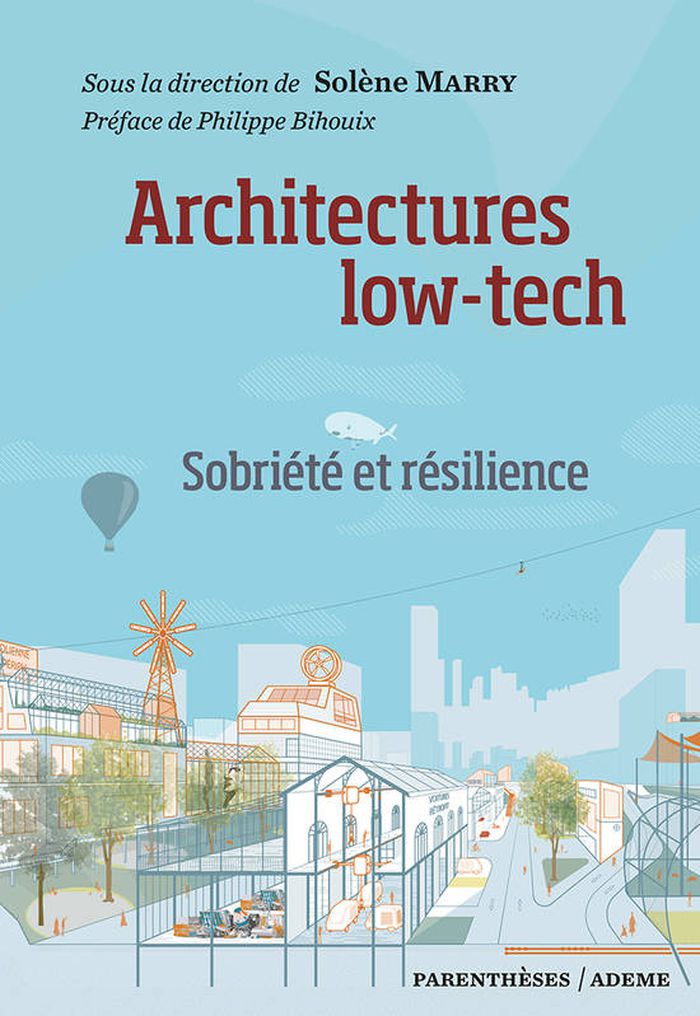
L'attitude low-tech, anglicisme usité pour « basse technologie », prône une utilisation mesurée des éléments technologiques, pour réduire autant que possible les impacts environnementaux et répondre aux enjeux du développement de manière plus durable et équitable. Il s'agit d'une approche visant à questionner et évaluer les besoins humains réels et développer ainsi des pratiques simples, conviviales, résilientes et inclusives. Les auteurs présentent cette démarche comme une réponse à l'utilisation excessive d'énergie et de matériaux tant pour la construction de bâtiments neufs que pour la rénovation. La low-tech ne consiste pas en une doctrine ni en un catalogue de solutions toutes faites, mais bien en une préoccupation permanente de durabilité qui s'applique à une démarche plutôt qu'à un résultat. Sont réunies ici des expériences de terrain sous l'égide de l'Ademe, qui témoignent des différentes stratégies d'économie et de rationalité dans les phases de production d'objets, d'espaces, de services, depuis la grande dimension urbaine jusqu'à l'espace privatif.
Architectures low-tech : Sobriété et résilience
Actions:
Price:
$44.95
(available to order)
Summary:
L'attitude low-tech, anglicisme usité pour « basse technologie », prône une utilisation mesurée des éléments technologiques, pour réduire autant que possible les impacts environnementaux et répondre aux enjeux du développement de manière plus durable et équitable. Il s'agit d'une approche visant à questionner et évaluer les besoins humains réels et développer ainsi des pratiques simples, conviviales, résilientes et inclusives. Les auteurs présentent cette démarche comme une réponse à l'utilisation excessive d'énergie et de matériaux tant pour la construction de bâtiments neufs que pour la rénovation. La low-tech ne consiste pas en une doctrine ni en un catalogue de solutions toutes faites, mais bien en une préoccupation permanente de durabilité qui s'applique à une démarche plutôt qu'à un résultat. Sont réunies ici des expériences de terrain sous l'égide de l'Ademe, qui témoignent des différentes stratégies d'économie et de rationalité dans les phases de production d'objets, d'espaces, de services, depuis la grande dimension urbaine jusqu'à l'espace privatif.
Form:
books
books
Publication:
August 2023
August 2023
Subject:
Green Architecture
Green Architecture
Form:
books
books
Title:
TerraFibra Architectures
TerraFibra Architectures
Actions:
Price:
$87.95
(available to order)
Summary:
Face au défi climatique et à la nécessaire adaptation des systèmes constructifs, l’utilisation de matériaux biosourcés et géosourcés offre des solutions techniques vertueuses. Certaines sont éprouvées depuis des siècles, d’autres s’inventent aujourd’hui. Ce livre témoigne du potentiel de ces modes constructifs en analysant les 40 bâtiments finalistes du TERRAFIBRA Award,(...)
$87.95
(available to order)
Summary:
Face au défi climatique et à la nécessaire adaptation des systèmes constructifs, l’utilisation de matériaux biosourcés et géosourcés offre des solutions techniques vertueuses. Certaines sont éprouvées depuis des siècles, d’autres s’inventent aujourd’hui. Ce livre témoigne du potentiel de ces modes constructifs en analysant les 40 bâtiments finalistes du TERRAFIBRA Award,(...)
Title:
TerraFibra Architectures
Actions:
Price:
$87.95
(available to order)
Summary:
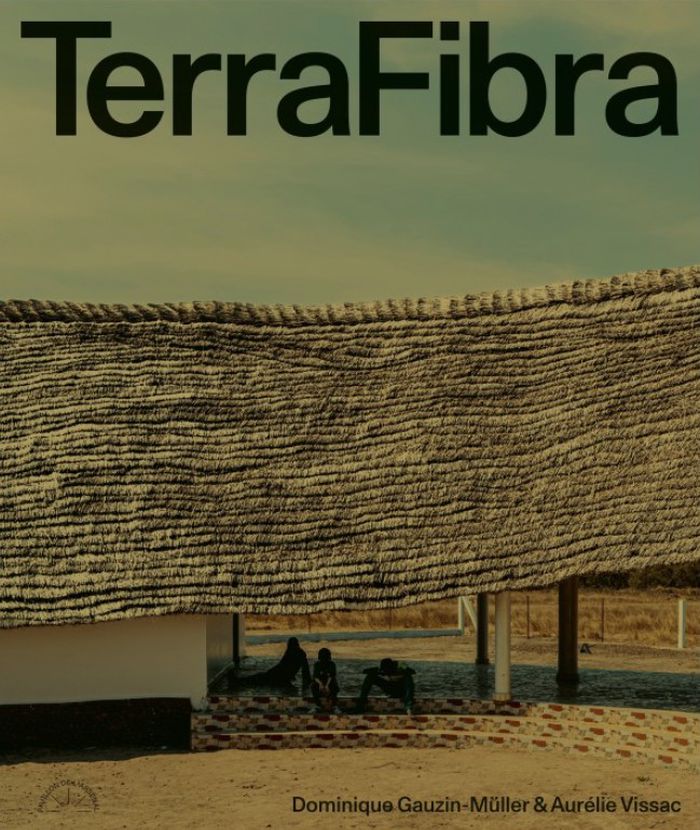
Face au défi climatique et à la nécessaire adaptation des systèmes constructifs, l’utilisation de matériaux biosourcés et géosourcés offre des solutions techniques vertueuses. Certaines sont éprouvées depuis des siècles, d’autres s’inventent aujourd’hui. Ce livre témoigne du potentiel de ces modes constructifs en analysant les 40 bâtiments finalistes du TERRAFIBRA Award, premier prix mondial des architectures contemporaines en terre crue et fibres végétales. Classés en fonction des techniques (pisé, terre coulée, bauge, adobe, bloc de terre comprimée, torchis et enduit) ou des matériaux utilisés (chanvre, paille, roseau, bambou), les projets témoignent de l’engagement d’équipes pionnières réunissant architectes, ingénieurs, constructeurs et maîtres d’ouvrage. Ils démontrent qu’il est possible de bâtir autrement, en s’appuyant sur des ressources et des savoir-faire locaux sans renoncer à l’innovation. Ancrées dans leur territoire, ces architectures frugales et créatives ouvrent de nouveaux horizons pour la construction et la rénovation. Face au défi climatique et à la nécessaire adaptation des systèmes constructifs, l’utilisation de matériaux biosourcés et géosourcés offre des solutions techniques vertueuses. Certaines sont éprouvées depuis des siècles, d’autres s’inventent aujourd’hui. Ce livre témoigne du potentiel de ces modes constructifs en analysant les 40 bâtiments finalistes du TERRAFIBRA Award, premier prix mondial des architectures contemporaines en terre crue et fibres végétales. Classés en fonction des techniques (pisé, terre coulée, bauge, adobe, bloc de terre comprimée, torchis et enduit) ou des matériaux utilisés (chanvre, paille, roseau, bambou), les projets témoignent de l’engagement d’équipes pionnières réunissant architectes, ingénieurs, constructeurs et maîtres d’ouvrage. Ils démontrent qu’il est possible de bâtir autrement, en s’appuyant sur des ressources et des savoir-faire locaux sans renoncer à l’innovation. Ancrées dans leur territoire, ces architectures frugales et créatives ouvrent de nouveaux horizons pour la construction et la rénovation.
TerraFibra Architectures
Actions:
Price:
$87.95
(available to order)
Summary:
Face au défi climatique et à la nécessaire adaptation des systèmes constructifs, l’utilisation de matériaux biosourcés et géosourcés offre des solutions techniques vertueuses. Certaines sont éprouvées depuis des siècles, d’autres s’inventent aujourd’hui. Ce livre témoigne du potentiel de ces modes constructifs en analysant les 40 bâtiments finalistes du TERRAFIBRA Award, premier prix mondial des architectures contemporaines en terre crue et fibres végétales. Classés en fonction des techniques (pisé, terre coulée, bauge, adobe, bloc de terre comprimée, torchis et enduit) ou des matériaux utilisés (chanvre, paille, roseau, bambou), les projets témoignent de l’engagement d’équipes pionnières réunissant architectes, ingénieurs, constructeurs et maîtres d’ouvrage. Ils démontrent qu’il est possible de bâtir autrement, en s’appuyant sur des ressources et des savoir-faire locaux sans renoncer à l’innovation. Ancrées dans leur territoire, ces architectures frugales et créatives ouvrent de nouveaux horizons pour la construction et la rénovation. Face au défi climatique et à la nécessaire adaptation des systèmes constructifs, l’utilisation de matériaux biosourcés et géosourcés offre des solutions techniques vertueuses. Certaines sont éprouvées depuis des siècles, d’autres s’inventent aujourd’hui. Ce livre témoigne du potentiel de ces modes constructifs en analysant les 40 bâtiments finalistes du TERRAFIBRA Award, premier prix mondial des architectures contemporaines en terre crue et fibres végétales. Classés en fonction des techniques (pisé, terre coulée, bauge, adobe, bloc de terre comprimée, torchis et enduit) ou des matériaux utilisés (chanvre, paille, roseau, bambou), les projets témoignent de l’engagement d’équipes pionnières réunissant architectes, ingénieurs, constructeurs et maîtres d’ouvrage. Ils démontrent qu’il est possible de bâtir autrement, en s’appuyant sur des ressources et des savoir-faire locaux sans renoncer à l’innovation. Ancrées dans leur territoire, ces architectures frugales et créatives ouvrent de nouveaux horizons pour la construction et la rénovation.
Form:
books
books
Publication:
March 2022
March 2022
Subject:
Green Architecture
Green Architecture
Form:
books
books

Title:
Yourtes et tipis
Yourtes et tipis
Actions:
Price:
$48.95
(available to order)
Summary:
Les yourtes d'Asie centrale et de Mongolie, ou les tipis d'Amérique du Nord permettent de multiples variations. Ils peuvent offrir un abri saisonnier le temps d'une immersion en pleine nature, devenir une annexe indépendante de la maison pour recevoir des amis ou pour soi-même, se transformer en lieux de rencontres et de créations artistiques. Dans cet ouvrage, la parole(...)
$48.95
(available to order)
Summary:
Les yourtes d'Asie centrale et de Mongolie, ou les tipis d'Amérique du Nord permettent de multiples variations. Ils peuvent offrir un abri saisonnier le temps d'une immersion en pleine nature, devenir une annexe indépendante de la maison pour recevoir des amis ou pour soi-même, se transformer en lieux de rencontres et de créations artistiques. Dans cet ouvrage, la parole(...)
Title:
Yourtes et tipis
Actions:
Price:
$48.95
(available to order)
Summary:
Les yourtes d'Asie centrale et de Mongolie, ou les tipis d'Amérique du Nord permettent de multiples variations. Ils peuvent offrir un abri saisonnier le temps d'une immersion en pleine nature, devenir une annexe indépendante de la maison pour recevoir des amis ou pour soi-même, se transformer en lieux de rencontres et de créations artistiques. Dans cet ouvrage, la parole est laissée à ceux qui ont adopté et adapté yourtes et tipis : fabricants, organisateurs de vacances ou de campements, artistes ou simples particuliers.
Yourtes et tipis
Actions:
Price:
$48.95
(available to order)
Summary:
Les yourtes d'Asie centrale et de Mongolie, ou les tipis d'Amérique du Nord permettent de multiples variations. Ils peuvent offrir un abri saisonnier le temps d'une immersion en pleine nature, devenir une annexe indépendante de la maison pour recevoir des amis ou pour soi-même, se transformer en lieux de rencontres et de créations artistiques. Dans cet ouvrage, la parole est laissée à ceux qui ont adopté et adapté yourtes et tipis : fabricants, organisateurs de vacances ou de campements, artistes ou simples particuliers.
Form:
books
books
Publication:
June 2003, Paris
June 2003, Paris
Subject:
Green Architecture
Green Architecture
Form:
books
books
Title:
Green architecture
Green architecture
Actions:
Price:
$54.99
(available to order)
Summary:
This volume cuts across cultures and building typologies, and includes architecture from diverse geographical regions. There are special features on South Africa, Australia, Singapore, Hong Kong, the Netherlands and North America, as well as essential introductory essays. Work is brought together from disparate parts of the world, with little-known buildings being(...)
$54.99
(available to order)
Summary:
This volume cuts across cultures and building typologies, and includes architecture from diverse geographical regions. There are special features on South Africa, Australia, Singapore, Hong Kong, the Netherlands and North America, as well as essential introductory essays. Work is brought together from disparate parts of the world, with little-known buildings being(...)
Title:
Green architecture
Actions:
Price:
$54.99
(available to order)
Summary:
This volume cuts across cultures and building typologies, and includes architecture from diverse geographical regions. There are special features on South Africa, Australia, Singapore, Hong Kong, the Netherlands and North America, as well as essential introductory essays. Work is brought together from disparate parts of the world, with little-known buildings being published alongside those of world-famous architects. The book is interspersed with "Green Questionnaires" which offer a unique insight into the views of premier international acrhitects on this subject.
Green architecture
Actions:
Price:
$54.99
(available to order)
Summary:
This volume cuts across cultures and building typologies, and includes architecture from diverse geographical regions. There are special features on South Africa, Australia, Singapore, Hong Kong, the Netherlands and North America, as well as essential introductory essays. Work is brought together from disparate parts of the world, with little-known buildings being published alongside those of world-famous architects. The book is interspersed with "Green Questionnaires" which offer a unique insight into the views of premier international acrhitects on this subject.
Form:
books
books
Publication:
August 2001, London
August 2001, London
Subject:
Green Architecture
Green Architecture
Form:
books
books
Actions:
Price:
$44.99
(available to order)
Summary:
This international survey presents projects completed in the last decade that use high-tech forms and materials for environmentally intelligent means. Bringing together innovative approaches by established practitioners – Richard Rogers, Norman Foster, Nicholas Grimshaw and Michael Hopkins – with a new generation – Thomas Herzog, Von Gerkan Marg, Design Antenna and Itsuko(...)
$44.99
(available to order)
Summary:
This international survey presents projects completed in the last decade that use high-tech forms and materials for environmentally intelligent means. Bringing together innovative approaches by established practitioners – Richard Rogers, Norman Foster, Nicholas Grimshaw and Michael Hopkins – with a new generation – Thomas Herzog, Von Gerkan Marg, Design Antenna and Itsuko(...)
Title:
Eco-tech : sustainable architecture and high technology
Actions:
Price:
$44.99
(available to order)
Summary:
This international survey presents projects completed in the last decade that use high-tech forms and materials for environmentally intelligent means. Bringing together innovative approaches by established practitioners – Richard Rogers, Norman Foster, Nicholas Grimshaw and Michael Hopkins – with a new generation – Thomas Herzog, Von Gerkan Marg, Design Antenna and Itsuko Hasegawa – the book examines in detail the most ingenious and exciting structures of recent years.
Eco-tech : sustainable architecture and high technology
Actions:
Price:
$44.99
(available to order)
Summary:
This international survey presents projects completed in the last decade that use high-tech forms and materials for environmentally intelligent means. Bringing together innovative approaches by established practitioners – Richard Rogers, Norman Foster, Nicholas Grimshaw and Michael Hopkins – with a new generation – Thomas Herzog, Von Gerkan Marg, Design Antenna and Itsuko Hasegawa – the book examines in detail the most ingenious and exciting structures of recent years.
Form:
books
books
Publication:
September 2001, London
September 2001, London
Subject:
Green Architecture
Green Architecture
Form:
books
books
Price:
$35.50
(available to order)
Summary:
This comprehensive introduction to the natural building field is for lay people, architects, and designers who wish to build low-cost, and environmentally-sensible structures. From straw bale and cob, to recycled concrete and salvaged materials, this anthology of articles from leaders in the field focuses on both the practical and the aesthetic concerns of ecological(...)
$35.50
(available to order)
Summary:
This comprehensive introduction to the natural building field is for lay people, architects, and designers who wish to build low-cost, and environmentally-sensible structures. From straw bale and cob, to recycled concrete and salvaged materials, this anthology of articles from leaders in the field focuses on both the practical and the aesthetic concerns of ecological(...)
Subject:
Green Architecture
Green Architecture
Publication:
August 2001, Gabriola Island, B.C.
August 2001, Gabriola Island, B.C.
Title:
The art of natural building : design, construction, resources
Actions:
Price:
$35.50
(available to order)
Summary:
This comprehensive introduction to the natural building field is for lay people, architects, and designers who wish to build low-cost, and environmentally-sensible structures. From straw bale and cob, to recycled concrete and salvaged materials, this anthology of articles from leaders in the field focuses on both the practical and the aesthetic concerns of ecological building designs and techniques.
The art of natural building : design, construction, resources
Actions:
Price:
$35.50
(available to order)
Summary:
This comprehensive introduction to the natural building field is for lay people, architects, and designers who wish to build low-cost, and environmentally-sensible structures. From straw bale and cob, to recycled concrete and salvaged materials, this anthology of articles from leaders in the field focuses on both the practical and the aesthetic concerns of ecological building designs and techniques.
Form:
books
books
Publication:
August 2001, Gabriola Island, B.C.
August 2001, Gabriola Island, B.C.
Subject:
Green Architecture
Green Architecture
Form:
books
books
Title:
The wood book
The wood book
Actions:
Price:
$119.95
(available to order)
Summary:
Culled and assembled by Romeyn Beck Hough between 1888 and 1913 in what still remains and stunning and unparalleled achievement, "The American Woods" —originally published in 14 volumes, with actual specimens mounted on card stock—is a work of breathtaking beauty that has set the standard for study of trees and wood. "The wood book" reproduces, in painstaking facsimile,(...)
$119.95
(available to order)
Summary:
Culled and assembled by Romeyn Beck Hough between 1888 and 1913 in what still remains and stunning and unparalleled achievement, "The American Woods" —originally published in 14 volumes, with actual specimens mounted on card stock—is a work of breathtaking beauty that has set the standard for study of trees and wood. "The wood book" reproduces, in painstaking facsimile,(...)
Subject:
Green Architecture
Green Architecture
Publication:
January 2002, Köln
January 2002, Köln
Title:
The wood book
Actions:
Price:
$119.95
(available to order)
Summary:
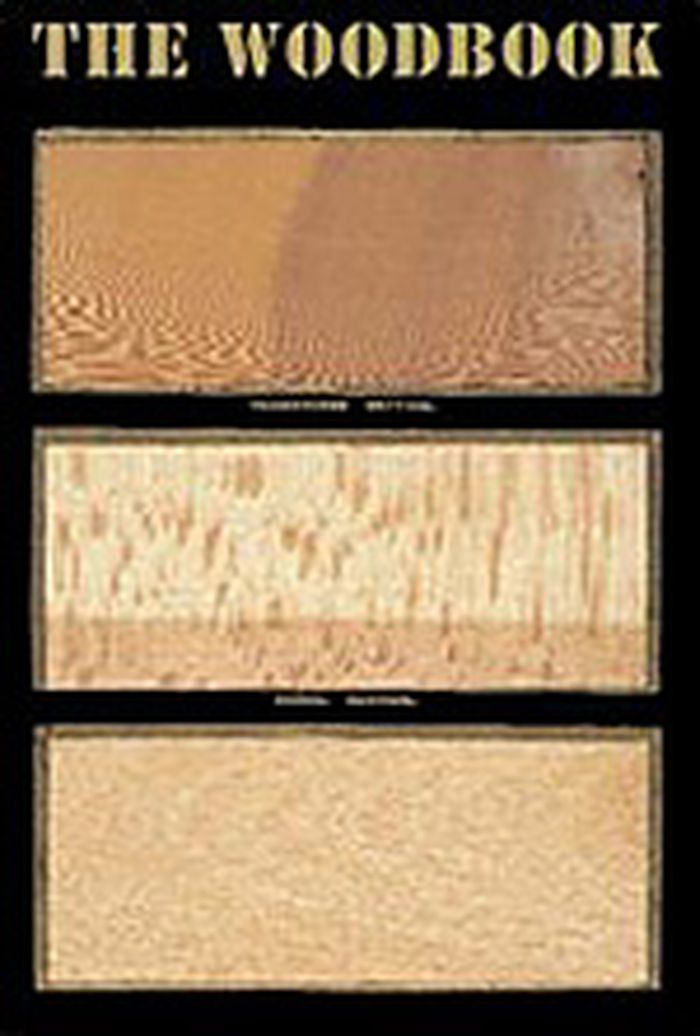
Culled and assembled by Romeyn Beck Hough between 1888 and 1913 in what still remains and stunning and unparalleled achievement, "The American Woods" —originally published in 14 volumes, with actual specimens mounted on card stock—is a work of breathtaking beauty that has set the standard for study of trees and wood. "The wood book" reproduces, in painstaking facsimile, all of the specimen pages from the original volumes. For each tree, three different cross-section cuts of wood are represented (radial, horizontal, and vertical), demonstrating the particular characteristics of the grain and the wealth of colors and textures to be found among the many different wood types. Also included in this special edition are lithographs by Charles Sprague Sargent of the leaves and nuts of most trees, as well as texts describing the trees’ geographical origins and physical characteristics.
The wood book
Actions:
Price:
$119.95
(available to order)
Summary:
Culled and assembled by Romeyn Beck Hough between 1888 and 1913 in what still remains and stunning and unparalleled achievement, "The American Woods" —originally published in 14 volumes, with actual specimens mounted on card stock—is a work of breathtaking beauty that has set the standard for study of trees and wood. "The wood book" reproduces, in painstaking facsimile, all of the specimen pages from the original volumes. For each tree, three different cross-section cuts of wood are represented (radial, horizontal, and vertical), demonstrating the particular characteristics of the grain and the wealth of colors and textures to be found among the many different wood types. Also included in this special edition are lithographs by Charles Sprague Sargent of the leaves and nuts of most trees, as well as texts describing the trees’ geographical origins and physical characteristics.
Form:
books
books
Publication:
January 2002, Köln
January 2002, Köln
Subject:
Green Architecture
Green Architecture
Form:
books
books
Actions:
Price:
$32.95
(available to order)
Summary:
Wood is one of the most popular and desirable building materials on the contemporary scene, its special qualities serving as a reminder of our connection to the physical world in an era where virtual reality has crept into almost every facet of day-to-day life. Featured here are over thirty examples of the most expressive and inventive uses of wood in design and(...)
$32.95
(available to order)
Summary:
Wood is one of the most popular and desirable building materials on the contemporary scene, its special qualities serving as a reminder of our connection to the physical world in an era where virtual reality has crept into almost every facet of day-to-day life. Featured here are over thirty examples of the most expressive and inventive uses of wood in design and(...)
Title:
Wood : new directions in design and architecture
Actions:
Price:
$32.95
(available to order)
Summary:
Wood is one of the most popular and desirable building materials on the contemporary scene, its special qualities serving as a reminder of our connection to the physical world in an era where virtual reality has crept into almost every facet of day-to-day life. Featured here are over thirty examples of the most expressive and inventive uses of wood in design and architecture from all over the world. An inviting fireplace perch set beneath shelves of natural maple that stretch to the ceiling; a striking geometric studio sits nestled, half-hidden amidst the swampy creeks and overgrown scrub oaks that grow along Florida's eastern seaboard. In over 360 spectacular photos, from Tadao Ando's Museum of Wood to Edward Cullinan's Westminster Lodge, each building is remarkably fresh and distinctly original. Wood serves not only as a document of present ingenuity in the craft, but as a signpost pointing toward an entirely new direction in architecture.
Wood : new directions in design and architecture
Actions:
Price:
$32.95
(available to order)
Summary:
Wood is one of the most popular and desirable building materials on the contemporary scene, its special qualities serving as a reminder of our connection to the physical world in an era where virtual reality has crept into almost every facet of day-to-day life. Featured here are over thirty examples of the most expressive and inventive uses of wood in design and architecture from all over the world. An inviting fireplace perch set beneath shelves of natural maple that stretch to the ceiling; a striking geometric studio sits nestled, half-hidden amidst the swampy creeks and overgrown scrub oaks that grow along Florida's eastern seaboard. In over 360 spectacular photos, from Tadao Ando's Museum of Wood to Edward Cullinan's Westminster Lodge, each building is remarkably fresh and distinctly original. Wood serves not only as a document of present ingenuity in the craft, but as a signpost pointing toward an entirely new direction in architecture.
Form:
books
books
Publication:
January 2002, San Francisco
January 2002, San Francisco
Subject:
Green Architecture
Green Architecture
Form:
books
books
Actions:
Price:
$29.95
(available to order)
Summary:
"At the edge" is a rich and evocative call to action at a time when new ideas are urgently needed. Mandatory reading for policy analysts and decision makers in the public, private, and volunteer sectors, it will be equally useful to scholars, teachers, students, and others interested in creating sustainable societies. Throughout the world, biophysical evidence is mounting(...)
$29.95
(available to order)
Summary:
"At the edge" is a rich and evocative call to action at a time when new ideas are urgently needed. Mandatory reading for policy analysts and decision makers in the public, private, and volunteer sectors, it will be equally useful to scholars, teachers, students, and others interested in creating sustainable societies. Throughout the world, biophysical evidence is mounting(...)
Title:
At the edge : sustainable development in the 21st century
Actions:
Price:
$29.95
(available to order)
Summary:
"At the edge" is a rich and evocative call to action at a time when new ideas are urgently needed. Mandatory reading for policy analysts and decision makers in the public, private, and volunteer sectors, it will be equally useful to scholars, teachers, students, and others interested in creating sustainable societies. Throughout the world, biophysical evidence is mounting that human growth and activity patterns are slowly destroying the earth. This ecological deterioration is accompanied by similar social and economic decline, with potentially grave consequences for the continued existence of human societies. Yet, as Ann Dale compassionately argues, it is not too late to take action. Hope lies in sustainable development - the fundamental human imperative of the 21st century. Sustainable development, in Dale's view, is the process of reconciling three imperatives: the ecological, the social, and the economic. Equitable access to resources in all three spheres is fundamental to the global realization of sustainable development. This will not be realized without strong leadership by governments at all levels. Ultimately needed is a new framework for governance based on human responsibility and a recognition of the interconnectedness of human and natural systems.
At the edge : sustainable development in the 21st century
Actions:
Price:
$29.95
(available to order)
Summary:
"At the edge" is a rich and evocative call to action at a time when new ideas are urgently needed. Mandatory reading for policy analysts and decision makers in the public, private, and volunteer sectors, it will be equally useful to scholars, teachers, students, and others interested in creating sustainable societies. Throughout the world, biophysical evidence is mounting that human growth and activity patterns are slowly destroying the earth. This ecological deterioration is accompanied by similar social and economic decline, with potentially grave consequences for the continued existence of human societies. Yet, as Ann Dale compassionately argues, it is not too late to take action. Hope lies in sustainable development - the fundamental human imperative of the 21st century. Sustainable development, in Dale's view, is the process of reconciling three imperatives: the ecological, the social, and the economic. Equitable access to resources in all three spheres is fundamental to the global realization of sustainable development. This will not be realized without strong leadership by governments at all levels. Ultimately needed is a new framework for governance based on human responsibility and a recognition of the interconnectedness of human and natural systems.
Form:
books
books
Publication:
January 2001, Vancouver
January 2001, Vancouver
Subject:
Green Architecture
Green Architecture


