


1525 Results
Form:
books
books
Actions:
Price:
$92.00
(available in store)
Summary:
WHY is a wildly interdisciplinary architecture, design and landscape studio with global projects of every scale. Founded in 2003 by Thai-born, Los Angeles–based Kulapat Yantrasast (born 1968), the firm is committed to creating lasting connections between people, culture and place. Among other projects, the practice worked with civic leaders and urban planners to(...)
$92.00
(available in store)
Summary:
WHY is a wildly interdisciplinary architecture, design and landscape studio with global projects of every scale. Founded in 2003 by Thai-born, Los Angeles–based Kulapat Yantrasast (born 1968), the firm is committed to creating lasting connections between people, culture and place. Among other projects, the practice worked with civic leaders and urban planners to(...)
Subject:
Architecture Monographs
Architecture Monographs
Publication:
February 2025
February 2025
Title:
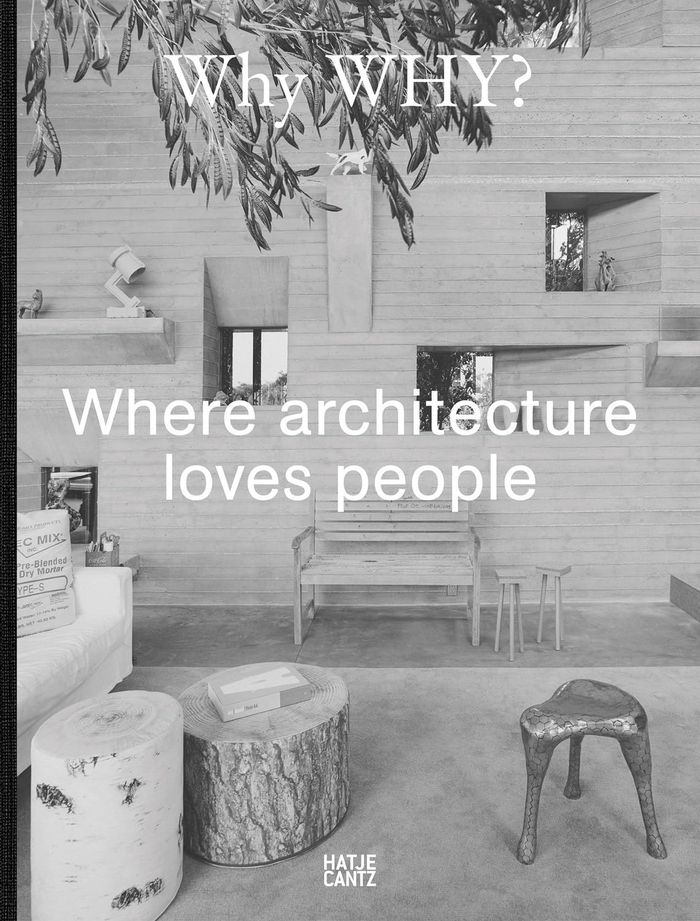
Why WHY? Where architecture loves people
Actions:
Price:
$92.00
(available in store)
Summary:
WHY is a wildly interdisciplinary architecture, design and landscape studio with global projects of every scale. Founded in 2003 by Thai-born, Los Angeles–based Kulapat Yantrasast (born 1968), the firm is committed to creating lasting connections between people, culture and place. Among other projects, the practice worked with civic leaders and urban planners to revitalize the historic Portland Warehouse District near Louisville, Kentucky. In 2017 and 2018, the firm won two international competitions to design large-scale urban parks: West Princes Street Gardens and the Ross Pavilion in Edinburgh, Scotland, and Rees Ridge Waterfront Park in Toronto. A reflection of WHY’s pluralistic approach, this first comprehensive monograph consists of multiple interviews with its founder, clients, colleagues, thinkers and supporters, conducted by longtime WHY friend and collaborator Katya Tylevich.
Why WHY? Where architecture loves people
Actions:
Price:
$92.00
(available in store)
Summary:
WHY is a wildly interdisciplinary architecture, design and landscape studio with global projects of every scale. Founded in 2003 by Thai-born, Los Angeles–based Kulapat Yantrasast (born 1968), the firm is committed to creating lasting connections between people, culture and place. Among other projects, the practice worked with civic leaders and urban planners to revitalize the historic Portland Warehouse District near Louisville, Kentucky. In 2017 and 2018, the firm won two international competitions to design large-scale urban parks: West Princes Street Gardens and the Ross Pavilion in Edinburgh, Scotland, and Rees Ridge Waterfront Park in Toronto. A reflection of WHY’s pluralistic approach, this first comprehensive monograph consists of multiple interviews with its founder, clients, colleagues, thinkers and supporters, conducted by longtime WHY friend and collaborator Katya Tylevich.
Form:
books
books
Publication:
February 2025
February 2025
Subject:
Architecture Monographs
Architecture Monographs
Form:
books
books
Title:
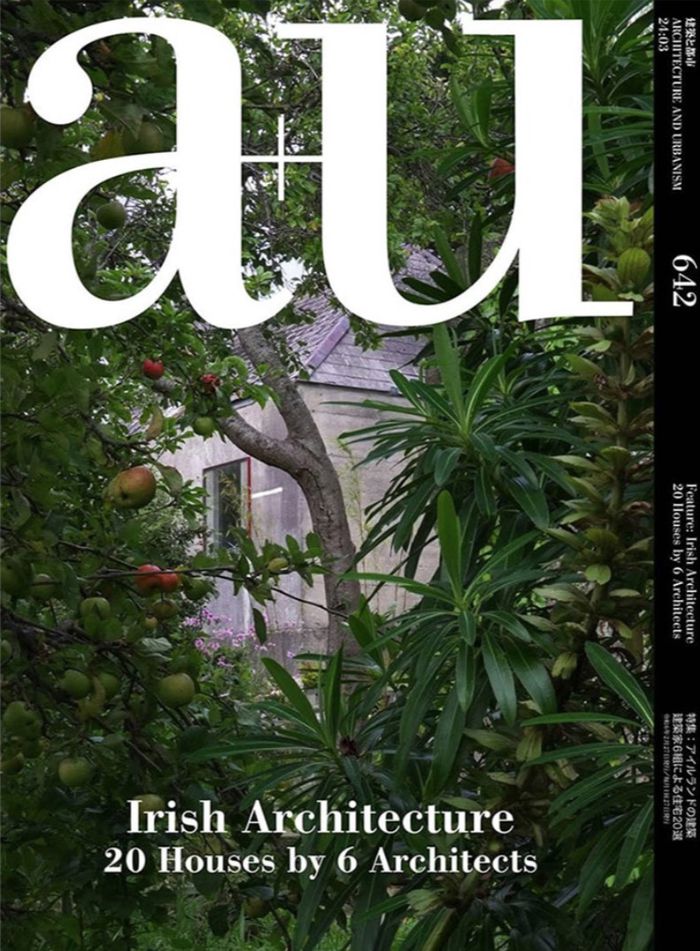
a+u 642: Irish Architecture
a+u 642: Irish Architecture
Actions:
Price:
$42.00
(available to order)
Summary:
This special feature on residential architecture in Ireland presents 20 houses designed by six architects: Clancy Moore, Steve Larkin, Ryan W. Kennihan, TAKA architects, David Leech, and t o b Architect. Together these Irish architects demonstrate a broad spectrum of materialities and approaches while also remaining true to their cultural and contextual roots. Besides(...)
$42.00
(available to order)
Summary:
This special feature on residential architecture in Ireland presents 20 houses designed by six architects: Clancy Moore, Steve Larkin, Ryan W. Kennihan, TAKA architects, David Leech, and t o b Architect. Together these Irish architects demonstrate a broad spectrum of materialities and approaches while also remaining true to their cultural and contextual roots. Besides(...)
Title:
a+u 642: Irish Architecture
Actions:
Price:
$42.00
(available to order)
Summary:
This special feature on residential architecture in Ireland presents 20 houses designed by six architects: Clancy Moore, Steve Larkin, Ryan W. Kennihan, TAKA architects, David Leech, and t o b Architect. Together these Irish architects demonstrate a broad spectrum of materialities and approaches while also remaining true to their cultural and contextual roots. Besides many more traditional homes, this overview expands the house typology to include a farmhouse, warehouse conversion, conservatory room, park gate lodge, and writers room. From reuse to new building and from urban to countryside, this selection of houses embodies the imagination of Irish architecture today.
a+u 642: Irish Architecture
Actions:
Price:
$42.00
(available to order)
Summary:
This special feature on residential architecture in Ireland presents 20 houses designed by six architects: Clancy Moore, Steve Larkin, Ryan W. Kennihan, TAKA architects, David Leech, and t o b Architect. Together these Irish architects demonstrate a broad spectrum of materialities and approaches while also remaining true to their cultural and contextual roots. Besides many more traditional homes, this overview expands the house typology to include a farmhouse, warehouse conversion, conservatory room, park gate lodge, and writers room. From reuse to new building and from urban to countryside, this selection of houses embodies the imagination of Irish architecture today.
Form:
books
books
Publication:
August 2024
August 2024
Subject:
Magazines
Magazines
Form:
books
books
Title:
GGN Landscapes 1999-2018
GGN Landscapes 1999-2018
Actions:
Price:
$75.00
(available to order)
Summary:
Gustafson Guthrie Nichol (GGN) is a landscape architecture firm based in Seattle, Washington. GGN was founded in 1999 by Jennifer Guthrie, Shannon Nichol, and Kathryn Gustafson, and it is world-renowned for designing high-use landscapes in complex, urban contexts. GGN: Landscapes 1999-2018 is the first book devoted to their ground-breaking work. It surveys some of their(...)
$75.00
(available to order)
Summary:
Gustafson Guthrie Nichol (GGN) is a landscape architecture firm based in Seattle, Washington. GGN was founded in 1999 by Jennifer Guthrie, Shannon Nichol, and Kathryn Gustafson, and it is world-renowned for designing high-use landscapes in complex, urban contexts. GGN: Landscapes 1999-2018 is the first book devoted to their ground-breaking work. It surveys some of their(...)
Subject:
Landscape Architecture, Monographs
Landscape Architecture, Monographs
Publication:
November 2018
November 2018
Title:
GGN Landscapes 1999-2018
Actions:
Price:
$75.00
(available to order)
Summary:
Gustafson Guthrie Nichol (GGN) is a landscape architecture firm based in Seattle, Washington. GGN was founded in 1999 by Jennifer Guthrie, Shannon Nichol, and Kathryn Gustafson, and it is world-renowned for designing high-use landscapes in complex, urban contexts. GGN: Landscapes 1999-2018 is the first book devoted to their ground-breaking work. It surveys some of their most important achievements including the Bill & Melinda Gates Foundation Campus in Seattle, Washington; the National Museum of African American History and Culture in Washington, DC; the Lurie Garden at Millennium Park in Chicago, Illinois; and the Venice Biennale in Italy.
GGN Landscapes 1999-2018
Actions:
Price:
$75.00
(available to order)
Summary:
Gustafson Guthrie Nichol (GGN) is a landscape architecture firm based in Seattle, Washington. GGN was founded in 1999 by Jennifer Guthrie, Shannon Nichol, and Kathryn Gustafson, and it is world-renowned for designing high-use landscapes in complex, urban contexts. GGN: Landscapes 1999-2018 is the first book devoted to their ground-breaking work. It surveys some of their most important achievements including the Bill & Melinda Gates Foundation Campus in Seattle, Washington; the National Museum of African American History and Culture in Washington, DC; the Lurie Garden at Millennium Park in Chicago, Illinois; and the Venice Biennale in Italy.
Form:
books
books
Publication:
November 2018
November 2018
Subject:
Landscape Architecture, Monographs
Landscape Architecture, Monographs
Form:
journals and magazines
journals and magazines
Price:
$53.00
(available to order)
Summary:
This edition features three creative houses in Japan, Argentina, and Serbia that go ''beyond imagination'' and represent the identity of their inhabitants. It explores how small station architecture contributes to the city and transforms urban spaces with six inspiring examples from around the world. Creative, new architectural projects are also showcased, such as the(...)
$53.00
(available to order)
Summary:
This edition features three creative houses in Japan, Argentina, and Serbia that go ''beyond imagination'' and represent the identity of their inhabitants. It explores how small station architecture contributes to the city and transforms urban spaces with six inspiring examples from around the world. Creative, new architectural projects are also showcased, such as the(...)
Title:
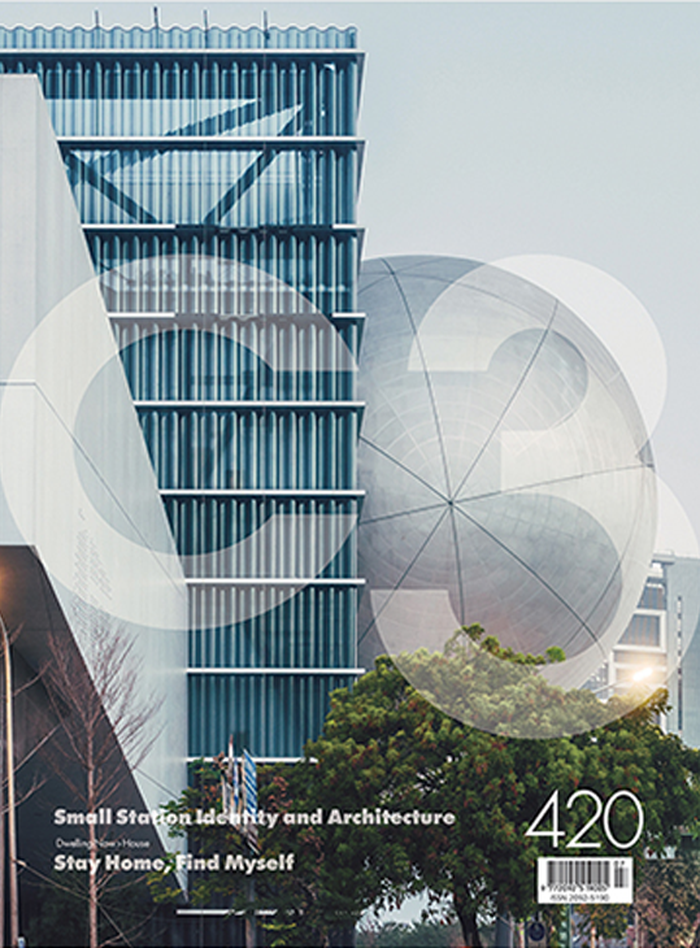
C3 420: Small station identity and architecutre/ stay home, find myself
Actions:
Price:
$53.00
(available to order)
Summary:
This edition features three creative houses in Japan, Argentina, and Serbia that go ''beyond imagination'' and represent the identity of their inhabitants. It explores how small station architecture contributes to the city and transforms urban spaces with six inspiring examples from around the world. Creative, new architectural projects are also showcased, such as the Taipei Performing Arts Centre, London School of Economics’ new multi-use campus, the new art block at Uniarts Helsinki, and the new Oostende Station in Belgium. With contributions by JeongRan Park and Herbert Wright, as well as numerous interviews with David Gianotten, Asmo Jaaski, Kiyoaki Takeda, and more.
C3 420: Small station identity and architecutre/ stay home, find myself
Actions:
Price:
$53.00
(available to order)
Summary:
This edition features three creative houses in Japan, Argentina, and Serbia that go ''beyond imagination'' and represent the identity of their inhabitants. It explores how small station architecture contributes to the city and transforms urban spaces with six inspiring examples from around the world. Creative, new architectural projects are also showcased, such as the Taipei Performing Arts Centre, London School of Economics’ new multi-use campus, the new art block at Uniarts Helsinki, and the new Oostende Station in Belgium. With contributions by JeongRan Park and Herbert Wright, as well as numerous interviews with David Gianotten, Asmo Jaaski, Kiyoaki Takeda, and more.
Form:
journals and magazines
journals and magazines
Publication:
October 2022
October 2022
Subject:
Magazines
Magazines
Form:
books
books
Title:
Noisy city night
Noisy city night
Actions:
Price:
$9.95
(available to order)
Summary:
This oversized board book traces a city across the span of a night -- filled with the people, traffic, parks, streets, stores, and buildings that make up the town. The breadth of the urban experience may all be found here: from the bicyclist lazily gliding through the park to the raucous swooshhhhh of traffic; from the clanging crash of construction work to the quiet of a(...)
$9.95
(available to order)
Summary:
This oversized board book traces a city across the span of a night -- filled with the people, traffic, parks, streets, stores, and buildings that make up the town. The breadth of the urban experience may all be found here: from the bicyclist lazily gliding through the park to the raucous swooshhhhh of traffic; from the clanging crash of construction work to the quiet of a(...)
Title:
Noisy city night
Actions:
Price:
$9.95
(available to order)
Summary:
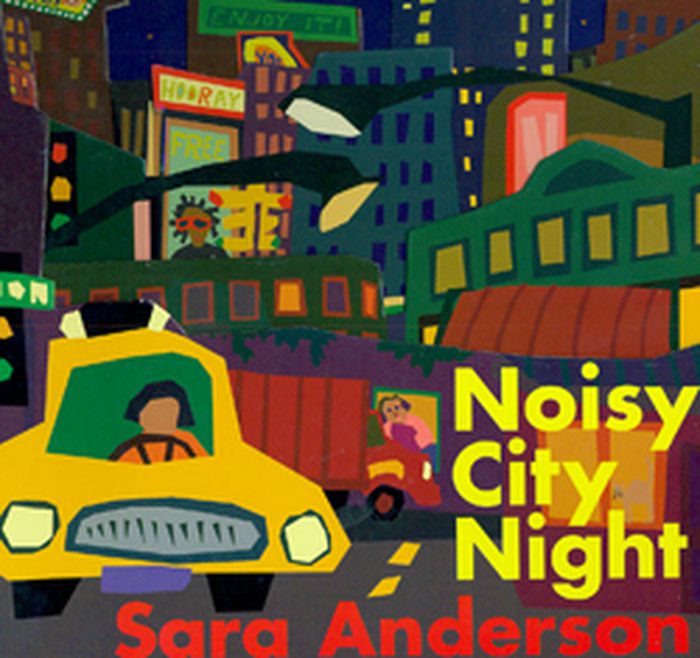
This oversized board book traces a city across the span of a night -- filled with the people, traffic, parks, streets, stores, and buildings that make up the town. The breadth of the urban experience may all be found here: from the bicyclist lazily gliding through the park to the raucous swooshhhhh of traffic; from the clanging crash of construction work to the quiet of a sweeping streetscape as seen from a high-floor apartment building. Vibrant colors that zing with the heat rising from a steaming sidewalk are perfectly matched to a syncopated, sound-filled, chant-again-and-again text.
Noisy city night
Actions:
Price:
$9.95
(available to order)
Summary:
This oversized board book traces a city across the span of a night -- filled with the people, traffic, parks, streets, stores, and buildings that make up the town. The breadth of the urban experience may all be found here: from the bicyclist lazily gliding through the park to the raucous swooshhhhh of traffic; from the clanging crash of construction work to the quiet of a sweeping streetscape as seen from a high-floor apartment building. Vibrant colors that zing with the heat rising from a steaming sidewalk are perfectly matched to a syncopated, sound-filled, chant-again-and-again text.
Form:
books
books
Publication:
October 2009
October 2009
Subject:
Children's Books
Children's Books
Form:
books
books
Actions:
Price:
$108.00
(available to order)
Summary:
Amsterdam-based landscape architect Michael van Gessel has been working with, rather than against, nature for the past three decades. He expresses his ethos by quoting the English author and landscape architect Joseph Spence: "Respect for the past, combined with a curiosity for what is and a feeling for what could be. This is the dynamo that starts the engine of the(...)
$108.00
(available to order)
Summary:
Amsterdam-based landscape architect Michael van Gessel has been working with, rather than against, nature for the past three decades. He expresses his ethos by quoting the English author and landscape architect Joseph Spence: "Respect for the past, combined with a curiosity for what is and a feeling for what could be. This is the dynamo that starts the engine of the(...)
Subject:
Landscape Architecture, Monographs
Landscape Architecture, Monographs
Publication:
September 2008, Rotterdam
September 2008, Rotterdam
Title:
Michael Van Gessel: Landscape Architect: Invisible work
Actions:
Price:
$108.00
(available to order)
Summary:
Amsterdam-based landscape architect Michael van Gessel has been working with, rather than against, nature for the past three decades. He expresses his ethos by quoting the English author and landscape architect Joseph Spence: "Respect for the past, combined with a curiosity for what is and a feeling for what could be. This is the dynamo that starts the engine of the design." Accordingly, van Gessel embraces a diversity of projects, from private gardens to urban planning. He supervised the renovation of Amsterdam's Vondel Park, drew up the master plan to restore the landscaping around Utretch's Castle De Haar and managed to integrate the inner courtyards of the Ministry of Agriculture in The Hague into the urban fabric. This comprehensive volume places van Gessel's myriad approaches into context and illuminates his pivotal role in the formation of contemporary Dutch landscape architecture.
Michael Van Gessel: Landscape Architect: Invisible work
Actions:
Price:
$108.00
(available to order)
Summary:
Amsterdam-based landscape architect Michael van Gessel has been working with, rather than against, nature for the past three decades. He expresses his ethos by quoting the English author and landscape architect Joseph Spence: "Respect for the past, combined with a curiosity for what is and a feeling for what could be. This is the dynamo that starts the engine of the design." Accordingly, van Gessel embraces a diversity of projects, from private gardens to urban planning. He supervised the renovation of Amsterdam's Vondel Park, drew up the master plan to restore the landscaping around Utretch's Castle De Haar and managed to integrate the inner courtyards of the Ministry of Agriculture in The Hague into the urban fabric. This comprehensive volume places van Gessel's myriad approaches into context and illuminates his pivotal role in the formation of contemporary Dutch landscape architecture.
Form:
books
books
Publication:
September 2008, Rotterdam
September 2008, Rotterdam
Subject:
Landscape Architecture, Monographs
Landscape Architecture, Monographs
Form:
books
books
Title:
Building Seagram
Building Seagram
Actions:
Price:
$79.95
(available to order)
Summary:
The Seagram building rises over New York’s Park Avenue, seeming to float above the street with perfect lines of bronze and glass. Considered one of the greatest icons of twentieth-century architecture, the building was commissioned by Samuel Bronfman, founder of the Canadian distillery dynasty Seagram. Bronfman’s daughter Phyllis Lambert was twenty-seven years old when(...)
$79.95
(available to order)
Summary:
The Seagram building rises over New York’s Park Avenue, seeming to float above the street with perfect lines of bronze and glass. Considered one of the greatest icons of twentieth-century architecture, the building was commissioned by Samuel Bronfman, founder of the Canadian distillery dynasty Seagram. Bronfman’s daughter Phyllis Lambert was twenty-seven years old when(...)
Title:
Building Seagram
Actions:
Price:
$79.95
(available to order)
Summary:
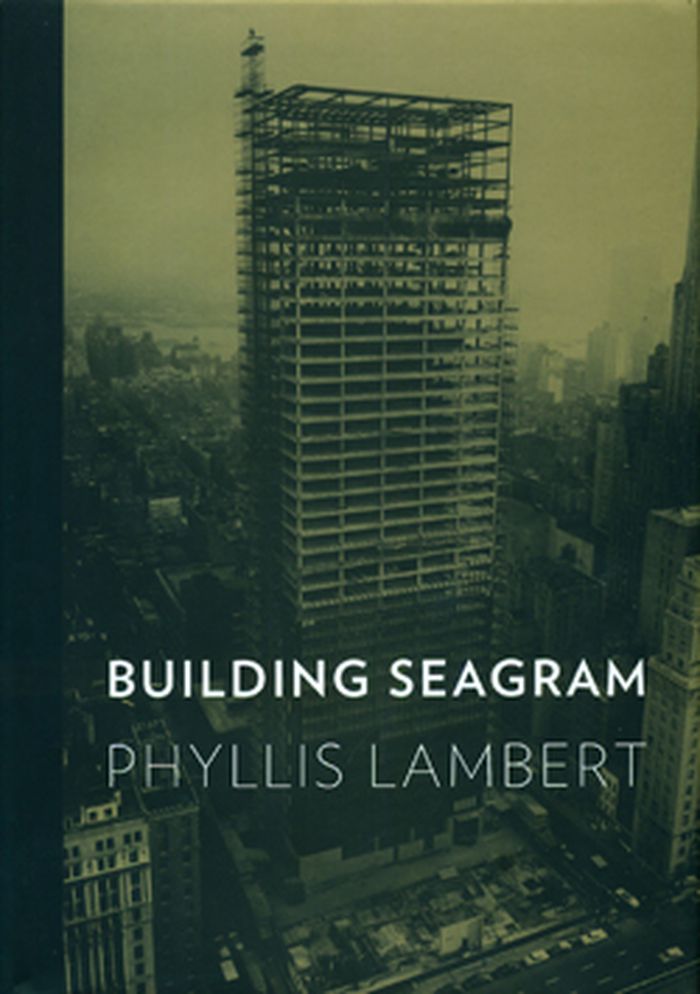
The Seagram building rises over New York’s Park Avenue, seeming to float above the street with perfect lines of bronze and glass. Considered one of the greatest icons of twentieth-century architecture, the building was commissioned by Samuel Bronfman, founder of the Canadian distillery dynasty Seagram. Bronfman’s daughter Phyllis Lambert was twenty-seven years old when she took over the search for an architect and chose Mies van der Rohe, a pioneering modern master of what he termed “skin and bones” architecture. Mies, who designed the elegant, deceptively simple thirty-eight-story tower along with Philip Johnson, emphasized the beauty of structure and fine materials, and set the building back from the avenue, creating an urban oasis with the building’s plaza. Through her choice, Lambert established her role as a leading architectural patron and singlehandedly changed the face of American urban architecture.
Building Seagram
Actions:
Price:
$79.95
(available to order)
Summary:
The Seagram building rises over New York’s Park Avenue, seeming to float above the street with perfect lines of bronze and glass. Considered one of the greatest icons of twentieth-century architecture, the building was commissioned by Samuel Bronfman, founder of the Canadian distillery dynasty Seagram. Bronfman’s daughter Phyllis Lambert was twenty-seven years old when she took over the search for an architect and chose Mies van der Rohe, a pioneering modern master of what he termed “skin and bones” architecture. Mies, who designed the elegant, deceptively simple thirty-eight-story tower along with Philip Johnson, emphasized the beauty of structure and fine materials, and set the building back from the avenue, creating an urban oasis with the building’s plaza. Through her choice, Lambert established her role as a leading architectural patron and singlehandedly changed the face of American urban architecture.
Form:
books
books
Publication:
April 2013
April 2013
Subject:
Architectural Theory
Architectural Theory
Form:
books
books
Actions:
Price:
$63.95
(available to order)
Summary:
One of the ten largest cities in the world, São Paulo faces huge challenges in urban infrastructure. Yet despite the daunting task of supporting a population of more than twenty million, the Brazilian metropolis has since the 1950s maintained a policy of public and private investment in communal infrastructure, thus providing inclusive places and spaces for all its(...)
$63.95
(available to order)
Summary:
One of the ten largest cities in the world, São Paulo faces huge challenges in urban infrastructure. Yet despite the daunting task of supporting a population of more than twenty million, the Brazilian metropolis has since the 1950s maintained a policy of public and private investment in communal infrastructure, thus providing inclusive places and spaces for all its(...)
Subject:
Architecture since 1900, Americas
Architecture since 1900, Americas
Publication:
February 2020
February 2020
Title:
Access for all: Sao Paulo's architectural infrastructures
Actions:
Price:
$63.95
(available to order)
Summary:
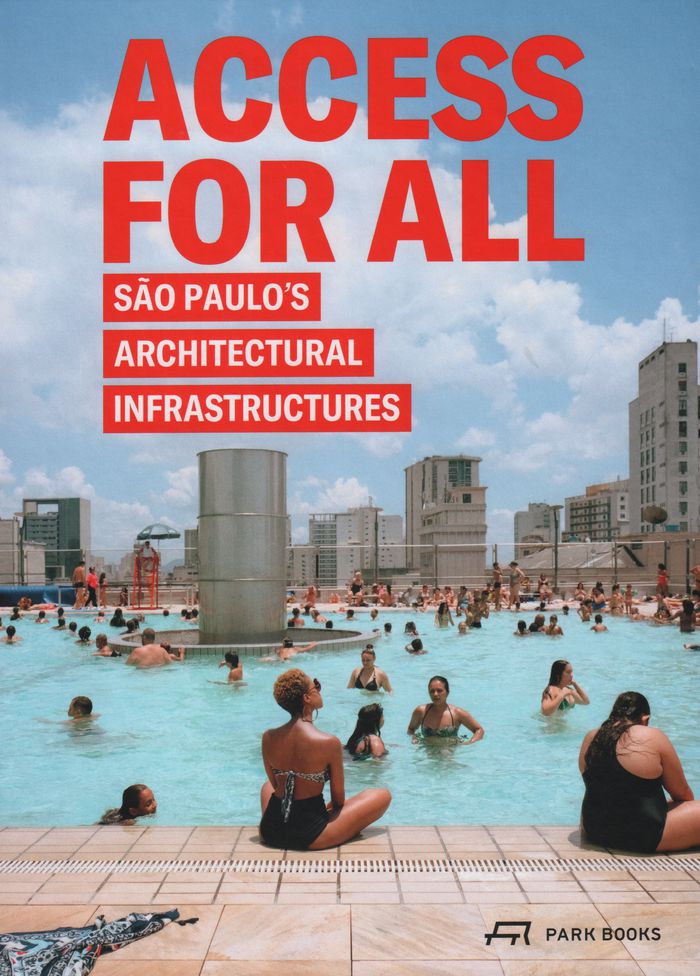
One of the ten largest cities in the world, São Paulo faces huge challenges in urban infrastructure. Yet despite the daunting task of supporting a population of more than twenty million, the Brazilian metropolis has since the 1950s maintained a policy of public and private investment in communal infrastructure, thus providing inclusive places and spaces for all its population. While many cities emulate Bilbao and other destinations by funding signature buildings by celebrated architects to attract tourists, São Paulo consistently and persistently funds programs aimed at social sustainability for its permanent residents. 'Access for All' demonstrates how architecture and infrastructure can contribute to a city’s urban development in multiple ways. Featuring a selection of buildings and projects from across seven decades, it takes readers through the city’s distinctive approach to urban infrastructure. The featured spaces range from a simple canopy over a public park to spaces for education, health care, sports and culture, and more. Beyond serving a specific purpose, one of the key roles of these spaces is to be accessible places for people to spend time together.
Access for all: Sao Paulo's architectural infrastructures
Actions:
Price:
$63.95
(available to order)
Summary:
One of the ten largest cities in the world, São Paulo faces huge challenges in urban infrastructure. Yet despite the daunting task of supporting a population of more than twenty million, the Brazilian metropolis has since the 1950s maintained a policy of public and private investment in communal infrastructure, thus providing inclusive places and spaces for all its population. While many cities emulate Bilbao and other destinations by funding signature buildings by celebrated architects to attract tourists, São Paulo consistently and persistently funds programs aimed at social sustainability for its permanent residents. 'Access for All' demonstrates how architecture and infrastructure can contribute to a city’s urban development in multiple ways. Featuring a selection of buildings and projects from across seven decades, it takes readers through the city’s distinctive approach to urban infrastructure. The featured spaces range from a simple canopy over a public park to spaces for education, health care, sports and culture, and more. Beyond serving a specific purpose, one of the key roles of these spaces is to be accessible places for people to spend time together.
Form:
books
books
Publication:
February 2020
February 2020
Subject:
Architecture since 1900, Americas
Architecture since 1900, Americas
Form:
books
books
Actions:
Price:
$85.00
(available to order)
Summary:
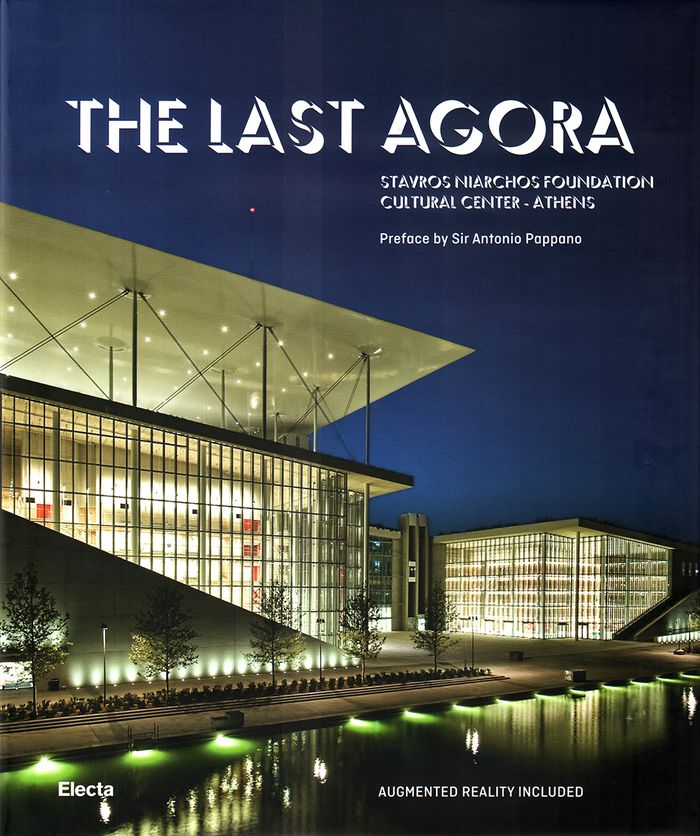
This volume is a close analysis of the Stavros Niarchos Foundation Cultural Center, the revolutionary $600 million project designed by renowned architect Renzo Piano and donated by the Stavros Niarchos Foundation to the city of Athens for the construction of the National Library, Opera House, and a public park set in grounds covering 170,000 square meters. A truly urban(...)
$85.00
(available to order)
Summary:
This volume is a close analysis of the Stavros Niarchos Foundation Cultural Center, the revolutionary $600 million project designed by renowned architect Renzo Piano and donated by the Stavros Niarchos Foundation to the city of Athens for the construction of the National Library, Opera House, and a public park set in grounds covering 170,000 square meters. A truly urban(...)
Subject:
Architecture Monographs
Architecture Monographs
Publication:
September 2018
September 2018
Title:
Renzo Piano: The last agora. Stavros Niarchos foundation cultural center Athens
Actions:
Price:
$85.00
(available to order)
Summary:
This volume is a close analysis of the Stavros Niarchos Foundation Cultural Center, the revolutionary $600 million project designed by renowned architect Renzo Piano and donated by the Stavros Niarchos Foundation to the city of Athens for the construction of the National Library, Opera House, and a public park set in grounds covering 170,000 square meters. A truly urban design dedicated to the citizens of Athens that marks the recovery and revitalization of a derelict site on the edge of the inner city. A downloadable app for Apple and Android provides access to additional multimedia content, including virtual tours, drone videos, and photo galleries.
Renzo Piano: The last agora. Stavros Niarchos foundation cultural center Athens
Actions:
Price:
$85.00
(available to order)
Summary:
This volume is a close analysis of the Stavros Niarchos Foundation Cultural Center, the revolutionary $600 million project designed by renowned architect Renzo Piano and donated by the Stavros Niarchos Foundation to the city of Athens for the construction of the National Library, Opera House, and a public park set in grounds covering 170,000 square meters. A truly urban design dedicated to the citizens of Athens that marks the recovery and revitalization of a derelict site on the edge of the inner city. A downloadable app for Apple and Android provides access to additional multimedia content, including virtual tours, drone videos, and photo galleries.
Form:
books
books
Publication:
September 2018
September 2018
Subject:
Architecture Monographs
Architecture Monographs
Form:
books
books
Title:
Attitudes: MVRDV
Attitudes: MVRDV
Actions:
Price:
$110.00
(available to order)
Summary:
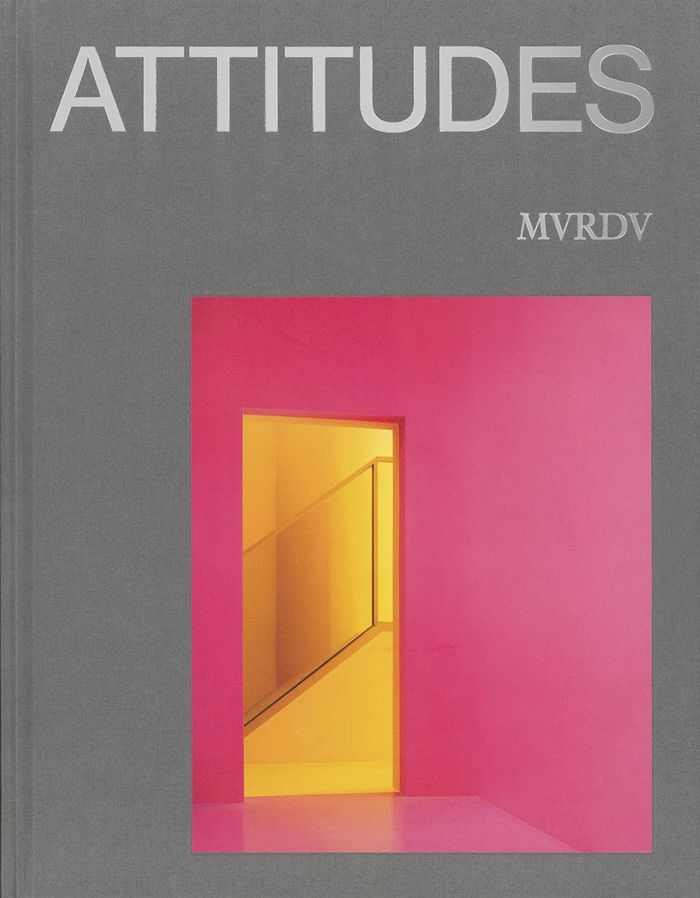
Co-edited by MVRDV founding partner Jacob van Rijs and MVRDV partner Jan Knikker, this book presents twenty-five recently completed projects in Europe, North America, and Asia. Among these projects are several that show the potentials of reuse and transformation, such as "High Profile," a lamp made from leftover metal profiles, or "Seoullo 7017", the transformation of(...)
$110.00
(available to order)
Summary:
Co-edited by MVRDV founding partner Jacob van Rijs and MVRDV partner Jan Knikker, this book presents twenty-five recently completed projects in Europe, North America, and Asia. Among these projects are several that show the potentials of reuse and transformation, such as "High Profile," a lamp made from leftover metal profiles, or "Seoullo 7017", the transformation of(...)
Title:
Attitudes: MVRDV
Actions:
Price:
$110.00
(available to order)
Summary:
Co-edited by MVRDV founding partner Jacob van Rijs and MVRDV partner Jan Knikker, this book presents twenty-five recently completed projects in Europe, North America, and Asia. Among these projects are several that show the potentials of reuse and transformation, such as "High Profile," a lamp made from leftover metal profiles, or "Seoullo 7017", the transformation of an elevated highway in Seoul into an urban park. Many of the projects also have a distinct public dimension, welcoming people in, around, and sometimes also on top of buildings, as in the case of the depot of Museum Boijmans Van Beuningen in Rotterdam, or the Idea Factory in Shenzhen.
Attitudes: MVRDV
Actions:
Price:
$110.00
(available to order)
Summary:
Co-edited by MVRDV founding partner Jacob van Rijs and MVRDV partner Jan Knikker, this book presents twenty-five recently completed projects in Europe, North America, and Asia. Among these projects are several that show the potentials of reuse and transformation, such as "High Profile," a lamp made from leftover metal profiles, or "Seoullo 7017", the transformation of an elevated highway in Seoul into an urban park. Many of the projects also have a distinct public dimension, welcoming people in, around, and sometimes also on top of buildings, as in the case of the depot of Museum Boijmans Van Beuningen in Rotterdam, or the Idea Factory in Shenzhen.
Form:
books
books
Publication:
January 2024
January 2024
Subject:
Architecture Monographs
Architecture Monographs


