


1559 Results
Form:
books
books
Actions:
Price:
$63.00
(available to order)
Summary:
Within the last 10 years the popularity and influence of the Dutch sensibility in architecture has grown to become a global force. Fostered by a liberal populace and a munificent government, a generation of young architects have created a breathtaking body of recent work that has been described as the Second Modernity. "SuperDutch" is the(...)
$63.00
(available to order)
Summary:
Within the last 10 years the popularity and influence of the Dutch sensibility in architecture has grown to become a global force. Fostered by a liberal populace and a munificent government, a generation of young architects have created a breathtaking body of recent work that has been described as the Second Modernity. "SuperDutch" is the(...)
Title:
SuperDutch : new architecture in the Netherlands
Actions:
Price:
$63.00
(available to order)
Summary:
Within the last 10 years the popularity and influence of the Dutch sensibility in architecture has grown to become a global force. Fostered by a liberal populace and a munificent government, a generation of young architects have created a breathtaking body of recent work that has been described as the Second Modernity. "SuperDutch" is the definitive record of the most exciting and provocative work by Dutch architects in the last ten years. It presents 14 leading studios in detail, along with a final section on emerging talent. It features each studio's most recent projects through text, detailed plans, and stunning photography. Architects include Super architects include: Wiel Arets, UN Studio (Ben van Berkel and Caroline Bos), Erick van Egeraat, Atelier Van Lieshout, Mecanoo, MVRDV, Neutelings Riedijk, NOX, OMA/Rem Koolhaas, Kas Oosterhuis and Ilona Lénárd, Koen van Velsen, West 8 (Adriaan Geuze), Buro Schie, and NL architects
SuperDutch : new architecture in the Netherlands
Actions:
Price:
$63.00
(available to order)
Summary:
Within the last 10 years the popularity and influence of the Dutch sensibility in architecture has grown to become a global force. Fostered by a liberal populace and a munificent government, a generation of young architects have created a breathtaking body of recent work that has been described as the Second Modernity. "SuperDutch" is the definitive record of the most exciting and provocative work by Dutch architects in the last ten years. It presents 14 leading studios in detail, along with a final section on emerging talent. It features each studio's most recent projects through text, detailed plans, and stunning photography. Architects include Super architects include: Wiel Arets, UN Studio (Ben van Berkel and Caroline Bos), Erick van Egeraat, Atelier Van Lieshout, Mecanoo, MVRDV, Neutelings Riedijk, NOX, OMA/Rem Koolhaas, Kas Oosterhuis and Ilona Lénárd, Koen van Velsen, West 8 (Adriaan Geuze), Buro Schie, and NL architects
Form:
books
books
Publication:
November 2000, New York
November 2000, New York
Subject:
Architecture since 1900, Europe
Architecture since 1900, Europe
Form:
books
books
Actions:
Price:
$88.00
(available to order)
Summary:
South Asia holds a unique place among the many regions of the world where modern architecture was understood as both a tool for social progress and a global lingua franca in the second half of the 20th century. Following the end of British rule in 1947-48, architects in the newly formed nations of India, Pakistan, Bangladesh (East Pakistan until 1971) and Ceylon (now Sri(...)
$88.00
(available to order)
Summary:
South Asia holds a unique place among the many regions of the world where modern architecture was understood as both a tool for social progress and a global lingua franca in the second half of the 20th century. Following the end of British rule in 1947-48, architects in the newly formed nations of India, Pakistan, Bangladesh (East Pakistan until 1971) and Ceylon (now Sri(...)
Title:
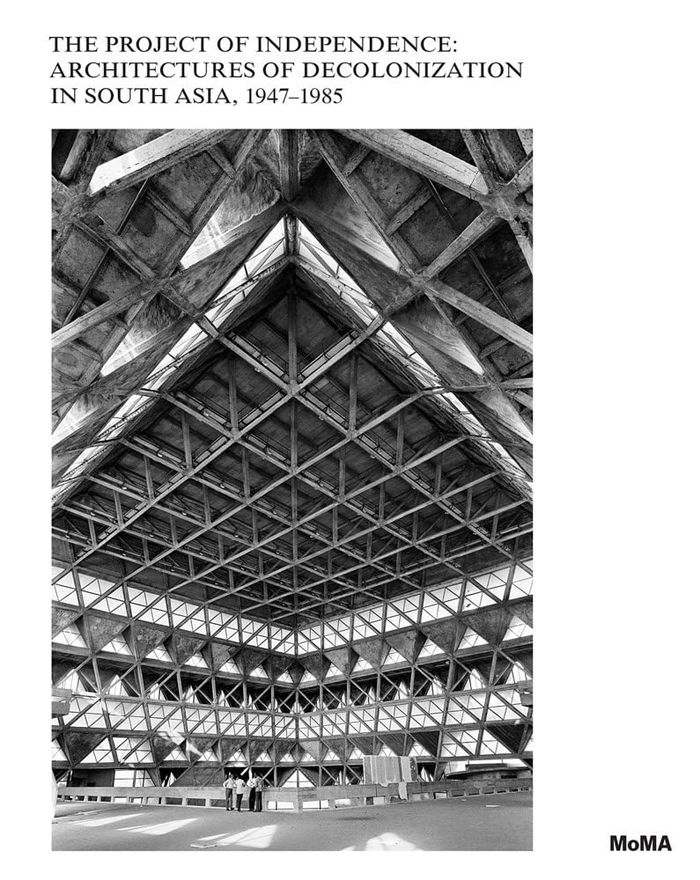
The project of independence: Architectures of decolonization in South Asia, 1947-1985
Actions:
Price:
$88.00
(available to order)
Summary:
South Asia holds a unique place among the many regions of the world where modern architecture was understood as both a tool for social progress and a global lingua franca in the second half of the 20th century. Following the end of British rule in 1947-48, architects in the newly formed nations of India, Pakistan, Bangladesh (East Pakistan until 1971) and Ceylon (now Sri Lanka) proposed a novel understanding of modernity, disrupting the colonial hierarchy of center and periphery by challenging modernism's universalist claims. Architecture offered multiple ways to break with the colonial past. Through the establishment of institutions that embodied the societal aspirations of the period, and the creation of new cities and spaces for political representation, South Asian architects produced a distinct body of work in dialogue with global developments while advancing the theory and practice of low-cost, climatically and socially responsive design.
The project of independence: Architectures of decolonization in South Asia, 1947-1985
Actions:
Price:
$88.00
(available to order)
Summary:
South Asia holds a unique place among the many regions of the world where modern architecture was understood as both a tool for social progress and a global lingua franca in the second half of the 20th century. Following the end of British rule in 1947-48, architects in the newly formed nations of India, Pakistan, Bangladesh (East Pakistan until 1971) and Ceylon (now Sri Lanka) proposed a novel understanding of modernity, disrupting the colonial hierarchy of center and periphery by challenging modernism's universalist claims. Architecture offered multiple ways to break with the colonial past. Through the establishment of institutions that embodied the societal aspirations of the period, and the creation of new cities and spaces for political representation, South Asian architects produced a distinct body of work in dialogue with global developments while advancing the theory and practice of low-cost, climatically and socially responsive design.
Form:
books
books
Publication:
March 2022
March 2022
Subject:
Modernism
Modernism
Form:
books
books
Actions:
Price:
$45.00
(available to order)
Summary:
Modernity took many forms in 1930s Japan, but in the tumultuous years before militarism pushed the country toward global aggression, it was most visibly associated with a glittering consumer culture. Inundated with western jazz-age trends and new technologies, Japan’s big cities, especially Tokyo, offered the most enticing attractions to a newly liberated generation:(...)
$45.00
(available to order)
Summary:
Modernity took many forms in 1930s Japan, but in the tumultuous years before militarism pushed the country toward global aggression, it was most visibly associated with a glittering consumer culture. Inundated with western jazz-age trends and new technologies, Japan’s big cities, especially Tokyo, offered the most enticing attractions to a newly liberated generation:(...)
Title:
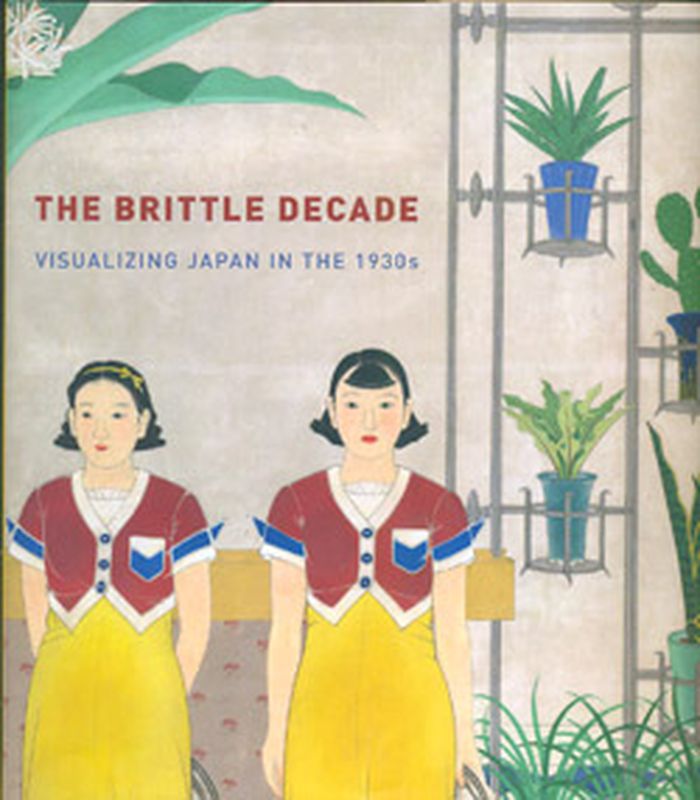
The brittle decade: visualizing Japan in the 1930s
Actions:
Price:
$45.00
(available to order)
Summary:
Modernity took many forms in 1930s Japan, but in the tumultuous years before militarism pushed the country toward global aggression, it was most visibly associated with a glittering consumer culture. Inundated with western jazz-age trends and new technologies, Japan’s big cities, especially Tokyo, offered the most enticing attractions to a newly liberated generation: bustling streets of department stores, cafés and teahouses, movie theaters and ballroom dance halls. Modern architecture, industrial design and fashion overshadowed traditional arts as Japan strove to take its place in a cosmopolitan world. The Brittle Years examines the different ways in which designers and artists visualized what it meant to be modern in Japan in the years leading up to World War II. Its 160 full-color illustrations of paintings, textiles and graphic arts are astonishing not only for their great visual impact but also for the insight they provide into a rapidly transforming nation.
The brittle decade: visualizing Japan in the 1930s
Actions:
Price:
$45.00
(available to order)
Summary:
Modernity took many forms in 1930s Japan, but in the tumultuous years before militarism pushed the country toward global aggression, it was most visibly associated with a glittering consumer culture. Inundated with western jazz-age trends and new technologies, Japan’s big cities, especially Tokyo, offered the most enticing attractions to a newly liberated generation: bustling streets of department stores, cafés and teahouses, movie theaters and ballroom dance halls. Modern architecture, industrial design and fashion overshadowed traditional arts as Japan strove to take its place in a cosmopolitan world. The Brittle Years examines the different ways in which designers and artists visualized what it meant to be modern in Japan in the years leading up to World War II. Its 160 full-color illustrations of paintings, textiles and graphic arts are astonishing not only for their great visual impact but also for the insight they provide into a rapidly transforming nation.
Form:
books
books
Publication:
June 2012
June 2012
Subject:
Design, Periods and Styles
Design, Periods and Styles
Form:
books
books
Actions:
Price:
$29.95
(available in store)
Summary:
The world is in the midst of a storm that has shaped the history of modernity along a double fracture: on the one hand, an environmental fracture driven by a technocratic and capitalist civilization that led to the ongoing devastation of the Earth’s ecosystems and its human and non-human communities and, on the other, a colonial fracture instilled by Western colonization(...)
$29.95
(available in store)
Summary:
The world is in the midst of a storm that has shaped the history of modernity along a double fracture: on the one hand, an environmental fracture driven by a technocratic and capitalist civilization that led to the ongoing devastation of the Earth’s ecosystems and its human and non-human communities and, on the other, a colonial fracture instilled by Western colonization(...)
Title:
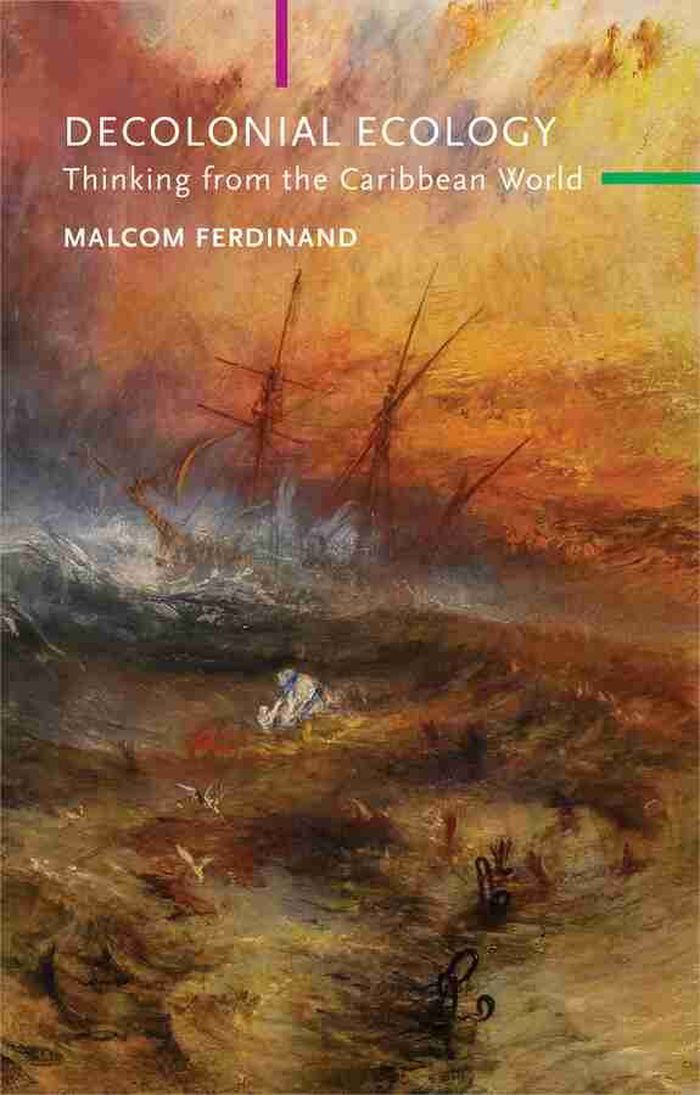
Decolonial ecology: thinking from the Caribbean world
Actions:
Price:
$29.95
(available in store)
Summary:
The world is in the midst of a storm that has shaped the history of modernity along a double fracture: on the one hand, an environmental fracture driven by a technocratic and capitalist civilization that led to the ongoing devastation of the Earth’s ecosystems and its human and non-human communities and, on the other, a colonial fracture instilled by Western colonization and imperialism that resulted in racial slavery and the domination of indigenous peoples and women in particular. In this important new book, Malcom Ferdinand challenges this double fracture, thinking from the Caribbean world. Here, the slave ship reveals the inequalities that continue during the storm: some are shackled inside the hold and even thrown overboard at the first gusts of wind. Drawing on empirical and theoretical work in the Caribbean, Ferdinand conceptualizes a decolonial ecology that holds protecting the environment together with the political struggles against (post)colonial domination, structural racism, and misogynistic practices.
Decolonial ecology: thinking from the Caribbean world
Actions:
Price:
$29.95
(available in store)
Summary:
The world is in the midst of a storm that has shaped the history of modernity along a double fracture: on the one hand, an environmental fracture driven by a technocratic and capitalist civilization that led to the ongoing devastation of the Earth’s ecosystems and its human and non-human communities and, on the other, a colonial fracture instilled by Western colonization and imperialism that resulted in racial slavery and the domination of indigenous peoples and women in particular. In this important new book, Malcom Ferdinand challenges this double fracture, thinking from the Caribbean world. Here, the slave ship reveals the inequalities that continue during the storm: some are shackled inside the hold and even thrown overboard at the first gusts of wind. Drawing on empirical and theoretical work in the Caribbean, Ferdinand conceptualizes a decolonial ecology that holds protecting the environment together with the political struggles against (post)colonial domination, structural racism, and misogynistic practices.
Form:
books
books
Publication:
September 2022
September 2022
Subject:
Environment and environmental theory
Environment and environmental theory
Form:
books
books
Actions:
Price:
$79.95
(available to order)
Summary:
Not until the fall of the communist regime in 1989 and the end of Czechoslovakia's cultural isolation did the world begin to appreciate the Czech avant-garde photographers of the first half of the twentieth century. This first survey of Czech avant-garde photography introduces the important work of František Drtikol, Jaromir Funke, Jaroslav Rössler, Jindøich Štyrský,(...)
$79.95
(available to order)
Summary:
Not until the fall of the communist regime in 1989 and the end of Czechoslovakia's cultural isolation did the world begin to appreciate the Czech avant-garde photographers of the first half of the twentieth century. This first survey of Czech avant-garde photography introduces the important work of František Drtikol, Jaromir Funke, Jaroslav Rössler, Jindøich Štyrský,(...)
Subject:
Theory of Photography
Theory of Photography
Publication:
March 2002, Cambridge, Massachusetts / London, England
March 2002, Cambridge, Massachusetts / London, England
Title:
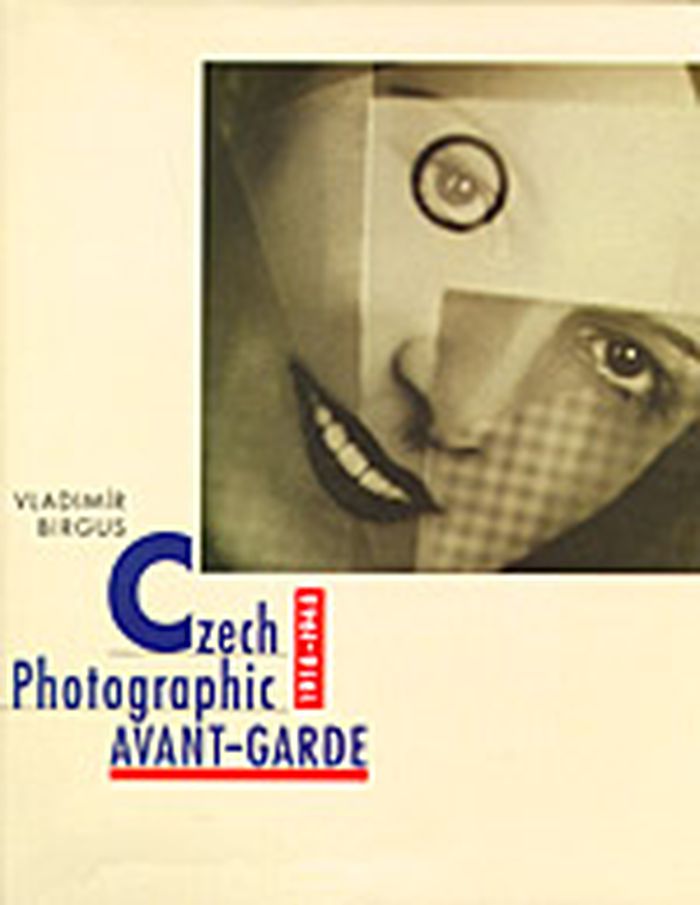
Czech photographic avant-garde 1918-1948
Actions:
Price:
$79.95
(available to order)
Summary:
Not until the fall of the communist regime in 1989 and the end of Czechoslovakia's cultural isolation did the world begin to appreciate the Czech avant-garde photographers of the first half of the twentieth century. This first survey of Czech avant-garde photography introduces the important work of František Drtikol, Jaromir Funke, Jaroslav Rössler, Jindøich Štyrský, Josef Sudek, and numerous others whose work made Czech photography synonymous with visions of modernity. The essays introduce the period and explore the background and connections among the photographers. Biographical profiles are also included. But the book's main attraction is its outstanding collection of duotone and color images, many published here for the first time. The Czech edition of this book received the "Best Photographic Publication of 1999-2000" award from Primavera Fotográfica in Barcelona and from Month of Photography in Bratislava and was one of six finalists for the 2001 Kraszna-Krausz Photography Book Award.
Czech photographic avant-garde 1918-1948
Actions:
Price:
$79.95
(available to order)
Summary:
Not until the fall of the communist regime in 1989 and the end of Czechoslovakia's cultural isolation did the world begin to appreciate the Czech avant-garde photographers of the first half of the twentieth century. This first survey of Czech avant-garde photography introduces the important work of František Drtikol, Jaromir Funke, Jaroslav Rössler, Jindøich Štyrský, Josef Sudek, and numerous others whose work made Czech photography synonymous with visions of modernity. The essays introduce the period and explore the background and connections among the photographers. Biographical profiles are also included. But the book's main attraction is its outstanding collection of duotone and color images, many published here for the first time. The Czech edition of this book received the "Best Photographic Publication of 1999-2000" award from Primavera Fotográfica in Barcelona and from Month of Photography in Bratislava and was one of six finalists for the 2001 Kraszna-Krausz Photography Book Award.
Form:
books
books
Publication:
March 2002, Cambridge, Massachusetts / London, England
March 2002, Cambridge, Massachusetts / London, England
Subject:
Theory of Photography
Theory of Photography
Form:
books
books
Actions:
Price:
$71.00
(available to order)
Summary:
In 1966, at the age of 28, photographer Joel Meyerowitz embarked on a journey that would take him to the United Kingdom, Ireland, Spain, France, Germany, Eastern Europe, Turkey and Greece. In total, he drove 20,000 miles through 10 countries and ended up taking 25,000 photographs. This trip was a transcendental experience and formative in shaping Meyerowitz's instinctive(...)
$71.00
(available to order)
Summary:
In 1966, at the age of 28, photographer Joel Meyerowitz embarked on a journey that would take him to the United Kingdom, Ireland, Spain, France, Germany, Eastern Europe, Turkey and Greece. In total, he drove 20,000 miles through 10 countries and ended up taking 25,000 photographs. This trip was a transcendental experience and formative in shaping Meyerowitz's instinctive(...)
Title:
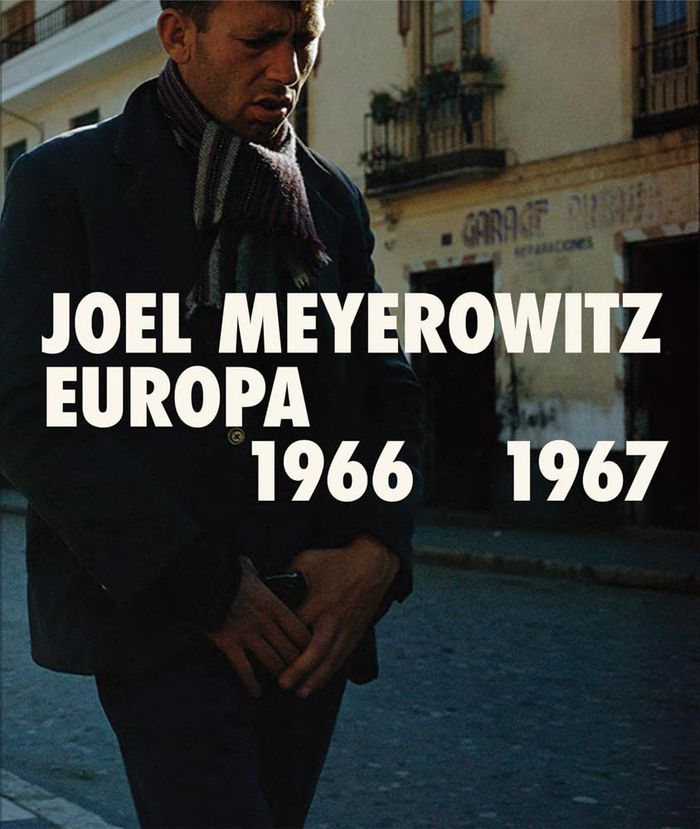
Joel Meyerowitz: Europa 1966-1967
Actions:
Price:
$71.00
(available to order)
Summary:
In 1966, at the age of 28, photographer Joel Meyerowitz embarked on a journey that would take him to the United Kingdom, Ireland, Spain, France, Germany, Eastern Europe, Turkey and Greece. In total, he drove 20,000 miles through 10 countries and ended up taking 25,000 photographs. This trip was a transcendental experience and formative in shaping Meyerowitz's instinctive and brilliant identity that he is known for today. Europa 1966–1967 compiles a selection of photographs taken by Meyerowitz on his yearlong trip through Europe, offering an exciting glimpse of the “New Old World” that, having lately overcome the trauma of World War II, opened itself to modernity and progress. Meyerowitz witnessed societies in transition, stuck between dictatorship and economic blossoming. Yet he also documented unshakable cultural traditions, such as when he lived with a flamenco-performing family in Francoist Spain for six months. The strength and freshness of Meyerowitz’s gaze and the new codes that were captured in these pictures inspired the next generation of photographers.
Joel Meyerowitz: Europa 1966-1967
Actions:
Price:
$71.00
(available to order)
Summary:
In 1966, at the age of 28, photographer Joel Meyerowitz embarked on a journey that would take him to the United Kingdom, Ireland, Spain, France, Germany, Eastern Europe, Turkey and Greece. In total, he drove 20,000 miles through 10 countries and ended up taking 25,000 photographs. This trip was a transcendental experience and formative in shaping Meyerowitz's instinctive and brilliant identity that he is known for today. Europa 1966–1967 compiles a selection of photographs taken by Meyerowitz on his yearlong trip through Europe, offering an exciting glimpse of the “New Old World” that, having lately overcome the trauma of World War II, opened itself to modernity and progress. Meyerowitz witnessed societies in transition, stuck between dictatorship and economic blossoming. Yet he also documented unshakable cultural traditions, such as when he lived with a flamenco-performing family in Francoist Spain for six months. The strength and freshness of Meyerowitz’s gaze and the new codes that were captured in these pictures inspired the next generation of photographers.
Form:
books
books
Publication:
October 2024
October 2024
Subject:
Photography monographs
Photography monographs
Form:
books
books
Actions:
Price:
$39.50
(available to order)
Summary:
The early twentieth century was a time of extraordinary change in Europe. War and revolution shattered the traditional cohesion of European civilisation, while the machine age brought mass production and distribution and a new sense of internationalism. This ‘heroic’ period of modernity found particularly forceful expression in graphic design and photomontage throughout(...)
$39.50
(available to order)
Summary:
The early twentieth century was a time of extraordinary change in Europe. War and revolution shattered the traditional cohesion of European civilisation, while the machine age brought mass production and distribution and a new sense of internationalism. This ‘heroic’ period of modernity found particularly forceful expression in graphic design and photomontage throughout(...)
Subject:
Graphic Design and Typography
Graphic Design and Typography
Publication:
October 2004, London
October 2004, London
Title:
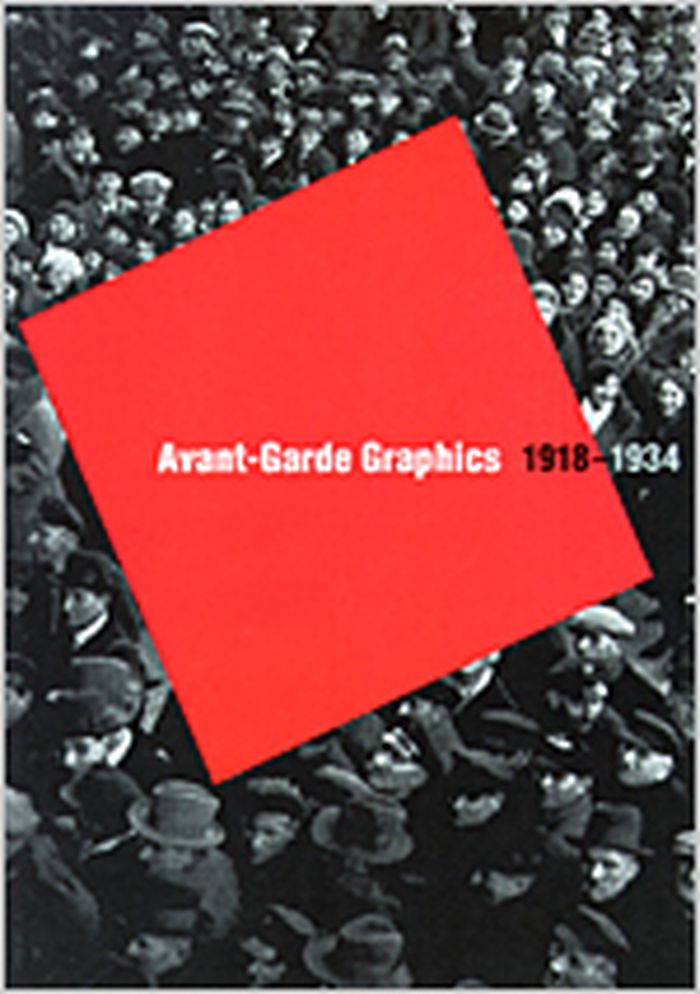
Avant-garde graphics 1918- 1934
Actions:
Price:
$39.50
(available to order)
Summary:
The early twentieth century was a time of extraordinary change in Europe. War and revolution shattered the traditional cohesion of European civilisation, while the machine age brought mass production and distribution and a new sense of internationalism. This ‘heroic’ period of modernity found particularly forceful expression in graphic design and photomontage throughout Europe, where new techniques allowed a fusion of typography, painting and photography, evoking the dynamism and fragmentation of cinema. "Avant-garde Graphics: 1918 – 34" showcases the work of many of the leading practitioners of the Modern movement, from Italian Futurists, the Dutch members of De Stijl and the German Bauhaus, to the Constructivists of Russia and central Europe. Drawn from the collection of Merrill C. Berman, one of the greatest collections of twentieth-century graphic art in the world, this book features colour reproductions of original posters, prints, book designs and political and commercial ephemera, together with original designers’ layouts and photomontages.
Avant-garde graphics 1918- 1934
Actions:
Price:
$39.50
(available to order)
Summary:
The early twentieth century was a time of extraordinary change in Europe. War and revolution shattered the traditional cohesion of European civilisation, while the machine age brought mass production and distribution and a new sense of internationalism. This ‘heroic’ period of modernity found particularly forceful expression in graphic design and photomontage throughout Europe, where new techniques allowed a fusion of typography, painting and photography, evoking the dynamism and fragmentation of cinema. "Avant-garde Graphics: 1918 – 34" showcases the work of many of the leading practitioners of the Modern movement, from Italian Futurists, the Dutch members of De Stijl and the German Bauhaus, to the Constructivists of Russia and central Europe. Drawn from the collection of Merrill C. Berman, one of the greatest collections of twentieth-century graphic art in the world, this book features colour reproductions of original posters, prints, book designs and political and commercial ephemera, together with original designers’ layouts and photomontages.
Form:
books
books
Publication:
October 2004, London
October 2004, London
Subject:
Graphic Design and Typography
Graphic Design and Typography
Form:
books
books
Actions:
Price:
$47.95
(available to order)
Summary:
"The Arcades Project" (1927–40), the monumental unfinished work of cultural criticism by Walter Benjamin, is the German philosopher’s effort to comprehend urban modernity through the 19th-century Parisian shopping arcade. "The Arcades: contemporary art and Walter Benjamin" combines artworks with archival materials and poetic interventions to form an original, multifaceted(...)
$47.95
(available to order)
Summary:
"The Arcades Project" (1927–40), the monumental unfinished work of cultural criticism by Walter Benjamin, is the German philosopher’s effort to comprehend urban modernity through the 19th-century Parisian shopping arcade. "The Arcades: contemporary art and Walter Benjamin" combines artworks with archival materials and poetic interventions to form an original, multifaceted(...)
Title:
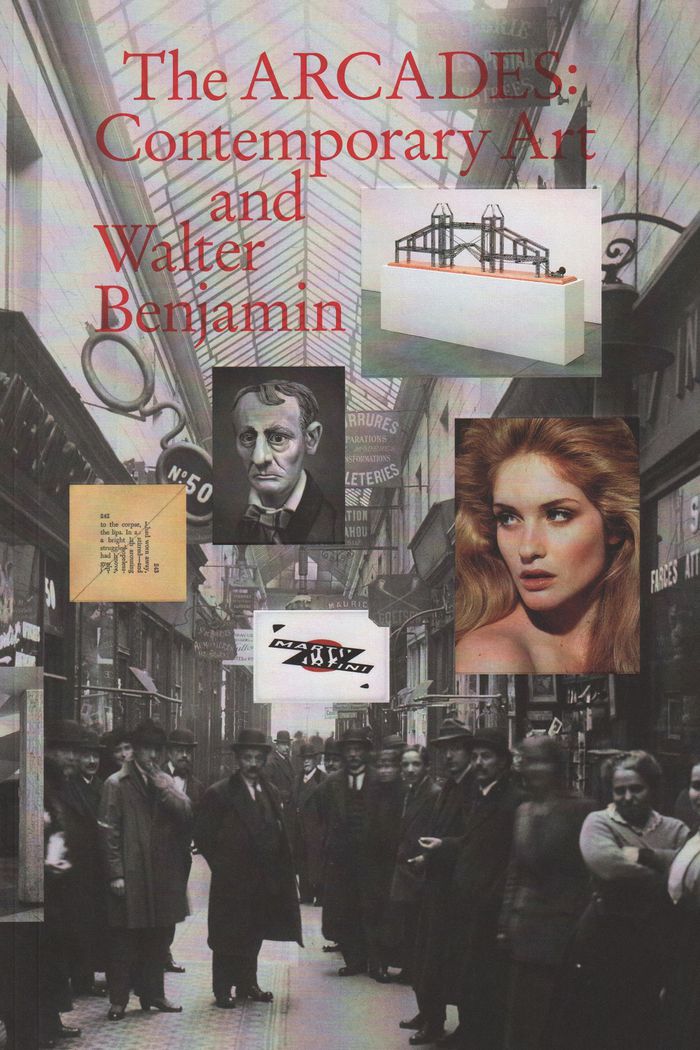
The Arcades: contemporary art and Walter Benjamin
Actions:
Price:
$47.95
(available to order)
Summary:
"The Arcades Project" (1927–40), the monumental unfinished work of cultural criticism by Walter Benjamin, is the German philosopher’s effort to comprehend urban modernity through the 19th-century Parisian shopping arcade. "The Arcades: contemporary art and Walter Benjamin" combines artworks with archival materials and poetic interventions to form an original, multifaceted response to this collagelike cultural text. Jens Hoffmann astutely pairs works by thirty-six well-known and emerging artists, including Lee Friedlander, Andreas Gursky, Pierre Huyghe, and Cindy Sherman, with the thirty-six “Convolutes,” or themes, in Benjamin’s text. Bound into the main volume is a graphic novelette, from the imagination of Vito Manolo Roma, of Benjamin’s dream the night before he committed suicide while fleeing the Nazis. Scholarly essays by Hoffmann and Caroline A. Jones, texts selected by the poet Kenneth Goldsmith, reproductions of Benjamin’s handwritten notes, and a list of the main Paris arcades discussed by him round out this extraordinary publication.
The Arcades: contemporary art and Walter Benjamin
Actions:
Price:
$47.95
(available to order)
Summary:
"The Arcades Project" (1927–40), the monumental unfinished work of cultural criticism by Walter Benjamin, is the German philosopher’s effort to comprehend urban modernity through the 19th-century Parisian shopping arcade. "The Arcades: contemporary art and Walter Benjamin" combines artworks with archival materials and poetic interventions to form an original, multifaceted response to this collagelike cultural text. Jens Hoffmann astutely pairs works by thirty-six well-known and emerging artists, including Lee Friedlander, Andreas Gursky, Pierre Huyghe, and Cindy Sherman, with the thirty-six “Convolutes,” or themes, in Benjamin’s text. Bound into the main volume is a graphic novelette, from the imagination of Vito Manolo Roma, of Benjamin’s dream the night before he committed suicide while fleeing the Nazis. Scholarly essays by Hoffmann and Caroline A. Jones, texts selected by the poet Kenneth Goldsmith, reproductions of Benjamin’s handwritten notes, and a list of the main Paris arcades discussed by him round out this extraordinary publication.
Form:
books
books
Publication:
March 2017
March 2017
Form:
books
books
Title:
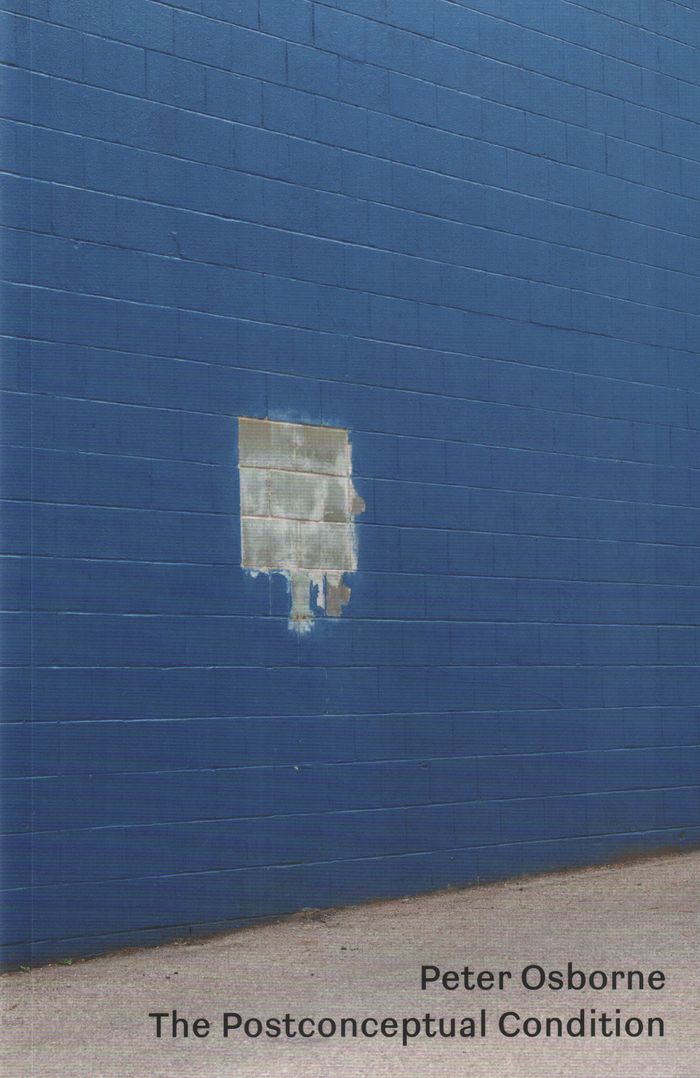
The postconceptual condition
The postconceptual condition
Actions:
Price:
$39.99
(available to order)
Summary:
If, as Walter Benjamin claimed, "it is the function of artistic form […] to make historical content into a philosophical truth” then it is the function of criticism to recover and to complete that truth. Contemporary art makes this work more difficult than ever. Today’s art is a point of condensation for a vast array of social and historical forces, economic and political(...)
$39.99
(available to order)
Summary:
If, as Walter Benjamin claimed, "it is the function of artistic form […] to make historical content into a philosophical truth” then it is the function of criticism to recover and to complete that truth. Contemporary art makes this work more difficult than ever. Today’s art is a point of condensation for a vast array of social and historical forces, economic and political(...)
Title:
The postconceptual condition
Actions:
Price:
$39.99
(available to order)
Summary:
If, as Walter Benjamin claimed, "it is the function of artistic form […] to make historical content into a philosophical truth” then it is the function of criticism to recover and to complete that truth. Contemporary art makes this work more difficult than ever. Today’s art is a point of condensation for a vast array of social and historical forces, economic and political forms, and technologies of image production. Contemporary art, Osborne maintains, expresses this condition through its distinctively postconceptual form. These essays—extending the scope and arguments of Osborne’s Anywhere or Not At All: Philosophy of Contemporary Art—move from a philosophical consideration of the changing temporal conditions of capitalist modernity, via problems of formalism, the politics of art and the changing shape of art institutions, to interpretation and analysis of particular works by Akram Zaatari, Xavier Le Roy and Ilya Kabakov, and the postconceptual situation of a crisis-ridden New Music.
The postconceptual condition
Actions:
Price:
$39.99
(available to order)
Summary:
If, as Walter Benjamin claimed, "it is the function of artistic form […] to make historical content into a philosophical truth” then it is the function of criticism to recover and to complete that truth. Contemporary art makes this work more difficult than ever. Today’s art is a point of condensation for a vast array of social and historical forces, economic and political forms, and technologies of image production. Contemporary art, Osborne maintains, expresses this condition through its distinctively postconceptual form. These essays—extending the scope and arguments of Osborne’s Anywhere or Not At All: Philosophy of Contemporary Art—move from a philosophical consideration of the changing temporal conditions of capitalist modernity, via problems of formalism, the politics of art and the changing shape of art institutions, to interpretation and analysis of particular works by Akram Zaatari, Xavier Le Roy and Ilya Kabakov, and the postconceptual situation of a crisis-ridden New Music.
Form:
books
books
Publication:
January 2018
January 2018
Subject:
Art Theory
Art Theory
Form:
books
books
Actions:
Price:
$49.95
(available to order)
Summary:
Sprawling beneath the Acropolis, modern Athens is commonly viewed in negative terms: congested, ugly and monotonous. A Mediterranean version of "informal" urbanism prevalent throughout the so-called developing world, ''Builders, Housewives and the Construction of Modern Athens'' reassesses the explosive growth of post-war Athens through its most distinctive building type,(...)
$49.95
(available to order)
Summary:
Sprawling beneath the Acropolis, modern Athens is commonly viewed in negative terms: congested, ugly and monotonous. A Mediterranean version of "informal" urbanism prevalent throughout the so-called developing world, ''Builders, Housewives and the Construction of Modern Athens'' reassesses the explosive growth of post-war Athens through its most distinctive building type,(...)
Title:
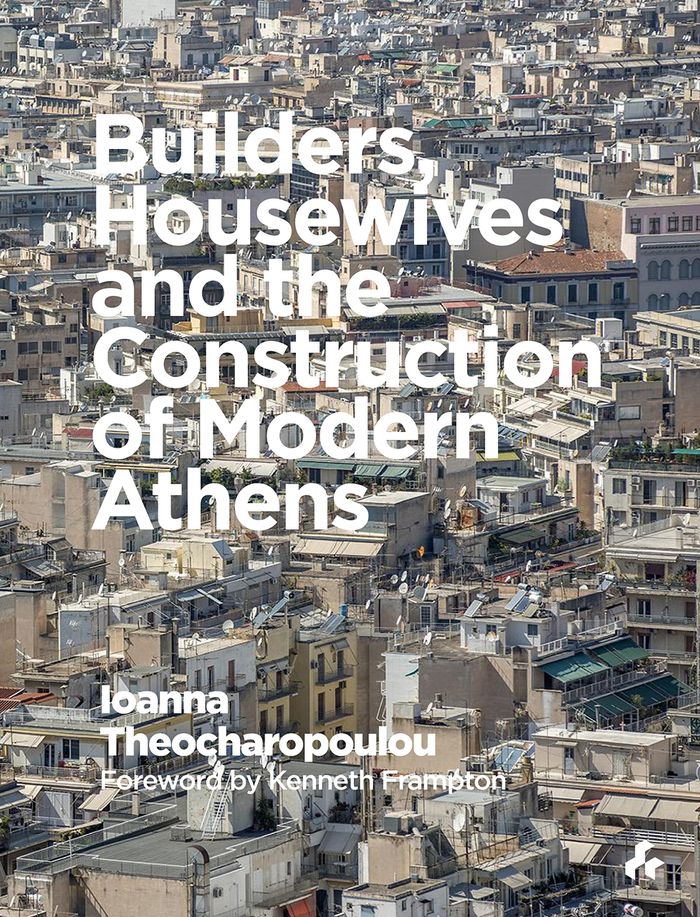
Builders, housewives, and the construction of modern Athens
Actions:
Price:
$49.95
(available to order)
Summary:
Sprawling beneath the Acropolis, modern Athens is commonly viewed in negative terms: congested, ugly and monotonous. A Mediterranean version of "informal" urbanism prevalent throughout the so-called developing world, ''Builders, Housewives and the Construction of Modern Athens'' reassesses the explosive growth of post-war Athens through its most distinctive building type, the polykatoikia, a small-scale multi-storey apartment block (from poly meaning "multiple" and oikos meaning "house"). Theocharopoulou re-evaluates the polykatoikia as a low-tech, easily constructible innovation that stimulated the post-war urban economy, triggering the city's social mid-twentieth century transformation, enabling the migrants who poured into Athens to become urban citizens, aspiring to a modern life. The interiors of the polykatoikia apartments reflect a desire for modernity as marketed to housewives through film and magazines. Regular builders became unlikely allies in designing these polykatoikia interiors, enabling inhabitants to exert agency over their daily lives ?and the shape of the post-war city.
Builders, housewives, and the construction of modern Athens
Actions:
Price:
$49.95
(available to order)
Summary:
Sprawling beneath the Acropolis, modern Athens is commonly viewed in negative terms: congested, ugly and monotonous. A Mediterranean version of "informal" urbanism prevalent throughout the so-called developing world, ''Builders, Housewives and the Construction of Modern Athens'' reassesses the explosive growth of post-war Athens through its most distinctive building type, the polykatoikia, a small-scale multi-storey apartment block (from poly meaning "multiple" and oikos meaning "house"). Theocharopoulou re-evaluates the polykatoikia as a low-tech, easily constructible innovation that stimulated the post-war urban economy, triggering the city's social mid-twentieth century transformation, enabling the migrants who poured into Athens to become urban citizens, aspiring to a modern life. The interiors of the polykatoikia apartments reflect a desire for modernity as marketed to housewives through film and magazines. Regular builders became unlikely allies in designing these polykatoikia interiors, enabling inhabitants to exert agency over their daily lives ?and the shape of the post-war city.
Form:
books
books
Publication:
January 2017
January 2017
Subject:
Collective Housing
Collective Housing


