


12611 Results
Form:
archives
Level of archival description:
Fonds
archives
Level of archival description:
Fonds
Actions:
Reference number:
AP074
Synopsis:
The Catherine Chard Wisnicki fonds contains photographs dating from about 1947, of a house project in West Vancouver which Chard Wisnicki, the first female graduate of the McGill School of Architecture, was assistant architect. The fonds also contains a videocassette recording of an interview with Chard Wisnicki from 1995, and one textual document from 1997.
AP074
Synopsis:
The Catherine Chard Wisnicki fonds contains photographs dating from about 1947, of a house project in West Vancouver which Chard Wisnicki, the first female graduate of the McGill School of Architecture, was assistant architect. The fonds also contains a videocassette recording of an interview with Chard Wisnicki from 1995, and one textual document from 1997.
People:
Date:
[ca. 1947], 1995, 1997
[ca. 1947], 1995, 1997
Title:
Catherine Chard Wisnicki fonds
Actions:
AP074
Synopsis:
The Catherine Chard Wisnicki fonds contains photographs dating from about 1947, of a house project in West Vancouver which Chard Wisnicki, the first female graduate of the McGill School of Architecture, was assistant architect. The fonds also contains a videocassette recording of an interview with Chard Wisnicki from 1995, and one textual document from 1997.
Catherine Chard Wisnicki fonds
Actions:
AP074
Synopsis:
The Catherine Chard Wisnicki fonds contains photographs dating from about 1947, of a house project in West Vancouver which Chard Wisnicki, the first female graduate of the McGill School of Architecture, was assistant architect. The fonds also contains a videocassette recording of an interview with Chard Wisnicki from 1995, and one textual document from 1997.
Form:
archives
Level of archival description:
Fonds
archives
Level of archival description:
Fonds
Date:
[ca. 1947], 1995, 1997
[ca. 1947], 1995, 1997
People:
Form:
events
events

Actions:
Description:
Join us on 8 May at 6pm for a lecture by Noelia Monteiro on her work at Estudio Flume. The studio, based in São Paulo, develops socio-environmental projects in remote areas of Brazil, aiming to protect traditional communities that preserve the Amazon rainforest. Monteiro’s work poses a key question: in the face of resource scarcity, how can we build with almost nothing?(...)
Join us on 8 May at 6pm for a lecture by Noelia Monteiro on her work at Estudio Flume. The studio, based in São Paulo, develops socio-environmental projects in remote areas of Brazil, aiming to protect traditional communities that preserve the Amazon rainforest. Monteiro’s work poses a key question: in the face of resource scarcity, how can we build with almost nothing?(...)
Location:
Paul-Desmarais Theatre
Paul-Desmarais Theatre
Date:
8 May 2025, 6pm
8 May 2025, 6pm
Title:
Groundwork with Noelia Monteiro
Actions:
Description:
Join us on 8 May at 6pm for a lecture by Noelia Monteiro on her work at Estudio Flume. The studio, based in São Paulo, develops socio-environmental projects in remote areas of Brazil, aiming to protect traditional communities that preserve the Amazon rainforest. Monteiro’s work poses a key question: in the face of resource scarcity, how can we build with almost nothing?(...)
Groundwork with Noelia Monteiro
Actions:
Description:
Join us on 8 May at 6pm for a lecture by Noelia Monteiro on her work at Estudio Flume. The studio, based in São Paulo, develops socio-environmental projects in remote areas of Brazil, aiming to protect traditional communities that preserve the Amazon rainforest. Monteiro’s work poses a key question: in the face of resource scarcity, how can we build with almost nothing?(...)
Form:
events
events
Date:
8 May 2025
6pm
8 May 2025
6pm
Location:
Paul-Desmarais Theatre
Paul-Desmarais Theatre
Level of archival description:
Project
Project
Actions:
Reference number:
CI005.S1.1930.PR1
Description:
When the Rotterdam Building Inspectorate, the Buowpolitie, merged with the municipal housing authority, the Rotterdam Woningdienst, M.J.I. de Jonge van Ellemeet was appointed as head in 1923. Van Ellemeet commissioned Oud to decorate his study in the Rotterdam town hall. The study was part of the director's suite, which consisted of one large room, divided into separate parts. Oud contributed designs for a desk, an office chair, a conference table and six chairs, although the conference chairs were presumably never built. The desk includes a heavy wooden top and metal frame; the office chair has a rounded back and armrests of red leather and a seat of rounded back and straight front. Researchers have noted the similarities between Oud's chair and an earlier design of Le Corbusier and Charlotte Perriand in 1929. The chair is covered in leather, has chromium legs and a rounded back (Taverne et al. 2001, 380). Project series includes drawings of designs for plans and one photograph of office furniture for M.J.I de Jonge van Ellemeet.
CI005.S1.1930.PR1
Description:
When the Rotterdam Building Inspectorate, the Buowpolitie, merged with the municipal housing authority, the Rotterdam Woningdienst, M.J.I. de Jonge van Ellemeet was appointed as head in 1923. Van Ellemeet commissioned Oud to decorate his study in the Rotterdam town hall. The study was part of the director's suite, which consisted of one large room, divided into separate parts. Oud contributed designs for a desk, an office chair, a conference table and six chairs, although the conference chairs were presumably never built. The desk includes a heavy wooden top and metal frame; the office chair has a rounded back and armrests of red leather and a seat of rounded back and straight front. Researchers have noted the similarities between Oud's chair and an earlier design of Le Corbusier and Charlotte Perriand in 1929. The chair is covered in leather, has chromium legs and a rounded back (Taverne et al. 2001, 380). Project series includes drawings of designs for plans and one photograph of office furniture for M.J.I de Jonge van Ellemeet.
People:
Date:
1930-1931
1930-1931
Title:
Interior of M.J.I. de Jonge van Ellemeet's Study, Rotterdam, Netherlands (1930-1931)
Actions:
CI005.S1.1930.PR1
Description:
When the Rotterdam Building Inspectorate, the Buowpolitie, merged with the municipal housing authority, the Rotterdam Woningdienst, M.J.I. de Jonge van Ellemeet was appointed as head in 1923. Van Ellemeet commissioned Oud to decorate his study in the Rotterdam town hall. The study was part of the director's suite, which consisted of one large room, divided into separate parts. Oud contributed designs for a desk, an office chair, a conference table and six chairs, although the conference chairs were presumably never built. The desk includes a heavy wooden top and metal frame; the office chair has a rounded back and armrests of red leather and a seat of rounded back and straight front. Researchers have noted the similarities between Oud's chair and an earlier design of Le Corbusier and Charlotte Perriand in 1929. The chair is covered in leather, has chromium legs and a rounded back (Taverne et al. 2001, 380). Project series includes drawings of designs for plans and one photograph of office furniture for M.J.I de Jonge van Ellemeet.
Interior of M.J.I. de Jonge van Ellemeet's Study, Rotterdam, Netherlands (1930-1931)
Actions:
CI005.S1.1930.PR1
Description:
When the Rotterdam Building Inspectorate, the Buowpolitie, merged with the municipal housing authority, the Rotterdam Woningdienst, M.J.I. de Jonge van Ellemeet was appointed as head in 1923. Van Ellemeet commissioned Oud to decorate his study in the Rotterdam town hall. The study was part of the director's suite, which consisted of one large room, divided into separate parts. Oud contributed designs for a desk, an office chair, a conference table and six chairs, although the conference chairs were presumably never built. The desk includes a heavy wooden top and metal frame; the office chair has a rounded back and armrests of red leather and a seat of rounded back and straight front. Researchers have noted the similarities between Oud's chair and an earlier design of Le Corbusier and Charlotte Perriand in 1929. The chair is covered in leather, has chromium legs and a rounded back (Taverne et al. 2001, 380). Project series includes drawings of designs for plans and one photograph of office furniture for M.J.I de Jonge van Ellemeet.
Level of archival description:
project
project
Date:
1930-1931
1930-1931
People:
Form:
textual records
textual records
Actions:
Reference number:
AP197.S1.SS9.015
Description:
The box contains drafts, final copies, correspondence and notes for various articles, book projects, interviews, keynote addresses, and lectures by Kenneth Frampton. The materials are organized in alphabetical order, from I-K. The largest portion of this box consists of: drafts and transcripts of interviews with Kenneth Frampton; drafts, articles, correspondence and research materials for an unpublished book project on Japanese Building Practices/Japanese Contemporary Architecture; correspondence and drafts for the Jerusalem Seminar in Architecture; and correspondence and notes for a Panos Koulermos book project. Other subjects and architects explored in these texts include Arata Isozaki, Kritsin Jaramund, Michael Kagan, Louis Kahn, Rem Koolhaas, Kengo Kuma, and Kisho Kurakawa.
AP197.S1.SS9.015
Description:
The box contains drafts, final copies, correspondence and notes for various articles, book projects, interviews, keynote addresses, and lectures by Kenneth Frampton. The materials are organized in alphabetical order, from I-K. The largest portion of this box consists of: drafts and transcripts of interviews with Kenneth Frampton; drafts, articles, correspondence and research materials for an unpublished book project on Japanese Building Practices/Japanese Contemporary Architecture; correspondence and drafts for the Jerusalem Seminar in Architecture; and correspondence and notes for a Panos Koulermos book project. Other subjects and architects explored in these texts include Arata Isozaki, Kritsin Jaramund, Michael Kagan, Louis Kahn, Rem Koolhaas, Kengo Kuma, and Kisho Kurakawa.
People:
Date:
1985-2016
1985-2016
Title:
Kenneth Frampton writings (I-K)
Actions:
AP197.S1.SS9.015
Description:
The box contains drafts, final copies, correspondence and notes for various articles, book projects, interviews, keynote addresses, and lectures by Kenneth Frampton. The materials are organized in alphabetical order, from I-K. The largest portion of this box consists of: drafts and transcripts of interviews with Kenneth Frampton; drafts, articles, correspondence and research materials for an unpublished book project on Japanese Building Practices/Japanese Contemporary Architecture; correspondence and drafts for the Jerusalem Seminar in Architecture; and correspondence and notes for a Panos Koulermos book project. Other subjects and architects explored in these texts include Arata Isozaki, Kritsin Jaramund, Michael Kagan, Louis Kahn, Rem Koolhaas, Kengo Kuma, and Kisho Kurakawa.
Kenneth Frampton writings (I-K)
Actions:
AP197.S1.SS9.015
Description:
The box contains drafts, final copies, correspondence and notes for various articles, book projects, interviews, keynote addresses, and lectures by Kenneth Frampton. The materials are organized in alphabetical order, from I-K. The largest portion of this box consists of: drafts and transcripts of interviews with Kenneth Frampton; drafts, articles, correspondence and research materials for an unpublished book project on Japanese Building Practices/Japanese Contemporary Architecture; correspondence and drafts for the Jerusalem Seminar in Architecture; and correspondence and notes for a Panos Koulermos book project. Other subjects and architects explored in these texts include Arata Isozaki, Kritsin Jaramund, Michael Kagan, Louis Kahn, Rem Koolhaas, Kengo Kuma, and Kisho Kurakawa.
Form:
textual records
textual records
Date:
1985-2016
1985-2016
People:
Level of archival description:
Project
Project
Reference number:
AP144.S2.D90
Description:
File documents an unsuccessful competition entry for the River Clyde Study & Ideas Competition, organised by the City of Glasgow, Scotland, for the rehabilitation of sections of the river bank. Cedric Price's entry proposed the conversion of existing coal yards and abandoned docks with a "metropolitan farm" including a food-growing complex, fish and hydroponic farms, and marketing facilities, along with a new public river transportation system. An existing conditions survey and a map show the docks and areas along the River Clyde. Design development drawings of diagrams and charts explore the various activities and the accommodation of each activity within the design limitations associated with it. Components of the plan are organized by activity type, location, and the amount of time required per activity. The activities shown include shopping, observation, gardening, employment, sports, and retraining. Other components of the plan are shown in detail: housing, the city farm, research center, a ferry and ferry stop, and a floating jungle. A diagram plots the travel time from the project area to various locations within Glascow. A public survey card monitors the project. One plan compares the size of this project site with other sites including that of Abu Dhabi Breakwater (AP144.S2.D94). Reprographic copies show regional relevance, and explore "test-bed" areas for activities such as forestry and agriculture. Some material in this file was published in 'Cedric Price-Works II' (London: Architectural Press, 1984), 36, 39. Material in this file was produced between 1973 and1988, but predominantly in 1973. File contains conceptual drawings, design development drawings, cartographic materials, and textual records.
AP144.S2.D90
Description:
File documents an unsuccessful competition entry for the River Clyde Study & Ideas Competition, organised by the City of Glasgow, Scotland, for the rehabilitation of sections of the river bank. Cedric Price's entry proposed the conversion of existing coal yards and abandoned docks with a "metropolitan farm" including a food-growing complex, fish and hydroponic farms, and marketing facilities, along with a new public river transportation system. An existing conditions survey and a map show the docks and areas along the River Clyde. Design development drawings of diagrams and charts explore the various activities and the accommodation of each activity within the design limitations associated with it. Components of the plan are organized by activity type, location, and the amount of time required per activity. The activities shown include shopping, observation, gardening, employment, sports, and retraining. Other components of the plan are shown in detail: housing, the city farm, research center, a ferry and ferry stop, and a floating jungle. A diagram plots the travel time from the project area to various locations within Glascow. A public survey card monitors the project. One plan compares the size of this project site with other sites including that of Abu Dhabi Breakwater (AP144.S2.D94). Reprographic copies show regional relevance, and explore "test-bed" areas for activities such as forestry and agriculture. Some material in this file was published in 'Cedric Price-Works II' (London: Architectural Press, 1984), 36, 39. Material in this file was produced between 1973 and1988, but predominantly in 1973. File contains conceptual drawings, design development drawings, cartographic materials, and textual records.
People:
Date:
1973-1988, predominant 1973
1973-1988, predominant 1973
Title:
River Clyde Competition
Actions:
AP144.S2.D90
Description:
File documents an unsuccessful competition entry for the River Clyde Study & Ideas Competition, organised by the City of Glasgow, Scotland, for the rehabilitation of sections of the river bank. Cedric Price's entry proposed the conversion of existing coal yards and abandoned docks with a "metropolitan farm" including a food-growing complex, fish and hydroponic farms, and marketing facilities, along with a new public river transportation system. An existing conditions survey and a map show the docks and areas along the River Clyde. Design development drawings of diagrams and charts explore the various activities and the accommodation of each activity within the design limitations associated with it. Components of the plan are organized by activity type, location, and the amount of time required per activity. The activities shown include shopping, observation, gardening, employment, sports, and retraining. Other components of the plan are shown in detail: housing, the city farm, research center, a ferry and ferry stop, and a floating jungle. A diagram plots the travel time from the project area to various locations within Glascow. A public survey card monitors the project. One plan compares the size of this project site with other sites including that of Abu Dhabi Breakwater (AP144.S2.D94). Reprographic copies show regional relevance, and explore "test-bed" areas for activities such as forestry and agriculture. Some material in this file was published in 'Cedric Price-Works II' (London: Architectural Press, 1984), 36, 39. Material in this file was produced between 1973 and1988, but predominantly in 1973. File contains conceptual drawings, design development drawings, cartographic materials, and textual records.
River Clyde Competition
Actions:
AP144.S2.D90
Description:
File documents an unsuccessful competition entry for the River Clyde Study & Ideas Competition, organised by the City of Glasgow, Scotland, for the rehabilitation of sections of the river bank. Cedric Price's entry proposed the conversion of existing coal yards and abandoned docks with a "metropolitan farm" including a food-growing complex, fish and hydroponic farms, and marketing facilities, along with a new public river transportation system. An existing conditions survey and a map show the docks and areas along the River Clyde. Design development drawings of diagrams and charts explore the various activities and the accommodation of each activity within the design limitations associated with it. Components of the plan are organized by activity type, location, and the amount of time required per activity. The activities shown include shopping, observation, gardening, employment, sports, and retraining. Other components of the plan are shown in detail: housing, the city farm, research center, a ferry and ferry stop, and a floating jungle. A diagram plots the travel time from the project area to various locations within Glascow. A public survey card monitors the project. One plan compares the size of this project site with other sites including that of Abu Dhabi Breakwater (AP144.S2.D94). Reprographic copies show regional relevance, and explore "test-bed" areas for activities such as forestry and agriculture. Some material in this file was published in 'Cedric Price-Works II' (London: Architectural Press, 1984), 36, 39. Material in this file was produced between 1973 and1988, but predominantly in 1973. File contains conceptual drawings, design development drawings, cartographic materials, and textual records.
Level of archival description:
File 90
File 90
Date:
1973-1988, predominant 1973
1973-1988, predominant 1973
People:
Level of archival description:
Project
Project
Title:
Mostra AR Parigi
Mostra AR Parigi
Actions:
Reference number:
AP142.S2.D4
Description:
File documents an exhibition on Aldo Rossi that was held in 1991 at the Centre Georges Pompidou, Paris, France, at Stichting de Beurs van Berlage, Amsterdam, Netherlands (1992), and at Berlinische Galerie, Berlin, Germany (1993), at Stedelijk Museum voor Actuele Kunst, Ghent, Belgium (1993). The exhibition travelled or was intended to travel to Brussels, Belgium, Santiago de Compostela, Spain, Moscow, Russia, New York City, United States, and Tokyo, Japan. Further research may confirm these and other sites for the exhibition. Material in this file was produced in 1991 and 1993. File contains textual records, including sketches, drawings, correspondence, architect's statements, estimates, appraisals, invoices, calculations, administrative records, financial records, price lists, clippings, business cards, memorandums, layouts, lists of exhibited works, a list of donated works, acquisitions lists, lists of lenders of works, lists of photographs for the catalogue, lists of projects by Aldo Rossi, a schedule for drawings, imprints and draft imprints, exhibition plans and layouts, invitations, an exhibition guide book, a pamphlet on the furniture of Aldo Rossi, a calendar, a bibliography, a biographical chronology, drafts and the published exhibition catalogue 'Aldo Rossi par Aldo Rossi, architecte', and material for Alberto Ferlenga's 'Aldo Rossi: Architetture 1988-1992', a floppy disk, drafts for the exhibition and exhibition catalogue, draft exhibition labels, a document label, a report, notes, photocopies of views of drawings, views of models, and views of completed projects, negatives, and photographs, including contact sheets, views of models, views of an exhibition showing drawings and models, and views of completed projects by Aldo Rossi.
AP142.S2.D4
Description:
File documents an exhibition on Aldo Rossi that was held in 1991 at the Centre Georges Pompidou, Paris, France, at Stichting de Beurs van Berlage, Amsterdam, Netherlands (1992), and at Berlinische Galerie, Berlin, Germany (1993), at Stedelijk Museum voor Actuele Kunst, Ghent, Belgium (1993). The exhibition travelled or was intended to travel to Brussels, Belgium, Santiago de Compostela, Spain, Moscow, Russia, New York City, United States, and Tokyo, Japan. Further research may confirm these and other sites for the exhibition. Material in this file was produced in 1991 and 1993. File contains textual records, including sketches, drawings, correspondence, architect's statements, estimates, appraisals, invoices, calculations, administrative records, financial records, price lists, clippings, business cards, memorandums, layouts, lists of exhibited works, a list of donated works, acquisitions lists, lists of lenders of works, lists of photographs for the catalogue, lists of projects by Aldo Rossi, a schedule for drawings, imprints and draft imprints, exhibition plans and layouts, invitations, an exhibition guide book, a pamphlet on the furniture of Aldo Rossi, a calendar, a bibliography, a biographical chronology, drafts and the published exhibition catalogue 'Aldo Rossi par Aldo Rossi, architecte', and material for Alberto Ferlenga's 'Aldo Rossi: Architetture 1988-1992', a floppy disk, drafts for the exhibition and exhibition catalogue, draft exhibition labels, a document label, a report, notes, photocopies of views of drawings, views of models, and views of completed projects, negatives, and photographs, including contact sheets, views of models, views of an exhibition showing drawings and models, and views of completed projects by Aldo Rossi.
People:
Date:
1991-1993
1991-1993
Title:
Mostra AR Parigi
Actions:
AP142.S2.D4
Description:
File documents an exhibition on Aldo Rossi that was held in 1991 at the Centre Georges Pompidou, Paris, France, at Stichting de Beurs van Berlage, Amsterdam, Netherlands (1992), and at Berlinische Galerie, Berlin, Germany (1993), at Stedelijk Museum voor Actuele Kunst, Ghent, Belgium (1993). The exhibition travelled or was intended to travel to Brussels, Belgium, Santiago de Compostela, Spain, Moscow, Russia, New York City, United States, and Tokyo, Japan. Further research may confirm these and other sites for the exhibition. Material in this file was produced in 1991 and 1993. File contains textual records, including sketches, drawings, correspondence, architect's statements, estimates, appraisals, invoices, calculations, administrative records, financial records, price lists, clippings, business cards, memorandums, layouts, lists of exhibited works, a list of donated works, acquisitions lists, lists of lenders of works, lists of photographs for the catalogue, lists of projects by Aldo Rossi, a schedule for drawings, imprints and draft imprints, exhibition plans and layouts, invitations, an exhibition guide book, a pamphlet on the furniture of Aldo Rossi, a calendar, a bibliography, a biographical chronology, drafts and the published exhibition catalogue 'Aldo Rossi par Aldo Rossi, architecte', and material for Alberto Ferlenga's 'Aldo Rossi: Architetture 1988-1992', a floppy disk, drafts for the exhibition and exhibition catalogue, draft exhibition labels, a document label, a report, notes, photocopies of views of drawings, views of models, and views of completed projects, negatives, and photographs, including contact sheets, views of models, views of an exhibition showing drawings and models, and views of completed projects by Aldo Rossi.
Mostra AR Parigi
Actions:
AP142.S2.D4
Description:
File documents an exhibition on Aldo Rossi that was held in 1991 at the Centre Georges Pompidou, Paris, France, at Stichting de Beurs van Berlage, Amsterdam, Netherlands (1992), and at Berlinische Galerie, Berlin, Germany (1993), at Stedelijk Museum voor Actuele Kunst, Ghent, Belgium (1993). The exhibition travelled or was intended to travel to Brussels, Belgium, Santiago de Compostela, Spain, Moscow, Russia, New York City, United States, and Tokyo, Japan. Further research may confirm these and other sites for the exhibition. Material in this file was produced in 1991 and 1993. File contains textual records, including sketches, drawings, correspondence, architect's statements, estimates, appraisals, invoices, calculations, administrative records, financial records, price lists, clippings, business cards, memorandums, layouts, lists of exhibited works, a list of donated works, acquisitions lists, lists of lenders of works, lists of photographs for the catalogue, lists of projects by Aldo Rossi, a schedule for drawings, imprints and draft imprints, exhibition plans and layouts, invitations, an exhibition guide book, a pamphlet on the furniture of Aldo Rossi, a calendar, a bibliography, a biographical chronology, drafts and the published exhibition catalogue 'Aldo Rossi par Aldo Rossi, architecte', and material for Alberto Ferlenga's 'Aldo Rossi: Architetture 1988-1992', a floppy disk, drafts for the exhibition and exhibition catalogue, draft exhibition labels, a document label, a report, notes, photocopies of views of drawings, views of models, and views of completed projects, negatives, and photographs, including contact sheets, views of models, views of an exhibition showing drawings and models, and views of completed projects by Aldo Rossi.
Level of archival description:
File 4
File 4
Date:
1991-1993
1991-1993
People:
Level of archival description:
Project
Project
Actions:
Reference number:
AP018.S1.1974.PR20
Description:
This project series documents the design of a condominium complex in Sainte-Anne-de-Bellevue, Quebec from 1974-1976. The office identified the project number as 7426. This project consisted of a proposed condominium complex, composed of multiple low-rise buildings, with approximately 40-54 units located on Senneville Road next to the Lake of Two Mountains. Many schemes were considered for this project, including one with a series of modular buildings on a diagonal grid, and another with a perimeter of modular buildings with a courtyard in the middle. Despite the scheme, these condo buildings were always low-rise, with a few units per building. This may have been due to the fact that the lot was zoned for single dwelling, townhouse, duplex or triplex homes with a maximum of three storeys. There were also several schemes for the parking, such as a parking garage, individual driveways, or parking underground each unit. This project, commissioned by TransAtlantic Consultants Limited in Montreal, changed many times as budgets were reduced over the years. In the end, it seems the project was never constructed. The project is recorded through drawings and textual records dating from 1974-1976. Most of the drawings are original design drawings of plans, sections, elevations and an isometric, with some reprographic copies arranged within the textual materials. The textual records include correspondence, conference reports, interoffice memos, survey and site data, local by-laws, construction documentations, cost estimates and research. There is an index to the textual records, created by the office, located before file AP018.S1.1974.PR20.007.
AP018.S1.1974.PR20
Description:
This project series documents the design of a condominium complex in Sainte-Anne-de-Bellevue, Quebec from 1974-1976. The office identified the project number as 7426. This project consisted of a proposed condominium complex, composed of multiple low-rise buildings, with approximately 40-54 units located on Senneville Road next to the Lake of Two Mountains. Many schemes were considered for this project, including one with a series of modular buildings on a diagonal grid, and another with a perimeter of modular buildings with a courtyard in the middle. Despite the scheme, these condo buildings were always low-rise, with a few units per building. This may have been due to the fact that the lot was zoned for single dwelling, townhouse, duplex or triplex homes with a maximum of three storeys. There were also several schemes for the parking, such as a parking garage, individual driveways, or parking underground each unit. This project, commissioned by TransAtlantic Consultants Limited in Montreal, changed many times as budgets were reduced over the years. In the end, it seems the project was never constructed. The project is recorded through drawings and textual records dating from 1974-1976. Most of the drawings are original design drawings of plans, sections, elevations and an isometric, with some reprographic copies arranged within the textual materials. The textual records include correspondence, conference reports, interoffice memos, survey and site data, local by-laws, construction documentations, cost estimates and research. There is an index to the textual records, created by the office, located before file AP018.S1.1974.PR20.007.
People:
Date:
1974-1976
1974-1976
Title:
Senneville Condominiums, Sainte-Anne-de-Bellevue, Quebec (1974-1976)
Actions:
AP018.S1.1974.PR20
Description:
This project series documents the design of a condominium complex in Sainte-Anne-de-Bellevue, Quebec from 1974-1976. The office identified the project number as 7426. This project consisted of a proposed condominium complex, composed of multiple low-rise buildings, with approximately 40-54 units located on Senneville Road next to the Lake of Two Mountains. Many schemes were considered for this project, including one with a series of modular buildings on a diagonal grid, and another with a perimeter of modular buildings with a courtyard in the middle. Despite the scheme, these condo buildings were always low-rise, with a few units per building. This may have been due to the fact that the lot was zoned for single dwelling, townhouse, duplex or triplex homes with a maximum of three storeys. There were also several schemes for the parking, such as a parking garage, individual driveways, or parking underground each unit. This project, commissioned by TransAtlantic Consultants Limited in Montreal, changed many times as budgets were reduced over the years. In the end, it seems the project was never constructed. The project is recorded through drawings and textual records dating from 1974-1976. Most of the drawings are original design drawings of plans, sections, elevations and an isometric, with some reprographic copies arranged within the textual materials. The textual records include correspondence, conference reports, interoffice memos, survey and site data, local by-laws, construction documentations, cost estimates and research. There is an index to the textual records, created by the office, located before file AP018.S1.1974.PR20.007.
Senneville Condominiums, Sainte-Anne-de-Bellevue, Quebec (1974-1976)
Actions:
AP018.S1.1974.PR20
Description:
This project series documents the design of a condominium complex in Sainte-Anne-de-Bellevue, Quebec from 1974-1976. The office identified the project number as 7426. This project consisted of a proposed condominium complex, composed of multiple low-rise buildings, with approximately 40-54 units located on Senneville Road next to the Lake of Two Mountains. Many schemes were considered for this project, including one with a series of modular buildings on a diagonal grid, and another with a perimeter of modular buildings with a courtyard in the middle. Despite the scheme, these condo buildings were always low-rise, with a few units per building. This may have been due to the fact that the lot was zoned for single dwelling, townhouse, duplex or triplex homes with a maximum of three storeys. There were also several schemes for the parking, such as a parking garage, individual driveways, or parking underground each unit. This project, commissioned by TransAtlantic Consultants Limited in Montreal, changed many times as budgets were reduced over the years. In the end, it seems the project was never constructed. The project is recorded through drawings and textual records dating from 1974-1976. Most of the drawings are original design drawings of plans, sections, elevations and an isometric, with some reprographic copies arranged within the textual materials. The textual records include correspondence, conference reports, interoffice memos, survey and site data, local by-laws, construction documentations, cost estimates and research. There is an index to the textual records, created by the office, located before file AP018.S1.1974.PR20.007.
Level of archival description:
Project
Project
Date:
1974-1976
1974-1976
People:
Form:
articles
articles
Title:
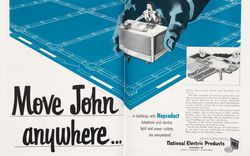
Controlling Comfort
Controlling Comfort
Actions:
Text by Manfredo di Robilant
Issue:
The rest of your senses
The rest of your senses
Keyword(s):
20th century, advertisement, air conditioning, American Iron and Steel Institute, Amérique du Nord, Architectural Forum, Architectural Review, Chrysler, climatisation, Committee on Steel Pipe Research, États-Unis, House Beautiful, Manfredo di Robilant, National Electric Products, North America, Progressive Architecture, publication, publicité, Seconde Guerre mondiale, Second World War, technologie, technology, United States, XXe siècle
20th century, advertisement, air conditioning, American Iron and Steel Institute, Amérique du Nord, Architectural Forum, Architectural Review, Chrysler, climatisation, Committee on Steel Pipe Research, États-Unis, House Beautiful, Manfredo di Robilant, National Electric Products, North America, Progressive Architecture, publication, publicité, Seconde Guerre mondiale, Second World War, technologie, technology, United States, XXe siècle
Published:
1 October 2012
1 October 2012
Issue:
The rest of your senses
The rest of your senses
Form:
events
events
Actions:
Description:
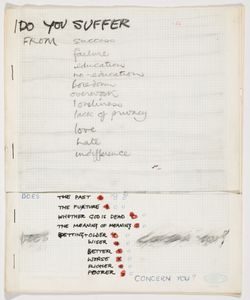
As part of the first phase of the CCA’s Mellon Multidisciplinary Research Program, Nick Beech, Timothy Ivison, Simon Sadler and Ben Sweeting discuss their ongoing research into cultural transformation and architecture in postwar Britain:
As part of the first phase of the CCA’s Mellon Multidisciplinary Research Program, Nick Beech, Timothy Ivison, Simon Sadler and Ben Sweeting discuss their ongoing research into cultural transformation and architecture in postwar Britain:
Location:
Shaughnessy House
Shaughnessy House
Date:
10 September 2015 , 6PM
10 September 2015 , 6PM
Title:
British Architecture and the Contestation of Postwar Cultural Consensus
Actions:
Description:
As part of the first phase of the CCA’s Mellon Multidisciplinary Research Program, Nick Beech, Timothy Ivison, Simon Sadler and Ben Sweeting discuss their ongoing research into cultural transformation and architecture in postwar Britain:
British Architecture and the Contestation of Postwar Cultural Consensus
Actions:
Description:
As part of the first phase of the CCA’s Mellon Multidisciplinary Research Program, Nick Beech, Timothy Ivison, Simon Sadler and Ben Sweeting discuss their ongoing research into cultural transformation and architecture in postwar Britain:
Form:
events
events
Date:
10 September 2015
6PM
10 September 2015
6PM
Location:
Shaughnessy House
Shaughnessy House
Level of archival description:
Project
Project
Actions:
Reference number:
AP075.S1.1997.PR02
Description:
Project series documents Cornelia Hahn Oberlander's landscape project for the Waterfall Building on West 2nd Avenue, near the entrance of Granville Island, in Vancouver, British Columbia. Oberlander worked on this project in 1998-2001 with architect Arthur Erickson and architectural firm Nick Milkovich Architects, who designed the building. The building consists in five separated structures to accomodate studios spaces as well as split-level residences. It also included a courtyard and roof gardens on all five building structures for which Oberlander was responsible of the design. The courtyard, formed by in the roof of the underground parking space, consists "a simple tapestry of pavers, ground cover, trees and a small reflecting basin [...]." [1] The roofs garden included planting of white roses at the edge of the building and ornemental grass. The rooftops serve as communal patio for the residents and was accesible to the public. The project was completed in 2001. The Waterfall Building was the last project Oberlander realized in collaboration with Arthur Erickson. The project series includes sketches, design development drawings, including planting plans for the courtyard and the rooftops, working drawings, such as landscape plans for the courtyard and planting plans. The drawings in this series also includes drawings of the building used as reference. The project is also documented through research material for the project, specifications, plant lists, correspondence, including correspondence with architects and client, meeting notes, reports, financial document, a promotional poster on the project, and photographs of the landscaping work and plant selection. Source: [1] Herrington, Susan. Cornelia Hahn Oberlander: Making the Modern Landscape, University of Virginia Press, 2014, 304 pages. p. 142.
AP075.S1.1997.PR02
Description:
Project series documents Cornelia Hahn Oberlander's landscape project for the Waterfall Building on West 2nd Avenue, near the entrance of Granville Island, in Vancouver, British Columbia. Oberlander worked on this project in 1998-2001 with architect Arthur Erickson and architectural firm Nick Milkovich Architects, who designed the building. The building consists in five separated structures to accomodate studios spaces as well as split-level residences. It also included a courtyard and roof gardens on all five building structures for which Oberlander was responsible of the design. The courtyard, formed by in the roof of the underground parking space, consists "a simple tapestry of pavers, ground cover, trees and a small reflecting basin [...]." [1] The roofs garden included planting of white roses at the edge of the building and ornemental grass. The rooftops serve as communal patio for the residents and was accesible to the public. The project was completed in 2001. The Waterfall Building was the last project Oberlander realized in collaboration with Arthur Erickson. The project series includes sketches, design development drawings, including planting plans for the courtyard and the rooftops, working drawings, such as landscape plans for the courtyard and planting plans. The drawings in this series also includes drawings of the building used as reference. The project is also documented through research material for the project, specifications, plant lists, correspondence, including correspondence with architects and client, meeting notes, reports, financial document, a promotional poster on the project, and photographs of the landscaping work and plant selection. Source: [1] Herrington, Susan. Cornelia Hahn Oberlander: Making the Modern Landscape, University of Virginia Press, 2014, 304 pages. p. 142.
People:
Date:
1997-2001
1997-2001
Title:
The Waterfall Building, Vancouver, British Columbia (1997)
Actions:
AP075.S1.1997.PR02
Description:
Project series documents Cornelia Hahn Oberlander's landscape project for the Waterfall Building on West 2nd Avenue, near the entrance of Granville Island, in Vancouver, British Columbia. Oberlander worked on this project in 1998-2001 with architect Arthur Erickson and architectural firm Nick Milkovich Architects, who designed the building. The building consists in five separated structures to accomodate studios spaces as well as split-level residences. It also included a courtyard and roof gardens on all five building structures for which Oberlander was responsible of the design. The courtyard, formed by in the roof of the underground parking space, consists "a simple tapestry of pavers, ground cover, trees and a small reflecting basin [...]." [1] The roofs garden included planting of white roses at the edge of the building and ornemental grass. The rooftops serve as communal patio for the residents and was accesible to the public. The project was completed in 2001. The Waterfall Building was the last project Oberlander realized in collaboration with Arthur Erickson. The project series includes sketches, design development drawings, including planting plans for the courtyard and the rooftops, working drawings, such as landscape plans for the courtyard and planting plans. The drawings in this series also includes drawings of the building used as reference. The project is also documented through research material for the project, specifications, plant lists, correspondence, including correspondence with architects and client, meeting notes, reports, financial document, a promotional poster on the project, and photographs of the landscaping work and plant selection. Source: [1] Herrington, Susan. Cornelia Hahn Oberlander: Making the Modern Landscape, University of Virginia Press, 2014, 304 pages. p. 142.
The Waterfall Building, Vancouver, British Columbia (1997)
Actions:
AP075.S1.1997.PR02
Description:
Project series documents Cornelia Hahn Oberlander's landscape project for the Waterfall Building on West 2nd Avenue, near the entrance of Granville Island, in Vancouver, British Columbia. Oberlander worked on this project in 1998-2001 with architect Arthur Erickson and architectural firm Nick Milkovich Architects, who designed the building. The building consists in five separated structures to accomodate studios spaces as well as split-level residences. It also included a courtyard and roof gardens on all five building structures for which Oberlander was responsible of the design. The courtyard, formed by in the roof of the underground parking space, consists "a simple tapestry of pavers, ground cover, trees and a small reflecting basin [...]." [1] The roofs garden included planting of white roses at the edge of the building and ornemental grass. The rooftops serve as communal patio for the residents and was accesible to the public. The project was completed in 2001. The Waterfall Building was the last project Oberlander realized in collaboration with Arthur Erickson. The project series includes sketches, design development drawings, including planting plans for the courtyard and the rooftops, working drawings, such as landscape plans for the courtyard and planting plans. The drawings in this series also includes drawings of the building used as reference. The project is also documented through research material for the project, specifications, plant lists, correspondence, including correspondence with architects and client, meeting notes, reports, financial document, a promotional poster on the project, and photographs of the landscaping work and plant selection. Source: [1] Herrington, Susan. Cornelia Hahn Oberlander: Making the Modern Landscape, University of Virginia Press, 2014, 304 pages. p. 142.
Level of archival description:
Project
Project
Date:
1997-2001
1997-2001
People:


