


165 Results
Form:
books
books
Actions:
Price:
$60.00
(available to order)
Summary:
For three years, Caleb Cain Marcus has been photographing what Robert Frank calls, in his haiku-esque preface to this volume, “the light of night.” The black-and-white photographs collected in this monograph explore the silent and haunting experience of walking alone after dark on the streets of New York City. Caleb Cain Marcus savors the strange solitude that follows the(...)
$60.00
(available to order)
Summary:
For three years, Caleb Cain Marcus has been photographing what Robert Frank calls, in his haiku-esque preface to this volume, “the light of night.” The black-and-white photographs collected in this monograph explore the silent and haunting experience of walking alone after dark on the streets of New York City. Caleb Cain Marcus savors the strange solitude that follows the(...)
Title:
The silent aftermath of space
Actions:
Price:
$60.00
(available to order)
Summary:
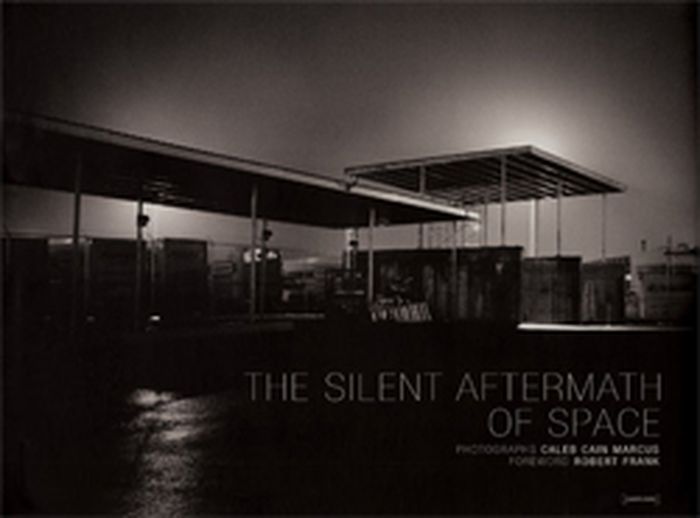
For three years, Caleb Cain Marcus has been photographing what Robert Frank calls, in his haiku-esque preface to this volume, “the light of night.” The black-and-white photographs collected in this monograph explore the silent and haunting experience of walking alone after dark on the streets of New York City. Caleb Cain Marcus savors the strange solitude that follows the familiar crowded confinement of the city's daylight life; amid vacated construction sites, empty pews in churches, parking lots and subway tunnels, an eerily placid beauty resounds, consuming spaces that were once filled with bustle and chaos. As each shot marks the passing of another night, the collection accumulates a quiet, consistent resonance. Cain Marcus' work urges the viewer to slow down, to look at and breathe in the mute magic of night-time New York. "The Silent Aftermath of Space" is presented in large format, allowing viewers to submerge themselves in its mood. Exposed from direct light sources, these images are grainy and enigmatic nocturnal gems.
The silent aftermath of space
Actions:
Price:
$60.00
(available to order)
Summary:
For three years, Caleb Cain Marcus has been photographing what Robert Frank calls, in his haiku-esque preface to this volume, “the light of night.” The black-and-white photographs collected in this monograph explore the silent and haunting experience of walking alone after dark on the streets of New York City. Caleb Cain Marcus savors the strange solitude that follows the familiar crowded confinement of the city's daylight life; amid vacated construction sites, empty pews in churches, parking lots and subway tunnels, an eerily placid beauty resounds, consuming spaces that were once filled with bustle and chaos. As each shot marks the passing of another night, the collection accumulates a quiet, consistent resonance. Cain Marcus' work urges the viewer to slow down, to look at and breathe in the mute magic of night-time New York. "The Silent Aftermath of Space" is presented in large format, allowing viewers to submerge themselves in its mood. Exposed from direct light sources, these images are grainy and enigmatic nocturnal gems.
Form:
books
books
Publication:
March 2010
March 2010
Subject:
Photography monographs
Photography monographs
Form:
books
books
Title:
The Monocle book of homes
The Monocle book of homes
Actions:
Price:
$86.00
(available to order)
Summary:
Good homes are places where lives unfold, families grow up, dogs jump on sofas, and friends share meals. They’re also spaces to find some solitude—a quiet corner to read a book or have a Saturday afternoon nap. Homes need to do it all—they sustain you, inspire you, and tell your story through architecture, design, and collections. Monocle has always celebrated everything(...)
$86.00
(available to order)
Summary:
Good homes are places where lives unfold, families grow up, dogs jump on sofas, and friends share meals. They’re also spaces to find some solitude—a quiet corner to read a book or have a Saturday afternoon nap. Homes need to do it all—they sustain you, inspire you, and tell your story through architecture, design, and collections. Monocle has always celebrated everything(...)
Title:
The Monocle book of homes
Actions:
Price:
$86.00
(available to order)
Summary:
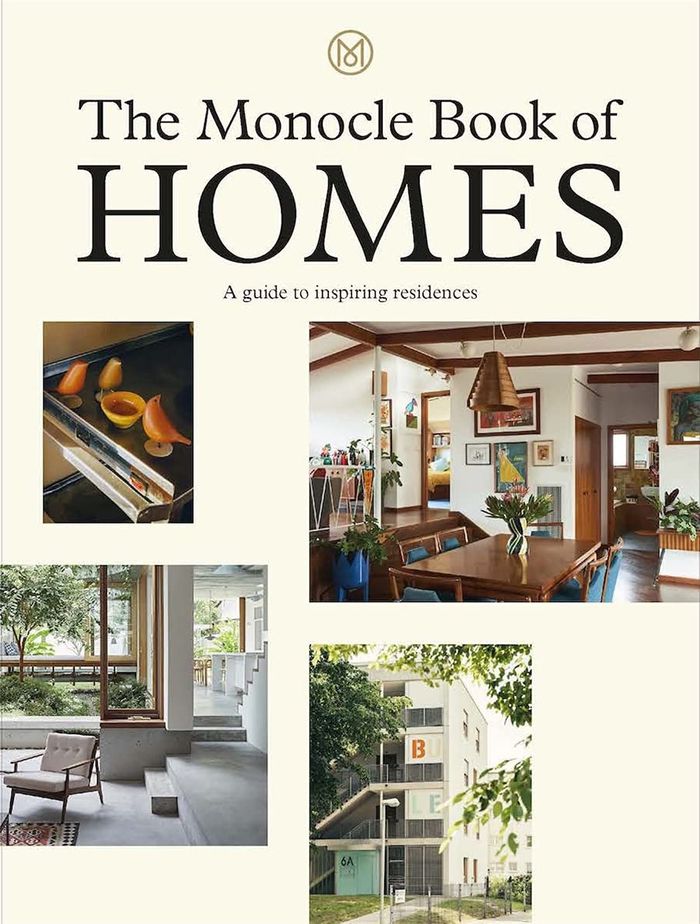
Good homes are places where lives unfold, families grow up, dogs jump on sofas, and friends share meals. They’re also spaces to find some solitude—a quiet corner to read a book or have a Saturday afternoon nap. Homes need to do it all—they sustain you, inspire you, and tell your story through architecture, design, and collections. Monocle has always celebrated everything that makes a space a home when covering residences—whether featuring a city hideaway, a modernist seaside residence, or a summer outpost in a forest. The Monocle team brings this all together in one volume that explores individual homes, housing projects old and new, communities of self-builders, even whole neighborhoods where a simple philosophy of building well has created quality of life for many. "The Monocle book of homes" is packed with great photography that delivers the bigger picture and the smallest details alongside fascinating essays full of advice by key thinkers, writers, and designers. As we spend more time at home than ever, this is a book that could change how you live.
The Monocle book of homes
Actions:
Price:
$86.00
(available to order)
Summary:
Good homes are places where lives unfold, families grow up, dogs jump on sofas, and friends share meals. They’re also spaces to find some solitude—a quiet corner to read a book or have a Saturday afternoon nap. Homes need to do it all—they sustain you, inspire you, and tell your story through architecture, design, and collections. Monocle has always celebrated everything that makes a space a home when covering residences—whether featuring a city hideaway, a modernist seaside residence, or a summer outpost in a forest. The Monocle team brings this all together in one volume that explores individual homes, housing projects old and new, communities of self-builders, even whole neighborhoods where a simple philosophy of building well has created quality of life for many. "The Monocle book of homes" is packed with great photography that delivers the bigger picture and the smallest details alongside fascinating essays full of advice by key thinkers, writers, and designers. As we spend more time at home than ever, this is a book that could change how you live.
Form:
books
books
Publication:
August 2021
August 2021
Subject:
Residential Architecture
Residential Architecture
Form:
books
books
Actions:
Price:
$74.95
(available to order)
Summary:
Born in 1934 in Naples--where he still lives and works--Mimmo Jodice has been at the top of his profession, one of the great Italian masters of photography, for more than 45 years. This volume celebrates Jodice's architectural work, uniting his portraits of eight world capitals into a kind of self-portrait. Four of the cities have been the subjects of previous titles:(...)
$74.95
(available to order)
Summary:
Born in 1934 in Naples--where he still lives and works--Mimmo Jodice has been at the top of his profession, one of the great Italian masters of photography, for more than 45 years. This volume celebrates Jodice's architectural work, uniting his portraits of eight world capitals into a kind of self-portrait. Four of the cities have been the subjects of previous titles:(...)
Subject:
Photography monographs
Photography monographs
Publication:
April 2007, Milan
April 2007, Milan
Title:
Mimmo Jodice : visible cities
Actions:
Price:
$74.95
(available to order)
Summary:
Born in 1934 in Naples--where he still lives and works--Mimmo Jodice has been at the top of his profession, one of the great Italian masters of photography, for more than 45 years. This volume celebrates Jodice's architectural work, uniting his portraits of eight world capitals into a kind of self-portrait. Four of the cities have been the subjects of previous titles: Paris: City of Light; Inlands: A Vision of Boston; São Paulo and La città invisibile: Nuove vedute di Napoli; and four are new to print, including Rome, Moscow, Tokyo and New York. When Jodice's Medeterranean appeared, which includes some Rome images, the architecture critic Herbert Muschamp observed of it in the New York Times that "Mr. Jodice depicts a mythical place, a romantic intertwining of wholeness and solitude: the oceanic sensation of merger between a self and its surroundings." That impression of unity is as strong--if not as relaxing--in his contemporary urban landscapes as in his ancient ones. With text from Stefano Boeri of Domus magazine and an interview with Hans Ulrich Obrist. Jodice's previous books, in addition to those above, include Light, Eden and Tempo Interiore.
Mimmo Jodice : visible cities
Actions:
Price:
$74.95
(available to order)
Summary:
Born in 1934 in Naples--where he still lives and works--Mimmo Jodice has been at the top of his profession, one of the great Italian masters of photography, for more than 45 years. This volume celebrates Jodice's architectural work, uniting his portraits of eight world capitals into a kind of self-portrait. Four of the cities have been the subjects of previous titles: Paris: City of Light; Inlands: A Vision of Boston; São Paulo and La città invisibile: Nuove vedute di Napoli; and four are new to print, including Rome, Moscow, Tokyo and New York. When Jodice's Medeterranean appeared, which includes some Rome images, the architecture critic Herbert Muschamp observed of it in the New York Times that "Mr. Jodice depicts a mythical place, a romantic intertwining of wholeness and solitude: the oceanic sensation of merger between a self and its surroundings." That impression of unity is as strong--if not as relaxing--in his contemporary urban landscapes as in his ancient ones. With text from Stefano Boeri of Domus magazine and an interview with Hans Ulrich Obrist. Jodice's previous books, in addition to those above, include Light, Eden and Tempo Interiore.
Form:
books
books
Publication:
April 2007, Milan
April 2007, Milan
Subject:
Photography monographs
Photography monographs
Form:
books
books
Price:
$26.99
(available to order)
Summary:
"Space, the city and social theory" offers a critical account of key approaches to cities and urban space within social theory and analysis. It explores the relation of the social and the spatial in the context of critical urban themes: community and anonymity; social difference and spatial divisions; politics and public space; gentrification and urban renewal; gender and(...)
$26.99
(available to order)
Summary:
"Space, the city and social theory" offers a critical account of key approaches to cities and urban space within social theory and analysis. It explores the relation of the social and the spatial in the context of critical urban themes: community and anonymity; social difference and spatial divisions; politics and public space; gentrification and urban renewal; gender and(...)
Title:
Space, the city and social theory : social relations and urban forms
Actions:
Price:
$26.99
(available to order)
Summary:
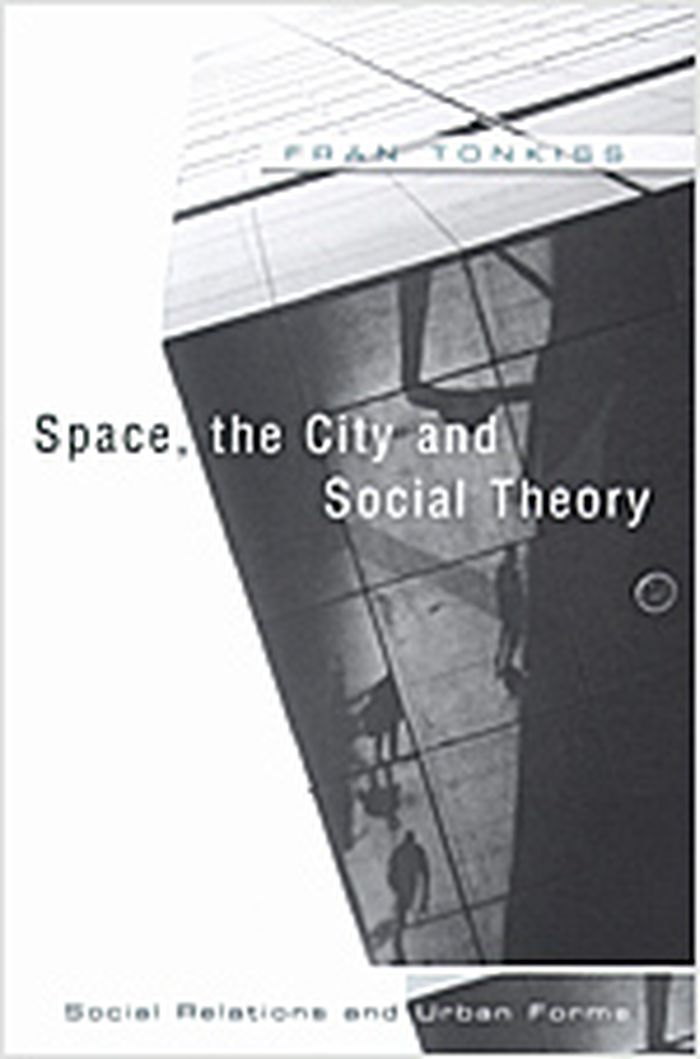
"Space, the city and social theory" offers a critical account of key approaches to cities and urban space within social theory and analysis. It explores the relation of the social and the spatial in the context of critical urban themes: community and anonymity; social difference and spatial divisions; politics and public space; gentrification and urban renewal; gender and sexuality; subjectivity and space; experience and everyday practice in the city. The text adopts an international and interdisciplinary approach, drawing on a range of debates on cities and urban life. It brings together classic perspectives in urban sociology and social theory with the analysis of contemporary urban problems and issues. Rather than viewing the urban simply as a backdrop for more general social processes, the discussion looks at how social and spatial relations shape different versions of the city: as a place of social interaction and of solitude; as a site of difference and segregation; as a space of politics and power; as a landscape of economic and cultural distinction; as a realm of everyday experience and freedom. Similarly, it examines how core social categories - such as class, culture, gender, sexuality and community - are shaped and reproduced in urban contexts.
Space, the city and social theory : social relations and urban forms
Actions:
Price:
$26.99
(available to order)
Summary:
"Space, the city and social theory" offers a critical account of key approaches to cities and urban space within social theory and analysis. It explores the relation of the social and the spatial in the context of critical urban themes: community and anonymity; social difference and spatial divisions; politics and public space; gentrification and urban renewal; gender and sexuality; subjectivity and space; experience and everyday practice in the city. The text adopts an international and interdisciplinary approach, drawing on a range of debates on cities and urban life. It brings together classic perspectives in urban sociology and social theory with the analysis of contemporary urban problems and issues. Rather than viewing the urban simply as a backdrop for more general social processes, the discussion looks at how social and spatial relations shape different versions of the city: as a place of social interaction and of solitude; as a site of difference and segregation; as a space of politics and power; as a landscape of economic and cultural distinction; as a realm of everyday experience and freedom. Similarly, it examines how core social categories - such as class, culture, gender, sexuality and community - are shaped and reproduced in urban contexts.
Form:
books
books
Publication:
November 2005, Cambridge
November 2005, Cambridge
Subject:
Urban Theory
Urban Theory
Form:
books
books
Title:
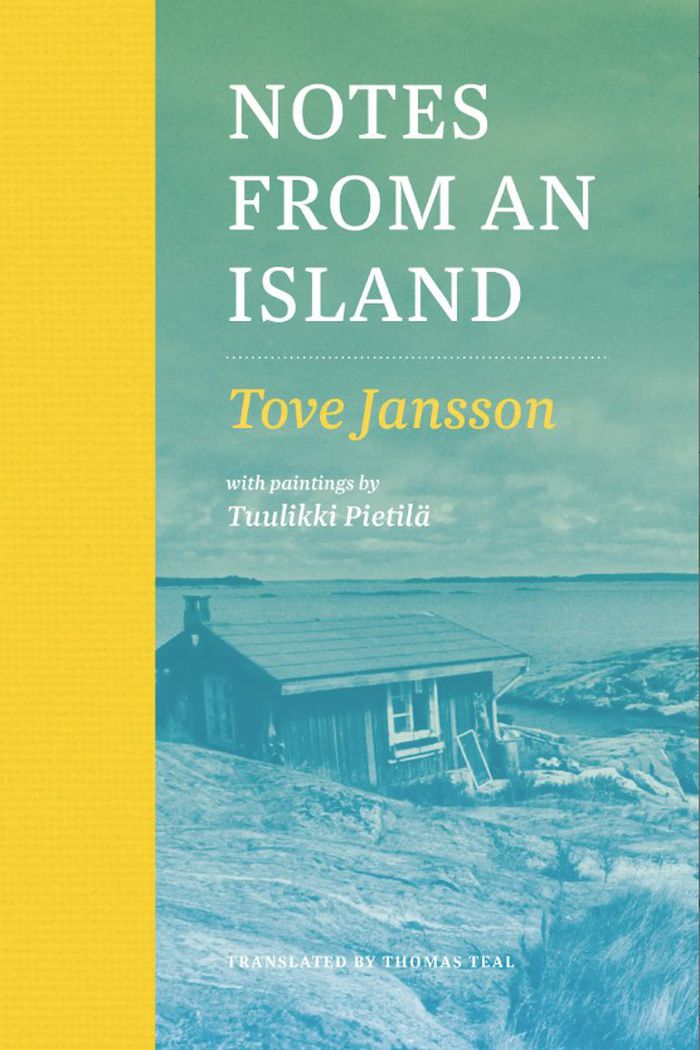
Notes from an island
Notes from an island
Actions:
Price:
$36.00
(available to order)
Summary:
In the bitter winds of autumn 1963, Tove Jansson, helped by Brunström, a maverick fisherman, raced to build a cabin on a treeless island in the Gulf of Finland. The island was Klovharun, where for thirty summers Tove and her beloved partner, the visual artist, Tuulikki “Tooti” Pietilä, lived, painted, and wrote, energized by the solitude and shifting seascapes. The(...)
$36.00
(available to order)
Summary:
In the bitter winds of autumn 1963, Tove Jansson, helped by Brunström, a maverick fisherman, raced to build a cabin on a treeless island in the Gulf of Finland. The island was Klovharun, where for thirty summers Tove and her beloved partner, the visual artist, Tuulikki “Tooti” Pietilä, lived, painted, and wrote, energized by the solitude and shifting seascapes. The(...)
Title:
Notes from an island
Actions:
Price:
$36.00
(available to order)
Summary:
In the bitter winds of autumn 1963, Tove Jansson, helped by Brunström, a maverick fisherman, raced to build a cabin on a treeless island in the Gulf of Finland. The island was Klovharun, where for thirty summers Tove and her beloved partner, the visual artist, Tuulikki “Tooti” Pietilä, lived, painted, and wrote, energized by the solitude and shifting seascapes. The island’s flora, fauna, and weather patterns provided deep inspiration which can be seen reflected in all of Jansson’s work, most famously in her bestselling novel ''The Summer Book'' and her longstanding comic strip and novels for children, ''Moomin''. Tove’s signature spare, quirky prose, and Tooti’s subtle ink washes and aquatints combine to form a work of meditative beauty, a chronicle of living peacefully in nature and observing the island’s ecology and character. ''Notes from an Island'' is both a work of artistic collaboration and an homage to the deep love the two women shared. One feels as if Jansson’s journal, with Tooti’s sketches tucked inside, has been unearthed like a treasure from under a pile of old quilts in the back of their rustic cabin.
Notes from an island
Actions:
Price:
$36.00
(available to order)
Summary:
In the bitter winds of autumn 1963, Tove Jansson, helped by Brunström, a maverick fisherman, raced to build a cabin on a treeless island in the Gulf of Finland. The island was Klovharun, where for thirty summers Tove and her beloved partner, the visual artist, Tuulikki “Tooti” Pietilä, lived, painted, and wrote, energized by the solitude and shifting seascapes. The island’s flora, fauna, and weather patterns provided deep inspiration which can be seen reflected in all of Jansson’s work, most famously in her bestselling novel ''The Summer Book'' and her longstanding comic strip and novels for children, ''Moomin''. Tove’s signature spare, quirky prose, and Tooti’s subtle ink washes and aquatints combine to form a work of meditative beauty, a chronicle of living peacefully in nature and observing the island’s ecology and character. ''Notes from an Island'' is both a work of artistic collaboration and an homage to the deep love the two women shared. One feels as if Jansson’s journal, with Tooti’s sketches tucked inside, has been unearthed like a treasure from under a pile of old quilts in the back of their rustic cabin.
Form:
books
books
Publication:
October 2024
October 2024
Subject:
Literature and poetry
Literature and poetry
Form:
books
books
Actions:
Price:
$50.00
(available to order)
Summary:
Comment concevoir la ville lorsque nos expériences les plus intimes sont constamment traquées et nos sentiments utilisés comme base à de nouveaux modes de production favorisant l’immatériel au détriment du matériel ? Depuis la crise financière de 2008, les listes d’indicateurs du bien-être et d’indices du bonheur, ainsi que les classements fondés sur la qualité de vie,(...)
$50.00
(available to order)
Summary:
Comment concevoir la ville lorsque nos expériences les plus intimes sont constamment traquées et nos sentiments utilisés comme base à de nouveaux modes de production favorisant l’immatériel au détriment du matériel ? Depuis la crise financière de 2008, les listes d’indicateurs du bien-être et d’indices du bonheur, ainsi que les classements fondés sur la qualité de vie,(...)
Title:
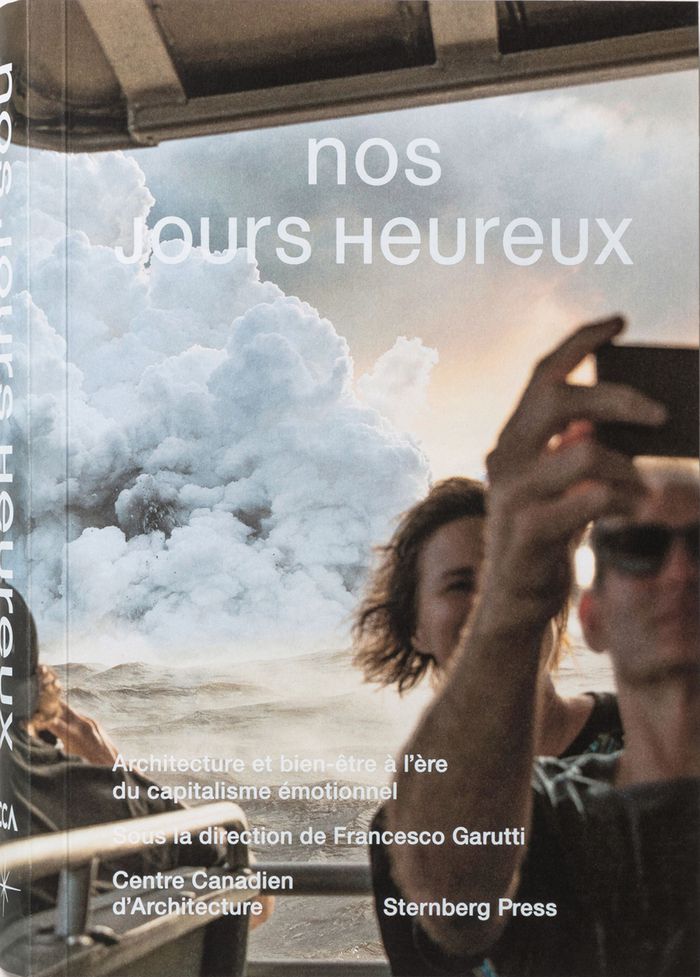
Nos jours heureux : architecture et bien-être à l'ère du capitalisme émotionnel
Actions:
Price:
$50.00
(available to order)
Summary:
Comment concevoir la ville lorsque nos expériences les plus intimes sont constamment traquées et nos sentiments utilisés comme base à de nouveaux modes de production favorisant l’immatériel au détriment du matériel ? Depuis la crise financière de 2008, les listes d’indicateurs du bien-être et d’indices du bonheur, ainsi que les classements fondés sur la qualité de vie, circulent de manière virale. Parallèlement, les données émotionnelles présentées dans ces enquêtes, y compris les perceptions relatives aux notions de solitude, d’amitié et de peurs intimes, alimentent un agenda politique du bonheur en croissance et une nouvelle forme de marché dont l’atout le plus déterminant est l’« affect ». Nos jours heureux examine les implications architecturales de cette tendance en disséquant et en questionnant les conditions politiques, économiques et émotionnelles qui génèrent l’espace aujourd’hui. Structuré comme une narration visuelle – assortie de lectures critiques de William Davies, Daniel Fujiwara, Simon Fujiwara, Ingo Niermann, Deane Simpson et Mirko Zardini –, cet ouvrage présente l’architecture, la ville et le paysage comme des surfaces contestées, prises entre les lignes directrices intangibles des indices de bonheur, le nouveau marché des émotions et l’idéologie implacable de la positivité.
Nos jours heureux : architecture et bien-être à l'ère du capitalisme émotionnel
Actions:
Price:
$50.00
(available to order)
Summary:
Comment concevoir la ville lorsque nos expériences les plus intimes sont constamment traquées et nos sentiments utilisés comme base à de nouveaux modes de production favorisant l’immatériel au détriment du matériel ? Depuis la crise financière de 2008, les listes d’indicateurs du bien-être et d’indices du bonheur, ainsi que les classements fondés sur la qualité de vie, circulent de manière virale. Parallèlement, les données émotionnelles présentées dans ces enquêtes, y compris les perceptions relatives aux notions de solitude, d’amitié et de peurs intimes, alimentent un agenda politique du bonheur en croissance et une nouvelle forme de marché dont l’atout le plus déterminant est l’« affect ». Nos jours heureux examine les implications architecturales de cette tendance en disséquant et en questionnant les conditions politiques, économiques et émotionnelles qui génèrent l’espace aujourd’hui. Structuré comme une narration visuelle – assortie de lectures critiques de William Davies, Daniel Fujiwara, Simon Fujiwara, Ingo Niermann, Deane Simpson et Mirko Zardini –, cet ouvrage présente l’architecture, la ville et le paysage comme des surfaces contestées, prises entre les lignes directrices intangibles des indices de bonheur, le nouveau marché des émotions et l’idéologie implacable de la positivité.
Form:
books
books
Publication:
September 2019
September 2019
Subject:
CCA Publications
CCA Publications
Form:
books
books
Title:
Mold is beautiful
Mold is beautiful
Actions:
Price:
$36.00
(available to order)
Summary:
"Les moisissures sont les ennemies numéro 1 de l'univers de l'archive.'Facteurs de risques", elles sont des "agents de dégradations" contre lesquelles la lutte est de mise. Dans ce contexte, leur potentiel créatif est injustement négligé. Il est pourtant exploité depuis l'aube des temps par l'homme qui utilise le pouvoir transformant des micro-organismes pour faire son(...)
$36.00
(available to order)
Summary:
"Les moisissures sont les ennemies numéro 1 de l'univers de l'archive.'Facteurs de risques", elles sont des "agents de dégradations" contre lesquelles la lutte est de mise. Dans ce contexte, leur potentiel créatif est injustement négligé. Il est pourtant exploité depuis l'aube des temps par l'homme qui utilise le pouvoir transformant des micro-organismes pour faire son(...)
Title:
Mold is beautiful
Actions:
Price:
$36.00
(available to order)
Summary:
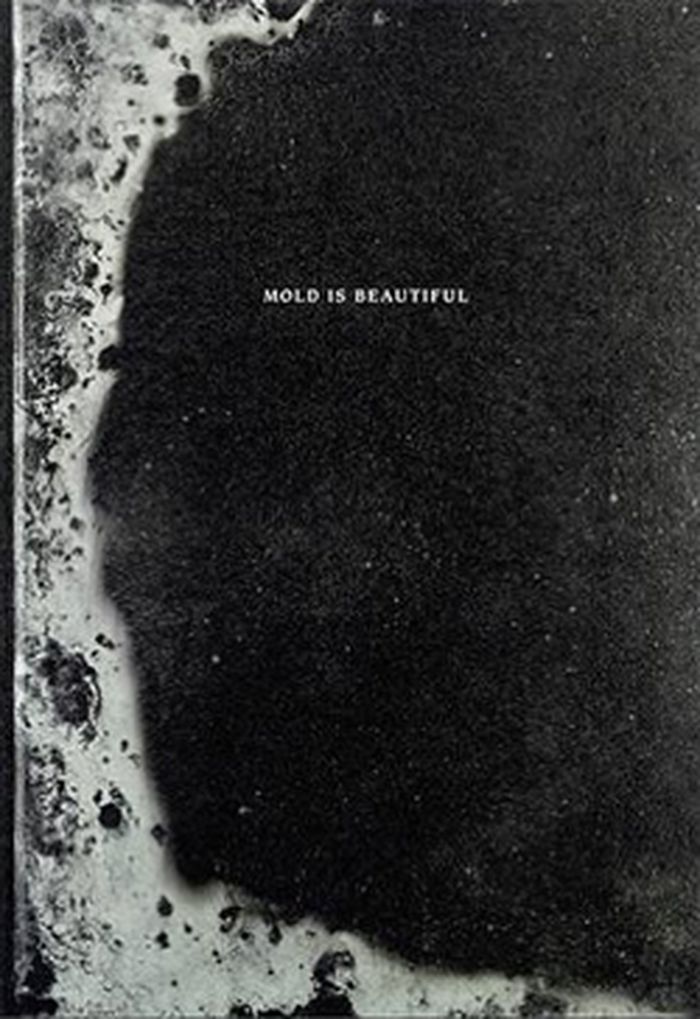
"Les moisissures sont les ennemies numéro 1 de l'univers de l'archive.'Facteurs de risques", elles sont des "agents de dégradations" contre lesquelles la lutte est de mise. Dans ce contexte, leur potentiel créatif est injustement négligé. Il est pourtant exploité depuis l'aube des temps par l'homme qui utilise le pouvoir transformant des micro-organismes pour faire son pain quotidien, son vin, sa bière et tous ses fromages. Dans un texte de 1856 voué à encourager les rechercher sur la stabilité des procédés photographiques, le chimiste Victor Regnault, premier président de la Société française de photographie, insistait sur le fait que seul le temps pourrait juger de la permanence de tel ou tel procédé photographique. De la même façon, c'est avec le temps que se déploie et prend forme l'ouvrage des moisissures. Merveilles de l'oubli, succès de la négligence et du désintérêt, ces images, abîmées par une inondation ancienne, ont été privées de la lumière du jour pendant des années. La solitude de leur confinement, ajouté au ressources organiques inhérentes à leur procédé (gélatine, fécule de pomme de terre), a fournit un terreau idéal à une prolifération créative aléatoire. Aujourd'hui offertes à la contemplation, ces images bouleversées nous rappellent combien les qualités esthétiques d'une photographie sont décidément indépendante d'une volonté artistique." -- Luce Lebart
Mold is beautiful
Actions:
Price:
$36.00
(available to order)
Summary:
"Les moisissures sont les ennemies numéro 1 de l'univers de l'archive.'Facteurs de risques", elles sont des "agents de dégradations" contre lesquelles la lutte est de mise. Dans ce contexte, leur potentiel créatif est injustement négligé. Il est pourtant exploité depuis l'aube des temps par l'homme qui utilise le pouvoir transformant des micro-organismes pour faire son pain quotidien, son vin, sa bière et tous ses fromages. Dans un texte de 1856 voué à encourager les rechercher sur la stabilité des procédés photographiques, le chimiste Victor Regnault, premier président de la Société française de photographie, insistait sur le fait que seul le temps pourrait juger de la permanence de tel ou tel procédé photographique. De la même façon, c'est avec le temps que se déploie et prend forme l'ouvrage des moisissures. Merveilles de l'oubli, succès de la négligence et du désintérêt, ces images, abîmées par une inondation ancienne, ont été privées de la lumière du jour pendant des années. La solitude de leur confinement, ajouté au ressources organiques inhérentes à leur procédé (gélatine, fécule de pomme de terre), a fournit un terreau idéal à une prolifération créative aléatoire. Aujourd'hui offertes à la contemplation, ces images bouleversées nous rappellent combien les qualités esthétiques d'une photographie sont décidément indépendante d'une volonté artistique." -- Luce Lebart
Form:
books
books
Publication:
September 2015
September 2015
Subject:
Photography monographs
Photography monographs
Form:
books
books
Actions:
Price:
$69.95
(available to order)
Summary:
Est-il architecture sacrée plus actuelle que celle de ces monastères élevés au XIIe siècle par des hommes qui fuyaient le tumulte des villes pour trouver en forêt la solitude, le silence, l'eau, la pierre, la lumière ? Engendré par l'espace naturel et surnaturel, "l'environnement" géographique et mystique du Désert, déterminé par un "cadre de vie", la règle de saint(...)
$69.95
(available to order)
Summary:
Est-il architecture sacrée plus actuelle que celle de ces monastères élevés au XIIe siècle par des hommes qui fuyaient le tumulte des villes pour trouver en forêt la solitude, le silence, l'eau, la pierre, la lumière ? Engendré par l'espace naturel et surnaturel, "l'environnement" géographique et mystique du Désert, déterminé par un "cadre de vie", la règle de saint(...)
Title:
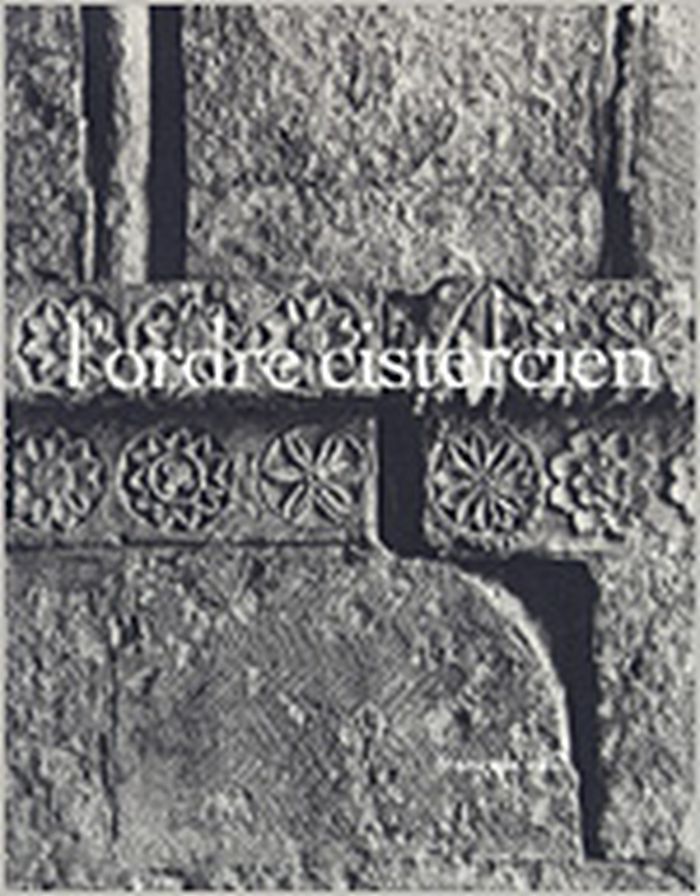
L'ordre cistercien : d'après les trois soeurs provençales, Sénanque, Silvacane, Le Thoronet
Actions:
Price:
$69.95
(available to order)
Summary:
Est-il architecture sacrée plus actuelle que celle de ces monastères élevés au XIIe siècle par des hommes qui fuyaient le tumulte des villes pour trouver en forêt la solitude, le silence, l'eau, la pierre, la lumière ? Engendré par l'espace naturel et surnaturel, "l'environnement" géographique et mystique du Désert, déterminé par un "cadre de vie", la règle de saint Benoît, le monastère cistercien est exemplaire de ce qu'on appelle aujourd'hui une architecture fonctionnelle. Instrument agricole et instrument liturgique, instrument de prière, l'architecture cistercienne articule, structure, dans un ordre rigoureux, autour du cloître, ses différents bâtiments en fonction de leur utilisation d'heure en heure canoniale, au rythme solaire de l'office divin. C'est ce mouvement de l'ombre et de la lumière, informant l'architecture du lever au coucher du soleil et de l'hiver à l'été, que les photographies de ce livre ont saisi, en relevant pas à pas les lieux réguliers parcourus par le moine du XIIe siècle dans sa vie quotidienne, de Matines à Complies. Mis en regard des photographies, des textes du XIIe siècle permettent de suivre en même temps le mouvement intérieur de la méditation et de la contemplation cisterciennes d'une Lumière dont Bernard de Clairvaux disait qu'elle s'incarnait dans l'Ombre et dans la Pierre... De toutes les architectures de Cîteaux, aucune n'était plus favorable à cette démonstration que celle des "trois sœurs provençales", Sénanque, Silvacane et Le Thoronet.
L'ordre cistercien : d'après les trois soeurs provençales, Sénanque, Silvacane, Le Thoronet
Actions:
Price:
$69.95
(available to order)
Summary:
Est-il architecture sacrée plus actuelle que celle de ces monastères élevés au XIIe siècle par des hommes qui fuyaient le tumulte des villes pour trouver en forêt la solitude, le silence, l'eau, la pierre, la lumière ? Engendré par l'espace naturel et surnaturel, "l'environnement" géographique et mystique du Désert, déterminé par un "cadre de vie", la règle de saint Benoît, le monastère cistercien est exemplaire de ce qu'on appelle aujourd'hui une architecture fonctionnelle. Instrument agricole et instrument liturgique, instrument de prière, l'architecture cistercienne articule, structure, dans un ordre rigoureux, autour du cloître, ses différents bâtiments en fonction de leur utilisation d'heure en heure canoniale, au rythme solaire de l'office divin. C'est ce mouvement de l'ombre et de la lumière, informant l'architecture du lever au coucher du soleil et de l'hiver à l'été, que les photographies de ce livre ont saisi, en relevant pas à pas les lieux réguliers parcourus par le moine du XIIe siècle dans sa vie quotidienne, de Matines à Complies. Mis en regard des photographies, des textes du XIIe siècle permettent de suivre en même temps le mouvement intérieur de la méditation et de la contemplation cisterciennes d'une Lumière dont Bernard de Clairvaux disait qu'elle s'incarnait dans l'Ombre et dans la Pierre... De toutes les architectures de Cîteaux, aucune n'était plus favorable à cette démonstration que celle des "trois sœurs provençales", Sénanque, Silvacane et Le Thoronet.
Form:
books
books
Publication:
May 2005, Paris
May 2005, Paris
Subject:
History until 1900
History until 1900
Form:
books
books
Actions:
Price:
$31.00
(available to order)
Summary:
As with the compass needle, so people have always been most powerfully attracted northwards; everyone carries within them their own concept of north. The Idea of North is a study, ranging widely in time and place, of some of the ways in which these ideas have found expression. Peter Davidson explores the topography of north as represented in images and literature, taking(...)
$31.00
(available to order)
Summary:
As with the compass needle, so people have always been most powerfully attracted northwards; everyone carries within them their own concept of north. The Idea of North is a study, ranging widely in time and place, of some of the ways in which these ideas have found expression. Peter Davidson explores the topography of north as represented in images and literature, taking(...)
Title:
The idea of north, 2nd edition
Actions:
Price:
$31.00
(available to order)
Summary:
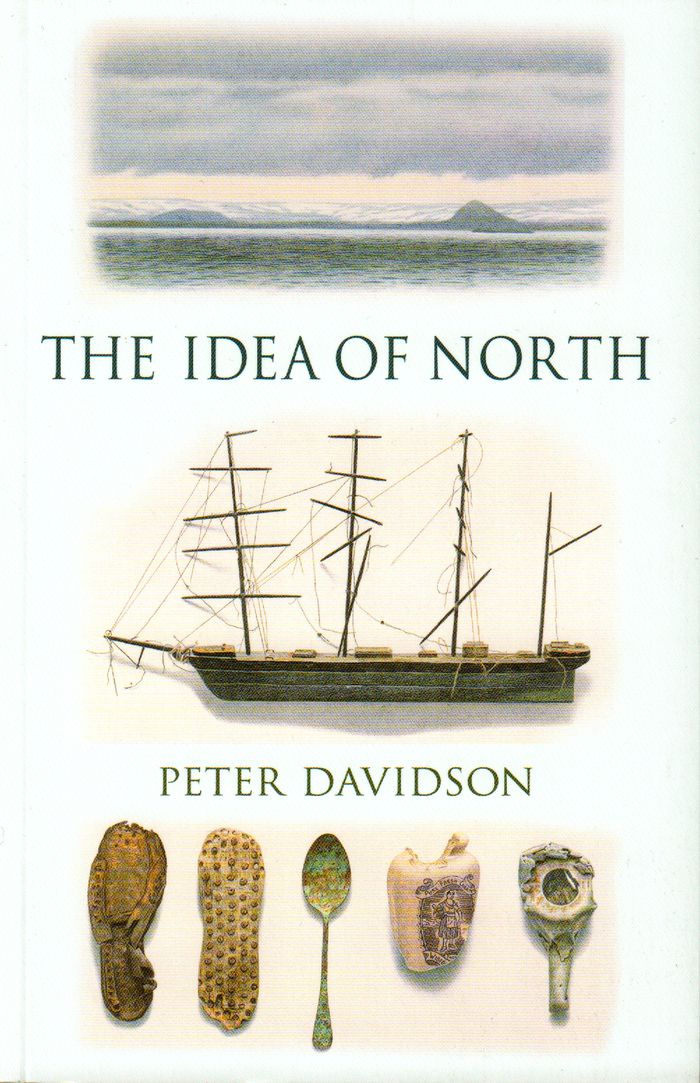
As with the compass needle, so people have always been most powerfully attracted northwards; everyone carries within them their own concept of north. The Idea of North is a study, ranging widely in time and place, of some of the ways in which these ideas have found expression. Peter Davidson explores the topography of north as represented in images and literature, taking in Netherlandic winter paintings of the Renaissance, German Romantic landscapes, Scandinavian Biedermeyer and twentieth-century topographical painting and printmaking. He examines a bewildering diversity of mythologies and imaginings of north, including The Snow Queen; Scandinavian Sagas; ghost-stories; Moomintrolls, Arctic exploration; the fictitious snowy kingdoms of Zembla and Naboland; Nabokov's nostalgias; Baltic midsummer; rooms in winter light; compasses and star-stones; hoar-frost; ice; and glass. The book also traces a northward journey, describing northern rural England, industrial sites, and the long emptiness of the borders, Scotland and the Highlands. He looks at the region far north of Scotland, then moves to the Northern Netherlands and Scandinavia to explore their identifiable northernness.The last visited place is Iceland, identified by W. H. Auden and Louis McNeice in 1936 as 'furthest, most remote, most distant, most northerly'. An engaging meditation on solitude, absence and stillness, The Idea of North shows north to be a goal rather than a destination, a place of revelation that is always somewhere ultimate and austere.
The idea of north, 2nd edition
Actions:
Price:
$31.00
(available to order)
Summary:
As with the compass needle, so people have always been most powerfully attracted northwards; everyone carries within them their own concept of north. The Idea of North is a study, ranging widely in time and place, of some of the ways in which these ideas have found expression. Peter Davidson explores the topography of north as represented in images and literature, taking in Netherlandic winter paintings of the Renaissance, German Romantic landscapes, Scandinavian Biedermeyer and twentieth-century topographical painting and printmaking. He examines a bewildering diversity of mythologies and imaginings of north, including The Snow Queen; Scandinavian Sagas; ghost-stories; Moomintrolls, Arctic exploration; the fictitious snowy kingdoms of Zembla and Naboland; Nabokov's nostalgias; Baltic midsummer; rooms in winter light; compasses and star-stones; hoar-frost; ice; and glass. The book also traces a northward journey, describing northern rural England, industrial sites, and the long emptiness of the borders, Scotland and the Highlands. He looks at the region far north of Scotland, then moves to the Northern Netherlands and Scandinavia to explore their identifiable northernness.The last visited place is Iceland, identified by W. H. Auden and Louis McNeice in 1936 as 'furthest, most remote, most distant, most northerly'. An engaging meditation on solitude, absence and stillness, The Idea of North shows north to be a goal rather than a destination, a place of revelation that is always somewhere ultimate and austere.
Form:
books
books
Publication:
June 2016
June 2016
Subject:
Architectural Theory
Architectural Theory
Form:
books
books
Actions:
Price:
$33.95
(available to order)
Summary:
Poets often have responded vitally to the art of their time, and ever since Susan Stewart began writing about art in the early 1980s, her work has resonated with practicing artists, curators, art historians, and art critics. Rooted in a broad and learned range of references, Stewart's fresh and independent essays bridge the fields of literature, aesthetics, and(...)
$33.95
(available to order)
Summary:
Poets often have responded vitally to the art of their time, and ever since Susan Stewart began writing about art in the early 1980s, her work has resonated with practicing artists, curators, art historians, and art critics. Rooted in a broad and learned range of references, Stewart's fresh and independent essays bridge the fields of literature, aesthetics, and(...)
Title:
The open studio : Essays on art and aesthetics
Actions:
Price:
$33.95
(available to order)
Summary:
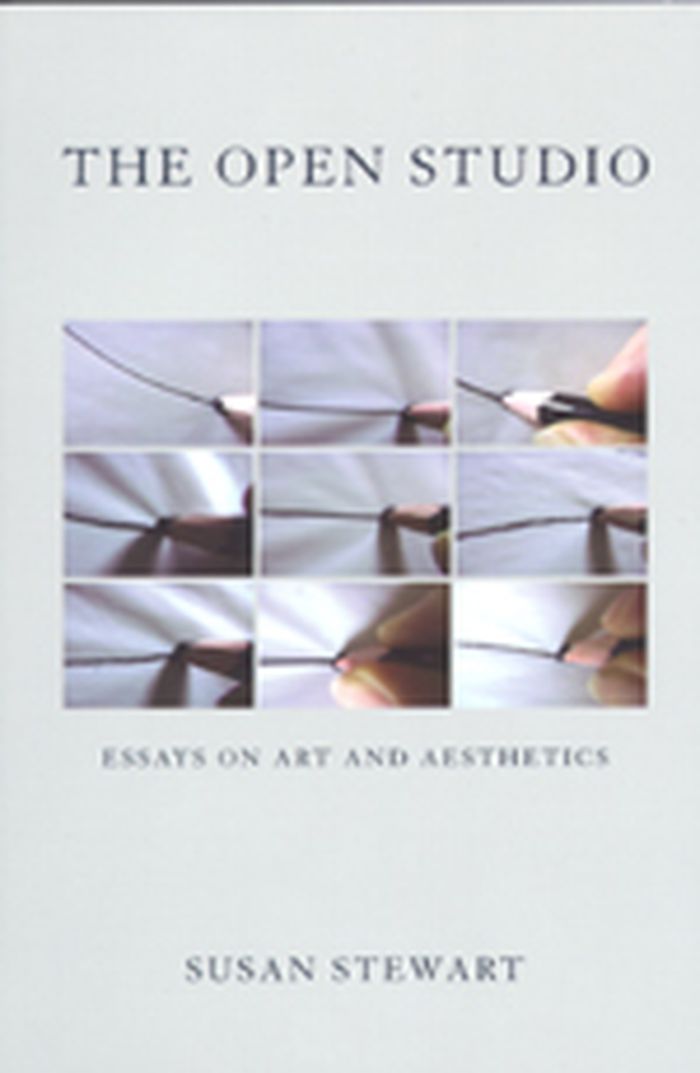
Poets often have responded vitally to the art of their time, and ever since Susan Stewart began writing about art in the early 1980s, her work has resonated with practicing artists, curators, art historians, and art critics. Rooted in a broad and learned range of references, Stewart's fresh and independent essays bridge the fields of literature, aesthetics, and contemporary art. Gathering most of Stewart's writing on contemporary art—long and short pieces first published in small magazines, museum and gallery publications, and edited collections—The Open Studio illuminates work ranging from the installation art of Ann Hamilton to the sculptures and watercolors of Thomas Schütte, the prints and animations of William Kentridge to the films of Tacita Dean. Stewart's essays are often the record of studio conversations with living artists and curators, and of the afterlife of those experiences in the solitude of her own study. Considering a wide variety of art forms, Stewart finds pathbreaking ways to explore them. Whether she is following central traditions of painting, drawing, sculpture, film, photography, and printmaking or exploring the less well-known realms of portrait miniatures, collecting practices, doll-making, music boxes, and gardening, Stewart speaks to the creative process in general and to the relation between art and ethics. The Open Studio will be read eagerly by scholars of art, poetry, and visual theory; by historians interested in the links between contemporary and classic literature and art; and by teachers, students, and practitioners of the visual arts.
The open studio : Essays on art and aesthetics
Actions:
Price:
$33.95
(available to order)
Summary:
Poets often have responded vitally to the art of their time, and ever since Susan Stewart began writing about art in the early 1980s, her work has resonated with practicing artists, curators, art historians, and art critics. Rooted in a broad and learned range of references, Stewart's fresh and independent essays bridge the fields of literature, aesthetics, and contemporary art. Gathering most of Stewart's writing on contemporary art—long and short pieces first published in small magazines, museum and gallery publications, and edited collections—The Open Studio illuminates work ranging from the installation art of Ann Hamilton to the sculptures and watercolors of Thomas Schütte, the prints and animations of William Kentridge to the films of Tacita Dean. Stewart's essays are often the record of studio conversations with living artists and curators, and of the afterlife of those experiences in the solitude of her own study. Considering a wide variety of art forms, Stewart finds pathbreaking ways to explore them. Whether she is following central traditions of painting, drawing, sculpture, film, photography, and printmaking or exploring the less well-known realms of portrait miniatures, collecting practices, doll-making, music boxes, and gardening, Stewart speaks to the creative process in general and to the relation between art and ethics. The Open Studio will be read eagerly by scholars of art, poetry, and visual theory; by historians interested in the links between contemporary and classic literature and art; and by teachers, students, and practitioners of the visual arts.
Form:
books
books
Publication:
September 2004, Chicago London
September 2004, Chicago London
Subject:
Art Theory
Art Theory


