


15522 Results
Form:
events
events
Title:
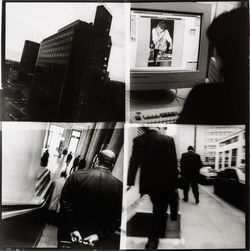
Talking Pictures
Talking Pictures
Actions:
Description:
Sophie Dars and Carlo Menon, Stefano Graziani, and Yasufumi Nakamori present strategies for reimagining and employing visual formats such as the photo essay, the photo novel, and the photo exhibition. The event takes place in the framework of an ongoing CCA research project on the relationship between architecture and photography funded by The Andrew W. Mellon(...)
Sophie Dars and Carlo Menon, Stefano Graziani, and Yasufumi Nakamori present strategies for reimagining and employing visual formats such as the photo essay, the photo novel, and the photo exhibition. The event takes place in the framework of an ongoing CCA research project on the relationship between architecture and photography funded by The Andrew W. Mellon(...)
Date:
13 October 2016, 6pm
13 October 2016, 6pm
Title:
Talking Pictures
Actions:
Description:
Sophie Dars and Carlo Menon, Stefano Graziani, and Yasufumi Nakamori present strategies for reimagining and employing visual formats such as the photo essay, the photo novel, and the photo exhibition. The event takes place in the framework of an ongoing CCA research project on the relationship between architecture and photography funded by The Andrew W. Mellon(...)
Talking Pictures
Actions:
Description:
Sophie Dars and Carlo Menon, Stefano Graziani, and Yasufumi Nakamori present strategies for reimagining and employing visual formats such as the photo essay, the photo novel, and the photo exhibition. The event takes place in the framework of an ongoing CCA research project on the relationship between architecture and photography funded by The Andrew W. Mellon(...)
Form:
events
events
Date:
13 October 2016
6pm
13 October 2016
6pm
Form:
exhibitions
exhibitions
Actions:
Description:
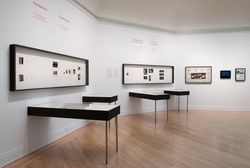
After a period of decline, the architectural model gained new prominence when it became a popular tool for design education and practice in the early twentieth century. This revival is usually associated with the turn towards objectivity and the search for expressive means to communicate ideas in three dimensions—but how was the model transformed in the age of its(...)
After a period of decline, the architectural model gained new prominence when it became a popular tool for design education and practice in the early twentieth century. This revival is usually associated with the turn towards objectivity and the search for expressive means to communicate ideas in three dimensions—but how was the model transformed in the age of its(...)
Location:
Octagonal gallery
Octagonal gallery
Date:
22 September 2011 to 8 January 2012
22 September 2011 to 8 January 2012
Title:
Modernism in Miniature: Points of View
Actions:
Description:
After a period of decline, the architectural model gained new prominence when it became a popular tool for design education and practice in the early twentieth century. This revival is usually associated with the turn towards objectivity and the search for expressive means to communicate ideas in three dimensions—but how was the model transformed in the age of its(...)
Modernism in Miniature: Points of View
Actions:
Description:
After a period of decline, the architectural model gained new prominence when it became a popular tool for design education and practice in the early twentieth century. This revival is usually associated with the turn towards objectivity and the search for expressive means to communicate ideas in three dimensions—but how was the model transformed in the age of its(...)
Form:
exhibitions
exhibitions
Date:
22 September 2011 to
8 January 2012
22 September 2011 to
8 January 2012
Location:
Octagonal gallery
Octagonal gallery
Level of archival description:
Project
Project
Actions:
Reference number:
AP075.S1.1960.PR02
Description:
This project series documents Cornelia Hahn Oberlander's landscape project for the McLean Park Rental Housing Project, a low-income housing development spread across four city blocks in the Strathcona neighbourhood, Vancouver. Oberlander worked on this project in the early 1960s. The architectural firm in charge of the project was Underwood McKinley Cameron. The housing development "was comprised of a nine-storey apartment building with one-bedroom apartments and studios, and a series of three- and four-storey maisonettes." [1] As landscape architect, Oberlander worked on the site planning, grading and drainage, as well as the planting plan. She also designed recreational spaces for adults and children. The project series contains five photographs of the project, specifications, a plant list and a reprographic copy of a working drawing. Source: [1] Herrington, Susan. Cornelia Hahn Oberlander: Making the Modern Landscape, University of Virginia Press, 2014, 304 pages, p. 62.
AP075.S1.1960.PR02
Description:
This project series documents Cornelia Hahn Oberlander's landscape project for the McLean Park Rental Housing Project, a low-income housing development spread across four city blocks in the Strathcona neighbourhood, Vancouver. Oberlander worked on this project in the early 1960s. The architectural firm in charge of the project was Underwood McKinley Cameron. The housing development "was comprised of a nine-storey apartment building with one-bedroom apartments and studios, and a series of three- and four-storey maisonettes." [1] As landscape architect, Oberlander worked on the site planning, grading and drainage, as well as the planting plan. She also designed recreational spaces for adults and children. The project series contains five photographs of the project, specifications, a plant list and a reprographic copy of a working drawing. Source: [1] Herrington, Susan. Cornelia Hahn Oberlander: Making the Modern Landscape, University of Virginia Press, 2014, 304 pages, p. 62.
People:
Date:
1960-1963
1960-1963
Title:
McLean Park Rental Housing Project, Vancouver, British Columbia (1960-1963)
Actions:
AP075.S1.1960.PR02
Description:
This project series documents Cornelia Hahn Oberlander's landscape project for the McLean Park Rental Housing Project, a low-income housing development spread across four city blocks in the Strathcona neighbourhood, Vancouver. Oberlander worked on this project in the early 1960s. The architectural firm in charge of the project was Underwood McKinley Cameron. The housing development "was comprised of a nine-storey apartment building with one-bedroom apartments and studios, and a series of three- and four-storey maisonettes." [1] As landscape architect, Oberlander worked on the site planning, grading and drainage, as well as the planting plan. She also designed recreational spaces for adults and children. The project series contains five photographs of the project, specifications, a plant list and a reprographic copy of a working drawing. Source: [1] Herrington, Susan. Cornelia Hahn Oberlander: Making the Modern Landscape, University of Virginia Press, 2014, 304 pages, p. 62.
McLean Park Rental Housing Project, Vancouver, British Columbia (1960-1963)
Actions:
AP075.S1.1960.PR02
Description:
This project series documents Cornelia Hahn Oberlander's landscape project for the McLean Park Rental Housing Project, a low-income housing development spread across four city blocks in the Strathcona neighbourhood, Vancouver. Oberlander worked on this project in the early 1960s. The architectural firm in charge of the project was Underwood McKinley Cameron. The housing development "was comprised of a nine-storey apartment building with one-bedroom apartments and studios, and a series of three- and four-storey maisonettes." [1] As landscape architect, Oberlander worked on the site planning, grading and drainage, as well as the planting plan. She also designed recreational spaces for adults and children. The project series contains five photographs of the project, specifications, a plant list and a reprographic copy of a working drawing. Source: [1] Herrington, Susan. Cornelia Hahn Oberlander: Making the Modern Landscape, University of Virginia Press, 2014, 304 pages, p. 62.
Level of archival description:
Project
Project
Date:
1960-1963
1960-1963
People:
Level of archival description:
Project
Project
Actions:
Reference number:
AP075.S1.2006.PR01
Description:
Project series documents Cornelia Hahn Oberlander's landscape project for the restauration of the Evergreen Building, a ten-story office tower on West Pender Street, in Vancouver, British Columbia. The building was previously known as the Laxton Building. The project consisted in renovations work to the building, design by architect Arthur Erickson in the 1980. Oberlander herself worked with Erickson at the time. After helping to save the building from demolition in the early 2000s, Oberlander worked as a landscape consultant for Omicron Architecture Engineering Construction Co. in 2006-2007. She was consulted for the restoration of the landscaping at the street level and the replanting of the planted balconies she had created while working with Erickson. As the building facade consisted in a stepped facade with an alternance of zigzag floor plates and straight floor plates, Oberlander chose cascading plants for the zigzag floors and upright planting for the straight floors. "Since the plants were brought to the structure's edges, the geometries of the building were dramatically amplified." [1] The Evergreen Building received a heritage status in the mid-2000s. This project series contains only materials related to the 2006-2007 renovations project. The project series comprises sketches, design development drawings, including site plans, plantings plans and landscape elevations, and buildings plans used as reference. The project series is also documented through corrsepondence, including correspondence with architects and contractors, specifications, plant lists, digital files of a presentation on the existing site condition, financial material, and research material for the project. Source: [1] Herrington, Susan. Cornelia Hahn Oberlander: Making the Modern Landscape, University of Virginia Press, 2014, 304 pages, p. 139.
AP075.S1.2006.PR01
Description:
Project series documents Cornelia Hahn Oberlander's landscape project for the restauration of the Evergreen Building, a ten-story office tower on West Pender Street, in Vancouver, British Columbia. The building was previously known as the Laxton Building. The project consisted in renovations work to the building, design by architect Arthur Erickson in the 1980. Oberlander herself worked with Erickson at the time. After helping to save the building from demolition in the early 2000s, Oberlander worked as a landscape consultant for Omicron Architecture Engineering Construction Co. in 2006-2007. She was consulted for the restoration of the landscaping at the street level and the replanting of the planted balconies she had created while working with Erickson. As the building facade consisted in a stepped facade with an alternance of zigzag floor plates and straight floor plates, Oberlander chose cascading plants for the zigzag floors and upright planting for the straight floors. "Since the plants were brought to the structure's edges, the geometries of the building were dramatically amplified." [1] The Evergreen Building received a heritage status in the mid-2000s. This project series contains only materials related to the 2006-2007 renovations project. The project series comprises sketches, design development drawings, including site plans, plantings plans and landscape elevations, and buildings plans used as reference. The project series is also documented through corrsepondence, including correspondence with architects and contractors, specifications, plant lists, digital files of a presentation on the existing site condition, financial material, and research material for the project. Source: [1] Herrington, Susan. Cornelia Hahn Oberlander: Making the Modern Landscape, University of Virginia Press, 2014, 304 pages, p. 139.
People:
Date:
2006-2007
2006-2007
Title:
Evergreen Building restoration, Vancouver, British Columbia (2006)
Actions:
AP075.S1.2006.PR01
Description:
Project series documents Cornelia Hahn Oberlander's landscape project for the restauration of the Evergreen Building, a ten-story office tower on West Pender Street, in Vancouver, British Columbia. The building was previously known as the Laxton Building. The project consisted in renovations work to the building, design by architect Arthur Erickson in the 1980. Oberlander herself worked with Erickson at the time. After helping to save the building from demolition in the early 2000s, Oberlander worked as a landscape consultant for Omicron Architecture Engineering Construction Co. in 2006-2007. She was consulted for the restoration of the landscaping at the street level and the replanting of the planted balconies she had created while working with Erickson. As the building facade consisted in a stepped facade with an alternance of zigzag floor plates and straight floor plates, Oberlander chose cascading plants for the zigzag floors and upright planting for the straight floors. "Since the plants were brought to the structure's edges, the geometries of the building were dramatically amplified." [1] The Evergreen Building received a heritage status in the mid-2000s. This project series contains only materials related to the 2006-2007 renovations project. The project series comprises sketches, design development drawings, including site plans, plantings plans and landscape elevations, and buildings plans used as reference. The project series is also documented through corrsepondence, including correspondence with architects and contractors, specifications, plant lists, digital files of a presentation on the existing site condition, financial material, and research material for the project. Source: [1] Herrington, Susan. Cornelia Hahn Oberlander: Making the Modern Landscape, University of Virginia Press, 2014, 304 pages, p. 139.
Evergreen Building restoration, Vancouver, British Columbia (2006)
Actions:
AP075.S1.2006.PR01
Description:
Project series documents Cornelia Hahn Oberlander's landscape project for the restauration of the Evergreen Building, a ten-story office tower on West Pender Street, in Vancouver, British Columbia. The building was previously known as the Laxton Building. The project consisted in renovations work to the building, design by architect Arthur Erickson in the 1980. Oberlander herself worked with Erickson at the time. After helping to save the building from demolition in the early 2000s, Oberlander worked as a landscape consultant for Omicron Architecture Engineering Construction Co. in 2006-2007. She was consulted for the restoration of the landscaping at the street level and the replanting of the planted balconies she had created while working with Erickson. As the building facade consisted in a stepped facade with an alternance of zigzag floor plates and straight floor plates, Oberlander chose cascading plants for the zigzag floors and upright planting for the straight floors. "Since the plants were brought to the structure's edges, the geometries of the building were dramatically amplified." [1] The Evergreen Building received a heritage status in the mid-2000s. This project series contains only materials related to the 2006-2007 renovations project. The project series comprises sketches, design development drawings, including site plans, plantings plans and landscape elevations, and buildings plans used as reference. The project series is also documented through corrsepondence, including correspondence with architects and contractors, specifications, plant lists, digital files of a presentation on the existing site condition, financial material, and research material for the project. Source: [1] Herrington, Susan. Cornelia Hahn Oberlander: Making the Modern Landscape, University of Virginia Press, 2014, 304 pages, p. 139.
Level of archival description:
Project
Project
Date:
2006-2007
2006-2007
People:
Form:
events
events

Actions:
Description:
Territories are the complex set of relations to things that keep us alive. They are bound spaces, where intersecting borders establish semi-stable relations between polities and their material base of operations. A new intensification is reshaping the surface and the cycles of the Earth: the Anthropocene marks an exit from modern forms of territorial organization of(...)
Territories are the complex set of relations to things that keep us alive. They are bound spaces, where intersecting borders establish semi-stable relations between polities and their material base of operations. A new intensification is reshaping the surface and the cycles of the Earth: the Anthropocene marks an exit from modern forms of territorial organization of(...)
Location:
Paul-Desmarais Theatre
Paul-Desmarais Theatre
Date:
5 November 2015
5 November 2015
Title:
John Palmesino: Territorial Agency
Actions:
Description:
Territories are the complex set of relations to things that keep us alive. They are bound spaces, where intersecting borders establish semi-stable relations between polities and their material base of operations. A new intensification is reshaping the surface and the cycles of the Earth: the Anthropocene marks an exit from modern forms of territorial organization of(...)
John Palmesino: Territorial Agency
Actions:
Description:
Territories are the complex set of relations to things that keep us alive. They are bound spaces, where intersecting borders establish semi-stable relations between polities and their material base of operations. A new intensification is reshaping the surface and the cycles of the Earth: the Anthropocene marks an exit from modern forms of territorial organization of(...)
Form:
events
events
Date:
5 November 2015
5 November 2015
Location:
Paul-Desmarais Theatre
Paul-Desmarais Theatre
Form:
events
events
Title:
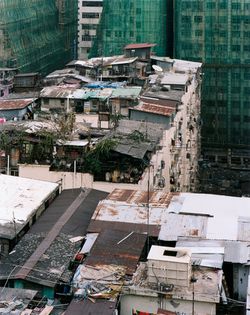
Learning from... Hong Kong
Learning from... Hong Kong
Actions:
Description:
Self-built settlements on the roofs of high-rise buildings have been an integral part of Hong Kong’s history for over half a century. Rooftop structures range from basic shelters for the disadvantaged to intricate multi-storey constructions equipped with the amenities of modern life. Rufina Wu and Stefan Canham use the tools of an architect and a photographer to document(...)
Self-built settlements on the roofs of high-rise buildings have been an integral part of Hong Kong’s history for over half a century. Rooftop structures range from basic shelters for the disadvantaged to intricate multi-storey constructions equipped with the amenities of modern life. Rufina Wu and Stefan Canham use the tools of an architect and a photographer to document(...)
Location:
Paul-Desmarais Theatre
Paul-Desmarais Theatre
Date:
3 May 2012 , 7pm
3 May 2012 , 7pm
Title:
Learning from... Hong Kong
Actions:
Description:
Self-built settlements on the roofs of high-rise buildings have been an integral part of Hong Kong’s history for over half a century. Rooftop structures range from basic shelters for the disadvantaged to intricate multi-storey constructions equipped with the amenities of modern life. Rufina Wu and Stefan Canham use the tools of an architect and a photographer to document(...)
Learning from... Hong Kong
Actions:
Description:
Self-built settlements on the roofs of high-rise buildings have been an integral part of Hong Kong’s history for over half a century. Rooftop structures range from basic shelters for the disadvantaged to intricate multi-storey constructions equipped with the amenities of modern life. Rufina Wu and Stefan Canham use the tools of an architect and a photographer to document(...)
Form:
events
events
Date:
3 May 2012
7pm
3 May 2012
7pm
Location:
Paul-Desmarais Theatre
Paul-Desmarais Theatre
Form:
events
events
Title:
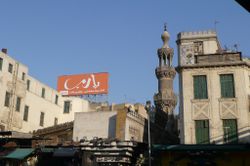
Learning from... Cairo
Learning from... Cairo
Actions:
Description:
Nasser Rabbat challenges the traditional framing strategies of East vs. West or traditional vs. modern, focusing instead on the dialectical relationship of modernity and history in the making of contemporary Cairo. Shaped by distinct waves of modernity from the colonial Napoleonic invasion of 1789 to the revolution and independence in 1952, the city responded with layers(...)
Nasser Rabbat challenges the traditional framing strategies of East vs. West or traditional vs. modern, focusing instead on the dialectical relationship of modernity and history in the making of contemporary Cairo. Shaped by distinct waves of modernity from the colonial Napoleonic invasion of 1789 to the revolution and independence in 1952, the city responded with layers(...)
Location:
Paul-Desmarais Theatre
Paul-Desmarais Theatre
Date:
15 September 2011 , 7pm
15 September 2011 , 7pm
Title:
Learning from... Cairo
Actions:
Description:
Nasser Rabbat challenges the traditional framing strategies of East vs. West or traditional vs. modern, focusing instead on the dialectical relationship of modernity and history in the making of contemporary Cairo. Shaped by distinct waves of modernity from the colonial Napoleonic invasion of 1789 to the revolution and independence in 1952, the city responded with layers(...)
Learning from... Cairo
Actions:
Description:
Nasser Rabbat challenges the traditional framing strategies of East vs. West or traditional vs. modern, focusing instead on the dialectical relationship of modernity and history in the making of contemporary Cairo. Shaped by distinct waves of modernity from the colonial Napoleonic invasion of 1789 to the revolution and independence in 1952, the city responded with layers(...)
Form:
events
events
Date:
15 September 2011
7pm
15 September 2011
7pm
Location:
Paul-Desmarais Theatre
Paul-Desmarais Theatre
Level of archival description:
Project
Project
Actions:
Reference number:
AP018.S1.1982.PR19
Description:
This project series documents the design and construction of the Hôtel de la Délégation in Algiers, Algeria from 1982-1985. The office identified the project number as 8220. This hotel was designed with inspiration from traditional Maghrebian and Middle Eastern architecture but made in the modern style. The site for the project consisted of the hotel, a neighbouring villa, a separate office complex, a roundabout at the entrance, two pools, tennis courts, gardens and, an arcade. The project proposed several variations on the design for the hotel, including an eight-level option and a ten-level option, the latter adding two levels of parking to the bottom of the building. The hotel was built into a hill so floors that were subterranean on one side of the building were above ground on the other. This latter side had terraced pergolas at every level with views over the pool. The hotel had a multi-level atrium that contained elaborate indoor gardens and trees. While the ground floor was made up of conference rooms, banquet halls and the reception area, the other levels mostly contained hotel rooms. This project was commissioned by Lavalin International Inc. for the Algerian government, who are referred to in the records as the Présidence de la République, République Algérienne, Démocratique et Populaire. The project is also referred to as Hôtel Alger in the project documentation. The project is recorded through drawings, photographic materials and textual records dating from 1982-1985. Almost all of the records are in French, with the exception of a few interoffice communications. While there are construction drawings in the project materials, there are also a large number of design drawings showing different schemes and ideas for the hotel. The photographic materials include construction progress photos of the hotel. The textual records consist of correspondence, meeting reports, pre-design records and the project scope, financial documentation, schedules, interoffice letters, construction and detail planning records, specifications and progress reports. Box AP018.S1.1982.PR19.041 in this project series includes an index to the textual materials, which was created by the office.
AP018.S1.1982.PR19
Description:
This project series documents the design and construction of the Hôtel de la Délégation in Algiers, Algeria from 1982-1985. The office identified the project number as 8220. This hotel was designed with inspiration from traditional Maghrebian and Middle Eastern architecture but made in the modern style. The site for the project consisted of the hotel, a neighbouring villa, a separate office complex, a roundabout at the entrance, two pools, tennis courts, gardens and, an arcade. The project proposed several variations on the design for the hotel, including an eight-level option and a ten-level option, the latter adding two levels of parking to the bottom of the building. The hotel was built into a hill so floors that were subterranean on one side of the building were above ground on the other. This latter side had terraced pergolas at every level with views over the pool. The hotel had a multi-level atrium that contained elaborate indoor gardens and trees. While the ground floor was made up of conference rooms, banquet halls and the reception area, the other levels mostly contained hotel rooms. This project was commissioned by Lavalin International Inc. for the Algerian government, who are referred to in the records as the Présidence de la République, République Algérienne, Démocratique et Populaire. The project is also referred to as Hôtel Alger in the project documentation. The project is recorded through drawings, photographic materials and textual records dating from 1982-1985. Almost all of the records are in French, with the exception of a few interoffice communications. While there are construction drawings in the project materials, there are also a large number of design drawings showing different schemes and ideas for the hotel. The photographic materials include construction progress photos of the hotel. The textual records consist of correspondence, meeting reports, pre-design records and the project scope, financial documentation, schedules, interoffice letters, construction and detail planning records, specifications and progress reports. Box AP018.S1.1982.PR19.041 in this project series includes an index to the textual materials, which was created by the office.
People:
Date:
1982-1985
1982-1985
Title:
Hôtel de la Délégation, Algiers, Algeria (1982-1985)
Actions:
AP018.S1.1982.PR19
Description:
This project series documents the design and construction of the Hôtel de la Délégation in Algiers, Algeria from 1982-1985. The office identified the project number as 8220. This hotel was designed with inspiration from traditional Maghrebian and Middle Eastern architecture but made in the modern style. The site for the project consisted of the hotel, a neighbouring villa, a separate office complex, a roundabout at the entrance, two pools, tennis courts, gardens and, an arcade. The project proposed several variations on the design for the hotel, including an eight-level option and a ten-level option, the latter adding two levels of parking to the bottom of the building. The hotel was built into a hill so floors that were subterranean on one side of the building were above ground on the other. This latter side had terraced pergolas at every level with views over the pool. The hotel had a multi-level atrium that contained elaborate indoor gardens and trees. While the ground floor was made up of conference rooms, banquet halls and the reception area, the other levels mostly contained hotel rooms. This project was commissioned by Lavalin International Inc. for the Algerian government, who are referred to in the records as the Présidence de la République, République Algérienne, Démocratique et Populaire. The project is also referred to as Hôtel Alger in the project documentation. The project is recorded through drawings, photographic materials and textual records dating from 1982-1985. Almost all of the records are in French, with the exception of a few interoffice communications. While there are construction drawings in the project materials, there are also a large number of design drawings showing different schemes and ideas for the hotel. The photographic materials include construction progress photos of the hotel. The textual records consist of correspondence, meeting reports, pre-design records and the project scope, financial documentation, schedules, interoffice letters, construction and detail planning records, specifications and progress reports. Box AP018.S1.1982.PR19.041 in this project series includes an index to the textual materials, which was created by the office.
Hôtel de la Délégation, Algiers, Algeria (1982-1985)
Actions:
AP018.S1.1982.PR19
Description:
This project series documents the design and construction of the Hôtel de la Délégation in Algiers, Algeria from 1982-1985. The office identified the project number as 8220. This hotel was designed with inspiration from traditional Maghrebian and Middle Eastern architecture but made in the modern style. The site for the project consisted of the hotel, a neighbouring villa, a separate office complex, a roundabout at the entrance, two pools, tennis courts, gardens and, an arcade. The project proposed several variations on the design for the hotel, including an eight-level option and a ten-level option, the latter adding two levels of parking to the bottom of the building. The hotel was built into a hill so floors that were subterranean on one side of the building were above ground on the other. This latter side had terraced pergolas at every level with views over the pool. The hotel had a multi-level atrium that contained elaborate indoor gardens and trees. While the ground floor was made up of conference rooms, banquet halls and the reception area, the other levels mostly contained hotel rooms. This project was commissioned by Lavalin International Inc. for the Algerian government, who are referred to in the records as the Présidence de la République, République Algérienne, Démocratique et Populaire. The project is also referred to as Hôtel Alger in the project documentation. The project is recorded through drawings, photographic materials and textual records dating from 1982-1985. Almost all of the records are in French, with the exception of a few interoffice communications. While there are construction drawings in the project materials, there are also a large number of design drawings showing different schemes and ideas for the hotel. The photographic materials include construction progress photos of the hotel. The textual records consist of correspondence, meeting reports, pre-design records and the project scope, financial documentation, schedules, interoffice letters, construction and detail planning records, specifications and progress reports. Box AP018.S1.1982.PR19.041 in this project series includes an index to the textual materials, which was created by the office.
Level of archival description:
Project
Project
Date:
1982-1985
1982-1985
People:
Level of archival description:
Project
Project
Reference number:
AP075.S1.1961.PR01
Description:
This project series documents Cornelia Hahn Oberlander's landscape project for the Skeena Terrace Low Rent Housing Project, a housing development located on the eastern edge of Vancouver. Oberlander worked on this project between 1961 and 1965. The architectural firm in charge of the project was Underwood, McKinley, Cameron, Wilson & Smith Architects. The project was comprised of an eight-storey apartment tower and twenty-seven three-storey maisonettes. Oberlander was in charge of the landscape design for the twelve-acre site. The project initially included the construction of a roadway cutting the site in two, but was never built due to protests from the community. Oberlander's landscape plan included a design for an outdoor terrace and garden areas for the maisonnettes, a community garden and numerous recreational and social spaces. She also designed play scultpures for small children. The project series contains design development drawings, including landscape plans and planting plans, working drawings, including a site plan and planting plans, a specifications addendum, an invitation to the official inauguration of the project, and photographs, which are mostly of the construction site. Source: Herrington, Susan. Cornelia Hahn Oberlander: Making the Modern Landscape, University of Virginia Press, 2014, 304 pages.
AP075.S1.1961.PR01
Description:
This project series documents Cornelia Hahn Oberlander's landscape project for the Skeena Terrace Low Rent Housing Project, a housing development located on the eastern edge of Vancouver. Oberlander worked on this project between 1961 and 1965. The architectural firm in charge of the project was Underwood, McKinley, Cameron, Wilson & Smith Architects. The project was comprised of an eight-storey apartment tower and twenty-seven three-storey maisonettes. Oberlander was in charge of the landscape design for the twelve-acre site. The project initially included the construction of a roadway cutting the site in two, but was never built due to protests from the community. Oberlander's landscape plan included a design for an outdoor terrace and garden areas for the maisonnettes, a community garden and numerous recreational and social spaces. She also designed play scultpures for small children. The project series contains design development drawings, including landscape plans and planting plans, working drawings, including a site plan and planting plans, a specifications addendum, an invitation to the official inauguration of the project, and photographs, which are mostly of the construction site. Source: Herrington, Susan. Cornelia Hahn Oberlander: Making the Modern Landscape, University of Virginia Press, 2014, 304 pages.
People:
Date:
1961-1965
1961-1965
Title:
Skeena Terrace Low Rent Housing, Vancouver, British Columbia (1961-1965)
Actions:
AP075.S1.1961.PR01
Description:
This project series documents Cornelia Hahn Oberlander's landscape project for the Skeena Terrace Low Rent Housing Project, a housing development located on the eastern edge of Vancouver. Oberlander worked on this project between 1961 and 1965. The architectural firm in charge of the project was Underwood, McKinley, Cameron, Wilson & Smith Architects. The project was comprised of an eight-storey apartment tower and twenty-seven three-storey maisonettes. Oberlander was in charge of the landscape design for the twelve-acre site. The project initially included the construction of a roadway cutting the site in two, but was never built due to protests from the community. Oberlander's landscape plan included a design for an outdoor terrace and garden areas for the maisonnettes, a community garden and numerous recreational and social spaces. She also designed play scultpures for small children. The project series contains design development drawings, including landscape plans and planting plans, working drawings, including a site plan and planting plans, a specifications addendum, an invitation to the official inauguration of the project, and photographs, which are mostly of the construction site. Source: Herrington, Susan. Cornelia Hahn Oberlander: Making the Modern Landscape, University of Virginia Press, 2014, 304 pages.
Skeena Terrace Low Rent Housing, Vancouver, British Columbia (1961-1965)
Actions:
AP075.S1.1961.PR01
Description:
This project series documents Cornelia Hahn Oberlander's landscape project for the Skeena Terrace Low Rent Housing Project, a housing development located on the eastern edge of Vancouver. Oberlander worked on this project between 1961 and 1965. The architectural firm in charge of the project was Underwood, McKinley, Cameron, Wilson & Smith Architects. The project was comprised of an eight-storey apartment tower and twenty-seven three-storey maisonettes. Oberlander was in charge of the landscape design for the twelve-acre site. The project initially included the construction of a roadway cutting the site in two, but was never built due to protests from the community. Oberlander's landscape plan included a design for an outdoor terrace and garden areas for the maisonnettes, a community garden and numerous recreational and social spaces. She also designed play scultpures for small children. The project series contains design development drawings, including landscape plans and planting plans, working drawings, including a site plan and planting plans, a specifications addendum, an invitation to the official inauguration of the project, and photographs, which are mostly of the construction site. Source: Herrington, Susan. Cornelia Hahn Oberlander: Making the Modern Landscape, University of Virginia Press, 2014, 304 pages.
Level of archival description:
Project
Project
Date:
1961-1965
1961-1965
People:
Form:
exhibitions
exhibitions
Actions:
Description:
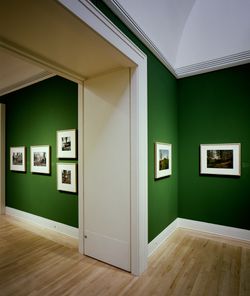
Through a commission from the CCA, three contemporary photographers spent six years interpreting the work of Frederick Law Olmsted (1822–1903), North America’s most important landscape architect. *Viewing Olmsted: Photographs by Robert Burley, Lee Friedlander, and Geoffrey James* presents 155 photographs from this commission to offer visitors an opportunity to understand(...)
Through a commission from the CCA, three contemporary photographers spent six years interpreting the work of Frederick Law Olmsted (1822–1903), North America’s most important landscape architect. *Viewing Olmsted: Photographs by Robert Burley, Lee Friedlander, and Geoffrey James* presents 155 photographs from this commission to offer visitors an opportunity to understand(...)
Location:
Main galleries
Main galleries
Date:
16 October 1996 to 2 February 1997
16 October 1996 to 2 February 1997
Title:
Viewing Olmsted: Photographs by Robert Burley, Lee Friedlander, and Geoffrey James
Actions:
Description:
Through a commission from the CCA, three contemporary photographers spent six years interpreting the work of Frederick Law Olmsted (1822–1903), North America’s most important landscape architect. *Viewing Olmsted: Photographs by Robert Burley, Lee Friedlander, and Geoffrey James* presents 155 photographs from this commission to offer visitors an opportunity to understand(...)
Viewing Olmsted: Photographs by Robert Burley, Lee Friedlander, and Geoffrey James
Actions:
Description:
Through a commission from the CCA, three contemporary photographers spent six years interpreting the work of Frederick Law Olmsted (1822–1903), North America’s most important landscape architect. *Viewing Olmsted: Photographs by Robert Burley, Lee Friedlander, and Geoffrey James* presents 155 photographs from this commission to offer visitors an opportunity to understand(...)
Form:
exhibitions
exhibitions
Date:
16 October 1996 to
2 February 1997
16 October 1996 to
2 February 1997
Location:
Main galleries
Main galleries


