


162 Results
Form:
books
books
Actions:
Price:
$44.50
(available to order)
Summary:
This compendium of essays and projects presents a confrontation of radically dissimilar projects which underscores the exploration of architectural empowerment at the core of the office’s work. Four themes are presented in four volumes: Cultural Resistance, Occupying Earth, Public Prerogatives, and Territory and Transgressions. Architects build in and for a system that(...)
$44.50
(available to order)
Summary:
This compendium of essays and projects presents a confrontation of radically dissimilar projects which underscores the exploration of architectural empowerment at the core of the office’s work. Four themes are presented in four volumes: Cultural Resistance, Occupying Earth, Public Prerogatives, and Territory and Transgressions. Architects build in and for a system that(...)
Title:
Oualalou +Choi: Territories of disobedience
Actions:
Price:
$44.50
(available to order)
Summary:
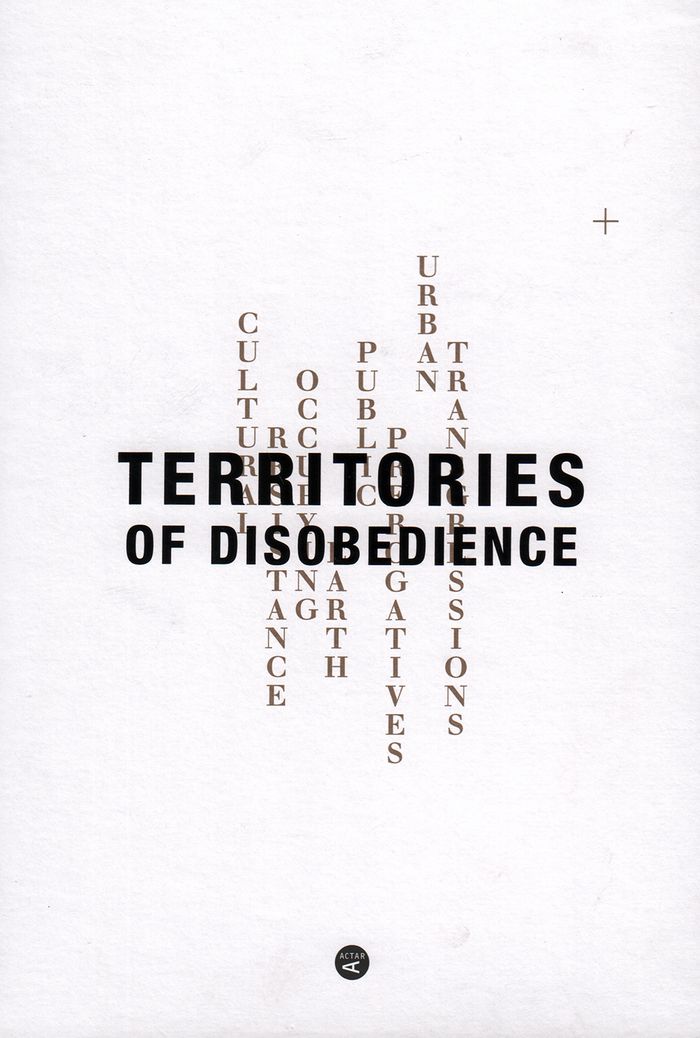
This compendium of essays and projects presents a confrontation of radically dissimilar projects which underscores the exploration of architectural empowerment at the core of the office’s work. Four themes are presented in four volumes: Cultural Resistance, Occupying Earth, Public Prerogatives, and Territory and Transgressions. Architects build in and for a system that is not only pathological, but toxic. It is ruining the only planet we have, and we are clearly at the end of what is still possible within this ecology. The architecture presented in this book is a form of resistance – one which actively engages in the societies and territories it is inscribed in and which presents an antidote to the accelerating banalization of our everyday environments. The search for singularity is not a search for formal distinction or a fetishism of the architectural object, but instead the desire to inscribe oneself into a unique territory and moment in time.
Oualalou +Choi: Territories of disobedience
Actions:
Price:
$44.50
(available to order)
Summary:
This compendium of essays and projects presents a confrontation of radically dissimilar projects which underscores the exploration of architectural empowerment at the core of the office’s work. Four themes are presented in four volumes: Cultural Resistance, Occupying Earth, Public Prerogatives, and Territory and Transgressions. Architects build in and for a system that is not only pathological, but toxic. It is ruining the only planet we have, and we are clearly at the end of what is still possible within this ecology. The architecture presented in this book is a form of resistance – one which actively engages in the societies and territories it is inscribed in and which presents an antidote to the accelerating banalization of our everyday environments. The search for singularity is not a search for formal distinction or a fetishism of the architectural object, but instead the desire to inscribe oneself into a unique territory and moment in time.
Form:
books
books
Publication:
July 2017
July 2017
Subject:
Architecture Monographs
Architecture Monographs
Form:
books
books
Price:
$39.95
(available to order)
Summary:
Over the millennia, humans have used pigments to decorate, narrate, and instruct. Charred bone, ground earth, stones, bugs, and blood were the first pigments. New pigments were manufactured by simple processes such as corrosion and calcination until the Industrial Revolution introduced colors outside the spectrum of the natural world. "Pigments" brings together leading(...)
$39.95
(available to order)
Summary:
Over the millennia, humans have used pigments to decorate, narrate, and instruct. Charred bone, ground earth, stones, bugs, and blood were the first pigments. New pigments were manufactured by simple processes such as corrosion and calcination until the Industrial Revolution introduced colors outside the spectrum of the natural world. "Pigments" brings together leading(...)
Subject:
Colour Theory and Design
Colour Theory and Design
Publication:
June 2024
June 2024
Title:
Pigments
Actions:
Price:
$39.95
(available to order)
Summary:
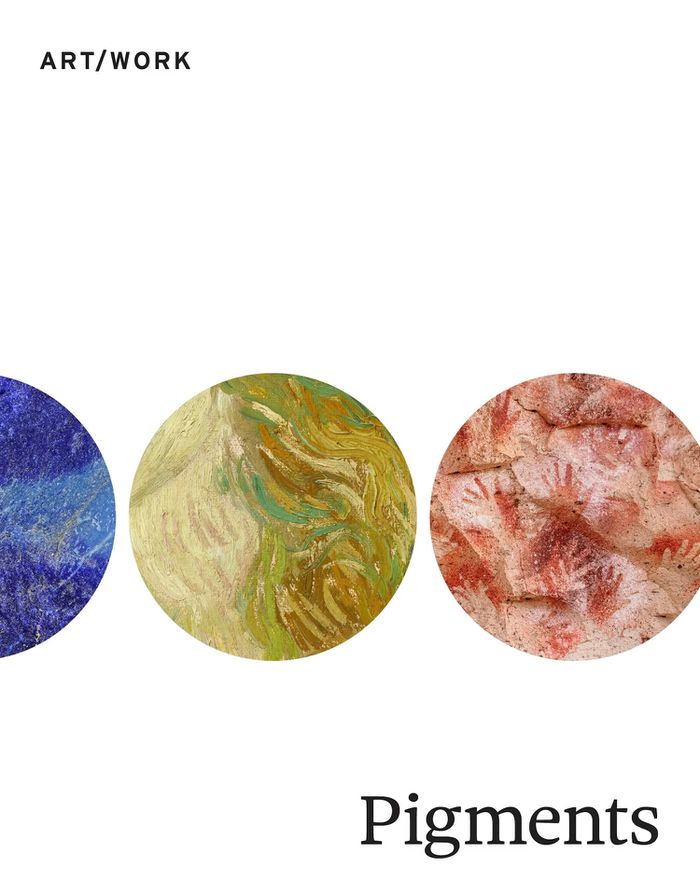
Over the millennia, humans have used pigments to decorate, narrate, and instruct. Charred bone, ground earth, stones, bugs, and blood were the first pigments. New pigments were manufactured by simple processes such as corrosion and calcination until the Industrial Revolution introduced colors outside the spectrum of the natural world. "Pigments" brings together leading art historians and conservators to trace the history of the materials used to create color and their invention across diverse cultures and time periods. This richly illustrated book features incisive historical essays and case studies that shed light on the many forms of pigments—the organic and inorganic; the edible and the toxic; and those that are more precious than gold. It shows how pigments were as central to the earliest art forms and global trade networks as they are to commerce, ornamentation, and artistic expression today. The book reveals the innate instability and mutability of most pigments and discusses how few artworks or objects look as they did when they were first created.
Pigments
Actions:
Price:
$39.95
(available to order)
Summary:
Over the millennia, humans have used pigments to decorate, narrate, and instruct. Charred bone, ground earth, stones, bugs, and blood were the first pigments. New pigments were manufactured by simple processes such as corrosion and calcination until the Industrial Revolution introduced colors outside the spectrum of the natural world. "Pigments" brings together leading art historians and conservators to trace the history of the materials used to create color and their invention across diverse cultures and time periods. This richly illustrated book features incisive historical essays and case studies that shed light on the many forms of pigments—the organic and inorganic; the edible and the toxic; and those that are more precious than gold. It shows how pigments were as central to the earliest art forms and global trade networks as they are to commerce, ornamentation, and artistic expression today. The book reveals the innate instability and mutability of most pigments and discusses how few artworks or objects look as they did when they were first created.
Form:
books
books
Publication:
June 2024
June 2024
Subject:
Colour Theory and Design
Colour Theory and Design
Form:
books
books
Actions:
Price:
$82.00
(available to order)
Summary:
The renaissance of wood in architecture began in the early 1990s following the Earth Summit in Rio de Janeiro. A lively interest in sustainable materials made wood particularly attractive and it became an important feature in the developing global ecology. Wood as a building material for the home has become independent from the aesthetic designs of a well-known Swedish(...)
$82.00
(available to order)
Summary:
The renaissance of wood in architecture began in the early 1990s following the Earth Summit in Rio de Janeiro. A lively interest in sustainable materials made wood particularly attractive and it became an important feature in the developing global ecology. Wood as a building material for the home has become independent from the aesthetic designs of a well-known Swedish(...)
Title:
Wood houses : spaces for contemporary living and working
Actions:
Price:
$82.00
(available to order)
Summary:
The renaissance of wood in architecture began in the early 1990s following the Earth Summit in Rio de Janeiro. A lively interest in sustainable materials made wood particularly attractive and it became an important feature in the developing global ecology. Wood as a building material for the home has become independent from the aesthetic designs of a well-known Swedish furniture chain, and it now stands for a healthy interior environment, free of harmful toxic substances, with naturally balanced humidity and comfortable, regulated temperatures. This volume documents in full technical detail some 25 timber buildings in three main areas: residential buildings, holiday homes, and living and working. The individual projects cover a large range of sizes, budgets, and types of construction, and they also show wood in combination with such materials as stone, concrete, and steel. The featured work comes from Germany, Austria, Switzerland, France, Belgium, Finland, Ireland, USA, Canada, China, Australia and Brazil, and the architects include Philip Gumuchdjian, Mario Botta, Kengo Kuma and Baumschlager + Eberle.
Wood houses : spaces for contemporary living and working
Actions:
Price:
$82.00
(available to order)
Summary:
The renaissance of wood in architecture began in the early 1990s following the Earth Summit in Rio de Janeiro. A lively interest in sustainable materials made wood particularly attractive and it became an important feature in the developing global ecology. Wood as a building material for the home has become independent from the aesthetic designs of a well-known Swedish furniture chain, and it now stands for a healthy interior environment, free of harmful toxic substances, with naturally balanced humidity and comfortable, regulated temperatures. This volume documents in full technical detail some 25 timber buildings in three main areas: residential buildings, holiday homes, and living and working. The individual projects cover a large range of sizes, budgets, and types of construction, and they also show wood in combination with such materials as stone, concrete, and steel. The featured work comes from Germany, Austria, Switzerland, France, Belgium, Finland, Ireland, USA, Canada, China, Australia and Brazil, and the architects include Philip Gumuchdjian, Mario Botta, Kengo Kuma and Baumschlager + Eberle.
Form:
books
books
Publication:
October 2004, Basel
October 2004, Basel
Subject:
Timber Construction
Timber Construction
Form:
books
books
Title:
Aranda/Lasch: Trace elements
Aranda/Lasch: Trace elements
Actions:
Price:
$26.95
(available to order)
Summary:
"Trace elements" are minerals that exist in minute quantities necessary for the growth and development of cells. Exposure to excessive quantities is toxic, but without them our bodies would atrophy. They are the crystalline structures that support life. Over the past decade, Aranda\Lasch has focused obsessively on these structures as a form of both organization and(...)
$26.95
(available to order)
Summary:
"Trace elements" are minerals that exist in minute quantities necessary for the growth and development of cells. Exposure to excessive quantities is toxic, but without them our bodies would atrophy. They are the crystalline structures that support life. Over the past decade, Aranda\Lasch has focused obsessively on these structures as a form of both organization and(...)
Title:
Aranda/Lasch: Trace elements
Actions:
Price:
$26.95
(available to order)
Summary:
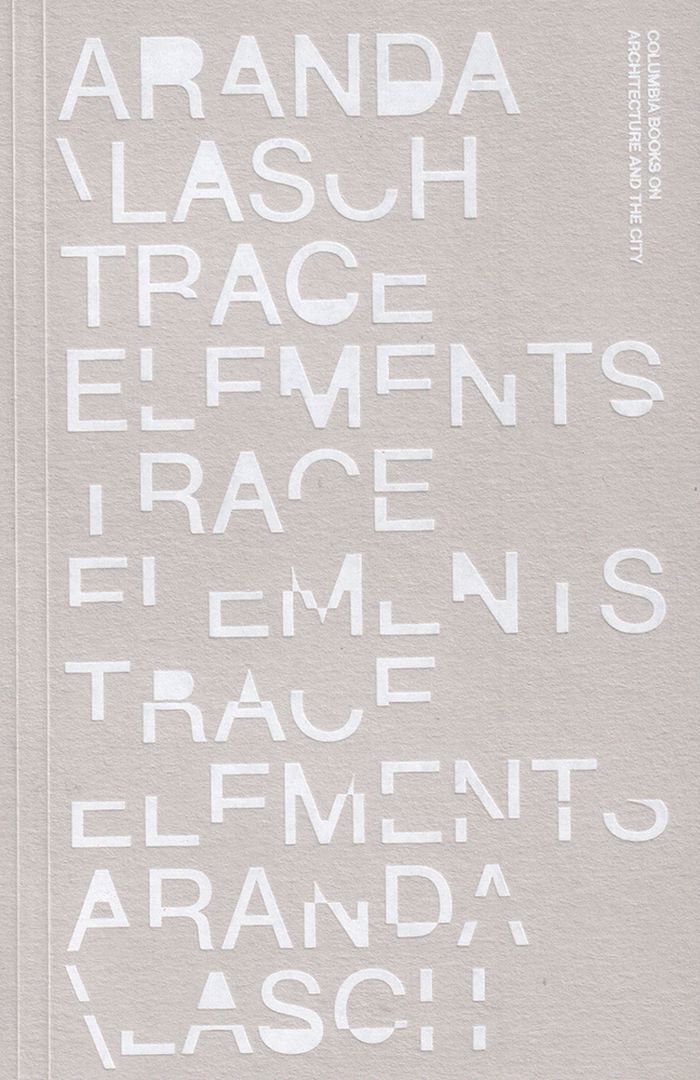
"Trace elements" are minerals that exist in minute quantities necessary for the growth and development of cells. Exposure to excessive quantities is toxic, but without them our bodies would atrophy. They are the crystalline structures that support life. Over the past decade, Aranda\Lasch has focused obsessively on these structures as a form of both organization and expression for architecture. Their projects explore the interplay between rule-based systems and human ritual. In scale, this work lies somewhere between furniture and building, so that what is built, drawn, and projected gives human measure to procedural thinking. Published on the occasion of the studio's exhibition "Meeting the Clouds Halfway" at the Museum of Contemporary Art (MOCA) Tucson, this book is a collection of recent explorations into modularity, craft, pattern, rhythm, material, and memory. Trace Elements documents a wide-ranging and yet sharply focused body of work from an office dedicated both to intellectual exploration and the honing of a distinct design sensibility.
Aranda/Lasch: Trace elements
Actions:
Price:
$26.95
(available to order)
Summary:
"Trace elements" are minerals that exist in minute quantities necessary for the growth and development of cells. Exposure to excessive quantities is toxic, but without them our bodies would atrophy. They are the crystalline structures that support life. Over the past decade, Aranda\Lasch has focused obsessively on these structures as a form of both organization and expression for architecture. Their projects explore the interplay between rule-based systems and human ritual. In scale, this work lies somewhere between furniture and building, so that what is built, drawn, and projected gives human measure to procedural thinking. Published on the occasion of the studio's exhibition "Meeting the Clouds Halfway" at the Museum of Contemporary Art (MOCA) Tucson, this book is a collection of recent explorations into modularity, craft, pattern, rhythm, material, and memory. Trace Elements documents a wide-ranging and yet sharply focused body of work from an office dedicated both to intellectual exploration and the honing of a distinct design sensibility.
Form:
books
books
Publication:
August 2017
August 2017
Subject:
Contemporary Art Monographs
Contemporary Art Monographs
Form:
books
books
Actions:
Price:
$72.00
(available to order)
Summary:
Unknown Fields is a nomadic design studio that ventures out on expeditions into the shadows cast by the contemporary city, to uncover the industrial ecologies and precarious wilderness its technology and culture set in motion. "Tales from the dark side of the city" is a book series that forms an atlas to the territories and stories of a city that stretches across the(...)
$72.00
(available to order)
Summary:
Unknown Fields is a nomadic design studio that ventures out on expeditions into the shadows cast by the contemporary city, to uncover the industrial ecologies and precarious wilderness its technology and culture set in motion. "Tales from the dark side of the city" is a book series that forms an atlas to the territories and stories of a city that stretches across the(...)
Title:
Tales from the dark side of the city, box set
Actions:
Price:
$72.00
(available to order)
Summary:
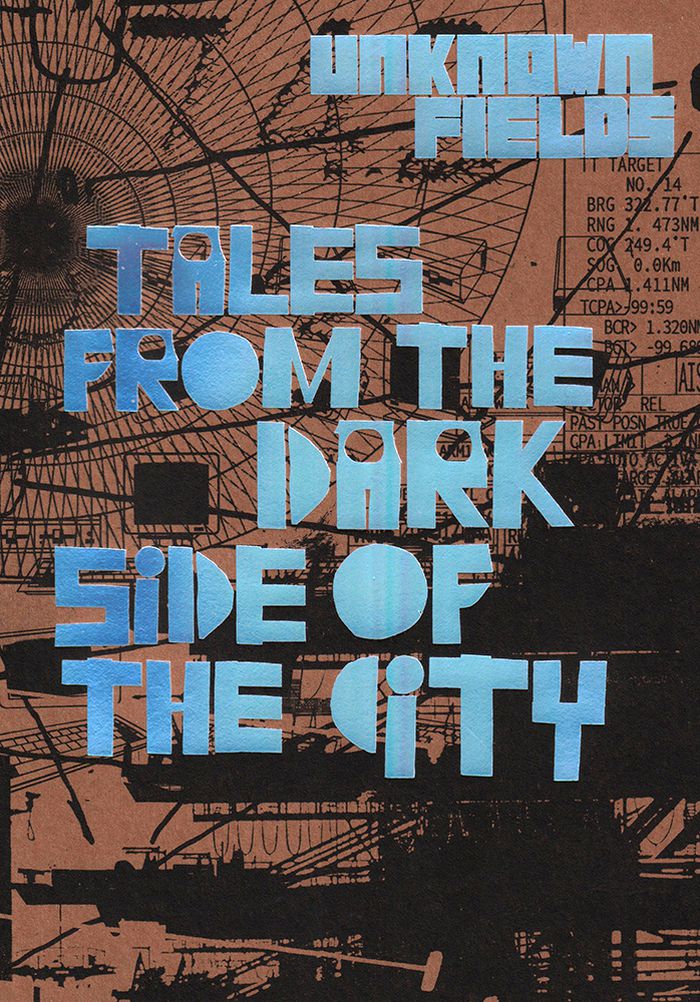
Unknown Fields is a nomadic design studio that ventures out on expeditions into the shadows cast by the contemporary city, to uncover the industrial ecologies and precarious wilderness its technology and culture set in motion. "Tales from the dark side of the city" is a book series that forms an atlas to the territories and stories of a city that stretches across the entire planet, a city that sits between documentary and fiction, a city of dislocated sites, of drone footage and hidden-camera investigations, of interviews and speculative narratives, of toxic objects and distributed matter from distant grounds. They are a collection of tales from the constellation of elsewheres that are conjured into being by the city’s wants and needs, fears and dreams. The series includes stories developed from expeditions through Bolivia and the Atacama Desert, the Western Australian Outback, the South China Sea and Inner Mongolia, the gemfields of Madagascar, Far North Alaska and the black sites of the United States.
Tales from the dark side of the city, box set
Actions:
Price:
$72.00
(available to order)
Summary:
Unknown Fields is a nomadic design studio that ventures out on expeditions into the shadows cast by the contemporary city, to uncover the industrial ecologies and precarious wilderness its technology and culture set in motion. "Tales from the dark side of the city" is a book series that forms an atlas to the territories and stories of a city that stretches across the entire planet, a city that sits between documentary and fiction, a city of dislocated sites, of drone footage and hidden-camera investigations, of interviews and speculative narratives, of toxic objects and distributed matter from distant grounds. They are a collection of tales from the constellation of elsewheres that are conjured into being by the city’s wants and needs, fears and dreams. The series includes stories developed from expeditions through Bolivia and the Atacama Desert, the Western Australian Outback, the South China Sea and Inner Mongolia, the gemfields of Madagascar, Far North Alaska and the black sites of the United States.
Form:
books
books
Publication:
November 2016
November 2016
Form:
books
books
Actions:
Price:
$75.00
(available to order)
Summary:
In November 2022, the water level of the Great Salt Lake fell to its lowest on record. Diverted water supply from its feeding rivers, pollution from nearby extraction plants and ravaging droughts have brought this landmark to a crisis point. As the lake reached its lowest ebb, photographer Fazal Sheikh (born 1965), together with writer Terry Tempest Williams (born 1955),(...)
$75.00
(available to order)
Summary:
In November 2022, the water level of the Great Salt Lake fell to its lowest on record. Diverted water supply from its feeding rivers, pollution from nearby extraction plants and ravaging droughts have brought this landmark to a crisis point. As the lake reached its lowest ebb, photographer Fazal Sheikh (born 1965), together with writer Terry Tempest Williams (born 1955),(...)
Title:
Fazal Sheikh: Thirst, Great Salt Lake
Actions:
Price:
$75.00
(available to order)
Summary:
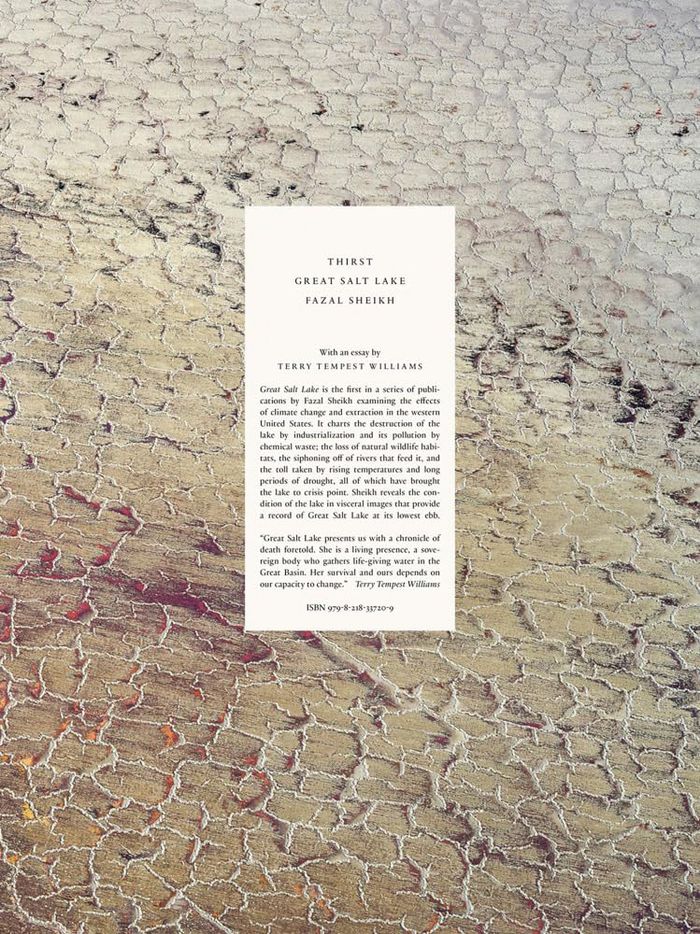
In November 2022, the water level of the Great Salt Lake fell to its lowest on record. Diverted water supply from its feeding rivers, pollution from nearby extraction plants and ravaging droughts have brought this landmark to a crisis point. As the lake reached its lowest ebb, photographer Fazal Sheikh (born 1965), together with writer Terry Tempest Williams (born 1955), walked the shoreline, awed by its epic beauty while recording the destruction of its natural habitats. As Utah native Williams writes in her essay, "Retreat," she is witnessing the death of a lake that has been a constant presence in her life. Meanwhile, Sheikh documents the shrinking salt basin from above, revealing how the lake has been exploited: plundered for its natural salts, dissected by concrete highways, discolored by toxic waste, depleted by evaporation. His images hold a mirror to the lake’s surface, charting its destruction while demanding the viewer’s visceral response.
Fazal Sheikh: Thirst, Great Salt Lake
Actions:
Price:
$75.00
(available to order)
Summary:
In November 2022, the water level of the Great Salt Lake fell to its lowest on record. Diverted water supply from its feeding rivers, pollution from nearby extraction plants and ravaging droughts have brought this landmark to a crisis point. As the lake reached its lowest ebb, photographer Fazal Sheikh (born 1965), together with writer Terry Tempest Williams (born 1955), walked the shoreline, awed by its epic beauty while recording the destruction of its natural habitats. As Utah native Williams writes in her essay, "Retreat," she is witnessing the death of a lake that has been a constant presence in her life. Meanwhile, Sheikh documents the shrinking salt basin from above, revealing how the lake has been exploited: plundered for its natural salts, dissected by concrete highways, discolored by toxic waste, depleted by evaporation. His images hold a mirror to the lake’s surface, charting its destruction while demanding the viewer’s visceral response.
Form:
books
books
Publication:
November 2024
November 2024
Subject:
Photography monographs
Photography monographs
Form:
books
books
Actions:
Price:
$53.95
(available to order)
Summary:
Dependent on the extractive practices of fossil-fueled industrial capitalism, chemical photography’s emulsions and films were highly sensitive to polluted atmospheres, and photographic companies had to work hard to control this sensitivity. Drawing on histories of empire, coal, and chemistry and from the archives of British photographic manufacturer Ilford Limited,(...)
$53.95
(available to order)
Summary:
Dependent on the extractive practices of fossil-fueled industrial capitalism, chemical photography’s emulsions and films were highly sensitive to polluted atmospheres, and photographic companies had to work hard to control this sensitivity. Drawing on histories of empire, coal, and chemistry and from the archives of British photographic manufacturer Ilford Limited,(...)
Title:
A dirty history of photography: Chemistry, fog, and empire
Actions:
Price:
$53.95
(available to order)
Summary:
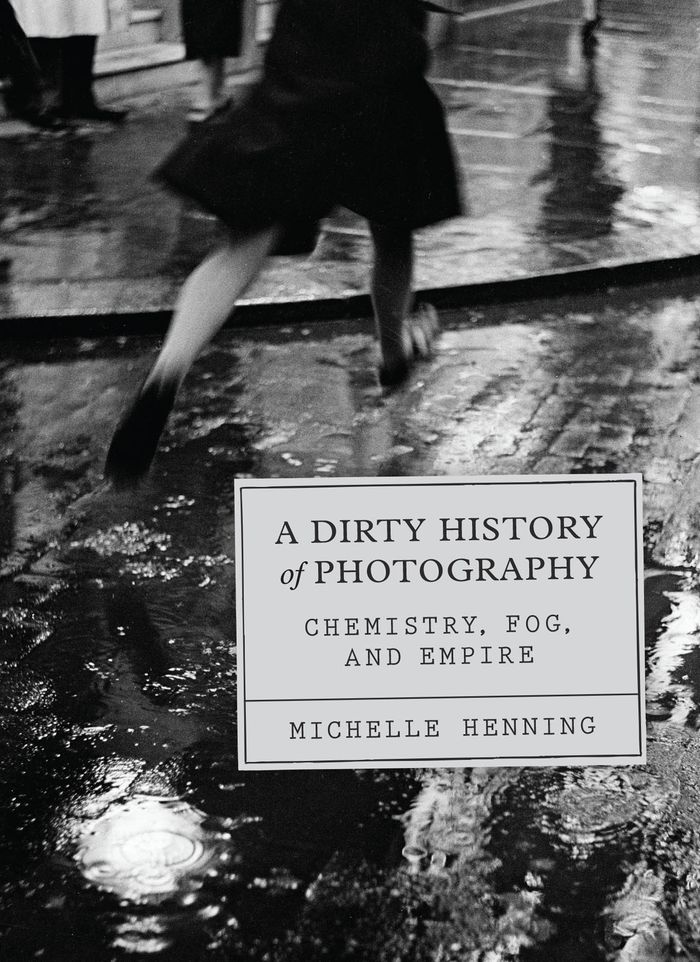
Dependent on the extractive practices of fossil-fueled industrial capitalism, chemical photography’s emulsions and films were highly sensitive to polluted atmospheres, and photographic companies had to work hard to control this sensitivity. Drawing on histories of empire, coal, and chemistry and from the archives of British photographic manufacturer Ilford Limited, Michelle Henning exposes the ways photography shaped how we see and understand the atmosphere while leaving its toxic residues in the air, soil, and water. Structured as thirty-six short chapters and with over seventy illustrations, this innovative book begins in interwar London, follows the supply of Ilford products to photographers on the West African coast, and considers photography as a military technology linked to the development of chemical warfare. Combining close readings of photographs with discussions of low-light, tropical, and aerial photography, Henning examines the extraction and development of photographic materials, their role in the current environmental crisis, and how they have shaped experiences of time and the environment.
A dirty history of photography: Chemistry, fog, and empire
Actions:
Price:
$53.95
(available to order)
Summary:
Dependent on the extractive practices of fossil-fueled industrial capitalism, chemical photography’s emulsions and films were highly sensitive to polluted atmospheres, and photographic companies had to work hard to control this sensitivity. Drawing on histories of empire, coal, and chemistry and from the archives of British photographic manufacturer Ilford Limited, Michelle Henning exposes the ways photography shaped how we see and understand the atmosphere while leaving its toxic residues in the air, soil, and water. Structured as thirty-six short chapters and with over seventy illustrations, this innovative book begins in interwar London, follows the supply of Ilford products to photographers on the West African coast, and considers photography as a military technology linked to the development of chemical warfare. Combining close readings of photographs with discussions of low-light, tropical, and aerial photography, Henning examines the extraction and development of photographic materials, their role in the current environmental crisis, and how they have shaped experiences of time and the environment.
Form:
books
books
Publication:
January 2026
January 2026
Subject:
Photography monographs
Photography monographs
Form:
books
books
Actions:
Price:
$31.50
(available to order)
Summary:
A manifesto for a radically different philosophy and practice of manufacture and environmentalism. "Reduce, reuse, recycle" urge environmentalists; in other words, do more with less in order to minimize damage. As William McDonough and Michael Braungart argue in their provocative, visionary book, however, this approach perpetuates a one-way, "cradle to grave"(...)
$31.50
(available to order)
Summary:
A manifesto for a radically different philosophy and practice of manufacture and environmentalism. "Reduce, reuse, recycle" urge environmentalists; in other words, do more with less in order to minimize damage. As William McDonough and Michael Braungart argue in their provocative, visionary book, however, this approach perpetuates a one-way, "cradle to grave"(...)
Subject:
Green Architecture
Green Architecture
Publication:
January 1900, New York
January 1900, New York
Title:
Cradle to cradle : remaking the way we make things
Actions:
Price:
$31.50
(available to order)
Summary:
A manifesto for a radically different philosophy and practice of manufacture and environmentalism. "Reduce, reuse, recycle" urge environmentalists; in other words, do more with less in order to minimize damage. As William McDonough and Michael Braungart argue in their provocative, visionary book, however, this approach perpetuates a one-way, "cradle to grave" manufacturing model that dates to the industrial revolution and casts off as much as 90 percent of the materials it uses as waste, much of it toxic. Why not challenge the notion that human industry must inevitably damage the natural world, they ask. In fact, why not take nature itself as our model? A tree produces thousands of blossoms in order to create another tree, yet we do not consider its abundance wasteful but safe, beautiful, and highly effective; hence, "waste equals food" is the first principle the book sets forth. Products might be designed so that, after their useful life, they provide nourishment for something new-either as "biological nutrients" that safely re-enter the environment or as "technical nutrients" that circulate within closed-loop industrial cycles, without being "downcycled" into low-grade uses (as most "recyclables" now are). Elaborating their principles from experience (re)designing everything from carpeting to corporate campuses, the authors make an exciting and viable case for change.
Cradle to cradle : remaking the way we make things
Actions:
Price:
$31.50
(available to order)
Summary:
A manifesto for a radically different philosophy and practice of manufacture and environmentalism. "Reduce, reuse, recycle" urge environmentalists; in other words, do more with less in order to minimize damage. As William McDonough and Michael Braungart argue in their provocative, visionary book, however, this approach perpetuates a one-way, "cradle to grave" manufacturing model that dates to the industrial revolution and casts off as much as 90 percent of the materials it uses as waste, much of it toxic. Why not challenge the notion that human industry must inevitably damage the natural world, they ask. In fact, why not take nature itself as our model? A tree produces thousands of blossoms in order to create another tree, yet we do not consider its abundance wasteful but safe, beautiful, and highly effective; hence, "waste equals food" is the first principle the book sets forth. Products might be designed so that, after their useful life, they provide nourishment for something new-either as "biological nutrients" that safely re-enter the environment or as "technical nutrients" that circulate within closed-loop industrial cycles, without being "downcycled" into low-grade uses (as most "recyclables" now are). Elaborating their principles from experience (re)designing everything from carpeting to corporate campuses, the authors make an exciting and viable case for change.
Form:
books
books
Publication:
January 1900, New York
January 1900, New York
Subject:
Green Architecture
Green Architecture
Form:
books
books
Actions:
Price:
$27.95
(available to order)
Summary:
"Filth" is concerned with what waste reveals about the culture that creates it. From floating barges of urban refuse to dung-encrusted works of art, from toxic landfills to dirty movies, filth has become a major presence and a point of volatile contention in modern life. This book explores the question of what filth has to do with culture: what critical role the lost,(...)
$27.95
(available to order)
Summary:
"Filth" is concerned with what waste reveals about the culture that creates it. From floating barges of urban refuse to dung-encrusted works of art, from toxic landfills to dirty movies, filth has become a major presence and a point of volatile contention in modern life. This book explores the question of what filth has to do with culture: what critical role the lost,(...)
Subject:
Architectural Theory
Architectural Theory
Publication:
January 2005, Minneapolis
January 2005, Minneapolis
Title:
Filth : dirt, disgust, and modern life
Actions:
Price:
$27.95
(available to order)
Summary:
"Filth" is concerned with what waste reveals about the culture that creates it. From floating barges of urban refuse to dung-encrusted works of art, from toxic landfills to dirty movies, filth has become a major presence and a point of volatile contention in modern life. This book explores the question of what filth has to do with culture: what critical role the lost, the rejected, the abject, and the dirty play in social management and identity formation. It suggests the ongoing power of culturally mandated categories of exclusion and repression. Focusing on filth in literary and cultural materials from London, Paris, and their colonial outposts in the nineteenth and early twentieth centuries, the essays in "Filth" - all but one previously unpublished - range over topics as diverse as the building of sewers in nineteenth-century European metropolises, the link between interior design and bourgeois sanitary phobias, the fictional representation of labouring women and foreigners as polluting, and relations among disease, disorder, and sexual-racial disharmony. "Filth" provides the first sustained consideration, both theoretical and historical, of a subject whose power to horrify, fascinate, and repel is as old as civilization itself. Contributors: David S. Barnes, Neil Blackadder, Joseph Bristow, Joseph W. Childers, Eileen Cleere, Natalka Freeland, Pamela K. Gilbert, Christopher Hamlin, William Kupinse, Benjamin Lazier, David L. Pike, David Trotter.
Filth : dirt, disgust, and modern life
Actions:
Price:
$27.95
(available to order)
Summary:
"Filth" is concerned with what waste reveals about the culture that creates it. From floating barges of urban refuse to dung-encrusted works of art, from toxic landfills to dirty movies, filth has become a major presence and a point of volatile contention in modern life. This book explores the question of what filth has to do with culture: what critical role the lost, the rejected, the abject, and the dirty play in social management and identity formation. It suggests the ongoing power of culturally mandated categories of exclusion and repression. Focusing on filth in literary and cultural materials from London, Paris, and their colonial outposts in the nineteenth and early twentieth centuries, the essays in "Filth" - all but one previously unpublished - range over topics as diverse as the building of sewers in nineteenth-century European metropolises, the link between interior design and bourgeois sanitary phobias, the fictional representation of labouring women and foreigners as polluting, and relations among disease, disorder, and sexual-racial disharmony. "Filth" provides the first sustained consideration, both theoretical and historical, of a subject whose power to horrify, fascinate, and repel is as old as civilization itself. Contributors: David S. Barnes, Neil Blackadder, Joseph Bristow, Joseph W. Childers, Eileen Cleere, Natalka Freeland, Pamela K. Gilbert, Christopher Hamlin, William Kupinse, Benjamin Lazier, David L. Pike, David Trotter.
Form:
books
books
Publication:
January 2005, Minneapolis
January 2005, Minneapolis
Subject:
Architectural Theory
Architectural Theory
Form:
books
books
Title:
Shaping things
Shaping things
Actions:
Price:
$27.50
(available to order)
Summary:
Sterling offers a brilliant, often hilarious history of shaped things. We have moved from an age of artefacts, made by hand, through complex machines, to the current era of "gizmos." New forms of design and manufacture are appearing that lack historical precedent, he writes; but the production methods, using archaic forms of energy and materials that are finite and toxic,(...)
$27.50
(available to order)
Summary:
Sterling offers a brilliant, often hilarious history of shaped things. We have moved from an age of artefacts, made by hand, through complex machines, to the current era of "gizmos." New forms of design and manufacture are appearing that lack historical precedent, he writes; but the production methods, using archaic forms of energy and materials that are finite and toxic,(...)
Title:
Shaping things
Actions:
Price:
$27.50
(available to order)
Summary:
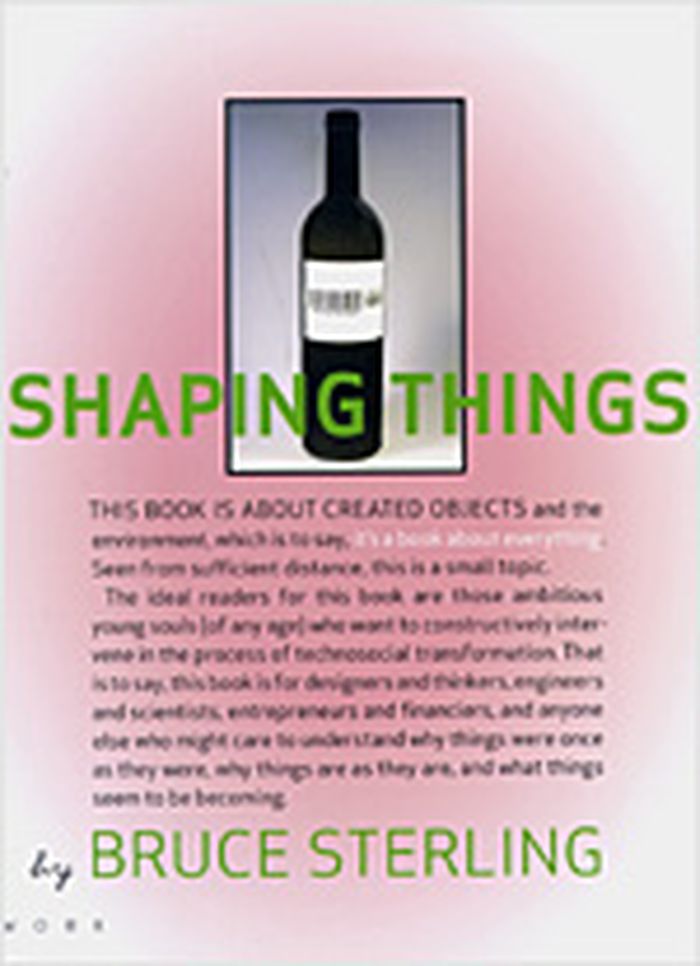
Sterling offers a brilliant, often hilarious history of shaped things. We have moved from an age of artefacts, made by hand, through complex machines, to the current era of "gizmos." New forms of design and manufacture are appearing that lack historical precedent, he writes; but the production methods, using archaic forms of energy and materials that are finite and toxic, are not sustainable. The future will see a new kind of object - we have the primitive forms of them now in our pockets and briefcases: user-alterable, baroquely multi-featured, and programmable - that will be sustainable, enhanceable, and uniquely identifiable. Sterling coins the term "spime" for them, these future manufactured objects with informational support so extensive and rich that they are regarded as material instantiations of an immaterial system. Spimes are designed on screens, fabricated by digital means, and precisely tracked through space and time. They are made of substances that can be folded back into the production stream of future spimes, challenging all of us to become involved in their production. Spimes are coming, says Sterling. We will need these objects in order to live; we won't be able to surrender their advantages without awful consequences. The vision of ‘Shaping Things’ is given material form by the intricate design of Lorraine Wild. ‘Shaping Things’ is for designers and thinkers, engineers and scientists, entrepreneurs and financiers - and anyone who wants to understand and be part of the process of techno-social transformation.
Shaping things
Actions:
Price:
$27.50
(available to order)
Summary:
Sterling offers a brilliant, often hilarious history of shaped things. We have moved from an age of artefacts, made by hand, through complex machines, to the current era of "gizmos." New forms of design and manufacture are appearing that lack historical precedent, he writes; but the production methods, using archaic forms of energy and materials that are finite and toxic, are not sustainable. The future will see a new kind of object - we have the primitive forms of them now in our pockets and briefcases: user-alterable, baroquely multi-featured, and programmable - that will be sustainable, enhanceable, and uniquely identifiable. Sterling coins the term "spime" for them, these future manufactured objects with informational support so extensive and rich that they are regarded as material instantiations of an immaterial system. Spimes are designed on screens, fabricated by digital means, and precisely tracked through space and time. They are made of substances that can be folded back into the production stream of future spimes, challenging all of us to become involved in their production. Spimes are coming, says Sterling. We will need these objects in order to live; we won't be able to surrender their advantages without awful consequences. The vision of ‘Shaping Things’ is given material form by the intricate design of Lorraine Wild. ‘Shaping Things’ is for designers and thinkers, engineers and scientists, entrepreneurs and financiers - and anyone who wants to understand and be part of the process of techno-social transformation.
Form:
books
books
Publication:
September 2005, Cambridge, Massachusetts
September 2005, Cambridge, Massachusetts
Subject:
Design Theory
Design Theory


