


155 Results
Form:
books
books
Title:
The ideal Communist city
The ideal Communist city
Actions:
Price:
$35.00
(available to order)
Summary:
In 1968, lauded American architect Mary Otis Stevens (born 1928) and her partner, fellow architect Thomas McNulty (1919–84), initiated i Press, the influential imprint that focuses on the social context of architecture. Over the next five years, the duo released five books under the thematic umbrella of ''Human environment'' with the publisher George Braziller. The first(...)
$35.00
(available to order)
Summary:
In 1968, lauded American architect Mary Otis Stevens (born 1928) and her partner, fellow architect Thomas McNulty (1919–84), initiated i Press, the influential imprint that focuses on the social context of architecture. Over the next five years, the duo released five books under the thematic umbrella of ''Human environment'' with the publisher George Braziller. The first(...)
Subject:
Humans and cities
Humans and cities
Publication:
November 2022
November 2022
Title:
The ideal Communist city
Actions:
Price:
$35.00
(available to order)
Summary:
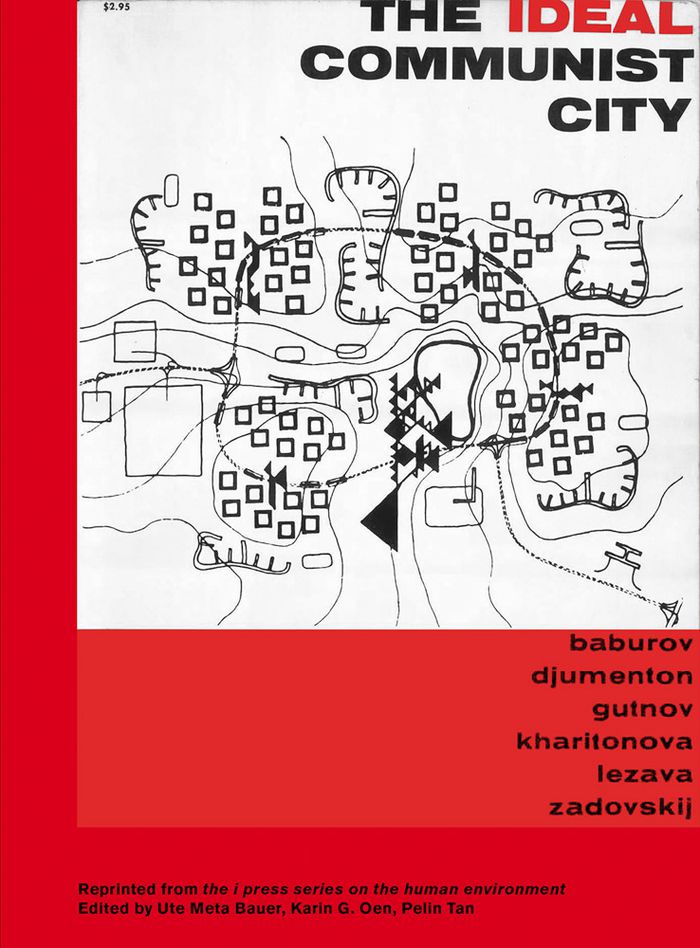
In 1968, lauded American architect Mary Otis Stevens (born 1928) and her partner, fellow architect Thomas McNulty (1919–84), initiated i Press, the influential imprint that focuses on the social context of architecture. Over the next five years, the duo released five books under the thematic umbrella of ''Human environment'' with the publisher George Braziller. The first of this series, ''The ideal Communist city'' (1969) is an English translation of urban concepts advanced by architects and planners from the University of Moscow. The book was first published in a Soviet journal of a communist youth organization in 1960 and was then republished in Italy in 1968. Offering a new way of thinking about mobility, equity and social interaction in neighborhood planning, ''The ideal Communist city'' was a direct response to suburban development and its focus on private spaces for family life: ''the new city is a world belonging to all and each'' where life is ''structured by freely chosen relationships representing the fullest, most well-rounded aspects of each human personality.'' This publication is a facsimile of ''The ideal Communist city'', with additional texts by architectural historians and the editors.
The ideal Communist city
Actions:
Price:
$35.00
(available to order)
Summary:
In 1968, lauded American architect Mary Otis Stevens (born 1928) and her partner, fellow architect Thomas McNulty (1919–84), initiated i Press, the influential imprint that focuses on the social context of architecture. Over the next five years, the duo released five books under the thematic umbrella of ''Human environment'' with the publisher George Braziller. The first of this series, ''The ideal Communist city'' (1969) is an English translation of urban concepts advanced by architects and planners from the University of Moscow. The book was first published in a Soviet journal of a communist youth organization in 1960 and was then republished in Italy in 1968. Offering a new way of thinking about mobility, equity and social interaction in neighborhood planning, ''The ideal Communist city'' was a direct response to suburban development and its focus on private spaces for family life: ''the new city is a world belonging to all and each'' where life is ''structured by freely chosen relationships representing the fullest, most well-rounded aspects of each human personality.'' This publication is a facsimile of ''The ideal Communist city'', with additional texts by architectural historians and the editors.
Form:
books
books
Publication:
November 2022
November 2022
Subject:
Humans and cities
Humans and cities
Form:
books
books
Title:
Experiencing Olmsted: The enduring legacy of Frederick Law Olmsted's North American landscapes
Experiencing Olmsted: The enduring legacy of Frederick Law Olmsted's North American landscapes
Actions:
Price:
$63.00
(available to order)
Summary:
Frederick Law Olmsted is the father of American landscape architecture. His firm, and the successor firms that sprung from it, worked through the nineteenth and twentieth centuries to shape some of our most beloved green spaces, including national, state, and city parks, suburban neighborhoods, and academic campuses. He is most famous for creating New York’s Central and(...)
$63.00
(available to order)
Summary:
Frederick Law Olmsted is the father of American landscape architecture. His firm, and the successor firms that sprung from it, worked through the nineteenth and twentieth centuries to shape some of our most beloved green spaces, including national, state, and city parks, suburban neighborhoods, and academic campuses. He is most famous for creating New York’s Central and(...)
Subject:
Landscape Architecture, Monographs
Landscape Architecture, Monographs
Publication:
November 2022
November 2022
Title:
Experiencing Olmsted: The enduring legacy of Frederick Law Olmsted's North American landscapes
Actions:
Price:
$63.00
(available to order)
Summary:
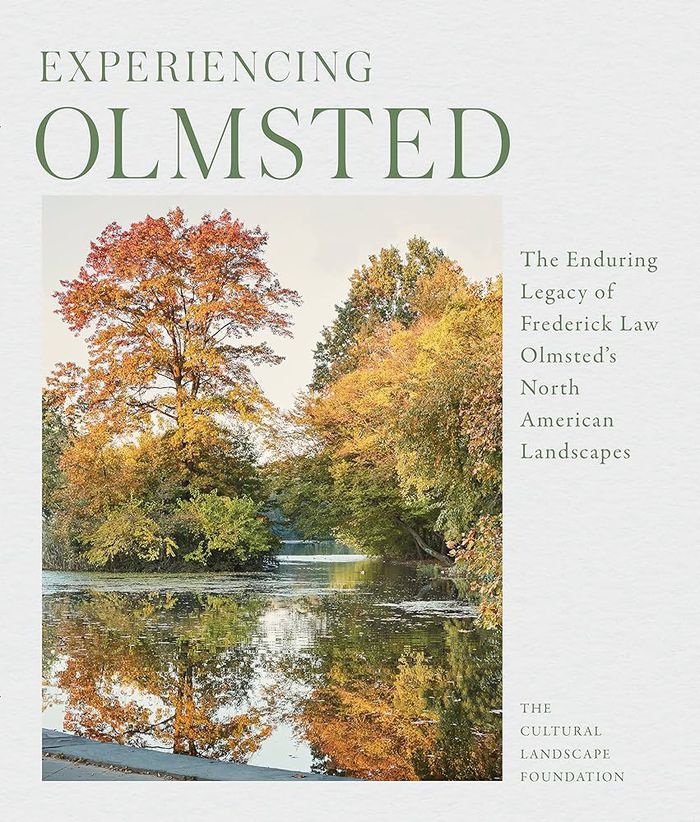
Frederick Law Olmsted is the father of American landscape architecture. His firm, and the successor firms that sprung from it, worked through the nineteenth and twentieth centuries to shape some of our most beloved green spaces, including national, state, and city parks, suburban neighborhoods, and academic campuses. He is most famous for creating New York’s Central and Prospect Parks, Stanford University’s campus, and the Capitol Grounds. What is less known and surprising about his legacy is that he worked widely across North America. By highlighting 200 iconic landscapes, many of which are still open to the public today,"Experiencing Olmsted" brings a fresh approach to the firms’ work and philosophy. It highlights not only grand city parks, but also other public venues born out of a desire for social equity. Olmsted was an early voice for parks as democratic spaces that could be reached on foot by a large percentage of any city’s populace. He viewed parks as restorative places—what he termed "the lungs of a city." Brimming with contemporary and archival photography as well as original drawings and plans, this truly remarkable record brings these places to vivid life.
Experiencing Olmsted: The enduring legacy of Frederick Law Olmsted's North American landscapes
Actions:
Price:
$63.00
(available to order)
Summary:
Frederick Law Olmsted is the father of American landscape architecture. His firm, and the successor firms that sprung from it, worked through the nineteenth and twentieth centuries to shape some of our most beloved green spaces, including national, state, and city parks, suburban neighborhoods, and academic campuses. He is most famous for creating New York’s Central and Prospect Parks, Stanford University’s campus, and the Capitol Grounds. What is less known and surprising about his legacy is that he worked widely across North America. By highlighting 200 iconic landscapes, many of which are still open to the public today,"Experiencing Olmsted" brings a fresh approach to the firms’ work and philosophy. It highlights not only grand city parks, but also other public venues born out of a desire for social equity. Olmsted was an early voice for parks as democratic spaces that could be reached on foot by a large percentage of any city’s populace. He viewed parks as restorative places—what he termed "the lungs of a city." Brimming with contemporary and archival photography as well as original drawings and plans, this truly remarkable record brings these places to vivid life.
Form:
books
books
Publication:
November 2022
November 2022
Subject:
Landscape Architecture, Monographs
Landscape Architecture, Monographs
Form:
books
books
Title:
Hybrid factory, hybrid city
Hybrid factory, hybrid city
Actions:
Price:
$54.95
(available to order)
Summary:
Now that urban industry is often clean, green, small, and quiet it can be integrated at the city and building scale with other uses. Although little explored as of yet, we don’t yet know what this new hybrid will look like and how can it support new entrepreneurs, equitable jobs, and vital urban forms? How can hybrid models change with new technologies, sustainable(...)
$54.95
(available to order)
Summary:
Now that urban industry is often clean, green, small, and quiet it can be integrated at the city and building scale with other uses. Although little explored as of yet, we don’t yet know what this new hybrid will look like and how can it support new entrepreneurs, equitable jobs, and vital urban forms? How can hybrid models change with new technologies, sustainable(...)
Title:
Hybrid factory, hybrid city
Actions:
Price:
$54.95
(available to order)
Summary:
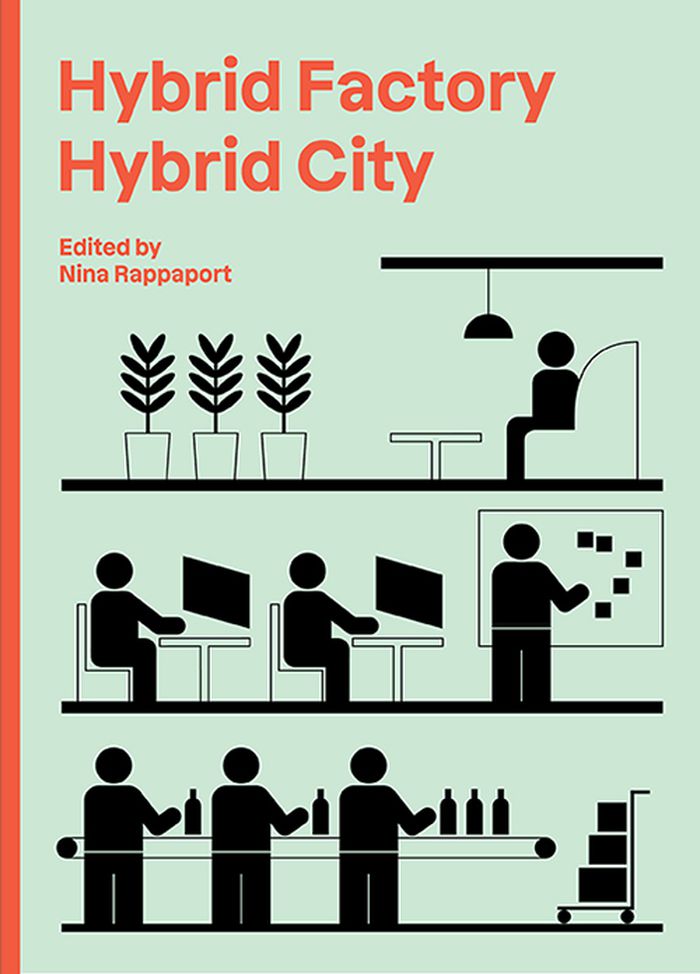
Now that urban industry is often clean, green, small, and quiet it can be integrated at the city and building scale with other uses. Although little explored as of yet, we don’t yet know what this new hybrid will look like and how can it support new entrepreneurs, equitable jobs, and vital urban forms? How can hybrid models change with new technologies, sustainable manufacturing, and advanced production systems to create new open city? Can we break the planning and land-use patterns of segregated zoning by class and function and encourage mixed-use zoning that transforms new building and zoning codes and this the mix in the city? These questions and more are addressed in Hybrid Factory / Hybrid City, through a collection of essays by participants in the eponymous symposium organized by Nina Rappaport at the Future Urban Legacy Lab of the Politecnico di Torino. Divided into two sections, the essays describes projects and research by architects and urbanists regarding the aura of industry and its smells, its place in relationship to the body, building structures, logistics centers, reused factory buildings, and their current and future potential for mixed-use. Social and economic equity can be integrated through light manufacturing jobs, community uses, and affordable housing.
Hybrid factory, hybrid city
Actions:
Price:
$54.95
(available to order)
Summary:
Now that urban industry is often clean, green, small, and quiet it can be integrated at the city and building scale with other uses. Although little explored as of yet, we don’t yet know what this new hybrid will look like and how can it support new entrepreneurs, equitable jobs, and vital urban forms? How can hybrid models change with new technologies, sustainable manufacturing, and advanced production systems to create new open city? Can we break the planning and land-use patterns of segregated zoning by class and function and encourage mixed-use zoning that transforms new building and zoning codes and this the mix in the city? These questions and more are addressed in Hybrid Factory / Hybrid City, through a collection of essays by participants in the eponymous symposium organized by Nina Rappaport at the Future Urban Legacy Lab of the Politecnico di Torino. Divided into two sections, the essays describes projects and research by architects and urbanists regarding the aura of industry and its smells, its place in relationship to the body, building structures, logistics centers, reused factory buildings, and their current and future potential for mixed-use. Social and economic equity can be integrated through light manufacturing jobs, community uses, and affordable housing.
Form:
books
books
Publication:
March 2023
March 2023
Subject:
Urban Theory
Urban Theory
Form:
journals and magazines
journals and magazines
Actions:
Price:
$38.00
(available to order)
Summary:
At a moment when the word “design” has come to refer to everything and thus nothing, this issue examines the hidden mechanics and visible output of design practice in order to track the shifting role of designers in society and to gauge the capacity of designers to effect change in a world of mounting crises. The issue’s title, ''Instruments of Service'', carries a(...)
$38.00
(available to order)
Summary:
At a moment when the word “design” has come to refer to everything and thus nothing, this issue examines the hidden mechanics and visible output of design practice in order to track the shifting role of designers in society and to gauge the capacity of designers to effect change in a world of mounting crises. The issue’s title, ''Instruments of Service'', carries a(...)
Title:
Harvard Design Magazine no. 52 : Instruments of service
Actions:
Price:
$38.00
(available to order)
Summary:
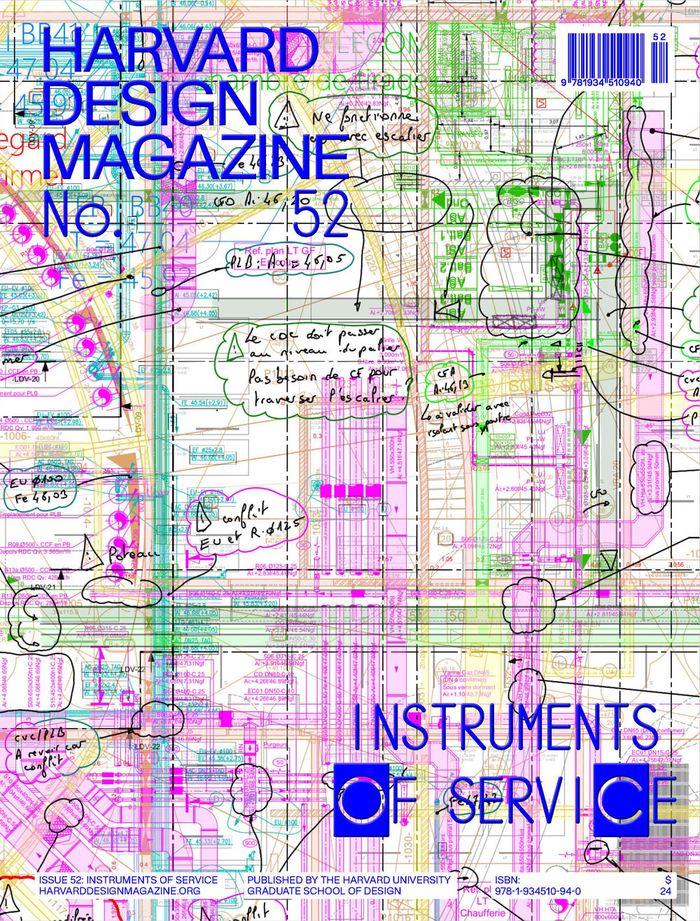
At a moment when the word “design” has come to refer to everything and thus nothing, this issue examines the hidden mechanics and visible output of design practice in order to track the shifting role of designers in society and to gauge the capacity of designers to effect change in a world of mounting crises. The issue’s title, ''Instruments of Service'', carries a double meaning. As defined in standard American Institute of Architects contracts, “Instruments of Service are representations, in any medium of expression now known or later developed, of the tangible and intangible creative work performed by the Architect and the Architect’s consultants under their respective professional services agreements. Instruments of Service may include, without limitation, studies, surveys, models, sketches, drawings, specifications, and other similar materials.” Instruments of service are the instruction manuals that architects—and other designers—make so that others can make something. They define the architect’s relationships with labor, construction, clients, and society. And these relationships—along with the agency of architectural practice—are changing as a growing number of external pressures force instruments of service to change. Architects and designers can also be seen as instruments of service to society, responsible to a continually shifting set of values. At a fundamental level, the designer’s job is to imagine and articulate a better future. In a time of crisis and competing value systems—market returns, cultural relevance, environmental response, social equity, automation—the role of the designer in society is ever more important and increasingly accountable to divergent interests that call into question the raison d’être of design practice itself.
Harvard Design Magazine no. 52 : Instruments of service
Actions:
Price:
$38.00
(available to order)
Summary:
At a moment when the word “design” has come to refer to everything and thus nothing, this issue examines the hidden mechanics and visible output of design practice in order to track the shifting role of designers in society and to gauge the capacity of designers to effect change in a world of mounting crises. The issue’s title, ''Instruments of Service'', carries a double meaning. As defined in standard American Institute of Architects contracts, “Instruments of Service are representations, in any medium of expression now known or later developed, of the tangible and intangible creative work performed by the Architect and the Architect’s consultants under their respective professional services agreements. Instruments of Service may include, without limitation, studies, surveys, models, sketches, drawings, specifications, and other similar materials.” Instruments of service are the instruction manuals that architects—and other designers—make so that others can make something. They define the architect’s relationships with labor, construction, clients, and society. And these relationships—along with the agency of architectural practice—are changing as a growing number of external pressures force instruments of service to change. Architects and designers can also be seen as instruments of service to society, responsible to a continually shifting set of values. At a fundamental level, the designer’s job is to imagine and articulate a better future. In a time of crisis and competing value systems—market returns, cultural relevance, environmental response, social equity, automation—the role of the designer in society is ever more important and increasingly accountable to divergent interests that call into question the raison d’être of design practice itself.
Form:
journals and magazines
journals and magazines
Publication:
February 2025
February 2025
Subject:
Magazines
Magazines
Form:
books
books
Actions:
Price:
$59.95
(available to order)
Summary:
The book reproduces a series of the collages made by David Wild. Their subject is modern architecture in the first half of the twentieth century: in the Netherlands, in Russia, and in the work of Le Corbusier. The method of the book is to show a collage on a right-hand page; then on the facing page is a (...)
$59.95
(available to order)
Summary:
The book reproduces a series of the collages made by David Wild. Their subject is modern architecture in the first half of the twentieth century: in the Netherlands, in Russia, and in the work of Le Corbusier. The method of the book is to show a collage on a right-hand page; then on the facing page is a (...)
Title:
Fragments of utopia: collage reflections of heroic modernism
Actions:
Price:
$59.95
(available to order)
Summary:
The book reproduces a series of the collages made by David Wild. Their subject is modern architecture in the first half of the twentieth century: in the Netherlands, in Russia, and in the work of Le Corbusier. The method of the book is to show a collage on a right-hand page; then on the facing page is a prose commentary by Wild and supporting smaller images. Introducing the book, David Wild explains that the impulse for this work lies in the aftermath of a fire in his house: his scorched books lent themselves to collage. He goes on to sketch the cultural-political climate in Britain over the last 40 years: the backdrop to his work as an architect and (less directly) to this book. In the opening section on the Netherlands, the leading theme is an architecture of social equity and continuity. Rooted in old cultural traditions, and in the particular ‘football-pitch’ landscape of the country, modern architecture could realise some of its dreams in everyday buildings. Postage stamps play an active part in many of the book’s collages, and especially in this section: the design of stamps flourished in the Netherlands, through the enlightened patronage of the Dutch post office — with several architects designing stamps too. Politics and history come to prominence in the Russian section, as a motivating force in the work of the early 1920s, and then as a heavy burden — with the onset of totalitarian control and repression. At the centre of the discussion here is the architecture of constructivism: formally brilliant, but with a clear social programme. Flight and the exploration of space are recurring topics in this section, as another and particularly Russian dimension of utopian striving The work of Le Corbusier, in Europe, North and South America, Russia and India, is treated in the third section. Le Corbusier is presented as a brilliant artist, a master architect of the greatest skill and the greatest ambition — and without scruple in pursuing commissions. The images and text follow him into the years after the Second World War, culminating in the work in India. Here there is a vision of another kind of politics, of co-operation and non-violence.
Fragments of utopia: collage reflections of heroic modernism
Actions:
Price:
$59.95
(available to order)
Summary:
The book reproduces a series of the collages made by David Wild. Their subject is modern architecture in the first half of the twentieth century: in the Netherlands, in Russia, and in the work of Le Corbusier. The method of the book is to show a collage on a right-hand page; then on the facing page is a prose commentary by Wild and supporting smaller images. Introducing the book, David Wild explains that the impulse for this work lies in the aftermath of a fire in his house: his scorched books lent themselves to collage. He goes on to sketch the cultural-political climate in Britain over the last 40 years: the backdrop to his work as an architect and (less directly) to this book. In the opening section on the Netherlands, the leading theme is an architecture of social equity and continuity. Rooted in old cultural traditions, and in the particular ‘football-pitch’ landscape of the country, modern architecture could realise some of its dreams in everyday buildings. Postage stamps play an active part in many of the book’s collages, and especially in this section: the design of stamps flourished in the Netherlands, through the enlightened patronage of the Dutch post office — with several architects designing stamps too. Politics and history come to prominence in the Russian section, as a motivating force in the work of the early 1920s, and then as a heavy burden — with the onset of totalitarian control and repression. At the centre of the discussion here is the architecture of constructivism: formally brilliant, but with a clear social programme. Flight and the exploration of space are recurring topics in this section, as another and particularly Russian dimension of utopian striving The work of Le Corbusier, in Europe, North and South America, Russia and India, is treated in the third section. Le Corbusier is presented as a brilliant artist, a master architect of the greatest skill and the greatest ambition — and without scruple in pursuing commissions. The images and text follow him into the years after the Second World War, culminating in the work in India. Here there is a vision of another kind of politics, of co-operation and non-violence.
Form:
books
books
Publication:
January 1900, London
January 1900, London
Subject:
Graphic Designers, Monographs
Graphic Designers, Monographs


