


9271 Results
Form:
photographs
photographs
Title:
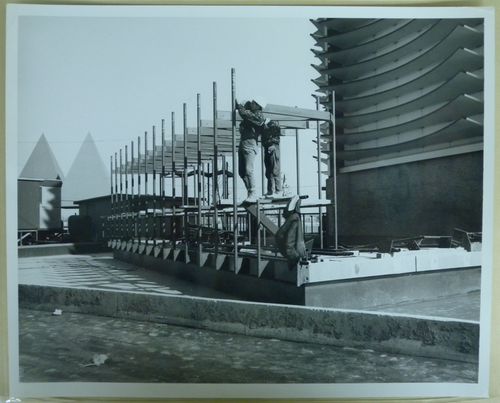
Construction of a structure near the Canadian Pacific-Cominco Pavilion, Expo 67, Montréal, Québec
Construction of a structure near the Canadian Pacific-Cominco Pavilion, Expo 67, Montréal, Québec
Actions:
Reference number:
ARCH255783
ARCH255783
People:
Date:
1965-1966
1965-1966
Form:
photographs
photographs
Date:
1965-1966
1965-1966
People:
Form:
photographs
photographs
Title:
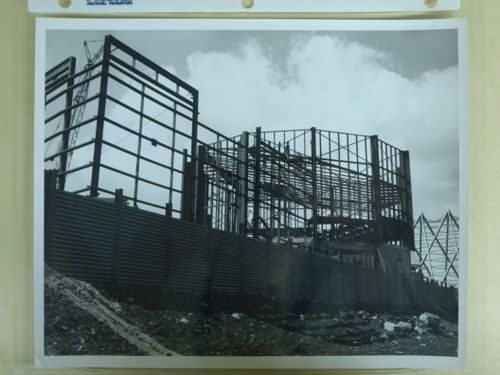
View of the Canadian Pacific-Cominco Pavilion at its construction stage, Expo 67, Montréal, Québec
View of the Canadian Pacific-Cominco Pavilion at its construction stage, Expo 67, Montréal, Québec
Actions:
Reference number:
ARCH255784
ARCH255784
People:
Date:
1965-1966
1965-1966
Form:
photographs
photographs
Date:
1965-1966
1965-1966
People:
Form:
photographs
photographs
Title:
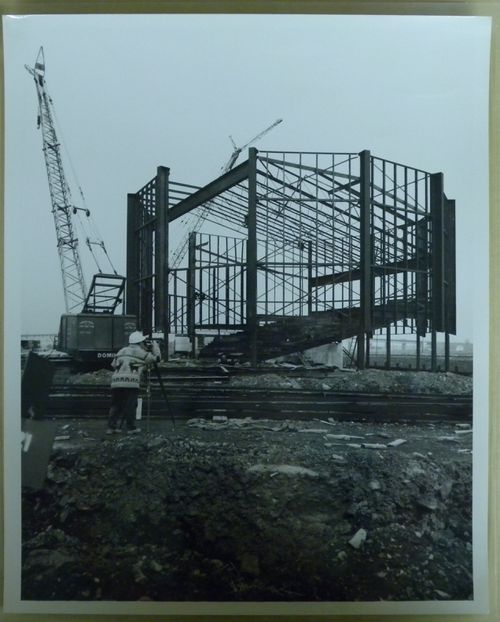
View of the Canadian Pacific-Cominco Pavilion at its construction stage, Expo 67, Montréal, Québec
View of the Canadian Pacific-Cominco Pavilion at its construction stage, Expo 67, Montréal, Québec
Actions:
Reference number:
ARCH255785
ARCH255785
People:
Date:
1965-1966
1965-1966
Form:
photographs
photographs
Date:
1965-1966
1965-1966
People:
Form:
photographs
photographs
Actions:
Reference number:
ARCH255787
ARCH255787
People:
Date:
1967
1967
Form:
photographs
photographs
Date:
1967
1967
People:
Form:
textual records
textual records
Actions:
Reference number:
ARCH273749
Description:
Periodicals and magazines including articles about Arthur Erickson's architectural works. Includes: - “Buildings for the Community.” Canadian Architect Vol. 54 no. 2, (February 2009) - The Canadian Architect Vol.37 no.2 (April 1992) *Includes a note addressed to Arthur Erickson from The Canadian Architect Editor, Victoria Gall. - Interiors Vol. 108, no.9 (April 1988) - Metropolitain Review (summer 1988) - Vancouver Boulevard, an Arts Magazine. Vol. 1, no. 1 (May/June 1990) - Western Living (November 1992, September 2008).
ARCH273749
Description:
Periodicals and magazines including articles about Arthur Erickson's architectural works. Includes: - “Buildings for the Community.” Canadian Architect Vol. 54 no. 2, (February 2009) - The Canadian Architect Vol.37 no.2 (April 1992) *Includes a note addressed to Arthur Erickson from The Canadian Architect Editor, Victoria Gall. - Interiors Vol. 108, no.9 (April 1988) - Metropolitain Review (summer 1988) - Vancouver Boulevard, an Arts Magazine. Vol. 1, no. 1 (May/June 1990) - Western Living (November 1992, September 2008).
People:
Date:
1988-2009
1988-2009
Title:
Press material on Arthur Erickson and his projects
Actions:
ARCH273749
Description:
Periodicals and magazines including articles about Arthur Erickson's architectural works. Includes: - “Buildings for the Community.” Canadian Architect Vol. 54 no. 2, (February 2009) - The Canadian Architect Vol.37 no.2 (April 1992) *Includes a note addressed to Arthur Erickson from The Canadian Architect Editor, Victoria Gall. - Interiors Vol. 108, no.9 (April 1988) - Metropolitain Review (summer 1988) - Vancouver Boulevard, an Arts Magazine. Vol. 1, no. 1 (May/June 1990) - Western Living (November 1992, September 2008).
Press material on Arthur Erickson and his projects
Actions:
ARCH273749
Description:
Periodicals and magazines including articles about Arthur Erickson's architectural works. Includes: - “Buildings for the Community.” Canadian Architect Vol. 54 no. 2, (February 2009) - The Canadian Architect Vol.37 no.2 (April 1992) *Includes a note addressed to Arthur Erickson from The Canadian Architect Editor, Victoria Gall. - Interiors Vol. 108, no.9 (April 1988) - Metropolitain Review (summer 1988) - Vancouver Boulevard, an Arts Magazine. Vol. 1, no. 1 (May/June 1990) - Western Living (November 1992, September 2008).
Form:
textual records
textual records
Date:
1988-2009
1988-2009
People:
Level of archival description:
Sub-series
Sub-series
Title:
Miscellanea
Miscellanea
Reference number:
CI001.S1.D4
Description:
The three portfolios of "Croquis", originally attributed to Hubert Rohault de Fleury, but probably also including work by Charles, are particularly informative of the range of artistic and architectural interests of these architects. While some of the drawings in these portfolios may be travel sketches or based on travel sketches (Charles is known to have visited some of the locations depicted (1)), the majority are probably copied or adapted from books and prints. In some cases, these sources have been identified. The stylistic range of the drawings is eclectic; in addition to the expected Classical material, Gothic, Romanesque, Islamic, Exotic Revival (namely Etruscan and Egyptian), Renaissance and Baroque periods and styles as well as contemporary 19th century architecture are all represented. The subject matter is equally varied. DR1974:0002:032:001-066, two portfolios, includes arabesque ornament (some from Palazzo del Te and Palazzo Ducal in Mantua (2)), Islamic ornament motifs, tile patterns, Sicilian architectural subjects - mainly church interiors, and stonework and woodwork from Romanesque and Gothic structures . DR1974:0002:031:001-055, three portfolios, contains drawings of classical figures, Christian imagery and architectural sculpture from antique, medieval [?] and 19th century sources, sculpture from the 16th century sepulchral monument of Maximillian I, Italian Classical structures and contemporary classically-inspired subject matter including a number of Parisian fountains and monuments, and several English townhouses. DR1974:0002:030:001-065, four portfolios, includes drawings of Classical, Gothic and Exotic Revival buildings and interiors as well as a number of drawings of non-architectural subject matter including military subjects - fortification, armaments, soldiers, and revolutionary battle scenes - and topographic views. A folder of Italian views and buildings in this portfolio may have been intended for publication. The designs for interiors, Empire furniture, garden structures and several of the buildings are probably original designs by Hubert. (1) A description of Charles' travels based on his sketchbooks held by the Académie d'architecture is found in Académie d'architecture, 'Catalogue des collection' (Paris: Académie d'architecture, 1988) 35-36 and 230-241. (2) These drawings were copied from Wilhelm Zahn, 'Gemalte Ornamente von Julio Romano' (s.l., s.n, ca. 1833)., The three portfolios of "Croquis" were originally attributed to Hubert Rohault de Fleury, but probably also including work by Charles. The source and purpose of many of these drawings is unclear; some may be record drawings and travel sketches or based on travel sketches, but the majority are probably copied or adapted from books and prints. The stylistic range and subject matter of the drawings is broad and eclectic: arabesques, Islamic ornament, stonework and woodwork from Romanesque and Gothic structures (DR1974:0002:032:001-066); classical and Christian imagery, architectural sculpture from antique, medieval [?] and 19th century sources, Italian Classical structures, nineteenth century classically-inspired subject matter (DR1974:0002:031:001-055); non-architectural subject matter including military subjects, topographic views, and Italian views and buildings, possibly intended for publication (DR1974:0002:030:001-065). Portfolio, DR1974:0002:030:001-065 also includes interiors, Empire furniture, garden structures and Classical, Gothic and Exotic Revival buildings, some of which are probably original designs by Hubert Rohault de Fleury. Bibliography: - Bergdoll, Barry. "Hubert Rohault de Fleury: Cinquième Partie: Équisses et Dessins d'Ornament." 'CCA Research Report.' n.d. - Académie d'architecture (France). 'Catalogue des collections' (Paris: L'Academie, 1988), 35-37 and 230-241.
CI001.S1.D4
Description:
The three portfolios of "Croquis", originally attributed to Hubert Rohault de Fleury, but probably also including work by Charles, are particularly informative of the range of artistic and architectural interests of these architects. While some of the drawings in these portfolios may be travel sketches or based on travel sketches (Charles is known to have visited some of the locations depicted (1)), the majority are probably copied or adapted from books and prints. In some cases, these sources have been identified. The stylistic range of the drawings is eclectic; in addition to the expected Classical material, Gothic, Romanesque, Islamic, Exotic Revival (namely Etruscan and Egyptian), Renaissance and Baroque periods and styles as well as contemporary 19th century architecture are all represented. The subject matter is equally varied. DR1974:0002:032:001-066, two portfolios, includes arabesque ornament (some from Palazzo del Te and Palazzo Ducal in Mantua (2)), Islamic ornament motifs, tile patterns, Sicilian architectural subjects - mainly church interiors, and stonework and woodwork from Romanesque and Gothic structures . DR1974:0002:031:001-055, three portfolios, contains drawings of classical figures, Christian imagery and architectural sculpture from antique, medieval [?] and 19th century sources, sculpture from the 16th century sepulchral monument of Maximillian I, Italian Classical structures and contemporary classically-inspired subject matter including a number of Parisian fountains and monuments, and several English townhouses. DR1974:0002:030:001-065, four portfolios, includes drawings of Classical, Gothic and Exotic Revival buildings and interiors as well as a number of drawings of non-architectural subject matter including military subjects - fortification, armaments, soldiers, and revolutionary battle scenes - and topographic views. A folder of Italian views and buildings in this portfolio may have been intended for publication. The designs for interiors, Empire furniture, garden structures and several of the buildings are probably original designs by Hubert. (1) A description of Charles' travels based on his sketchbooks held by the Académie d'architecture is found in Académie d'architecture, 'Catalogue des collection' (Paris: Académie d'architecture, 1988) 35-36 and 230-241. (2) These drawings were copied from Wilhelm Zahn, 'Gemalte Ornamente von Julio Romano' (s.l., s.n, ca. 1833)., The three portfolios of "Croquis" were originally attributed to Hubert Rohault de Fleury, but probably also including work by Charles. The source and purpose of many of these drawings is unclear; some may be record drawings and travel sketches or based on travel sketches, but the majority are probably copied or adapted from books and prints. The stylistic range and subject matter of the drawings is broad and eclectic: arabesques, Islamic ornament, stonework and woodwork from Romanesque and Gothic structures (DR1974:0002:032:001-066); classical and Christian imagery, architectural sculpture from antique, medieval [?] and 19th century sources, Italian Classical structures, nineteenth century classically-inspired subject matter (DR1974:0002:031:001-055); non-architectural subject matter including military subjects, topographic views, and Italian views and buildings, possibly intended for publication (DR1974:0002:030:001-065). Portfolio, DR1974:0002:030:001-065 also includes interiors, Empire furniture, garden structures and Classical, Gothic and Exotic Revival buildings, some of which are probably original designs by Hubert Rohault de Fleury. Bibliography: - Bergdoll, Barry. "Hubert Rohault de Fleury: Cinquième Partie: Équisses et Dessins d'Ornament." 'CCA Research Report.' n.d. - Académie d'architecture (France). 'Catalogue des collections' (Paris: L'Academie, 1988), 35-37 and 230-241.
People:
Date:
[1800-1868]
[1800-1868]
Title:
Miscellanea
CI001.S1.D4
Description:
The three portfolios of "Croquis", originally attributed to Hubert Rohault de Fleury, but probably also including work by Charles, are particularly informative of the range of artistic and architectural interests of these architects. While some of the drawings in these portfolios may be travel sketches or based on travel sketches (Charles is known to have visited some of the locations depicted (1)), the majority are probably copied or adapted from books and prints. In some cases, these sources have been identified. The stylistic range of the drawings is eclectic; in addition to the expected Classical material, Gothic, Romanesque, Islamic, Exotic Revival (namely Etruscan and Egyptian), Renaissance and Baroque periods and styles as well as contemporary 19th century architecture are all represented. The subject matter is equally varied. DR1974:0002:032:001-066, two portfolios, includes arabesque ornament (some from Palazzo del Te and Palazzo Ducal in Mantua (2)), Islamic ornament motifs, tile patterns, Sicilian architectural subjects - mainly church interiors, and stonework and woodwork from Romanesque and Gothic structures . DR1974:0002:031:001-055, three portfolios, contains drawings of classical figures, Christian imagery and architectural sculpture from antique, medieval [?] and 19th century sources, sculpture from the 16th century sepulchral monument of Maximillian I, Italian Classical structures and contemporary classically-inspired subject matter including a number of Parisian fountains and monuments, and several English townhouses. DR1974:0002:030:001-065, four portfolios, includes drawings of Classical, Gothic and Exotic Revival buildings and interiors as well as a number of drawings of non-architectural subject matter including military subjects - fortification, armaments, soldiers, and revolutionary battle scenes - and topographic views. A folder of Italian views and buildings in this portfolio may have been intended for publication. The designs for interiors, Empire furniture, garden structures and several of the buildings are probably original designs by Hubert. (1) A description of Charles' travels based on his sketchbooks held by the Académie d'architecture is found in Académie d'architecture, 'Catalogue des collection' (Paris: Académie d'architecture, 1988) 35-36 and 230-241. (2) These drawings were copied from Wilhelm Zahn, 'Gemalte Ornamente von Julio Romano' (s.l., s.n, ca. 1833)., The three portfolios of "Croquis" were originally attributed to Hubert Rohault de Fleury, but probably also including work by Charles. The source and purpose of many of these drawings is unclear; some may be record drawings and travel sketches or based on travel sketches, but the majority are probably copied or adapted from books and prints. The stylistic range and subject matter of the drawings is broad and eclectic: arabesques, Islamic ornament, stonework and woodwork from Romanesque and Gothic structures (DR1974:0002:032:001-066); classical and Christian imagery, architectural sculpture from antique, medieval [?] and 19th century sources, Italian Classical structures, nineteenth century classically-inspired subject matter (DR1974:0002:031:001-055); non-architectural subject matter including military subjects, topographic views, and Italian views and buildings, possibly intended for publication (DR1974:0002:030:001-065). Portfolio, DR1974:0002:030:001-065 also includes interiors, Empire furniture, garden structures and Classical, Gothic and Exotic Revival buildings, some of which are probably original designs by Hubert Rohault de Fleury. Bibliography: - Bergdoll, Barry. "Hubert Rohault de Fleury: Cinquième Partie: Équisses et Dessins d'Ornament." 'CCA Research Report.' n.d. - Académie d'architecture (France). 'Catalogue des collections' (Paris: L'Academie, 1988), 35-37 and 230-241.
Miscellanea
CI001.S1.D4
Description:
The three portfolios of "Croquis", originally attributed to Hubert Rohault de Fleury, but probably also including work by Charles, are particularly informative of the range of artistic and architectural interests of these architects. While some of the drawings in these portfolios may be travel sketches or based on travel sketches (Charles is known to have visited some of the locations depicted (1)), the majority are probably copied or adapted from books and prints. In some cases, these sources have been identified. The stylistic range of the drawings is eclectic; in addition to the expected Classical material, Gothic, Romanesque, Islamic, Exotic Revival (namely Etruscan and Egyptian), Renaissance and Baroque periods and styles as well as contemporary 19th century architecture are all represented. The subject matter is equally varied. DR1974:0002:032:001-066, two portfolios, includes arabesque ornament (some from Palazzo del Te and Palazzo Ducal in Mantua (2)), Islamic ornament motifs, tile patterns, Sicilian architectural subjects - mainly church interiors, and stonework and woodwork from Romanesque and Gothic structures . DR1974:0002:031:001-055, three portfolios, contains drawings of classical figures, Christian imagery and architectural sculpture from antique, medieval [?] and 19th century sources, sculpture from the 16th century sepulchral monument of Maximillian I, Italian Classical structures and contemporary classically-inspired subject matter including a number of Parisian fountains and monuments, and several English townhouses. DR1974:0002:030:001-065, four portfolios, includes drawings of Classical, Gothic and Exotic Revival buildings and interiors as well as a number of drawings of non-architectural subject matter including military subjects - fortification, armaments, soldiers, and revolutionary battle scenes - and topographic views. A folder of Italian views and buildings in this portfolio may have been intended for publication. The designs for interiors, Empire furniture, garden structures and several of the buildings are probably original designs by Hubert. (1) A description of Charles' travels based on his sketchbooks held by the Académie d'architecture is found in Académie d'architecture, 'Catalogue des collection' (Paris: Académie d'architecture, 1988) 35-36 and 230-241. (2) These drawings were copied from Wilhelm Zahn, 'Gemalte Ornamente von Julio Romano' (s.l., s.n, ca. 1833)., The three portfolios of "Croquis" were originally attributed to Hubert Rohault de Fleury, but probably also including work by Charles. The source and purpose of many of these drawings is unclear; some may be record drawings and travel sketches or based on travel sketches, but the majority are probably copied or adapted from books and prints. The stylistic range and subject matter of the drawings is broad and eclectic: arabesques, Islamic ornament, stonework and woodwork from Romanesque and Gothic structures (DR1974:0002:032:001-066); classical and Christian imagery, architectural sculpture from antique, medieval [?] and 19th century sources, Italian Classical structures, nineteenth century classically-inspired subject matter (DR1974:0002:031:001-055); non-architectural subject matter including military subjects, topographic views, and Italian views and buildings, possibly intended for publication (DR1974:0002:030:001-065). Portfolio, DR1974:0002:030:001-065 also includes interiors, Empire furniture, garden structures and Classical, Gothic and Exotic Revival buildings, some of which are probably original designs by Hubert Rohault de Fleury. Bibliography: - Bergdoll, Barry. "Hubert Rohault de Fleury: Cinquième Partie: Équisses et Dessins d'Ornament." 'CCA Research Report.' n.d. - Académie d'architecture (France). 'Catalogue des collections' (Paris: L'Academie, 1988), 35-37 and 230-241.
Level of archival description:
File 4
File 4
Date:
[1800-1868]
[1800-1868]
People:
Form:
born digital
born digital
Actions:
Reference number:
AP167.S1.SS2.005
Description:
This directory chiefly contains the STL files for the 3D models of the A2 Cockpit and Soundbarrier displayed by ONL at the exhibition. There are also a number of files with the extension .zdb, which sliced build files related to the 3DS ZPrinter (3D printer). These may be related to or redundant of the existing STL files. Original directory name: "85 3d printer". Most common file formats: STL (Standard Tessellation Language) Binary, 3DM, 3D Studio, RAR Archive.
AP167.S1.SS2.005
Description:
This directory chiefly contains the STL files for the 3D models of the A2 Cockpit and Soundbarrier displayed by ONL at the exhibition. There are also a number of files with the extension .zdb, which sliced build files related to the 3DS ZPrinter (3D printer). These may be related to or redundant of the existing STL files. Original directory name: "85 3d printer". Most common file formats: STL (Standard Tessellation Language) Binary, 3DM, 3D Studio, RAR Archive.
People:
Date:
16 July 2003 - 2 June 2004
16 July 2003 - 2 June 2004
Title:
A2 Cockpit and Soundbarrier 3D printer files of the NSA Muscle
Actions:
AP167.S1.SS2.005
Description:
This directory chiefly contains the STL files for the 3D models of the A2 Cockpit and Soundbarrier displayed by ONL at the exhibition. There are also a number of files with the extension .zdb, which sliced build files related to the 3DS ZPrinter (3D printer). These may be related to or redundant of the existing STL files. Original directory name: "85 3d printer". Most common file formats: STL (Standard Tessellation Language) Binary, 3DM, 3D Studio, RAR Archive.
A2 Cockpit and Soundbarrier 3D printer files of the NSA Muscle
Actions:
AP167.S1.SS2.005
Description:
This directory chiefly contains the STL files for the 3D models of the A2 Cockpit and Soundbarrier displayed by ONL at the exhibition. There are also a number of files with the extension .zdb, which sliced build files related to the 3DS ZPrinter (3D printer). These may be related to or redundant of the existing STL files. Original directory name: "85 3d printer". Most common file formats: STL (Standard Tessellation Language) Binary, 3DM, 3D Studio, RAR Archive.
Form:
born digital
born digital
Date:
16 July 2003 - 2 June 2004
16 July 2003 - 2 June 2004
People:
Form:
born digital
born digital
Actions:
Reference number:
AP167.S1.SS3.010
Description:
This directory contains the working files of ONL intern Remko Siemerink. These chiefly include Virtools and Maya files related to the NSA Muscle and A2 Cockpit projects. There are also a number of invoices detailing his time on these projects. While this directory mostly contains Virtools files, it may overlap with other subseries. Original directory name: "remko siemerink". Most common file formats: Unidentified, Microsoft Excel 97 Workbook (xls), StarOffice Calc, Maya Binary File Format, 3D Studio.
AP167.S1.SS3.010
Description:
This directory contains the working files of ONL intern Remko Siemerink. These chiefly include Virtools and Maya files related to the NSA Muscle and A2 Cockpit projects. There are also a number of invoices detailing his time on these projects. While this directory mostly contains Virtools files, it may overlap with other subseries. Original directory name: "remko siemerink". Most common file formats: Unidentified, Microsoft Excel 97 Workbook (xls), StarOffice Calc, Maya Binary File Format, 3D Studio.
People:
Date:
3 March 2003 - 23 September 2003
3 March 2003 - 23 September 2003
Title:
Remko Siemerink working files for the NSA Muscle and other projects
Actions:
AP167.S1.SS3.010
Description:
This directory contains the working files of ONL intern Remko Siemerink. These chiefly include Virtools and Maya files related to the NSA Muscle and A2 Cockpit projects. There are also a number of invoices detailing his time on these projects. While this directory mostly contains Virtools files, it may overlap with other subseries. Original directory name: "remko siemerink". Most common file formats: Unidentified, Microsoft Excel 97 Workbook (xls), StarOffice Calc, Maya Binary File Format, 3D Studio.
Remko Siemerink working files for the NSA Muscle and other projects
Actions:
AP167.S1.SS3.010
Description:
This directory contains the working files of ONL intern Remko Siemerink. These chiefly include Virtools and Maya files related to the NSA Muscle and A2 Cockpit projects. There are also a number of invoices detailing his time on these projects. While this directory mostly contains Virtools files, it may overlap with other subseries. Original directory name: "remko siemerink". Most common file formats: Unidentified, Microsoft Excel 97 Workbook (xls), StarOffice Calc, Maya Binary File Format, 3D Studio.
Form:
born digital
born digital
Date:
3 March 2003 - 23 September 2003
3 March 2003 - 23 September 2003
People:
Form:
photographs
photographs
Actions:
Reference number:
ARCH256481
ARCH256481
People:
Date:
1967?
1967?
Title:
Night view of the Canadian Pacific-Cominco Pavilion, Expo 67, Montréal, Québec
Actions:
ARCH256481
Night view of the Canadian Pacific-Cominco Pavilion, Expo 67, Montréal, Québec
Actions:
ARCH256481
Form:
photographs
photographs
Date:
1967?
1967?
People:
Level of archival description:
Project
Project
Reference number:
CI005.S1.1948.PR2
Description:
The Grebbeberg National Army Memorial was designed as a commemoration to the soldiers who lost their lives in the battle at Grebbeberg in 1940 during the Second World War. During the German occupation, the mayor of Rhenen Bosch van Rosenthal, organized a secret collection of bronze cents and used part of this collection to fund the memorial. The Grebbeberg National Army Memorial Foundation commissioned Oud for its design in 1947. The bronze coins were also melted down to create the bell for the monument that was completed by Dutch foundries in 1953. The war memorial project resulted in modification of the Grebbeberg cemetery and the design of a new monument. Oud designed a monument with a central cross flanked by two stone lions on an inscribed pedestal. At the other end of the memorial, segmented walls surrounded a raised amphitheatre for speeches and commemorations. The centre held the tower and the bronze bell. Modification of the cemetery began in 1949. Construction for the memorial started in 1952 and its official dedication was held in May 1953 (Taverne et al. 2001, 453-456). Project series includes plans and sections for the bell tower and monument.
CI005.S1.1948.PR2
Description:
The Grebbeberg National Army Memorial was designed as a commemoration to the soldiers who lost their lives in the battle at Grebbeberg in 1940 during the Second World War. During the German occupation, the mayor of Rhenen Bosch van Rosenthal, organized a secret collection of bronze cents and used part of this collection to fund the memorial. The Grebbeberg National Army Memorial Foundation commissioned Oud for its design in 1947. The bronze coins were also melted down to create the bell for the monument that was completed by Dutch foundries in 1953. The war memorial project resulted in modification of the Grebbeberg cemetery and the design of a new monument. Oud designed a monument with a central cross flanked by two stone lions on an inscribed pedestal. At the other end of the memorial, segmented walls surrounded a raised amphitheatre for speeches and commemorations. The centre held the tower and the bronze bell. Modification of the cemetery began in 1949. Construction for the memorial started in 1952 and its official dedication was held in May 1953 (Taverne et al. 2001, 453-456). Project series includes plans and sections for the bell tower and monument.
People:
Date:
1948-1953
1948-1953
Title:
Grebbeberg National Army Memorial, Rhenen, Netherlands (1948-1953)
Actions:
CI005.S1.1948.PR2
Description:
The Grebbeberg National Army Memorial was designed as a commemoration to the soldiers who lost their lives in the battle at Grebbeberg in 1940 during the Second World War. During the German occupation, the mayor of Rhenen Bosch van Rosenthal, organized a secret collection of bronze cents and used part of this collection to fund the memorial. The Grebbeberg National Army Memorial Foundation commissioned Oud for its design in 1947. The bronze coins were also melted down to create the bell for the monument that was completed by Dutch foundries in 1953. The war memorial project resulted in modification of the Grebbeberg cemetery and the design of a new monument. Oud designed a monument with a central cross flanked by two stone lions on an inscribed pedestal. At the other end of the memorial, segmented walls surrounded a raised amphitheatre for speeches and commemorations. The centre held the tower and the bronze bell. Modification of the cemetery began in 1949. Construction for the memorial started in 1952 and its official dedication was held in May 1953 (Taverne et al. 2001, 453-456). Project series includes plans and sections for the bell tower and monument.
Grebbeberg National Army Memorial, Rhenen, Netherlands (1948-1953)
Actions:
CI005.S1.1948.PR2
Description:
The Grebbeberg National Army Memorial was designed as a commemoration to the soldiers who lost their lives in the battle at Grebbeberg in 1940 during the Second World War. During the German occupation, the mayor of Rhenen Bosch van Rosenthal, organized a secret collection of bronze cents and used part of this collection to fund the memorial. The Grebbeberg National Army Memorial Foundation commissioned Oud for its design in 1947. The bronze coins were also melted down to create the bell for the monument that was completed by Dutch foundries in 1953. The war memorial project resulted in modification of the Grebbeberg cemetery and the design of a new monument. Oud designed a monument with a central cross flanked by two stone lions on an inscribed pedestal. At the other end of the memorial, segmented walls surrounded a raised amphitheatre for speeches and commemorations. The centre held the tower and the bronze bell. Modification of the cemetery began in 1949. Construction for the memorial started in 1952 and its official dedication was held in May 1953 (Taverne et al. 2001, 453-456). Project series includes plans and sections for the bell tower and monument.
Level of archival description:
project
project
Date:
1948-1953
1948-1953
People:


