


1614 Results
Form:
books
books
Title:
Inventory: Adamo-Faiden
Inventory: Adamo-Faiden
Actions:
Price:
$60.00
(available in store)
Summary:
This book is built from images, drawings and texts. These three types of documents are exposed in an elemental way, alone in the center of each page and isolated from the project to which they belong. The authors organized the inventory from a set of documents that first claim their independence and then undergo a peer dialogue. These two actions may seem to cancel each(...)
$60.00
(available in store)
Summary:
This book is built from images, drawings and texts. These three types of documents are exposed in an elemental way, alone in the center of each page and isolated from the project to which they belong. The authors organized the inventory from a set of documents that first claim their independence and then undergo a peer dialogue. These two actions may seem to cancel each(...)
Title:
Inventory: Adamo-Faiden
Actions:
Price:
$60.00
(available in store)
Summary:
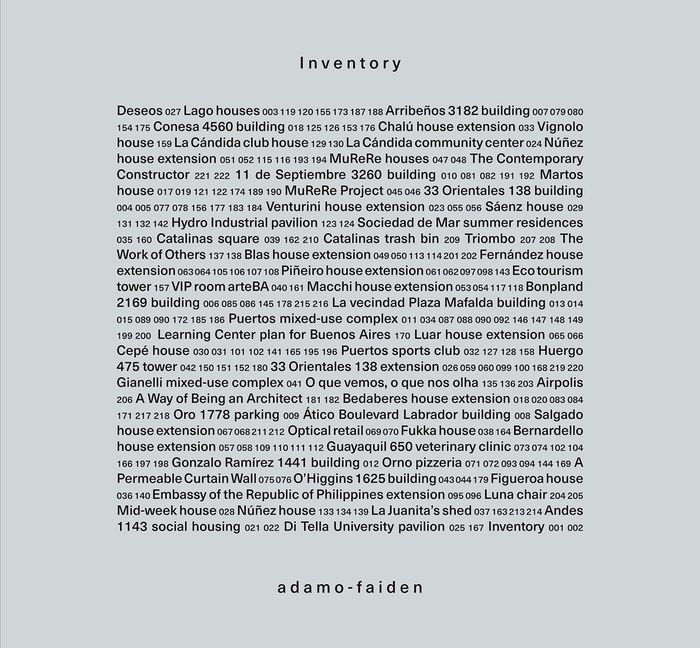
This book is built from images, drawings and texts. These three types of documents are exposed in an elemental way, alone in the center of each page and isolated from the project to which they belong. The authors organized the inventory from a set of documents that first claim their independence and then undergo a peer dialogue. These two actions may seem to cancel each other out, but they actually both reaffirm a very basic idea, which holds that the interest of a conversation is closely related to the consistency of its interlocutors. The conversation that arises from each diptych is precisely what stimulates the appearance of a tacit project. A project that bypasses material organizations and that is only possible due the intervention of an active reader, capable of establishing connections between the printed documents. This book is a twofold response to what are the disciplinary assets that the architecture studio Adamo-Faiden produces and how they should be organized to accurately delineate the authors’ interests.
Inventory: Adamo-Faiden
Actions:
Price:
$60.00
(available in store)
Summary:
This book is built from images, drawings and texts. These three types of documents are exposed in an elemental way, alone in the center of each page and isolated from the project to which they belong. The authors organized the inventory from a set of documents that first claim their independence and then undergo a peer dialogue. These two actions may seem to cancel each other out, but they actually both reaffirm a very basic idea, which holds that the interest of a conversation is closely related to the consistency of its interlocutors. The conversation that arises from each diptych is precisely what stimulates the appearance of a tacit project. A project that bypasses material organizations and that is only possible due the intervention of an active reader, capable of establishing connections between the printed documents. This book is a twofold response to what are the disciplinary assets that the architecture studio Adamo-Faiden produces and how they should be organized to accurately delineate the authors’ interests.
Form:
books
books
Publication:
March 2023
March 2023
Subject:
Architecture Monographs
Architecture Monographs
Form:
books
books
Actions:
Price:
$73.95
(available to order)
Summary:
Part-to-part relationships and the approach to governing their sensibilities is at the root of all architecture. The need for engaging in a dialogue around these systems is essential to contemporary architectural discourse and practice. ''Assembly'' builds on and extends the investigations of materials and representation techniques in the editors’ previous books, ''Matter(...)
$73.95
(available to order)
Summary:
Part-to-part relationships and the approach to governing their sensibilities is at the root of all architecture. The need for engaging in a dialogue around these systems is essential to contemporary architectural discourse and practice. ''Assembly'' builds on and extends the investigations of materials and representation techniques in the editors’ previous books, ''Matter(...)
Title:
Assembly: Matter, lineament, and aggregated systems in architectural production
Actions:
Price:
$73.95
(available to order)
Summary:
Part-to-part relationships and the approach to governing their sensibilities is at the root of all architecture. The need for engaging in a dialogue around these systems is essential to contemporary architectural discourse and practice. ''Assembly'' builds on and extends the investigations of materials and representation techniques in the editors’ previous books, ''Matter and Lineament''. This book uses a collection of detailed case studies, explained by first-person authors, about experimental and innovative takes on assembling architecture. Bridging theory and practice, 17 projects and their principled approaches each demonstrate an important vein of inquiry within the topic. Essays probe issues such as latent and overt geometry, fabrication and technology, part-to-part elements, joinery and representation, material vernacular geometries, labor and place-based contextual assemblies, detailing, and pedagogical examinations. This text articulates the traditions and trends of material as the defining premise in the contemporary making of architecture. Its outcomes are applicable to beginning students of architecture and advanced practitioners alike.
Assembly: Matter, lineament, and aggregated systems in architectural production
Actions:
Price:
$73.95
(available to order)
Summary:
Part-to-part relationships and the approach to governing their sensibilities is at the root of all architecture. The need for engaging in a dialogue around these systems is essential to contemporary architectural discourse and practice. ''Assembly'' builds on and extends the investigations of materials and representation techniques in the editors’ previous books, ''Matter and Lineament''. This book uses a collection of detailed case studies, explained by first-person authors, about experimental and innovative takes on assembling architecture. Bridging theory and practice, 17 projects and their principled approaches each demonstrate an important vein of inquiry within the topic. Essays probe issues such as latent and overt geometry, fabrication and technology, part-to-part elements, joinery and representation, material vernacular geometries, labor and place-based contextual assemblies, detailing, and pedagogical examinations. This text articulates the traditions and trends of material as the defining premise in the contemporary making of architecture. Its outcomes are applicable to beginning students of architecture and advanced practitioners alike.
Form:
books
books
Publication:
January 2025
January 2025
Subject:
Architectural Theory
Architectural Theory
Form:
books
books
Actions:
Price:
$59.50
(available in store)
Summary:
''Concéntrico: Urban Innovation Laboratory'' reflects on the first decade of the international Concéntrico festival and the one hundred and fifty projects and designs commissioned for it. The festival’s aim is to serve as a laboratory searching for creative ways of using architecture and design to strengthen communities and to support the dialogue between designers and(...)
$59.50
(available in store)
Summary:
''Concéntrico: Urban Innovation Laboratory'' reflects on the first decade of the international Concéntrico festival and the one hundred and fifty projects and designs commissioned for it. The festival’s aim is to serve as a laboratory searching for creative ways of using architecture and design to strengthen communities and to support the dialogue between designers and(...)
Title:
Concéntrico: Urban Innovation Laboratory
Actions:
Price:
$59.50
(available in store)
Summary:
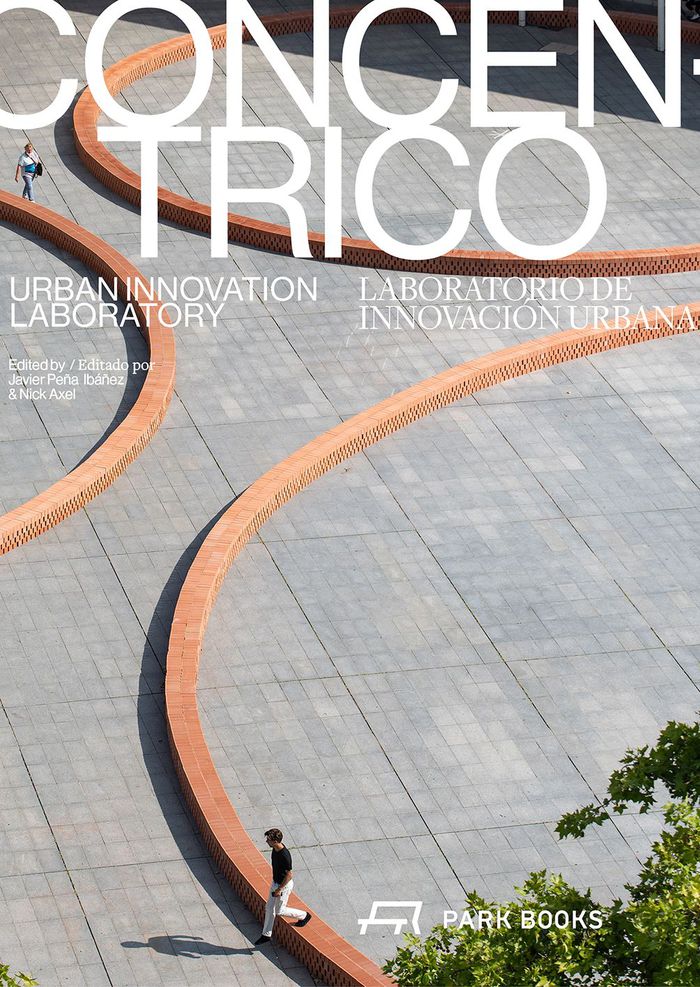
''Concéntrico: Urban Innovation Laboratory'' reflects on the first decade of the international Concéntrico festival and the one hundred and fifty projects and designs commissioned for it. The festival’s aim is to serve as a laboratory searching for creative ways of using architecture and design to strengthen communities and to support the dialogue between designers and citizens. The book offers a unique meditation on the transformation of cities and the relevance of architecture and design in the twenty-first century. It introduces meaningful ways to address and engage with pressing urban issues—from identity and heritage to temporariness, collectivity, ecology, play, and domesticity—through the lens of selected Concéntrico commissions since 2015. Through lavishly illustrated essays, it features projects by eighty artists, architects, and designers from twenty countries. They are prefaced and held together by a conversation between the editors Javier Peña Ibáñez and Nick Axel, who speak about the festival’s context, evolution, and the knowledge it has produced since 2014.
Concéntrico: Urban Innovation Laboratory
Actions:
Price:
$59.50
(available in store)
Summary:
''Concéntrico: Urban Innovation Laboratory'' reflects on the first decade of the international Concéntrico festival and the one hundred and fifty projects and designs commissioned for it. The festival’s aim is to serve as a laboratory searching for creative ways of using architecture and design to strengthen communities and to support the dialogue between designers and citizens. The book offers a unique meditation on the transformation of cities and the relevance of architecture and design in the twenty-first century. It introduces meaningful ways to address and engage with pressing urban issues—from identity and heritage to temporariness, collectivity, ecology, play, and domesticity—through the lens of selected Concéntrico commissions since 2015. Through lavishly illustrated essays, it features projects by eighty artists, architects, and designers from twenty countries. They are prefaced and held together by a conversation between the editors Javier Peña Ibáñez and Nick Axel, who speak about the festival’s context, evolution, and the knowledge it has produced since 2014.
Form:
books
books
Publication:
September 2025
September 2025
Subject:
Public Space
Public Space
Form:
books
books
Actions:
Price:
$85.95
(available to order)
Summary:
"Architectures of ageing in place" provides curated critical perspectives, from a practice-based research point of view, of buildings that are purpose built and/or refurbished to accommodate housing and care needs of older people ageing in place in high rise/medium rise integrated communities. This book identifies design innovations, in line with policy innovations, that(...)
$85.95
(available to order)
Summary:
"Architectures of ageing in place" provides curated critical perspectives, from a practice-based research point of view, of buildings that are purpose built and/or refurbished to accommodate housing and care needs of older people ageing in place in high rise/medium rise integrated communities. This book identifies design innovations, in line with policy innovations, that(...)
Title:
Architectures of ageing in place
Actions:
Price:
$85.95
(available to order)
Summary:
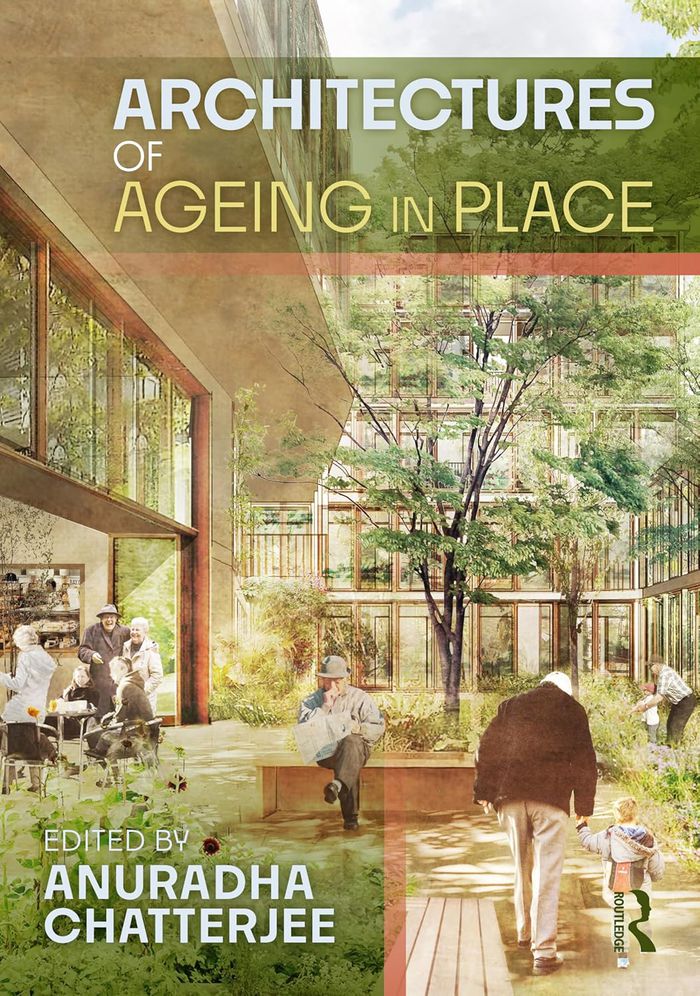
"Architectures of ageing in place" provides curated critical perspectives, from a practice-based research point of view, of buildings that are purpose built and/or refurbished to accommodate housing and care needs of older people ageing in place in high rise/medium rise integrated communities. This book identifies design innovations, in line with policy innovations, that have been made across private and public sectors to accommodate wellbeing and quality of life of older people living in integrated communities, which continue to foster intergenerational dialogue and exchange, and advance social citizenship. Case studies from a diverse range of geographies are examined including Portugal, Singapore, India, New Zealand, UK, Sweden, Belgium and the US. Chapters are grounded in evidence-based research including substantial primary data and post-occupancy evaluation, specifically the evaluation of architecture’s ‘social performance’. Projects highlight high-rise / medium-rise as an emerging and successful typology in accommodating residential and care needs of older people.
Architectures of ageing in place
Actions:
Price:
$85.95
(available to order)
Summary:
"Architectures of ageing in place" provides curated critical perspectives, from a practice-based research point of view, of buildings that are purpose built and/or refurbished to accommodate housing and care needs of older people ageing in place in high rise/medium rise integrated communities. This book identifies design innovations, in line with policy innovations, that have been made across private and public sectors to accommodate wellbeing and quality of life of older people living in integrated communities, which continue to foster intergenerational dialogue and exchange, and advance social citizenship. Case studies from a diverse range of geographies are examined including Portugal, Singapore, India, New Zealand, UK, Sweden, Belgium and the US. Chapters are grounded in evidence-based research including substantial primary data and post-occupancy evaluation, specifically the evaluation of architecture’s ‘social performance’. Projects highlight high-rise / medium-rise as an emerging and successful typology in accommodating residential and care needs of older people.
Form:
books
books
Publication:
November 2025
November 2025
Subject:
Architectural Theory
Architectural Theory
Form:
books
books
Actions:
Price:
$48.95
(available in store)
Summary:
L’histoire racontée ici est celle d’un couple iconoclaste de la scène architecturale française. Une carrière d’un demi-siècle. C’est l’histoire d’un artiste qui devient architecte: des châteaux de sable sur la plage de la Bernerie au parking des Machines sur l’île de Nantes. Une vie de création à la recherche du trait juste. C’est aussi l’histoire d’une rencontre, d’une(...)
$48.95
(available in store)
Summary:
L’histoire racontée ici est celle d’un couple iconoclaste de la scène architecturale française. Une carrière d’un demi-siècle. C’est l’histoire d’un artiste qui devient architecte: des châteaux de sable sur la plage de la Bernerie au parking des Machines sur l’île de Nantes. Une vie de création à la recherche du trait juste. C’est aussi l’histoire d’une rencontre, d’une(...)
Title:
Barto+Barto, Une histoire nantaise
Actions:
Price:
$48.95
(available in store)
Summary:
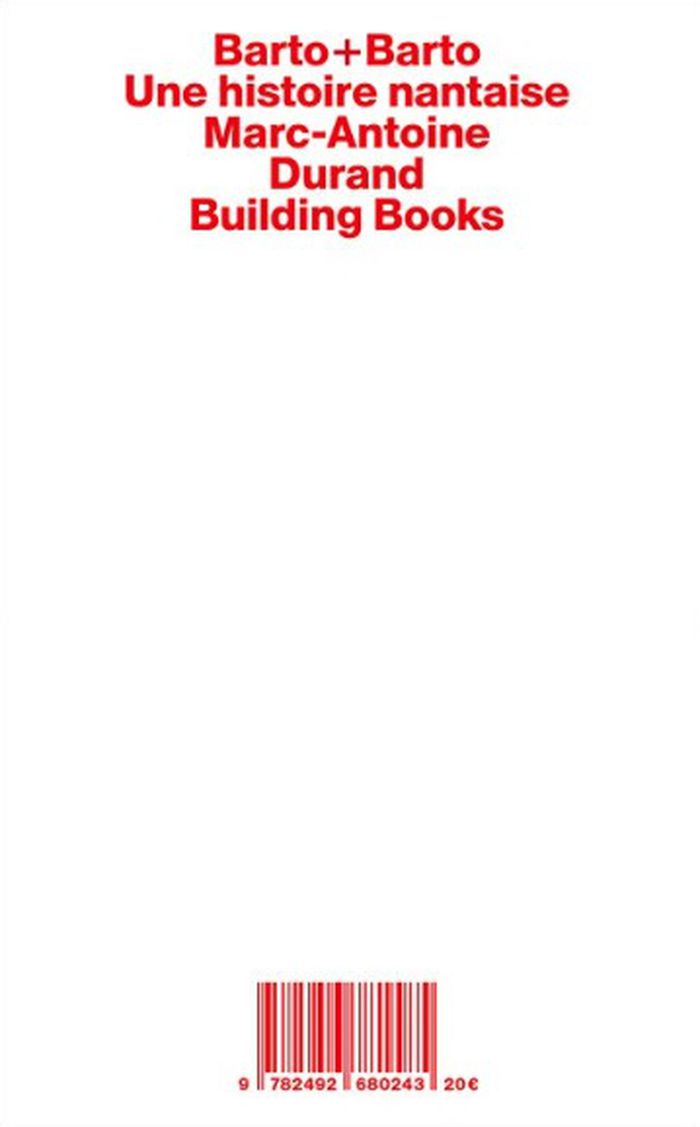
L’histoire racontée ici est celle d’un couple iconoclaste de la scène architecturale française. Une carrière d’un demi-siècle. C’est l’histoire d’un artiste qui devient architecte: des châteaux de sable sur la plage de la Bernerie au parking des Machines sur l’île de Nantes. Une vie de création à la recherche du trait juste. C’est aussi l’histoire d’une rencontre, d’une vie à deux et d’un dialogue exigeant entre les dessins et les mots, les mots de Clotilde, son regard sur la ville et ses maux. C’est l’histoire d’une psychologue qui devient architecte. L’histoire d’une ville et de ses transformations. L’histoire de Nantes et des Nantais. Mi-roman mi-enquête, ce récit revient sur les projets importants du couple, leur manière exclusive de travailler à deux et les rencontres essentielles sans lesquelles rien ne se serait fait. Il laisse aussi une part importante à l’imaginaire des Barto, leur rapport à l’art et surtout au cinéma.
Barto+Barto, Une histoire nantaise
Actions:
Price:
$48.95
(available in store)
Summary:
L’histoire racontée ici est celle d’un couple iconoclaste de la scène architecturale française. Une carrière d’un demi-siècle. C’est l’histoire d’un artiste qui devient architecte: des châteaux de sable sur la plage de la Bernerie au parking des Machines sur l’île de Nantes. Une vie de création à la recherche du trait juste. C’est aussi l’histoire d’une rencontre, d’une vie à deux et d’un dialogue exigeant entre les dessins et les mots, les mots de Clotilde, son regard sur la ville et ses maux. C’est l’histoire d’une psychologue qui devient architecte. L’histoire d’une ville et de ses transformations. L’histoire de Nantes et des Nantais. Mi-roman mi-enquête, ce récit revient sur les projets importants du couple, leur manière exclusive de travailler à deux et les rencontres essentielles sans lesquelles rien ne se serait fait. Il laisse aussi une part importante à l’imaginaire des Barto, leur rapport à l’art et surtout au cinéma.
Form:
books
books
Publication:
April 2026
April 2026
Subject:
Architecture Monographs
Architecture Monographs
Form:
books
books
Title:
Thomas Struth
Thomas Struth
Actions:
Price:
$62.00
(available to order)
Summary:
Thomas Struth's most recent project, "Making Time," was exhibited at the Prado, Madrid, in the winter and spring of 2007, and is now compiled in this handsome catalogue from Turner. Making Time continues Struth's established work on the subject of public art venues, and consists of photographs depicting the Prado's famous collection and its visitors, photographs that were(...)
$62.00
(available to order)
Summary:
Thomas Struth's most recent project, "Making Time," was exhibited at the Prado, Madrid, in the winter and spring of 2007, and is now compiled in this handsome catalogue from Turner. Making Time continues Struth's established work on the subject of public art venues, and consists of photographs depicting the Prado's famous collection and its visitors, photographs that were(...)
Title:
Thomas Struth
Actions:
Price:
$62.00
(available to order)
Summary:
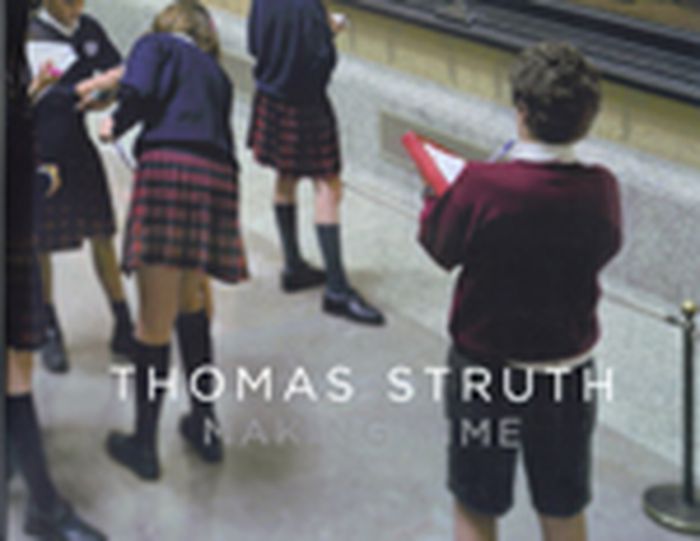
Thomas Struth's most recent project, "Making Time," was exhibited at the Prado, Madrid, in the winter and spring of 2007, and is now compiled in this handsome catalogue from Turner. Making Time continues Struth's established work on the subject of public art venues, and consists of photographs depicting the Prado's famous collection and its visitors, photographs that were displayed throughout the Prado during his exhibit, as part of the museum's current ambition to open up fresh perspectives on its holdings. Over the course of two years, Struth made more than 400 images in and around the Prado, showing an "inhabited" public space, and highlighting the interactions between the exhibited paintings and their viewers. This volume also marks the first presentation of Struth's earlier work, from the spring of 2005, on Velazquez's great "Las Meninas" (1656), itself a classic study of spectatorship. The result is a multilayered dialogue between Struth, the Prado, its collection and its visitors.
Thomas Struth
Actions:
Price:
$62.00
(available to order)
Summary:
Thomas Struth's most recent project, "Making Time," was exhibited at the Prado, Madrid, in the winter and spring of 2007, and is now compiled in this handsome catalogue from Turner. Making Time continues Struth's established work on the subject of public art venues, and consists of photographs depicting the Prado's famous collection and its visitors, photographs that were displayed throughout the Prado during his exhibit, as part of the museum's current ambition to open up fresh perspectives on its holdings. Over the course of two years, Struth made more than 400 images in and around the Prado, showing an "inhabited" public space, and highlighting the interactions between the exhibited paintings and their viewers. This volume also marks the first presentation of Struth's earlier work, from the spring of 2005, on Velazquez's great "Las Meninas" (1656), itself a classic study of spectatorship. The result is a multilayered dialogue between Struth, the Prado, its collection and its visitors.
Form:
books
books
Publication:
July 2007, Madrid
July 2007, Madrid
Subject:
Photography monographs
Photography monographs
Form:
books
books
Title:
Petites agonies urbaines
Petites agonies urbaines
Actions:
Price:
$41.95
(available to order)
Summary:
Michel Denancé est photographe, spécialisé en architecture. D'ordinaire, il photographie des bâtiments neufs, œuvres d'architectes prestigieux. Ici, c'est aux maisons murées qu'il s'intéresse, aux immeubles condamnés, aux Petites Agonies de Paris et de sa banlieue. Mathieu Belezi, Jeanne Benameur, Abdelkader Djemaï, Mourad Djebel, Jacques Jouet, Marcus Malte sont(...)
$41.95
(available to order)
Summary:
Michel Denancé est photographe, spécialisé en architecture. D'ordinaire, il photographie des bâtiments neufs, œuvres d'architectes prestigieux. Ici, c'est aux maisons murées qu'il s'intéresse, aux immeubles condamnés, aux Petites Agonies de Paris et de sa banlieue. Mathieu Belezi, Jeanne Benameur, Abdelkader Djemaï, Mourad Djebel, Jacques Jouet, Marcus Malte sont(...)
Subject:
Photography monographs
Photography monographs
Publication:
May 2006, Manosque
May 2006, Manosque
Title:
Petites agonies urbaines
Actions:
Price:
$41.95
(available to order)
Summary:
Michel Denancé est photographe, spécialisé en architecture. D'ordinaire, il photographie des bâtiments neufs, œuvres d'architectes prestigieux. Ici, c'est aux maisons murées qu'il s'intéresse, aux immeubles condamnés, aux Petites Agonies de Paris et de sa banlieue. Mathieu Belezi, Jeanne Benameur, Abdelkader Djemaï, Mourad Djebel, Jacques Jouet, Marcus Malte sont écrivains. D'ordinaire, ils publient des romans, des polars, des recueils de poésie ou des pièces de théâtre. Ici, les bâtiments en fin de vie de Michel Denancé leur ont inspiré à chacun un court récit inédit. Pour quoi James Blondel transporte-t-il un à un des parpaings dans l'escalier de la maison de sa mère morte ? Que diable Alfred Hitchcock va-t-il découvrir en ôtant une rangée verticale de moellons pour pénétrer dans l'appartement des Thorwald ? Casper le fantôme et le petit Joseph N'Gotty ne sont-ils qu'une seule et même personne ? Les fenêtres bouchées, qui marquent la fin d'une histoire, stimulent paradoxalement les imaginaires : la photographie dialogue avec la littérature dans un espace étrangement familier.
Petites agonies urbaines
Actions:
Price:
$41.95
(available to order)
Summary:
Michel Denancé est photographe, spécialisé en architecture. D'ordinaire, il photographie des bâtiments neufs, œuvres d'architectes prestigieux. Ici, c'est aux maisons murées qu'il s'intéresse, aux immeubles condamnés, aux Petites Agonies de Paris et de sa banlieue. Mathieu Belezi, Jeanne Benameur, Abdelkader Djemaï, Mourad Djebel, Jacques Jouet, Marcus Malte sont écrivains. D'ordinaire, ils publient des romans, des polars, des recueils de poésie ou des pièces de théâtre. Ici, les bâtiments en fin de vie de Michel Denancé leur ont inspiré à chacun un court récit inédit. Pour quoi James Blondel transporte-t-il un à un des parpaings dans l'escalier de la maison de sa mère morte ? Que diable Alfred Hitchcock va-t-il découvrir en ôtant une rangée verticale de moellons pour pénétrer dans l'appartement des Thorwald ? Casper le fantôme et le petit Joseph N'Gotty ne sont-ils qu'une seule et même personne ? Les fenêtres bouchées, qui marquent la fin d'une histoire, stimulent paradoxalement les imaginaires : la photographie dialogue avec la littérature dans un espace étrangement familier.
Form:
books
books
Publication:
May 2006, Manosque
May 2006, Manosque
Subject:
Photography monographs
Photography monographs
Form:
books
books
Title:
A book from deValence
A book from deValence
Actions:
Price:
$45.95
(available in store)
Summary:
Depuis la création du studio de design graphique deValence, ses membres s'attachent à mettre en place un processus de travail garantissant un dialogue permanent entre les différents acteurs des projets auxquels ils sont associés. Imprégnées de la culture des avant-gardes artistiques des années 1920, leurs réalisations se caractérisent par une approche dynamique des(...)
$45.95
(available in store)
Summary:
Depuis la création du studio de design graphique deValence, ses membres s'attachent à mettre en place un processus de travail garantissant un dialogue permanent entre les différents acteurs des projets auxquels ils sont associés. Imprégnées de la culture des avant-gardes artistiques des années 1920, leurs réalisations se caractérisent par une approche dynamique des(...)
Subject:
Graphic Designers, Monographs
Graphic Designers, Monographs
Publication:
September 2015
September 2015
Title:
A book from deValence
Actions:
Price:
$45.95
(available in store)
Summary:
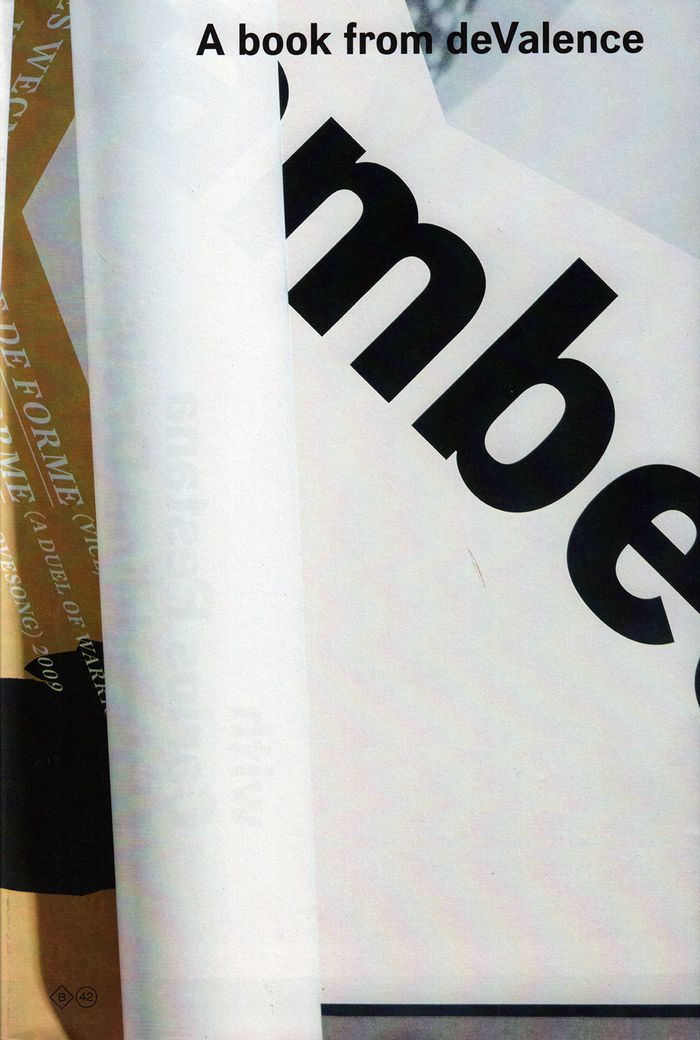
Depuis la création du studio de design graphique deValence, ses membres s'attachent à mettre en place un processus de travail garantissant un dialogue permanent entre les différents acteurs des projets auxquels ils sont associés. Imprégnées de la culture des avant-gardes artistiques des années 1920, leurs réalisations se caractérisent par une approche dynamique des relations texte-image et une attention particulière portés à la clarté des informations et à la structure même de l'objet. Impliqué par ailleurs dans une réflexion sur le design, deValence est à l'origine de plusieurs supports de recherche dont la revue Back cover, la maison d'édition B42 et l'association F7. A book from deValence présente une sélection de travaux conçus par le studio depuis 2001 (identités visuelles, affiches, livres, cartons d'invitations...) retraçant près de quinze ans de collaborations. Elle est accompagnée d'un essai de Victor Guénan et d'un entretien avec l'artiste Raphaël Zarka. La préface est signée Robin Kinross.
A book from deValence
Actions:
Price:
$45.95
(available in store)
Summary:
Depuis la création du studio de design graphique deValence, ses membres s'attachent à mettre en place un processus de travail garantissant un dialogue permanent entre les différents acteurs des projets auxquels ils sont associés. Imprégnées de la culture des avant-gardes artistiques des années 1920, leurs réalisations se caractérisent par une approche dynamique des relations texte-image et une attention particulière portés à la clarté des informations et à la structure même de l'objet. Impliqué par ailleurs dans une réflexion sur le design, deValence est à l'origine de plusieurs supports de recherche dont la revue Back cover, la maison d'édition B42 et l'association F7. A book from deValence présente une sélection de travaux conçus par le studio depuis 2001 (identités visuelles, affiches, livres, cartons d'invitations...) retraçant près de quinze ans de collaborations. Elle est accompagnée d'un essai de Victor Guénan et d'un entretien avec l'artiste Raphaël Zarka. La préface est signée Robin Kinross.
Form:
books
books
Publication:
September 2015
September 2015
Subject:
Graphic Designers, Monographs
Graphic Designers, Monographs
Form:
books
books
Title:
Michele Zaza
Michele Zaza
Actions:
Price:
$90.00
(available to order)
Summary:
The monograph is the first to cover the life and artistic career of Michele Zaza in systematic fashion.With an introductory essay on the historical and critical background of his work, this volume documents his production from the 1970s to the present day through a chronology replete with illustrations, unpublished materials, texts and quotations of the artist. The (...)
$90.00
(available to order)
Summary:
The monograph is the first to cover the life and artistic career of Michele Zaza in systematic fashion.With an introductory essay on the historical and critical background of his work, this volume documents his production from the 1970s to the present day through a chronology replete with illustrations, unpublished materials, texts and quotations of the artist. The (...)
Title:
Michele Zaza
Actions:
Price:
$90.00
(available to order)
Summary:
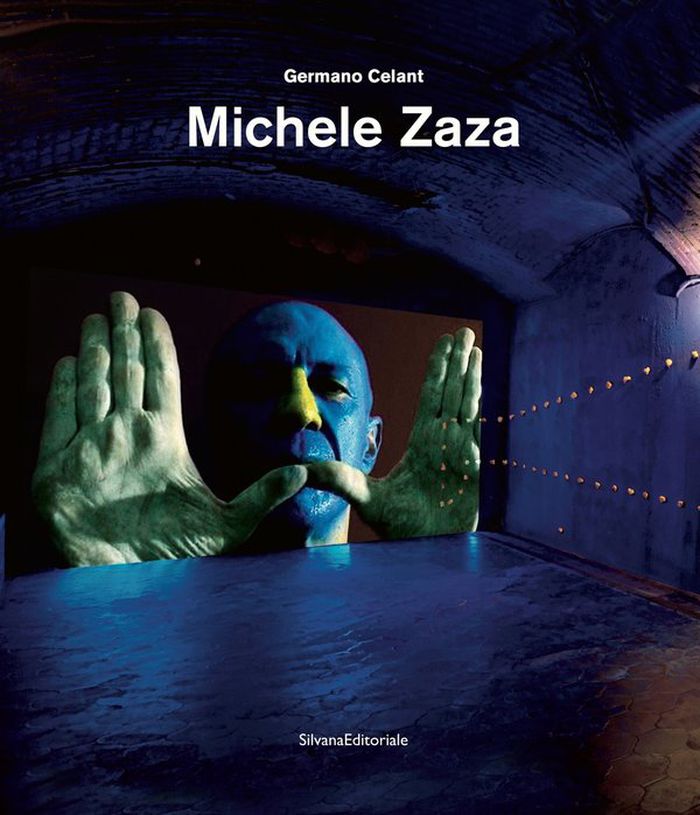
The monograph is the first to cover the life and artistic career of Michele Zaza in systematic fashion.With an introductory essay on the historical and critical background of his work, this volume documents his production from the 1970s to the present day through a chronology replete with illustrations, unpublished materials, texts and quotations of the artist. The production ranges from the early sequences of photographs, with their symbolic references to the artist’s own body, the figures of his parents, and his family home, to the creation of large installations, characterized by the presence of photographic elements and sculptures with pure and totemic forms that hold a direct dialogue with their architectural setting. In a vision of existence in which everything is interconnected, he aspires in his work to a transcendence of the contingent, immersing the viewer in an environment that has been re-created through images but is at the same time real.
Michele Zaza
Actions:
Price:
$90.00
(available to order)
Summary:
The monograph is the first to cover the life and artistic career of Michele Zaza in systematic fashion.With an introductory essay on the historical and critical background of his work, this volume documents his production from the 1970s to the present day through a chronology replete with illustrations, unpublished materials, texts and quotations of the artist. The production ranges from the early sequences of photographs, with their symbolic references to the artist’s own body, the figures of his parents, and his family home, to the creation of large installations, characterized by the presence of photographic elements and sculptures with pure and totemic forms that hold a direct dialogue with their architectural setting. In a vision of existence in which everything is interconnected, he aspires in his work to a transcendence of the contingent, immersing the viewer in an environment that has been re-created through images but is at the same time real.
Form:
books
books
Publication:
April 2020
April 2020
Subject:
Contemporary Art Monographs
Contemporary Art Monographs
Form:
books
books
Title:
The Things Around Us
The Things Around Us
Actions:
Price:
$35.00
(available in store)
Summary:
Embedded in politically and economically charged sites in the Pearl River Delta, Mongolia, and the European Union, 51N4E (Johan Anrys and Freek Persyn) and Rural Urban Framework (Joshua Bolchover and John Lin) operate in expanded ecologies of architectural practice, questioning the role of the architect today. By collaborating with policymakers, local contractors, and(...)
$35.00
(available in store)
Summary:
Embedded in politically and economically charged sites in the Pearl River Delta, Mongolia, and the European Union, 51N4E (Johan Anrys and Freek Persyn) and Rural Urban Framework (Joshua Bolchover and John Lin) operate in expanded ecologies of architectural practice, questioning the role of the architect today. By collaborating with policymakers, local contractors, and(...)
Title:
The Things Around Us
Actions:
Price:
$35.00
(available in store)
Summary:
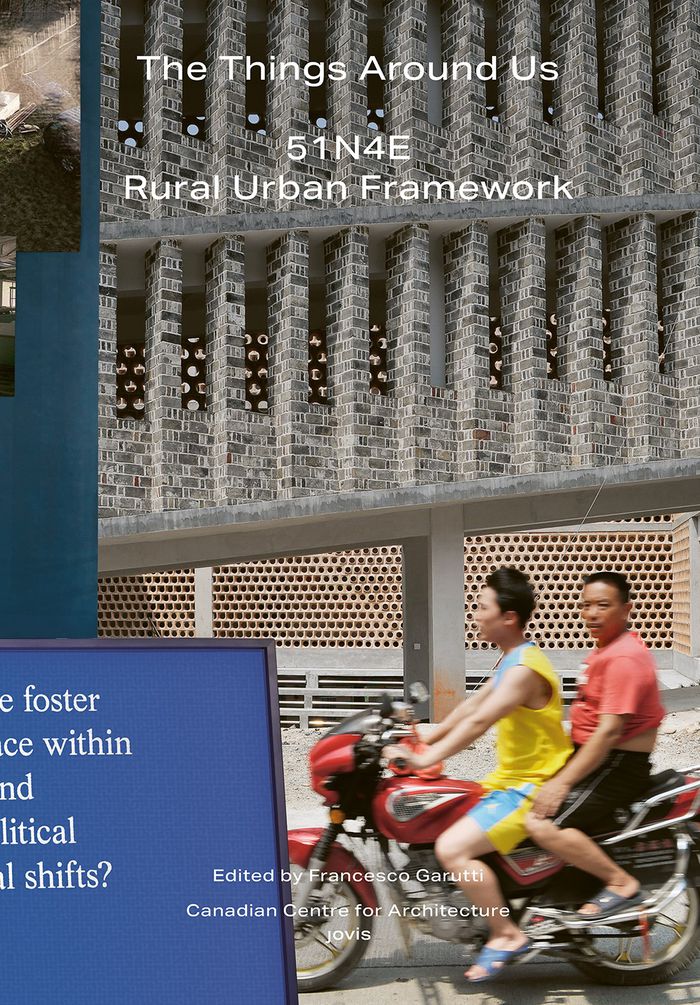
Embedded in politically and economically charged sites in the Pearl River Delta, Mongolia, and the European Union, 51N4E (Johan Anrys and Freek Persyn) and Rural Urban Framework (Joshua Bolchover and John Lin) operate in expanded ecologies of architectural practice, questioning the role of the architect today. By collaborating with policymakers, local contractors, and NGOs, and by engaging their respective labs at ETH Zu¨rich and the University of Hong Kong as key research locations, both offices investigate new forms of cooperation and dialogue as crucial strategies for design. 51N4E and RUF work at the seams of urbanization, with projects situated in transitional settlements in Ulaanbaatar, the rural regions of China, the transforming neighborhoods of Brussels, and Albania’s shifting public spaces. This publication compares their research and design processes in order to question the extents and certainties of architecture against backdrops of indeterminate notions of citizenship, unstable stages of urbanization, and insecure economies and ecologies.
The Things Around Us
Actions:
Price:
$35.00
(available in store)
Summary:
Embedded in politically and economically charged sites in the Pearl River Delta, Mongolia, and the European Union, 51N4E (Johan Anrys and Freek Persyn) and Rural Urban Framework (Joshua Bolchover and John Lin) operate in expanded ecologies of architectural practice, questioning the role of the architect today. By collaborating with policymakers, local contractors, and NGOs, and by engaging their respective labs at ETH Zu¨rich and the University of Hong Kong as key research locations, both offices investigate new forms of cooperation and dialogue as crucial strategies for design. 51N4E and RUF work at the seams of urbanization, with projects situated in transitional settlements in Ulaanbaatar, the rural regions of China, the transforming neighborhoods of Brussels, and Albania’s shifting public spaces. This publication compares their research and design processes in order to question the extents and certainties of architecture against backdrops of indeterminate notions of citizenship, unstable stages of urbanization, and insecure economies and ecologies.
Form:
books
books
Publication:
April 2021
April 2021
Subject:
CCA Publications
CCA Publications


