


1525 Results
Form:
books
books
Title:
History of cities in maps
History of cities in maps
Actions:
Price:
$50.00
(available in store)
Summary:
The city: a concept nearly as old as history itself, it is a paradox of human innovation and intervention, order and conflict. From ancient civilizations to modern-day metropolises, maps have played a crucial role in urban progress. This book explores the development of cities through more than 70 captivating maps. Each map in this beautifully designed volume gives a(...)
$50.00
(available in store)
Summary:
The city: a concept nearly as old as history itself, it is a paradox of human innovation and intervention, order and conflict. From ancient civilizations to modern-day metropolises, maps have played a crucial role in urban progress. This book explores the development of cities through more than 70 captivating maps. Each map in this beautifully designed volume gives a(...)
Title:
History of cities in maps
Actions:
Price:
$50.00
(available in store)
Summary:
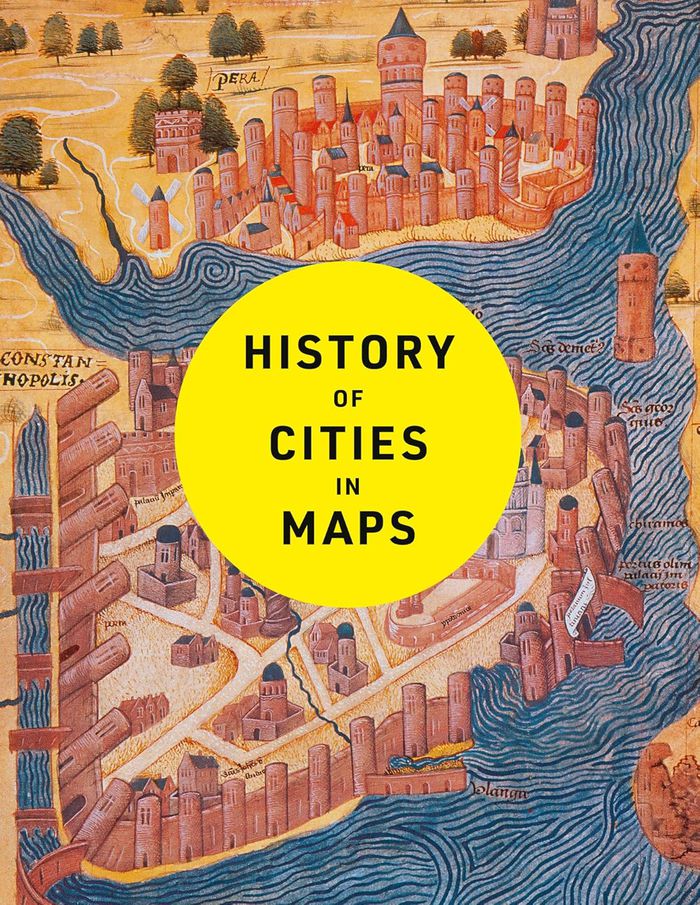
The city: a concept nearly as old as history itself, it is a paradox of human innovation and intervention, order and conflict. From ancient civilizations to modern-day metropolises, maps have played a crucial role in urban progress. This book explores the development of cities through more than 70 captivating maps. Each map in this beautifully designed volume gives a unique visual representation of and historical context to the city it surveys. Spanning more than 9,000 years, this book expertly curates more than 70 historical maps which tell the fascinating story of human civilization: from cities founded on sacred places, ideas and power, to early examples of town planning and later innovations such as skyscrapers and urban transport.
History of cities in maps
Actions:
Price:
$50.00
(available in store)
Summary:
The city: a concept nearly as old as history itself, it is a paradox of human innovation and intervention, order and conflict. From ancient civilizations to modern-day metropolises, maps have played a crucial role in urban progress. This book explores the development of cities through more than 70 captivating maps. Each map in this beautifully designed volume gives a unique visual representation of and historical context to the city it surveys. Spanning more than 9,000 years, this book expertly curates more than 70 historical maps which tell the fascinating story of human civilization: from cities founded on sacred places, ideas and power, to early examples of town planning and later innovations such as skyscrapers and urban transport.
Form:
books
books
Publication:
January 2025
January 2025
Subject:
Architectural Plans and Cartography
Architectural Plans and Cartography
Form:
books
books
Price:
$54.95
(available in store)
Summary:
Mass-produced from the 1970s to the 1990s, modular kiosks like the seminal K67, designed by the Slovenian architect Saša J. Mächtig, and similar systems – including the Polish Kami, the Macedonian KC190, and the Soviet ‘Bathyscaphe’ – could be found anywhere throughout the former Eastern Bloc and ex-Yugoslav countries, from bustling city squares to socialist-era housing(...)
$54.95
(available in store)
Summary:
Mass-produced from the 1970s to the 1990s, modular kiosks like the seminal K67, designed by the Slovenian architect Saša J. Mächtig, and similar systems – including the Polish Kami, the Macedonian KC190, and the Soviet ‘Bathyscaphe’ – could be found anywhere throughout the former Eastern Bloc and ex-Yugoslav countries, from bustling city squares to socialist-era housing(...)
Title:
Kiosk: The last modernist booths across Central and Eastern Europe
Actions:
Price:
$54.95
(available in store)
Summary:
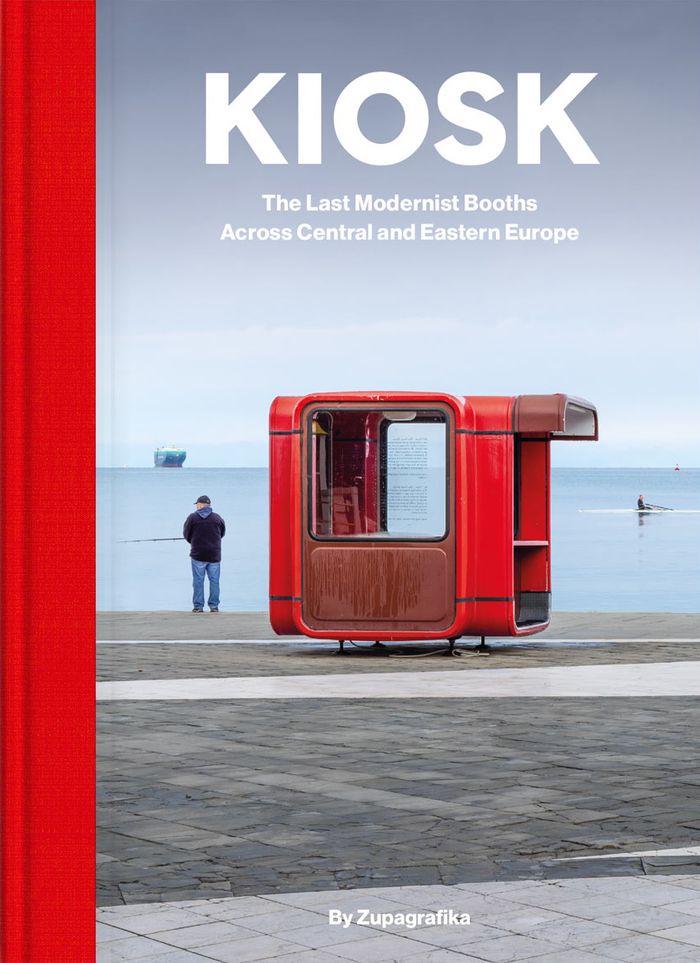
Mass-produced from the 1970s to the 1990s, modular kiosks like the seminal K67, designed by the Slovenian architect Saša J. Mächtig, and similar systems – including the Polish Kami, the Macedonian KC190, and the Soviet ‘Bathyscaphe’ – could be found anywhere throughout the former Eastern Bloc and ex-Yugoslav countries, from bustling city squares to socialist-era housing estates. They served as hot dog and Polish zapiekanka joints, farm egg and rotisserie chicken vendors, funeral flower shops, newsstands, car park booths, currency exchange offices, and more. Featuring over 150 kiosks – from Ljubljana to Warsaw, and from Belgrade to Berlin – this photobook provides previously unseen documentation of the remaining modernist booths that witnessed the socio-political transformation of Central and Eastern Europe at the end of the 20th century. While some remain active or have undergone refurbishment, others have been abandoned or have slowly faded from the urban landscape. The photographs in this unique collection were taken over the last decade by Zupagrafika’s founders, David Navarro and Martyna Sobecka. The book includes a foreword by urban explorer Maciej Czarnecki and an introduction by architectural historian Anna Cymer, offering invaluable insights into the history of these mobile structures.
Kiosk: The last modernist booths across Central and Eastern Europe
Actions:
Price:
$54.95
(available in store)
Summary:
Mass-produced from the 1970s to the 1990s, modular kiosks like the seminal K67, designed by the Slovenian architect Saša J. Mächtig, and similar systems – including the Polish Kami, the Macedonian KC190, and the Soviet ‘Bathyscaphe’ – could be found anywhere throughout the former Eastern Bloc and ex-Yugoslav countries, from bustling city squares to socialist-era housing estates. They served as hot dog and Polish zapiekanka joints, farm egg and rotisserie chicken vendors, funeral flower shops, newsstands, car park booths, currency exchange offices, and more. Featuring over 150 kiosks – from Ljubljana to Warsaw, and from Belgrade to Berlin – this photobook provides previously unseen documentation of the remaining modernist booths that witnessed the socio-political transformation of Central and Eastern Europe at the end of the 20th century. While some remain active or have undergone refurbishment, others have been abandoned or have slowly faded from the urban landscape. The photographs in this unique collection were taken over the last decade by Zupagrafika’s founders, David Navarro and Martyna Sobecka. The book includes a foreword by urban explorer Maciej Czarnecki and an introduction by architectural historian Anna Cymer, offering invaluable insights into the history of these mobile structures.
Form:
books
books
Publication:
November 2024
November 2024
Subject:
Modernism
Modernism
Form:
books
books
Actions:
Price:
$55.00
(available in store)
Summary:
a+u’s July looks at how, even in a city such as New York, where projects are executed on a grand scale, designing spaces to walk, rest, work, and play centers the human experience. The selected projects from Midtown and Lower Manhattan provide but a small cross section of the varying typologies of differing scales currently enhancing the architecture of New York City.(...)
$55.00
(available in store)
Summary:
a+u’s July looks at how, even in a city such as New York, where projects are executed on a grand scale, designing spaces to walk, rest, work, and play centers the human experience. The selected projects from Midtown and Lower Manhattan provide but a small cross section of the varying typologies of differing scales currently enhancing the architecture of New York City.(...)
Title:
A+U 658 25:07 Manhattan Towers
Actions:
Price:
$55.00
(available in store)
Summary:
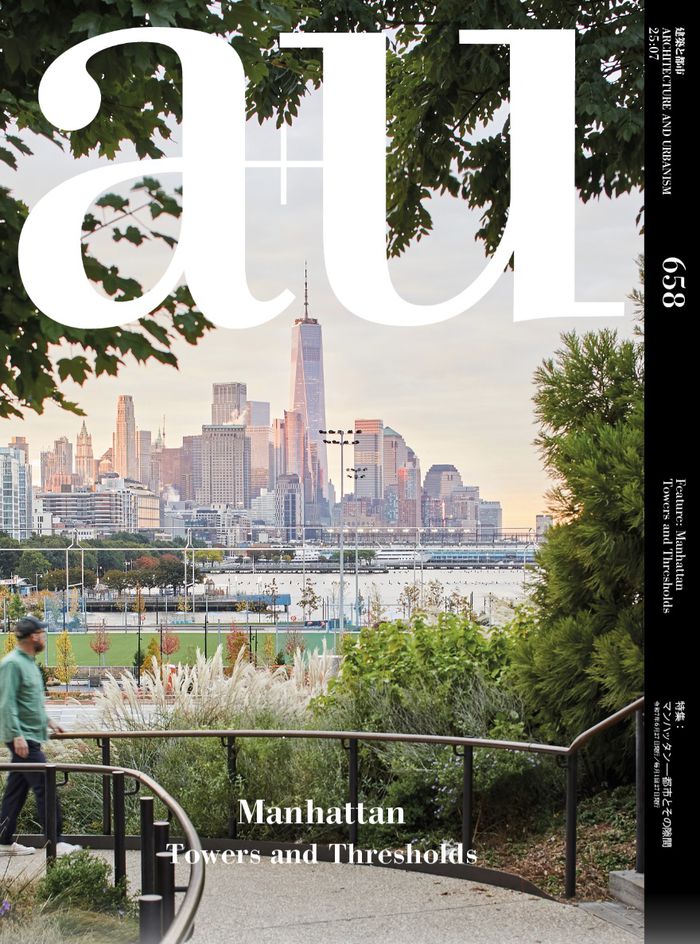
a+u’s July looks at how, even in a city such as New York, where projects are executed on a grand scale, designing spaces to walk, rest, work, and play centers the human experience. The selected projects from Midtown and Lower Manhattan provide but a small cross section of the varying typologies of differing scales currently enhancing the architecture of New York City. Projects such as the Moynihan Train Hall by Skidmore Owings & Merrill (SOM) endeavor to preserve the fabric of the city while addressing the increased need for transportation hubs by the expansion of Pennsylvania station to the adjacent historic James A. Farley Building, while adaptive reuse projects such as Gansevoort Peninsula Park by nArchitects are part of a decadeslong effort to transform the industrial waterfront into much needed green spaces and sports facilities. Kohn Pedersen Fox Associates (KPF) addresses the shortage of residential space with projects that integrate the materiality of the building to its context and incorporate the human scale with the urban one. Amid the massive developments taking place, smaller practices such as Worrell Yeung and WORKac seek to preserve urban character, through surgical intervention in their renovation projects.
A+U 658 25:07 Manhattan Towers
Actions:
Price:
$55.00
(available in store)
Summary:
a+u’s July looks at how, even in a city such as New York, where projects are executed on a grand scale, designing spaces to walk, rest, work, and play centers the human experience. The selected projects from Midtown and Lower Manhattan provide but a small cross section of the varying typologies of differing scales currently enhancing the architecture of New York City. Projects such as the Moynihan Train Hall by Skidmore Owings & Merrill (SOM) endeavor to preserve the fabric of the city while addressing the increased need for transportation hubs by the expansion of Pennsylvania station to the adjacent historic James A. Farley Building, while adaptive reuse projects such as Gansevoort Peninsula Park by nArchitects are part of a decadeslong effort to transform the industrial waterfront into much needed green spaces and sports facilities. Kohn Pedersen Fox Associates (KPF) addresses the shortage of residential space with projects that integrate the materiality of the building to its context and incorporate the human scale with the urban one. Amid the massive developments taking place, smaller practices such as Worrell Yeung and WORKac seek to preserve urban character, through surgical intervention in their renovation projects.
Form:
books
books
Publication:
July 2025
July 2025
Subject:
Magazines
Magazines
Form:
books
books
Title:
Petra Blaisse: Art applied
Petra Blaisse: Art applied
Actions:
Price:
$125.00
(available in store)
Summary:
This retrospective of the oeuvre of Petra Blaisse and her acclaimed studio Inside Outside presents a kaleidoscopic view of their work across interior, exhibition, and landscape design over the course of more than three decades. Rather than working solely on static buildings, Inside Outside design environments across a huge variety of scales, from expansive urban(...)
$125.00
(available in store)
Summary:
This retrospective of the oeuvre of Petra Blaisse and her acclaimed studio Inside Outside presents a kaleidoscopic view of their work across interior, exhibition, and landscape design over the course of more than three decades. Rather than working solely on static buildings, Inside Outside design environments across a huge variety of scales, from expansive urban(...)
Title:
Petra Blaisse: Art applied
Actions:
Price:
$125.00
(available in store)
Summary:
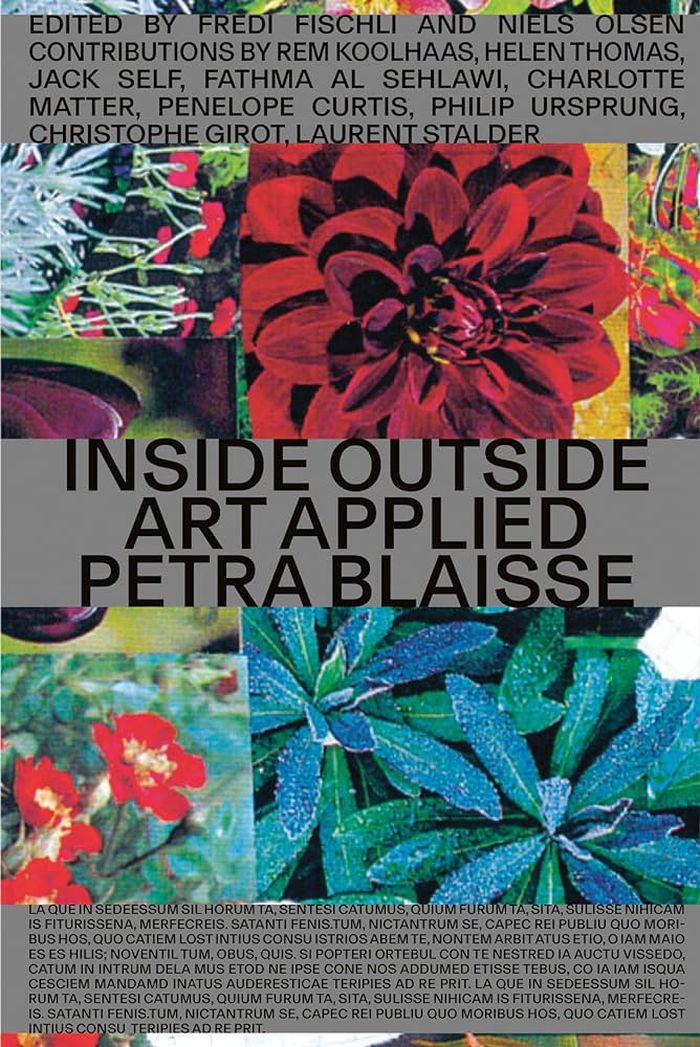
This retrospective of the oeuvre of Petra Blaisse and her acclaimed studio Inside Outside presents a kaleidoscopic view of their work across interior, exhibition, and landscape design over the course of more than three decades. Rather than working solely on static buildings, Inside Outside design environments across a huge variety of scales, from expansive urban landscapes to intimate domestic spaces defined by soft textile walls. The resulting spaces defy conventional classification. This comprehensive survey encompasses renowned projects including the recently completed Taipei Performing Arts Center; the Kunsthal Rotterdam; Biblioteca degli Alberi in Milan, a park spanning almost ten hectares; and LocHal Library in Tilburg, a vast factory repurposed using an architecture of semi-translucent curtains. It also presents revelatory unrealised projects and explores the studio’s many collaborations, including the rich body of work produced with OMA since the late 1980s.
Petra Blaisse: Art applied
Actions:
Price:
$125.00
(available in store)
Summary:
This retrospective of the oeuvre of Petra Blaisse and her acclaimed studio Inside Outside presents a kaleidoscopic view of their work across interior, exhibition, and landscape design over the course of more than three decades. Rather than working solely on static buildings, Inside Outside design environments across a huge variety of scales, from expansive urban landscapes to intimate domestic spaces defined by soft textile walls. The resulting spaces defy conventional classification. This comprehensive survey encompasses renowned projects including the recently completed Taipei Performing Arts Center; the Kunsthal Rotterdam; Biblioteca degli Alberi in Milan, a park spanning almost ten hectares; and LocHal Library in Tilburg, a vast factory repurposed using an architecture of semi-translucent curtains. It also presents revelatory unrealised projects and explores the studio’s many collaborations, including the rich body of work produced with OMA since the late 1980s.
Form:
books
books
Publication:
March 2024
March 2024
Subject:
Contemporary Art Monographs
Contemporary Art Monographs
Form:
books
books
Title:
Unseen city
Unseen city
Actions:
Price:
$28.99
(available to order)
Summary:
No matter where we live city, country, oceanside, ormountains?there are wonders that we walk past every day. "Unseen City" widens the pinhole of our perspective by allowing us to view the world from the high-altitude eyes of a turkey vulture and the distinctly low-altitude eyes of a snail. The narrative allows us to eavesdrop on the comically frenetic life of a squirrel(...)
$28.99
(available to order)
Summary:
No matter where we live city, country, oceanside, ormountains?there are wonders that we walk past every day. "Unseen City" widens the pinhole of our perspective by allowing us to view the world from the high-altitude eyes of a turkey vulture and the distinctly low-altitude eyes of a snail. The narrative allows us to eavesdrop on the comically frenetic life of a squirrel(...)
Title:
Unseen city
Actions:
Price:
$28.99
(available to order)
Summary:
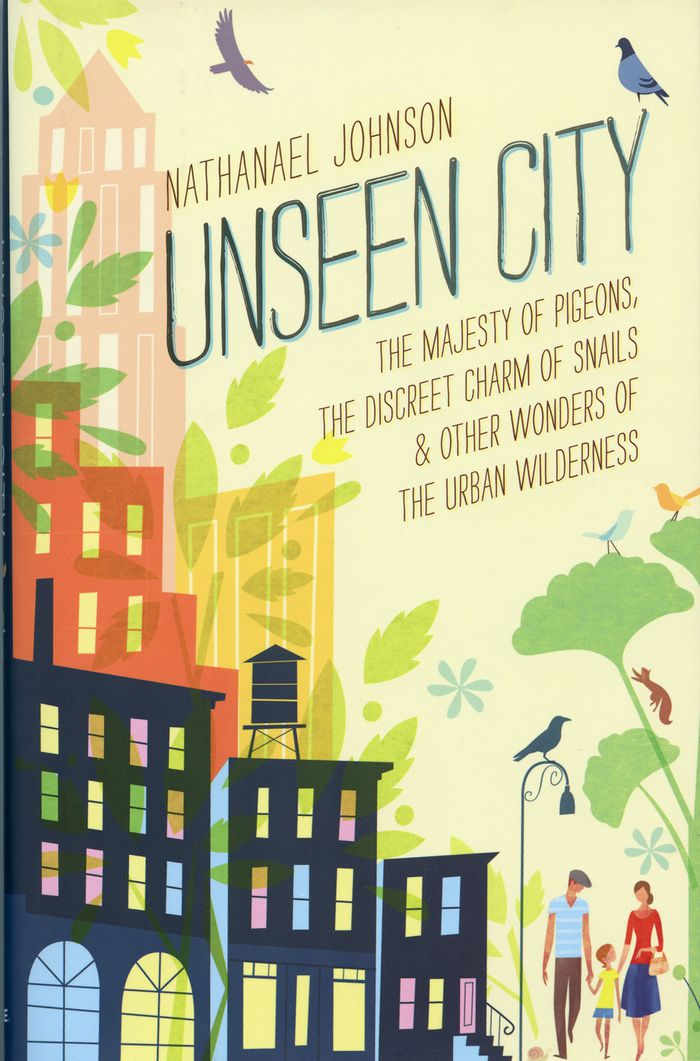
No matter where we live city, country, oceanside, ormountains?there are wonders that we walk past every day. "Unseen City" widens the pinhole of our perspective by allowing us to view the world from the high-altitude eyes of a turkey vulture and the distinctly low-altitude eyes of a snail. The narrative allows us to eavesdrop on the comically frenetic life of a squirrel and peer deep into the past with a ginkgo biloba tree. Each of these organisms has something unique to tell us about our neighborhoods and, chapter by chapter, "Unseen City" takes us on a journey that is part nature lesson and part love letter to the world’s urban jungles. With the right perspective, a walk to the subway can be every bit as entrancing as a walk through a national park.
Unseen city
Actions:
Price:
$28.99
(available to order)
Summary:
No matter where we live city, country, oceanside, ormountains?there are wonders that we walk past every day. "Unseen City" widens the pinhole of our perspective by allowing us to view the world from the high-altitude eyes of a turkey vulture and the distinctly low-altitude eyes of a snail. The narrative allows us to eavesdrop on the comically frenetic life of a squirrel and peer deep into the past with a ginkgo biloba tree. Each of these organisms has something unique to tell us about our neighborhoods and, chapter by chapter, "Unseen City" takes us on a journey that is part nature lesson and part love letter to the world’s urban jungles. With the right perspective, a walk to the subway can be every bit as entrancing as a walk through a national park.
Form:
books
books
Publication:
April 2016
April 2016
Subject:
Children's Books
Children's Books
Form:
books
books
Actions:
Price:
$27.99
(available to order)
Summary:
Following the success of "Archidoodle", this new title focuses on the city. Filled with an array of beautiful and fun drawings, it poses 75 architectural challenges for the user: from building an underground community or designing your own imaginary city to creating a new park for New York, plus many more. Aimed at at anyone who loves drawing buildings and cities, it(...)
$27.99
(available to order)
Summary:
Following the success of "Archidoodle", this new title focuses on the city. Filled with an array of beautiful and fun drawings, it poses 75 architectural challenges for the user: from building an underground community or designing your own imaginary city to creating a new park for New York, plus many more. Aimed at at anyone who loves drawing buildings and cities, it(...)
Title:
Archidoodle city: an architect's activity book
Actions:
Price:
$27.99
(available to order)
Summary:
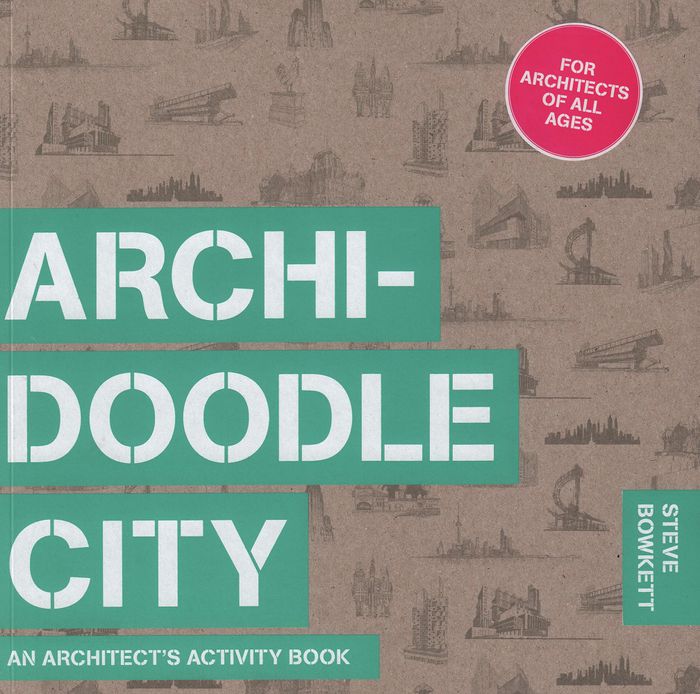
Following the success of "Archidoodle", this new title focuses on the city. Filled with an array of beautiful and fun drawings, it poses 75 architectural challenges for the user: from building an underground community or designing your own imaginary city to creating a new park for New York, plus many more. Aimed at at anyone who loves drawing buildings and cities, it encourages the users to imagine their own creative solutions by sketching, drawing, and painting in the pages of the book. In so doing, they will learn about a whole range of significant issues, such as the importance of transport, lighting and green spaces, the history of urban design and planning, and the use of monuments and symbols. The book also includes numerous examples of works and ideas by major architects to draw inspiration from and will appeal to everyone from children to students and professional architects.
Archidoodle city: an architect's activity book
Actions:
Price:
$27.99
(available to order)
Summary:
Following the success of "Archidoodle", this new title focuses on the city. Filled with an array of beautiful and fun drawings, it poses 75 architectural challenges for the user: from building an underground community or designing your own imaginary city to creating a new park for New York, plus many more. Aimed at at anyone who loves drawing buildings and cities, it encourages the users to imagine their own creative solutions by sketching, drawing, and painting in the pages of the book. In so doing, they will learn about a whole range of significant issues, such as the importance of transport, lighting and green spaces, the history of urban design and planning, and the use of monuments and symbols. The book also includes numerous examples of works and ideas by major architects to draw inspiration from and will appeal to everyone from children to students and professional architects.
Form:
books
books
Publication:
February 2017
February 2017
Subject:
activity books
activity books
Form:
books
books
Title:
Lewis Baltz
Lewis Baltz
Actions:
Price:
$99.00
(available to order)
Summary:
This comprehensive book accompanies the first retrospective exhibition of Lewis Baltz’s work following his passing in 2014. It explores the artist’s oeuvre as a complex whole of interrelated series, from his first Prototypes and the Tract Houses to Park City, San Quentin Point and Candlestick Point, through to New Sites of Technology and Venezia Marghera. The book(...)
$99.00
(available to order)
Summary:
This comprehensive book accompanies the first retrospective exhibition of Lewis Baltz’s work following his passing in 2014. It explores the artist’s oeuvre as a complex whole of interrelated series, from his first Prototypes and the Tract Houses to Park City, San Quentin Point and Candlestick Point, through to New Sites of Technology and Venezia Marghera. The book(...)
Publication:
April 2017
April 2017
Title:
Lewis Baltz
Actions:
Price:
$99.00
(available to order)
Summary:
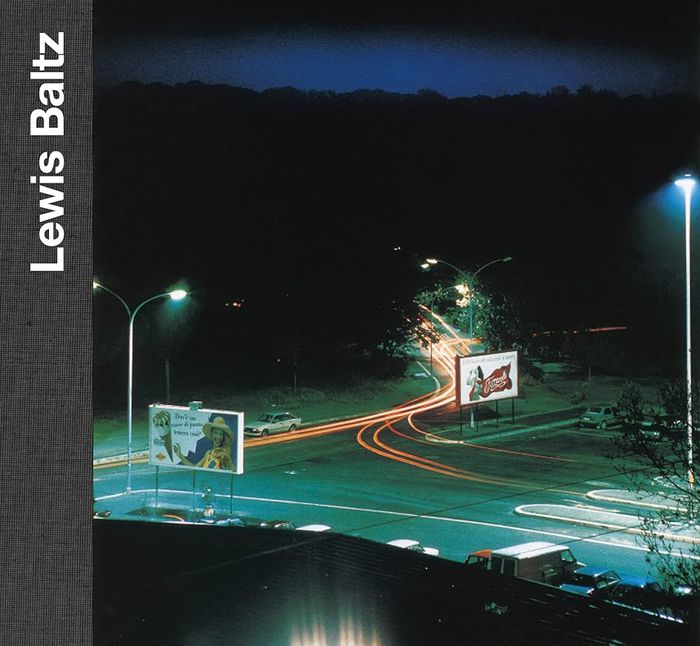
This comprehensive book accompanies the first retrospective exhibition of Lewis Baltz’s work following his passing in 2014. It explores the artist’s oeuvre as a complex whole of interrelated series, from his first Prototypes and the Tract Houses to Park City, San Quentin Point and Candlestick Point, through to New Sites of Technology and Venezia Marghera. The book simultaneously locates Baltz’s work in the context of photography and contemporary art since the 1970s, to fully examine his influence and legacy. Baltz is one of the most prominent representatives of the New Topographics movement, which was seminal to the development of conceptual photography. His photo series document the impact of industrial civilization on the landscape, focusing on places outside the bounds of canonical reception: urban wastelands, abandoned industrial sites, warehouses. Baltz’s strategies reflect a deep knowledge of the history of photography and present the photographer as a teacher of seeing.
Lewis Baltz
Actions:
Price:
$99.00
(available to order)
Summary:
This comprehensive book accompanies the first retrospective exhibition of Lewis Baltz’s work following his passing in 2014. It explores the artist’s oeuvre as a complex whole of interrelated series, from his first Prototypes and the Tract Houses to Park City, San Quentin Point and Candlestick Point, through to New Sites of Technology and Venezia Marghera. The book simultaneously locates Baltz’s work in the context of photography and contemporary art since the 1970s, to fully examine his influence and legacy. Baltz is one of the most prominent representatives of the New Topographics movement, which was seminal to the development of conceptual photography. His photo series document the impact of industrial civilization on the landscape, focusing on places outside the bounds of canonical reception: urban wastelands, abandoned industrial sites, warehouses. Baltz’s strategies reflect a deep knowledge of the history of photography and present the photographer as a teacher of seeing.
Form:
books
books
Publication:
April 2017
April 2017
Form:
books
books
Actions:
Price:
$40.00
(available to order)
Summary:
The book focuses on ways to reinvent public housing in New York City through a series of design projects from Yale School of Architecture that integrate form and provide social programs for the residents. The students investigated the relationship between housing, equity, health, and community. The students developed comprehensive frameworks for the Washington Houses,(...)
$40.00
(available to order)
Summary:
The book focuses on ways to reinvent public housing in New York City through a series of design projects from Yale School of Architecture that integrate form and provide social programs for the residents. The students investigated the relationship between housing, equity, health, and community. The students developed comprehensive frameworks for the Washington Houses,(...)
Subject:
Humans and cities
Humans and cities
Publication:
December 2023
December 2023
Title:
Housing redux: Alternatives for NYC's housing projects
Actions:
Price:
$40.00
(available to order)
Summary:
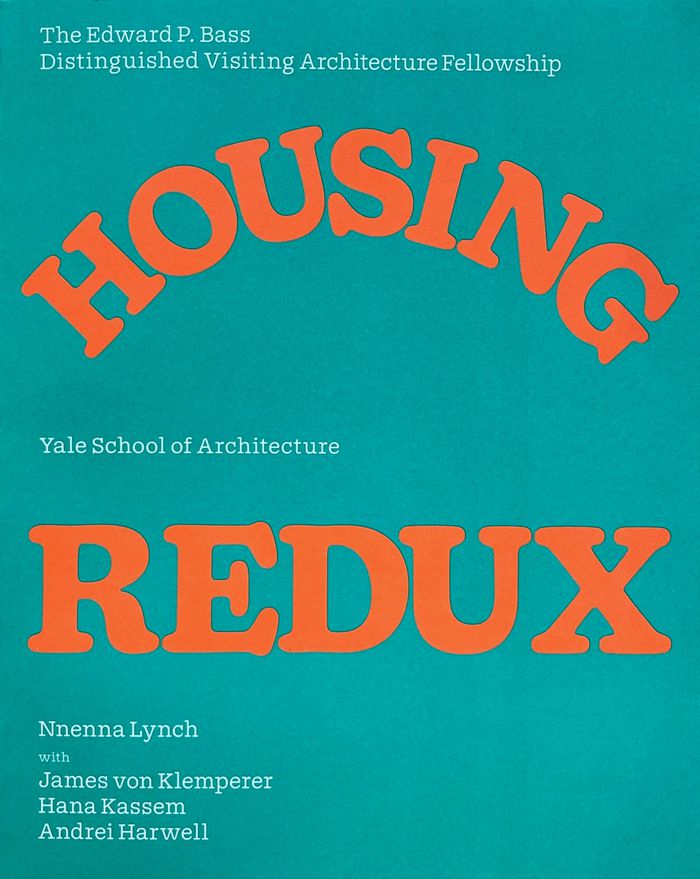
The book focuses on ways to reinvent public housing in New York City through a series of design projects from Yale School of Architecture that integrate form and provide social programs for the residents. The students investigated the relationship between housing, equity, health, and community. The students developed comprehensive frameworks for the Washington Houses, three connected superblocks equivalent to seven New York City blocks. The concepts focused on restitching the project into the city street grid and sought ways to add new built fabric that would allow the Modernist towers- in-the park project to connect with public streets. Some found ways to keep the superblock with interventions to support the community at different scales and family structures. Urban farms and community facilities as well as recreation spaces were included in order to have a range of interventions for care, health, and equity that could reorient public housing.
Housing redux: Alternatives for NYC's housing projects
Actions:
Price:
$40.00
(available to order)
Summary:
The book focuses on ways to reinvent public housing in New York City through a series of design projects from Yale School of Architecture that integrate form and provide social programs for the residents. The students investigated the relationship between housing, equity, health, and community. The students developed comprehensive frameworks for the Washington Houses, three connected superblocks equivalent to seven New York City blocks. The concepts focused on restitching the project into the city street grid and sought ways to add new built fabric that would allow the Modernist towers- in-the park project to connect with public streets. Some found ways to keep the superblock with interventions to support the community at different scales and family structures. Urban farms and community facilities as well as recreation spaces were included in order to have a range of interventions for care, health, and equity that could reorient public housing.
Form:
books
books
Publication:
December 2023
December 2023
Subject:
Humans and cities
Humans and cities
Form:
books
books
Title:
Architecture on architecture
Architecture on architecture
Actions:
Price:
$19.99
(available to order)
Summary:
Individually and in partnership, as architects, educators, and advocates, the four principals of Platt Byard Dovell White Architects have made an indelible impression on the contemporary and historic architecture of New York City and beyond. In projects that range from historic preservation--the Charles A. Dana Discovery Center in Central Park and the Supreme Court of New(...)
$19.99
(available to order)
Summary:
Individually and in partnership, as architects, educators, and advocates, the four principals of Platt Byard Dovell White Architects have made an indelible impression on the contemporary and historic architecture of New York City and beyond. In projects that range from historic preservation--the Charles A. Dana Discovery Center in Central Park and the Supreme Court of New(...)
Title:
Architecture on architecture
Actions:
Price:
$19.99
(available to order)
Summary:
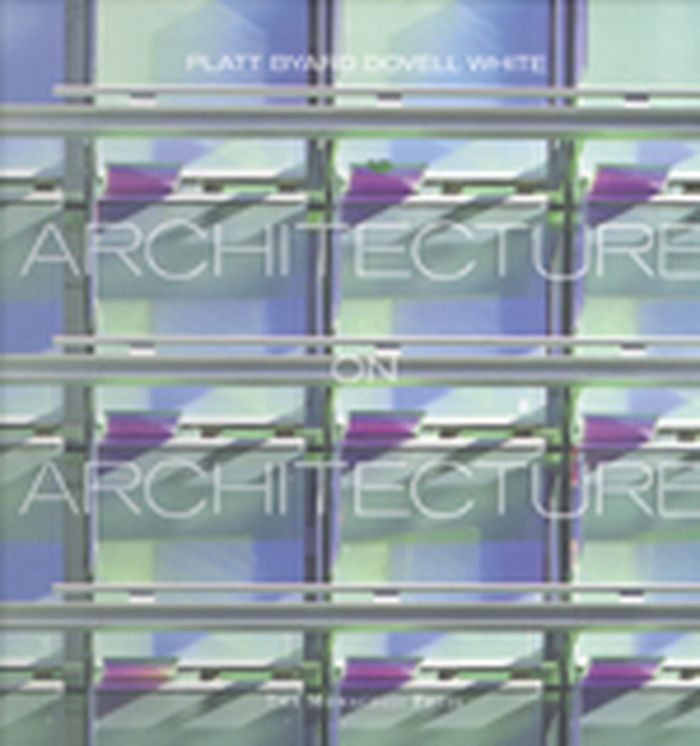
Individually and in partnership, as architects, educators, and advocates, the four principals of Platt Byard Dovell White Architects have made an indelible impression on the contemporary and historic architecture of New York City and beyond. In projects that range from historic preservation--the Charles A. Dana Discovery Center in Central Park and the Supreme Court of New York's Appellate Division First Department--to modernist interventions--the Saginaw Art Museum in Michigan and New 42nd Street Studios near Times Square--the firm's work is notable for its balance of innovation and tradition, of working within an urban context while contributing to that context. The first monograph on this award-winning firm, Architecture on Architecture illustrates the philosophy of Platt Byard Dovell White in its presentation of buildings and projects. Portfolios of twenty-three institutional, commercial, and residential works are complemented by two essays--one by noted critic Kenneth Frampton--and a lively timeline showing the personal and professional evolution of the architects.
Architecture on architecture
Actions:
Price:
$19.99
(available to order)
Summary:
Individually and in partnership, as architects, educators, and advocates, the four principals of Platt Byard Dovell White Architects have made an indelible impression on the contemporary and historic architecture of New York City and beyond. In projects that range from historic preservation--the Charles A. Dana Discovery Center in Central Park and the Supreme Court of New York's Appellate Division First Department--to modernist interventions--the Saginaw Art Museum in Michigan and New 42nd Street Studios near Times Square--the firm's work is notable for its balance of innovation and tradition, of working within an urban context while contributing to that context. The first monograph on this award-winning firm, Architecture on Architecture illustrates the philosophy of Platt Byard Dovell White in its presentation of buildings and projects. Portfolios of twenty-three institutional, commercial, and residential works are complemented by two essays--one by noted critic Kenneth Frampton--and a lively timeline showing the personal and professional evolution of the architects.
Form:
books
books
Publication:
May 2007, New York
May 2007, New York
Subject:
sale books
sale books
Form:
books
books
Actions:
Price:
$49.95
(available to order)
Summary:
In World’s Fair Gardens, Cathy Jean Maloney offers an exploration of the gardens and grounds of America’s nineteenth- and early-twentieth-century world’s fairs. Maloney describes the landscapes of nine of America’s great fairs from the 1876 Centennial Exhibition in Philadelphia to the 1940 World’s Fair of Tomorrow in New York, many of whose legacies are still evident. (...)
$49.95
(available to order)
Summary:
In World’s Fair Gardens, Cathy Jean Maloney offers an exploration of the gardens and grounds of America’s nineteenth- and early-twentieth-century world’s fairs. Maloney describes the landscapes of nine of America’s great fairs from the 1876 Centennial Exhibition in Philadelphia to the 1940 World’s Fair of Tomorrow in New York, many of whose legacies are still evident. (...)
Title:
World's Fair gardens: shaping American landscapes
Actions:
Price:
$49.95
(available to order)
Summary:
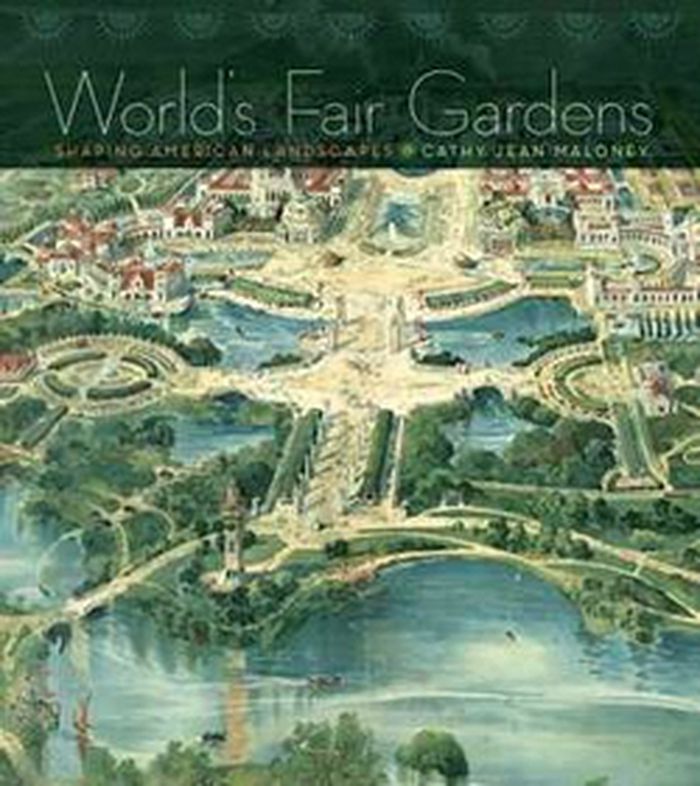
In World’s Fair Gardens, Cathy Jean Maloney offers an exploration of the gardens and grounds of America’s nineteenth- and early-twentieth-century world’s fairs. Maloney describes the landscapes of nine of America’s great fairs from the 1876 Centennial Exhibition in Philadelphia to the 1940 World’s Fair of Tomorrow in New York, many of whose legacies are still evident. The fairs also created an arena for intense competition among nations. Foreign plant introductions included English rhododendrons in Philadelphia, Mexican cacti in New Orleans, and Japanese gardens at nearly all the fairs, a feat considering the formidable challenge of shipping live plants great distances in those times. Maloney also explores innovations from the "glazeless putty system" greenhouse in 1884 and cold storage systems in 1904 to modernistic glass fences in 1940. Complete with more than 50 color and 70 black-and-white illustrations, World’s Fair Gardens will appeal to historians, gardeners, urban planners, landscape architects, public park advocates, preservationists, and anyone interested in the history of these global festivals.
World's Fair gardens: shaping American landscapes
Actions:
Price:
$49.95
(available to order)
Summary:
In World’s Fair Gardens, Cathy Jean Maloney offers an exploration of the gardens and grounds of America’s nineteenth- and early-twentieth-century world’s fairs. Maloney describes the landscapes of nine of America’s great fairs from the 1876 Centennial Exhibition in Philadelphia to the 1940 World’s Fair of Tomorrow in New York, many of whose legacies are still evident. The fairs also created an arena for intense competition among nations. Foreign plant introductions included English rhododendrons in Philadelphia, Mexican cacti in New Orleans, and Japanese gardens at nearly all the fairs, a feat considering the formidable challenge of shipping live plants great distances in those times. Maloney also explores innovations from the "glazeless putty system" greenhouse in 1884 and cold storage systems in 1904 to modernistic glass fences in 1940. Complete with more than 50 color and 70 black-and-white illustrations, World’s Fair Gardens will appeal to historians, gardeners, urban planners, landscape architects, public park advocates, preservationists, and anyone interested in the history of these global festivals.
Form:
books
books
Publication:
October 2012
October 2012
Subject:
Gardens
Gardens


