


1513 Results
Form:
books
books
Price:
$74.00
(available to order)
Summary:
Consacré à la sauvegarde des grandes oeuvres de l’ingénierie du XXe siècle, ce premier numéro des Cahiers du TSAM explore le devenir de certaines des plus remarquables et emblématiques structures en béton du siècle passé. A travers les fi gures d’héroïques constructeurs, il interroge l’héritage construit des ingénieurs, convoquant les plus audacieux d’entre eux(...)
$74.00
(available to order)
Summary:
Consacré à la sauvegarde des grandes oeuvres de l’ingénierie du XXe siècle, ce premier numéro des Cahiers du TSAM explore le devenir de certaines des plus remarquables et emblématiques structures en béton du siècle passé. A travers les fi gures d’héroïques constructeurs, il interroge l’héritage construit des ingénieurs, convoquant les plus audacieux d’entre eux(...)
Title:
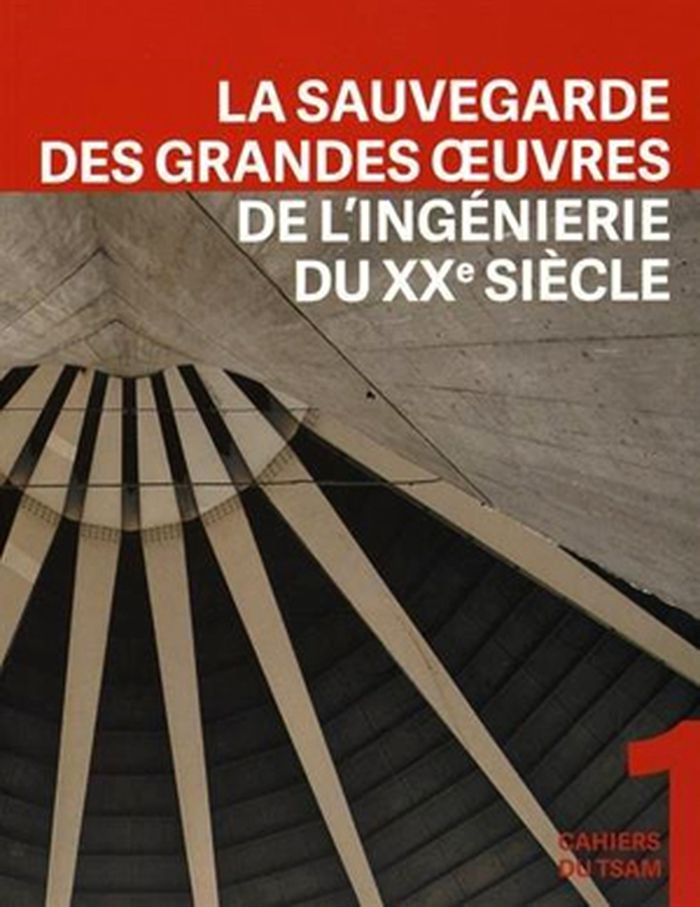
La sauvegarde des grandes oeuvres de l'ingénierie du XXe siècle
Actions:
Price:
$74.00
(available to order)
Summary:
Consacré à la sauvegarde des grandes oeuvres de l’ingénierie du XXe siècle, ce premier numéro des Cahiers du TSAM explore le devenir de certaines des plus remarquables et emblématiques structures en béton du siècle passé. A travers les fi gures d’héroïques constructeurs, il interroge l’héritage construit des ingénieurs, convoquant les plus audacieux d’entre eux (Freyssinet, Isler, Maillart, Nervi, Vierendeel, etc.). Alors que la sauvegarde de l’architecture du XXe siècle s’est récemment constituée en discipline à part entière, la préservation des ouvrages de l’ingénierie de cette période est encore balbutiante. Considérés trop souvent sous le seul point de vue de la sécurité ou de la maintenance, ces ouvrages s’avèrent parfois de véritables chefs-d’oeuvre, jalons d’un «art de l’ingénieur» à la frontière entre performance technique et beauté plastique. Ces cahiers sont donc l’occasion d’initier, à l’appui d’exemples et de projets de sauvegarde concrets, une sensibilisation aux enjeux patrimoniaux dans le domaine de l’ingénierie. This first issue of the Cahiers du TSAM, dedicated to the conservation of the 20th century’s great works of engineering, aims to explore the future of some of the most remarkable and emblematic concrete structures of the previous century. Through the personalities of the heroic builders, this publication aims to consider what the engineers – the most daring of whom (Freyssinet, Isler, Maillart, Nervi, Vierendeel, etc.) are represented here – bequeathed to the century. While the conserva-tion of 20th century architecture has in recent years been seen as a discipline in its own right, the conservation of 20th century engineering is still in its infancy. Considered too offen purely from the point of view of security or maintenance, these works are now often seen as true masterpieces, cutting edge achievements of the “engineer’s art”, as stunning for their plastic beauty as for their technical performance. This publication provides an opportunity to stimulate, with reference to concrete examples and projects, an awareness of the heritage challenges to be addressed in the fi eld of engineering.
La sauvegarde des grandes oeuvres de l'ingénierie du XXe siècle
Actions:
Price:
$74.00
(available to order)
Summary:
Consacré à la sauvegarde des grandes oeuvres de l’ingénierie du XXe siècle, ce premier numéro des Cahiers du TSAM explore le devenir de certaines des plus remarquables et emblématiques structures en béton du siècle passé. A travers les fi gures d’héroïques constructeurs, il interroge l’héritage construit des ingénieurs, convoquant les plus audacieux d’entre eux (Freyssinet, Isler, Maillart, Nervi, Vierendeel, etc.). Alors que la sauvegarde de l’architecture du XXe siècle s’est récemment constituée en discipline à part entière, la préservation des ouvrages de l’ingénierie de cette période est encore balbutiante. Considérés trop souvent sous le seul point de vue de la sécurité ou de la maintenance, ces ouvrages s’avèrent parfois de véritables chefs-d’oeuvre, jalons d’un «art de l’ingénieur» à la frontière entre performance technique et beauté plastique. Ces cahiers sont donc l’occasion d’initier, à l’appui d’exemples et de projets de sauvegarde concrets, une sensibilisation aux enjeux patrimoniaux dans le domaine de l’ingénierie. This first issue of the Cahiers du TSAM, dedicated to the conservation of the 20th century’s great works of engineering, aims to explore the future of some of the most remarkable and emblematic concrete structures of the previous century. Through the personalities of the heroic builders, this publication aims to consider what the engineers – the most daring of whom (Freyssinet, Isler, Maillart, Nervi, Vierendeel, etc.) are represented here – bequeathed to the century. While the conserva-tion of 20th century architecture has in recent years been seen as a discipline in its own right, the conservation of 20th century engineering is still in its infancy. Considered too offen purely from the point of view of security or maintenance, these works are now often seen as true masterpieces, cutting edge achievements of the “engineer’s art”, as stunning for their plastic beauty as for their technical performance. This publication provides an opportunity to stimulate, with reference to concrete examples and projects, an awareness of the heritage challenges to be addressed in the fi eld of engineering.
Form:
books
books
Publication:
March 2016
March 2016
Subject:
Engineering Structures
Engineering Structures
Form:
books
books
Actions:
Holdings:
Description:
xii, 291 pages : illustrations (some color), maps ; 24 cm.
Description:
xii, 291 pages : illustrations (some color), maps ; 24 cm.
Author:
Subject:
Publication:
Paris : CNRS éditions, ©2003.
Paris : CNRS éditions, ©2003.
Title:
Séoul, ville géante, cités radieuses / Valérie Gelézeau ; préface de Jean-Robert Pitte.
Actions:
Holdings:
Description:
xii, 291 pages : illustrations (some color), maps ; 24 cm.
Séoul, ville géante, cités radieuses / Valérie Gelézeau ; préface de Jean-Robert Pitte.
Actions:
Holdings:
Description:
xii, 291 pages : illustrations (some color), maps ; 24 cm.
Form:
books
books
Publication:
Paris : CNRS éditions, ©2003.
Paris : CNRS éditions, ©2003.
Author:
Subject:
Form:
books
books
Actions:
Price:
$50.00
(available in store)
Summary:
Le Corbusier's Pavilion for Zurich uses numerous handwritten documents, drawings, and papers to trace the history of Le Corbusier's last built work. This dwelling, which is also a museum, was initiated by Zurich gallery owner Heidi Weber. With its abstract forms and colors, it represents an intellectual legacy of the famous architect in which the further development of(...)
$50.00
(available in store)
Summary:
Le Corbusier's Pavilion for Zurich uses numerous handwritten documents, drawings, and papers to trace the history of Le Corbusier's last built work. This dwelling, which is also a museum, was initiated by Zurich gallery owner Heidi Weber. With its abstract forms and colors, it represents an intellectual legacy of the famous architect in which the further development of(...)
Publication:
December 2012
December 2012
Title:
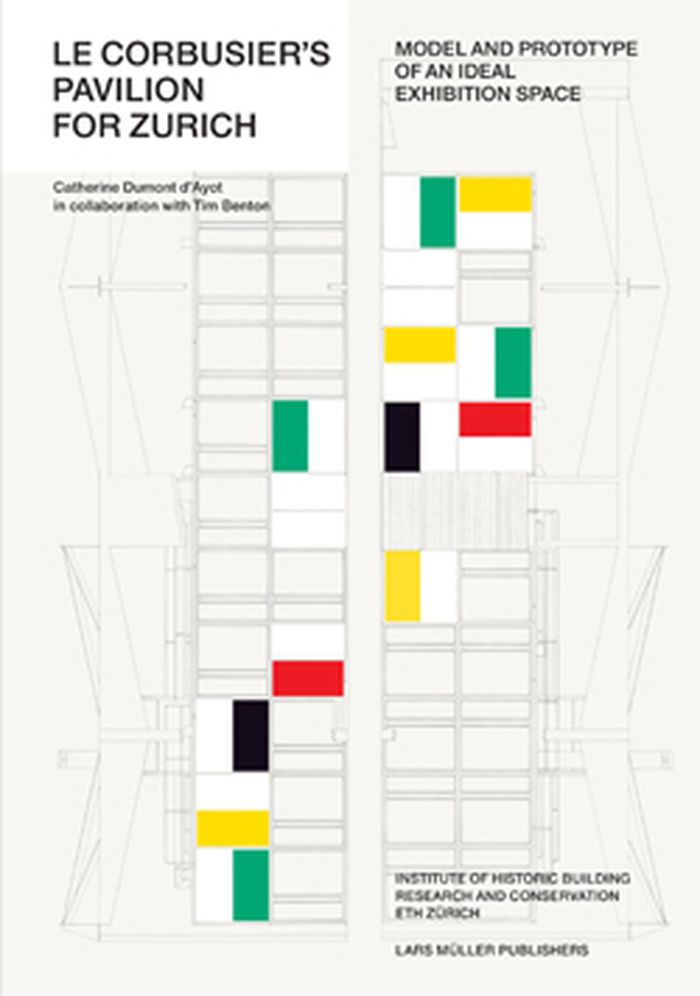
Le Corbusier's Pavilion for Zurich: model and prototype of an ideal exhibition space
Actions:
Price:
$50.00
(available in store)
Summary:
Le Corbusier's Pavilion for Zurich uses numerous handwritten documents, drawings, and papers to trace the history of Le Corbusier's last built work. This dwelling, which is also a museum, was initiated by Zurich gallery owner Heidi Weber. With its abstract forms and colors, it represents an intellectual legacy of the famous architect in which the further development of architecture as envisaged by Le Corbusier is clearly legible. From the first ideas and sketches from and beyond, the genesis of this exceptional building - the completion of which the architect did not live to see - is presented with illustrations and documents. This book explains the significance of the pavilion, which differs strongly from the beton brut of Le Corbusier's late work, in terms of its position as one of the architect's central and forward-looking works.
Le Corbusier's Pavilion for Zurich: model and prototype of an ideal exhibition space
Actions:
Price:
$50.00
(available in store)
Summary:
Le Corbusier's Pavilion for Zurich uses numerous handwritten documents, drawings, and papers to trace the history of Le Corbusier's last built work. This dwelling, which is also a museum, was initiated by Zurich gallery owner Heidi Weber. With its abstract forms and colors, it represents an intellectual legacy of the famous architect in which the further development of architecture as envisaged by Le Corbusier is clearly legible. From the first ideas and sketches from and beyond, the genesis of this exceptional building - the completion of which the architect did not live to see - is presented with illustrations and documents. This book explains the significance of the pavilion, which differs strongly from the beton brut of Le Corbusier's late work, in terms of its position as one of the architect's central and forward-looking works.
Form:
books
books
Publication:
December 2012
December 2012


