


12611 Results
Form:
events
events
Actions:
Description:
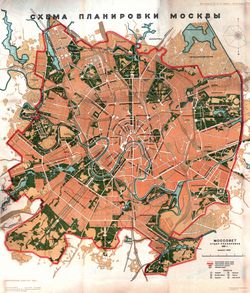
Join us tonight, 9 June 2011 at 6 pm in the Shaughnessy House. Visiting Scholar Elisabeth Essaïan presents her research on urban planning during the Stalin era, and a critical assessment of the reception it received in European and North American publications from the 1920s to 1950s. Presented in French. Click here for the Facebook event. Consult the summer seminar(...)
Join us tonight, 9 June 2011 at 6 pm in the Shaughnessy House. Visiting Scholar Elisabeth Essaïan presents her research on urban planning during the Stalin era, and a critical assessment of the reception it received in European and North American publications from the 1920s to 1950s. Presented in French. Click here for the Facebook event. Consult the summer seminar(...)
Location:
Shaughnessy House
Shaughnessy House
Date:
9 June 2011 , 6pm
9 June 2011 , 6pm
Title:
Visiting Scholar Seminar: Elisabeth Essaïan
Actions:
Description:
Join us tonight, 9 June 2011 at 6 pm in the Shaughnessy House. Visiting Scholar Elisabeth Essaïan presents her research on urban planning during the Stalin era, and a critical assessment of the reception it received in European and North American publications from the 1920s to 1950s. Presented in French. Click here for the Facebook event. Consult the summer seminar(...)
Visiting Scholar Seminar: Elisabeth Essaïan
Actions:
Description:
Join us tonight, 9 June 2011 at 6 pm in the Shaughnessy House. Visiting Scholar Elisabeth Essaïan presents her research on urban planning during the Stalin era, and a critical assessment of the reception it received in European and North American publications from the 1920s to 1950s. Presented in French. Click here for the Facebook event. Consult the summer seminar(...)
Form:
events
events
Date:
9 June 2011
6pm
9 June 2011
6pm
Location:
Shaughnessy House
Shaughnessy House
Title:
Orban & Litolff
Orban & Litolff
Actions:
Reference number:
PH1986:0900.14
Description:
Album PH1986:0900.14 comprises 58 photographs of a private mansion located on square Frère-Orban and on Rue de la Science in Brussels, Belgium, designed by Michel Roux-Spitz. Photographs include 5 elevations of the building (PH1986:0900.14:001-PH1986:0900.14:004 are signed and dated by Michel Roux-Spitz), views of the building site, exterior views of the building, the courtyard, details of the windows and the doors. Interior views showing the staircases, living rooms with bookcases and furniture, fireplaces (one with ornamentation in bas-relief signed by A. Jamiot), several details of bas-relief ornamentations, 2 views of a dining room with a painted scene on walls and views of a hallway with a sculpture are included. Further research may confirm that some of these views are from the Litolff apartment referring to an apartment located on rue de Litolff in Paris, France.
PH1986:0900.14
Description:
Album PH1986:0900.14 comprises 58 photographs of a private mansion located on square Frère-Orban and on Rue de la Science in Brussels, Belgium, designed by Michel Roux-Spitz. Photographs include 5 elevations of the building (PH1986:0900.14:001-PH1986:0900.14:004 are signed and dated by Michel Roux-Spitz), views of the building site, exterior views of the building, the courtyard, details of the windows and the doors. Interior views showing the staircases, living rooms with bookcases and furniture, fireplaces (one with ornamentation in bas-relief signed by A. Jamiot), several details of bas-relief ornamentations, 2 views of a dining room with a painted scene on walls and views of a hallway with a sculpture are included. Further research may confirm that some of these views are from the Litolff apartment referring to an apartment located on rue de Litolff in Paris, France.
People:
Subject:
architecture, interior design, ornament, sculpture
architecture, interior design, ornament, sculpture
Date:
1931-1936
1931-1936
Title:
Orban & Litolff
Actions:
PH1986:0900.14
Description:
Album PH1986:0900.14 comprises 58 photographs of a private mansion located on square Frère-Orban and on Rue de la Science in Brussels, Belgium, designed by Michel Roux-Spitz. Photographs include 5 elevations of the building (PH1986:0900.14:001-PH1986:0900.14:004 are signed and dated by Michel Roux-Spitz), views of the building site, exterior views of the building, the courtyard, details of the windows and the doors. Interior views showing the staircases, living rooms with bookcases and furniture, fireplaces (one with ornamentation in bas-relief signed by A. Jamiot), several details of bas-relief ornamentations, 2 views of a dining room with a painted scene on walls and views of a hallway with a sculpture are included. Further research may confirm that some of these views are from the Litolff apartment referring to an apartment located on rue de Litolff in Paris, France.
Orban & Litolff
Actions:
PH1986:0900.14
Description:
Album PH1986:0900.14 comprises 58 photographs of a private mansion located on square Frère-Orban and on Rue de la Science in Brussels, Belgium, designed by Michel Roux-Spitz. Photographs include 5 elevations of the building (PH1986:0900.14:001-PH1986:0900.14:004 are signed and dated by Michel Roux-Spitz), views of the building site, exterior views of the building, the courtyard, details of the windows and the doors. Interior views showing the staircases, living rooms with bookcases and furniture, fireplaces (one with ornamentation in bas-relief signed by A. Jamiot), several details of bas-relief ornamentations, 2 views of a dining room with a painted scene on walls and views of a hallway with a sculpture are included. Further research may confirm that some of these views are from the Litolff apartment referring to an apartment located on rue de Litolff in Paris, France.
Date:
1931-1936
1931-1936
People:
Subject:
architecture, interior design, ornament, sculpture
architecture, interior design, ornament, sculpture
Form:
research
research
Actions:
Description:
TD Bank Group-CCA Collection Research Grant Recipients: Negin Djavaherian (McGill University); Izabel Amaral (Université de Montréal); Geoffrey Carr (University of British Columbia); Jason Crow (McGill University); Claudette Lauzon (McGill University); Elena Napolitano (University of Toronto); Victoria Sheridan (University of Toronto); Gyewon Kim (McGill(...)
TD Bank Group-CCA Collection Research Grant Recipients: Negin Djavaherian (McGill University); Izabel Amaral (Université de Montréal); Geoffrey Carr (University of British Columbia); Jason Crow (McGill University); Claudette Lauzon (McGill University); Elena Napolitano (University of Toronto); Victoria Sheridan (University of Toronto); Gyewon Kim (McGill(...)
Date:
April 2008 to September 2008
April 2008 to September 2008
Title:
Doctoral Students Program 2008
Actions:
Description:
TD Bank Group-CCA Collection Research Grant Recipients: Negin Djavaherian (McGill University); Izabel Amaral (Université de Montréal); Geoffrey Carr (University of British Columbia); Jason Crow (McGill University); Claudette Lauzon (McGill University); Elena Napolitano (University of Toronto); Victoria Sheridan (University of Toronto); Gyewon Kim (McGill(...)
Doctoral Students Program 2008
Actions:
Description:
TD Bank Group-CCA Collection Research Grant Recipients: Negin Djavaherian (McGill University); Izabel Amaral (Université de Montréal); Geoffrey Carr (University of British Columbia); Jason Crow (McGill University); Claudette Lauzon (McGill University); Elena Napolitano (University of Toronto); Victoria Sheridan (University of Toronto); Gyewon Kim (McGill(...)
Form:
research
research
Date:
April 2008 to
September 2008
April 2008 to
September 2008
Form:
events
events
Location:
Paul-Desmarais Theatre
Paul-Desmarais Theatre
Date:
2 November 2023, 6:30pm
2 November 2023, 6:30pm
Form:
events
events
Date:
2 November 2023
6:30pm
2 November 2023
6:30pm
Location:
Paul-Desmarais Theatre
Paul-Desmarais Theatre
Form:
research
research
Actions:
Description:
Bechtel-CCA Collection Research Grants: Gillian Y. Atkins (University of Toronto); Marie-José Fortier (Université de Montréal); Emre Gönlügür (University of Toronto); Marc J. Neveu (McGill University)
Bechtel-CCA Collection Research Grants: Gillian Y. Atkins (University of Toronto); Marie-José Fortier (Université de Montréal); Emre Gönlügür (University of Toronto); Marc J. Neveu (McGill University)
Date:
July 2003 to August 2003
July 2003 to August 2003
Title:
Doctoral Students Program 2003
Actions:
Description:
Bechtel-CCA Collection Research Grants: Gillian Y. Atkins (University of Toronto); Marie-José Fortier (Université de Montréal); Emre Gönlügür (University of Toronto); Marc J. Neveu (McGill University)
Doctoral Students Program 2003
Actions:
Description:
Bechtel-CCA Collection Research Grants: Gillian Y. Atkins (University of Toronto); Marie-José Fortier (Université de Montréal); Emre Gönlügür (University of Toronto); Marc J. Neveu (McGill University)
Form:
research
research
Date:
July 2003 to
August 2003
July 2003 to
August 2003
Title:
Letters 1976-77
Letters 1976-77
Reference number:
PHCON2002:0016:004
Description:
Binder documents Gordon Matta-Clark' personal and professional correspondence predominantly from 1976 and 1977, a period when he began to have professional success as an artist. It includes correspondence regarding the sale of works of art as well as the following projects: The Caribbean Orange (1978), Jacob's Ladder (1977), Meander (1976); Office Baroque (1977); and Substrait (1976). Correspondence related to unnamed and unrealized projects in California, Missouri, Texas, Massachusetts, and Paris, France are also included. The subject of the other correspondence includes letters to and from grant agencies, including the Guggenheim Foundation, letters inviting Matta-Clark to participate in exhibitions, as well as his research on helium balloons. Legal documents such as tax returns and a copy of the sales agreement for the purchase of a building on 20th St. in New York City, New York are also found in the binder. Binder contains drawings and textual records.
PHCON2002:0016:004
Description:
Binder documents Gordon Matta-Clark' personal and professional correspondence predominantly from 1976 and 1977, a period when he began to have professional success as an artist. It includes correspondence regarding the sale of works of art as well as the following projects: The Caribbean Orange (1978), Jacob's Ladder (1977), Meander (1976); Office Baroque (1977); and Substrait (1976). Correspondence related to unnamed and unrealized projects in California, Missouri, Texas, Massachusetts, and Paris, France are also included. The subject of the other correspondence includes letters to and from grant agencies, including the Guggenheim Foundation, letters inviting Matta-Clark to participate in exhibitions, as well as his research on helium balloons. Legal documents such as tax returns and a copy of the sales agreement for the purchase of a building on 20th St. in New York City, New York are also found in the binder. Binder contains drawings and textual records.
People:
Date:
after 1974-1978
after 1974-1978
Title:
Letters 1976-77
Actions:
PHCON2002:0016:004
Description:
Binder documents Gordon Matta-Clark' personal and professional correspondence predominantly from 1976 and 1977, a period when he began to have professional success as an artist. It includes correspondence regarding the sale of works of art as well as the following projects: The Caribbean Orange (1978), Jacob's Ladder (1977), Meander (1976); Office Baroque (1977); and Substrait (1976). Correspondence related to unnamed and unrealized projects in California, Missouri, Texas, Massachusetts, and Paris, France are also included. The subject of the other correspondence includes letters to and from grant agencies, including the Guggenheim Foundation, letters inviting Matta-Clark to participate in exhibitions, as well as his research on helium balloons. Legal documents such as tax returns and a copy of the sales agreement for the purchase of a building on 20th St. in New York City, New York are also found in the binder. Binder contains drawings and textual records.
Letters 1976-77
Actions:
PHCON2002:0016:004
Description:
Binder documents Gordon Matta-Clark' personal and professional correspondence predominantly from 1976 and 1977, a period when he began to have professional success as an artist. It includes correspondence regarding the sale of works of art as well as the following projects: The Caribbean Orange (1978), Jacob's Ladder (1977), Meander (1976); Office Baroque (1977); and Substrait (1976). Correspondence related to unnamed and unrealized projects in California, Missouri, Texas, Massachusetts, and Paris, France are also included. The subject of the other correspondence includes letters to and from grant agencies, including the Guggenheim Foundation, letters inviting Matta-Clark to participate in exhibitions, as well as his research on helium balloons. Legal documents such as tax returns and a copy of the sales agreement for the purchase of a building on 20th St. in New York City, New York are also found in the binder. Binder contains drawings and textual records.
Date:
after 1974-1978
after 1974-1978
People:
Form:
exhibitions
exhibitions

Title:
Archaeology of the Digital
Archaeology of the Digital
Actions:
Description:
Archaeology of the Digital is conceived as an investigation into the foundations of digital architecture at the end of the 1980s and the beginning of the 1990s through four seminal projects that established bold new directions for architectural research by experimenting with novel digital tools: the Lewis Residence by Frank Gehry (1985–1995), Peter Eisenman’s unrealized(...)
Archaeology of the Digital is conceived as an investigation into the foundations of digital architecture at the end of the 1980s and the beginning of the 1990s through four seminal projects that established bold new directions for architectural research by experimenting with novel digital tools: the Lewis Residence by Frank Gehry (1985–1995), Peter Eisenman’s unrealized(...)
Location:
Main galleries
Main galleries
Date:
7 May 2013 to 27 October 2013
7 May 2013 to 27 October 2013
Title:
Archaeology of the Digital
Actions:
Description:
Archaeology of the Digital is conceived as an investigation into the foundations of digital architecture at the end of the 1980s and the beginning of the 1990s through four seminal projects that established bold new directions for architectural research by experimenting with novel digital tools: the Lewis Residence by Frank Gehry (1985–1995), Peter Eisenman’s unrealized(...)
Archaeology of the Digital
Actions:
Description:
Archaeology of the Digital is conceived as an investigation into the foundations of digital architecture at the end of the 1980s and the beginning of the 1990s through four seminal projects that established bold new directions for architectural research by experimenting with novel digital tools: the Lewis Residence by Frank Gehry (1985–1995), Peter Eisenman’s unrealized(...)
Form:
exhibitions
exhibitions
Date:
7 May 2013 to
27 October 2013
7 May 2013 to
27 October 2013
Location:
Main galleries
Main galleries
Level of archival description:
Series
Series
Title:
Personal Papers
Personal Papers
Reference number:
AP032.S1
Description:
This series contains chronologically-arranged papers, photographs and drawings concerning Goldsmith's life from about the time of his enrollment at the Armour Institute in Chicago, to the mid-1950s when he returned from Europe to America to join Skidmore, Owings & Merrill. These documents are records of Goldsmith's early influences, and his education and training as an architect at the Armour Institute (later the Illinois Institute of Technology) and at the University of Rome. The papers also concern his service as an structural engineer in the U.S. armed forces, work in the office of Mies van der Rohe, and travels in Europe in the early 1950's all of which could be also considered as part of his education. The documents in this series are interesting for the quantity of Goldsmith's student sketches and research notes, including lectures by and observations on Mies van der Rohe and Pier Luigi Nervi. Moreover, correspondence, notes and photographs reveal a variety of other important influences on the young Goldsmith, such as a pilgrimage to visit Frank Lloyd Wright at Taliesan East, and letters to Buckminister Fuller. Of particular interest are the papers concerning Mies van der Rohe as teacher, mentor and friend to Goldsmith. The fonds contains various documents from office files, including Goldsmith's notations on projects like the Farnsworth House, and collections of period photographs and blueprints of Mies' buildings and furniture designs. Related documentation on Mies exists in various files throughout the fonds, especially in the Mies van der Rohe Centennial Project located in Series 3: Professional Activities - Teaching. The last section in this series, Papers and Correspondence, which consists of personal and business papers dating from the late 1950's to the mid-1990's. This material includes the Goldsmith-Ferris Portfolio, a collection of 150 mounted photographs (possibly for an exhibition) that presents mostly Goldsmith's collaborative work with architect James Ferris, from the experimental projects in reinforced concrete in Rome to the Kitt Peak Solar Telescope of 1962. Also included are documents concerning Mies van der Rohe's Mansion House Square scheme as revived by architect Peter Carter (1982-84).
AP032.S1
Description:
This series contains chronologically-arranged papers, photographs and drawings concerning Goldsmith's life from about the time of his enrollment at the Armour Institute in Chicago, to the mid-1950s when he returned from Europe to America to join Skidmore, Owings & Merrill. These documents are records of Goldsmith's early influences, and his education and training as an architect at the Armour Institute (later the Illinois Institute of Technology) and at the University of Rome. The papers also concern his service as an structural engineer in the U.S. armed forces, work in the office of Mies van der Rohe, and travels in Europe in the early 1950's all of which could be also considered as part of his education. The documents in this series are interesting for the quantity of Goldsmith's student sketches and research notes, including lectures by and observations on Mies van der Rohe and Pier Luigi Nervi. Moreover, correspondence, notes and photographs reveal a variety of other important influences on the young Goldsmith, such as a pilgrimage to visit Frank Lloyd Wright at Taliesan East, and letters to Buckminister Fuller. Of particular interest are the papers concerning Mies van der Rohe as teacher, mentor and friend to Goldsmith. The fonds contains various documents from office files, including Goldsmith's notations on projects like the Farnsworth House, and collections of period photographs and blueprints of Mies' buildings and furniture designs. Related documentation on Mies exists in various files throughout the fonds, especially in the Mies van der Rohe Centennial Project located in Series 3: Professional Activities - Teaching. The last section in this series, Papers and Correspondence, which consists of personal and business papers dating from the late 1950's to the mid-1990's. This material includes the Goldsmith-Ferris Portfolio, a collection of 150 mounted photographs (possibly for an exhibition) that presents mostly Goldsmith's collaborative work with architect James Ferris, from the experimental projects in reinforced concrete in Rome to the Kitt Peak Solar Telescope of 1962. Also included are documents concerning Mies van der Rohe's Mansion House Square scheme as revived by architect Peter Carter (1982-84).
People:
Date:
1931-1995
1931-1995
Title:
Personal Papers
Actions:
AP032.S1
Description:
This series contains chronologically-arranged papers, photographs and drawings concerning Goldsmith's life from about the time of his enrollment at the Armour Institute in Chicago, to the mid-1950s when he returned from Europe to America to join Skidmore, Owings & Merrill. These documents are records of Goldsmith's early influences, and his education and training as an architect at the Armour Institute (later the Illinois Institute of Technology) and at the University of Rome. The papers also concern his service as an structural engineer in the U.S. armed forces, work in the office of Mies van der Rohe, and travels in Europe in the early 1950's all of which could be also considered as part of his education. The documents in this series are interesting for the quantity of Goldsmith's student sketches and research notes, including lectures by and observations on Mies van der Rohe and Pier Luigi Nervi. Moreover, correspondence, notes and photographs reveal a variety of other important influences on the young Goldsmith, such as a pilgrimage to visit Frank Lloyd Wright at Taliesan East, and letters to Buckminister Fuller. Of particular interest are the papers concerning Mies van der Rohe as teacher, mentor and friend to Goldsmith. The fonds contains various documents from office files, including Goldsmith's notations on projects like the Farnsworth House, and collections of period photographs and blueprints of Mies' buildings and furniture designs. Related documentation on Mies exists in various files throughout the fonds, especially in the Mies van der Rohe Centennial Project located in Series 3: Professional Activities - Teaching. The last section in this series, Papers and Correspondence, which consists of personal and business papers dating from the late 1950's to the mid-1990's. This material includes the Goldsmith-Ferris Portfolio, a collection of 150 mounted photographs (possibly for an exhibition) that presents mostly Goldsmith's collaborative work with architect James Ferris, from the experimental projects in reinforced concrete in Rome to the Kitt Peak Solar Telescope of 1962. Also included are documents concerning Mies van der Rohe's Mansion House Square scheme as revived by architect Peter Carter (1982-84).
Personal Papers
Actions:
AP032.S1
Description:
This series contains chronologically-arranged papers, photographs and drawings concerning Goldsmith's life from about the time of his enrollment at the Armour Institute in Chicago, to the mid-1950s when he returned from Europe to America to join Skidmore, Owings & Merrill. These documents are records of Goldsmith's early influences, and his education and training as an architect at the Armour Institute (later the Illinois Institute of Technology) and at the University of Rome. The papers also concern his service as an structural engineer in the U.S. armed forces, work in the office of Mies van der Rohe, and travels in Europe in the early 1950's all of which could be also considered as part of his education. The documents in this series are interesting for the quantity of Goldsmith's student sketches and research notes, including lectures by and observations on Mies van der Rohe and Pier Luigi Nervi. Moreover, correspondence, notes and photographs reveal a variety of other important influences on the young Goldsmith, such as a pilgrimage to visit Frank Lloyd Wright at Taliesan East, and letters to Buckminister Fuller. Of particular interest are the papers concerning Mies van der Rohe as teacher, mentor and friend to Goldsmith. The fonds contains various documents from office files, including Goldsmith's notations on projects like the Farnsworth House, and collections of period photographs and blueprints of Mies' buildings and furniture designs. Related documentation on Mies exists in various files throughout the fonds, especially in the Mies van der Rohe Centennial Project located in Series 3: Professional Activities - Teaching. The last section in this series, Papers and Correspondence, which consists of personal and business papers dating from the late 1950's to the mid-1990's. This material includes the Goldsmith-Ferris Portfolio, a collection of 150 mounted photographs (possibly for an exhibition) that presents mostly Goldsmith's collaborative work with architect James Ferris, from the experimental projects in reinforced concrete in Rome to the Kitt Peak Solar Telescope of 1962. Also included are documents concerning Mies van der Rohe's Mansion House Square scheme as revived by architect Peter Carter (1982-84).
Level of archival description:
Series 1
Series 1
Date:
1931-1995
1931-1995
People:
Form:
articles
articles

Title:
Unbroken Ties
Unbroken Ties
Actions:
Amanda Lickers introduces Everlasting
Level of archival description:
Project
Project
Reference number:
AP154.S1.1967.PR01
Description:
The Twin Parks, Bronx, New York, N.Y. (1967) project series documents the participation of Giovanni Pasanella in the development and execution of housing projects in the Twin Parks West and Twin Parks East areas of the Bronx. In 1967, Giovanni Pasanella collaborated with Jonathan Barnett, Jaquelin Robertson, Richard Weinstein and Myles Weintraub on the "Twin Parks Study". The researchers identified underused sites that could be developed and buildings that could be rehabilitated in the East Tremont area. A plan focussing on two areas--Twin Parks West and Twin Parks East--was developed in collobaration with a group of local religious organizations called the Twin Parks Association. Between 1970 and 1973 a number of sites in the Twin Parks area were developed by different government agencies and designed by different architects. Giovanni Pasanella was selected to design Sites 8, 5-7, 10-12 and 6 in Twin Parks West for the New York State Urban Development Corporation (UDC). He was also chosen to design housing for Site 1-2 of Twin Parks West for the New York City Housing Authority (NYCHA), and he was selected as architect for Twin Parks East--a project composed of housing and a school--developed by the New York City Educational Construction Fund. The project series is arranged in four subseries. The documents related to the Twin Parks Study constitute the first subseries. A second subseries is related to the drawings for the built works in Twin Parks West that were designed for the UDC. Drawings for the apartment building designed for the NYCHA constitute the third subseries and the drawings for Twin Parks East constitute the fourth subseries.
AP154.S1.1967.PR01
Description:
The Twin Parks, Bronx, New York, N.Y. (1967) project series documents the participation of Giovanni Pasanella in the development and execution of housing projects in the Twin Parks West and Twin Parks East areas of the Bronx. In 1967, Giovanni Pasanella collaborated with Jonathan Barnett, Jaquelin Robertson, Richard Weinstein and Myles Weintraub on the "Twin Parks Study". The researchers identified underused sites that could be developed and buildings that could be rehabilitated in the East Tremont area. A plan focussing on two areas--Twin Parks West and Twin Parks East--was developed in collobaration with a group of local religious organizations called the Twin Parks Association. Between 1970 and 1973 a number of sites in the Twin Parks area were developed by different government agencies and designed by different architects. Giovanni Pasanella was selected to design Sites 8, 5-7, 10-12 and 6 in Twin Parks West for the New York State Urban Development Corporation (UDC). He was also chosen to design housing for Site 1-2 of Twin Parks West for the New York City Housing Authority (NYCHA), and he was selected as architect for Twin Parks East--a project composed of housing and a school--developed by the New York City Educational Construction Fund. The project series is arranged in four subseries. The documents related to the Twin Parks Study constitute the first subseries. A second subseries is related to the drawings for the built works in Twin Parks West that were designed for the UDC. Drawings for the apartment building designed for the NYCHA constitute the third subseries and the drawings for Twin Parks East constitute the fourth subseries.
People:
Date:
1966-1974
1966-1974
Title:
Twin Parks, Bronx, New York, N.Y. (1967)
Actions:
AP154.S1.1967.PR01
Description:
The Twin Parks, Bronx, New York, N.Y. (1967) project series documents the participation of Giovanni Pasanella in the development and execution of housing projects in the Twin Parks West and Twin Parks East areas of the Bronx. In 1967, Giovanni Pasanella collaborated with Jonathan Barnett, Jaquelin Robertson, Richard Weinstein and Myles Weintraub on the "Twin Parks Study". The researchers identified underused sites that could be developed and buildings that could be rehabilitated in the East Tremont area. A plan focussing on two areas--Twin Parks West and Twin Parks East--was developed in collobaration with a group of local religious organizations called the Twin Parks Association. Between 1970 and 1973 a number of sites in the Twin Parks area were developed by different government agencies and designed by different architects. Giovanni Pasanella was selected to design Sites 8, 5-7, 10-12 and 6 in Twin Parks West for the New York State Urban Development Corporation (UDC). He was also chosen to design housing for Site 1-2 of Twin Parks West for the New York City Housing Authority (NYCHA), and he was selected as architect for Twin Parks East--a project composed of housing and a school--developed by the New York City Educational Construction Fund. The project series is arranged in four subseries. The documents related to the Twin Parks Study constitute the first subseries. A second subseries is related to the drawings for the built works in Twin Parks West that were designed for the UDC. Drawings for the apartment building designed for the NYCHA constitute the third subseries and the drawings for Twin Parks East constitute the fourth subseries.
Twin Parks, Bronx, New York, N.Y. (1967)
Actions:
AP154.S1.1967.PR01
Description:
The Twin Parks, Bronx, New York, N.Y. (1967) project series documents the participation of Giovanni Pasanella in the development and execution of housing projects in the Twin Parks West and Twin Parks East areas of the Bronx. In 1967, Giovanni Pasanella collaborated with Jonathan Barnett, Jaquelin Robertson, Richard Weinstein and Myles Weintraub on the "Twin Parks Study". The researchers identified underused sites that could be developed and buildings that could be rehabilitated in the East Tremont area. A plan focussing on two areas--Twin Parks West and Twin Parks East--was developed in collobaration with a group of local religious organizations called the Twin Parks Association. Between 1970 and 1973 a number of sites in the Twin Parks area were developed by different government agencies and designed by different architects. Giovanni Pasanella was selected to design Sites 8, 5-7, 10-12 and 6 in Twin Parks West for the New York State Urban Development Corporation (UDC). He was also chosen to design housing for Site 1-2 of Twin Parks West for the New York City Housing Authority (NYCHA), and he was selected as architect for Twin Parks East--a project composed of housing and a school--developed by the New York City Educational Construction Fund. The project series is arranged in four subseries. The documents related to the Twin Parks Study constitute the first subseries. A second subseries is related to the drawings for the built works in Twin Parks West that were designed for the UDC. Drawings for the apartment building designed for the NYCHA constitute the third subseries and the drawings for Twin Parks East constitute the fourth subseries.
Level of archival description:
project
project
Date:
1966-1974
1966-1974
People:


