


1734 Results
Form:
books
books
Title:
Politics of food
Politics of food
Actions:
Price:
$39.95
(available to order)
Summary:
The last decade has witnessed a proliferation of artists and artist collectives interrogating the global politics and ethics of food production, distribution, and consumption. As an important document of new research and thinking around the subject, this book, copublished with Delfina Foundation, offers reflections on food by prominent artists, anthropologists, and(...)
$39.95
(available to order)
Summary:
The last decade has witnessed a proliferation of artists and artist collectives interrogating the global politics and ethics of food production, distribution, and consumption. As an important document of new research and thinking around the subject, this book, copublished with Delfina Foundation, offers reflections on food by prominent artists, anthropologists, and(...)
Title:
Politics of food
Actions:
Price:
$39.95
(available to order)
Summary:
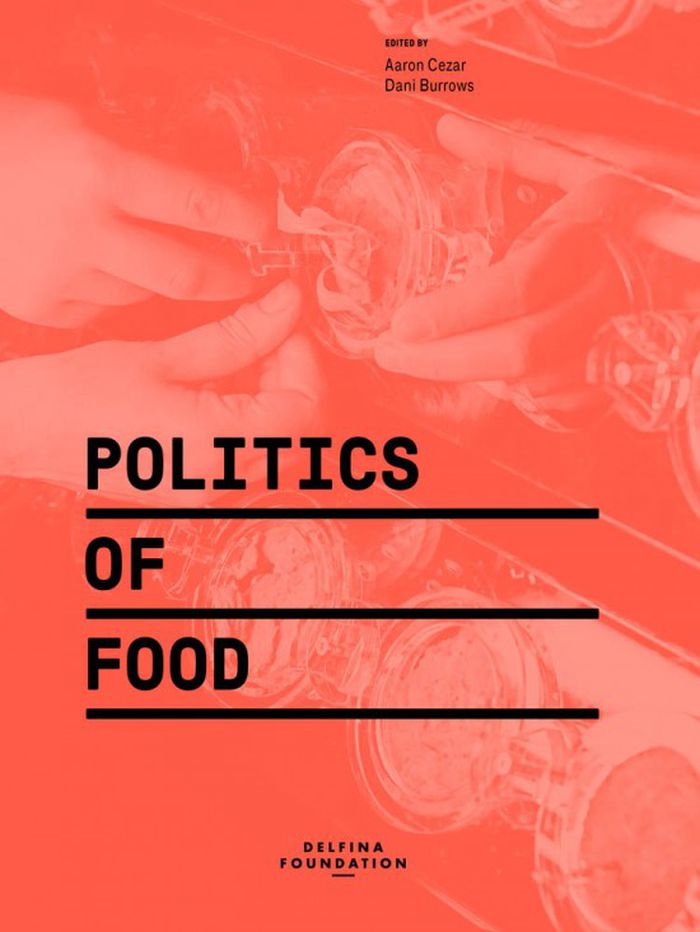
The last decade has witnessed a proliferation of artists and artist collectives interrogating the global politics and ethics of food production, distribution, and consumption. As an important document of new research and thinking around the subject, this book, copublished with Delfina Foundation, offers reflections on food by prominent artists, anthropologists, and activists, among others. In interviews, chefs, policy makers, and agronomists critically assess and illuminate the ways the arts confront food-related issues, ranging from the infrastructure of global and local food systems, its impact on social organization, alternatives and sustainability, climate and ecology, health and policy, science and biodiversity, and identity and community.
Politics of food
Actions:
Price:
$39.95
(available to order)
Summary:
The last decade has witnessed a proliferation of artists and artist collectives interrogating the global politics and ethics of food production, distribution, and consumption. As an important document of new research and thinking around the subject, this book, copublished with Delfina Foundation, offers reflections on food by prominent artists, anthropologists, and activists, among others. In interviews, chefs, policy makers, and agronomists critically assess and illuminate the ways the arts confront food-related issues, ranging from the infrastructure of global and local food systems, its impact on social organization, alternatives and sustainability, climate and ecology, health and policy, science and biodiversity, and identity and community.
Form:
books
books
Publication:
March 2020
March 2020
Subject:
Food
Food
Form:
books
books
Price:
$61.95
(available to order)
Summary:
A cultural history of gigantism in architecture and digital culture, from the Eiffel Tower to the World Trade Center. The gigantic is everywhere, and gigantism is manifest in everything from excessively tall skyscrapers to globe-spanning digital networks. In this book, Henriette Steiner and Kristin Veel map and critique the trajectory of gigantism in architecture and(...)
$61.95
(available to order)
Summary:
A cultural history of gigantism in architecture and digital culture, from the Eiffel Tower to the World Trade Center. The gigantic is everywhere, and gigantism is manifest in everything from excessively tall skyscrapers to globe-spanning digital networks. In this book, Henriette Steiner and Kristin Veel map and critique the trajectory of gigantism in architecture and(...)
Title:
Tower to tower: gigantism in architecture and digital culture
Actions:
Price:
$61.95
(available to order)
Summary:
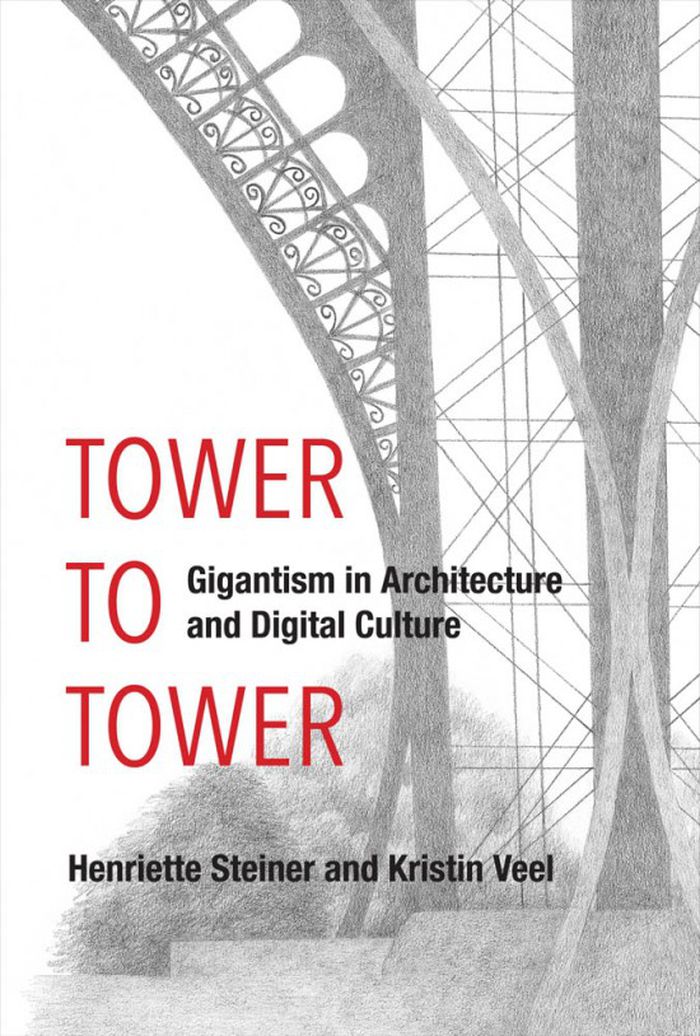
A cultural history of gigantism in architecture and digital culture, from the Eiffel Tower to the World Trade Center. The gigantic is everywhere, and gigantism is manifest in everything from excessively tall skyscrapers to globe-spanning digital networks. In this book, Henriette Steiner and Kristin Veel map and critique the trajectory of gigantism in architecture and digital culture-the convergence of tall buildings and networked infrastructures-from the Eiffel Tower to One World Trade Center. They show how these two forms of gigantism intersect in the figure of the skyscraper with a transmitting antenna on its roof, a gigantic building that is also a nodal point in a gigantic digital infrastructure.
Tower to tower: gigantism in architecture and digital culture
Actions:
Price:
$61.95
(available to order)
Summary:
A cultural history of gigantism in architecture and digital culture, from the Eiffel Tower to the World Trade Center. The gigantic is everywhere, and gigantism is manifest in everything from excessively tall skyscrapers to globe-spanning digital networks. In this book, Henriette Steiner and Kristin Veel map and critique the trajectory of gigantism in architecture and digital culture-the convergence of tall buildings and networked infrastructures-from the Eiffel Tower to One World Trade Center. They show how these two forms of gigantism intersect in the figure of the skyscraper with a transmitting antenna on its roof, a gigantic building that is also a nodal point in a gigantic digital infrastructure.
Form:
books
books
Publication:
May 2020
May 2020
Subject:
Architectural Theory
Architectural Theory
Form:
books
books
Actions:
Price:
$39.95
(available to order)
Summary:
From climate change to migration, all across the world cities are having to come to terms with contemporary challenges for which there are few easy answers. The Amsterdam Agenda invites 12 urban thinkers to share their knowledge, insights, and vision for the future of cities in light of today’s ongoing transformations. Be it the repercussions of over-tourism, alternative(...)
$39.95
(available to order)
Summary:
From climate change to migration, all across the world cities are having to come to terms with contemporary challenges for which there are few easy answers. The Amsterdam Agenda invites 12 urban thinkers to share their knowledge, insights, and vision for the future of cities in light of today’s ongoing transformations. Be it the repercussions of over-tourism, alternative(...)
Subject:
Urban Theory
Urban Theory
Publication:
June 2020
June 2020
Title:
The Amsterdam agenda: 12 good ideas for the future of cities
Actions:
Price:
$39.95
(available to order)
Summary:
From climate change to migration, all across the world cities are having to come to terms with contemporary challenges for which there are few easy answers. The Amsterdam Agenda invites 12 urban thinkers to share their knowledge, insights, and vision for the future of cities in light of today’s ongoing transformations. Be it the repercussions of over-tourism, alternative forms of civic engagement, or incorporating new technologies into existing infrastructure, these are urgent issues with global impact. Based on a 2018 lecture series at the Amsterdam Academy of Architecture, The Amsterdam Agenda brings together the views of today’s brightest names from the fields of architecture, planning, activism, and more.
The Amsterdam agenda: 12 good ideas for the future of cities
Actions:
Price:
$39.95
(available to order)
Summary:
From climate change to migration, all across the world cities are having to come to terms with contemporary challenges for which there are few easy answers. The Amsterdam Agenda invites 12 urban thinkers to share their knowledge, insights, and vision for the future of cities in light of today’s ongoing transformations. Be it the repercussions of over-tourism, alternative forms of civic engagement, or incorporating new technologies into existing infrastructure, these are urgent issues with global impact. Based on a 2018 lecture series at the Amsterdam Academy of Architecture, The Amsterdam Agenda brings together the views of today’s brightest names from the fields of architecture, planning, activism, and more.
Form:
books
books
Publication:
June 2020
June 2020
Subject:
Urban Theory
Urban Theory
Form:
books
books
Actions:
Price:
$68.95
(available to order)
Summary:
Immensely large yet perfect in every last detail: OMA has created impressive architecture in Toulouse with a seemingly uninspiring infrastructure project. The vast structure, covering ca 618 by 246 yards of ground, makes for a spectacular spatial experience in its main exhibition hall that offers 484,376 square feet of column-free floor space. OMA also took an unusual(...)
$68.95
(available to order)
Summary:
Immensely large yet perfect in every last detail: OMA has created impressive architecture in Toulouse with a seemingly uninspiring infrastructure project. The vast structure, covering ca 618 by 246 yards of ground, makes for a spectacular spatial experience in its main exhibition hall that offers 484,376 square feet of column-free floor space. OMA also took an unusual(...)
Title:
OMA, Toulouse Exhibition and Convention Center
Actions:
Price:
$68.95
(available to order)
Summary:
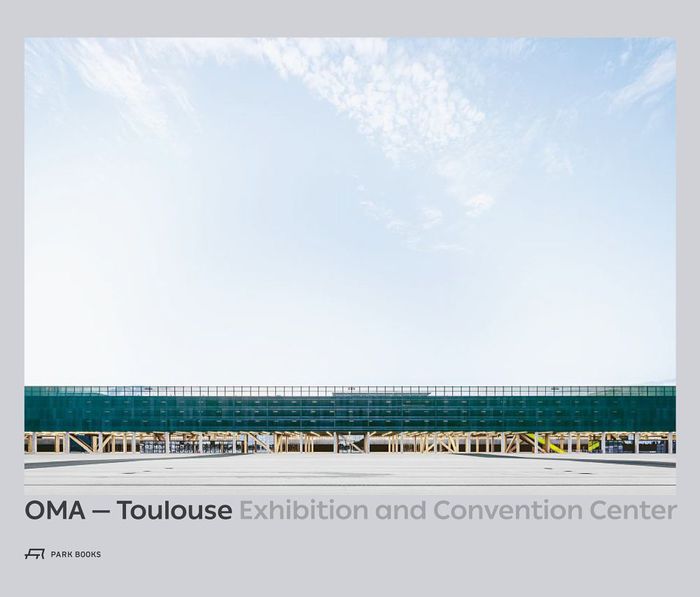
Immensely large yet perfect in every last detail: OMA has created impressive architecture in Toulouse with a seemingly uninspiring infrastructure project. The vast structure, covering ca 618 by 246 yards of ground, makes for a spectacular spatial experience in its main exhibition hall that offers 484,376 square feet of column-free floor space. OMA also took an unusual path with regard to the configuration and transport connection of the entire complex. Rather than sealing even more ground with tarmac for endless car parks, it concentrated them into a compact multi-storey parking garage at the heart of the complex that also serves as a general traffic hub for MEETT Toulouse.
OMA, Toulouse Exhibition and Convention Center
Actions:
Price:
$68.95
(available to order)
Summary:
Immensely large yet perfect in every last detail: OMA has created impressive architecture in Toulouse with a seemingly uninspiring infrastructure project. The vast structure, covering ca 618 by 246 yards of ground, makes for a spectacular spatial experience in its main exhibition hall that offers 484,376 square feet of column-free floor space. OMA also took an unusual path with regard to the configuration and transport connection of the entire complex. Rather than sealing even more ground with tarmac for endless car parks, it concentrated them into a compact multi-storey parking garage at the heart of the complex that also serves as a general traffic hub for MEETT Toulouse.
Form:
books
books
Publication:
January 2021
January 2021
Subject:
Architecture Monographs
Architecture Monographs
Form:
books
books
Actions:
Holdings:
Description:
248 pages : illustrations (some color) ; 24 cm
Description:
248 pages : illustrations (some color) ; 24 cm
Author:
Subject:
Publication:
Warsaw : Museum of Modern Art in Warsaw, 2024., ©2024
Warsaw : Museum of Modern Art in Warsaw, 2024., ©2024
Title:
A form of friendship : the museum on the square / Michał Murawski ; with contributions from Zygmunt Borawski, Marta Ejsmont, Tomasz Fudala, Taras Gembik, Marlena Happach, Agata Jakubowska, Dorota Jędruch, Yulia Krivich, Joanna Mytkowska, Thomas Phifer, Deyan Sudjic, Sarah Wilson, Maja Wirkus, and Artur Żmijewski.
Actions:
Holdings:
Description:
248 pages : illustrations (some color) ; 24 cm
A form of friendship : the museum on the square / Michał Murawski ; with contributions from Zygmunt Borawski, Marta Ejsmont, Tomasz Fudala, Taras Gembik, Marlena Happach, Agata Jakubowska, Dorota Jędruch, Yulia Krivich, Joanna Mytkowska, Thomas Phifer, Deyan Sudjic, Sarah Wilson, Maja Wirkus, and Artur Żmijewski.
Actions:
Holdings:
Description:
248 pages : illustrations (some color) ; 24 cm
Form:
books
books
Publication:
Warsaw : Museum of Modern Art in Warsaw, 2024., ©2024
Warsaw : Museum of Modern Art in Warsaw, 2024., ©2024
Author:
Subject:
Form:
books
books
Actions:
Price:
$27.95
(available to order)
Summary:
Our cities are "smart" and getting smarter as information processing capability is embedded throughout more and more of our urban infrastructure. Few of us object to traffic light control systems that respond to the ebbs and flows of city traffic; but we might be taken aback when discount coupons for our favorite espresso drink are beamed to our mobile phones as we walk(...)
$27.95
(available to order)
Summary:
Our cities are "smart" and getting smarter as information processing capability is embedded throughout more and more of our urban infrastructure. Few of us object to traffic light control systems that respond to the ebbs and flows of city traffic; but we might be taken aback when discount coupons for our favorite espresso drink are beamed to our mobile phones as we walk(...)
Title:
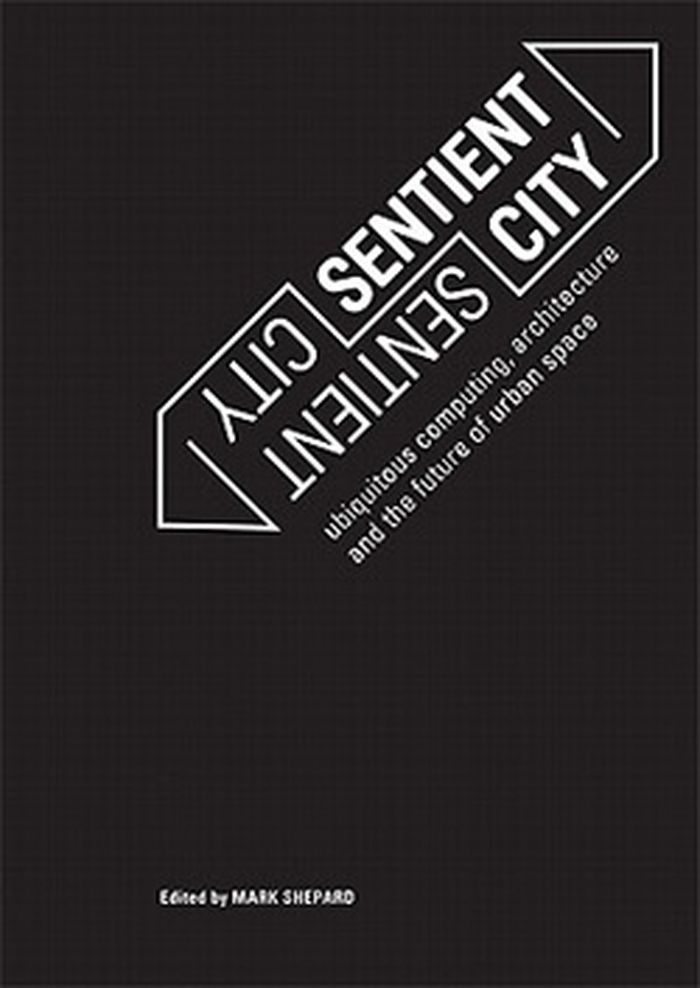
Sentient city : ubiquitous computing, architecture, and the future of urban space
Actions:
Price:
$27.95
(available to order)
Summary:
Our cities are "smart" and getting smarter as information processing capability is embedded throughout more and more of our urban infrastructure. Few of us object to traffic light control systems that respond to the ebbs and flows of city traffic; but we might be taken aback when discount coupons for our favorite espresso drink are beamed to our mobile phones as we walk past a Starbucks. This publication explores the experience of living in a city that can remember, correlate, and anticipate. Five teams of architects, artists, and technologists imagine a variety of future interactions that take place as computing leaves the desktop and spills out onto the sidewalks, streets, and public spaces of the city.
Sentient city : ubiquitous computing, architecture, and the future of urban space
Actions:
Price:
$27.95
(available to order)
Summary:
Our cities are "smart" and getting smarter as information processing capability is embedded throughout more and more of our urban infrastructure. Few of us object to traffic light control systems that respond to the ebbs and flows of city traffic; but we might be taken aback when discount coupons for our favorite espresso drink are beamed to our mobile phones as we walk past a Starbucks. This publication explores the experience of living in a city that can remember, correlate, and anticipate. Five teams of architects, artists, and technologists imagine a variety of future interactions that take place as computing leaves the desktop and spills out onto the sidewalks, streets, and public spaces of the city.
Form:
books
books
Publication:
March 2011
March 2011
Subject:
Urban Theory
Urban Theory
Form:
books
books
Actions:
Price:
$68.00
(available to order)
Summary:
New York-based photographer Stanley Greenberg has long entranced viewers with black-and-white photographs that provide unparalleled access to objects and places ordinary people might otherwise never see--from New York's century-old water system to the hidden infrastructure of some of the world's most impressive architectural works. In his new book, Greenberg trains(...)
$68.00
(available to order)
Summary:
New York-based photographer Stanley Greenberg has long entranced viewers with black-and-white photographs that provide unparalleled access to objects and places ordinary people might otherwise never see--from New York's century-old water system to the hidden infrastructure of some of the world's most impressive architectural works. In his new book, Greenberg trains(...)
Title:
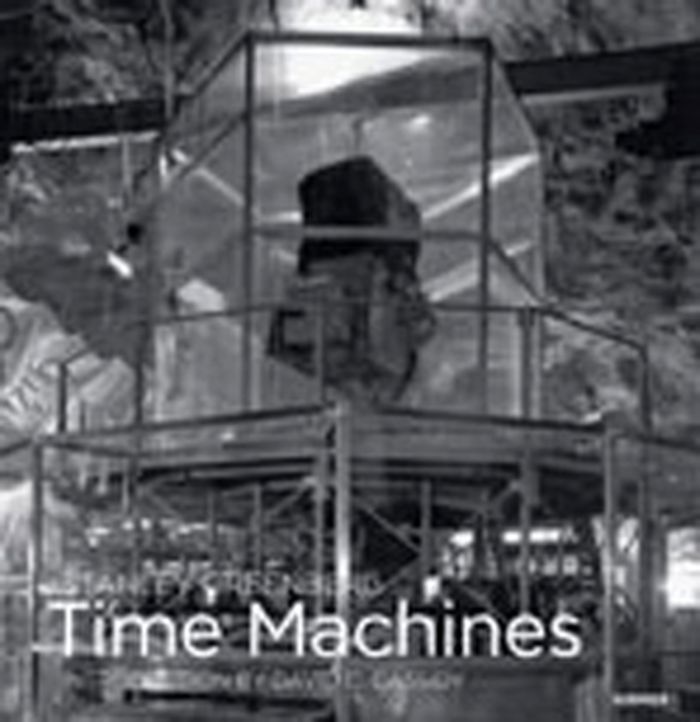
Stanley Greenberg: Time machines
Actions:
Price:
$68.00
(available to order)
Summary:
New York-based photographer Stanley Greenberg has long entranced viewers with black-and-white photographs that provide unparalleled access to objects and places ordinary people might otherwise never see--from New York's century-old water system to the hidden infrastructure of some of the world's most impressive architectural works. In his new book, Greenberg trains his lens on the unfailingly strange world of nuclear and particle physics. From Fermilab to neutrino hunting in Antarctica to ongoing attempts to re-create the conditions of the Big Bang using the world's largest atom smasher in Switzerland, Greenberg has over the course of five years traveled to--and photographed--many of the most important experiments in modern physics.
Stanley Greenberg: Time machines
Actions:
Price:
$68.00
(available to order)
Summary:
New York-based photographer Stanley Greenberg has long entranced viewers with black-and-white photographs that provide unparalleled access to objects and places ordinary people might otherwise never see--from New York's century-old water system to the hidden infrastructure of some of the world's most impressive architectural works. In his new book, Greenberg trains his lens on the unfailingly strange world of nuclear and particle physics. From Fermilab to neutrino hunting in Antarctica to ongoing attempts to re-create the conditions of the Big Bang using the world's largest atom smasher in Switzerland, Greenberg has over the course of five years traveled to--and photographed--many of the most important experiments in modern physics.
Form:
books
books
Publication:
September 2011
September 2011
Subject:
Photography monographs
Photography monographs
Form:
books
books
Title:
Work-place: Studio Mumbai
Work-place: Studio Mumbai
Actions:
Price:
$54.00
(available to order)
Summary:
Catalogue published in conjunction with the exhibition ‘Work-Place’ produced for the Venice Architecture Biennale in 2010. Studio Mumbai is composed of a few architects and nearly a hundred craftsmen– carpenters, masons, plumbers, electricians, and stonecutters– all working full time. Their work is based on a constant dialogue: “In India, a country with a population of(...)
$54.00
(available to order)
Summary:
Catalogue published in conjunction with the exhibition ‘Work-Place’ produced for the Venice Architecture Biennale in 2010. Studio Mumbai is composed of a few architects and nearly a hundred craftsmen– carpenters, masons, plumbers, electricians, and stonecutters– all working full time. Their work is based on a constant dialogue: “In India, a country with a population of(...)
Title:
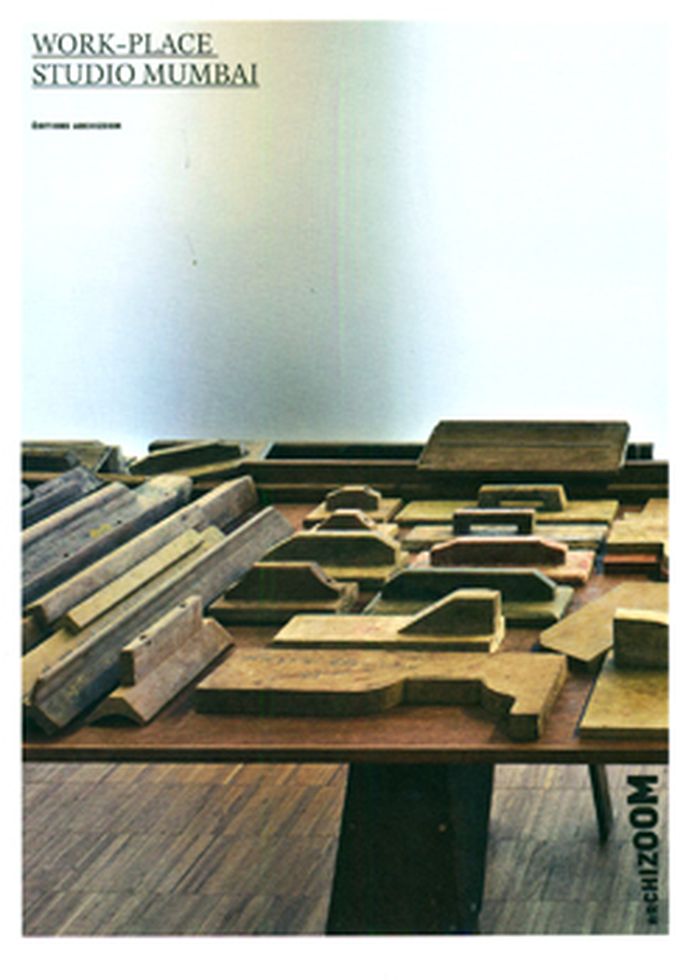
Work-place: Studio Mumbai
Actions:
Price:
$54.00
(available to order)
Summary:
Catalogue published in conjunction with the exhibition ‘Work-Place’ produced for the Venice Architecture Biennale in 2010. Studio Mumbai is composed of a few architects and nearly a hundred craftsmen– carpenters, masons, plumbers, electricians, and stonecutters– all working full time. Their work is based on a constant dialogue: “In India, a country with a population of 1,2 billion, the majority of construction is carried out without architects, which does not prevent them from being human in the largest sense. This reflection also forms part of one of our work’s most critical aspect…” reveals Bijoy Jain, the founder of Studio Mumbai. The Studio is a human infrastructure of skilled craftsmen and architects who design and build the work directly.
Work-place: Studio Mumbai
Actions:
Price:
$54.00
(available to order)
Summary:
Catalogue published in conjunction with the exhibition ‘Work-Place’ produced for the Venice Architecture Biennale in 2010. Studio Mumbai is composed of a few architects and nearly a hundred craftsmen– carpenters, masons, plumbers, electricians, and stonecutters– all working full time. Their work is based on a constant dialogue: “In India, a country with a population of 1,2 billion, the majority of construction is carried out without architects, which does not prevent them from being human in the largest sense. This reflection also forms part of one of our work’s most critical aspect…” reveals Bijoy Jain, the founder of Studio Mumbai. The Studio is a human infrastructure of skilled craftsmen and architects who design and build the work directly.
Form:
books
books
Publication:
October 2011
October 2011
Subject:
Architecture Monographs
Architecture Monographs
Form:
books
books
Actions:
Price:
$63.00
(available to order)
Summary:
The Planning Game: Lessons from Great Cities provides a focused and thorough overview of how planning works, illustrated with 200 colorful photographs, diagrams, and maps created expressly for the book. It presents the public realm approach to planning—an approach that emphasizes the importance of public investments in what we own: streets, squares, parks, infrastructure,(...)
$63.00
(available to order)
Summary:
The Planning Game: Lessons from Great Cities provides a focused and thorough overview of how planning works, illustrated with 200 colorful photographs, diagrams, and maps created expressly for the book. It presents the public realm approach to planning—an approach that emphasizes the importance of public investments in what we own: streets, squares, parks, infrastructure,(...)
Title:
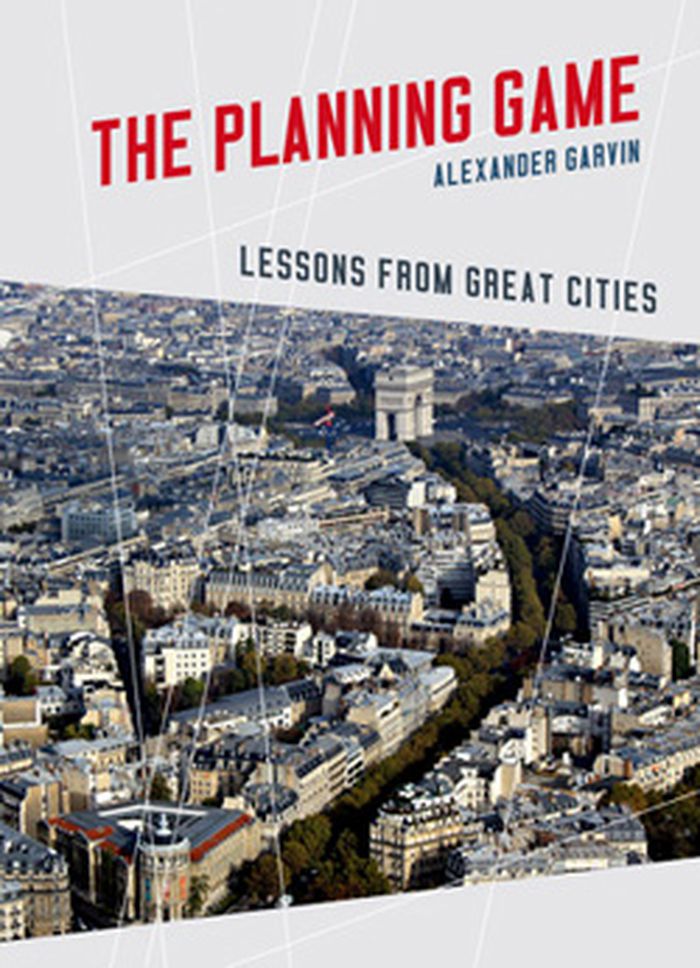
The planning game: lessons from great cities
Actions:
Price:
$63.00
(available to order)
Summary:
The Planning Game: Lessons from Great Cities provides a focused and thorough overview of how planning works, illustrated with 200 colorful photographs, diagrams, and maps created expressly for the book. It presents the public realm approach to planning—an approach that emphasizes the importance of public investments in what we own: streets, squares, parks, infrastructure, and public buildings. They are the fundamental elements in any community and are the way to determine our future. The book covers planning at every level, explaining the activities that go into successfully transforming a community as exemplified by four cities and their colorful motive forces: Paris (Baron Georges-Eugène Haussmann), New York (Robert Moses), Chicago (Daniel Burnham), and Philadelphia (Edmund Bacon).
The planning game: lessons from great cities
Actions:
Price:
$63.00
(available to order)
Summary:
The Planning Game: Lessons from Great Cities provides a focused and thorough overview of how planning works, illustrated with 200 colorful photographs, diagrams, and maps created expressly for the book. It presents the public realm approach to planning—an approach that emphasizes the importance of public investments in what we own: streets, squares, parks, infrastructure, and public buildings. They are the fundamental elements in any community and are the way to determine our future. The book covers planning at every level, explaining the activities that go into successfully transforming a community as exemplified by four cities and their colorful motive forces: Paris (Baron Georges-Eugène Haussmann), New York (Robert Moses), Chicago (Daniel Burnham), and Philadelphia (Edmund Bacon).
Form:
books
books
Publication:
October 2012
October 2012
Subject:
Urban Theory
Urban Theory
Form:
books
books
Actions:
Price:
$64.00
(available to order)
Summary:
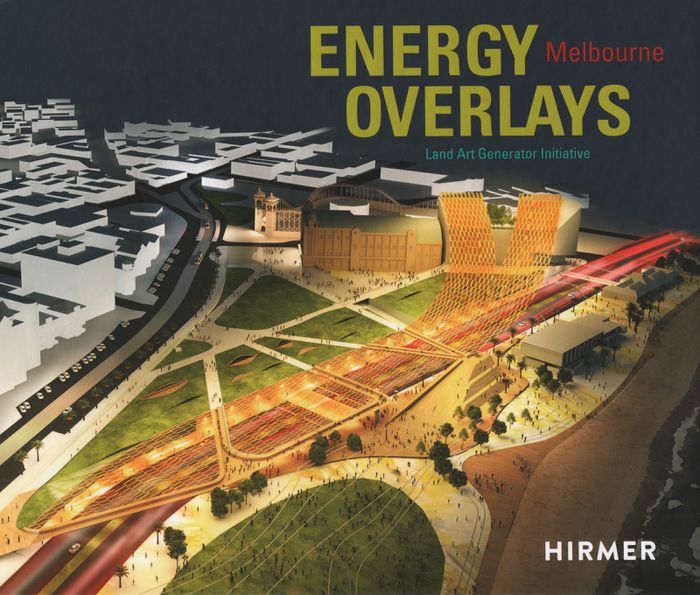
Imagine a power plant that is also the perfect place to have a picnic. On the foreshore of St. Kilda, Australia rises just such a structure—one that merges renewable energy production with leisure, recreation, and education. This volume imagines a world where the infrastructures that power our cities are designed to be reflections of culture, where public parks provide(...)
$64.00
(available to order)
Summary:
Imagine a power plant that is also the perfect place to have a picnic. On the foreshore of St. Kilda, Australia rises just such a structure—one that merges renewable energy production with leisure, recreation, and education. This volume imagines a world where the infrastructures that power our cities are designed to be reflections of culture, where public parks provide(...)
Title:
Energy overlays: Land Art generator initiative
Actions:
Price:
$64.00
(available to order)
Summary:
Imagine a power plant that is also the perfect place to have a picnic. On the foreshore of St. Kilda, Australia rises just such a structure—one that merges renewable energy production with leisure, recreation, and education. This volume imagines a world where the infrastructures that power our cities are designed to be reflections of culture, where public parks provide clean electricity to the city grid, and where the art that brings depth and vibrancy to our lives also measurably responds to the challenges of climate change. ''Energy Overlays'' provides a glimpse into a post-carbon future where energy infrastructure is seamlessly woven into the fabric of our cities as works of public art.
Energy overlays: Land Art generator initiative
Actions:
Price:
$64.00
(available to order)
Summary:
Imagine a power plant that is also the perfect place to have a picnic. On the foreshore of St. Kilda, Australia rises just such a structure—one that merges renewable energy production with leisure, recreation, and education. This volume imagines a world where the infrastructures that power our cities are designed to be reflections of culture, where public parks provide clean electricity to the city grid, and where the art that brings depth and vibrancy to our lives also measurably responds to the challenges of climate change. ''Energy Overlays'' provides a glimpse into a post-carbon future where energy infrastructure is seamlessly woven into the fabric of our cities as works of public art.
Form:
books
books
Publication:
January 2019
January 2019
Subject:
Green Architecture
Green Architecture


