


1734 Results
Form:
books
books

Actions:
Price:
$21.50
(available to order)
Summary:
Rethinking strategies for rural development is a global pressing challenge. To stimulate the international discussion Aedes Architecture Forum Berlin is presenting a remarkable example from rural China. Dynamic urbanization processes shape large parts of the world and China in particular. The young population migrates to the cities, whereas many elderly people and(...)
$21.50
(available to order)
Summary:
Rethinking strategies for rural development is a global pressing challenge. To stimulate the international discussion Aedes Architecture Forum Berlin is presenting a remarkable example from rural China. Dynamic urbanization processes shape large parts of the world and China in particular. The young population migrates to the cities, whereas many elderly people and(...)
Publication:
March 2018
March 2018
Title:
DnA_Design and Architecture: Rural moves, the Songyang story
Actions:
Price:
$21.50
(available to order)
Summary:
Rethinking strategies for rural development is a global pressing challenge. To stimulate the international discussion Aedes Architecture Forum Berlin is presenting a remarkable example from rural China. Dynamic urbanization processes shape large parts of the world and China in particular. The young population migrates to the cities, whereas many elderly people and children remain in the rural areas. While in the German hinterland railway lines are shut down and the digital infrastructure is more than inadequate, the rural exodus in China is countered with new high-speed train lines and even the most remote mountain villages are being connected by broadband coverage. But also small-scale architecture creates positive future prospects for cultural, social and economic development.
DnA_Design and Architecture: Rural moves, the Songyang story
Actions:
Price:
$21.50
(available to order)
Summary:
Rethinking strategies for rural development is a global pressing challenge. To stimulate the international discussion Aedes Architecture Forum Berlin is presenting a remarkable example from rural China. Dynamic urbanization processes shape large parts of the world and China in particular. The young population migrates to the cities, whereas many elderly people and children remain in the rural areas. While in the German hinterland railway lines are shut down and the digital infrastructure is more than inadequate, the rural exodus in China is countered with new high-speed train lines and even the most remote mountain villages are being connected by broadband coverage. But also small-scale architecture creates positive future prospects for cultural, social and economic development.
Form:
books
books
Publication:
March 2018
March 2018
Form:
books
books
Actions:
Price:
$74.95
(available in store)
Summary:
Bridging the domains of urban design, infrastructure, landscape, and architecture, AGPS architecture approaches problem solving as a collaborative enterprise, exploring the relationship between idea and practice and emphasizing the importance of the functional, technical, economic, environmental, and aesthetic in design and construction methods. This publication is(...)
$74.95
(available in store)
Summary:
Bridging the domains of urban design, infrastructure, landscape, and architecture, AGPS architecture approaches problem solving as a collaborative enterprise, exploring the relationship between idea and practice and emphasizing the importance of the functional, technical, economic, environmental, and aesthetic in design and construction methods. This publication is(...)
Title:
Another take: 17 short stories on architecture
Actions:
Price:
$74.95
(available in store)
Summary:
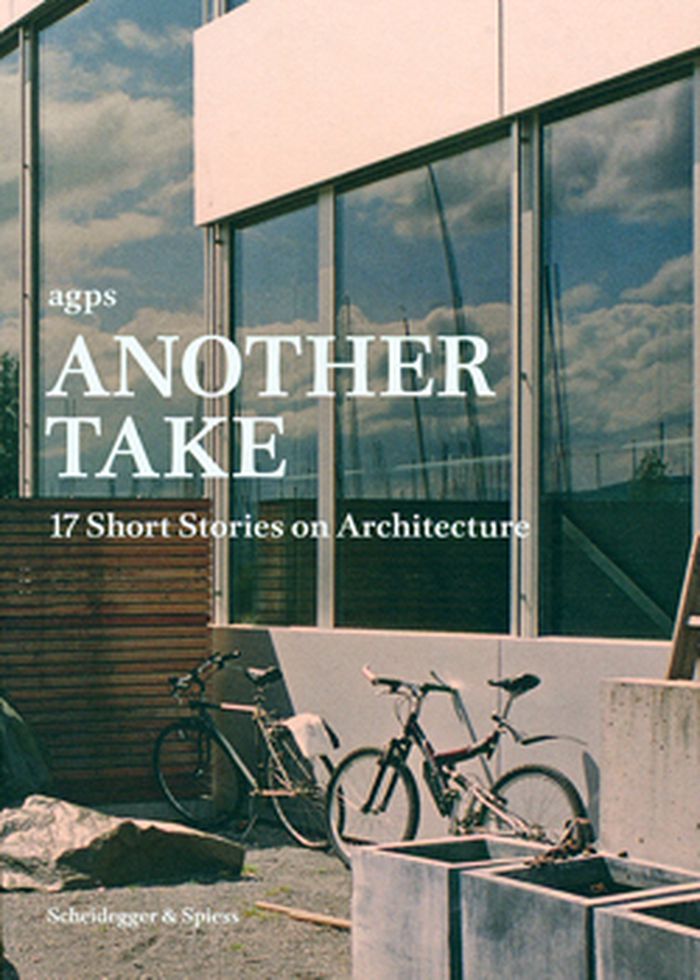
Bridging the domains of urban design, infrastructure, landscape, and architecture, AGPS architecture approaches problem solving as a collaborative enterprise, exploring the relationship between idea and practice and emphasizing the importance of the functional, technical, economic, environmental, and aesthetic in design and construction methods. This publication is the first comprehensive survey of the projects imagined and completed by AGPS architecture. Complete with color photographs of each of the projects, floor plans, sections, and elevations, as well as several essays that delve into frequently overlooked aspects of architectural design, this volume serves as both a portfolio and a sort of exploration of latent, but recognizable traits that are as much a part of the buildings as their physical manifestation.
Another take: 17 short stories on architecture
Actions:
Price:
$74.95
(available in store)
Summary:
Bridging the domains of urban design, infrastructure, landscape, and architecture, AGPS architecture approaches problem solving as a collaborative enterprise, exploring the relationship between idea and practice and emphasizing the importance of the functional, technical, economic, environmental, and aesthetic in design and construction methods. This publication is the first comprehensive survey of the projects imagined and completed by AGPS architecture. Complete with color photographs of each of the projects, floor plans, sections, and elevations, as well as several essays that delve into frequently overlooked aspects of architectural design, this volume serves as both a portfolio and a sort of exploration of latent, but recognizable traits that are as much a part of the buildings as their physical manifestation.
Form:
books
books
Publication:
December 2010
December 2010
Subject:
Architecture Monographs
Architecture Monographs
Form:
books
books
Price:
$39.95
(available to order)
Summary:
In the wake of recent failures in America's urban infrastructure, an emerging group of activist designers are calling on architects to rethink their relationship to the city. For them, the future of the American city lies not in modernism's large-scale master plans or new urbanism's nostalgic community planning. Instead, they favor working with the realities of urban(...)
$39.95
(available to order)
Summary:
In the wake of recent failures in America's urban infrastructure, an emerging group of activist designers are calling on architects to rethink their relationship to the city. For them, the future of the American city lies not in modernism's large-scale master plans or new urbanism's nostalgic community planning. Instead, they favor working with the realities of urban(...)
Title:
Fast-forward urbanism: Rethinking architecture's engagement with the city
Actions:
Price:
$39.95
(available to order)
Summary:
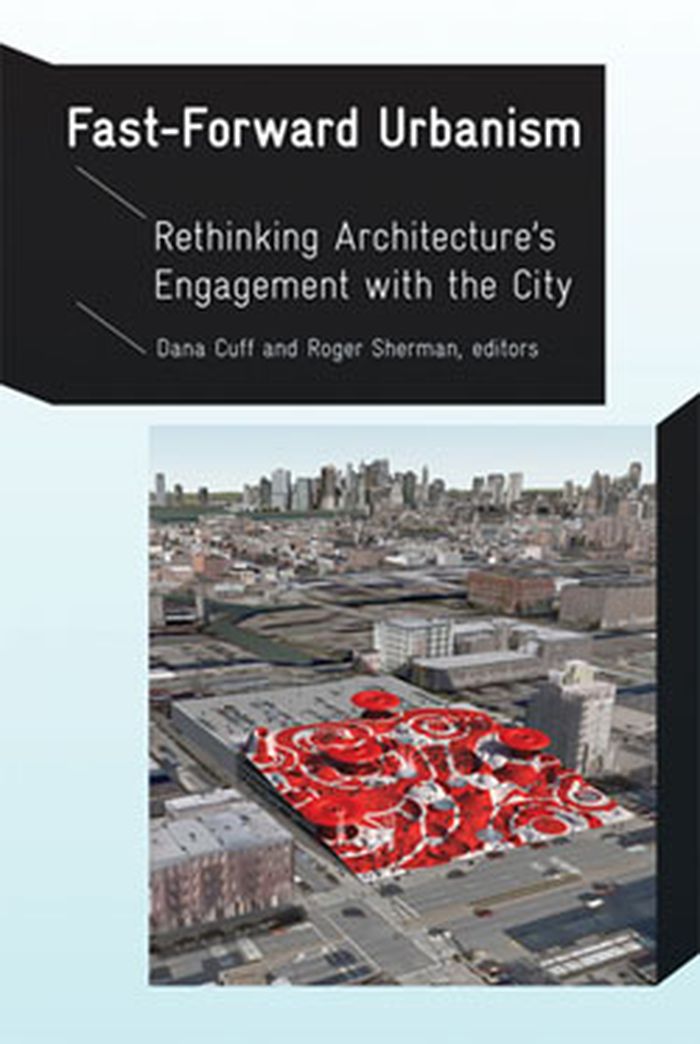
In the wake of recent failures in America's urban infrastructure, an emerging group of activist designers are calling on architects to rethink their relationship to the city. For them, the future of the American city lies not in modernism's large-scale master plans or new urbanism's nostalgic community planning. Instead, they favor working with the realities of urban space, finding hidden opportunities in what already exists in our cities; they eschew monolithic, top-down approaches. Fast-Forward Urbanism presents a mixture of essays, opinions, and design projects by well-known architects and theorists including Stan Allen, Will Alsop, Lars Lerup, and Keller Easterling. Equal parts theory and practice, their ideas lay the groundwork for the next American metropolis.
Fast-forward urbanism: Rethinking architecture's engagement with the city
Actions:
Price:
$39.95
(available to order)
Summary:
In the wake of recent failures in America's urban infrastructure, an emerging group of activist designers are calling on architects to rethink their relationship to the city. For them, the future of the American city lies not in modernism's large-scale master plans or new urbanism's nostalgic community planning. Instead, they favor working with the realities of urban space, finding hidden opportunities in what already exists in our cities; they eschew monolithic, top-down approaches. Fast-Forward Urbanism presents a mixture of essays, opinions, and design projects by well-known architects and theorists including Stan Allen, Will Alsop, Lars Lerup, and Keller Easterling. Equal parts theory and practice, their ideas lay the groundwork for the next American metropolis.
Form:
books
books
Publication:
December 2010
December 2010
Subject:
Urban Theory
Urban Theory
Form:
books
books
Actions:
Price:
$21.95
(available to order)
Summary:
Digital technologies—with hardware, software, and networks at their core—will in the near future diagnose diseases more accurately than doctors can, apply enormous data sets to transform retailing, and accomplish many tasks once considered uniquely human. In The Second Machine Age MIT’s Erik Brynjolfsson and Andrew McAfee, reveal the forces driving the reinvention of(...)
$21.95
(available to order)
Summary:
Digital technologies—with hardware, software, and networks at their core—will in the near future diagnose diseases more accurately than doctors can, apply enormous data sets to transform retailing, and accomplish many tasks once considered uniquely human. In The Second Machine Age MIT’s Erik Brynjolfsson and Andrew McAfee, reveal the forces driving the reinvention of(...)
Title:
The second machine age: work, progress and prosperity in a time of brilliant technologies
Actions:
Price:
$21.95
(available to order)
Summary:
Digital technologies—with hardware, software, and networks at their core—will in the near future diagnose diseases more accurately than doctors can, apply enormous data sets to transform retailing, and accomplish many tasks once considered uniquely human. In The Second Machine Age MIT’s Erik Brynjolfsson and Andrew McAfee, reveal the forces driving the reinvention of our lives and our economy. As the full impact of digital technologies is felt, we will realize immense bounty in the form of dazzling personal technology, advanced infrastructure, and near-boundless access to the cultural items that enrich our lives. A fundamentally optimistic book, The Second Machine Age alters how we think about issues of technological, societal, and economic progress.
The second machine age: work, progress and prosperity in a time of brilliant technologies
Actions:
Price:
$21.95
(available to order)
Summary:
Digital technologies—with hardware, software, and networks at their core—will in the near future diagnose diseases more accurately than doctors can, apply enormous data sets to transform retailing, and accomplish many tasks once considered uniquely human. In The Second Machine Age MIT’s Erik Brynjolfsson and Andrew McAfee, reveal the forces driving the reinvention of our lives and our economy. As the full impact of digital technologies is felt, we will realize immense bounty in the form of dazzling personal technology, advanced infrastructure, and near-boundless access to the cultural items that enrich our lives. A fundamentally optimistic book, The Second Machine Age alters how we think about issues of technological, societal, and economic progress.
Form:
books
books
Publication:
May 2015
May 2015
Subject:
Digital Architecture
Digital Architecture
Form:
books
books
Price:
$53.95
(available to order)
Summary:
The culmination of a recent project by the Canadian design firm RVTR, Infra Eco Logi Urbanism considers the role of design in shaping the future of the Great Lakes Megaregion. In order to envision the kinds of systems that could best serve a cluster of cities in an age of renewable energy, increasing mobility, and continued urban growth, the project assembles regional(...)
$53.95
(available to order)
Summary:
The culmination of a recent project by the Canadian design firm RVTR, Infra Eco Logi Urbanism considers the role of design in shaping the future of the Great Lakes Megaregion. In order to envision the kinds of systems that could best serve a cluster of cities in an age of renewable energy, increasing mobility, and continued urban growth, the project assembles regional(...)
Subject:
Contemporary Architecture
Contemporary Architecture
Publication:
June 2015
June 2015
Title:
Infra eco logi urbanism: a project for The Great Lakes Megaregion
Actions:
Price:
$53.95
(available to order)
Summary:
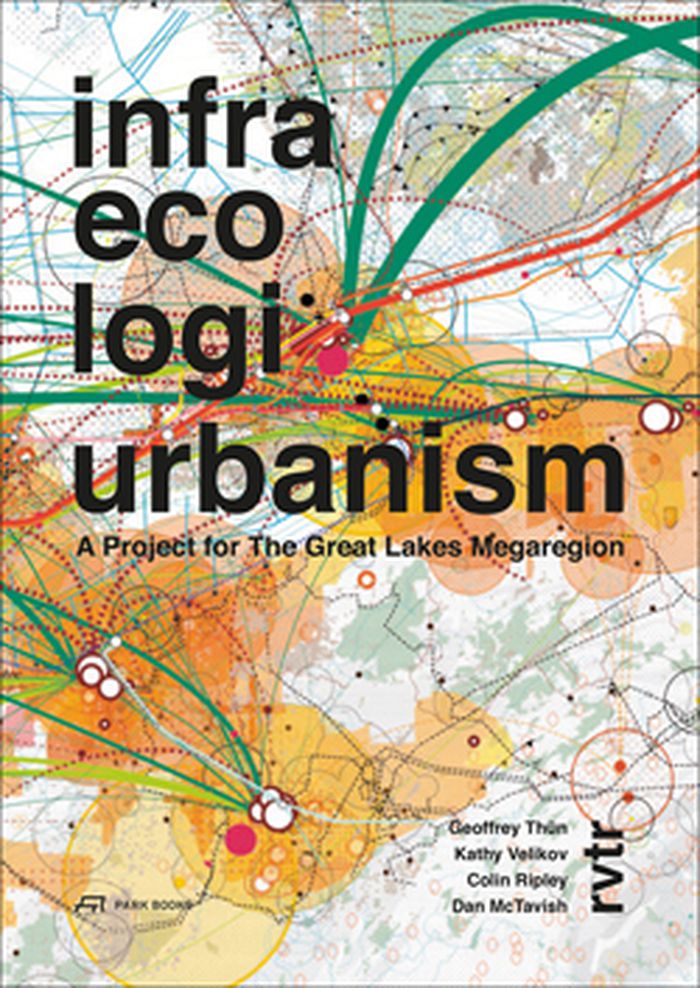
The culmination of a recent project by the Canadian design firm RVTR, Infra Eco Logi Urbanism considers the role of design in shaping the future of the Great Lakes Megaregion. In order to envision the kinds of systems that could best serve a cluster of cities in an age of renewable energy, increasing mobility, and continued urban growth, the project assembles regional maps, design propositions, photographs, related architectural projects, and critical writings, all of which explore the region’s key challenges. Rounding out the volume is a foreword that explores the role of transportation infrastructure in the development of the region and an afterword that situates this project within the broader architectural project of investigating possible future worlds.
Infra eco logi urbanism: a project for The Great Lakes Megaregion
Actions:
Price:
$53.95
(available to order)
Summary:
The culmination of a recent project by the Canadian design firm RVTR, Infra Eco Logi Urbanism considers the role of design in shaping the future of the Great Lakes Megaregion. In order to envision the kinds of systems that could best serve a cluster of cities in an age of renewable energy, increasing mobility, and continued urban growth, the project assembles regional maps, design propositions, photographs, related architectural projects, and critical writings, all of which explore the region’s key challenges. Rounding out the volume is a foreword that explores the role of transportation infrastructure in the development of the region and an afterword that situates this project within the broader architectural project of investigating possible future worlds.
Form:
books
books
Publication:
June 2015
June 2015
Subject:
Contemporary Architecture
Contemporary Architecture
Form:
books
books
Price:
$39.95
(available to order)
Summary:
On a rainy day in May 2007, the mayor of Paris inaugurated the Jardins d'Eole, a park whose completion was hailed internationally as an exemplar of sustainable urbanism. The park was the result of a hard-fought, decadelong protest movement in a low-income Maghrebi and African immigrant district starved for infrastructure, but the Mayor's vision of urban sustainability was(...)
$39.95
(available to order)
Summary:
On a rainy day in May 2007, the mayor of Paris inaugurated the Jardins d'Eole, a park whose completion was hailed internationally as an exemplar of sustainable urbanism. The park was the result of a hard-fought, decadelong protest movement in a low-income Maghrebi and African immigrant district starved for infrastructure, but the Mayor's vision of urban sustainability was(...)
Title:
Landscape of discontent: urban sustainability in immigrant Paris
Actions:
Price:
$39.95
(available to order)
Summary:
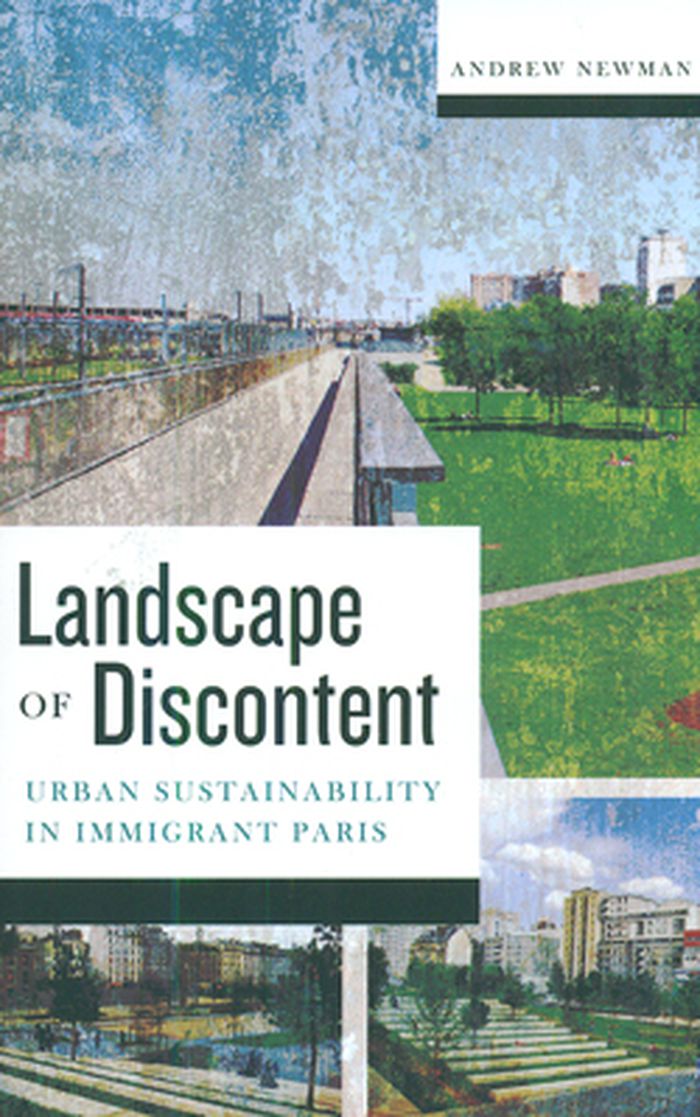
On a rainy day in May 2007, the mayor of Paris inaugurated the Jardins d'Eole, a park whose completion was hailed internationally as an exemplar of sustainable urbanism. The park was the result of a hard-fought, decadelong protest movement in a low-income Maghrebi and African immigrant district starved for infrastructure, but the Mayor's vision of urban sustainability was met with jeers.Drawing extensively from immersive, firsthand ethnographic research with northeast Paris residents, as well as an analysis of green architecture and urban design, Andrew Newman argues that environmental politics must be separated from the construct of urban sustainability, which has been appropriated by forces of redevelopment and gentrification in Paris and beyond.
Landscape of discontent: urban sustainability in immigrant Paris
Actions:
Price:
$39.95
(available to order)
Summary:
On a rainy day in May 2007, the mayor of Paris inaugurated the Jardins d'Eole, a park whose completion was hailed internationally as an exemplar of sustainable urbanism. The park was the result of a hard-fought, decadelong protest movement in a low-income Maghrebi and African immigrant district starved for infrastructure, but the Mayor's vision of urban sustainability was met with jeers.Drawing extensively from immersive, firsthand ethnographic research with northeast Paris residents, as well as an analysis of green architecture and urban design, Andrew Newman argues that environmental politics must be separated from the construct of urban sustainability, which has been appropriated by forces of redevelopment and gentrification in Paris and beyond.
Form:
books
books
Publication:
April 2015
April 2015
Subject:
Urban Theory
Urban Theory
Form:
books
books

Title:
Greater Vancouver greenguide
Greater Vancouver greenguide
Actions:
Price:
$19.95
(available to order)
Summary:
Compiled by the Design Centre for Sustainability at UBC, the"GreenGuide" brings together in one place the green buildings, green neighbourhoods, green infrastructure, open spaces, and social, economic, and environmental programs that embody built examples of urban sustainability in Greater Vancouver. The goal of the GreenGuide is to help Greater Vancouver celebrate the(...)
$19.95
(available to order)
Summary:
Compiled by the Design Centre for Sustainability at UBC, the"GreenGuide" brings together in one place the green buildings, green neighbourhoods, green infrastructure, open spaces, and social, economic, and environmental programs that embody built examples of urban sustainability in Greater Vancouver. The goal of the GreenGuide is to help Greater Vancouver celebrate the(...)
Title:
Greater Vancouver greenguide
Actions:
Price:
$19.95
(available to order)
Summary:
Compiled by the Design Centre for Sustainability at UBC, the"GreenGuide" brings together in one place the green buildings, green neighbourhoods, green infrastructure, open spaces, and social, economic, and environmental programs that embody built examples of urban sustainability in Greater Vancouver. The goal of the GreenGuide is to help Greater Vancouver celebrate the initiatives that are underway, and share these lessons as we continue to turn ideas into action. The GreenGuide consist of a highly graphical, pocket-sized guidebook, accompanied by a large-scale foldable map that allows users to locate projects easily. It documents and highlights key sustainability features of 111 projects, provides suggested tours, and tells our region’s sustainability story.
Greater Vancouver greenguide
Actions:
Price:
$19.95
(available to order)
Summary:
Compiled by the Design Centre for Sustainability at UBC, the"GreenGuide" brings together in one place the green buildings, green neighbourhoods, green infrastructure, open spaces, and social, economic, and environmental programs that embody built examples of urban sustainability in Greater Vancouver. The goal of the GreenGuide is to help Greater Vancouver celebrate the initiatives that are underway, and share these lessons as we continue to turn ideas into action. The GreenGuide consist of a highly graphical, pocket-sized guidebook, accompanied by a large-scale foldable map that allows users to locate projects easily. It documents and highlights key sustainability features of 111 projects, provides suggested tours, and tells our region’s sustainability story.
Form:
books
books
Publication:
April 2007, Vancouver
April 2007, Vancouver
Subject:
Architecture in Canada
Architecture in Canada
Form:
books
books

Actions:
Price:
$39.99
(available to order)
Summary:
Earth has been reinventing itself for more than four billion years, keeping a record of its experiments in the form of rocks. Yet most of us live our lives on the planet with no idea of its extraordinary history, unable to interpret the language of the rocks that surround us. Geologist Marcia Bjornerud believes that our lives can be enriched by understanding our heritage(...)
$39.99
(available to order)
Summary:
Earth has been reinventing itself for more than four billion years, keeping a record of its experiments in the form of rocks. Yet most of us live our lives on the planet with no idea of its extraordinary history, unable to interpret the language of the rocks that surround us. Geologist Marcia Bjornerud believes that our lives can be enriched by understanding our heritage(...)
Title:
Turning to stone: Discovering the subtle wisdom of rocks
Actions:
Price:
$39.99
(available to order)
Summary:
Earth has been reinventing itself for more than four billion years, keeping a record of its experiments in the form of rocks. Yet most of us live our lives on the planet with no idea of its extraordinary history, unable to interpret the language of the rocks that surround us. Geologist Marcia Bjornerud believes that our lives can be enriched by understanding our heritage on this old and creative planet. Contrary to their reputation, rocks have eventful lives–and they intersect with our own in surprising ways. In "Turning to stone," Bjornerud reveals how rocks are the hidden infrastructure that keep the planet functioning, from sandstone aquifers purifying the water we drink to basalt formations slowly regulating global climate.
Turning to stone: Discovering the subtle wisdom of rocks
Actions:
Price:
$39.99
(available to order)
Summary:
Earth has been reinventing itself for more than four billion years, keeping a record of its experiments in the form of rocks. Yet most of us live our lives on the planet with no idea of its extraordinary history, unable to interpret the language of the rocks that surround us. Geologist Marcia Bjornerud believes that our lives can be enriched by understanding our heritage on this old and creative planet. Contrary to their reputation, rocks have eventful lives–and they intersect with our own in surprising ways. In "Turning to stone," Bjornerud reveals how rocks are the hidden infrastructure that keep the planet functioning, from sandstone aquifers purifying the water we drink to basalt formations slowly regulating global climate.
Form:
books
books
Publication:
August 2025
August 2025
Subject:
Fauna and flora
Fauna and flora
Form:
books
books

Actions:
Price:
$80.00
(available to order)
Summary:
Plunge into the ancestral water wisdom that could reshape all our futures. This book reveals how Indigenous innovations—like floating farms, tidal fish traps, and aquifer recharge systems—have sustained civilizations for millennia by working with nature, not against it. Far from relics, these systems offer dynamic, adaptable solutions for the climate crisis of today.(...)
$80.00
(available to order)
Summary:
Plunge into the ancestral water wisdom that could reshape all our futures. This book reveals how Indigenous innovations—like floating farms, tidal fish traps, and aquifer recharge systems—have sustained civilizations for millennia by working with nature, not against it. Far from relics, these systems offer dynamic, adaptable solutions for the climate crisis of today.(...)
Title:
Lo-TEK Water: A field guide for TEKnology
Actions:
Price:
$80.00
(available to order)
Summary:
Plunge into the ancestral water wisdom that could reshape all our futures. This book reveals how Indigenous innovations—like floating farms, tidal fish traps, and aquifer recharge systems—have sustained civilizations for millennia by working with nature, not against it. Far from relics, these systems offer dynamic, adaptable solutions for the climate crisis of today. Structured to bridge past and future, the author Julia Watson dissolves the divide between technology and ecology, between ancestral wisdom and digital innovation. The TEKnological Renaissance it celebrates redefines water as an intelligent force that can shape resilient cities and landscapes. Aquatic infrastructure is reframed—from extractive and industrial into regenerative and evolving—designed to sustain life for generations.
Lo-TEK Water: A field guide for TEKnology
Actions:
Price:
$80.00
(available to order)
Summary:
Plunge into the ancestral water wisdom that could reshape all our futures. This book reveals how Indigenous innovations—like floating farms, tidal fish traps, and aquifer recharge systems—have sustained civilizations for millennia by working with nature, not against it. Far from relics, these systems offer dynamic, adaptable solutions for the climate crisis of today. Structured to bridge past and future, the author Julia Watson dissolves the divide between technology and ecology, between ancestral wisdom and digital innovation. The TEKnological Renaissance it celebrates redefines water as an intelligent force that can shape resilient cities and landscapes. Aquatic infrastructure is reframed—from extractive and industrial into regenerative and evolving—designed to sustain life for generations.
Form:
books
books
Publication:
December 2025
December 2025
Subject:
Indigenous architecture
Indigenous architecture
Form:
books
books
Price:
$25.95
(available in store)
Summary:
What happens when politics is everywhere, yet nothing seems to change? From the abandoned dance floors of Thatcher’s London to the mass mobilizations of Black Lives Matter, Anton Jäger traces how public life has become infused with protest, spectacle, and moral urgency — while the old infrastructure of parties, unions, and civic solidarity has been hollowed out.(...)
$25.95
(available in store)
Summary:
What happens when politics is everywhere, yet nothing seems to change? From the abandoned dance floors of Thatcher’s London to the mass mobilizations of Black Lives Matter, Anton Jäger traces how public life has become infused with protest, spectacle, and moral urgency — while the old infrastructure of parties, unions, and civic solidarity has been hollowed out.(...)
Title:
Hyperpolitics: Extreme politicization without political consequences
Actions:
Price:
$25.95
(available in store)
Summary:
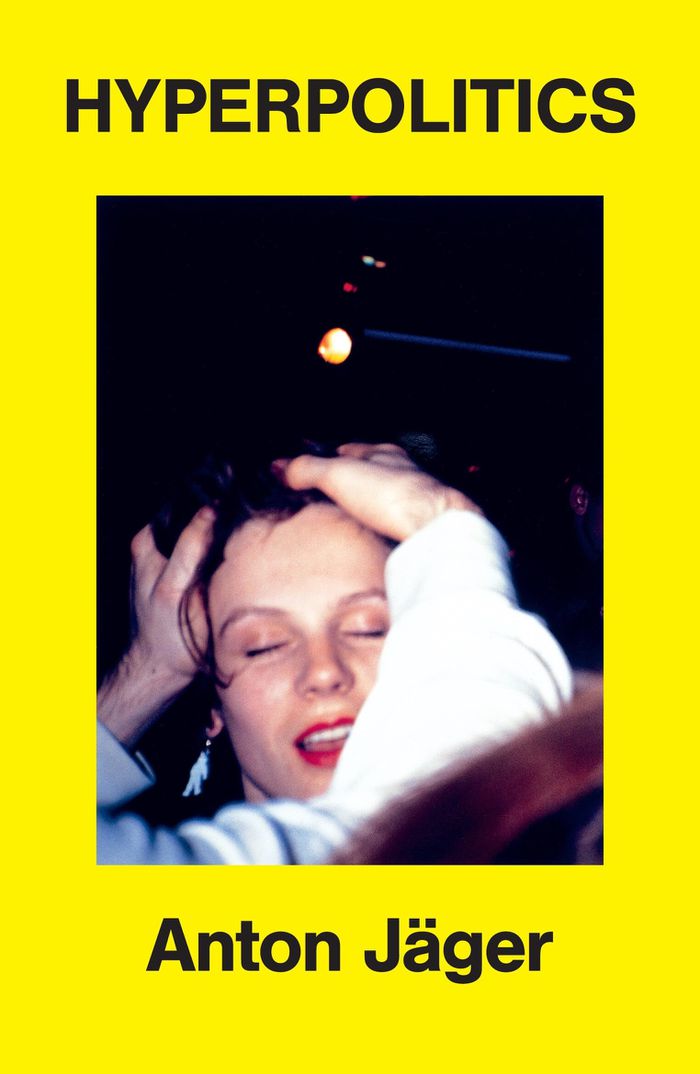
What happens when politics is everywhere, yet nothing seems to change? From the abandoned dance floors of Thatcher’s London to the mass mobilizations of Black Lives Matter, Anton Jäger traces how public life has become infused with protest, spectacle, and moral urgency — while the old infrastructure of parties, unions, and civic solidarity has been hollowed out. "Hyperpolitics" revisits the illusions of the "end of history" and dissects the strange energies that replaced them: viral outrage, endless culture wars, and the digital rush of causes that flare and vanish overnight. Jäger shows how the promises of post–Cold War liberalism gave way to a restless, unsteady public sphere where private passions overflow into politics but rarely build enduring power.
Hyperpolitics: Extreme politicization without political consequences
Actions:
Price:
$25.95
(available in store)
Summary:
What happens when politics is everywhere, yet nothing seems to change? From the abandoned dance floors of Thatcher’s London to the mass mobilizations of Black Lives Matter, Anton Jäger traces how public life has become infused with protest, spectacle, and moral urgency — while the old infrastructure of parties, unions, and civic solidarity has been hollowed out. "Hyperpolitics" revisits the illusions of the "end of history" and dissects the strange energies that replaced them: viral outrage, endless culture wars, and the digital rush of causes that flare and vanish overnight. Jäger shows how the promises of post–Cold War liberalism gave way to a restless, unsteady public sphere where private passions overflow into politics but rarely build enduring power.
Form:
books
books
Publication:
February 2026
February 2026
Subject:
Social
Social


