


1734 Results
Form:
books
books
Actions:
Holdings:
Description:
443 pages : illustrations ; 26 cm
Description:
443 pages : illustrations ; 26 cm
Author:
Subject:
Publication:
[New York, N.Y.] : e-flux Architecture, [2018], Minneapolis, MN : University of Minnesota Press, [2018], ©2018
[New York, N.Y.] : e-flux Architecture, [2018], Minneapolis, MN : University of Minnesota Press, [2018], ©2018
Title:
Superhumanity : design of the self / Nick Axel, Beatriz Colomina, Nikolaus Hirsch, Anton Vidokle, Mark Wigley, Editors.
Actions:
Holdings:
Description:
443 pages : illustrations ; 26 cm
Superhumanity : design of the self / Nick Axel, Beatriz Colomina, Nikolaus Hirsch, Anton Vidokle, Mark Wigley, Editors.
Actions:
Holdings:
Description:
443 pages : illustrations ; 26 cm
Form:
books
books
Publication:
[New York, N.Y.] : e-flux Architecture, [2018], Minneapolis, MN : University of Minnesota Press, [2018], ©2018
[New York, N.Y.] : e-flux Architecture, [2018], Minneapolis, MN : University of Minnesota Press, [2018], ©2018
Author:
Subject:
Form:
books
books
Price:
$20.95
(available to order)
Summary:
Envisioned as a new urban model for sculpture parks, the Seattle Art Museum’s Olympic Sculpture Park is located on the city’s last undeveloped waterfront property—a nine-acre industrial site sliced by train tracks and an arterial road. New York–based architecture, landscape, and urban design firm Weiss/Manfredi has created a continuous constructed landscape for art that(...)
$20.95
(available to order)
Summary:
Envisioned as a new urban model for sculpture parks, the Seattle Art Museum’s Olympic Sculpture Park is located on the city’s last undeveloped waterfront property—a nine-acre industrial site sliced by train tracks and an arterial road. New York–based architecture, landscape, and urban design firm Weiss/Manfredi has created a continuous constructed landscape for art that(...)
Title:
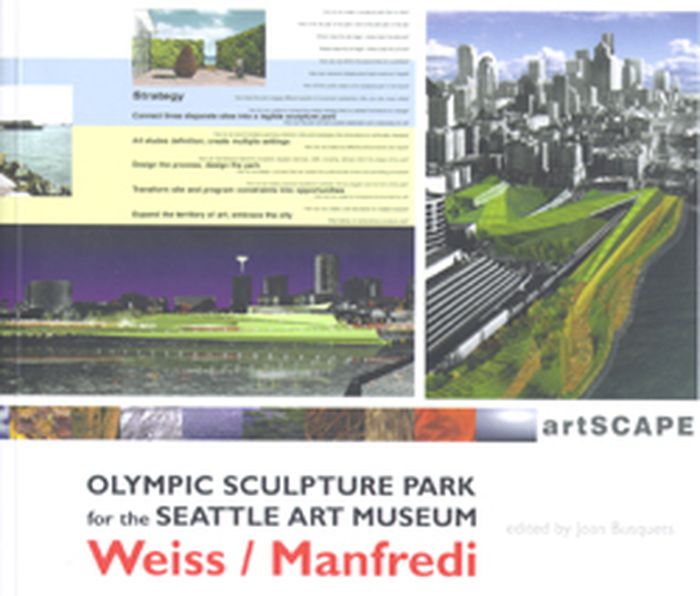
Olympic sculpture park for the Seattle Art Museum Weiss/Manfredi
Actions:
Price:
$20.95
(available to order)
Summary:
Envisioned as a new urban model for sculpture parks, the Seattle Art Museum’s Olympic Sculpture Park is located on the city’s last undeveloped waterfront property—a nine-acre industrial site sliced by train tracks and an arterial road. New York–based architecture, landscape, and urban design firm Weiss/Manfredi has created a continuous constructed landscape for art that rises over the existing infrastructure to reconnect Seattle’s urban core to the revitalized waterfront. The park not only brings art outside the museum walls but also brings the park itself into the landscape of the city. This study offers an opportunity to take a fresh look at the city and explore some hypotheses about the wider meaning of an urban design project.
Olympic sculpture park for the Seattle Art Museum Weiss/Manfredi
Actions:
Price:
$20.95
(available to order)
Summary:
Envisioned as a new urban model for sculpture parks, the Seattle Art Museum’s Olympic Sculpture Park is located on the city’s last undeveloped waterfront property—a nine-acre industrial site sliced by train tracks and an arterial road. New York–based architecture, landscape, and urban design firm Weiss/Manfredi has created a continuous constructed landscape for art that rises over the existing infrastructure to reconnect Seattle’s urban core to the revitalized waterfront. The park not only brings art outside the museum walls but also brings the park itself into the landscape of the city. This study offers an opportunity to take a fresh look at the city and explore some hypotheses about the wider meaning of an urban design project.
Form:
books
books
Publication:
March 2008, Boston
March 2008, Boston
Subject:
Landscape Architecture, Monographs
Landscape Architecture, Monographs
Form:
books
books
![Bracket [ goes soft ]: almanac 2](/img-bookstore/aYP17Ygb0Man_hPDxsVOHkbgdug=/700x912/LV8866.jpg)
Actions:
Price:
$43.95
(available to order)
Summary:
Bracket 2 examines physical and virtual soft systems, as they pertain to infrastructure, ecologies, landscapes, environments, and networks. In an era of declared crises—economic, ecological and climatic, amongst others—the notion of soft systems has gained increasing traction as a counterpoint to permanent, static and hard systems. Acknowledging fluid and indeterminate(...)
$43.95
(available to order)
Summary:
Bracket 2 examines physical and virtual soft systems, as they pertain to infrastructure, ecologies, landscapes, environments, and networks. In an era of declared crises—economic, ecological and climatic, amongst others—the notion of soft systems has gained increasing traction as a counterpoint to permanent, static and hard systems. Acknowledging fluid and indeterminate(...)
Title:
Bracket [ goes soft ]: almanac 2
Actions:
Price:
$43.95
(available to order)
Summary:
Bracket 2 examines physical and virtual soft systems, as they pertain to infrastructure, ecologies, landscapes, environments, and networks. In an era of declared crises—economic, ecological and climatic, amongst others—the notion of soft systems has gained increasing traction as a counterpoint to permanent, static and hard systems. Acknowledging fluid and indeterminate situations with complex feedback loops that allow for reaction and adaption, the possibility of soft systems has re-entered the domain of design. Bracket 2 critically positions and defines soft systems through 27 projects and 12 articles. From soft politics, soft power and soft spaces to fluid territories, software and soft programming, Bracket 2 unpacks the use and role of responsive, indeterminate, flexible, and immaterial systems in design.
Bracket [ goes soft ]: almanac 2
Actions:
Price:
$43.95
(available to order)
Summary:
Bracket 2 examines physical and virtual soft systems, as they pertain to infrastructure, ecologies, landscapes, environments, and networks. In an era of declared crises—economic, ecological and climatic, amongst others—the notion of soft systems has gained increasing traction as a counterpoint to permanent, static and hard systems. Acknowledging fluid and indeterminate situations with complex feedback loops that allow for reaction and adaption, the possibility of soft systems has re-entered the domain of design. Bracket 2 critically positions and defines soft systems through 27 projects and 12 articles. From soft politics, soft power and soft spaces to fluid territories, software and soft programming, Bracket 2 unpacks the use and role of responsive, indeterminate, flexible, and immaterial systems in design.
Form:
books
books
Publication:
May 2012
May 2012
Subject:
Contemporary Architecture
Contemporary Architecture
Form:
books
books
Actions:
Price:
$65.00
(available to order)
Summary:
Since its establishment in 1996, Vienna-based driendl*architects has searched for prototypical solutions in the fields of infrastructure and furniture, building, and urban design. The understanding that we are always situated within the built environment is a thread running through each of the firm’s individual projects, as well as between the chapters of this new book,(...)
$65.00
(available to order)
Summary:
Since its establishment in 1996, Vienna-based driendl*architects has searched for prototypical solutions in the fields of infrastructure and furniture, building, and urban design. The understanding that we are always situated within the built environment is a thread running through each of the firm’s individual projects, as well as between the chapters of this new book,(...)
Title:
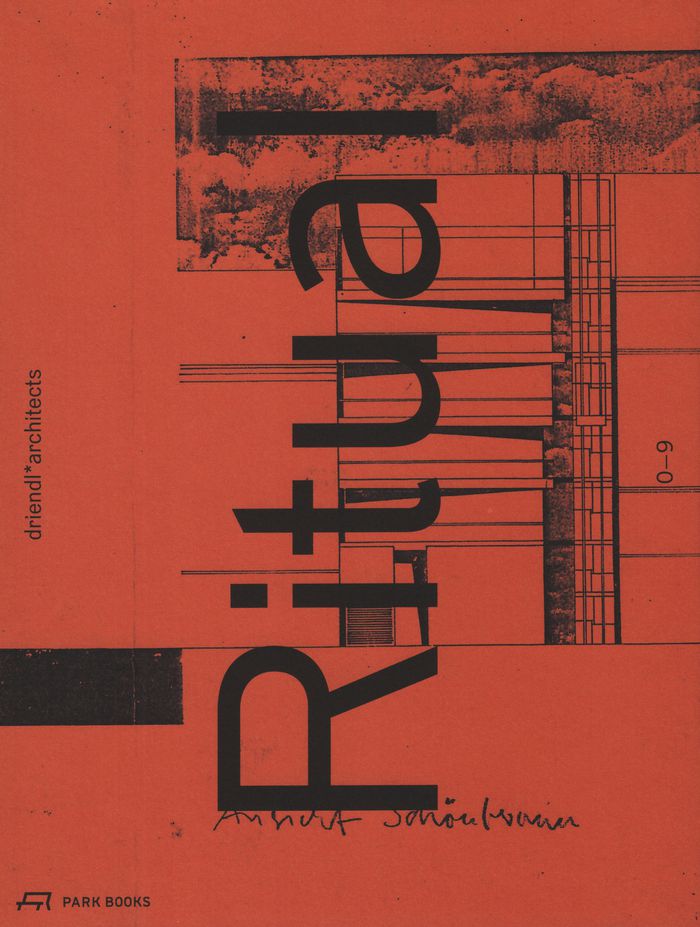
Ritual / original: driendl architects
Actions:
Price:
$65.00
(available to order)
Summary:
Since its establishment in 1996, Vienna-based driendl*architects has searched for prototypical solutions in the fields of infrastructure and furniture, building, and urban design. The understanding that we are always situated within the built environment is a thread running through each of the firm’s individual projects, as well as between the chapters of this new book, the first on driendl*architects’s vision and work. "Ritual / Original" looks at two decades of work by driendl*architects. During this time, our environment has changed rapidly and significantly, and this is reflected in the evolution of the ideas and concepts that underlie the firm’s buildings and projects. Offering unparalleled insight into the inner workings of driendl*architects, the book explores selected designs and the firm’s approach more broadly.
Ritual / original: driendl architects
Actions:
Price:
$65.00
(available to order)
Summary:
Since its establishment in 1996, Vienna-based driendl*architects has searched for prototypical solutions in the fields of infrastructure and furniture, building, and urban design. The understanding that we are always situated within the built environment is a thread running through each of the firm’s individual projects, as well as between the chapters of this new book, the first on driendl*architects’s vision and work. "Ritual / Original" looks at two decades of work by driendl*architects. During this time, our environment has changed rapidly and significantly, and this is reflected in the evolution of the ideas and concepts that underlie the firm’s buildings and projects. Offering unparalleled insight into the inner workings of driendl*architects, the book explores selected designs and the firm’s approach more broadly.
Form:
books
books
Publication:
March 2019
March 2019
Subject:
Architecture Monographs
Architecture Monographs
Form:
books
books
Title:
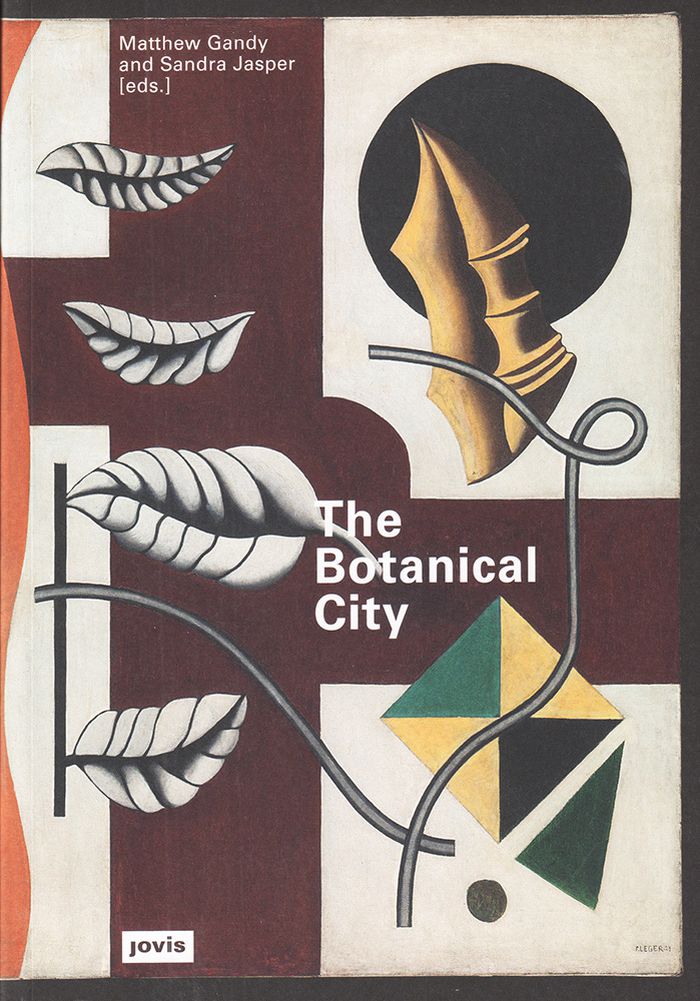
The botanical city
The botanical city
Actions:
Price:
$55.00
(available to order)
Summary:
Plant life is a subject frequently ignored in the context of urban theory, and the essays in 'The Botanical City' offer a fresh perspective into new ecological forms that continue to emerge in cities across the world. Much like the unique adaptive strategies of city-native animals, urban plants often become distinctively intertwined with their cities’ human(...)
$55.00
(available to order)
Summary:
Plant life is a subject frequently ignored in the context of urban theory, and the essays in 'The Botanical City' offer a fresh perspective into new ecological forms that continue to emerge in cities across the world. Much like the unique adaptive strategies of city-native animals, urban plants often become distinctively intertwined with their cities’ human(...)
Title:
The botanical city
Actions:
Price:
$55.00
(available to order)
Summary:
Plant life is a subject frequently ignored in the context of urban theory, and the essays in 'The Botanical City' offer a fresh perspective into new ecological forms that continue to emerge in cities across the world. Much like the unique adaptive strategies of city-native animals, urban plants often become distinctively intertwined with their cities’ human infrastructure, and this book explores both the scientific approaches to understanding these new ecologies and attempts on the part of writers and artists to engage with urban flora. Edited by the British cultural geographers Matthew Gandy and Sandra Jasper, the book comprises ecological reflections on city design, history, art and mapmaking, alongside philosophical excursions on the meaning of urban ecology in the Anthropocene.
The botanical city
Actions:
Price:
$55.00
(available to order)
Summary:
Plant life is a subject frequently ignored in the context of urban theory, and the essays in 'The Botanical City' offer a fresh perspective into new ecological forms that continue to emerge in cities across the world. Much like the unique adaptive strategies of city-native animals, urban plants often become distinctively intertwined with their cities’ human infrastructure, and this book explores both the scientific approaches to understanding these new ecologies and attempts on the part of writers and artists to engage with urban flora. Edited by the British cultural geographers Matthew Gandy and Sandra Jasper, the book comprises ecological reflections on city design, history, art and mapmaking, alongside philosophical excursions on the meaning of urban ecology in the Anthropocene.
Form:
books
books
Publication:
October 2020
October 2020
Subject:
Urban Landscapes
Urban Landscapes
Form:
books
books
Actions:
Price:
$45.00
(available to order)
Summary:
A pioneer of "Water Urbanism" and the "Sponge City" model, Kongjian Yu is not only one of the most important living landscape architects, but also a keen observer of the present. His project proposals and his reflections on urban planning in China are a practical-conceptual reference with which to attempt to unravel the emerging questions of a planet threatened by(...)
$45.00
(available to order)
Summary:
A pioneer of "Water Urbanism" and the "Sponge City" model, Kongjian Yu is not only one of the most important living landscape architects, but also a keen observer of the present. His project proposals and his reflections on urban planning in China are a practical-conceptual reference with which to attempt to unravel the emerging questions of a planet threatened by(...)
Title:
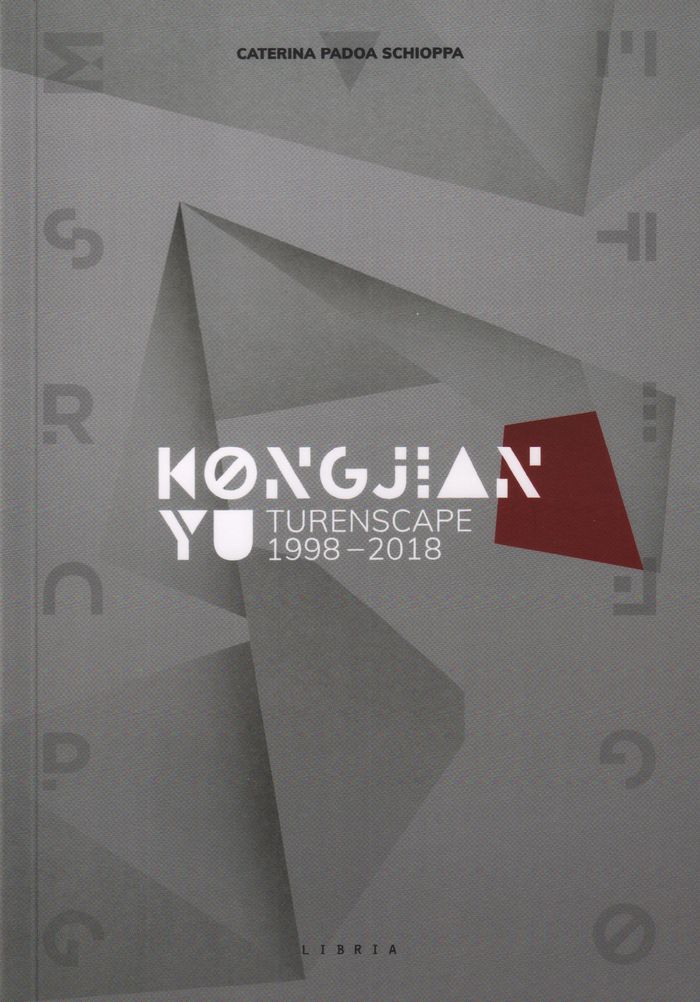
Kongjian Yu: Turenscape 1998-2018
Actions:
Price:
$45.00
(available to order)
Summary:
A pioneer of "Water Urbanism" and the "Sponge City" model, Kongjian Yu is not only one of the most important living landscape architects, but also a keen observer of the present. His project proposals and his reflections on urban planning in China are a practical-conceptual reference with which to attempt to unravel the emerging questions of a planet threatened by environmental catastrophes, hydrogeological risks and a water crisis. Taking the foundational geometries of rural landscapes as a model, Kongjian Yu proposes very low technology water infrastructure works which, by activating an adaptive behavior, recompose intermediate landscapes between city and nature, concrete representations of the partnership between man and the element that, more than any other, generates and protects life and water.
Kongjian Yu: Turenscape 1998-2018
Actions:
Price:
$45.00
(available to order)
Summary:
A pioneer of "Water Urbanism" and the "Sponge City" model, Kongjian Yu is not only one of the most important living landscape architects, but also a keen observer of the present. His project proposals and his reflections on urban planning in China are a practical-conceptual reference with which to attempt to unravel the emerging questions of a planet threatened by environmental catastrophes, hydrogeological risks and a water crisis. Taking the foundational geometries of rural landscapes as a model, Kongjian Yu proposes very low technology water infrastructure works which, by activating an adaptive behavior, recompose intermediate landscapes between city and nature, concrete representations of the partnership between man and the element that, more than any other, generates and protects life and water.
Form:
books
books
Publication:
September 2019
September 2019
Subject:
Architecture Monographs
Architecture Monographs
Form:
books
books
Actions:
Price:
$72.00
(available in store)
Summary:
Dementia presents immense challenges – both for individuals as well as for society as a whole. More than 35 million people all over the world currently live with dementia, a number that is expected to double by 2050. This also has implications for architecture and urban planning because dementia often affects people’s sense of orientation and their ability to perceive(...)
$72.00
(available in store)
Summary:
Dementia presents immense challenges – both for individuals as well as for society as a whole. More than 35 million people all over the world currently live with dementia, a number that is expected to double by 2050. This also has implications for architecture and urban planning because dementia often affects people’s sense of orientation and their ability to perceive(...)
Subject:
Commercial interiors, Building types
Commercial interiors, Building types
Publication:
July 2014
July 2014
Title:
Lost in space: Architecture and dementia
Actions:
Price:
$72.00
(available in store)
Summary:
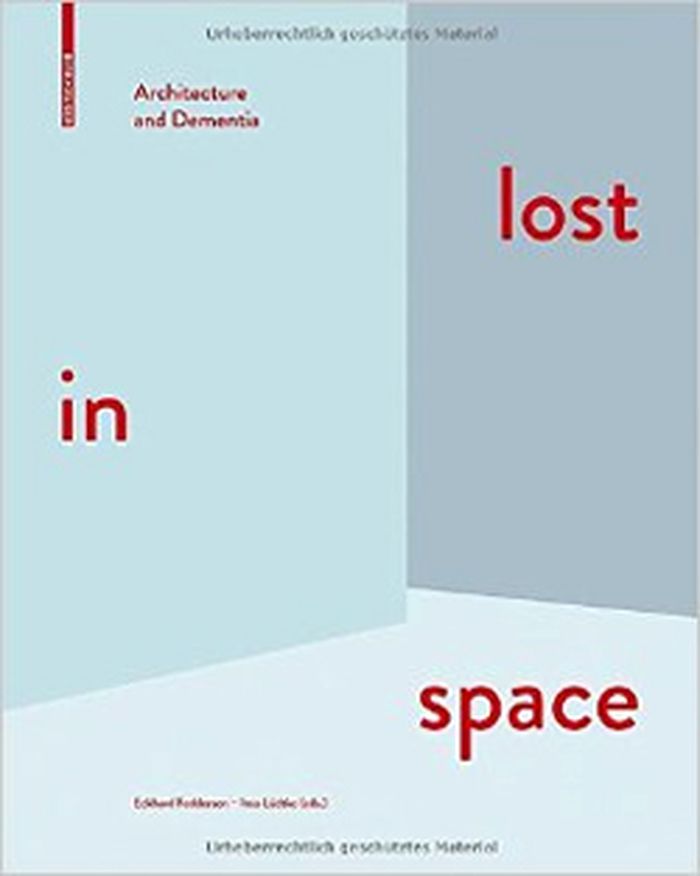
Dementia presents immense challenges – both for individuals as well as for society as a whole. More than 35 million people all over the world currently live with dementia, a number that is expected to double by 2050. This also has implications for architecture and urban planning because dementia often affects people’s sense of orientation and their ability to perceive space. How can homes, apartments, public buildings, outdoor spaces, neighbourhoods and cities, as well as environments and infrastructure, be designed to meet the needs of people with dementia as well as those of their caregivers? And can a consideration of the problems of dementia lead to a better understanding of space that can improve architecture and the built environment for us all?
Lost in space: Architecture and dementia
Actions:
Price:
$72.00
(available in store)
Summary:
Dementia presents immense challenges – both for individuals as well as for society as a whole. More than 35 million people all over the world currently live with dementia, a number that is expected to double by 2050. This also has implications for architecture and urban planning because dementia often affects people’s sense of orientation and their ability to perceive space. How can homes, apartments, public buildings, outdoor spaces, neighbourhoods and cities, as well as environments and infrastructure, be designed to meet the needs of people with dementia as well as those of their caregivers? And can a consideration of the problems of dementia lead to a better understanding of space that can improve architecture and the built environment for us all?
Form:
books
books
Publication:
July 2014
July 2014
Subject:
Commercial interiors, Building types
Commercial interiors, Building types
Form:
books
books
Actions:
Price:
$110.00
(available to order)
Summary:
Esch Sintzel Architekten, founded in Zurich in 2008, is one of the most influential voices in contemporary Swiss architecture. The range of the firm’s award-winning designs includes varied typologies such as infrastructure buildings, schools, and market halls. Yet, at the core of their work are housing projects in which challenging circumstances often lead to the(...)
$110.00
(available to order)
Summary:
Esch Sintzel Architekten, founded in Zurich in 2008, is one of the most influential voices in contemporary Swiss architecture. The range of the firm’s award-winning designs includes varied typologies such as infrastructure buildings, schools, and market halls. Yet, at the core of their work are housing projects in which challenging circumstances often lead to the(...)
Title:
Esch Sintzel Architekten: Buildings and projects
Actions:
Price:
$110.00
(available to order)
Summary:
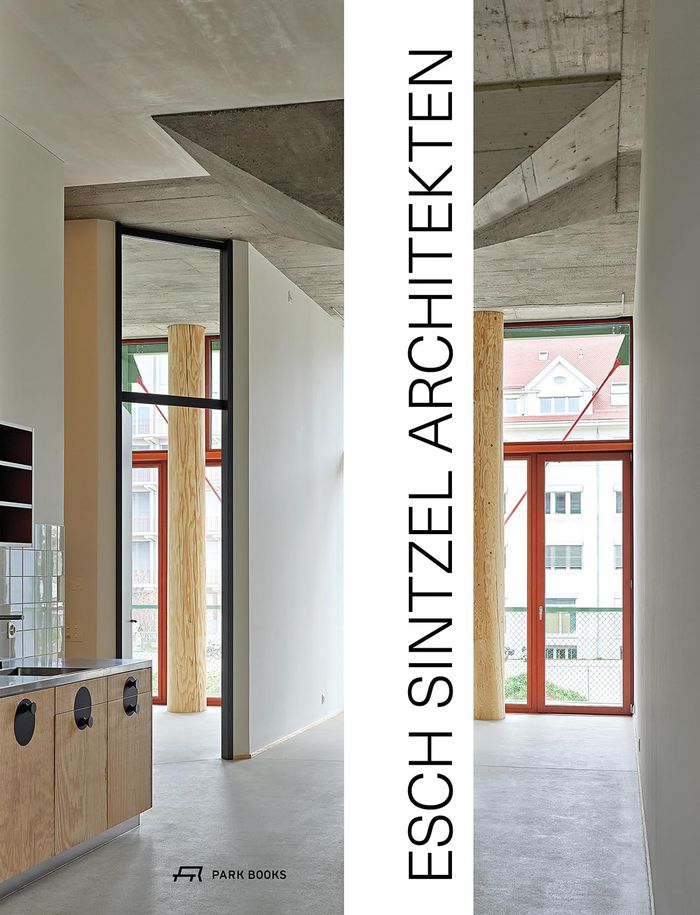
Esch Sintzel Architekten, founded in Zurich in 2008, is one of the most influential voices in contemporary Swiss architecture. The range of the firm’s award-winning designs includes varied typologies such as infrastructure buildings, schools, and market halls. Yet, at the core of their work are housing projects in which challenging circumstances often lead to the emergence of very specific solutions and qualities to the benefit of both the individual house or apartment and the city as a whole. Esch Sintzel Architekten’s work is characterized by the prudent use of available resources as well as great respect for the existing fabric and its careful further development. The mastery of structural means enables them to translate technical requirements into expressive, beautiful designs.
Esch Sintzel Architekten: Buildings and projects
Actions:
Price:
$110.00
(available to order)
Summary:
Esch Sintzel Architekten, founded in Zurich in 2008, is one of the most influential voices in contemporary Swiss architecture. The range of the firm’s award-winning designs includes varied typologies such as infrastructure buildings, schools, and market halls. Yet, at the core of their work are housing projects in which challenging circumstances often lead to the emergence of very specific solutions and qualities to the benefit of both the individual house or apartment and the city as a whole. Esch Sintzel Architekten’s work is characterized by the prudent use of available resources as well as great respect for the existing fabric and its careful further development. The mastery of structural means enables them to translate technical requirements into expressive, beautiful designs.
Form:
books
books
Publication:
June 2025
June 2025
Subject:
Architecture Monographs
Architecture Monographs
Form:
books
books
Title:
Vintage Alpine postcards
Vintage Alpine postcards
Actions:
Price:
$44.00
(available to order)
Summary:
Featuring almost a hundred years of dispatches from the Alps, ''Vintage Alpine Postcards'' celebrates Europe’s great mountain range. It takes us from men in bowler hats with stout ropes nonchalantly crawling over crevasses, through the gilded age of grand hotels and sleigh rides, to the modernist concrete infrastructure of mountaintop restaurants and cable-car(...)
$44.00
(available to order)
Summary:
Featuring almost a hundred years of dispatches from the Alps, ''Vintage Alpine Postcards'' celebrates Europe’s great mountain range. It takes us from men in bowler hats with stout ropes nonchalantly crawling over crevasses, through the gilded age of grand hotels and sleigh rides, to the modernist concrete infrastructure of mountaintop restaurants and cable-car(...)
Title:
Vintage Alpine postcards
Actions:
Price:
$44.00
(available to order)
Summary:
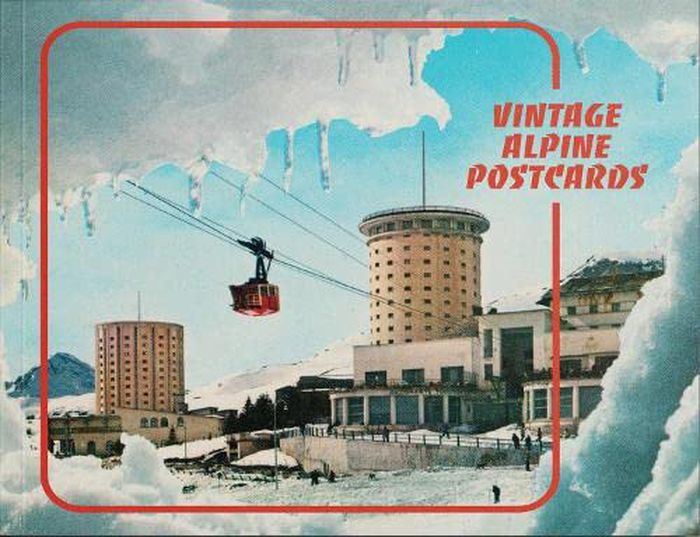
Featuring almost a hundred years of dispatches from the Alps, ''Vintage Alpine Postcards'' celebrates Europe’s great mountain range. It takes us from men in bowler hats with stout ropes nonchalantly crawling over crevasses, through the gilded age of grand hotels and sleigh rides, to the modernist concrete infrastructure of mountaintop restaurants and cable-car stations. These postcards frame the changing way we’ve experienced landscape and leisure over more than a hundred years – from the intrepid to the banal, sublime to ridiculous and brutalist to kitsch. And postcards travel through time as well as space, and they arrive with messages from our former selves. Underlying the Alpenkitsch is a serious exposé of our relationship to nature and how we have carelessly misused the beauties of the natural world.
Vintage Alpine postcards
Actions:
Price:
$44.00
(available to order)
Summary:
Featuring almost a hundred years of dispatches from the Alps, ''Vintage Alpine Postcards'' celebrates Europe’s great mountain range. It takes us from men in bowler hats with stout ropes nonchalantly crawling over crevasses, through the gilded age of grand hotels and sleigh rides, to the modernist concrete infrastructure of mountaintop restaurants and cable-car stations. These postcards frame the changing way we’ve experienced landscape and leisure over more than a hundred years – from the intrepid to the banal, sublime to ridiculous and brutalist to kitsch. And postcards travel through time as well as space, and they arrive with messages from our former selves. Underlying the Alpenkitsch is a serious exposé of our relationship to nature and how we have carelessly misused the beauties of the natural world.
Form:
books
books
Publication:
July 2025
July 2025
Subject:
Current Exhibitions
Current Exhibitions
Form:
books
books
Title:
The ocean as ground
The ocean as ground
Actions:
Price:
$62.95
(available to order)
Summary:
A persistent narrative portrays the ocean as an uninhabited space. However, centuries of commercial trade and an expanding network of infrastructures above and below the water’s surface have long challenged this view, prompting researchers to conceptualise the sea as an urbanised environment. While the sea is a global arena where architecture, ecology, infrastructure, and(...)
$62.95
(available to order)
Summary:
A persistent narrative portrays the ocean as an uninhabited space. However, centuries of commercial trade and an expanding network of infrastructures above and below the water’s surface have long challenged this view, prompting researchers to conceptualise the sea as an urbanised environment. While the sea is a global arena where architecture, ecology, infrastructure, and(...)
Title:
The ocean as ground
Actions:
Price:
$62.95
(available to order)
Summary:
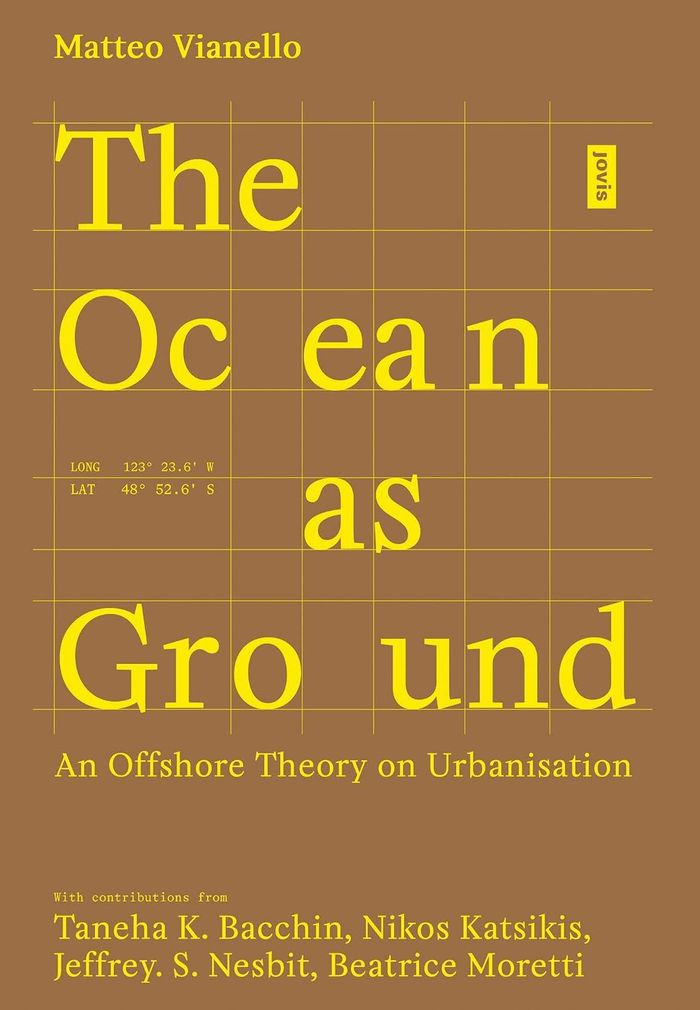
A persistent narrative portrays the ocean as an uninhabited space. However, centuries of commercial trade and an expanding network of infrastructures above and below the water’s surface have long challenged this view, prompting researchers to conceptualise the sea as an urbanised environment. While the sea is a global arena where architecture, ecology, infrastructure, and politics intersect, its spatial dynamics remain largely uncharted. In a time of planetary urbanisation, ''The Ocean as Ground: An Offshore Theory on Urbanisation'' explores oceans as urban spaces by unveiling forgotten histories, projects, and narratives. How might we understand land urbanisation starting from the oceans? Through the conceptual lens of “ground”, the book invites readers to rethink how we perceive, design, and inhabit the spaces of both land and sea.
The ocean as ground
Actions:
Price:
$62.95
(available to order)
Summary:
A persistent narrative portrays the ocean as an uninhabited space. However, centuries of commercial trade and an expanding network of infrastructures above and below the water’s surface have long challenged this view, prompting researchers to conceptualise the sea as an urbanised environment. While the sea is a global arena where architecture, ecology, infrastructure, and politics intersect, its spatial dynamics remain largely uncharted. In a time of planetary urbanisation, ''The Ocean as Ground: An Offshore Theory on Urbanisation'' explores oceans as urban spaces by unveiling forgotten histories, projects, and narratives. How might we understand land urbanisation starting from the oceans? Through the conceptual lens of “ground”, the book invites readers to rethink how we perceive, design, and inhabit the spaces of both land and sea.
Form:
books
books
Publication:
April 2026
April 2026
Subject:
Landscape Theory
Landscape Theory


