


167 Results
Form:
books
books

Title:
The new urban house
The new urban house
Actions:
Price:
$49.00
(available to order)
Summary:
Architects face many challenges when designing a modern urban house. Environmental performance, aesthetics, technical logistics, material concerns, site constraints—these are all considerations that have the potential to limit what architects can achieve, but that also can inspire creative solutions. In addition, each city’s history, obstacles, and opportunities influence(...)
$49.00
(available to order)
Summary:
Architects face many challenges when designing a modern urban house. Environmental performance, aesthetics, technical logistics, material concerns, site constraints—these are all considerations that have the potential to limit what architects can achieve, but that also can inspire creative solutions. In addition, each city’s history, obstacles, and opportunities influence(...)
Title:
The new urban house
Actions:
Price:
$49.00
(available to order)
Summary:
Architects face many challenges when designing a modern urban house. Environmental performance, aesthetics, technical logistics, material concerns, site constraints—these are all considerations that have the potential to limit what architects can achieve, but that also can inspire creative solutions. In addition, each city’s history, obstacles, and opportunities influence local design approaches. Jonathan Bell and Ellie Stathaki have selected urban structures from around the world to serve as both exemplary solutions and standout works of art—in Beijing and Mexico City, Athens and Tokyo, Los Angeles and Cape Town. By examining buildings on six continents, from both emerging architects and established studios such as Zaha Hadid Architects, MVRDV, and Johnston Marklee, this stunning volume explores the many ways in which architecture can enhance the experience of dwelling in a modern city by responding to traditional styles and challenges of site and providing a broader understanding of place.
The new urban house
Actions:
Price:
$49.00
(available to order)
Summary:
Architects face many challenges when designing a modern urban house. Environmental performance, aesthetics, technical logistics, material concerns, site constraints—these are all considerations that have the potential to limit what architects can achieve, but that also can inspire creative solutions. In addition, each city’s history, obstacles, and opportunities influence local design approaches. Jonathan Bell and Ellie Stathaki have selected urban structures from around the world to serve as both exemplary solutions and standout works of art—in Beijing and Mexico City, Athens and Tokyo, Los Angeles and Cape Town. By examining buildings on six continents, from both emerging architects and established studios such as Zaha Hadid Architects, MVRDV, and Johnston Marklee, this stunning volume explores the many ways in which architecture can enhance the experience of dwelling in a modern city by responding to traditional styles and challenges of site and providing a broader understanding of place.
Form:
books
books
Publication:
November 2018
November 2018
Subject:
Residential Architecture
Residential Architecture
Form:
books
books
Actions:
Price:
$46.95
(available to order)
Summary:
This guide is a celebration of the works of professional architects in three South African metropolitan centres, namely Cape Town, Durban and the Johannesburg/Pretoria Axis. The content ranges from the early years of European settlement, where architects were trained by the military schools of engineering, through the period of apprenticeship either to a recognised(...)
$46.95
(available to order)
Summary:
This guide is a celebration of the works of professional architects in three South African metropolitan centres, namely Cape Town, Durban and the Johannesburg/Pretoria Axis. The content ranges from the early years of European settlement, where architects were trained by the military schools of engineering, through the period of apprenticeship either to a recognised(...)
Title:
South Africa architectural guide
Actions:
Price:
$46.95
(available to order)
Summary:
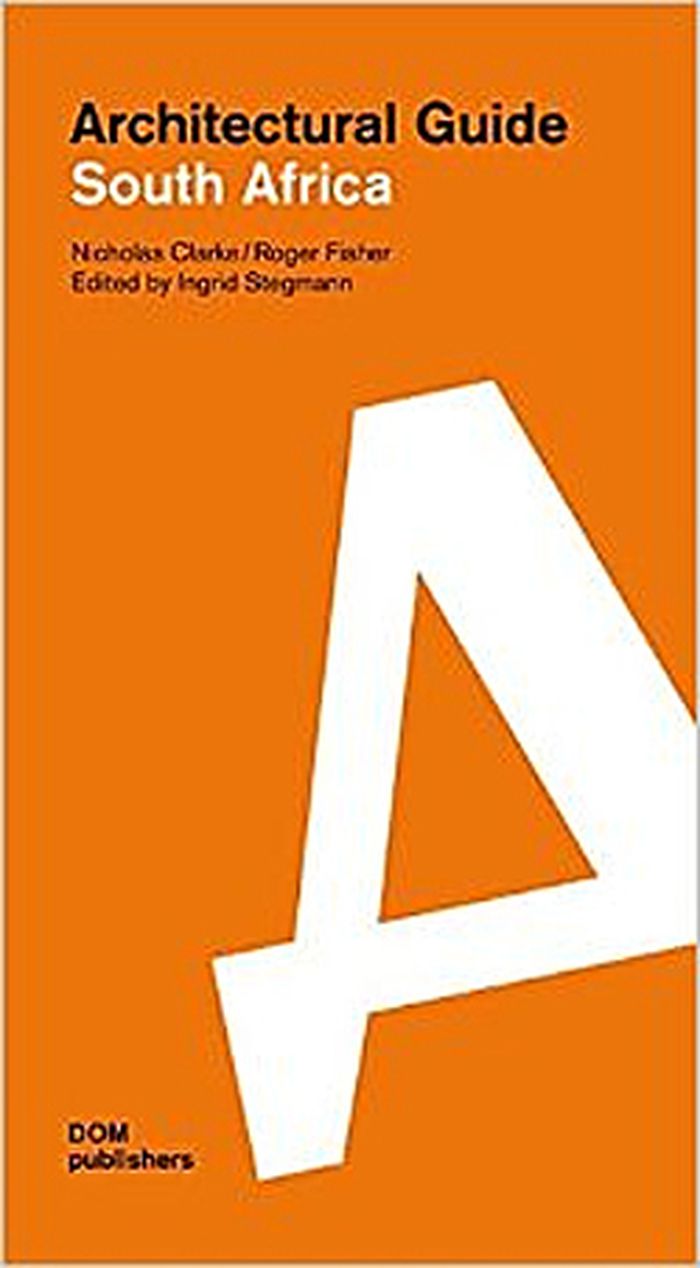
This guide is a celebration of the works of professional architects in three South African metropolitan centres, namely Cape Town, Durban and the Johannesburg/Pretoria Axis. The content ranges from the early years of European settlement, where architects were trained by the military schools of engineering, through the period of apprenticeship either to a recognised practicing architect or in public works, to the twentieth century and beyond, where architects were regulated as professionals by legislation, as was their education. The projects selected are all secular, being either in the public domain or eye, and therefore readily accessible. This guide is structured along main themes, each historically located. Each episode or project type featured is highlighted by a representative from each metropolitan centre, each being discussed in broader detail alongside similar contemporaneous local examples. In total the guide features over a hundred-and-fifty projects with all salient information as to their dates of construction, designers and locality (by way of QR codes).
South Africa architectural guide
Actions:
Price:
$46.95
(available to order)
Summary:
This guide is a celebration of the works of professional architects in three South African metropolitan centres, namely Cape Town, Durban and the Johannesburg/Pretoria Axis. The content ranges from the early years of European settlement, where architects were trained by the military schools of engineering, through the period of apprenticeship either to a recognised practicing architect or in public works, to the twentieth century and beyond, where architects were regulated as professionals by legislation, as was their education. The projects selected are all secular, being either in the public domain or eye, and therefore readily accessible. This guide is structured along main themes, each historically located. Each episode or project type featured is highlighted by a representative from each metropolitan centre, each being discussed in broader detail alongside similar contemporaneous local examples. In total the guide features over a hundred-and-fifty projects with all salient information as to their dates of construction, designers and locality (by way of QR codes).
Form:
books
books
Publication:
July 2014
July 2014
Subject:
City Guides
City Guides
Form:
books
books
Actions:
Price:
$24.95
(available to order)
Summary:
As the world becomes more interconnected through travel and electronic communication, many believe that physical places will become less important. But as Mario Polèse argues in The Wealth and Poverty of Regions, geography will matter more than ever before in a world where distance is allegedly dead. This provocative book surveys the globe, from London and Cape(...)
$24.95
(available to order)
Summary:
As the world becomes more interconnected through travel and electronic communication, many believe that physical places will become less important. But as Mario Polèse argues in The Wealth and Poverty of Regions, geography will matter more than ever before in a world where distance is allegedly dead. This provocative book surveys the globe, from London and Cape(...)
Title:
The wealth & poverty of regions: why cities matter
Actions:
Price:
$24.95
(available to order)
Summary:
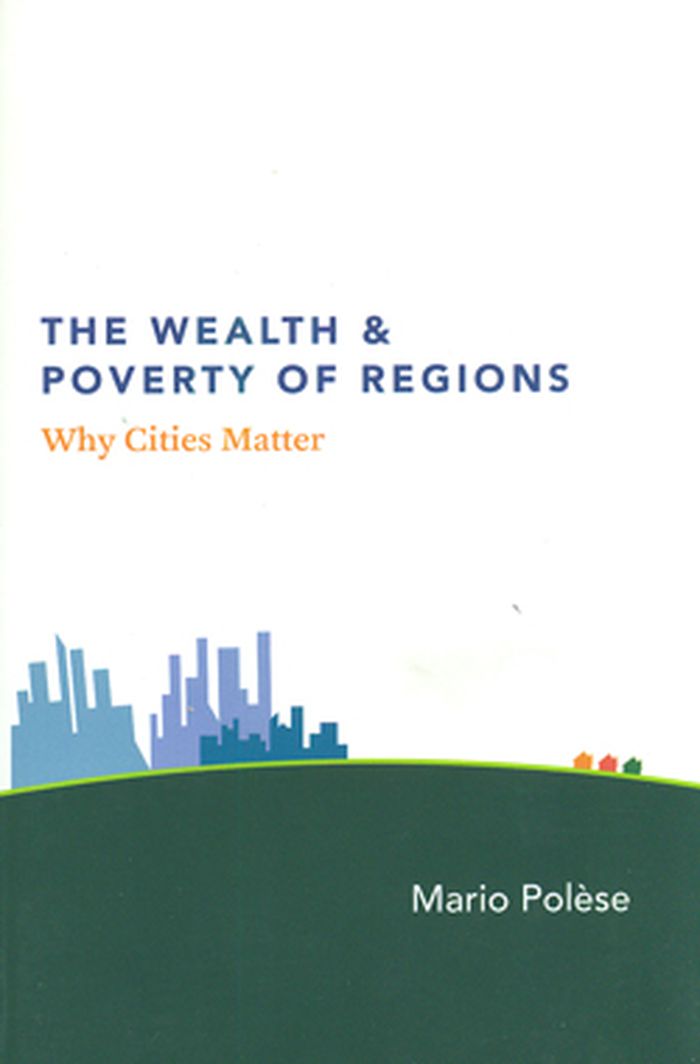
As the world becomes more interconnected through travel and electronic communication, many believe that physical places will become less important. But as Mario Polèse argues in The Wealth and Poverty of Regions, geography will matter more than ever before in a world where distance is allegedly dead. This provocative book surveys the globe, from London and Cape Town to New York and Beijing, contending that regions rise—or fall—due to their location, not only within nations but also on the world map. Polèse reveals how concentrations of industries and populations in specific locales often result in minor advantages that accumulate over time, resulting in reduced prices, improved transportation networks, increased diversity, and not least of all, “buzz”—the excitement and vitality that attracts ambitious people. The Wealth and Poverty of Regions maps out how a heady mix of size, infrastructure, proximity, and cost will determine which urban centers become the thriving metropolises of the future, and which become the deserted cities of the past. Engagingly written, the book provides insight to the past, present, and future of regions.
The wealth & poverty of regions: why cities matter
Actions:
Price:
$24.95
(available to order)
Summary:
As the world becomes more interconnected through travel and electronic communication, many believe that physical places will become less important. But as Mario Polèse argues in The Wealth and Poverty of Regions, geography will matter more than ever before in a world where distance is allegedly dead. This provocative book surveys the globe, from London and Cape Town to New York and Beijing, contending that regions rise—or fall—due to their location, not only within nations but also on the world map. Polèse reveals how concentrations of industries and populations in specific locales often result in minor advantages that accumulate over time, resulting in reduced prices, improved transportation networks, increased diversity, and not least of all, “buzz”—the excitement and vitality that attracts ambitious people. The Wealth and Poverty of Regions maps out how a heady mix of size, infrastructure, proximity, and cost will determine which urban centers become the thriving metropolises of the future, and which become the deserted cities of the past. Engagingly written, the book provides insight to the past, present, and future of regions.
Form:
books
books
Publication:
August 2011
August 2011
Subject:
Urban Theory
Urban Theory
Form:
books
books
Actions:
Price:
$44.00
(available to order)
Summary:
Cities are becoming increasingly fragmented materially, socially, and spatially. From broken toilets and everyday things, to art and forms of writing, fragments are signatures of urban worlds and provocations for change. In "Fragments of the city," Colin McFarlane examines such fragments, what they are and how they come to matter in the experience, politics, and(...)
$44.00
(available to order)
Summary:
Cities are becoming increasingly fragmented materially, socially, and spatially. From broken toilets and everyday things, to art and forms of writing, fragments are signatures of urban worlds and provocations for change. In "Fragments of the city," Colin McFarlane examines such fragments, what they are and how they come to matter in the experience, politics, and(...)
Title:
Fragments of the city: making and remaking urban worlds
Actions:
Price:
$44.00
(available to order)
Summary:
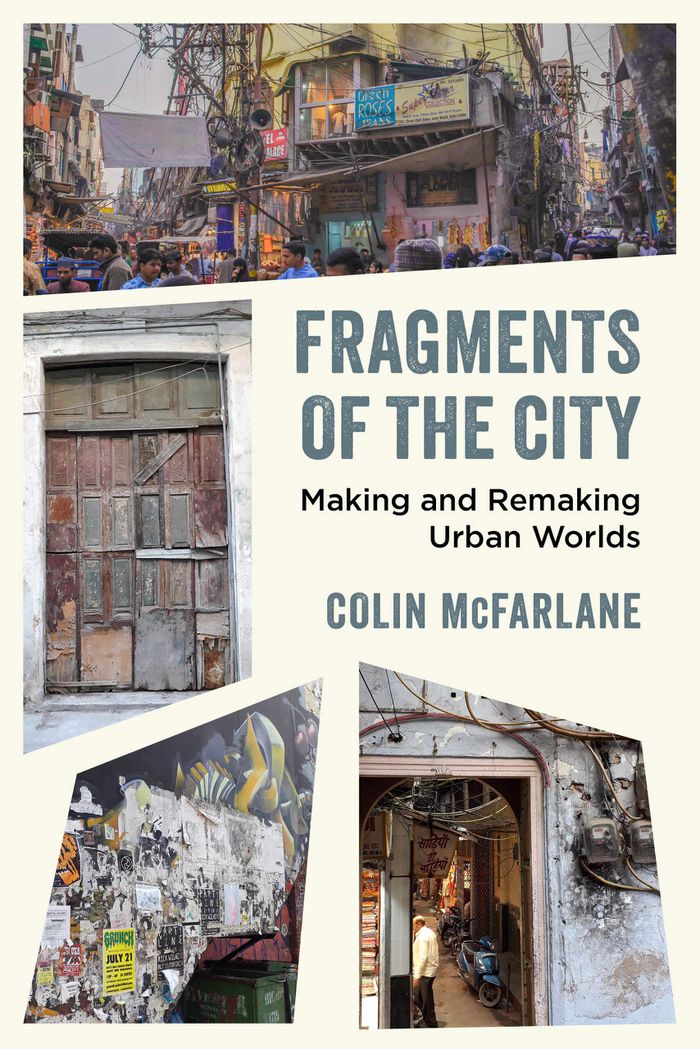
Cities are becoming increasingly fragmented materially, socially, and spatially. From broken toilets and everyday things, to art and forms of writing, fragments are signatures of urban worlds and provocations for change. In "Fragments of the city," Colin McFarlane examines such fragments, what they are and how they come to matter in the experience, politics, and expression of cities. How does the city appear when we look at it through its fragments? For those living on the economic margins, the city is often experienced as a set of fragments. Much of what low-income residents deal with on a daily basis is fragments of stuff, made and remade with and through urban density, social infrastructure, and political practice. In this book, McFarlane explores infrastructure in Mumbai, Kampala, and Cape Town; artistic montages in Los Angeles and Dakar; refugee struggles in Berlin; and the repurposing of fragments in Hong Kong and New York. Fragments surface as material things, as forms of knowledge, as writing strategies. They are used in efforts to politicize the city and in urban writing to capture life and change in the world's major cities. "Fragments of the city" surveys the role of fragments in how urban worlds are understood, revealed, written, and changed.
Fragments of the city: making and remaking urban worlds
Actions:
Price:
$44.00
(available to order)
Summary:
Cities are becoming increasingly fragmented materially, socially, and spatially. From broken toilets and everyday things, to art and forms of writing, fragments are signatures of urban worlds and provocations for change. In "Fragments of the city," Colin McFarlane examines such fragments, what they are and how they come to matter in the experience, politics, and expression of cities. How does the city appear when we look at it through its fragments? For those living on the economic margins, the city is often experienced as a set of fragments. Much of what low-income residents deal with on a daily basis is fragments of stuff, made and remade with and through urban density, social infrastructure, and political practice. In this book, McFarlane explores infrastructure in Mumbai, Kampala, and Cape Town; artistic montages in Los Angeles and Dakar; refugee struggles in Berlin; and the repurposing of fragments in Hong Kong and New York. Fragments surface as material things, as forms of knowledge, as writing strategies. They are used in efforts to politicize the city and in urban writing to capture life and change in the world's major cities. "Fragments of the city" surveys the role of fragments in how urban worlds are understood, revealed, written, and changed.
Form:
books
books
Publication:
October 2021
October 2021
Subject:
Urban Theory
Urban Theory
Form:
books
books
Actions:
Price:
$54.95
(available to order)
Summary:
An early version of the slide projector and an immediate predecessor of narrative cinema, the magic lantern provided the lens through which late-nineteenth century Europe and America viewed and imagined the world. Magic lantern slide shows were a popular, entertaining and educational way for people to learn about the world beyond their own horizons, and from Cairo to(...)
$54.95
(available to order)
Summary:
An early version of the slide projector and an immediate predecessor of narrative cinema, the magic lantern provided the lens through which late-nineteenth century Europe and America viewed and imagined the world. Magic lantern slide shows were a popular, entertaining and educational way for people to learn about the world beyond their own horizons, and from Cairo to(...)
Title:
Memories of a lost world : travels through the magic lantern
Actions:
Price:
$54.95
(available to order)
Summary:
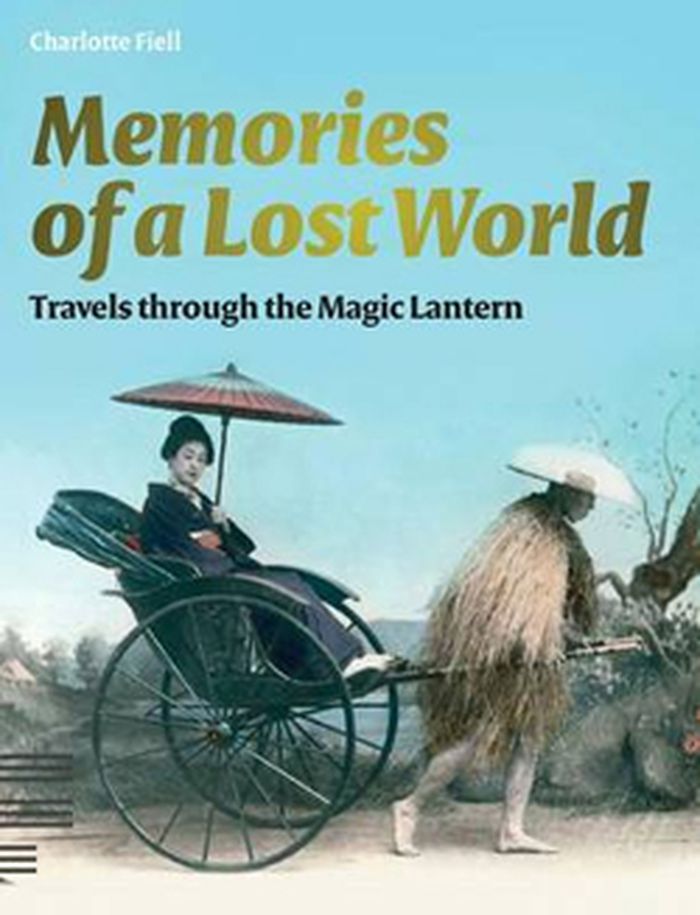
An early version of the slide projector and an immediate predecessor of narrative cinema, the magic lantern provided the lens through which late-nineteenth century Europe and America viewed and imagined the world. Magic lantern slide shows were a popular, entertaining and educational way for people to learn about the world beyond their own horizons, and from Cairo to Delhi to Adelaide and Cape Town, intrepid European and American photographers traveled to all corners of the world to document its peoples and customs. Now, for the first time, images of original magic lantern slides have been brought together in a single publication. Memories of a Lost World: Travels through the Magic Latern takes the reader back to a pre-globalised world in which regional customs and national cultures were as distinctive as they were diverse. From the bustling streets of Victorian London and the ruins of ancient Egypt to the temples of Japan and the tribesmen of New Guinea, Memories of a Lost World explores the world through a captivating collection of over 800 magic lantern slide images. This volume is not only an important source of primary historical information, but also conveys something of what the world was like before the advent of television and mass travel.
Memories of a lost world : travels through the magic lantern
Actions:
Price:
$54.95
(available to order)
Summary:
An early version of the slide projector and an immediate predecessor of narrative cinema, the magic lantern provided the lens through which late-nineteenth century Europe and America viewed and imagined the world. Magic lantern slide shows were a popular, entertaining and educational way for people to learn about the world beyond their own horizons, and from Cairo to Delhi to Adelaide and Cape Town, intrepid European and American photographers traveled to all corners of the world to document its peoples and customs. Now, for the first time, images of original magic lantern slides have been brought together in a single publication. Memories of a Lost World: Travels through the Magic Latern takes the reader back to a pre-globalised world in which regional customs and national cultures were as distinctive as they were diverse. From the bustling streets of Victorian London and the ruins of ancient Egypt to the temples of Japan and the tribesmen of New Guinea, Memories of a Lost World explores the world through a captivating collection of over 800 magic lantern slide images. This volume is not only an important source of primary historical information, but also conveys something of what the world was like before the advent of television and mass travel.
Form:
books
books
Publication:
November 2012
November 2012
Subject:
Transportation, Tourism, Migration
Transportation, Tourism, Migration
Form:
books
books
Title:
Planet of slums
Planet of slums
Actions:
Price:
$25.00
(available to order)
Summary:
Urban theorist Davis takes a global approach to documenting the astonishing depth of squalid poverty that dominates the lives of the planet's increasingly urban population, detailing poor urban communities from Cape Town and Caracas to Casablanca and Khartoum. Davis argues health, justice and social issues associated with gargantuan slums (the largest, in Mexico City, has(...)
$25.00
(available to order)
Summary:
Urban theorist Davis takes a global approach to documenting the astonishing depth of squalid poverty that dominates the lives of the planet's increasingly urban population, detailing poor urban communities from Cape Town and Caracas to Casablanca and Khartoum. Davis argues health, justice and social issues associated with gargantuan slums (the largest, in Mexico City, has(...)
Title:
Planet of slums
Actions:
Price:
$25.00
(available to order)
Summary:
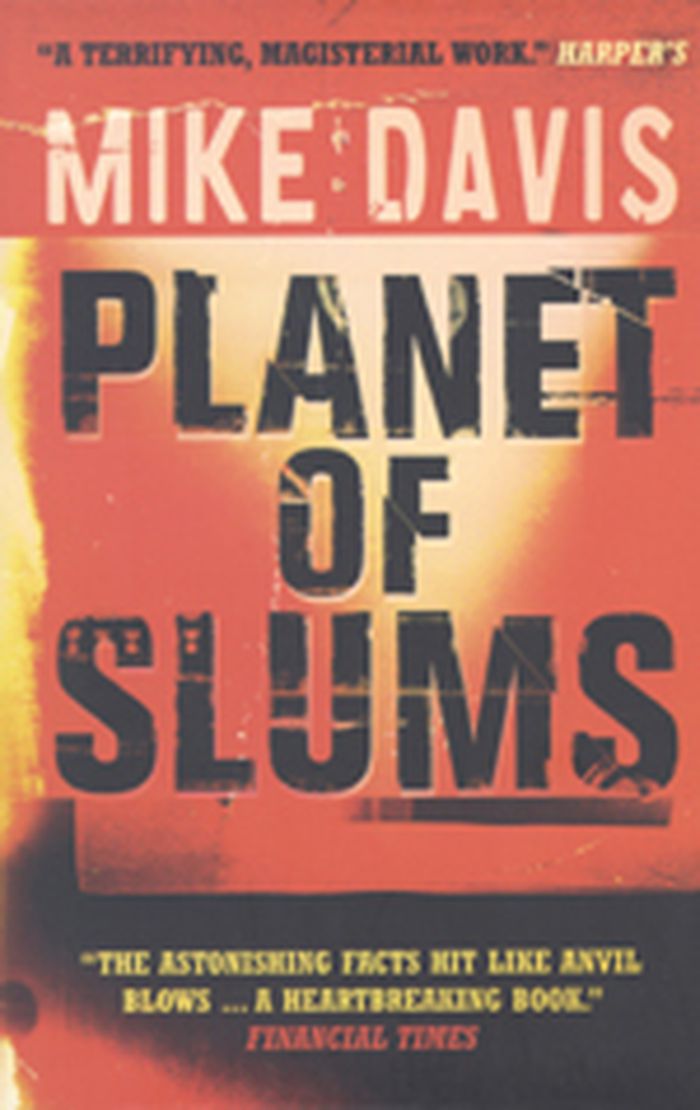
Urban theorist Davis takes a global approach to documenting the astonishing depth of squalid poverty that dominates the lives of the planet's increasingly urban population, detailing poor urban communities from Cape Town and Caracas to Casablanca and Khartoum. Davis argues health, justice and social issues associated with gargantuan slums (the largest, in Mexico City, has an estimated population of 4 million) get overlooked in world politics: "The demonizing rhetorics of the various international 'wars' on terrorism, drugs, and crime are so much semantic apartheid: they construct epistemological walls around gecekondus, favelas, and chawls that disable any honest debate about the daily violence of economic exclusion." Though Davis focuses on individual communities, he presents statistics showing the skyrocketing population and number of "megaslums" (informally, "stinking mountains of shit" or, formally, "when shanty-towns and squatter communities merge in continuous belts of informal housing and poverty, usually on the urban periphery") since the 1960s. Layered over the hard numbers are a fascinating grid of specific area studies and sub-topics ranging from how the Olympics has spurred the forceful relocation of thousands (and, sometimes, hundreds of thousands) of the urban poor, to the conversion of formerly second world countries to third world status. Davis paints a bleak picture of the upward trend in urbanization and maintains a stark outlook for slum-dwellers' futures
Planet of slums
Actions:
Price:
$25.00
(available to order)
Summary:
Urban theorist Davis takes a global approach to documenting the astonishing depth of squalid poverty that dominates the lives of the planet's increasingly urban population, detailing poor urban communities from Cape Town and Caracas to Casablanca and Khartoum. Davis argues health, justice and social issues associated with gargantuan slums (the largest, in Mexico City, has an estimated population of 4 million) get overlooked in world politics: "The demonizing rhetorics of the various international 'wars' on terrorism, drugs, and crime are so much semantic apartheid: they construct epistemological walls around gecekondus, favelas, and chawls that disable any honest debate about the daily violence of economic exclusion." Though Davis focuses on individual communities, he presents statistics showing the skyrocketing population and number of "megaslums" (informally, "stinking mountains of shit" or, formally, "when shanty-towns and squatter communities merge in continuous belts of informal housing and poverty, usually on the urban periphery") since the 1960s. Layered over the hard numbers are a fascinating grid of specific area studies and sub-topics ranging from how the Olympics has spurred the forceful relocation of thousands (and, sometimes, hundreds of thousands) of the urban poor, to the conversion of formerly second world countries to third world status. Davis paints a bleak picture of the upward trend in urbanization and maintains a stark outlook for slum-dwellers' futures
Form:
books
books
Publication:
August 2007, London New York
August 2007, London New York
Subject:
Urban Theory
Urban Theory
Form:
books
books
Actions:
Price:
$70.50
(available to order)
Summary:
What is the role of the museum in society today? In this time of fundamental economic and social change, should museums be safe civic spaces or open a floor for challenge and change? Can museums contribute to the economic development of communities? If so, how best to guard against the effects of gentrification so that they do not further limit opportunity for low-income(...)
$70.50
(available to order)
Summary:
What is the role of the museum in society today? In this time of fundamental economic and social change, should museums be safe civic spaces or open a floor for challenge and change? Can museums contribute to the economic development of communities? If so, how best to guard against the effects of gentrification so that they do not further limit opportunity for low-income(...)
Title:
New museums: intentions, expectations, challenges
Actions:
Price:
$70.50
(available to order)
Summary:
What is the role of the museum in society today? In this time of fundamental economic and social change, should museums be safe civic spaces or open a floor for challenge and change? Can museums contribute to the economic development of communities? If so, how best to guard against the effects of gentrification so that they do not further limit opportunity for low-income residents? How should museums respond to concerns about environmental sustainability? These are just a few of the questions museum professionals, planners, and architects must carefully consider when developing plans and choosing a location for a new museum. "New museums" explores these questions by talking to the people behind twenty different museums on six continents, both realized projects and speculative design proposals. Among the museums discussed in the book are the Smithsonian Institute’s National Museum of African American History and Culture in Washington, DC, by Adjaye Associates; the Guggenheim Helsinki by Moreau Kusunoki Architectes; the Comic and Animation Museum in Hangzhou by MVRDV; the Munch Museum in Oslo by Estudio Herreros, the Zeitz Museum of Contemporary Art Africa in Cape Town by Heatherwick Studio; the Long Museum West Bund in Shanghai by Atelier Deshaus; and the recent extension of the Art Gallery of New South Wales in Sydney by SANAA. With more than 250 color illustrations and contributions by leading museum and architecture experts, the book sheds light on current trends and the state-of-the-art technological advances in architecture, while also providing insight into the careful thought and decision processes that go into the development of new museums.
New museums: intentions, expectations, challenges
Actions:
Price:
$70.50
(available to order)
Summary:
What is the role of the museum in society today? In this time of fundamental economic and social change, should museums be safe civic spaces or open a floor for challenge and change? Can museums contribute to the economic development of communities? If so, how best to guard against the effects of gentrification so that they do not further limit opportunity for low-income residents? How should museums respond to concerns about environmental sustainability? These are just a few of the questions museum professionals, planners, and architects must carefully consider when developing plans and choosing a location for a new museum. "New museums" explores these questions by talking to the people behind twenty different museums on six continents, both realized projects and speculative design proposals. Among the museums discussed in the book are the Smithsonian Institute’s National Museum of African American History and Culture in Washington, DC, by Adjaye Associates; the Guggenheim Helsinki by Moreau Kusunoki Architectes; the Comic and Animation Museum in Hangzhou by MVRDV; the Munch Museum in Oslo by Estudio Herreros, the Zeitz Museum of Contemporary Art Africa in Cape Town by Heatherwick Studio; the Long Museum West Bund in Shanghai by Atelier Deshaus; and the recent extension of the Art Gallery of New South Wales in Sydney by SANAA. With more than 250 color illustrations and contributions by leading museum and architecture experts, the book sheds light on current trends and the state-of-the-art technological advances in architecture, while also providing insight into the careful thought and decision processes that go into the development of new museums.
Form:
books
books
Publication:
August 2017
August 2017
Subject:
Museology
Museology


