


178 Results
Form:
books
books

Actions:
Price:
$50.00
(available to order)
Summary:
Following the collapse of the Soviet Union in the early 1990s, Cuba found itself solely responsible for feeding a nation that had grown dependent on imports and trade subsidies. With fuel, fertilizers, and pesticides disappearing overnight, citizens began growing their own organic produce anywhere they could find space, on rooftops, balconies, vacant lots, and even school(...)
$50.00
(available to order)
Summary:
Following the collapse of the Soviet Union in the early 1990s, Cuba found itself solely responsible for feeding a nation that had grown dependent on imports and trade subsidies. With fuel, fertilizers, and pesticides disappearing overnight, citizens began growing their own organic produce anywhere they could find space, on rooftops, balconies, vacant lots, and even school(...)
Title:
Farming Cuba : urban agriculture from the ground up
Actions:
Price:
$50.00
(available to order)
Summary:
Following the collapse of the Soviet Union in the early 1990s, Cuba found itself solely responsible for feeding a nation that had grown dependent on imports and trade subsidies. With fuel, fertilizers, and pesticides disappearing overnight, citizens began growing their own organic produce anywhere they could find space, on rooftops, balconies, vacant lots, and even school playgrounds. By 1998 there were more than 8,000 urban farms in Havana producing nearly half of the country's vegetables. What began as a grassroots initiative had, in less than a decade, grown into the largest sustainable agriculture initiative ever undertaken, making Cuba the world leader in urban farming. Featuring a wealth of rarely seen material and intimate portraits of the environment, Farming Cuba details the innovative design strategies and explores the social, political, and environmental factors that helped shape this pioneering urban farming program.
Farming Cuba : urban agriculture from the ground up
Actions:
Price:
$50.00
(available to order)
Summary:
Following the collapse of the Soviet Union in the early 1990s, Cuba found itself solely responsible for feeding a nation that had grown dependent on imports and trade subsidies. With fuel, fertilizers, and pesticides disappearing overnight, citizens began growing their own organic produce anywhere they could find space, on rooftops, balconies, vacant lots, and even school playgrounds. By 1998 there were more than 8,000 urban farms in Havana producing nearly half of the country's vegetables. What began as a grassroots initiative had, in less than a decade, grown into the largest sustainable agriculture initiative ever undertaken, making Cuba the world leader in urban farming. Featuring a wealth of rarely seen material and intimate portraits of the environment, Farming Cuba details the innovative design strategies and explores the social, political, and environmental factors that helped shape this pioneering urban farming program.
Form:
books
books
Publication:
April 2014
April 2014
Subject:
Urban Landscapes
Urban Landscapes
Form:
books
books

Actions:
Price:
$50.00
(available to order)
Summary:
From his images of the Chateau of Versailles under restoration to the faded grandeur of Havana, to scenes of devastation from Chernobyl after the nuclear explosion and a New Orleans ravaged by Hurricane Katrina, Robert Polidori is drawn to detritus, shattered worlds and elegant ruin. Often considered an architectural photographer, Polidori captures more than buildings:(...)
$50.00
(available to order)
Summary:
From his images of the Chateau of Versailles under restoration to the faded grandeur of Havana, to scenes of devastation from Chernobyl after the nuclear explosion and a New Orleans ravaged by Hurricane Katrina, Robert Polidori is drawn to detritus, shattered worlds and elegant ruin. Often considered an architectural photographer, Polidori captures more than buildings:(...)
Title:
Robert Polidori: chronophagia
Actions:
Price:
$50.00
(available to order)
Summary:
From his images of the Chateau of Versailles under restoration to the faded grandeur of Havana, to scenes of devastation from Chernobyl after the nuclear explosion and a New Orleans ravaged by Hurricane Katrina, Robert Polidori is drawn to detritus, shattered worlds and elegant ruin. Often considered an architectural photographer, Polidori captures more than buildings: his highly detailed views of interiors evoke both the intimate and the mysterious, where in the humanity of these photos is felt in its very absence, in the traces left behind in vacant spaces once inhabited. Chronophagia is a sampling of Polidori's many famous projects. This volume contains the artist's own selection of more than 100 photographs, from the classics to several rarely seen images. The result is a beautifully edited compendium of Polidori's 28-year career and a visual exploration of the liminal space between past and present, of worlds on the brink of disappearance.
Robert Polidori: chronophagia
Actions:
Price:
$50.00
(available to order)
Summary:
From his images of the Chateau of Versailles under restoration to the faded grandeur of Havana, to scenes of devastation from Chernobyl after the nuclear explosion and a New Orleans ravaged by Hurricane Katrina, Robert Polidori is drawn to detritus, shattered worlds and elegant ruin. Often considered an architectural photographer, Polidori captures more than buildings: his highly detailed views of interiors evoke both the intimate and the mysterious, where in the humanity of these photos is felt in its very absence, in the traces left behind in vacant spaces once inhabited. Chronophagia is a sampling of Polidori's many famous projects. This volume contains the artist's own selection of more than 100 photographs, from the classics to several rarely seen images. The result is a beautifully edited compendium of Polidori's 28-year career and a visual exploration of the liminal space between past and present, of worlds on the brink of disappearance.
Form:
books
books
Publication:
November 2014
November 2014
Subject:
Photography monographs
Photography monographs
Form:
books
books
Price:
$41.95
(available to order)
Summary:
"If it isn't Electric, it isn't Modern." Such was the slogan of the Philadelphia Electric Company, developer of an unprecedented network of massive metropolitan power stations servicing greater Philadelphia at the turn of the twentieth century. These once-brilliant sentinels of civic utility and activity were designed to convey solidity and immensity in an age of deep(...)
$41.95
(available to order)
Summary:
"If it isn't Electric, it isn't Modern." Such was the slogan of the Philadelphia Electric Company, developer of an unprecedented network of massive metropolitan power stations servicing greater Philadelphia at the turn of the twentieth century. These once-brilliant sentinels of civic utility and activity were designed to convey solidity and immensity in an age of deep(...)
Subject:
Engineering Structures
Engineering Structures
Publication:
November 2016
November 2016
Title:
Palazzos of power : central station of the Phalidelphia Electric Company
Actions:
Price:
$41.95
(available to order)
Summary:
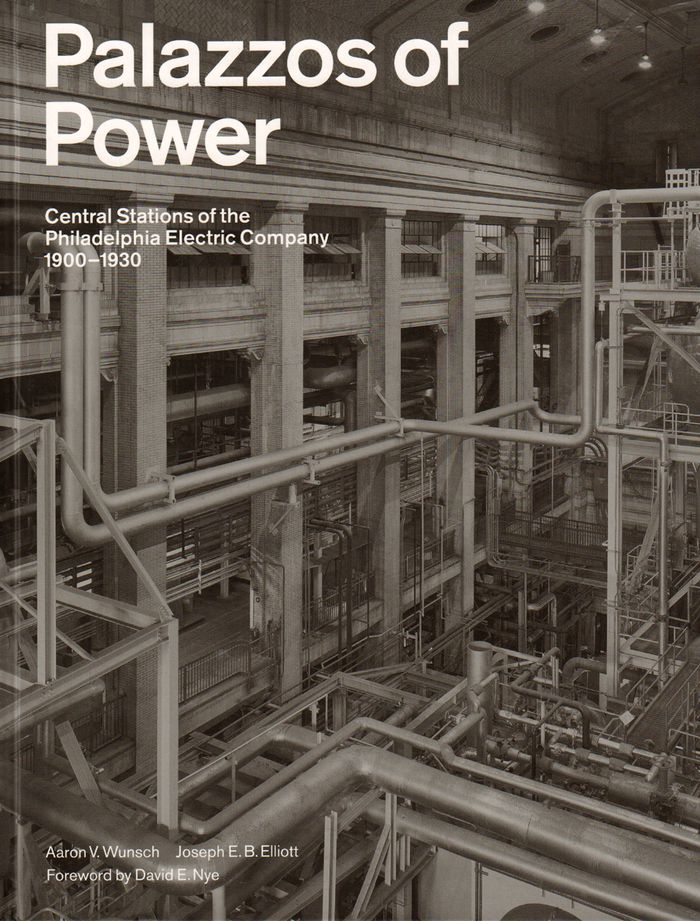
"If it isn't Electric, it isn't Modern." Such was the slogan of the Philadelphia Electric Company, developer of an unprecedented network of massive metropolitan power stations servicing greater Philadelphia at the turn of the twentieth century. These once-brilliant sentinels of civic utility and activity were designed to convey solidity and immensity in an age of deep public skepticism. They now stand vacant and decaying, a blight in the eyes of city planners and a beacon to urban explorers.'the first book on the buildings and machines that made possible the electrification of the United States, "Palazzos of power" offers a visual and analytical exploration of architecture, technology, place, loss, and reuse. With a foreword by David Nye, this collection of Joseph Elliott's large-format photographs reveal the urban landscape, monumental spaces, giant machinery, and intricate controls that made up the central station. Aaron Wunsch's essay provides historical context on the social and political climate.
Palazzos of power : central station of the Phalidelphia Electric Company
Actions:
Price:
$41.95
(available to order)
Summary:
"If it isn't Electric, it isn't Modern." Such was the slogan of the Philadelphia Electric Company, developer of an unprecedented network of massive metropolitan power stations servicing greater Philadelphia at the turn of the twentieth century. These once-brilliant sentinels of civic utility and activity were designed to convey solidity and immensity in an age of deep public skepticism. They now stand vacant and decaying, a blight in the eyes of city planners and a beacon to urban explorers.'the first book on the buildings and machines that made possible the electrification of the United States, "Palazzos of power" offers a visual and analytical exploration of architecture, technology, place, loss, and reuse. With a foreword by David Nye, this collection of Joseph Elliott's large-format photographs reveal the urban landscape, monumental spaces, giant machinery, and intricate controls that made up the central station. Aaron Wunsch's essay provides historical context on the social and political climate.
Form:
books
books
Publication:
November 2016
November 2016
Subject:
Engineering Structures
Engineering Structures
Form:
books
books
Actions:
Price:
$23.95
(available to order)
Summary:
The term "guerrilla" may bring to mind a small band of armed soldiers, moving in the dead of night on a stealth mission. In the case of guerrilla gardening, the soldiers are planters, the weapons are shovels, and the mission is to transform an abandoned lot into a thing of beauty. Once an environmentalist's nonviolent direct action for inner-city renewal, this approach to(...)
$23.95
(available to order)
Summary:
The term "guerrilla" may bring to mind a small band of armed soldiers, moving in the dead of night on a stealth mission. In the case of guerrilla gardening, the soldiers are planters, the weapons are shovels, and the mission is to transform an abandoned lot into a thing of beauty. Once an environmentalist's nonviolent direct action for inner-city renewal, this approach to(...)
Title:
Guerrilla gardening : a manualfesto
Actions:
Price:
$23.95
(available to order)
Summary:
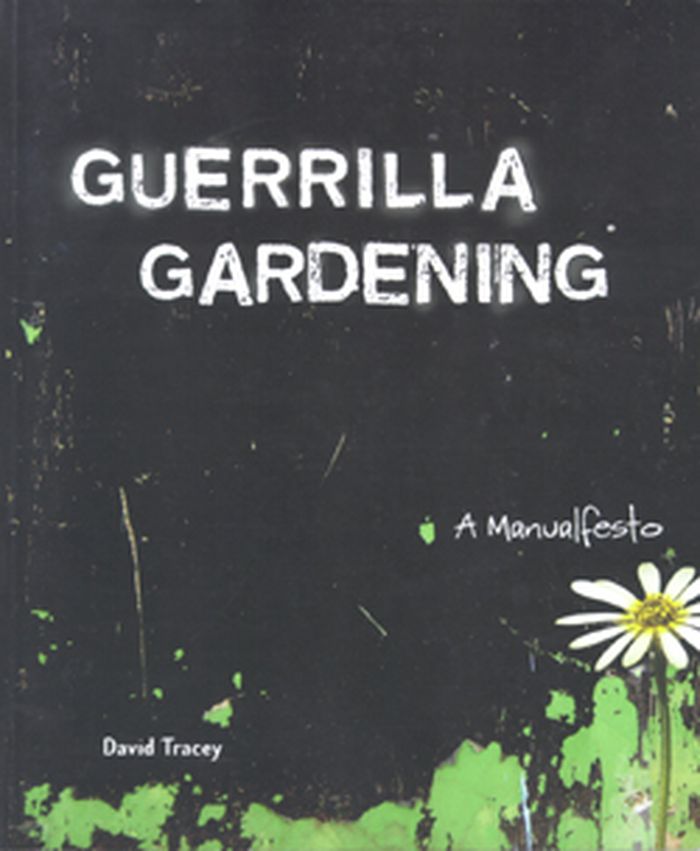
The term "guerrilla" may bring to mind a small band of armed soldiers, moving in the dead of night on a stealth mission. In the case of guerrilla gardening, the soldiers are planters, the weapons are shovels, and the mission is to transform an abandoned lot into a thing of beauty. Once an environmentalist's nonviolent direct action for inner-city renewal, this approach to urban beautification is spreading to all types of people in cities around the world. These modern-day Johnny Appleseeds perform random acts of gardening, often without the property owner's prior knowledge or permission. Typical targets are vacant lots, railway land, underused public squares, and back alleys. The concept is simple, whimsical and has the cheeky appeal of being a not-quite-legal call to action. Dig in some soil, plant a few seeds, or mend a sagging fence - one good deed inspiring another, with win-win results all around.
Guerrilla gardening : a manualfesto
Actions:
Price:
$23.95
(available to order)
Summary:
The term "guerrilla" may bring to mind a small band of armed soldiers, moving in the dead of night on a stealth mission. In the case of guerrilla gardening, the soldiers are planters, the weapons are shovels, and the mission is to transform an abandoned lot into a thing of beauty. Once an environmentalist's nonviolent direct action for inner-city renewal, this approach to urban beautification is spreading to all types of people in cities around the world. These modern-day Johnny Appleseeds perform random acts of gardening, often without the property owner's prior knowledge or permission. Typical targets are vacant lots, railway land, underused public squares, and back alleys. The concept is simple, whimsical and has the cheeky appeal of being a not-quite-legal call to action. Dig in some soil, plant a few seeds, or mend a sagging fence - one good deed inspiring another, with win-win results all around.
Form:
books
books
Publication:
April 2007, Gabriola Island
April 2007, Gabriola Island
Subject:
Urban Landscapes
Urban Landscapes
Form:
books
books
Price:
$54.95
(available to order)
Summary:
In recent years and decades, dealing with the architectural legacy of the industrial age has been an increasingly common task for urban planning: industrial buildings and sites, infrastructure, and residential areas that have become vacant lots as a result of structural transformation cannot, if only because of their dimensions, be ignored within the urban space.(...)
$54.95
(available to order)
Summary:
In recent years and decades, dealing with the architectural legacy of the industrial age has been an increasingly common task for urban planning: industrial buildings and sites, infrastructure, and residential areas that have become vacant lots as a result of structural transformation cannot, if only because of their dimensions, be ignored within the urban space.(...)
Subject:
Urban Theory
Urban Theory
Publication:
November 2011
November 2011
Title:
urbanRESET: how to activate immanent potential of urban spaces
Actions:
Price:
$54.95
(available to order)
Summary:
In recent years and decades, dealing with the architectural legacy of the industrial age has been an increasingly common task for urban planning: industrial buildings and sites, infrastructure, and residential areas that have become vacant lots as a result of structural transformation cannot, if only because of their dimensions, be ignored within the urban space. Innovative reinterpretations of such relics that update existing building fabric in a way that goes beyond critical reconstruction or revitalization, such as the Toni Site in Zurich or the Île de Nantes, can be observed throughout Europe these days. The publication urbanRESET brings together succinct examples of this separate category of urban-planning from throughout Europe. The projects are presented in detail with plans and color illustrations. Interviews with key players and theoretical essays show how local processes of reinterpretation and reactivation can produce sustainable effects. urbanRESET sheds light on the common foundations of these works and condenses them into methodological inferences for a forward-looking urban praxis.
urbanRESET: how to activate immanent potential of urban spaces
Actions:
Price:
$54.95
(available to order)
Summary:
In recent years and decades, dealing with the architectural legacy of the industrial age has been an increasingly common task for urban planning: industrial buildings and sites, infrastructure, and residential areas that have become vacant lots as a result of structural transformation cannot, if only because of their dimensions, be ignored within the urban space. Innovative reinterpretations of such relics that update existing building fabric in a way that goes beyond critical reconstruction or revitalization, such as the Toni Site in Zurich or the Île de Nantes, can be observed throughout Europe these days. The publication urbanRESET brings together succinct examples of this separate category of urban-planning from throughout Europe. The projects are presented in detail with plans and color illustrations. Interviews with key players and theoretical essays show how local processes of reinterpretation and reactivation can produce sustainable effects. urbanRESET sheds light on the common foundations of these works and condenses them into methodological inferences for a forward-looking urban praxis.
Form:
books
books
Publication:
November 2011
November 2011
Subject:
Urban Theory
Urban Theory
Form:
books
books
Title:
Lynn Saville: Dark City
Lynn Saville: Dark City
Actions:
Price:
$60.00
(available to order)
Summary:
Arthur Danto has described Lynn Saville as New York's answer to Eugène Atget, because she "prowls her city at the other end of the day, picking up pieces of the past in the present, just before it is swallowed by shadows." For her new monograph, Dark City, Saville focused on vacant spaces--shuttered storefronts, back alleys, blank billboards, empty lots--with the(...)
$60.00
(available to order)
Summary:
Arthur Danto has described Lynn Saville as New York's answer to Eugène Atget, because she "prowls her city at the other end of the day, picking up pieces of the past in the present, just before it is swallowed by shadows." For her new monograph, Dark City, Saville focused on vacant spaces--shuttered storefronts, back alleys, blank billboards, empty lots--with the(...)
Title:
Lynn Saville: Dark City
Actions:
Price:
$60.00
(available to order)
Summary:
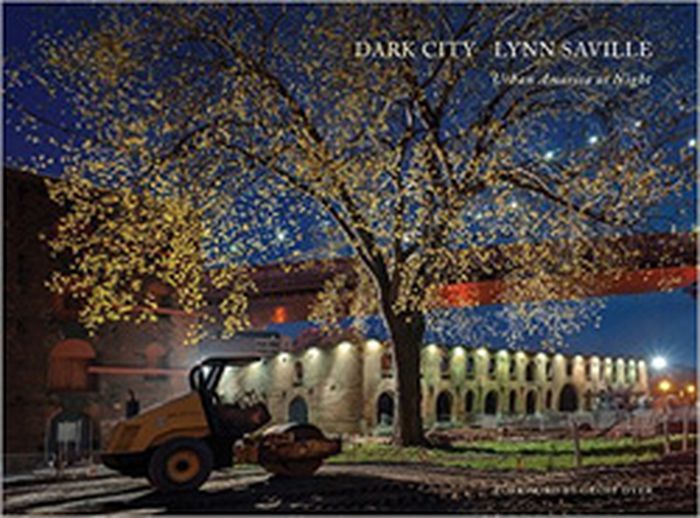
Arthur Danto has described Lynn Saville as New York's answer to Eugène Atget, because she "prowls her city at the other end of the day, picking up pieces of the past in the present, just before it is swallowed by shadows." For her new monograph, Dark City, Saville focused on vacant spaces--shuttered storefronts, back alleys, blank billboards, empty lots--with the occasional ghostly figure hurrying through the frame. Working at twilight and dawn with a medium-format camera (setting up her tripod quickly so as not to attract police attention), Saville captured busy city streets depopulated and emptied out, industrial spaces and storefronts alike gone quiet. Color and light come from the sky, streetlights, neon signs or surveillance lighting. Seemingly otherworldly, the images in Dark City also tell a more pragmatic story of the changing urban landscape--vacancies caused by financial crisis, and construction projects spurred on by economic recovery, gentrification and development.
Lynn Saville: Dark City
Actions:
Price:
$60.00
(available to order)
Summary:
Arthur Danto has described Lynn Saville as New York's answer to Eugène Atget, because she "prowls her city at the other end of the day, picking up pieces of the past in the present, just before it is swallowed by shadows." For her new monograph, Dark City, Saville focused on vacant spaces--shuttered storefronts, back alleys, blank billboards, empty lots--with the occasional ghostly figure hurrying through the frame. Working at twilight and dawn with a medium-format camera (setting up her tripod quickly so as not to attract police attention), Saville captured busy city streets depopulated and emptied out, industrial spaces and storefronts alike gone quiet. Color and light come from the sky, streetlights, neon signs or surveillance lighting. Seemingly otherworldly, the images in Dark City also tell a more pragmatic story of the changing urban landscape--vacancies caused by financial crisis, and construction projects spurred on by economic recovery, gentrification and development.
Form:
books
books
Publication:
June 2015
June 2015
Subject:
Photography monographs
Photography monographs
Form:
books
books
Title:
The phantom scientist
The phantom scientist
Actions:
Price:
$33.95
(available to order)
Summary:
An isolated institute laid out in a Fibonacci sequence, hidden deep in the forest. Twenty-four labs. Twenty-four researchers. Until one of them disappears . . . When physicist Stéphane Douasy arrives to occupy the vacant twenty-fourth lab at the Institute for the Study of Complex and Dynamic Systems, an ominous problem rises in his wake: what has happened to his(...)
$33.95
(available to order)
Summary:
An isolated institute laid out in a Fibonacci sequence, hidden deep in the forest. Twenty-four labs. Twenty-four researchers. Until one of them disappears . . . When physicist Stéphane Douasy arrives to occupy the vacant twenty-fourth lab at the Institute for the Study of Complex and Dynamic Systems, an ominous problem rises in his wake: what has happened to his(...)
Title:
The phantom scientist
Actions:
Price:
$33.95
(available to order)
Summary:
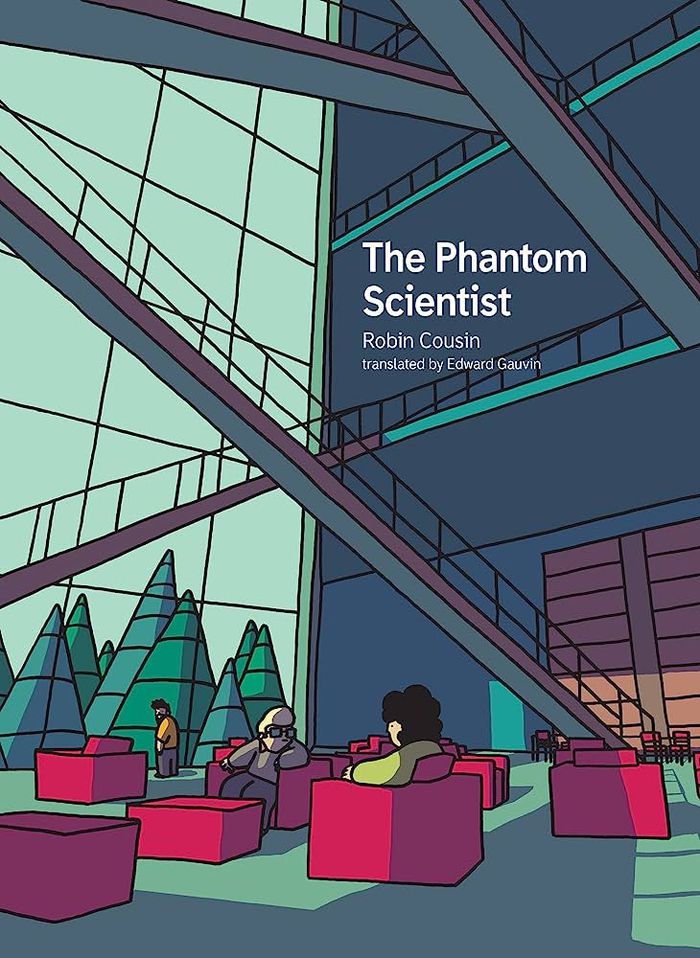
An isolated institute laid out in a Fibonacci sequence, hidden deep in the forest. Twenty-four labs. Twenty-four researchers. Until one of them disappears . . . When physicist Stéphane Douasy arrives to occupy the vacant twenty-fourth lab at the Institute for the Study of Complex and Dynamic Systems, an ominous problem rises in his wake: what has happened to his missing neighbor in Building F? When Stéphane’s neighbors, a discouraged linguist and a computer scientist bent on predicting the future, discover that the missing researcher may have solved the P versus NP problem—a coup in computer science with revolutionary implications for everything from mathematics to philosophy—before vanishing, things turn stranger still, and even more menacing. Solving the mystery of the Institute and its devolution into mayhem and violence every seventh year quickly shifts from being an intellectual exercise to a matter of life and death. ''The phantom scientist'' is part thriller, part mystery, part systems theory—and all enthralling. The tale slyly draws together linguistics, biology, astrophysics, and robotics in a mind-bending puzzle that will thrill and inform readers.
The phantom scientist
Actions:
Price:
$33.95
(available to order)
Summary:
An isolated institute laid out in a Fibonacci sequence, hidden deep in the forest. Twenty-four labs. Twenty-four researchers. Until one of them disappears . . . When physicist Stéphane Douasy arrives to occupy the vacant twenty-fourth lab at the Institute for the Study of Complex and Dynamic Systems, an ominous problem rises in his wake: what has happened to his missing neighbor in Building F? When Stéphane’s neighbors, a discouraged linguist and a computer scientist bent on predicting the future, discover that the missing researcher may have solved the P versus NP problem—a coup in computer science with revolutionary implications for everything from mathematics to philosophy—before vanishing, things turn stranger still, and even more menacing. Solving the mystery of the Institute and its devolution into mayhem and violence every seventh year quickly shifts from being an intellectual exercise to a matter of life and death. ''The phantom scientist'' is part thriller, part mystery, part systems theory—and all enthralling. The tale slyly draws together linguistics, biology, astrophysics, and robotics in a mind-bending puzzle that will thrill and inform readers.
Form:
books
books
Publication:
February 2023
February 2023
Subject:
Illustration
Illustration
Form:
books
books
Price:
$37.95
(available to order)
Summary:
In The City after Property, Sara Safransky examines how postindustrial decline generates new forms of urban land politics. In the 2010s, Detroit government officials classified a staggering 150,000 lots—more than a third of the city—as “vacant” or “abandoned.” Analyzing subsequent efforts to shrink the Motor City’s footprint and budget, Safransky presents a new way of(...)
$37.95
(available to order)
Summary:
In The City after Property, Sara Safransky examines how postindustrial decline generates new forms of urban land politics. In the 2010s, Detroit government officials classified a staggering 150,000 lots—more than a third of the city—as “vacant” or “abandoned.” Analyzing subsequent efforts to shrink the Motor City’s footprint and budget, Safransky presents a new way of(...)
Title:
The city after property: Abandonment and repair in postindustrial Detroit
Actions:
Price:
$37.95
(available to order)
Summary:
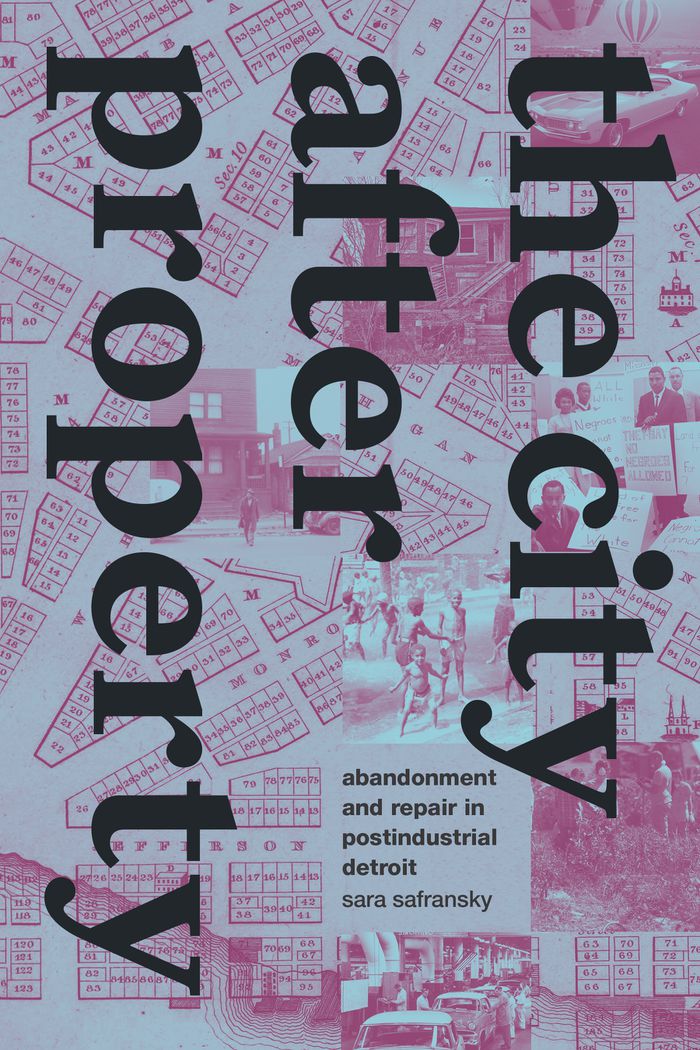
In The City after Property, Sara Safransky examines how postindustrial decline generates new forms of urban land politics. In the 2010s, Detroit government officials classified a staggering 150,000 lots—more than a third of the city—as “vacant” or “abandoned.” Analyzing subsequent efforts to shrink the Motor City’s footprint and budget, Safransky presents a new way of conceptualizing urban abandonment. She challenges popular myths that cast Detroit as empty along with narratives that reduce its historical decline to capital and white flight. In connecting contemporary debates over neoliberal urbanism to Cold War histories and the lasting political legacies of global movements for decolonization and Black liberation, she foregrounds how the making of—and challenges to—modern property regimes have shaped urban policy and politics. Drawing on critical geographical theory and community-based ethnography, Safransky shows how private property functions as a racialized construct, an ideology, and a moral force that shapes selves and worlds. By thinking the city “after property,” Safransky illuminates alternative ways of imagining and organizing urban life.
The city after property: Abandonment and repair in postindustrial Detroit
Actions:
Price:
$37.95
(available to order)
Summary:
In The City after Property, Sara Safransky examines how postindustrial decline generates new forms of urban land politics. In the 2010s, Detroit government officials classified a staggering 150,000 lots—more than a third of the city—as “vacant” or “abandoned.” Analyzing subsequent efforts to shrink the Motor City’s footprint and budget, Safransky presents a new way of conceptualizing urban abandonment. She challenges popular myths that cast Detroit as empty along with narratives that reduce its historical decline to capital and white flight. In connecting contemporary debates over neoliberal urbanism to Cold War histories and the lasting political legacies of global movements for decolonization and Black liberation, she foregrounds how the making of—and challenges to—modern property regimes have shaped urban policy and politics. Drawing on critical geographical theory and community-based ethnography, Safransky shows how private property functions as a racialized construct, an ideology, and a moral force that shapes selves and worlds. By thinking the city “after property,” Safransky illuminates alternative ways of imagining and organizing urban life.
Form:
books
books
Publication:
August 2023
August 2023
Form:
books
books
Actions:
Price:
$102.00
(available to order)
Summary:
The Clyfford Still Museum was designed by the leading architectural practice Allied Works and its founder, Brad Cloepfil. The building creates space for the voice and artistic vision of American painter Clyfford Still (1904–1980), housing the vast majority of his creative output over a sixty-year period. The museum’s design is inspired by the work of Still and by its(...)
$102.00
(available to order)
Summary:
The Clyfford Still Museum was designed by the leading architectural practice Allied Works and its founder, Brad Cloepfil. The building creates space for the voice and artistic vision of American painter Clyfford Still (1904–1980), housing the vast majority of his creative output over a sixty-year period. The museum’s design is inspired by the work of Still and by its(...)
Subject:
Architecture Monographs
Architecture Monographs
Publication:
February 2022
February 2022
Title:
Cyfford Still Museum: Allied Works architecture
Actions:
Price:
$102.00
(available to order)
Summary:
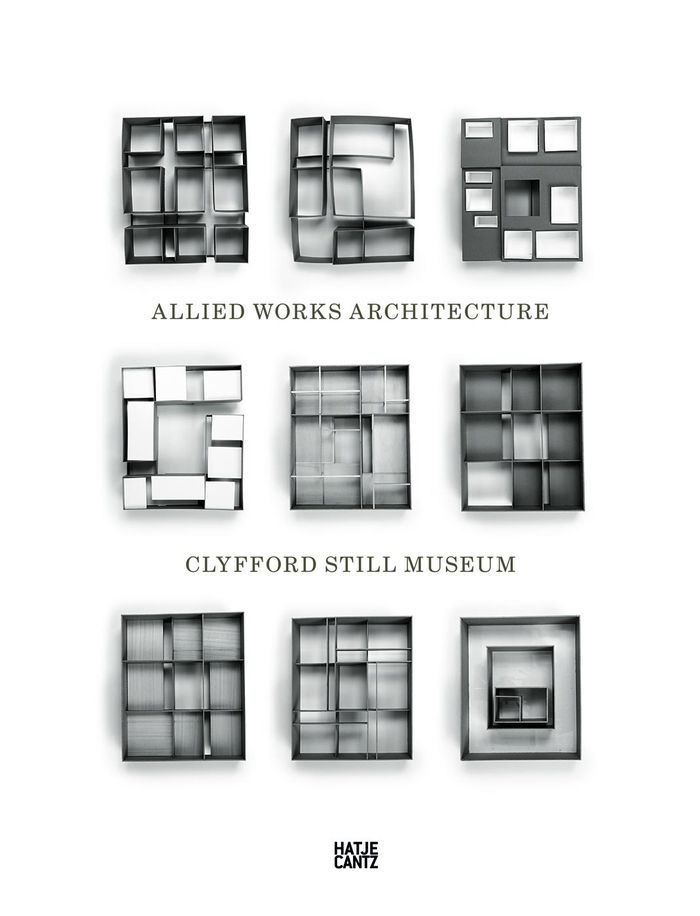
The Clyfford Still Museum was designed by the leading architectural practice Allied Works and its founder, Brad Cloepfil. The building creates space for the voice and artistic vision of American painter Clyfford Still (1904–1980), housing the vast majority of his creative output over a sixty-year period. The museum’s design is inspired by the work of Still and by its monumental context: the site is located at the intersection of prairie and mountains, within an urban district of major cultural buildings, vacant lots, historic housing, and new development. The building looks to the earth as a source of silence and profound connection to the elemental forces the artist explored through his painting. This publication presents the vision and realization of the museum from initial concepts to completion. A rich collection of stories, artifacts, documents, and conversations trace the evolution of the building and Allied Works’ unique creative process. New essays and photography examine its significance within contemporary architectural discourse and the singular experience of the completed work.
Cyfford Still Museum: Allied Works architecture
Actions:
Price:
$102.00
(available to order)
Summary:
The Clyfford Still Museum was designed by the leading architectural practice Allied Works and its founder, Brad Cloepfil. The building creates space for the voice and artistic vision of American painter Clyfford Still (1904–1980), housing the vast majority of his creative output over a sixty-year period. The museum’s design is inspired by the work of Still and by its monumental context: the site is located at the intersection of prairie and mountains, within an urban district of major cultural buildings, vacant lots, historic housing, and new development. The building looks to the earth as a source of silence and profound connection to the elemental forces the artist explored through his painting. This publication presents the vision and realization of the museum from initial concepts to completion. A rich collection of stories, artifacts, documents, and conversations trace the evolution of the building and Allied Works’ unique creative process. New essays and photography examine its significance within contemporary architectural discourse and the singular experience of the completed work.
Form:
books
books
Publication:
February 2022
February 2022
Subject:
Architecture Monographs
Architecture Monographs
Form:
books
books
Actions:
Price:
$54.95
(available to order)
Summary:
What form of housing will emerge in Dubai, where the majority of the population are non-citizens and average length of stay three days? How will depopulating cities reclaim vacant space, reorganize infrastructure and redefine their economic identity? What type of architecture results from the prevalence of airborne contaminants? What kind of urbanism does Google Earth(...)
$54.95
(available to order)
Summary:
What form of housing will emerge in Dubai, where the majority of the population are non-citizens and average length of stay three days? How will depopulating cities reclaim vacant space, reorganize infrastructure and redefine their economic identity? What type of architecture results from the prevalence of airborne contaminants? What kind of urbanism does Google Earth(...)
Title:
Distributed urbanism : cities after Google Earth
Actions:
Price:
$54.95
(available to order)
Summary:
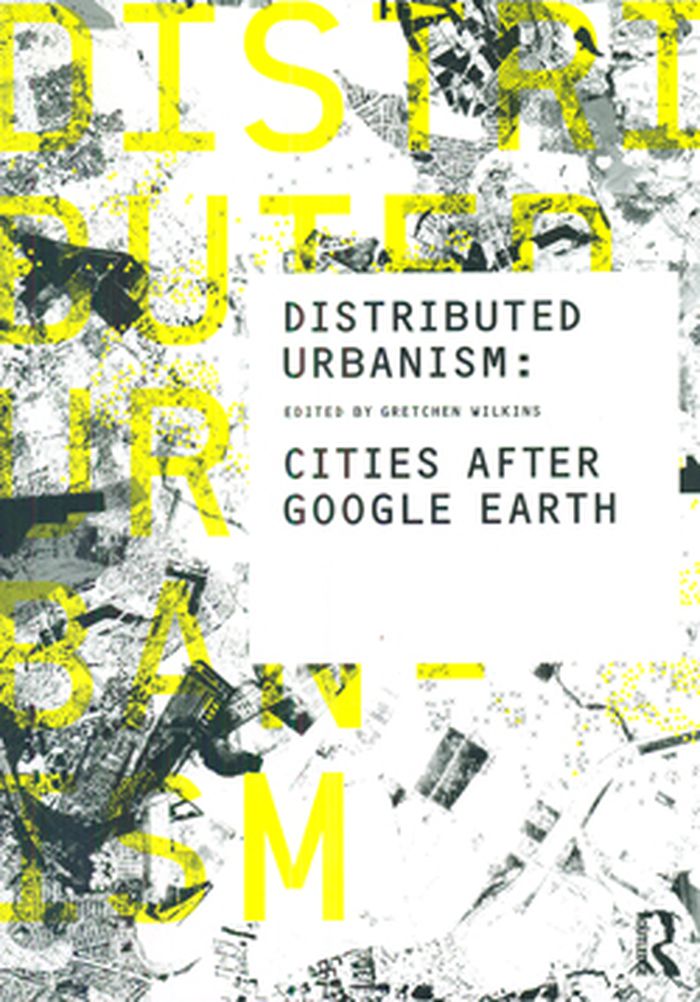
What form of housing will emerge in Dubai, where the majority of the population are non-citizens and average length of stay three days? How will depopulating cities reclaim vacant space, reorganize infrastructure and redefine their economic identity? What type of architecture results from the prevalence of airborne contaminants? What kind of urbanism does Google Earth produce? Exploring the increasingly decentralized systems through which cities are organized and produced, this publication highlights the architectural practices that are emerging in response. Unlike early models of urbanism, in which centralized models of production, communication and governance were sited within a central business district, contemporary urbanism is shaped by remote, distributed mechanisms such as information technologies, (i.e. SatNav, Google Earth, E-trade, Photosynth or RSS web feeds) cooperative economic models and environmental networks, many of which are physically remote from the cities they shape. Consisting of a collection of case studies on global cities including Rotterdam, Tokyo, Barcelona, Detroit, Hong Kong, Dubai, Beijing and Mumbai, the authors draw on these cities in relation to current events, urban schemes and demographic data.
Distributed urbanism : cities after Google Earth
Actions:
Price:
$54.95
(available to order)
Summary:
What form of housing will emerge in Dubai, where the majority of the population are non-citizens and average length of stay three days? How will depopulating cities reclaim vacant space, reorganize infrastructure and redefine their economic identity? What type of architecture results from the prevalence of airborne contaminants? What kind of urbanism does Google Earth produce? Exploring the increasingly decentralized systems through which cities are organized and produced, this publication highlights the architectural practices that are emerging in response. Unlike early models of urbanism, in which centralized models of production, communication and governance were sited within a central business district, contemporary urbanism is shaped by remote, distributed mechanisms such as information technologies, (i.e. SatNav, Google Earth, E-trade, Photosynth or RSS web feeds) cooperative economic models and environmental networks, many of which are physically remote from the cities they shape. Consisting of a collection of case studies on global cities including Rotterdam, Tokyo, Barcelona, Detroit, Hong Kong, Dubai, Beijing and Mumbai, the authors draw on these cities in relation to current events, urban schemes and demographic data.
Form:
books
books
Publication:
July 2010
July 2010
Subject:
Urban Theory
Urban Theory


